Prince Rupert Cruise Port: Grizzlies & Rainforest Coast
Prince Rupert is the port most Alaska-bound itineraries treat as a quiet formality, and that is exactly why I like it. It is a small, working fishing town wrapped in temperate rainforest on British Columbia’s north coast, where totem poles outnumber souvenir shops.
My quick take
This is not a port you shop your way through. It is one you walk, in a rain jacket, past fishing boats and Tsimshian carvings on your way to a grizzly tour or a century-old cannery down the highway.
If you are piecing together a wider Canada cruise ports itinerary, Prince Rupert is the quiet, unpolished one. Plan for rain instead of sun and you will have a genuinely good day.
Quick Facts
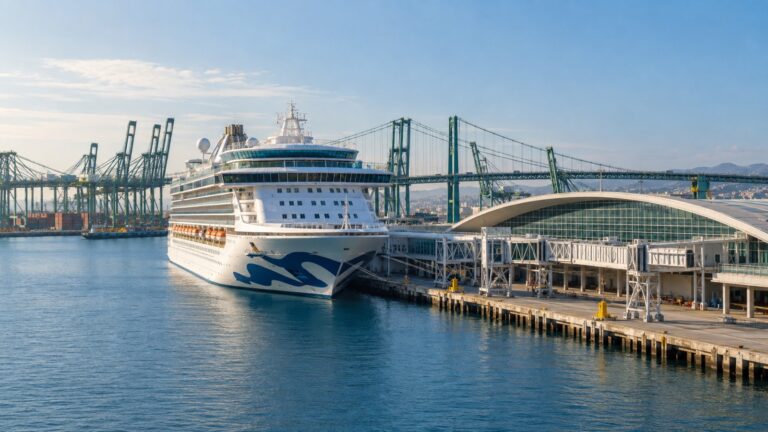
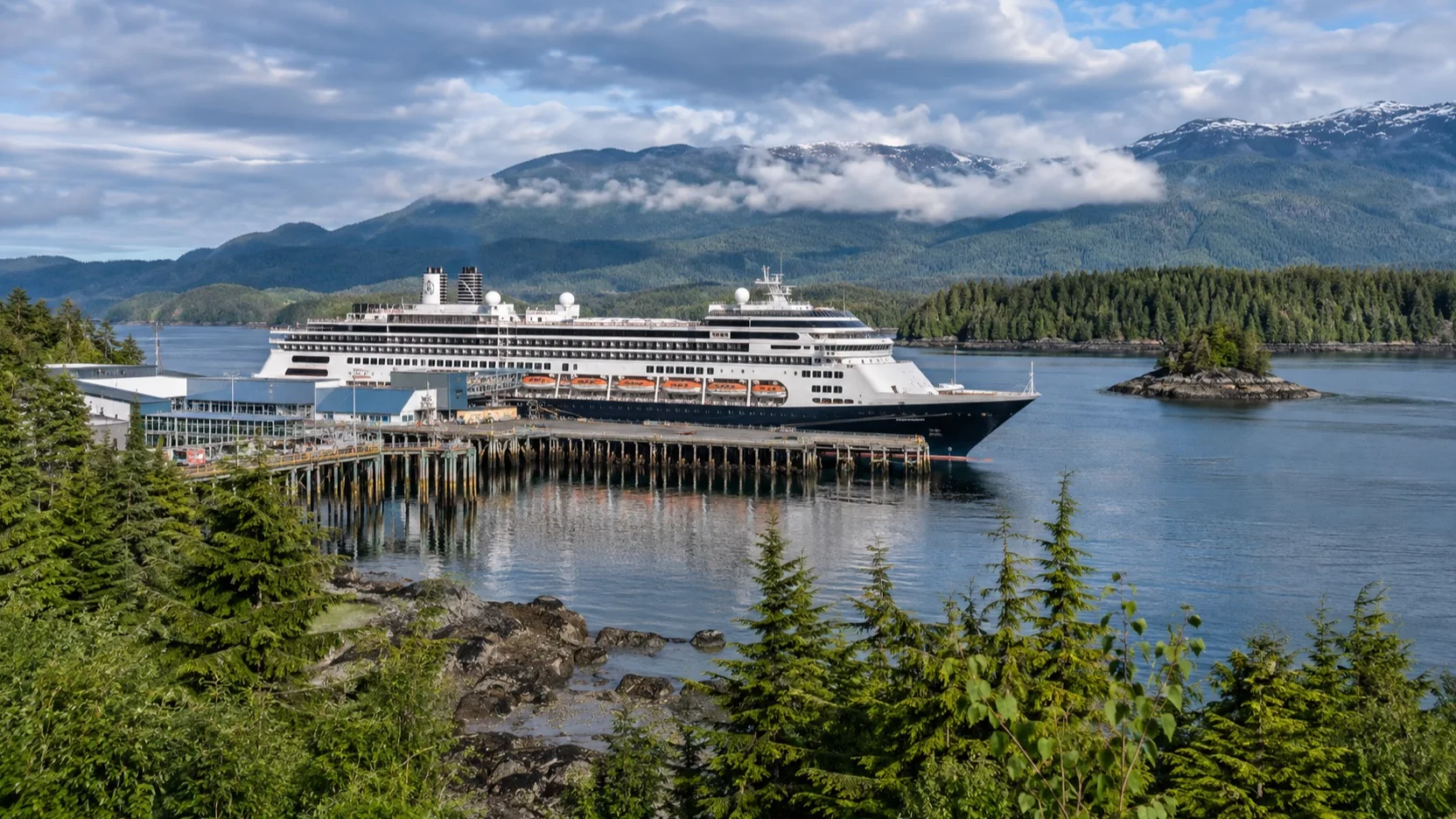
- Where you land: Alongside at the Northland Cruise Terminal on the Atlin waterfront, on Kaien Island near the top of the Inside Passage. The berth is on the edge of downtown rather than out of town.
- Dock or tender: Ships come alongside at Northland Cruise Terminal, and the gangway is a self-adjusting ramp that holds a gentle grade whatever the tide is doing.
- Into town: About a 5 to 10 minute walk along the Atlin Promenade puts you in Cow Bay and downtown.
- Currency and language: Canadian dollars (CAD) and English, with Sm’algyax still spoken in the Tsimshian community.
- Time zone: Prince Rupert stays on Pacific time at UTC−7 year-round following British Columbia’s March 2026 change. Follow the ship’s stated clock for all-aboard.
- Operational caution: Port traffic, wind, visibility, and the ship’s operating plan can still change arrival details.
How I would confirm my own berth
Prince Rupert is a straightforward alongside berth rather than an anchorage, so there is little guesswork here compared to smaller Alaska stops. Still, I would check my cruise line’s port-of-call notice the night before for the exact terminal exit time.
I would also take a look at the Prince Rupert Port Authority’s terminal page to see which ships are in on my date. It occasionally confirms gangway details and any shuttle arrangements cruise lines have set up for the day.
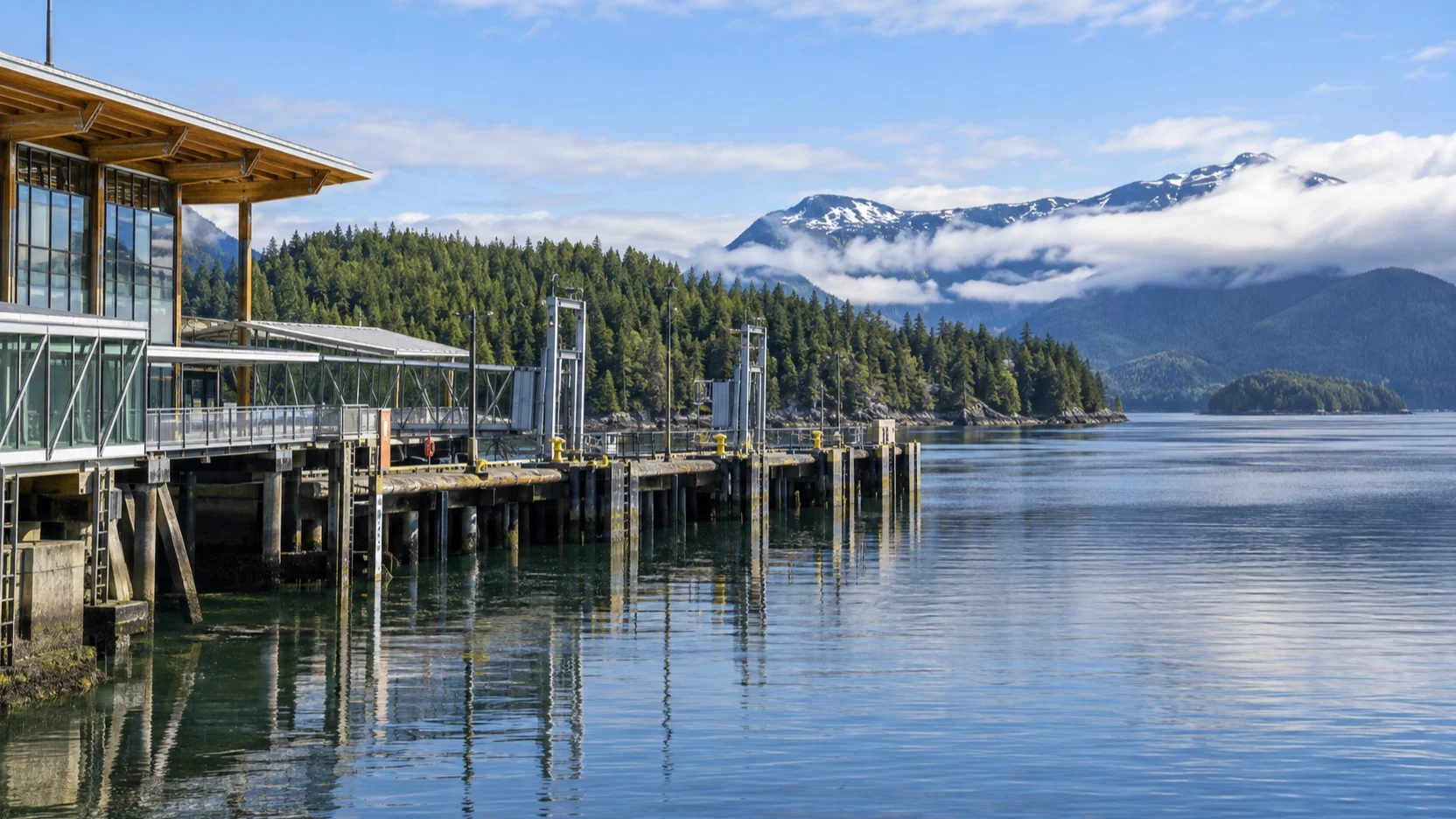
The Inside Passage approach
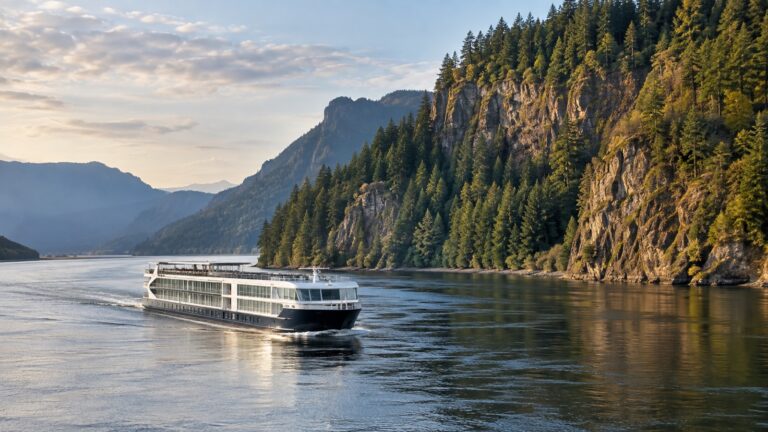
Prince Rupert marks the northern end of British Columbia’s stretch of the Inside Passage, the sheltered coastal route ships thread between islands and fjords. If your morning starts with a slow cruise past forested shorelines, that is the Inside Passage doing its work.
It is worth being out on deck as you approach, weather permitting, because the scenery on the way in is half the reason to sail this coast. Eagles, sea lions, and the occasional whale all turn up along the channel.
Getting around
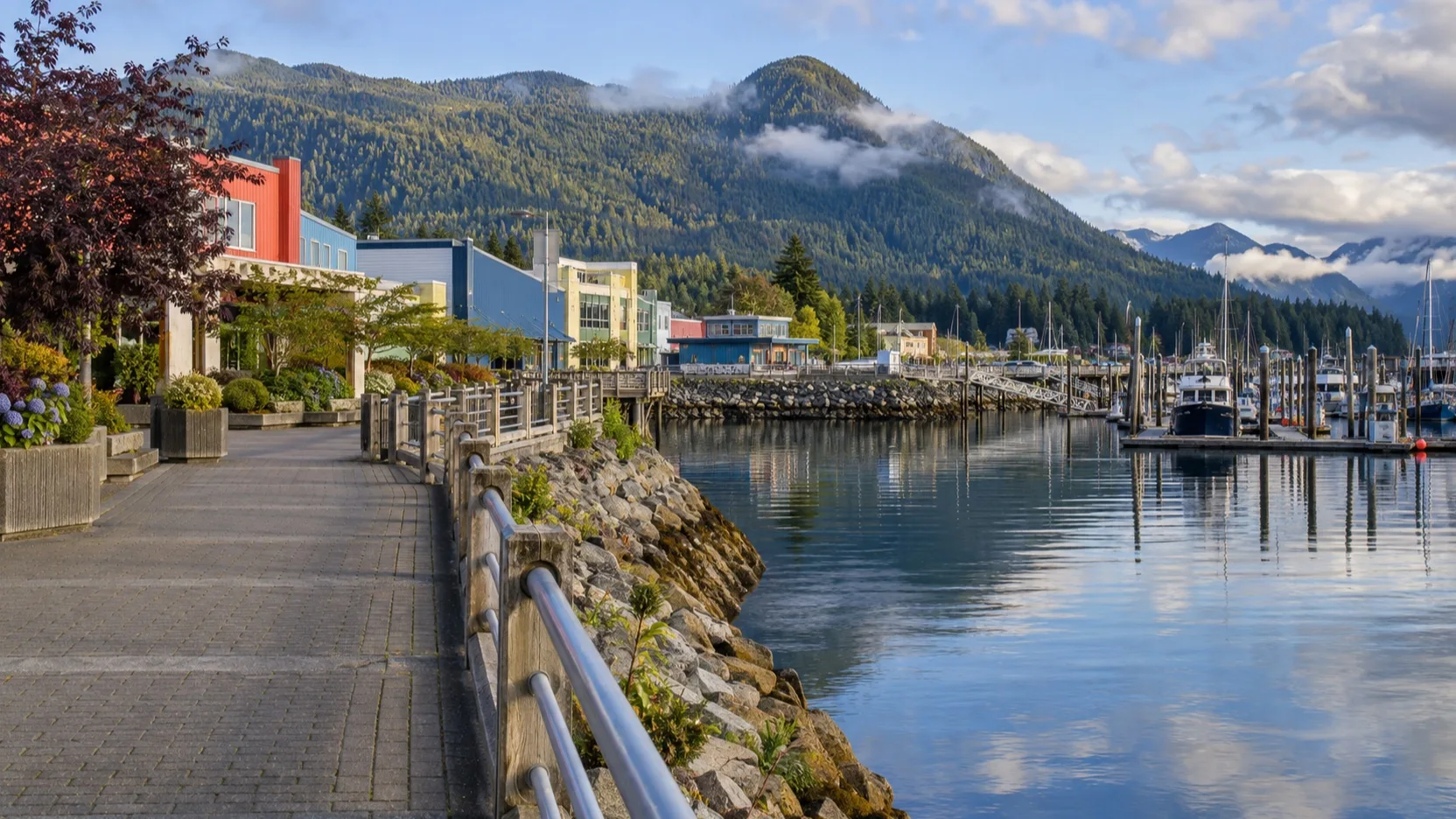
Downtown and Cow Bay are an easy walk from the terminal via the Atlin Promenade, and that covers most of what I would want to see without any transport at all.
For anything further afield, such as the Khutzeymateen Sanctuary, North Pacific Cannery, or the Butze Rapids trailhead, you are looking at a pre-booked tour, a taxi, or a rental car. Rideshare options are limited and rental agencies are few, often booked out on cruise days.
Tourism Prince Rupert’s wildlife-viewing page lists the operators running boat and floatplane trips out of the harbor. Booking ahead through them beats hoping for space on the pier.
The stops I would actually spend time on
Museum of Northern British Columbia: a longhouse-style building right in town, a short walk from the ship, with exhibits on Tsimshian art, history, and daily life. A working artists’ studio sits inside, where carvers sometimes take questions.
Fun fact: the museum operates the ‘Wiwaabm Ts’msyeen, the Tsimshian Performance Longhouse, one of the only dedicated Indigenous performance spaces of its kind on the north coast.
North Pacific Cannery National Historic Site: about a 25-minute drive to Port Edward, this is BC’s oldest surviving salmon cannery, with original wooden buildings on pilings over the Skeena River. Guided tours dig into the industry that built this coast.
Fun fact: the cannery operated continuously from 1889 to 1968 and is now recognized as a National Historic Site of Canada by Parks Canada.
Khutzeymateen Grizzly Bear Sanctuary tour: a boat or floatplane trip roughly 28 miles northeast into the Khutzeymateen Inlet, where grizzlies feed along the estuary in season. It is not cheap and it takes most of your day in port, but it is the single most memorable thing I would do here.
Fun fact: created in 1994, Khutzeymateen was Canada’s first sanctuary set aside specifically to protect grizzly bears.
Cow Bay and the downtown waterfront: candy-colored buildings, fishing boats unloading at the docks, a farmers’ market when it is running, and totem poles scattered through downtown. It costs nothing and it is the best way to feel the town rather than just tick off a sight.
Fun fact: Prince Rupert sits on the traditional territory of the Tsimshian’s Nine Allied Tribes, whose presence here predates European contact by thousands of years.
A little Tsimshian context
The Tsimshian have lived and fished along this coast for thousands of years, and their art is woven right through the modern town. You will see it in the totem poles downtown, in the carvings at the museum, and in the crest designs on public buildings.
If you have any interest in the culture, the museum is the place to start, since its guides put the poles and the fishing history into context. Treating that as the backbone of your day, rather than an afterthought, changes how the whole port reads.
Where I would eat
Cow Bay is where I would point anyone hungry, since it packs most of the town’s cafes and seafood spots into a few walkable blocks. Look for halibut and chips, seafood chowder, and locally roasted coffee with a view of the boats.
This is a fishing town first, so the seafood is about as fresh as it gets. If the farmers’ market is running on your day in port, it is worth a browse for smoked salmon and baked goods.
How I would plan the day
Short on time: Walk the Atlin Promenade into Cow Bay, browse the shops and galleries, and pop into the Museum of Northern BC. Grab seafood chowder somewhere with a harbor view, and you have a relaxed two to three hours without booking anything.
A full day: Book the Khutzeymateen grizzly tour first thing, since it usually runs four to six hours round trip depending on the operator and tide, then walk Cow Bay with whatever time is left before reboarding. Alternatively, split the day between the North Pacific Cannery in the morning and downtown in the afternoon, which keeps you closer to the ship and easier to time.
A realistic word on accessibility
The Northland Cruise Terminal’s gangway is a self-adjusting ramp built to hold a gentle grade regardless of tide, which makes getting off the ship itself fairly manageable. The Atlin Promenade and downtown sidewalks are flat and paved, so a wheelchair or limited-mobility visitor can comfortably do the Cow Bay and museum version of the day.
Once you are talking about the cannery or the grizzly sanctuary, though, you are on boats, docks, and boardwalks with uneven footing. It is worth calling the operator directly to ask what they can accommodate before you book.
When to go, and the weather
Prince Rupert sits inside coastal temperate rainforest, and it earns that label. The city averages nearly 120 inches of precipitation a year and sees rain on well over 150 days, making it one of the wettest cities in Canada.
Cruise season runs roughly May through September, with July and August the warmest and driest stretch, though “driest” here is relative. Pack a genuine rain layer rather than a light jacket, plus comfortable shoes that can handle wet pavement and boardwalks.
Whale and bear activity both build through summer. Grizzly viewing is at its best from May into July, while whales get more reliable from late July on.
Quick answers
Do ships dock or anchor at Prince Rupert? They dock alongside at the Northland Cruise Terminal, with no tenders involved.
How long do ships stay in port? Most calls are a single daytime stop of roughly eight to ten hours, enough for one big excursion or a relaxed walking day, though exact hours vary by cruise line.
Can I walk into town from the ship? Yes, the Atlin Promenade connects the terminal to Cow Bay and downtown in a few easy minutes on foot.
Is the grizzly bear tour worth booking? If wildlife is why you are on this itinerary, yes, because Khutzeymateen is a genuinely rare protected sanctuary rather than a roadside viewing platform, and spots are limited so book ahead.
What should I pack for a Prince Rupert port day? A waterproof jacket, warm layers, and shoes that handle wet ground, whatever the forecast says, because rain is part of the experience here rather than an exception.
What currency should I bring? Canadian dollars, though cards work almost everywhere downtown and small cash mainly helps at the farmers’ market and with tips.
Compared with the bigger BC stops, Prince Rupert feels like a different country entirely, nothing like the polish of Vancouver’s Canada Place or the manicured gardens of Victoria’s Inner Harbour. It is smaller, wetter, and a lot more about the land and the people who have been here longest.
If that is the kind of port day you are after, it is worth every drop of rain.
How this guide was researched: Unless a first-hand visit is explicitly identified above, this guide is based on independent research using official port, tourism, transit, government, and attraction sources where available. Logistics and time-sensitive details were reviewed in August 2026; see our Editorial Policy.