Gulfport Cruise Port: Ship Island and the Mississippi Coast
Gulfport is becoming a genuine small-ship cruise stop on the Mississippi coast, with the working Port of Gulfport close to Jones Park, the Mississippi Aquarium, and downtown. Ship Island is the marquee outing, but it is a seasonal, weather-dependent boat trip rather than a beach you simply walk to from the gangway.
That distinction shapes the whole day. Confirm whether your cruise line has arranged a Ship Island excursion, where your vessel is berthed, and what return protection applies before buying an independent ferry ticket.
My quick take
Choose Ship Island when the sailing is operating, the times fit your ship, and a full beach-and-fort outing matches your interests. Stay on the mainland for a shorter, more flexible day built around the aquarium, Jones Park, downtown, or a cruise-line excursion.
Do not assume the public ferry schedule will line up with an overnight cruise call just because both use Gulfport. The ferry is a separate operator with seasonal departures and weather decisions.
Gulfport quick facts
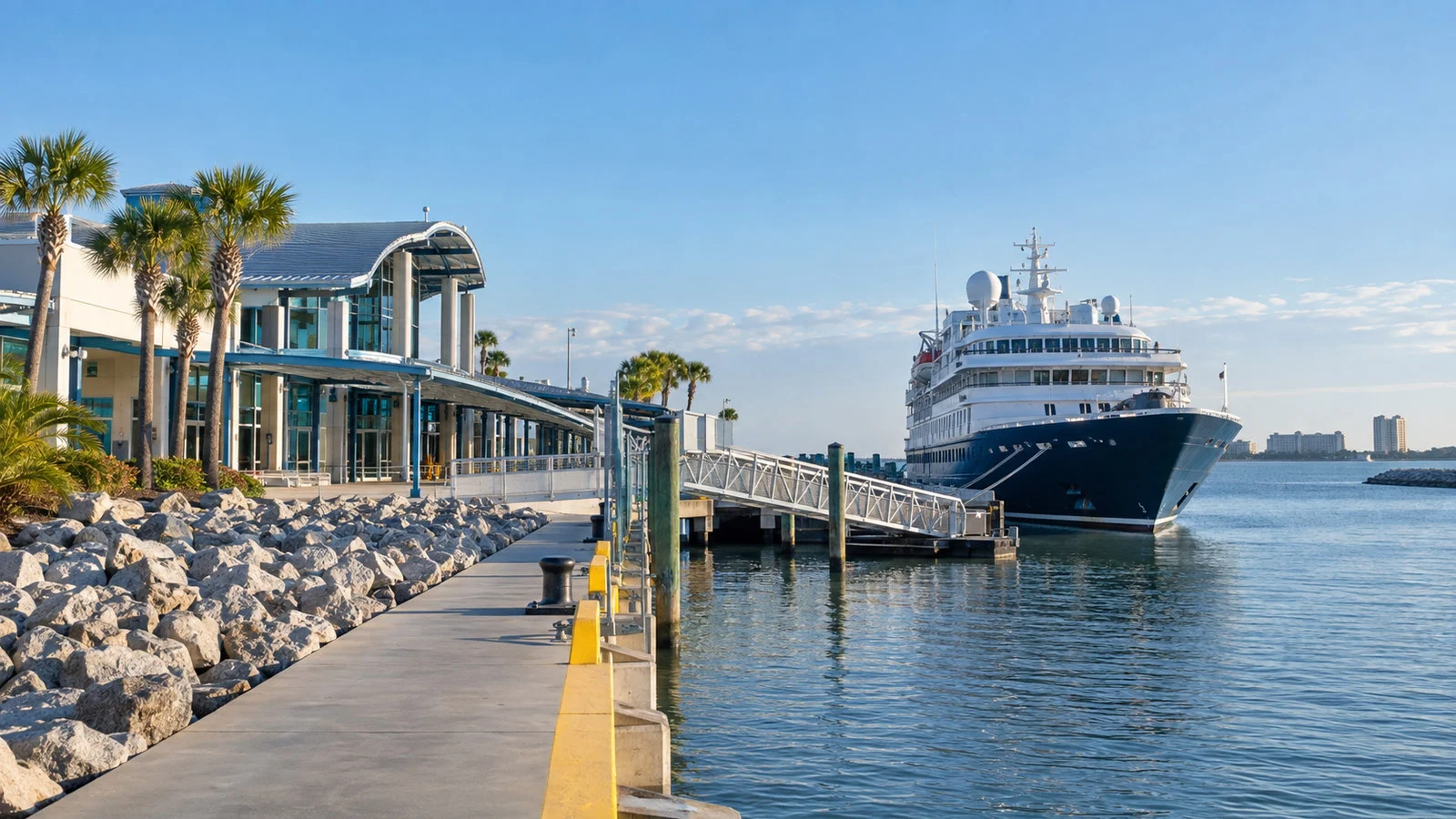
- Where small cruise ships dock: At the working Port of Gulfport, with the exact secure-terminal exit and gangway set by the port and cruise line.
- Mainland attractions: Jones Park, Mississippi Aquarium, downtown restaurants, and local museums or tours.
- Ship Island ferry pier: Jones Park at 1022 23rd Avenue, according to the National Park Service.
- Ferry season: NPS describes public service as seasonal, generally from mid-March through October.
- Island distance: About 12 miles offshore and reachable only by boat.
- Island facilities: Seasonal restrooms, pavilions, a concession store, beach services, and Fort Massachusetts, with dates and hours to verify.
- Primary return rule: Use the ship excursion when ferry timing does not leave a generous independent margin.
Where ships dock and how you get out
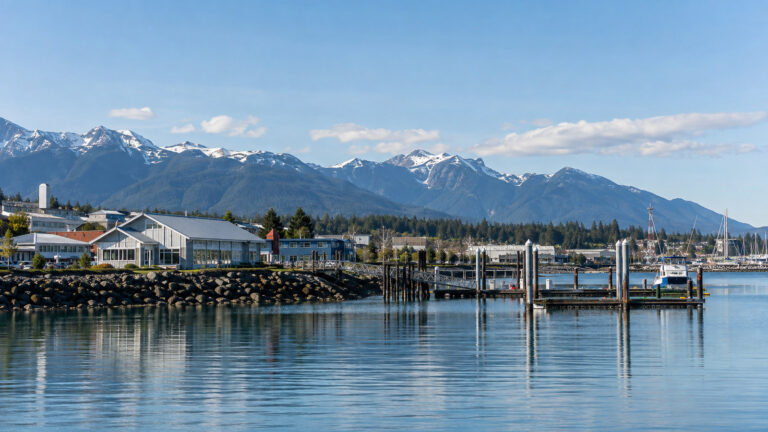
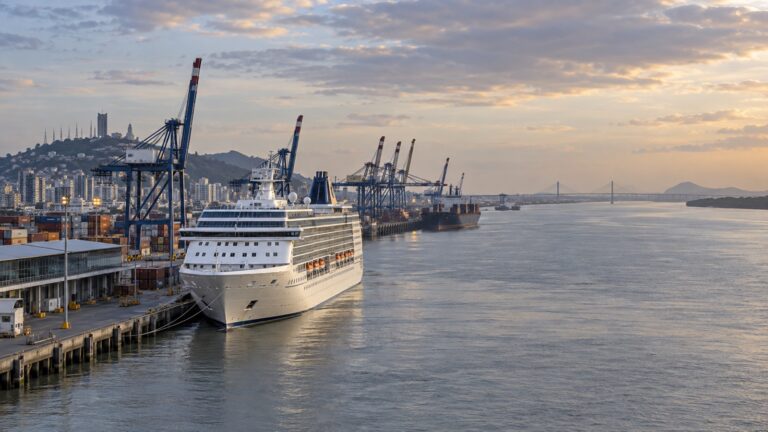
The Port of Gulfport is first a commercial port, not a resort-style cruise terminal district. Its 2025 announcement says American Cruise Lines began Gulf Coast itineraries with an overnight Gulfport stop in 2026 and highlights the port’s proximity to Jones Park, the aquarium, restaurants, and downtown.
That official announcement does not promise one permanent passenger gangway or a universal walking route for every vessel. Follow the ship’s directions through the secure port area, and use any provided shuttle rather than trying to walk through an operating cargo zone.
Dock or tender?
Do not label Gulfport universally as either an alongside or tender call. Small ships can use port facilities, but your vessel, berth assignment, marine conditions, and security plan determine the actual process.
Ask the crew whether the ship will be alongside, whether a shuttle is required, and where independent tours may pick up. Photograph the return point before leaving the controlled area.
Ship Island ferry: the key planning test
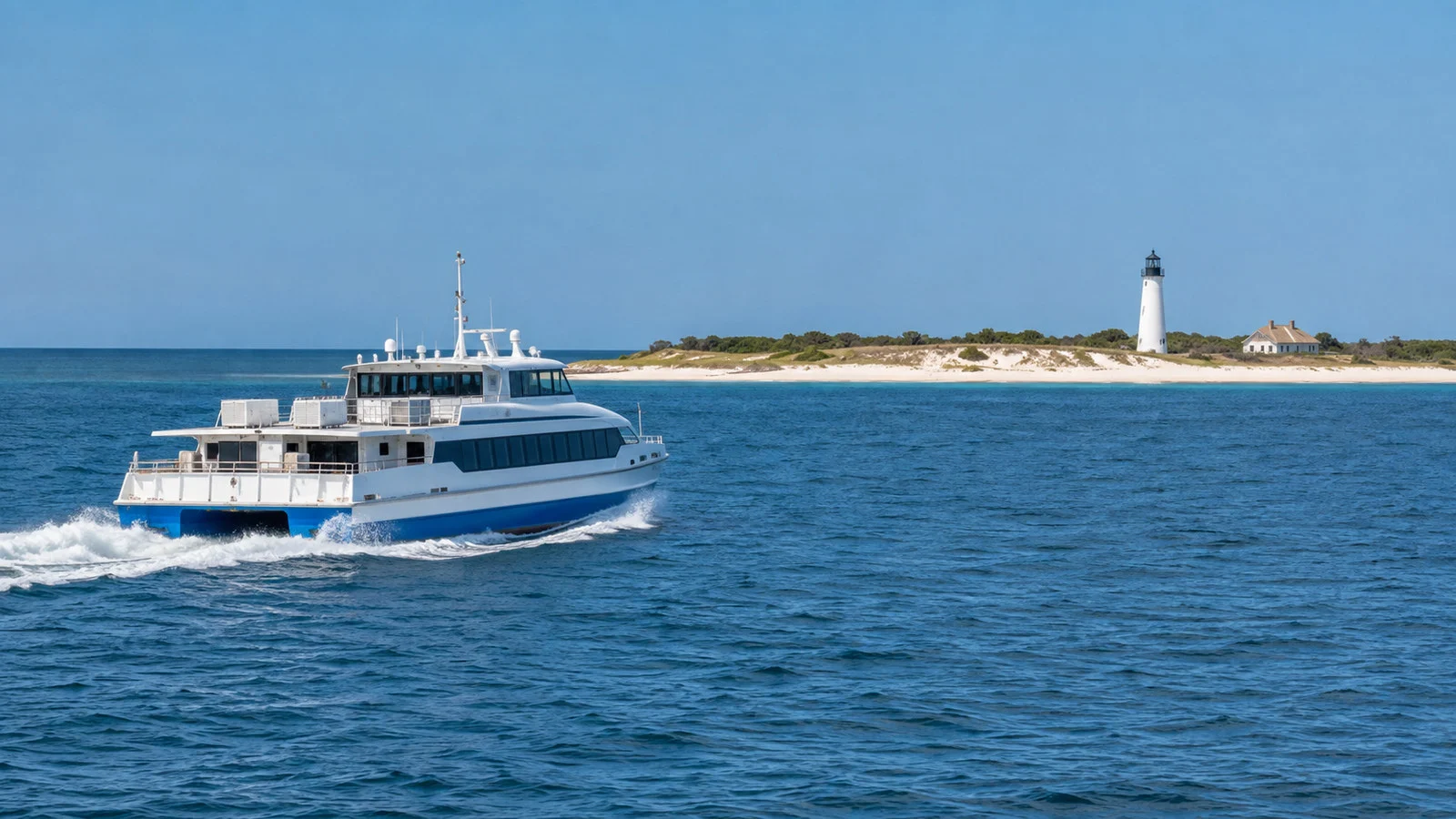
Ship Island lies about 12 miles off the Mississippi coast and is only accessible by boat. The National Park Service says the public ferry runs seasonally from Gulfport, generally from mid-March through October, with the departure pier at Jones Park, 1022 23rd Avenue.
Check the live schedule and weather status with Ship Island Excursions before booking. A ferry cancellation can happen even when your cruise ship reaches Gulfport, because the vessels, routes, operating thresholds, and schedules are different.
Does the public ferry fit a cruise call?
Compare four times: the cruise-line release from the secure port, ferry check-in, ferry return to Jones Park, and ship all-aboard. If those do not leave a comfortable margin on both ends, use the ship’s organized excursion or choose a mainland plan.
An overnight call may create more options, but it does not automatically make every ferry departure safe. Confirm whether the ship remains accessible overnight and whether the cruise line has any special curfew or shuttle instructions.
What you get on Ship Island
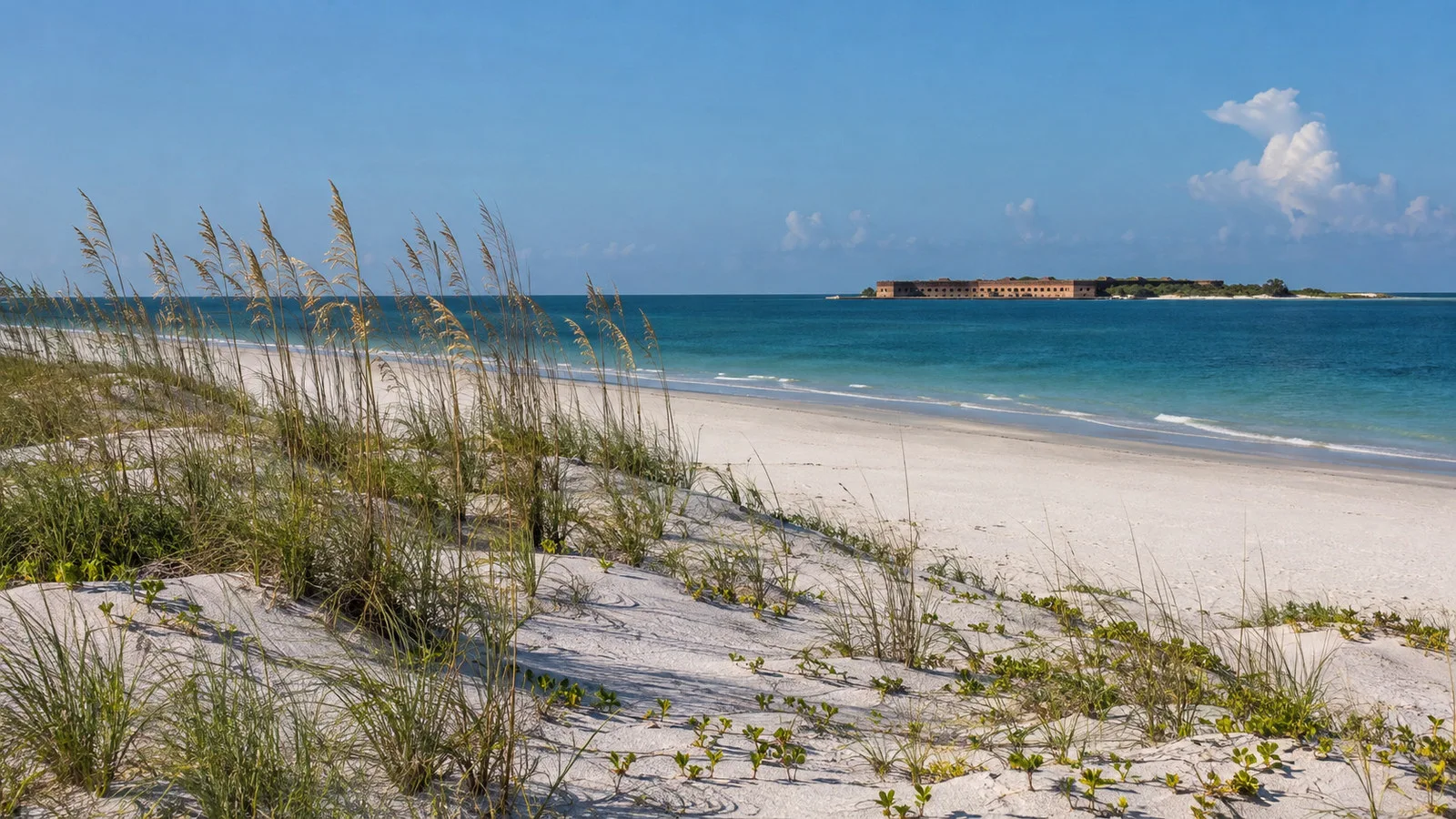
Ship Island offers a Gulf-facing swim beach, Fort Massachusetts, pavilions, seasonal restrooms, and a concession operation. Cell service is extremely limited, and there is no public transportation once you arrive.
Bring sun protection, water, walking shoes, and anything medically essential rather than relying on a phone or quick mainland purchase. Glass and pets are not allowed, except for service animals, and visitors should stay off dunes and follow posted wildlife rules.
Fort Massachusetts
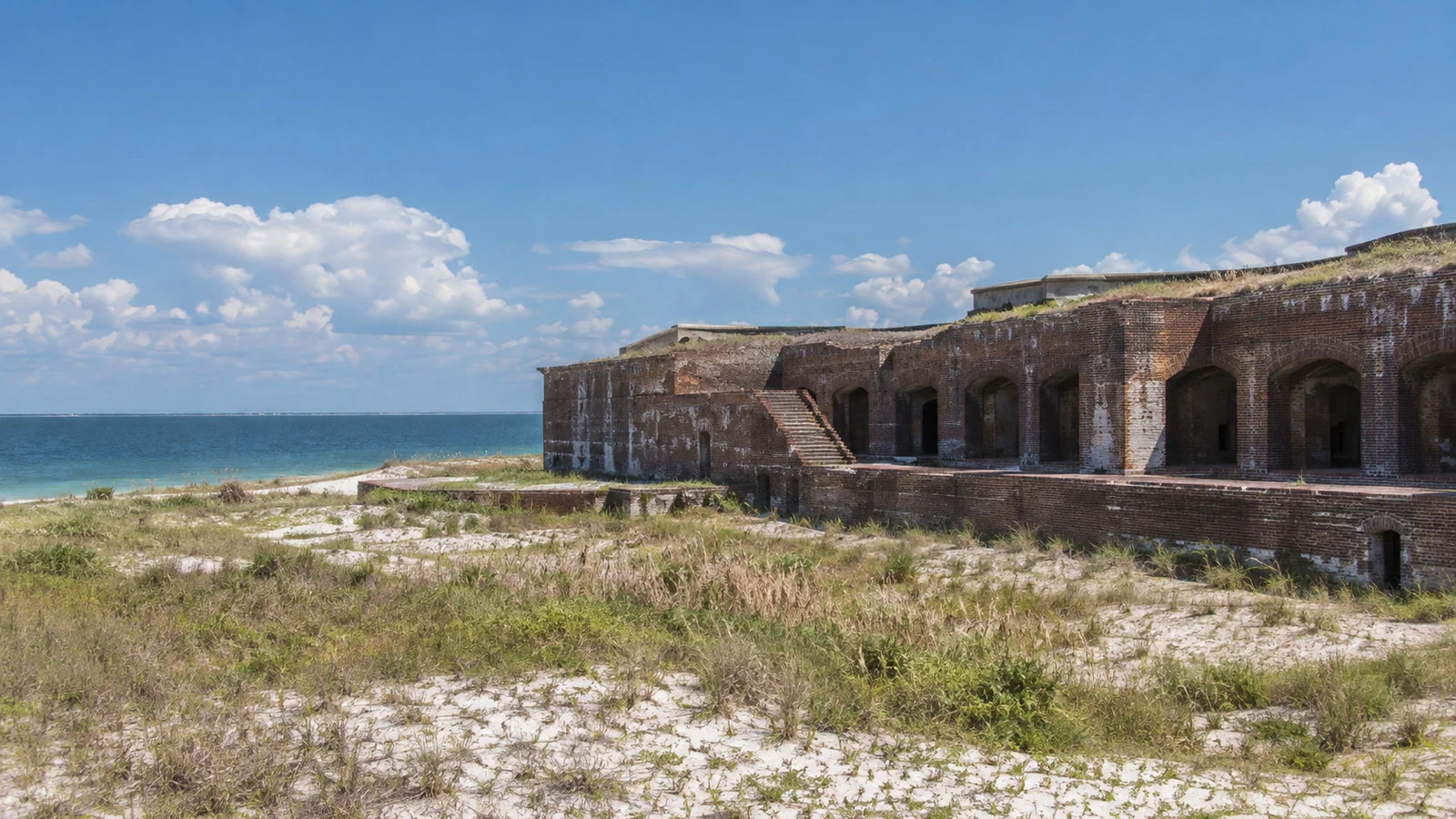
Fort Massachusetts is a brick coastal fort begun before the Civil War and completed under federal control after Union forces returned to the island. NPS describes a D-shaped design with casemates, magazines, a hot-shot furnace, and upper areas reached by spiral staircases.
The park lists seasonal fort hours and may offer ranger programs, while the NPS app provides a self-guided option. Review the current Ship Island page because the fort, buildings, restrooms, and programs do not operate year-round.
Beach and water safety
Treat the swim beach as open Gulf water, not a protected hotel pool. Read the posted flags, watch for rip-current guidance, and stay out when staff or conditions indicate it is unsafe.
NPS recommends sunscreen, adequate water, insect repellent, and distance from wildlife. Sandy, uneven, wet, and slippery surfaces also matter around the fort, beach, and pier.
Mainland plan: Jones Park, aquarium, and downtown
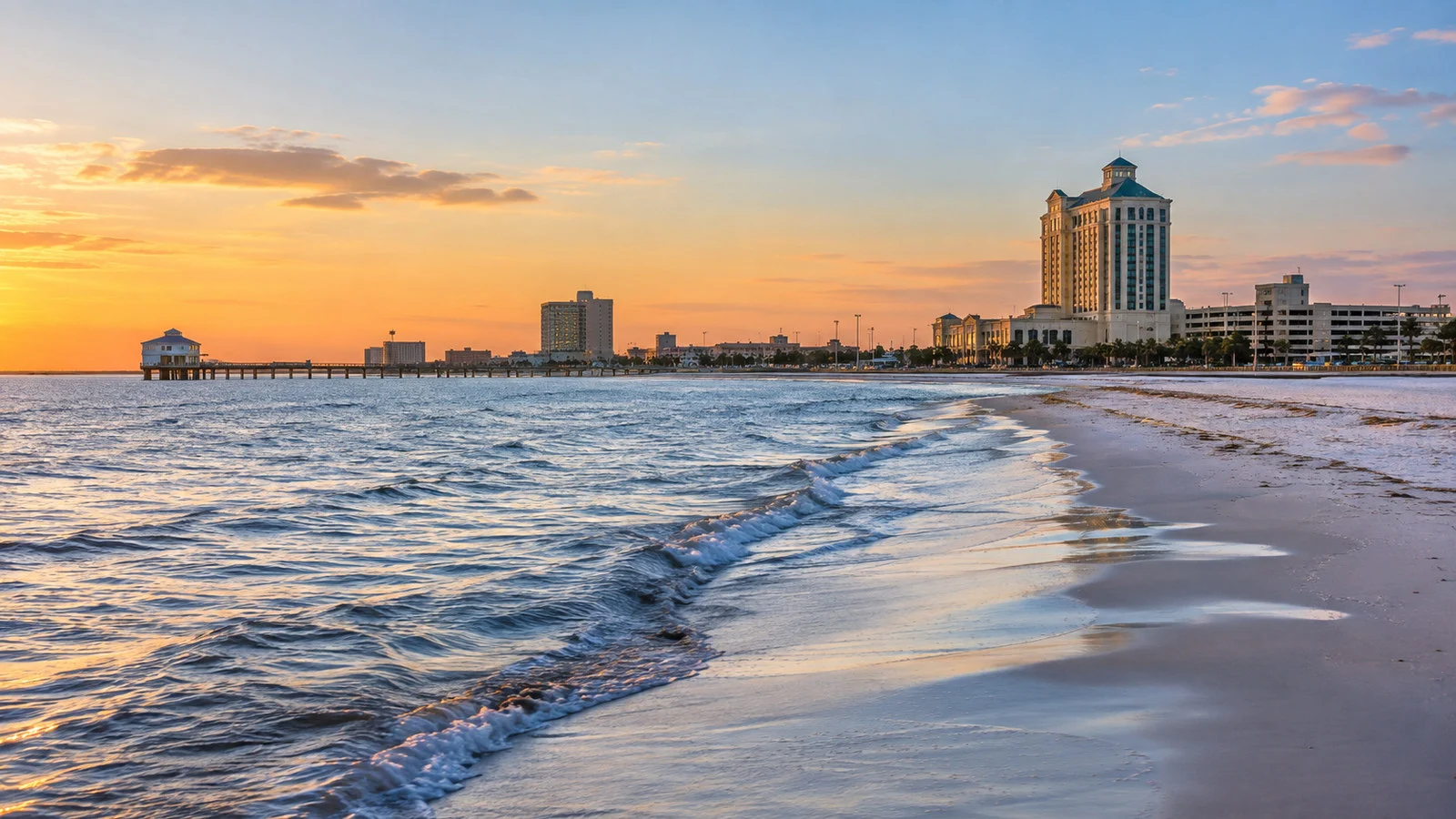
Jones Park is the practical waterfront anchor between the port area and the Ship Island ferry pier. It works well for an easy outdoor break, but heat, storms, events, and cruise security routing can affect how direct the walk feels from the ship.
The Mississippi Aquarium is the strongest weather-resistant attraction near the waterfront. Check its current hours and admission before leaving the ship, especially on an evening, holiday, or overnight call.
Downtown restaurants and shops can round out a mainland day without locking you into a distant return. Ask the ship or visitor information desk which route avoids industrial gates and major road crossings.
Other excursions
The port’s official cruise announcement lists planned activities such as fishing, TrainTastic visits, and Ship Island cruises. Availability can vary by sailing, so treat the cruise line’s actual shore-excursion page as the source for what is offered on your date.
Biloxi attractions may appear in regional tours, but Biloxi is a separate city and requires transport. Reserve a round trip and protect the ship deadline rather than relying on a rideshare appearing immediately for the return.
Ship excursion or independent?
A ship excursion is the safer choice for Ship Island when it uses a chartered or coordinated sailing, because the cruise line is managing port release, transport, marine operations, and return timing. Verify whether the excursion includes fort access, beach time, chairs, food, and mobility assistance rather than assuming from the title.
Independent exploration works especially well for the aquarium, Jones Park, and downtown when the port exit is confirmed. It can also work for the public ferry, but only when the published round trip leaves a genuinely generous ship buffer.
Three realistic plans
Short call: Stay on the mainland for the aquarium and a waterfront walk. Keep lunch or downtown shopping close to the port.
Full-day call in ferry season: Take a ship-coordinated Ship Island excursion or an independently verified public-ferry round trip. Do not add a distant mainland attraction afterward unless the schedule clearly allows it.
Ferry canceled: Switch to the aquarium, Jones Park, downtown, or a cruise-line backup tour. Do not chase an unofficial boat unless it is properly licensed and your cruise line approves the pickup arrangement.
Accessibility
Start with the cruise gangway and secure-port transfer because the working terminal may determine whether an independent outing is practical. Ask about gangway slope, steps, shuttle lifts, mobility-device storage, restrooms, and the exact accessible exit.
Ship Island is more demanding than a mainland visit because it combines boat boarding, piers, sand, heat, and historic-fort surfaces. Contact the ferry operator directly about boarding assistance, wheelchair or scooter limits, accessible toilets, beach access, and whether a device can be safely accommodated.
Fort Massachusetts includes uneven areas and stairs, and not every historic feature is accessible. Travelers who want a lower-friction day should confirm the aquarium’s current accessibility and use door-to-door transport from the port if needed.
Weather, hurricane season, and cancellations
Gulfport is exposed to thunderstorms, heat, tropical weather, and marine conditions that can change quickly. The Port of Gulfport publishes status updates when tropical storms or hurricanes threaten the area and coordinates with local, federal, and Coast Guard authorities.
Carry water, sunscreen, and a rain layer, but follow shelter instructions rather than trying to wait out lightning in an open park or on a beach. Travel insurance should cover the cruise and any nonrefundable independent excursion you add.
Safety ashore
Use ordinary city awareness around the waterfront and downtown, and do not enter restricted port areas for a shortcut or photograph. On Ship Island, stay off dunes, do not climb the fort or cannons, and respect closed areas and wildlife.
For an emergency in the United States, call 911. Save the ship’s contact, port-agent details, and the address of your pickup point because a driver needs more than “Gulfport cruise port.”
Getting back to the ship
Work backward from all-aboard and include secure-port screening or shuttle time. For a mainland outing, leave extra room if the ship uses controlled transport between the gate and gangway.
For Ship Island, the decisive time is the ferry’s actual mainland arrival, not when it leaves the island. Add the walk or transfer from Jones Park, traffic, port entry, and a contingency margin before deciding the public ferry is safe.
How Gulfport fits a Gulf Coast cruise
Gulfport offers a mix of working-port access, a barrier-island national seashore, and an emerging domestic small-ship itinerary. It is not interchangeable with Mobile, New Orleans, or Florida’s larger ocean-cruise terminals.
Use the United States cruise ports guide for the broader route, and check Coastal Mississippi for current mainland events and attraction information.
Quick answers
Do cruise ships really dock in Gulfport?
Yes, the Port of Gulfport announced American Cruise Lines calls beginning in 2026, including overnight stops. The precise berth and passenger exit remain ship-specific within a working port.
Can I walk from the ship to the Ship Island ferry?
The public ferry pier is at Jones Park, but the first part of your route depends on the ship’s secure-port exit and any shuttle. Confirm that access onboard before relying on a walking estimate.
Does the Ship Island ferry run year-round?
No, NPS describes it as seasonal, generally from mid-March through October. The daily schedule and weather status still need to be checked with the operator.
Is there a beach at the cruise berth?
Gulfport has a coastal waterfront, but Ship Island’s Gulf-facing swim beach requires a boat trip. Do not confuse the ferry destination with a beach directly outside the port gate.
Can I visit Fort Massachusetts independently?
Yes, when the public ferry and fort are operating and the round trip safely fits your ship. Use the NPS app for self-guided information and check current ranger programs and closures.
What if the ferry is canceled?
Use a mainland backup such as the Mississippi Aquarium, Jones Park, or downtown. A marine cancellation is a cue to simplify the day, not to gamble on an unverified boat.
The last word
Gulfport gives cruisers two very different days: a flexible mainland visit or a committed seasonal boat trip to Ship Island. Choose between them early, verify every transport link, and let the ship’s return time win any argument with the beach.
For nearby route planning, compare Gulfport with the Mobile cruise port guide and the wider U.S. port directory.
How this guide was researched: Unless a first-hand visit is explicitly identified above, this guide is based on independent research using official port, National Park Service, ferry, tourism, and attraction sources where available. Logistics and time-sensitive details were reviewed in September 2026; see our Editorial Policy.