South America Cruise Ports: A Region by Region Guide
South America cruise planning starts with geography: Brazil’s warm coast, the River Plate capitals, Patagonia, and the Pacific side are very different trips. This guide helps you choose the right region before comparing individual ports.
Think of a South America cruise as four very different trips stitched together. Choose the region first, and the ports below fall into place.
My quick take
The Brazil coast is warm-weather, big-city cruising, and the River Plate pairs two walkable capitals. The far south, Chile’s fjords and Patagonia, is the scenery you remember for years.
If you only compare one thing, compare regions, not individual ports. I break the coast down by country in my Brazil cruise ports guide.
The Brazil coast
Brazil’s coast is samba, beaches, and colonial old towns. These are working city ports, but berth location, secure-area shuttles, and tendering vary by ship and date.
For festival dates and regional ideas, Brazil’s official tourism site is a useful primer.
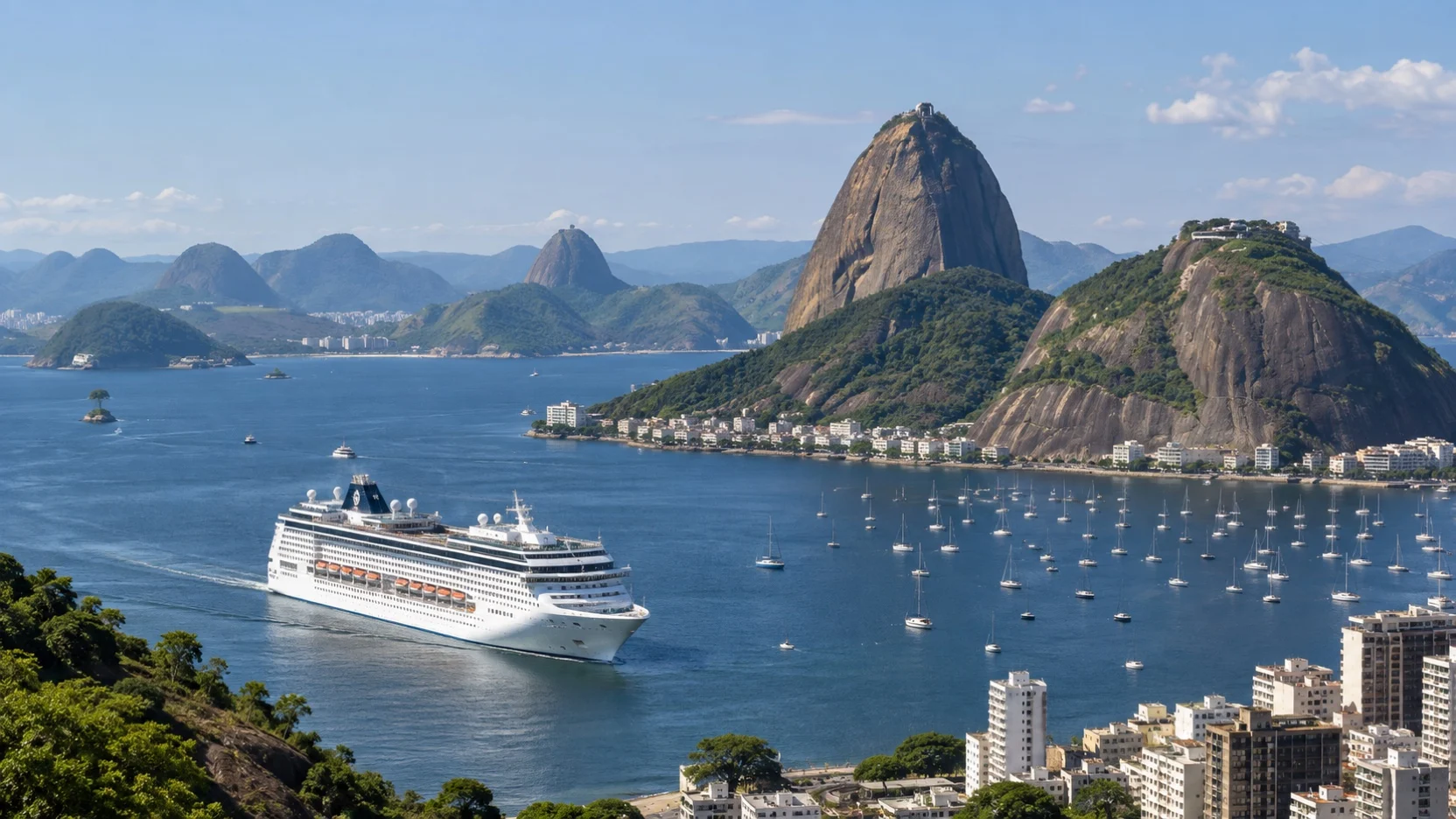
- Rio de Janeiro: Ships dock at Pier Mauá in the revitalized port district, a short ride from Christ the Redeemer and Sugarloaf. It is the marquee Brazilian call, covered in my Rio de Janeiro cruise port guide.
- Santos (for Sao Paulo): Brazil’s busiest port docks you at the Concais cruise terminal, the gateway to Sao Paulo about 50 miles inland. Most cruisers split the day between the beachfront and a city excursion.
- Salvador de Bahia: You dock at the Porto de Salvador right below the historic Pelourinho, the heart of Afro-Brazilian culture. It is one of the most walkable arrival points on the coast.
- Recife (and Olinda): Ships dock at the Porto do Recife beside Recife Antigo, with hilltop Olinda a short drive away. Expect Dutch-era streets, frevo, and reef-protected beaches.
- Maceio: This Alagoas capital is a beach call set among calm, reef-sheltered waters. Pajucara and Ponta Verde are the postcard strands.
The River Plate: Buenos Aires and Montevideo
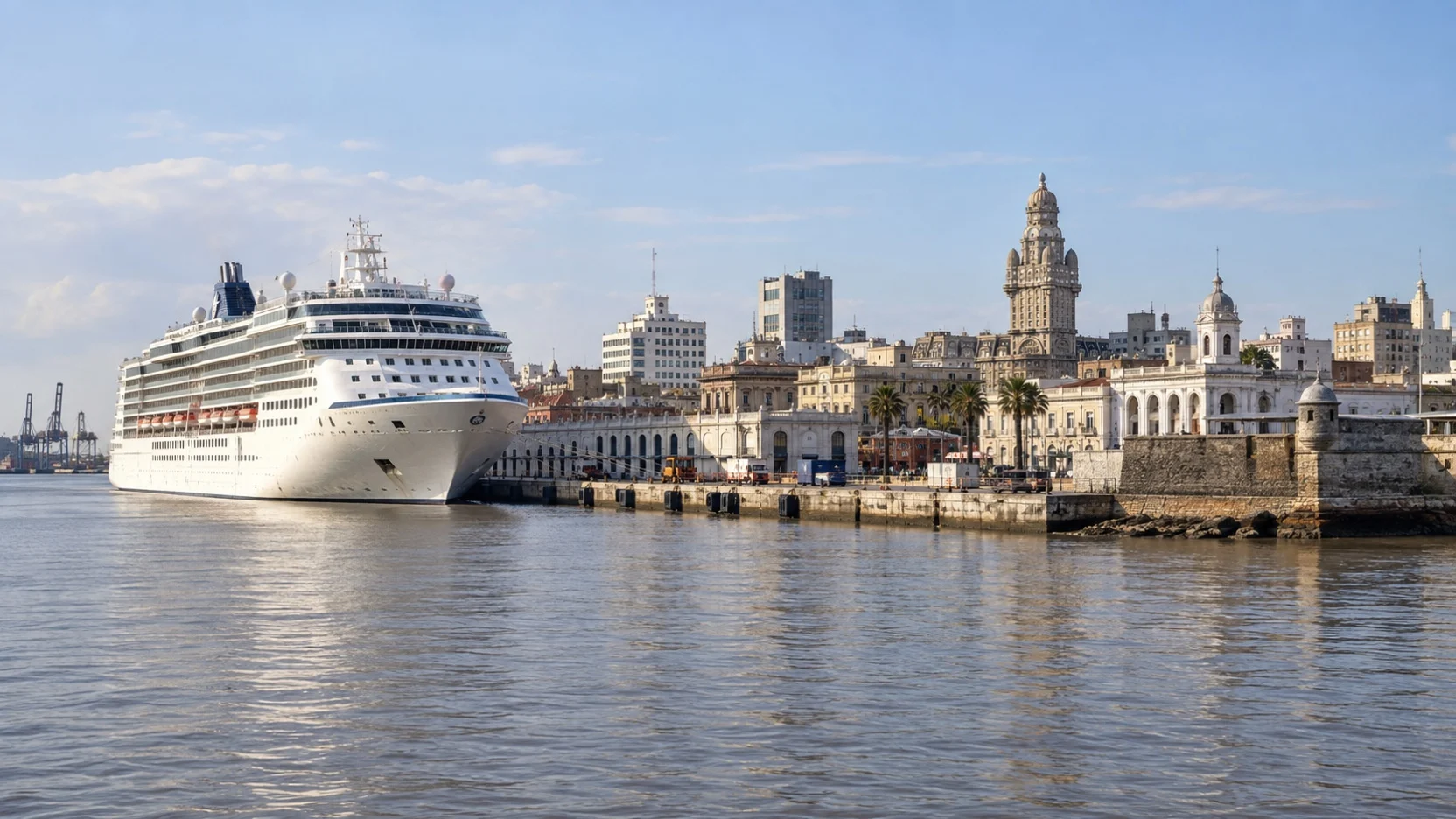
The Rio de la Plata pairs two capitals across the estuary. Both are dock calls with old towns you can explore on foot.
- Buenos Aires: Ships berth at Puerto Nuevo’s Benito Quinquela Martin terminal, a taxi ride from the tango neighborhoods and Recoleta. Argentina’s official tourism board is handy for events, and my Buenos Aires cruise port guide covers the day in detail.
- Montevideo: You dock beside Ciudad Vieja, so the Mercado del Puerto and the Rambla are almost at the gangway. Uruguay’s tourism site is a good primer on the Tannat wine country nearby.
Chilean fjords and Patagonia
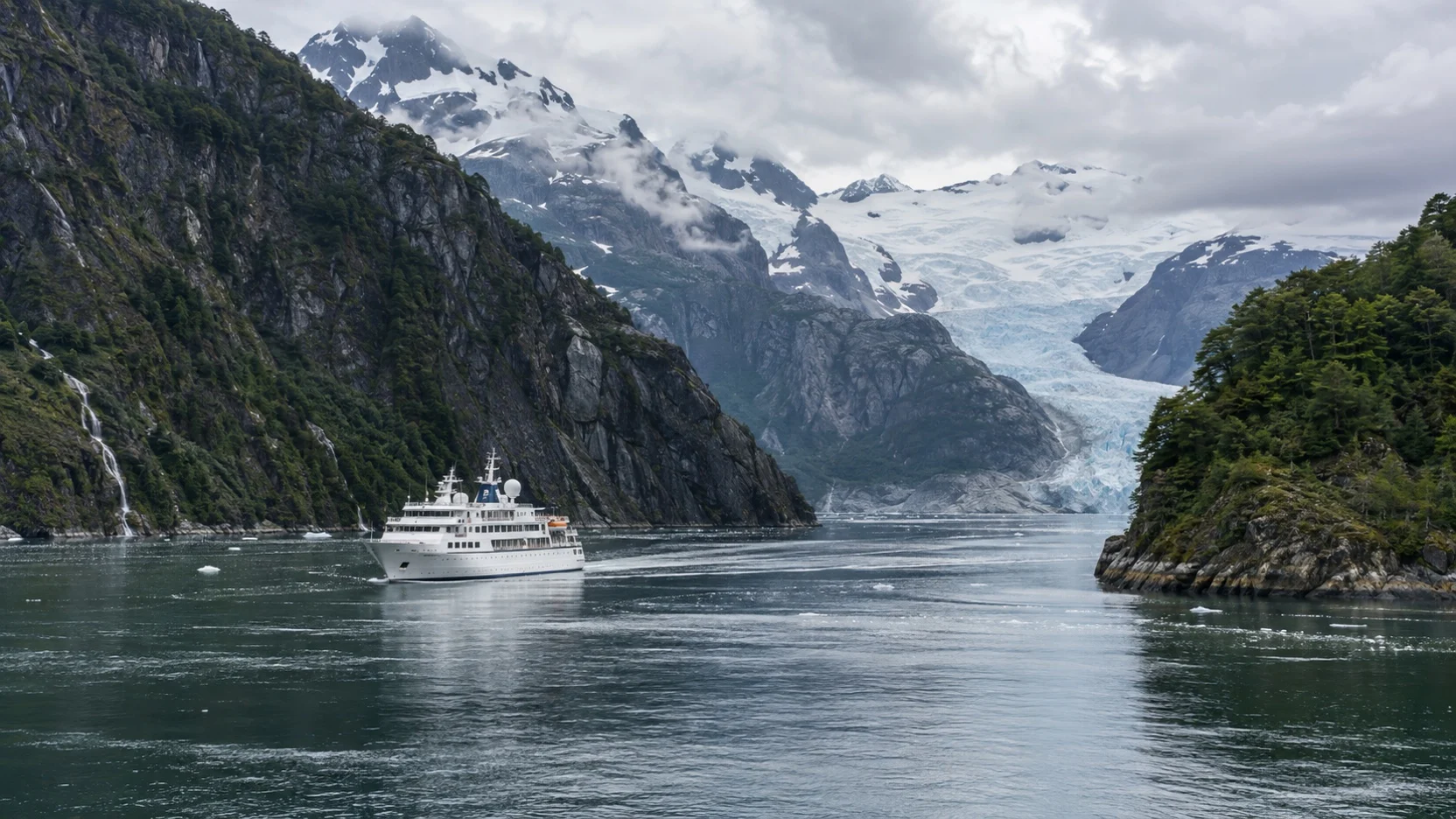
Chile and southern Argentina are the scenic heart of a South America cruise, all fjords, volcanoes, glaciers, and penguins. Chile’s official tourism site is my go-to for park and weather planning.
- Valparaiso (for Santiago): Passengers are processed through the VTP passenger facility in this UNESCO-listed port city, the gateway to Santiago and Casablanca wine country about 90 minutes away. Larger vessels sometimes anchor, so confirm your berth in my Valparaiso cruise port guide.
- Puerto Montt: This is the gateway to Chile’s Lake District, with Puerto Varas, the Osorno Volcano, and the Petrohue Falls within reach. Tender or dock arrangements vary by ship, so check your itinerary.
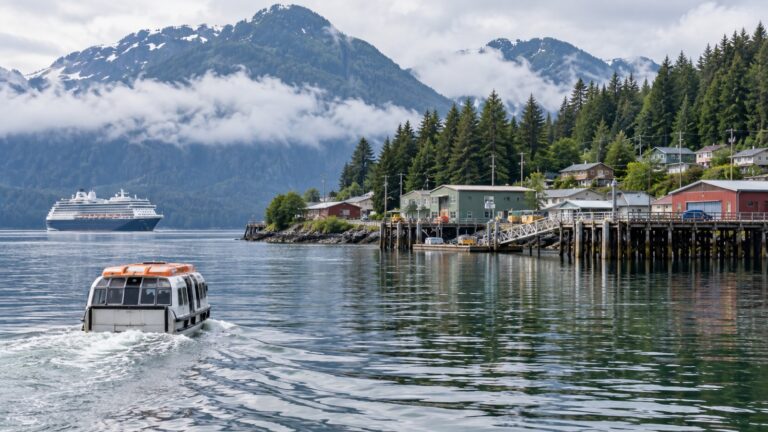
- Punta Arenas: On the Strait of Magellan, it is the launch pad for Torres del Paine day trips and the Magdalena Island penguin colony. Some ships berth at the Arturo Prat pier and others tender, so confirm with your line.
- Ushuaia: One of the world’s southernmost cities usually docks you at the Muelle Comercial, the main gateway to Antarctica and Tierra del Fuego National Park. See my Ushuaia cruise port guide for the End of the World train and the Beagle Channel.
The Amazon and the north
Farther north, itineraries swap open ocean for river and Caribbean coast. Colombia’s official tourism board is a good starting point for that stretch.
- Manaus: Deep in the rainforest, ships tie up at the floating river terminal roughly 1,000 miles up the Amazon. It is the gateway to the Meeting of the Waters and the ornate Teatro Amazonas opera house.
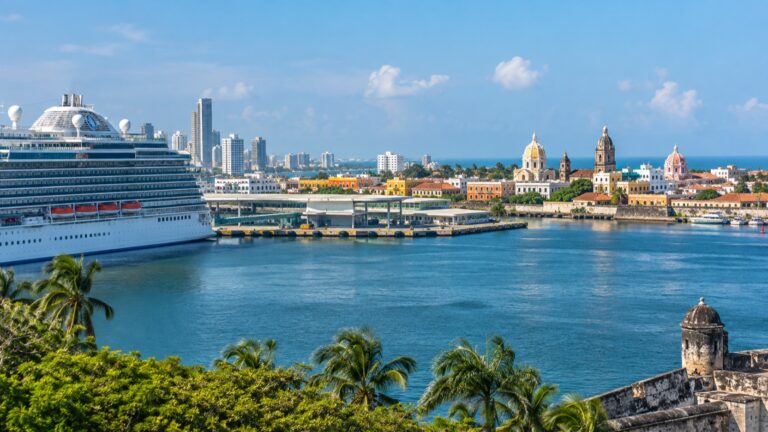
- Cartagena, Colombia: Ships dock at the Sociedad Portuaria terminal in Manga, roughly 15 to 20 minutes from the walled Old Town. It is the most popular Caribbean-coast call on many South America itineraries, mapped out in my Cartagena cruise port guide.
When to go
Timing depends entirely on your region. Patagonia and Antarctica sailings run in the austral summer, roughly November to March, while the Brazil coast and the Amazon stay warm year round.
Shoulder months bring thinner crowds and softer fares. For the far south, pack for wind and sudden weather even in high summer.
Quick answers
- Do I need visas? Most travelers need only a passport for the main ports, but entry rules change, so confirm current requirements with each country’s consulate before you sail.
- Do ships dock or tender? Most major South American ports are dock calls, though tendering can happen at places like Puerto Montt or Punta Arenas depending on the ship and conditions.
- Which region suits first-timers? The Brazil coast and the River Plate are the easiest introductions, while the fjords, Patagonia, and Antarctica reward travelers chasing dramatic scenery.
The ports that change an itinerary
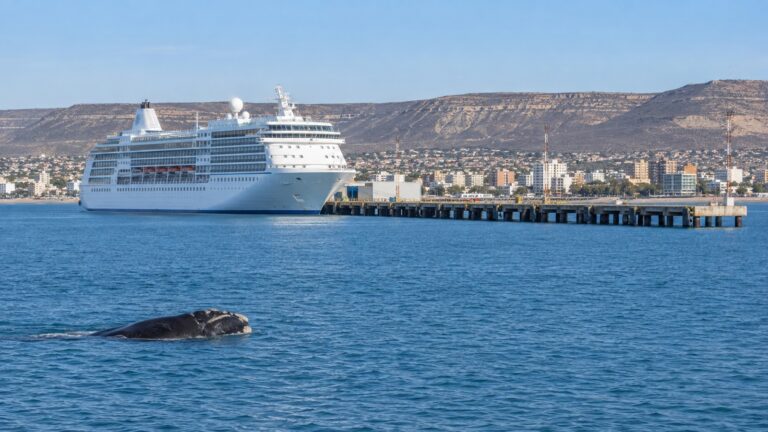
Stanley in the Falkland Islands is a wildlife highlight but normally involves tendering and is highly weather-sensitive. Puerto Madryn is the better fit for a long land-based wildlife day, while Puerto Chacabuco is a small Chilean gateway where excursions sell out quickly.
On the Pacific side, San Antonio and Valparaiso are separate turnaround ports for the Santiago region. In Peru, Callao serves Lima but the secure working port requires organized transport, while Guayaquil and Manta open different Ecuador routes when included.
Match the trip to your tolerance
Choose Brazil and the River Plate for cities, food, and warmer weather, or Patagonia for scenery, wildlife, wind, and more operational uncertainty. Choose an expedition itinerary only if small boats, wet landings, and schedule changes feel like part of the adventure rather than a failure.
A Cape Horn sailing is not automatically an Antarctica visit. Confirm whether the itinerary actually makes Antarctic landings, cruises only scenic waters, or simply uses Ushuaia as a turnaround.
Flights, entry rules, and health
Arrive at least two nights before a South America embarkation when the trip requires an international connection or separate domestic ticket. Buenos Aires also has multiple airports, and Santiago-region cruises may use either San Antonio or Valparaiso.
Visa and entry rules depend on nationality and can change, including Brazil’s electronic-visa system for some travelers. Check the government immigration site for every country and transit point, then confirm cruise-line requirements before final payment.
Ask a travel-health professional about yellow fever and other destination-specific advice well before an Amazon or tropical itinerary. Mosquito protection, sun protection, and safe food and water habits matter more than a generic packing list.
Money, safety, weather, and access
Carry a backup card and a small amount of local currency, but avoid exchanging large sums at the pier. Use licensed transport, keep phones discreet in crowded city centers, and book port pickups when a secure terminal does not allow pedestrians.
Patagonia can deliver strong wind, cold rain, and canceled tenders in summer, while tropical ports bring heat and downpours. Build a 90-minute return buffer for independent long-distance trips and keep a close-to-port backup for every tender call.
Accessibility varies sharply: modern terminals may be level, but tenders, expedition craft, cobbles, and remote park trails are not. Get written confirmation of gangway, vehicle, restroom, and landing access before booking an excursion.
How this guide was researched: Unless a first-hand visit is explicitly identified above, this guide is based on independent research using official port, tourism, transit, government, and attraction sources where available. Logistics and time-sensitive details were reviewed in September 2026; see our Editorial Policy.