Rio de Janeiro Cruise Port (Píer Mauá): A Planner’s Guide
Docking at Píer Mauá puts you in the heart of Rio de Janeiro, steps from the revitalized Porto Maravilha waterfront. Here’s how I’d plan a day around Christ the Redeemer, Sugarloaf, and the beaches without wasting your limited hours ashore.
Last Visited: December 2024 aboard Norwegian Star. This stop in Brazil was part of my 17-day transatlantic sailing from Lisbon to Buenos Aires.
My quick take
Rio is a big, spread-out city with a walkable museum district right at the pier and its headline sights scattered across town. Plan one or two anchors, book them ahead, and use licensed transport for everything else.
If you are cruising the wider region, it pairs naturally with my Brazil cruise ports guide and the broader South America cruise ports overview.
The quick facts
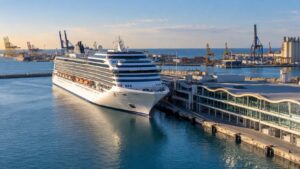
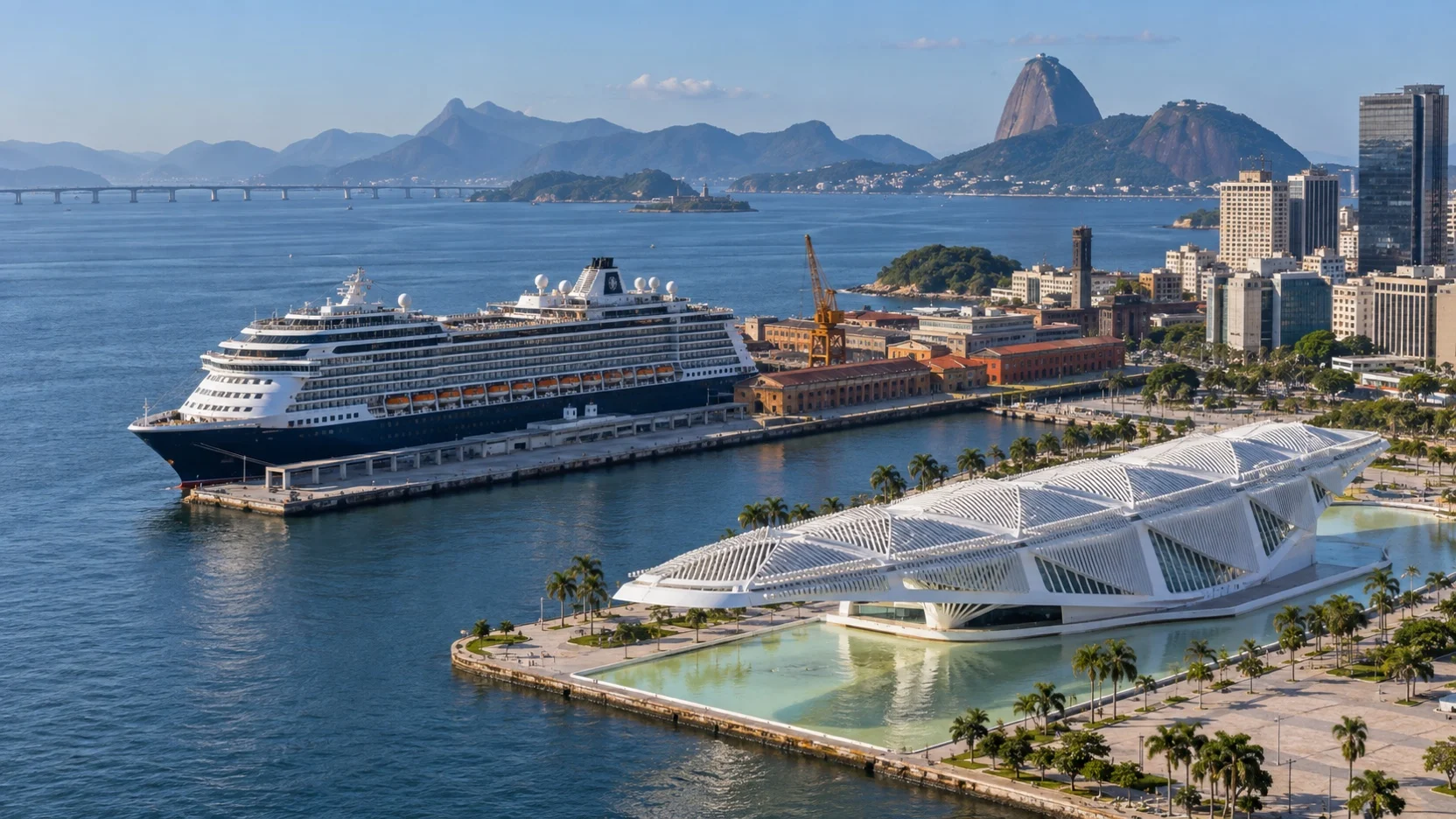
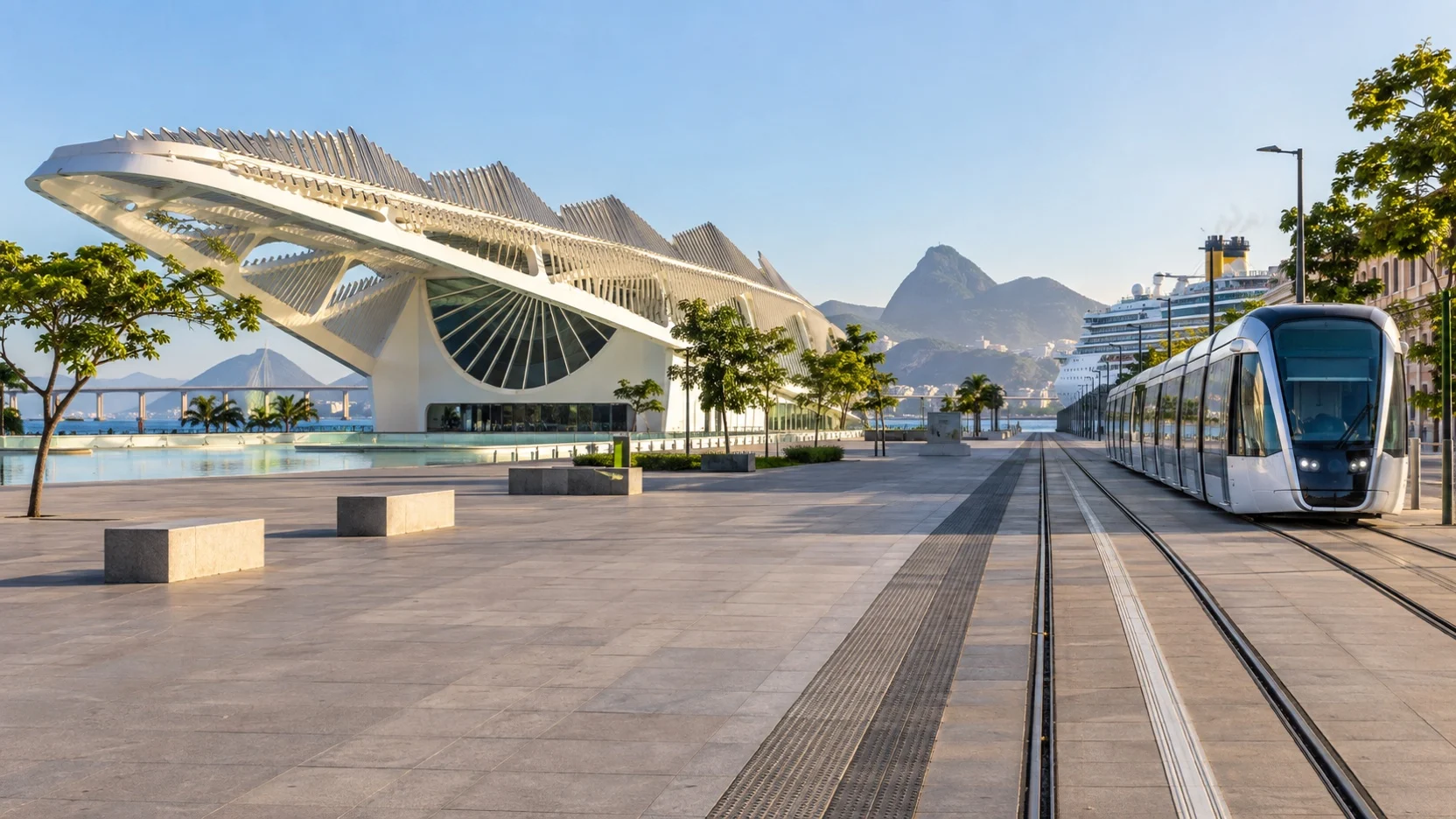
- Where you land: Píer Mauá, the cruise terminal on Praça Mauá in Rio’s revitalized port district, right beside the Museu do Amanhã.
- Dock or tender: Ships berth alongside at Píer Mauá and you walk straight off onto the quay.
- Into town: Praça Mauá and the Museum of Tomorrow are about a 5 to 10 minute walk; AquaRio is farther and is easier by VLT, taxi, or ride app.
- Currency and language: The Brazilian real (BRL) and Portuguese.
- Time zone: Brasília Time (BRT, UTC−3).
- How often the call is missed: Low (under 1%): the sheltered berth is rarely limited by local weather.
A realistic safety note
Rio rewards a bit of street sense. The UK’s FCDO travel advice for Brazil notes that phone theft is common, especially late afternoon and evening, and advises against wearing flashy jewelry or watches.
It also says to avoid all favelas, including favela tours marketed to tourists, and not to hail taxis on the street. The US State Department advisory echoes this.
Stick to busy tourist areas, keep your phone tucked away on the beach, and book a ship excursion or a private guide if you want to relax about logistics.
Getting around from Píer Mauá
The pier sits in the Porto Maravilha district, so the immediate museum quarter is genuinely walkable. Everything beyond it is best reached by car.
- On foot: Praça Mauá, the Museu do Amanhã, the Art Museum of Rio (MAR), and AquaRio are all close to the terminal.
- Ride apps: Uber and 99 are widely used and let you skip cash and street-taxi haggling. Confirm the plate and driver match your booking.
- Taxis: Use a licensed stand rather than hailing on the street, and ask for the meter.
- Tours: Because the big sights are spread out, a half-day guided tour or a ship excursion is often the most efficient way to combine two or three of them.
Heads up: some links below are affiliate links. If you book through one, I may earn a commission at no extra cost to you. It never changes which hotels or tours I recommend. Full disclosure.
The stops I’d actually spend time on
Christ the Redeemer (Cristo Redentor)
Rio’s defining sight crowns Corcovado mountain with sweeping views over the city and Guanabara Bay. The classic way up is the Trem do Corcovado cog train, which climbs from Cosme Velho station through the Tijuca forest.
Book a timed ticket in advance, since slots sell out and the summit gets busy.
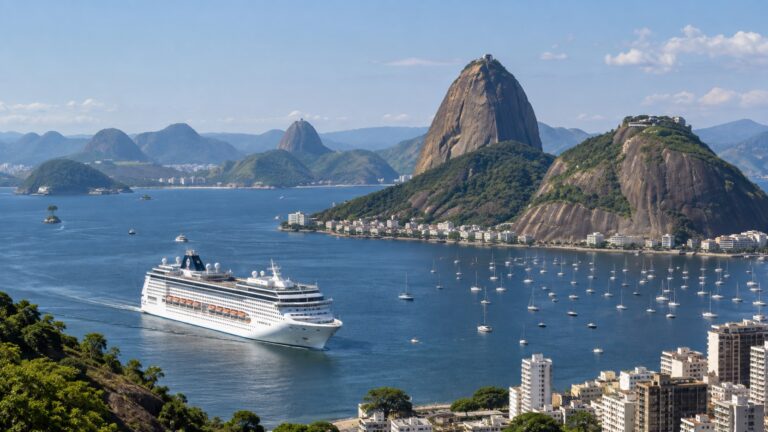
Sugarloaf Mountain (Pão de Açúcar)
The Bondinho Pão de Açúcar cable car runs in two stages, first to Morro da Urca and then to the Sugarloaf summit. The panorama over the beaches and bay is the payoff.
Late afternoon is a lovely time to ride up for the light.
Museu do Amanhã (Museum of Tomorrow)
Right on the waterfront by the pier, this Santiago Calatrava-designed science museum is the easiest big-ticket stop if your time is short. Its interactive exhibits explore sustainability and the future.
Escadaria Selarón (the Selarón Steps)
This mosaic staircase between Lapa and Santa Teresa is covered in colorful tiles from around the world. It was the life’s work of Chilean-born artist Jorge Selarón, who called it his tribute to Brazil.
Santa Teresa
This hilltop neighborhood is all cobbled lanes, artists’ studios, and views. The historic Santa Teresa tram (bonde) still trundles up from the center.
Copacabana Beach
The most famous stretch of sand in Rio, backed by its wave-patterned promenade and beach kiosks. Keep valuables minimal and stay near the busy sections.
Ipanema Beach
A little more polished than Copacabana, with the Dois Irmãos peaks framing the western end. It is a fine spot for a sunset if your ship stays late.
AquaRio
A large marine aquarium within walking distance of the pier, and an easy win with kids or on a rainy day.
Maracanã Stadium
One of the world’s great football temples, best experienced on a guided tour or, if the timing lines up, at a live match.
Historic downtown
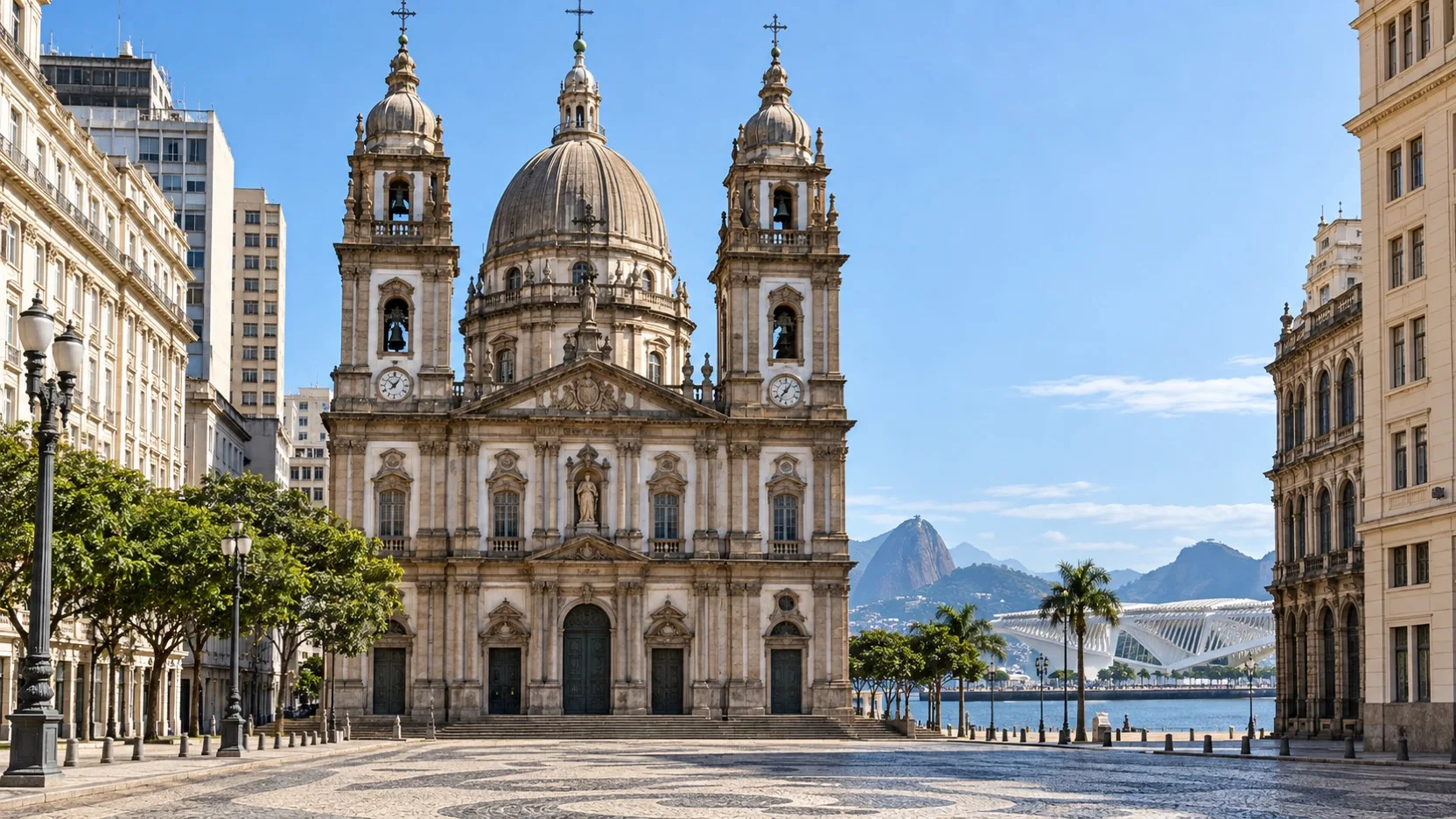
Close to the port you can walk to landmarks like Candelária Church and the ornate Confeitaria Colombo tearoom. It pairs well with the museum quarter for a walking morning.
How I’d plan the day
Rio’s traffic and ticket lines make a plan worth having. Build in a generous return buffer before all-aboard.
- Short day (about 4 hours): Stay in the port district. Walk to the Museu do Amanhã, Praça Mauá, and AquaRio, then browse historic downtown.
- Half day (about 6 hours): Pick one headline sight, Christ the Redeemer or Sugarloaf, and pair it with a beach stop or the Selarón Steps.
- Full day (8 hours or more): combine Christ the Redeemer with Sugarloaf only when timed tickets, clear weather, and transport line up. A reputable tour simplifies the tickets and driving, but you still need a return cushion.
New to this? My first-timer cruise ports guide and my roundup of the most walkable cruise ports both help you gauge how ambitious to be.
If you are flying in the night before, our guide to hotels near Rio de Janeiro cruise port compares the options by distance from the terminal.
When to go, and the weather
Rio’s cruise season runs through the Southern Hemisphere summer, roughly December to March, which is warm, humid, and lively. This is also Carnival season, so the city is at its most festive and its busiest.
Shoulder months either side are a touch cooler and calmer. Whenever you visit, pack sun protection and water for the beaches.
Tickets, documents, and a safe route
Brazilian entry rules depend on nationality, and U.S. citizens currently need a visa approved before travel. Check the Brazilian Ministry of Foreign Affairs or your government travel page and the cruise line, since the requirement applies even if Rio is only a port call.
Use the port district for an easy self-guided walk, but use a prebooked licensed taxi, verified ride app, or reputable tour for Corcovado and Sugarloaf. Buy only through the official attraction sites and confirm the correct boarding point, since a ticket does not include every ground transfer.
On a clear eight-hour call, both headline mountains can fit when tickets and transport are timed in advance. If clouds hide the summits, switch to the Museum of Tomorrow, AquaRio, or the historic waterfront instead of spending the day chasing a view.
The current U.S. advisory says to avoid informal housing developments, including on guided tours, and to use increased caution in Brazil. Keep phones and jewelry discreet, verify the vehicle plate, and return to Píer Mauá at least 90 minutes before all aboard because traffic can change quickly.
Píer Mauá is an alongside arrival, but gangway slope and the distance through the terminal depend on the ship. Ask each attraction about elevators, boarding gaps, cobbles, and accessible vehicles because beach sand and hillside viewpoints are not reliably step-free.
Quick answers
Is the Rio cruise port walkable?
The port district around Praça Mauá is walkable, including the Museu do Amanhã, MAR, and AquaRio. The famous sights like Christ the Redeemer and Sugarloaf are spread across the city and need transport.
Can I see Christ the Redeemer and Sugarloaf in one day?
Yes, if your ship is in port long enough. Booking both ahead and using a guide or ship excursion to link them is the realistic way to fit both in.
What currency should I bring?
The Brazilian real. Cards work in most places, but a little cash is handy for beach kiosks and small vendors.
For more nearby calls, see my guides to Santos and Buenos Aires.


How this guide was researched: Unless a first-hand visit is explicitly identified above, this guide is based on independent research using official port, tourism, transit, government, and attraction sources where available. Logistics and time-sensitive details were reviewed on September 10, 2026; see our Editorial Policy.