Costa Rica Cruise Ports: Puerto Limón and Puntarenas Compared
Costa Rica gives cruise travelers two very different front doors. Puerto Limón opens onto the Caribbean lowlands, canals, cacao, and Afro-Caribbean culture, while Puntarenas faces the Gulf of Nicoya and the wildlife-rich landscapes of the Pacific.
Neither port is simply a shorter version of the other. The right choice depends on whether you want rainforest by boat, wildlife on a trail, a beach, a highland adventure, or a calm day close to the ship.
Quick Facts for Costa Rica Cruise Ports
- Main ports in this guide: Puerto Limón on the Caribbean coast and Puntarenas on the Pacific coast.
- Nearby alternative port: Some Pacific itineraries use Puerto Caldera, which is not the same arrival point as the Puntarenas cruise pier.
- Currency: Costa Rican colón, with United States dollars often accepted in established visitor businesses.
- Language: Spanish, with English available from many tourism professionals.
- Best Caribbean experiences: Canal wildlife, rainforest, Cahuita, cacao, and local culture.
- Best Pacific experiences: Carara, the Tárcoles area, Gulf of Nicoya scenery, beaches, and longer nature excursions.
- Best planning rule: Choose one ecosystem and leave a generous road-time cushion.
Puerto Limón or Puntarenas: The Fast Answer
Choose Puerto Limón if your ideal Costa Rica day includes a small boat moving through tropical canals, a humid lowland rainforest, a cacao experience, or Caribbean food and culture. The landscape is lush, the rain is part of the atmosphere, and many popular excursions combine two short experiences.
Choose Puntarenas if you want Pacific wildlife, dry-forest and rainforest transitions, birding around Carara, a Gulf of Nicoya boat trip, or a longer journey toward Manuel Antonio or the highlands. The town itself also gives you a straightforward waterfront day when a major excursion sounds exhausting.
I would not choose solely by the attraction list. Compare the length of your call, the exact berth, the number of hours in a vehicle, and the physical demands of the activity.
Understanding the Port Names
Puerto Limón is both a Caribbean city and a working port area. Cruise operations can depend on the vessel and current assignment, so the daily program is more reliable than a generic map pin.
On the Pacific side, Puntarenas has a long cruise pier beside the narrow city peninsula. Puerto Caldera is a separate commercial port farther along the coast, and a tour pickup or walking plan written for Puntarenas may not work from Caldera.
This distinction matters most for independent travelers. Confirm the exact port name, terminal instructions, allowed pickup point, and whether a shuttle is required before paying a guide.
1. Puerto Limón Cruise Port
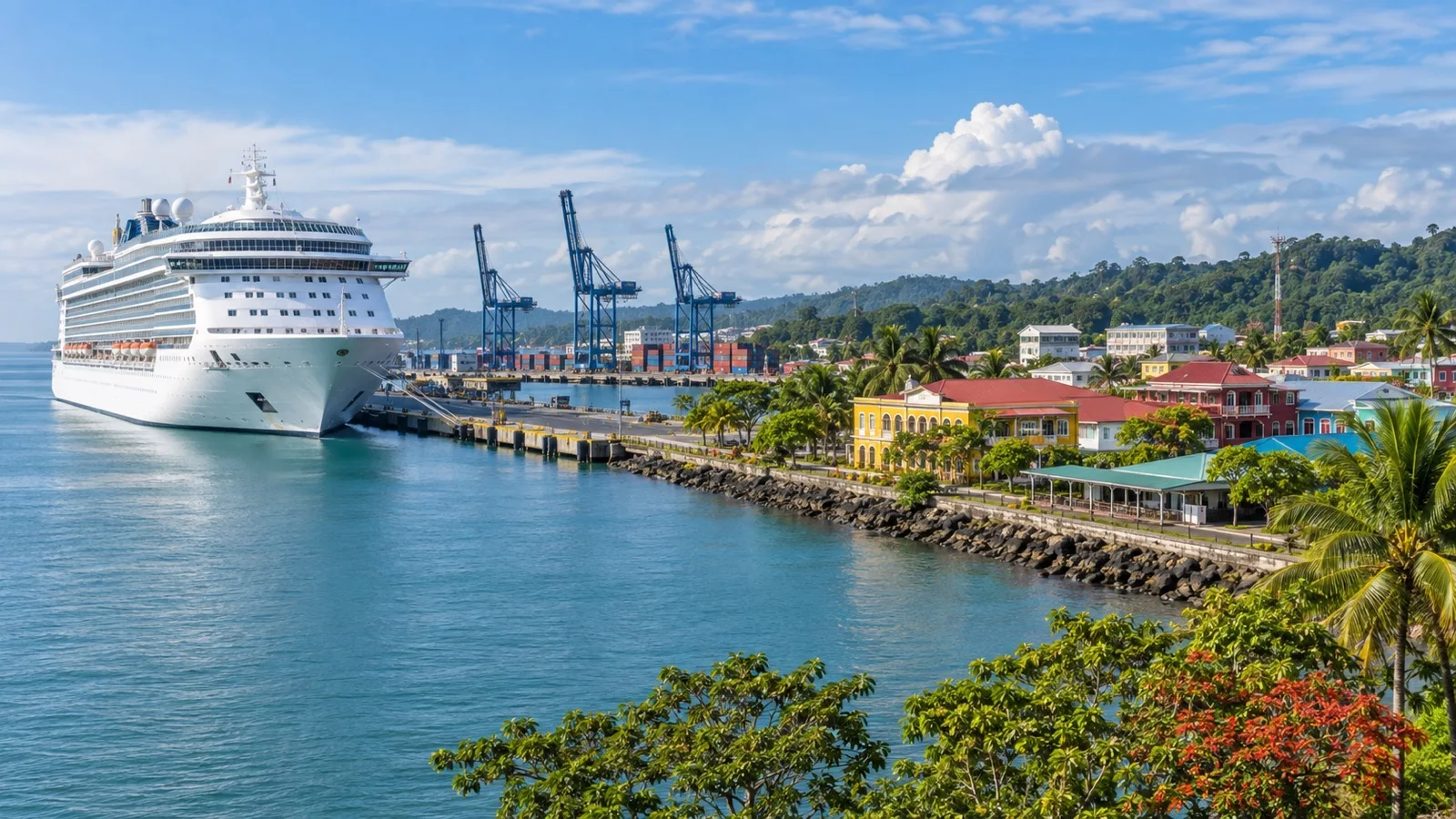
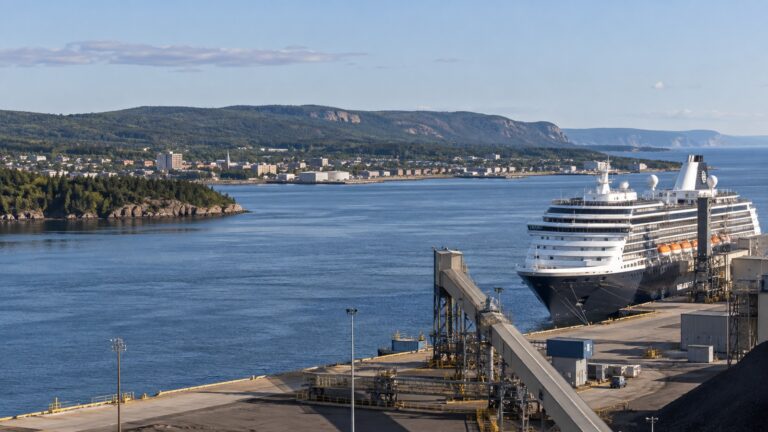
Puerto Limón feels like a gateway rather than a resort enclave. The city has a working waterfront, markets, parks, Caribbean flavors, and transport connections into some of Costa Rica’s wettest and most biologically rich lowlands.
The port area is convenient for meeting organized tours, but most nature experiences require a drive. I would book in advance if the day depends on a boat departure, a rainforest reserve, or several coordinated activities.
Limón’s identity is shaped by Afro-Costa Rican culture, Caribbean migration, rail and banana history, and the rhythms of a major port province. A good local guide can connect those threads in a way that a rushed transfer to the rainforest cannot.
If you want a simple day, stay close enough to explore the city with awareness, eat a local meal, and return early. Port conditions and recommended walking areas can change, so follow current ship guidance rather than assuming every street near the docks is set up for cruise visitors.
Tortuguero-Style Canal Excursions
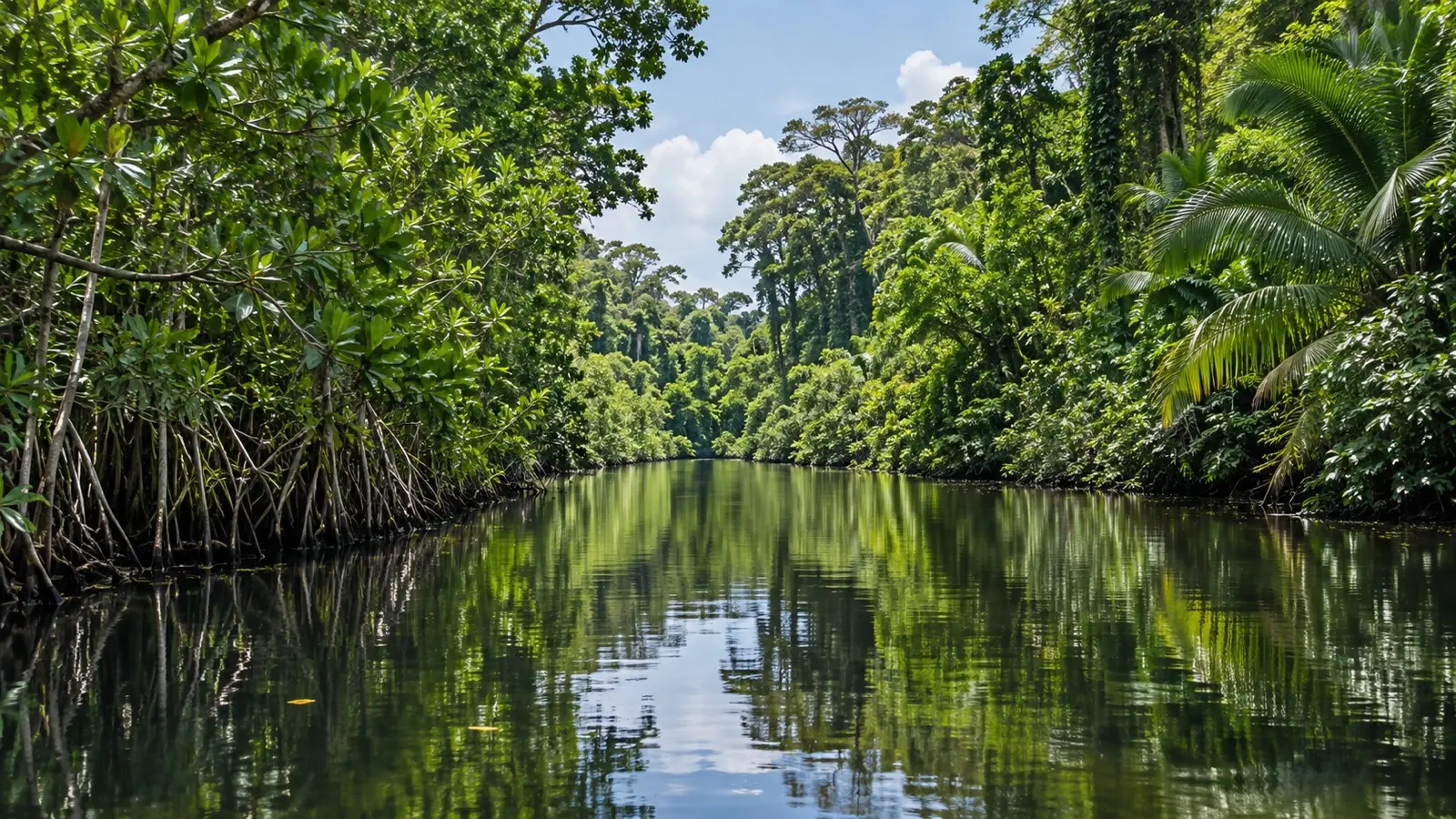
Canal boat trips are among the strongest choices from Puerto Limón because they turn travel into wildlife watching. Depending on the route and conditions, you may look for monkeys, sloths, caimans, iguanas, bats, and an extraordinary range of birds.
No ethical operator should guarantee a particular wild animal. The better trip is one with a patient guide, a quiet approach, responsible distance, and enough time to notice smaller species instead of chasing a checklist.
The excursion often uses waterways in the Caribbean lowlands rather than reaching the remote village of Tortuguero itself. Read the itinerary carefully so you know whether the title describes the ecosystem, the canals, or an actual visit to Tortuguero National Park.
Bring a rain layer that can be used quickly, protect electronics, and keep your voice down when the guide is listening for wildlife. A shaded boat still exposes you to glare reflected from the water.
Cahuita and the Southern Caribbean
Cahuita offers a compelling combination of coastal forest, wildlife, beaches, and Caribbean community life. It is far enough from the ship that I would use an established excursion or driver with a conservative return plan.
Trail conditions can be muddy or hot, and wildlife sightings vary. Ask how much walking is included, whether the route returns the same way, and what happens if heavy rain affects access.
Reef or snorkeling activities depend on sea state, visibility, regulations, and authorized operations. Do not treat snorkeling as guaranteed simply because it appears in an old tour review.
A beach stop near Cahuita can be lovely, but the Caribbean coast is not always calm. Follow local flags and instructions, and remember that strong currents can exist even when the shore looks inviting.
Rainforest, Cacao, and Adventure From Limón
Rainforest attractions near Limón may offer aerial trams, guided walks, wildlife exhibits, or zip lines. Compare the actual time in nature with the time spent boarding vehicles, fitting equipment, and waiting for a group.
A cacao tour adds history, agriculture, and flavor to the day. The most thoughtful experiences explain Indigenous and Afro-Caribbean connections, cultivation, fermentation, and chocolate making rather than reducing cacao to a tasting table.
Banana-growing history is also central to the province. If a tour includes a plantation or packing facility, look for an operator that discusses labor, transport, and modern agricultural practices with care.
Adventure activities need more scrutiny than an ordinary bus tour. Check age and weight rules, closed-toe shoe requirements, physical effort, insurance, weather cancellation terms, and whether lockers or changing facilities exist.
2. Puntarenas Cruise Port
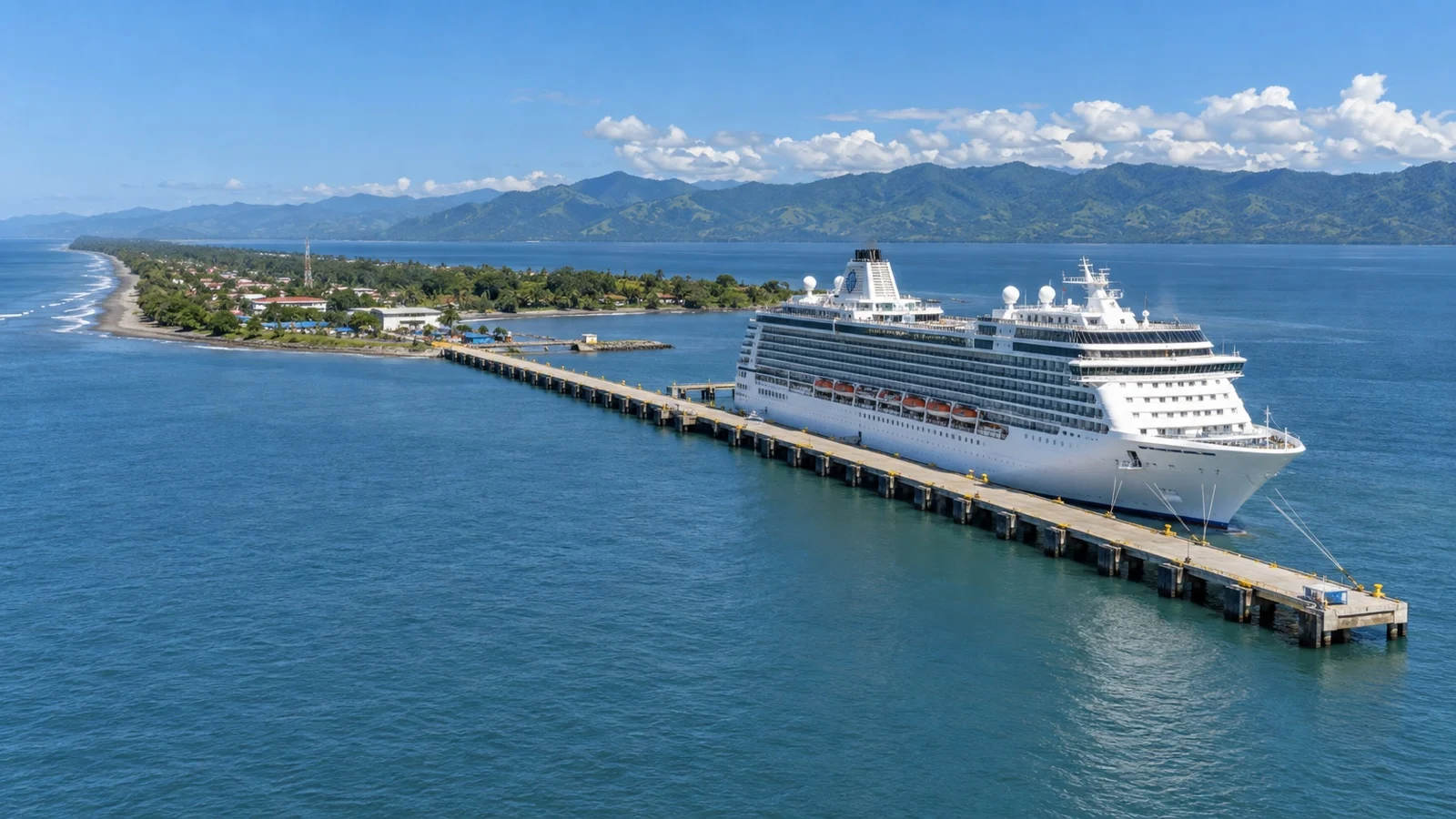
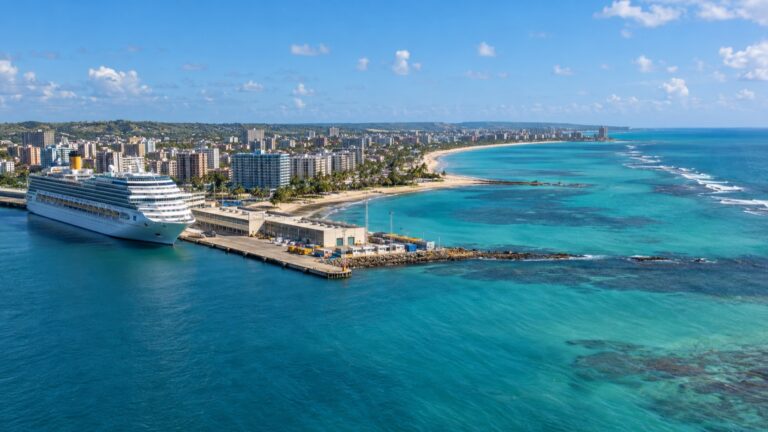
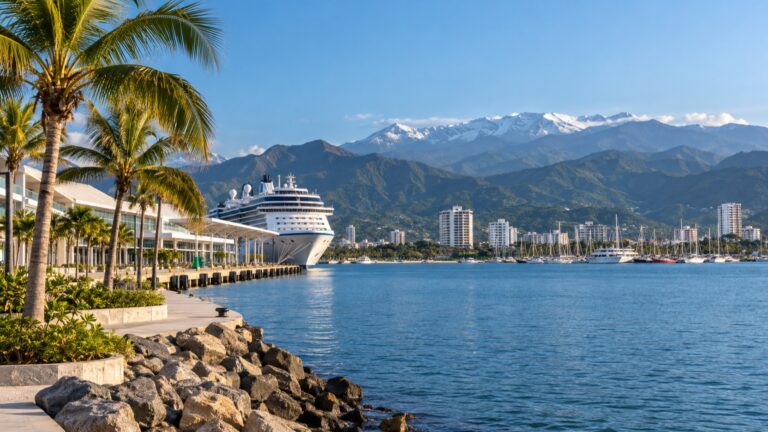
Puntarenas occupies a narrow Pacific peninsula with a long waterfront, beach, restaurants, and a city grid that is easier to understand than the mountainous roads beyond it. The cruise pier places many passengers close to the promenade, although heat and pier length can still make walking demanding.
This is the better port for a flexible no-excursion day. You can walk the waterfront, sample local food, browse temporary vendors when present, and enjoy the ship view without committing to a full day on a bus.
The town is also a jumping-off point for the Central Pacific and inland highlands. Distances that look manageable can become long because of traffic, road work, weather, and the geometry of the Gulf of Nicoya.
Before booking independently, confirm whether your itinerary says Puntarenas or Puerto Caldera. The two ports lead into the same broad region, but they create different transfer times and meeting instructions.
Manuel Antonio From Puntarenas
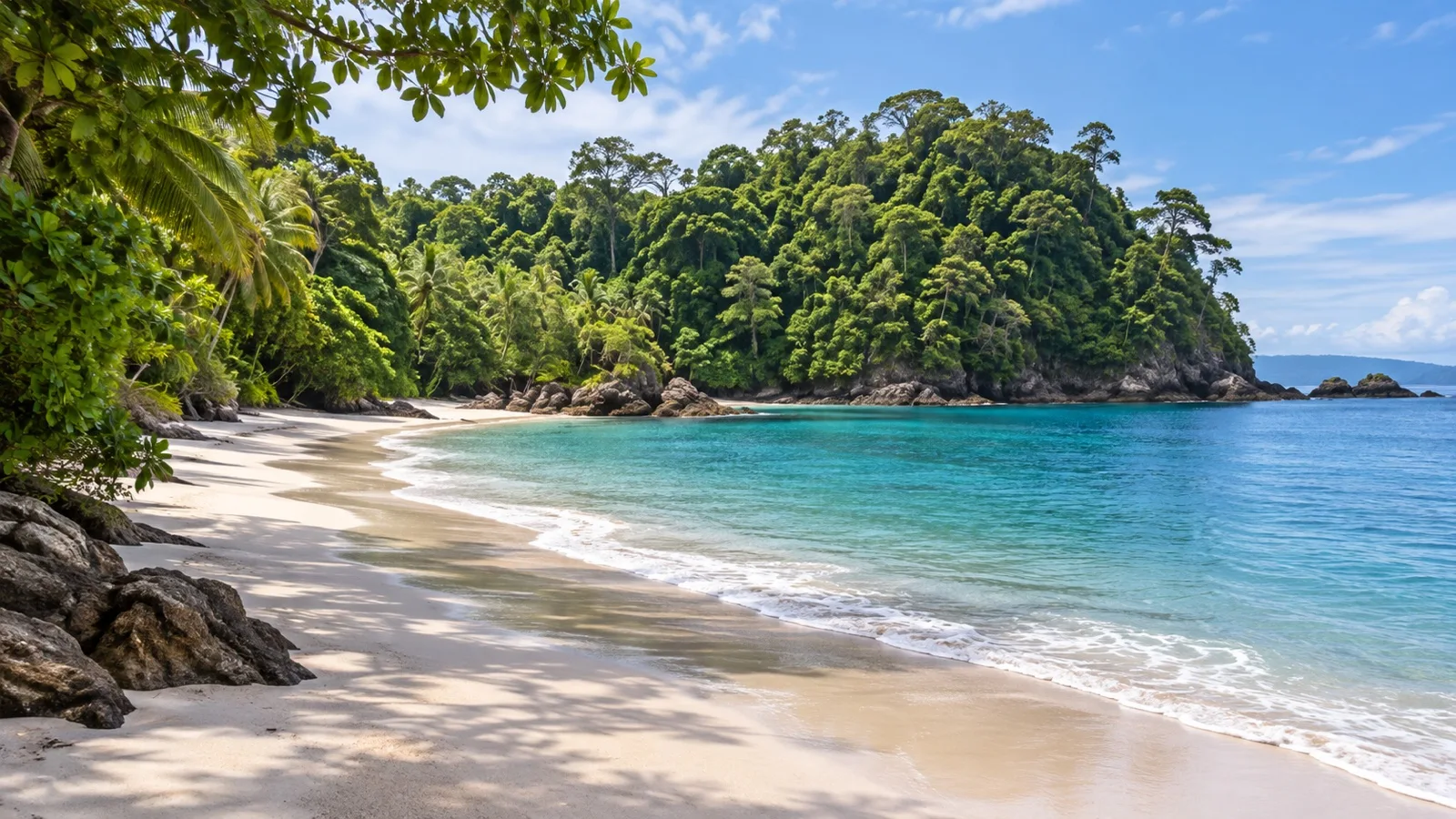
Manuel Antonio combines rainforest, beaches, and wildlife in one famous protected area. It is also a substantial cruise-day commitment from Puntarenas, and current park reservation rules, road time, entry slots, and ship timing all need to line up.
The park controls access, and legitimate admission should be arranged through the current official system. Be wary of unofficial websites or guides who promise to bypass visitor limits.
Wildlife may include monkeys, sloths, lizards, and birds, but food rules and animal-protection measures matter. Never feed wildlife, keep snacks secured, and follow the guide when animals approach busy paths.
A Manuel Antonio excursion can be excellent on a long call with a reliable operator. On a shorter visit, Carara or a Gulf of Nicoya experience often gives you more nature time and less anxiety about the return.
Carara National Park and the Tárcoles Area
Carara is one of the strongest nature choices from Puntarenas because it sits in a transition zone between drier and wetter forest. That mix supports rich birdlife and gives cruise visitors a realistic chance to experience a protected landscape without crossing the entire country.
Scarlet macaws are a famous goal, but sightings and positions are never guaranteed. A naturalist guide, binoculars, an unhurried pace, and quiet attention will improve the day far more than rushing between photo spots.
Trails can be hot, humid, and uneven, with conditions changing after rain. Ask about route length, restroom access, shade, and whether the operator can adapt for limited mobility.
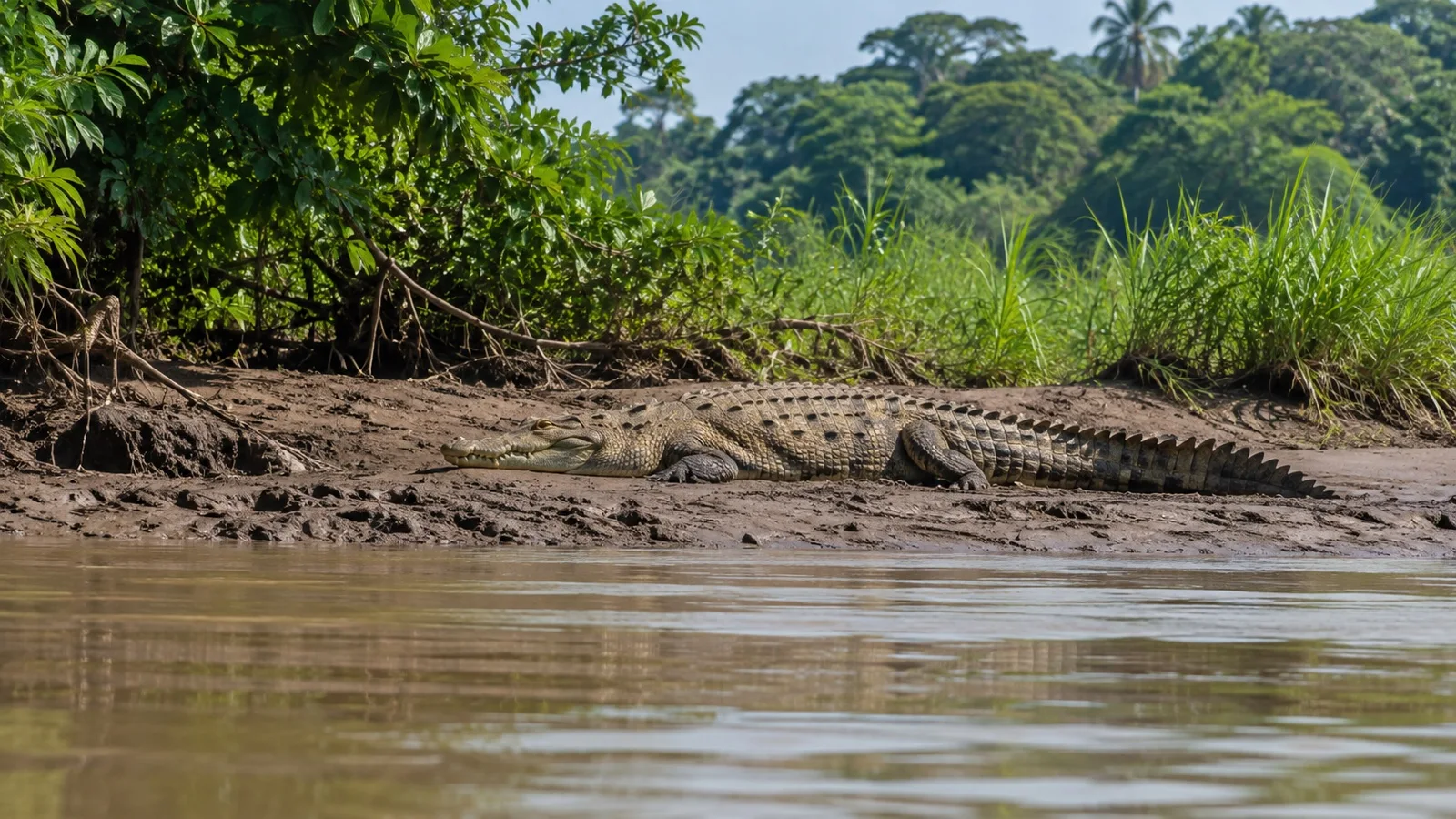
Many excursions pair Carara with a boat trip or viewpoint near the Tárcoles River. Crocodile viewing must be done through a responsible operator that keeps proper distance and does not encourage unsafe interaction.
The popular roadside bridge over the river can involve traffic, limited pedestrian space, and security concerns around unattended belongings. I prefer a planned stop or guided boat trip rather than improvising there with valuables in a vehicle.
Gulf of Nicoya Boat Trips and Island Stops
The Gulf of Nicoya offers views, birdlife, and a chance to spend the day on the water. Some excursions add an island beach or lunch stop, creating a relaxed alternative to a long inland drive.
Ask whether the boat departs near the cruise pier or requires another transfer. Confirm shade, restrooms, flotation equipment, accessibility, landing method, and the operator’s weather policy.
A beach reached by boat may require stepping into shallow water or crossing an unstable surface. Pack light, use a dry pouch, and wear shoes that can stay secure during boarding.
Longer Pacific Excursions
Monteverde, San José, volcano areas, and distant Pacific parks sometimes appear in cruise excursion menus. They may be wonderful places, but their suitability depends entirely on the length of the call and the real road plan.
Cloud forest routes can involve winding mountain roads and a major elevation change. Travelers prone to motion sickness should examine the vehicle time rather than focusing only on the canopy bridge or wildlife experience at the end.
A coffee-focused highland excursion can be a better fit than trying to reach several headline attractions. The best tours explain cultivation, processing, and tasting while keeping a realistic return margin.
I would use a ship excursion for any route where a serious delay could strand you far inland. If an independent operator is involved, insist on a written itinerary with turnaround points and backup plans.
Beaches: Caribbean Versus Pacific
Costa Rica’s cruise ports are gateways to natural coastlines, not guaranteed resort beaches. Sand color, waves, currents, facilities, and water clarity vary by coast, season, rain, and the exact bay.
From Puerto Limón, the southern Caribbean offers beautiful beach and forest combinations, but transfers take time. Closer urban beaches may be practical for scenery rather than the polished swimming experience some passengers expect.
From Puntarenas, the city beach is convenient for a stroll and atmosphere. For a dedicated swimming day, research a supervised excursion or an established beach area with current local advice.
Never leave bags unattended while swimming, and do not count on lockers. Carry only what you need and use a waterproof pouch for essentials.
Wildlife Watching Without Harming Wildlife
Costa Rica protects more than a quarter of its land, according to the official tourism board, and that conservation is one reason cruise visitors come. Our job is to enjoy wildlife without turning animals into props.
Keep distance, stay on marked trails, and never feed or touch an animal. Skip operators that bait wildlife, crowd nesting areas, handle wild creatures for photos, or promise unnaturally close encounters.
A telephoto setting is better than moving closer. Neutral clothing, quiet movement, and patience often reveal more than a loud group hurrying through the forest.
Do not remove shells, plants, coral, or stones from protected areas. Follow park-specific rules because a practice allowed at one beach may be prohibited at another.
Weather and What to Pack
Costa Rica’s Caribbean and Pacific coasts do not share identical rain patterns. A broad phrase like dry season can mislead travelers moving between regions, so check the official weather forecast for the actual port and excursion area.
Warmth, humidity, and sudden rain are normal planning factors. I pack breathable clothing, reliable walking shoes, water, insect repellent, a hat, and a compact rain layer.
A waterproof phone pouch is useful on canal boats and Gulf excursions. It should not tempt you to lean over railings or ignore the crew’s instructions for a photograph.
Rain can make forest trails slippery and slow traffic without canceling the excursion. Choose footwear for mud and wet steps, then accept that a real rainforest is not supposed to stay dry for visitors.
Money, Taxis, and Connectivity
The Costa Rican colón is the national currency, while United States dollars are accepted by many established tourism businesses. Carry small bills and confirm the currency before agreeing to a price.
Cards are common, but network coverage can fail in rural areas. Keep enough cash for modest purchases and the planned ride back, without carrying more than you can secure.
Official or arranged taxis are the sensible choice at the ports. Confirm the destination, total fare, waiting arrangement, and return time before leaving, especially when Spanish is not your first language.
Mobile service varies in forest, mountain, and coastal areas. Download booking details, offline maps, and the ship’s port-agent contact before going ashore.
Entry Rules and Cruise Documents
Costa Rica’s entry requirements depend on nationality and travel history. The official tourism site notes requirements such as a valid travel document, any applicable visa, and proof of onward travel, which can include passage on a cruise ship.
Health documentation can also depend on where you have recently traveled, including current yellow fever rules. Check the official Costa Rica guidance and your cruise line for the requirements that apply to your exact itinerary.
Follow the ship’s instructions about carrying a passport, copy, or cruise card ashore. Do not assume another traveler’s document procedure applies to you, even on the same sailing.
Accessibility and Traveling With Children
The Puntarenas pier can involve a long exposed walk, while Puerto Limón’s exact terminal route depends on the berth. Ask the cruise line about shuttle availability, gangway slope, terminal surfaces, and accessible meeting points.
Rainforest trails, canal boats, zip lines, and beach landings each create different barriers. Request specifics about steps, vehicle height, transfer assistance, restroom access, and the distance from parking to the activity.
Families should prioritize shade, water, bathroom timing, and realistic attention spans. A canal ride plus a short animal-focused walk often works better than a full day of driving between adult-oriented stops.
For a multigenerational group, consider splitting for the most physical activity and reuniting near the port. That is often kinder than asking every traveler to complete the same muddy trail or long bus ride.
How I Would Choose an Excursion
From Puerto Limón, I would choose a canal wildlife trip paired with either cacao, a short rainforest walk, or local culture. The combination delivers variety without sending the day too far down the coast.
From Puntarenas, I would choose Carara with a naturalist guide or a Gulf of Nicoya boat trip. Manuel Antonio would move to the top only when the call is long and the logistics are protected.
I would reserve adventure activities early because group sizes and equipment rules can limit availability. For ordinary city walks or a relaxed Puntarenas waterfront day, flexibility is more valuable than advance booking.
The best operator is not the one promising the most stops. It is the one that states the actual drive time, uses qualified guides, explains wildlife ethics, and builds a serious return cushion.
Frequently Asked Questions
Which Costa Rica cruise port is better?
Puerto Limón is better for Caribbean rainforest, canal wildlife, cacao, and regional culture. Puntarenas is better for Pacific wildlife, Carara, Gulf scenery, and a flexible waterfront day.
Can I walk from the ship?
Puntarenas is the easier port for a town-based walk when your ship uses its cruise pier. Puerto Limón and Puerto Caldera require more attention to terminal security, current access, and shuttle or pickup instructions.
Is Manuel Antonio realistic on a cruise day?
It can be realistic from Puntarenas or Caldera on a long call with controlled admission and a reliable transport plan. It is not the safest choice when the schedule is short or traffic risk is high.
Do I need a ship excursion?
Not for every day. I favor ship protection for distant parks, complicated entry arrangements, or activities with fixed departures, while a local Puntarenas day can be pleasantly independent.
Will I definitely see sloths or monkeys?
No wild animal sighting is guaranteed. A skilled naturalist, appropriate habitat, patience, and ethical distance give you the best chance of a rewarding encounter.
What happens if it rains?
Many tours continue in ordinary tropical rain. Heavy weather may change trails, boats, roads, or port operations, and the local authority or operator makes the safety decision.
Final Verdict
Puerto Limón and Puntarenas are not competing versions of one Costa Rica stop. They are two coastlines with distinct ecosystems, cultures, road networks, and rhythms.
Choose Puerto Limón for close contact with the Caribbean lowlands, and choose Puntarenas for Pacific wildlife or an easy waterfront fallback. Whichever side you visit, one thoughtfully planned ecosystem will beat a rushed list of attractions every time.
This guide was researched using current information from the Costa Rican Tourism Institute, SINAC, INCOP, JAPDEVA, immigration authorities, and official weather services. Port assignments, park access, entry rules, road conditions, and wildlife activities can change, so verify the final details with your cruise line and the responsible official agency.