Ecuador Cruise Ports: Manta and Guayaquil Compared
Manta and Guayaquil show two very different sides of mainland Ecuador. Manta offers beaches, seafood, pre-Columbian heritage, and easy access to Montecristi, while Guayaquil is a large river city whose port call works best with organized transportation and a focused urban plan.
For most first-time cruise visitors, Manta is the simpler and more relaxed day. Guayaquil rewards travelers interested in the Malecón, Las Peñas, museums, food, and the city’s role as Ecuador’s commercial gateway, but the working-port logistics require more care.
Quick facts about Ecuador cruise ports
- Main mainland ports: Manta and Guayaquil
- Best first visit: Manta
- Best beach and food day: Manta
- Best large-city experience: Guayaquil
- Best craft excursion: Montecristi from Manta
- Currency: United States dollar
- Port reality: Both are working commercial ports with controlled access
- Planning rule: Use ship or authorized transport where port gates are remote
Manta cruise port
Manta is Ecuador’s principal Pacific cruise stop and an active commercial harbor. Ships may use a berth or alternate passenger arrangement depending on operations, so follow the day’s directions for shuttles, terminal access, and the authorized taxi point.
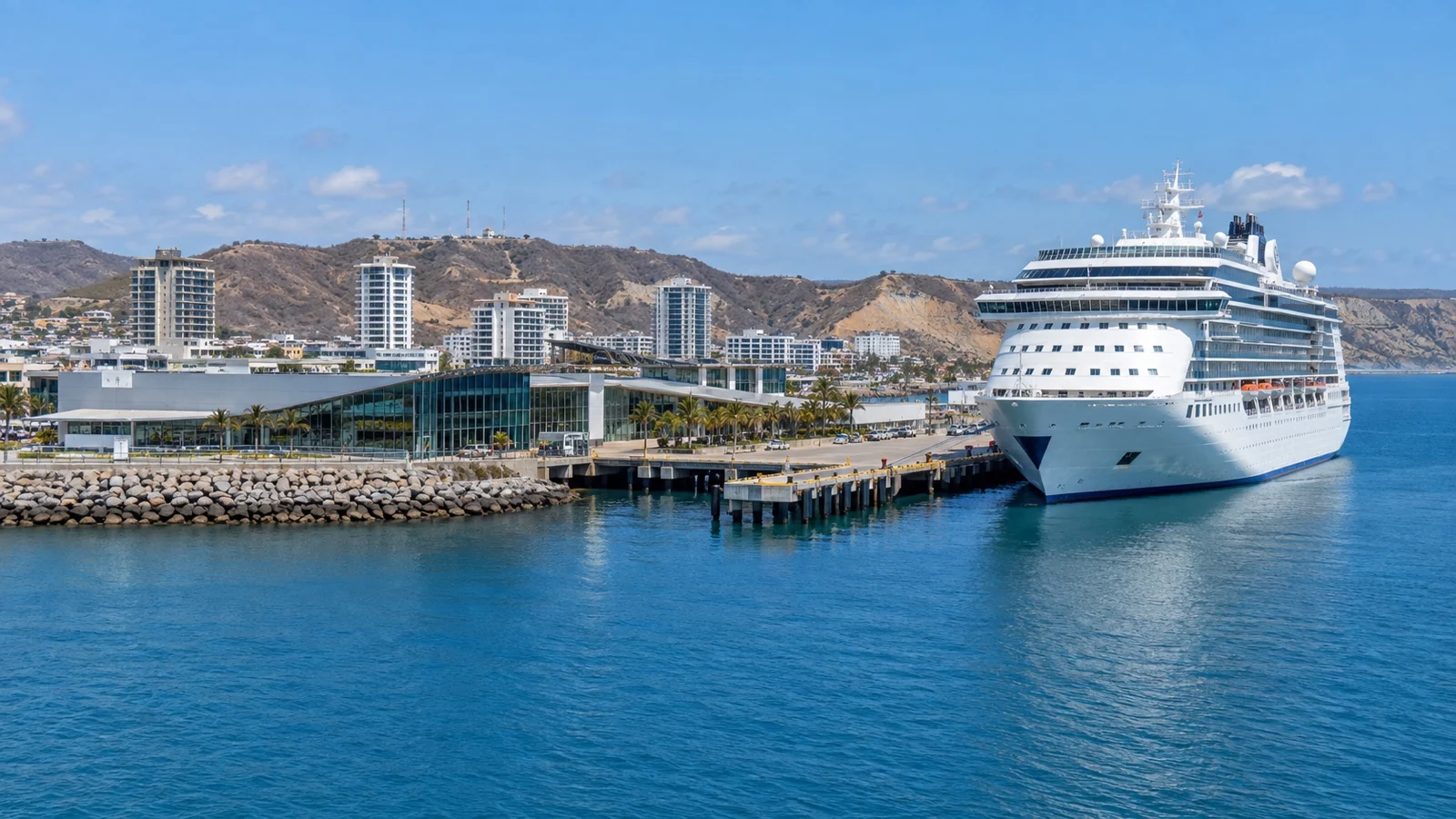
The city center, waterfront, beaches, and fish-market culture sit close enough for a flexible day once you clear the secure port. Heat and limited shade make short vehicle transfers useful even when the map distance appears walkable.
Montecristi
Montecristi is the classic excursion from Manta and is associated with the fine woven hats often called Panama hats outside Ecuador. A good visit explains the material, weaving process, grading, finishing, and the difference between locally made work and mass-market souvenirs.
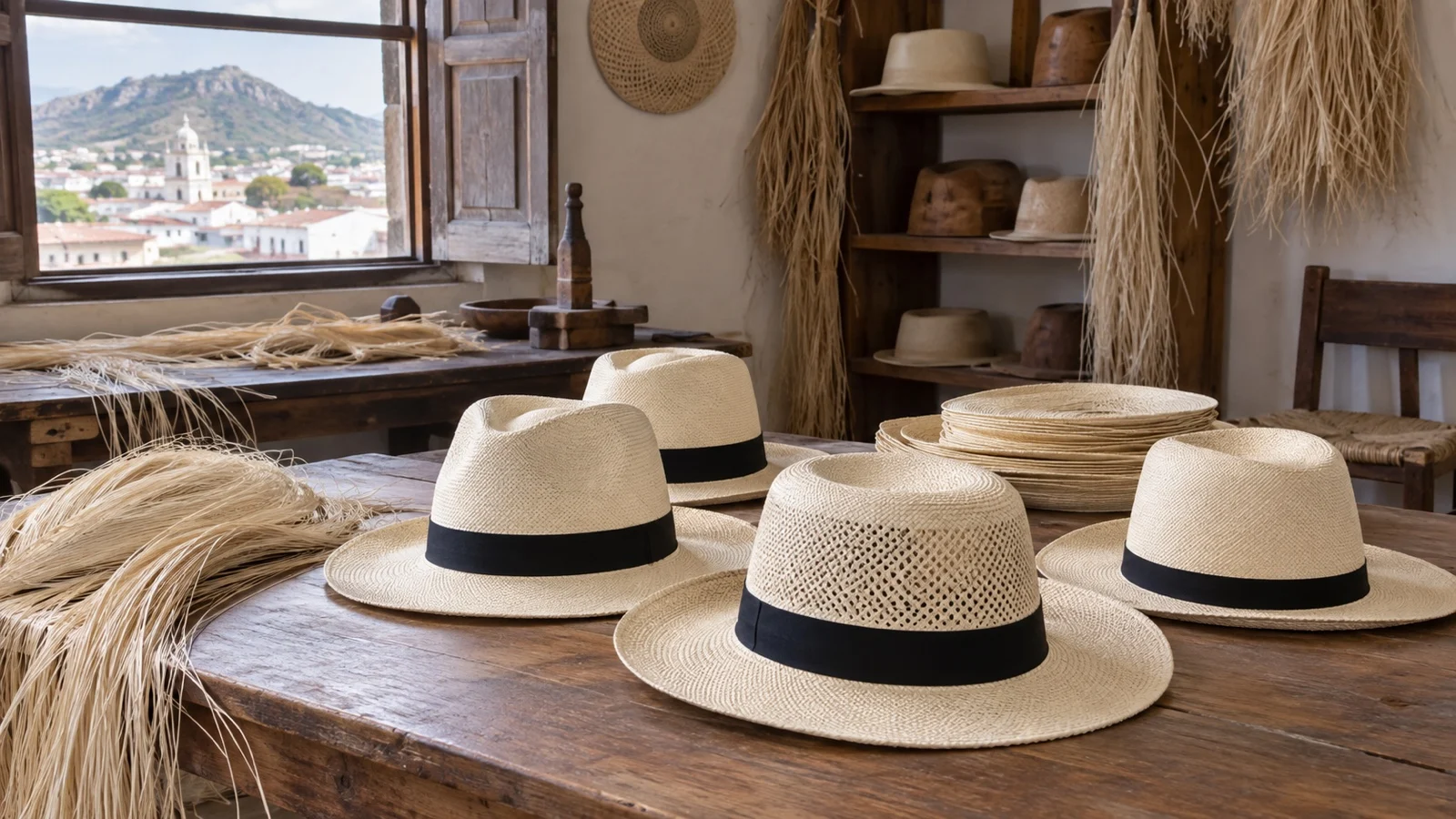
The town also has a strong historical identity linked to Eloy Alfaro and Ecuadorian political history. Choose a guide or workshop that treats artisans fairly and never pressure-buys the group into a single store.
Manta beaches and waterfront
Manta’s urban beaches make a simple low-stress day possible, with seafood restaurants and city facilities nearby. Ask about currents, flags, chair costs, showers, restrooms, and secure storage before settling in.
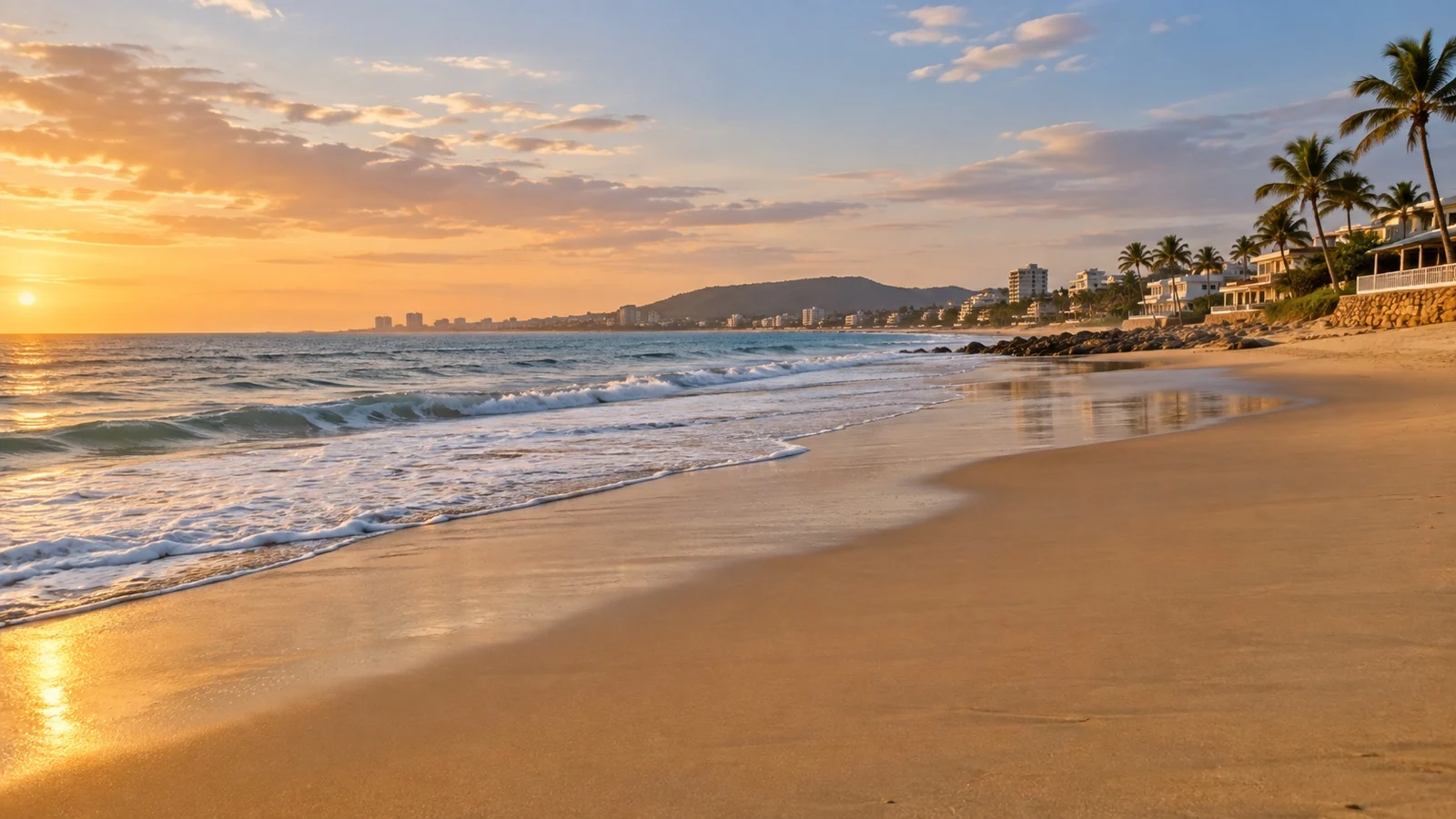
A beachfront meal can be the highlight if you enjoy ceviche, grilled fish, plantain dishes, and coastal flavors. Choose a busy established restaurant, ask about preparation for raw seafood, and protect the return time.
Culture and nature near Manta
Museums and archaeological context help explain the region’s long history before Spanish arrival. Longer coastal excursions can add dry forest, fishing communities, or nature reserves, but they need a reputable vehicle and conservative schedule.
Whale-watching opportunities are seasonal and normally involve travel plus boat time. Confirm the operating season, vessel safety, wildlife practices, and actual return margin rather than relying on a generic wildlife promise.
Guayaquil cruise port
Guayaquil is Ecuador’s largest city and its principal commercial port, with cruise operations taking place within a large working-harbor environment. The tourist center is not outside the gangway, making ship transfers, authorized taxis, or organized tours the sensible default.
The city’s best-known visitor areas sit along the Guayas River and in nearby historic districts. A focused half-day can feel rewarding, while an unstructured attempt to cover the whole metropolis can become mostly traffic.
Malecón 2000
Malecón 2000 is the easiest anchor for a first Guayaquil visit, combining river views, monuments, gardens, cultural venues, and controlled public spaces. It provides an accessible introduction to the city without demanding a complicated walking route.
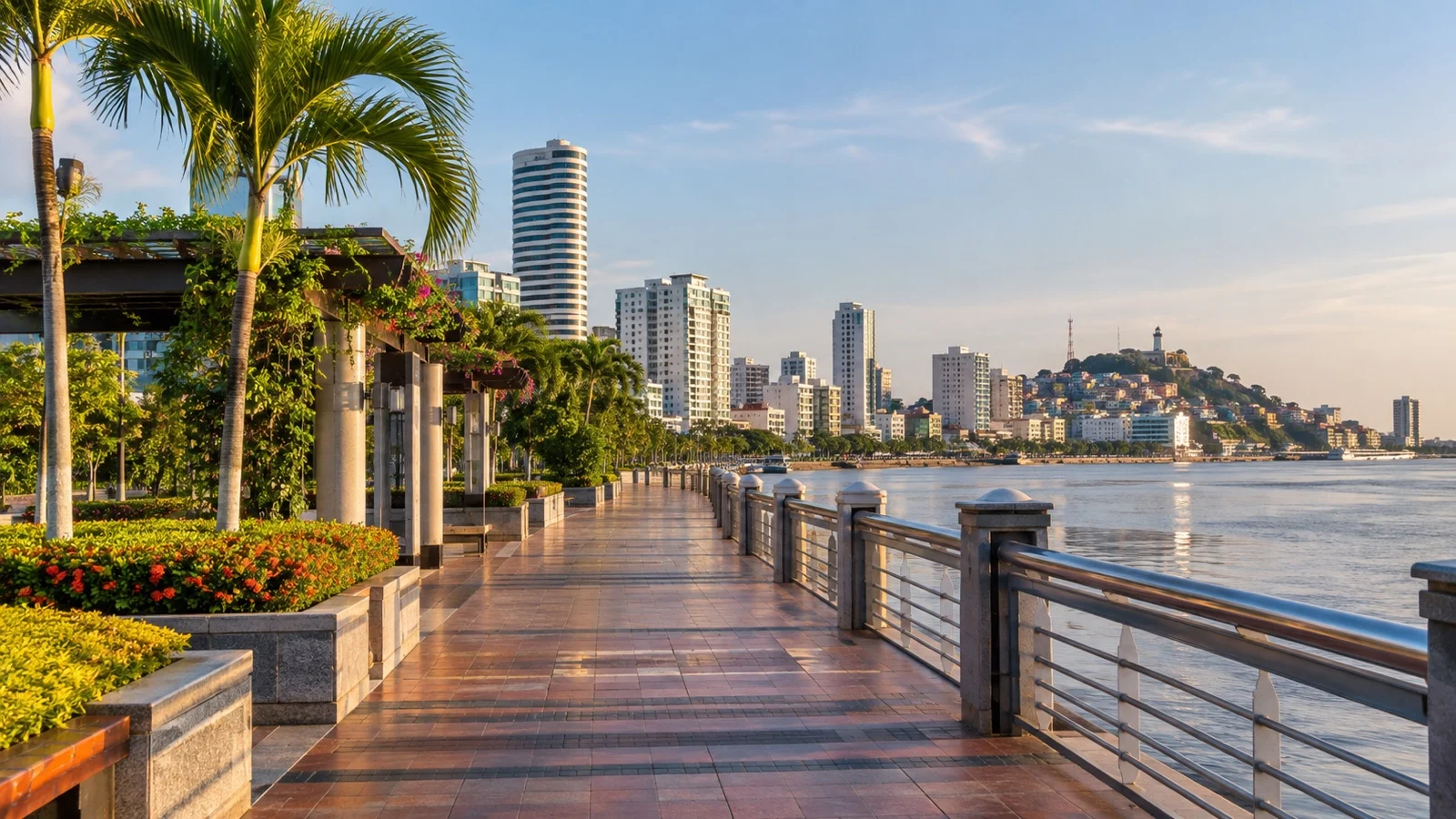
Heat can still be intense along the river, so alternate outdoor sections with indoor stops. Keep belongings secure and agree on a precise pickup point with your driver.
Las Peñas and Cerro Santa Ana
Las Peñas brings colorful hillside streets, galleries, cafés, and older architecture near the riverfront. The climb toward Cerro Santa Ana involves many steps and can be punishing in humidity, but the views reward fit visitors.
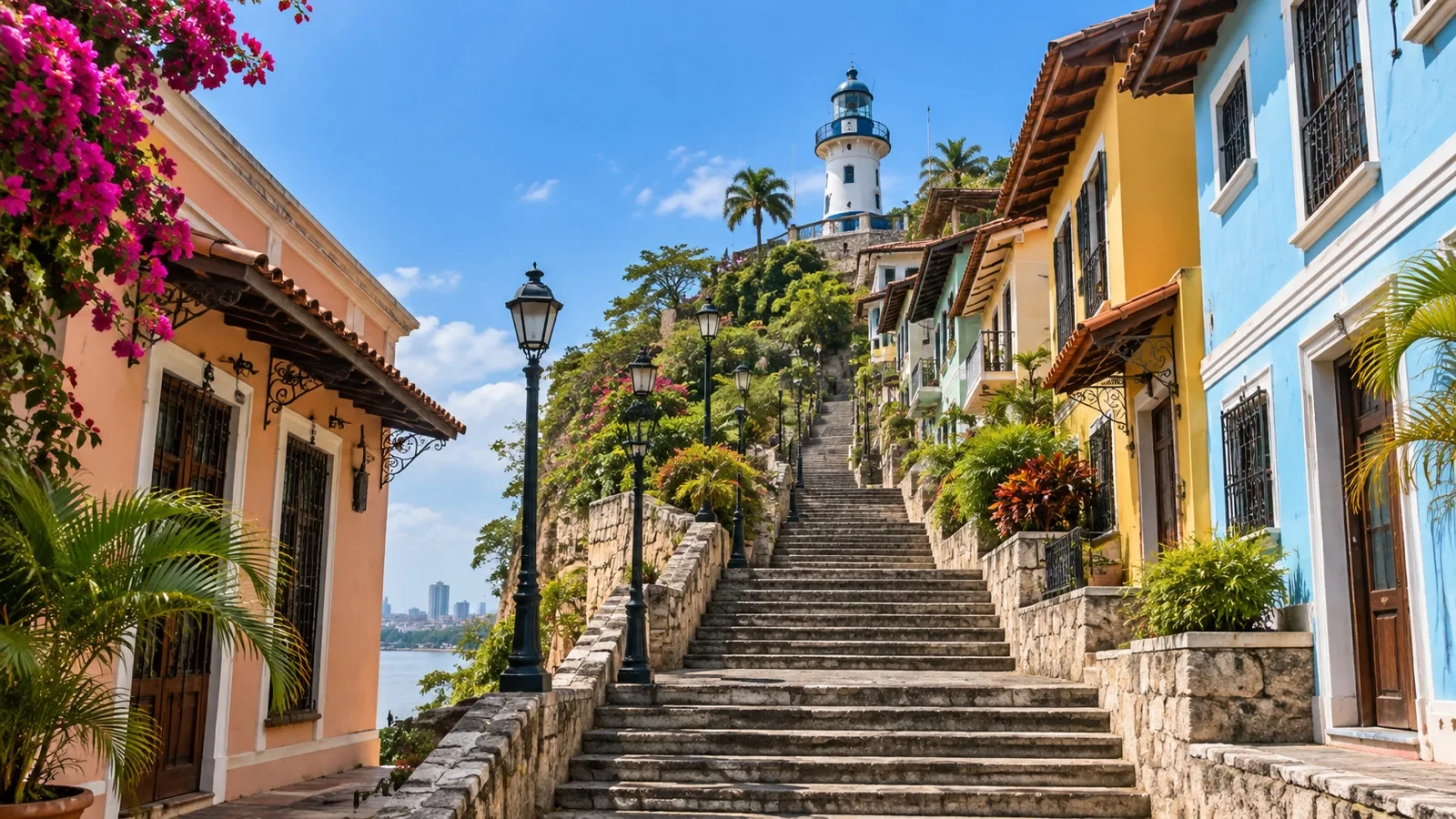
Travelers who avoid stairs can enjoy the lower streets and riverfront instead of treating the summit as mandatory. Visit active, established routes and follow current local guidance about where to walk independently.
Parks, museums, and food
Guayaquil’s parks and museums add history, art, and local context to a city tour. Opening days change and some collections require advance coordination, so verify the exact venue rather than depending on an old itinerary.
The city’s food scene draws on coastal seafood, rice, plantain, peanuts, stews, and Ecuador’s regional diversity. A guided lunch or reputable restaurant is a better use of limited time than selecting a random stop near a traffic route.
Manta or Guayaquil: which is better?
Manta is better for a relaxed first visit, a craft-focused trip to Montecristi, an urban beach, and seafood. Its scale makes the day easier to understand and leaves more room for spontaneity.
Guayaquil is better for travelers who enjoy major cities, riverfront redevelopment, museums, and urban history. The working-port transfer and city traffic mean it benefits more from a tour or arranged driver.
If an itinerary includes both, use Manta for the coast and crafts, then use Guayaquil for architecture and city life. That creates contrast without repeating a generic panoramic coach tour.
Mainland Ecuador and the Galápagos are separate plans
A mainland call at Manta or Guayaquil is not a practical day trip to the Galápagos Islands. Galápagos travel requires flights, controlled visitor logistics, protected-area rules, and a dedicated itinerary.
Some travelers connect through Guayaquil before or after a Galápagos trip, but that should be planned as a separate land extension. Never book a same-day flight connection that puts the cruise departure or expedition embarkation at risk.
Transportation and security
Use authorized port transportation, a reputable guide, or a hotel-arranged vehicle. Confirm the fare, currency, waiting time, route, and return pickup before leaving the controlled terminal area.
Security conditions can change, and normal big-city precautions matter. Keep jewelry and large cash amounts discreet, secure phones near roads, use established ATMs, and follow current cruise-line and government guidance.
Weather and packing
Both cities are warm, and humidity, sun, and sudden rain shape the day. Carry water, sunscreen, a hat, insect repellent, and a compact rain layer.
Wear breathable clothing and supportive shoes for uneven streets or steps. Bring a modest layer for churches and cultural venues, and follow local beach warnings.
Accessibility and family planning
Modern waterfront sections can be manageable, but port transfers, broken sidewalks, curbs, heat, and stair-heavy sights create practical barriers. Ask about step-free vehicles, wheelchair storage, accessible restrooms, and exact walking requirements.
Families should select one anchor experience and leave room for food, shade, and rest. Manta’s beach or Montecristi can create an easy day, while Guayaquil works best with a short guided route.
Three sensible ways to plan the day
The independent waterfront day
Use authorized transportation to a compact visitor district, explore a defined route, and arrange the return in advance. This works best in central Manta or around Guayaquil’s Malecón.
The private-guide day
A licensed local guide adds context and manages transportation between scattered stops. Agree on the full price and make the ship-return time more conservative than the last possible estimate.
The ship excursion
A cruise-line tour is the low-risk choice for longer regional drives or travelers uneasy about working-port access. The tradeoff is a fixed route, larger group, and less time for spontaneous food or shopping.
Choosing tours and managing the schedule
A reputable independent operator should provide clear contact details, an appropriate vehicle, the full price, and a realistic return commitment. Ask whether admission, food, waiting time, and port access are included rather than comparing only the headline rate.
Photograph the terminal meeting point and save the port agent’s contact information before leaving the ship. Confirm whether the onboard deadline follows local time, then set your personal return target earlier than the published all aboard time.
Long-distance day trips are rarely the best use of a short call, especially when weather or city traffic can change quickly. A smaller plan with one strong meal and local context often creates a better memory than hours spent reaching a distant checklist sight.
Responsible coastal and cultural visits
Buy woven goods and other crafts from sellers who can explain their materials and makers. Respect posted photography rules in museums, workshops, markets, and religious spaces, and ask before taking close portraits of residents.
On beaches and nature tours, avoid wildlife feeding, handling, loud pursuit, and operators who promise unnaturally close encounters. Carry out waste, reduce single-use plastic, and follow local conservation instructions even when another visitor ignores them.
Ecuador’s coastal communities are working places rather than scenery built for cruise guests. Spending locally on food, guiding, and authentic crafts gives the port day more meaning and keeps a greater share of its value in the community.
A patient, curious approach usually produces the most rewarding visit.
Final thoughts
Manta rewards a coastal plan built around food, crafts, and an easy pace, while Guayaquil rewards a focused city itinerary with organized transport. Keep the Galápagos separate, protect the return to the ship, and follow current security guidance.
CruisePorts.co provides practical, independent planning guidance for cruise travelers. Port access, security conditions, prices, and transportation can change, so verify critical details with the port, operator, and cruise line before travel.