Huatulco Cruise Port: Santa Cruz, Nine Bays and La Crucecita
Huatulco is the Mexican Pacific port for travelers who want the beach almost immediately, yet still have real choices beyond it. Santa Cruz has an alongside pier, a sheltered bay, restaurants, boats, and taxis all gathered into one unusually easy arrival.
The larger destination is Bahías de Huatulco, a planned coastal region spread across nine bays with La Crucecita as its practical town center. Pick one clear theme for the day, because a bay cruise, an archaeological park, and a mountain outing each deserve more time than a frantic sampler allows.
Quick facts about Huatulco cruise port
- Arrival: Normally alongside at the Santa Cruz cruise pier
- Immediate area: Santa Cruz beach, marina services, restaurants, shops, and boat departures
- Main town: La Crucecita, a short taxi ride inland
- Signature outing: A coastal boat trip through several of Huatulco’s nine bays
- History choice: Bocana del Río Copalita archaeological zone and nature trails
- Nature choice: Huatulco National Park by authorized boat or guided land route
- Currency: Mexican peso
- Language: Spanish, with some English in visitor businesses
- Main planning risks: Heat, sun, changing sea conditions, loose taxi timing, and trying to combine distant activities
The ship normally docks in Santa Cruz
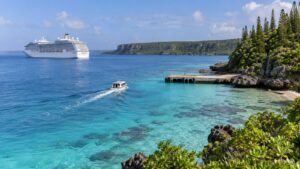
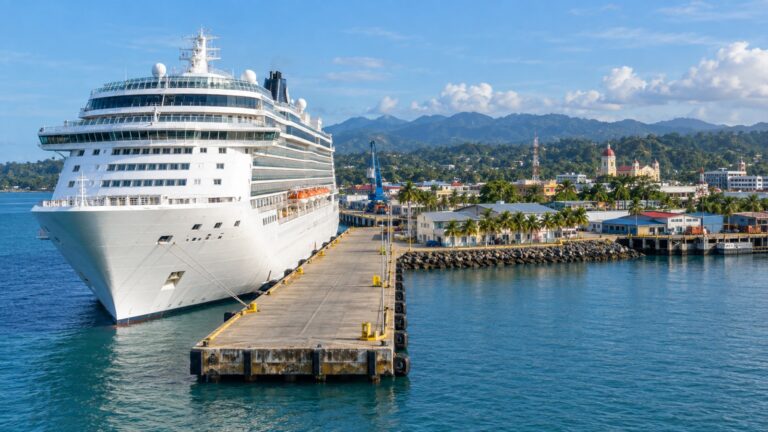
Cruise ships normally berth alongside at Santa Cruz, placing passengers beside the compact marina and beach district. That means no routine tender schedule to manage, although the ship’s daily program always controls the actual gangway and return instructions.
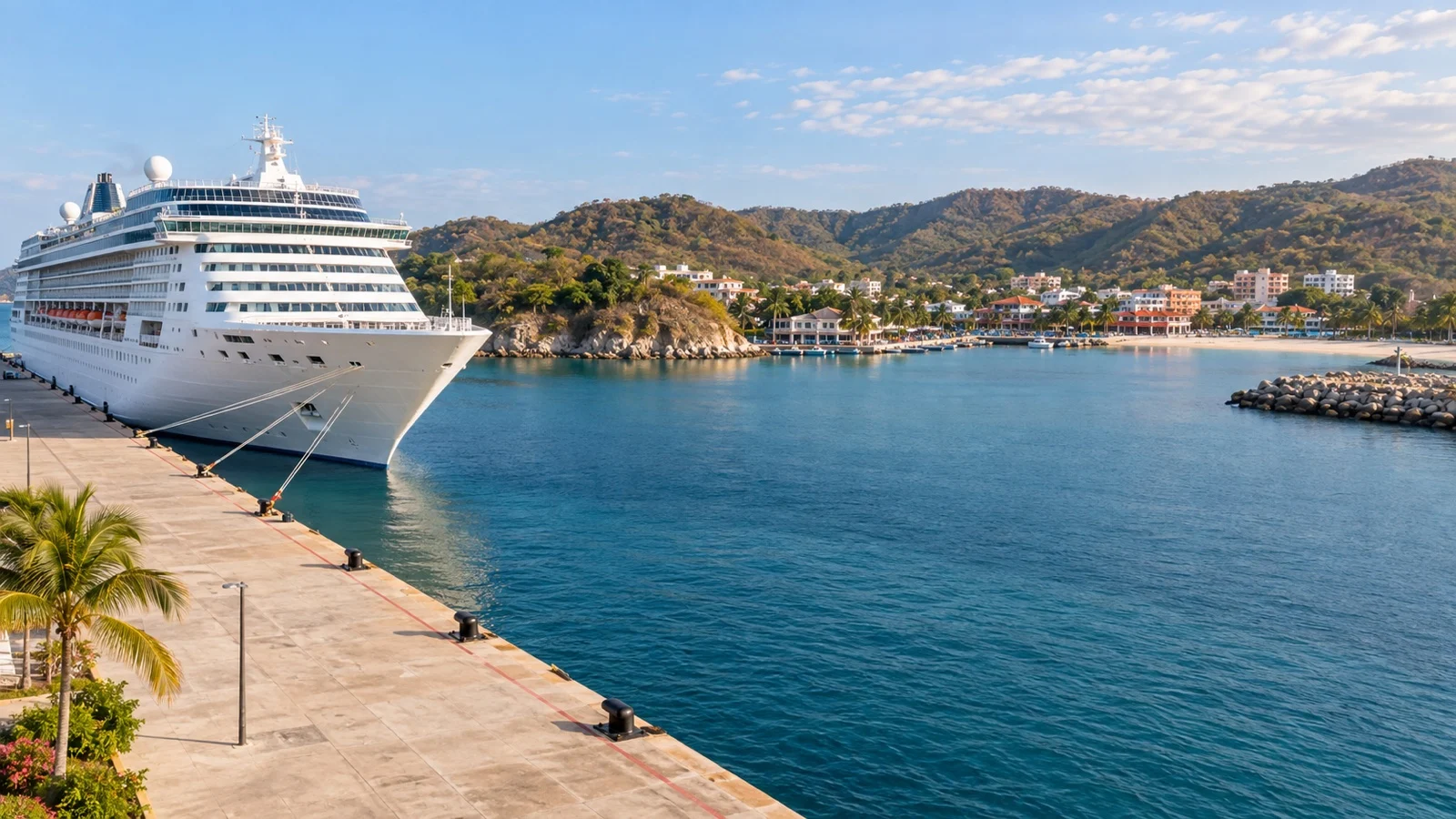
Expect an open, warm arrival rather than a huge air-conditioned terminal complex. The useful things are close together: licensed transportation, excursion meeting points, restaurants, souvenir stalls, beach access, and boats offering coastal trips.
Santa Cruz works for the easiest possible day
Playa Santa Cruz curves beside the marina within easy reach of the pier, so a simple beach day requires almost no road time. The water is often protected by the bay, but swimmers should still obey current flags and local advice because conditions can change.
Beach restaurants commonly offer chairs or shade with a food and drink purchase, but confirm the arrangement before settling in. Ask whether the quoted amount covers a chair, umbrella, minimum spend, service charge, or all four.
Santa Cruz is also the sensible choice for a short call, a late start, or anyone who wants to remain near the ship. It is convenient rather than secluded, with music, vendors, and excursion traffic creating a lively port-day atmosphere.
La Crucecita adds a proper town stop
La Crucecita sits inland from Santa Cruz and functions as the area’s everyday commercial center. Its central square, church, craft shops, cafés, pharmacies, and restaurants make it a good counterpoint to the resort shoreline.
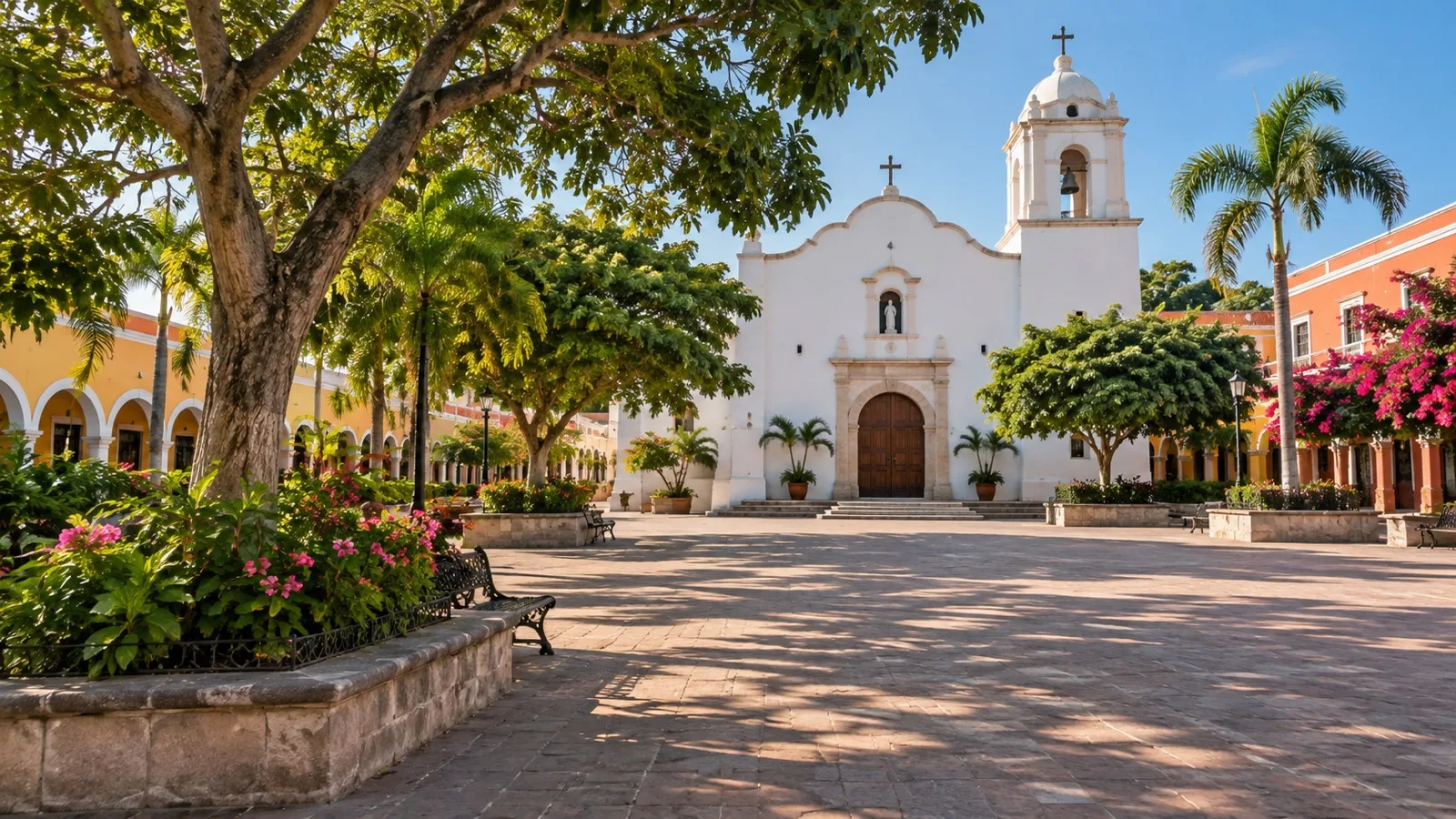
A taxi is the easiest connection, and the ride is normally short enough for a relaxed half-day split between town and beach. Agree on the fare before departure, clarify whether it is one way or round trip, and carry the pier name in writing for the return.
The church near the square is known for a large image of the Virgin of Guadalupe painted across its ceiling. Dress respectfully, keep voices low, and remember that worship takes priority over sightseeing.
The nine bays are Huatulco’s big idea
Huatulco is not one continuous resort strip but a coastal system of nine named bays with dozens of beaches. Some bays are developed and easy to reach by road, while others feel remote and are best approached from the water.
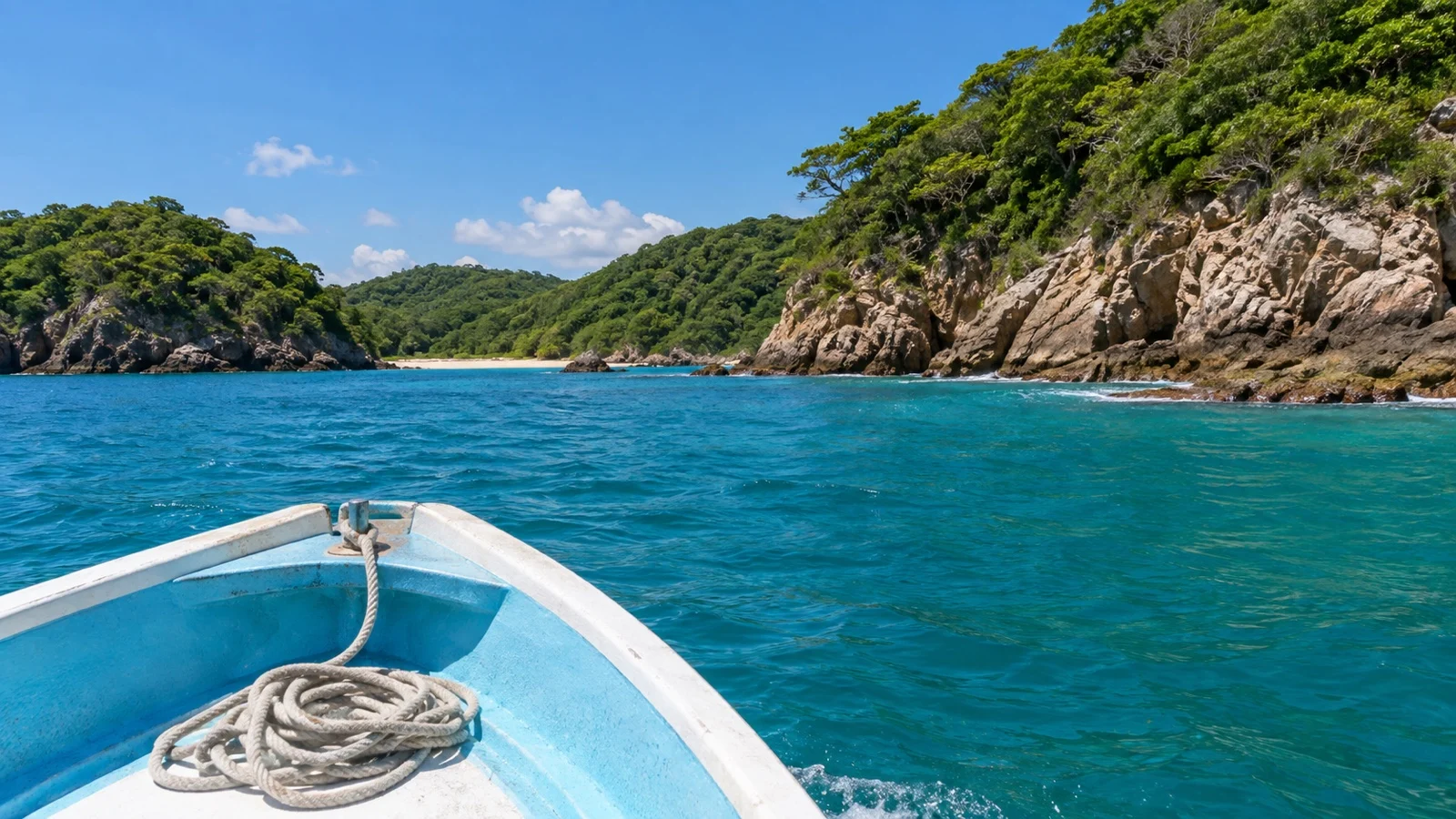
A shared catamaran or motorboat trip usually samples several viewpoints and may include a swimming or snorkeling stop. Read the exact itinerary carefully because a trip advertised as a bays tour may emphasize scenic cruising, beach time, wildlife watching, or snorkeling in very different proportions.
Choose the right kind of bay boat
Large shared boats are sociable and often less expensive, but boarding, music, shade, and crowd levels vary. Smaller private boats can tailor stops more easily, though their ride may feel livelier and their shade or toilet facilities may be limited.
Before paying, ask about total duration, actual beach stops, flotation equipment, snorkel gear, onboard shade, restroom access, and the latest safe return. Travelers with limited mobility should describe their needs precisely because stepping between a pier and a moving small boat can be the hardest part.
Sea life sightings are a welcome possibility, not a guaranteed performance. A responsible operator should keep distance from wildlife and follow instructions for protected waters rather than chase animals for a photograph.
Huatulco National Park protects land and sea
Mexico’s National Commission of Natural Protected Areas describes Huatulco National Park as a landscape where the Sierra Madre del Sur meets the sea. Its official visitor information directs marine visitors toward the Santa Cruz dock and identifies several land trails inside the protected area.
That protected status is part of the appeal, but it also means visitors should treat reefs, wildlife, trails, and waste rules seriously. Use an established operator, avoid touching coral, never remove shells or plants, and apply reef-conscious habits before entering the water.
For a cruise day, the cleanest nature plan is either an authorized marine tour from Santa Cruz or a guided land outing built around one trail. Combining both can work on a long call, but only when the operator gives a conservative ship-return schedule.
San Agustín rewards travelers who accept the distance
Bahía San Agustín is valued for clear water, snorkeling, and a less urban beach setting, yet it lies farther from the cruise pier than Santa Cruz. Road conditions and transfer time make it better as a focused excursion than one item in a long checklist.
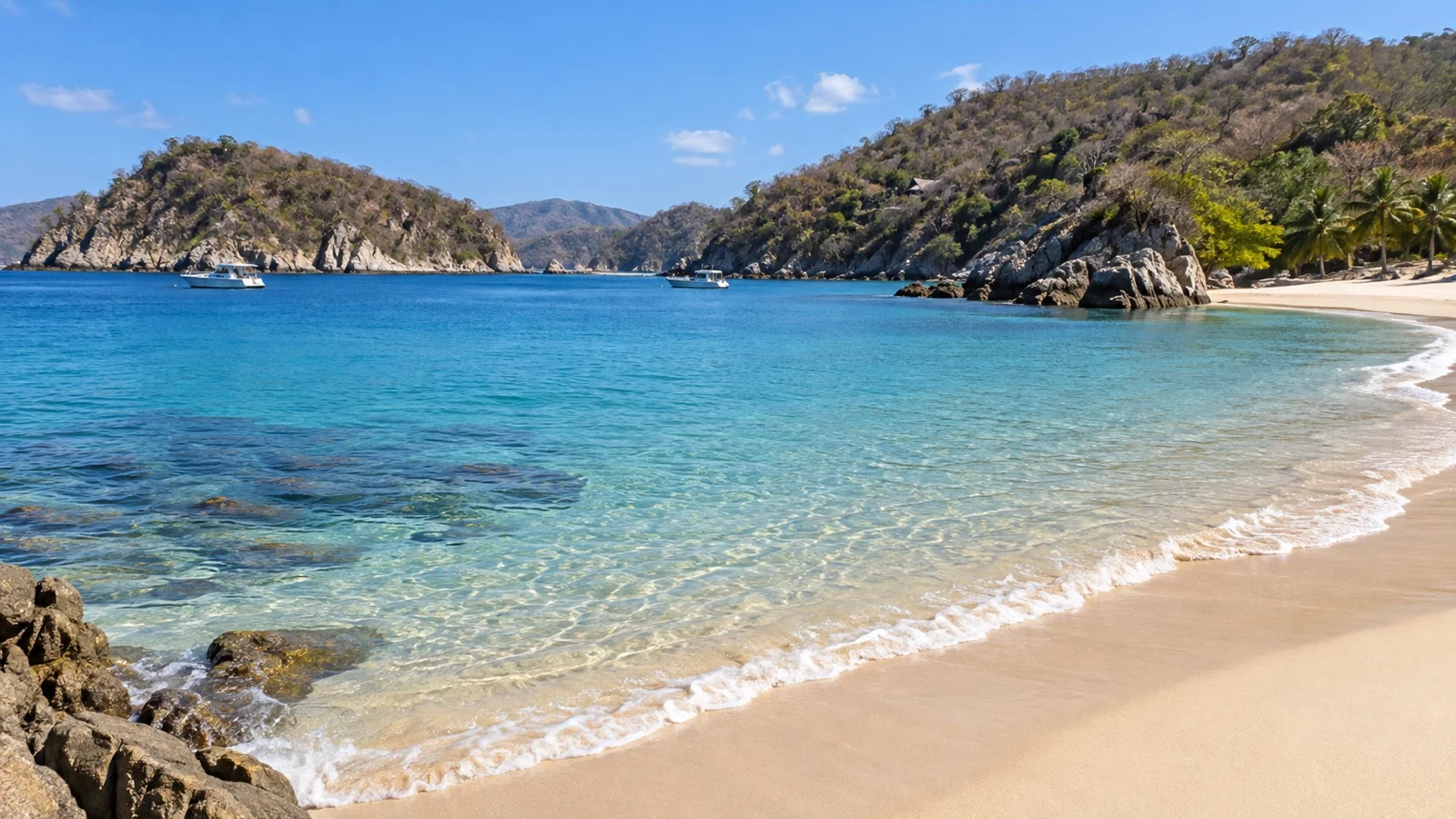
Ask where the vehicle stops, whether the final approach is paved, what facilities operate that day, and when the return begins. If snorkeling matters, sea conditions and visibility should decide the plan rather than a glossy promise made days earlier.
Copalita brings archaeology into the landscape
Bocana del Río Copalita is the strongest cultural alternative to a beach or bay cruise. Mexico’s National Institute of Anthropology and History presents the site as an archaeological zone at the meeting of river, dry forest, and Pacific coast, with evidence tied to the long history of coastal Oaxaca.
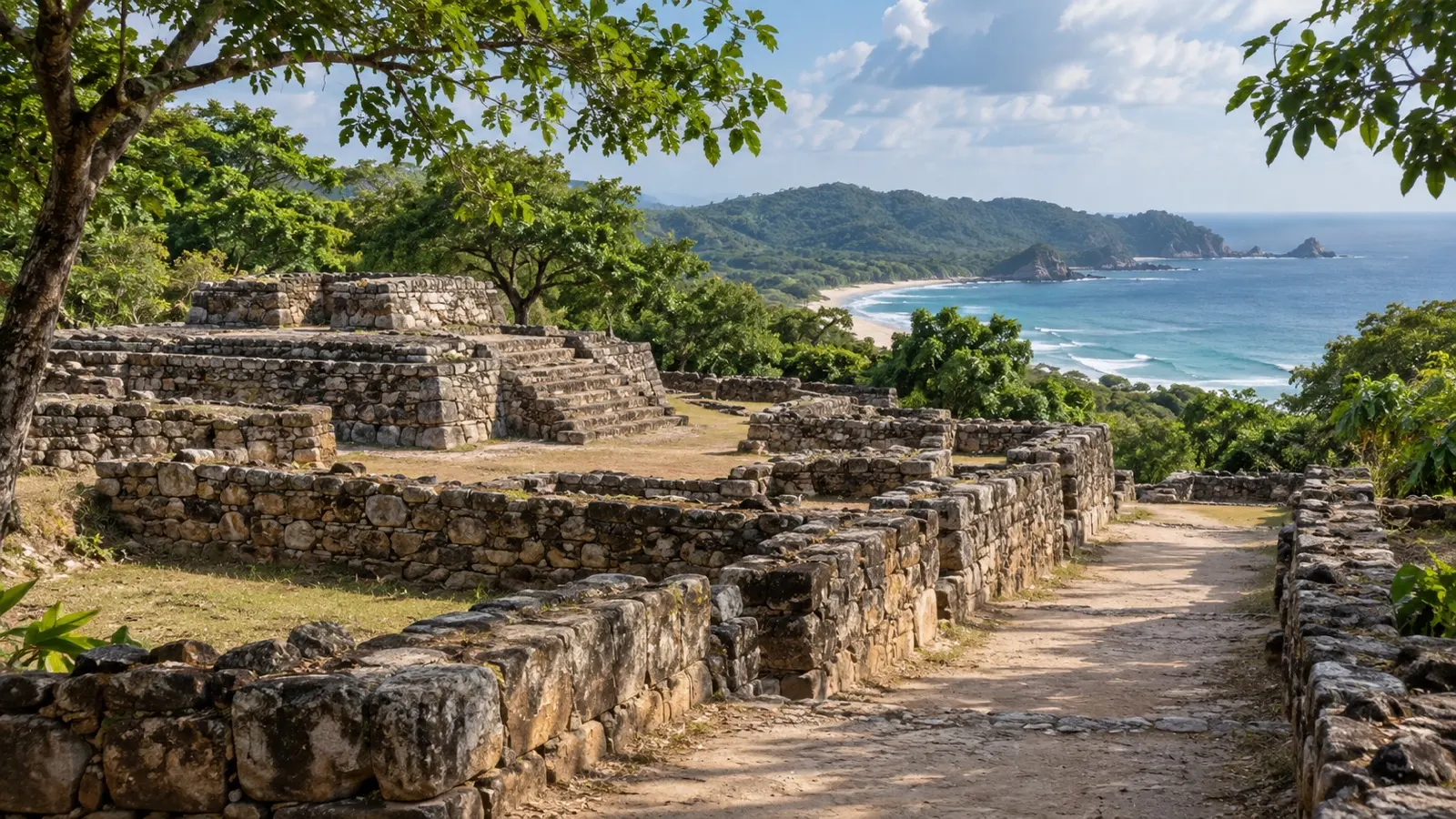
The visit involves outdoor paths rather than a single compact monument, so closed shoes, water, sun protection, and realistic walking expectations matter. Current hours, admission, open trails, and guide availability should be checked through official information or a trusted excursion provider.
Copalita pairs naturally with a viewpoint or a later stop in La Crucecita, provided the schedule leaves breathing room. It is a weaker match for travelers who struggle with heat, uneven ground, or extended walking without frequent shade.
A beach comparison saves wasted time
Choose Santa Cruz for maximum convenience and minimum transportation. Choose nearby Chahué or La Entrega when you want a change of scene without committing the whole day, but confirm access, currents, chair arrangements, and the practical taxi return.
Choose a farther bay such as San Agustín for a dedicated coastal outing with more travel built in. No beach is automatically calm, accessible, uncrowded, or free of vendors on every date, so same-day local advice is more useful than a permanent label.
Snorkeling needs a conditions check
Huatulco can offer rewarding snorkeling, particularly in sheltered water, but visibility changes with swell, runoff, wind, and boat traffic. Ask the operator which site is genuinely best that morning instead of insisting on a famous name regardless of conditions.
A flotation vest is useful even for confident swimmers, and beginners should stay close to the guide. Do not stand on coral, feed fish, or kick through shallow reef, since one careless minute can damage the exact habitat everyone came to see.
Coffee and mezcal belong to longer inland outings
Oaxaca’s coffee and mezcal traditions make attractive excursion themes, but not every tasting involves the same depth or travel time. A town tasting may be compact, while a genuine farm or mountain visit can require a substantial drive on winding roads.
Ask whether the excursion visits a production site, a retail tasting room, or both. Anyone drinking mezcal should eat, hydrate, pace the samples, and leave the driving to a licensed operator.
Food is an excellent low-stress plan
Fresh seafood suits the coast, while mole, tlayudas, tamales, quesillo, chocolate, and chapulines connect the day to broader Oaxacan cooking. A meal in Santa Cruz or La Crucecita can feel more memorable than squeezing in one extra viewpoint.
Choose busy establishments with clear turnover, drink sealed or purified water, and ask before ordering if allergies are serious. Confirm whether tax and service are included, then tip according to the bill and local custom rather than assuming the card terminal settles everything.
Taxis are simple when the agreement is clear
Taxis are normally easy to find around the cruise arrival area and are the practical choice for La Crucecita, nearby beaches, and a custom local circuit. Use the organized rank or another verified provider recommended by terminal staff.
Set the price, currency, passenger count, destinations, waiting time, and return point before leaving. For a multi-hour hire, write the ship name and all aboard time down, keep the driver’s contact, and pay on the schedule both sides have agreed.
Mexican pesos are best for small purchases and reduce confusion over exchange rates. Cards are useful at established businesses, but a backup payment method matters when a connection fails or a beach restaurant operates mainly in cash.
Heat shapes the day more than distance does
The tropical sun can make a modest walk feel much longer, especially across open pavement or archaeological paths. Start active plans early, carry water, use a hat and broad-spectrum sunscreen, and build shade into the itinerary rather than treating it as an emergency.
Rain can be intense in the wetter part of the year, while the dry season can feel dusty and relentlessly bright. A light rain layer, secure footwear, and a waterproof pouch take little room and solve several ordinary port-day problems.
Accessibility depends on the exact plan
An alongside berth removes the routine tender transfer, but gangway angle, pier distance, curb cuts, vehicle height, sand, and small-boat boarding still vary. Ask the cruise line about the sailing-specific gangway and ask operators for measurements or step counts instead of accepting the word accessible without detail.
Santa Cruz and a vehicle-based La Crucecita visit are generally easier to adapt than a beach boat, reef snorkel, or long Copalita walk. Travelers using a wheelchair should confirm whether the vehicle can carry it assembled and whether an accessible restroom is available at each stop.
Families can keep the plan pleasantly small
Santa Cruz beach plus lunch is the lowest-friction family day, with the ship nearby if energy disappears. A shorter bay boat can work well for older children who are comfortable in sun and motion, but verify life jacket sizes and shade before booking.
Copalita suits curious walkers more than toddlers needing a stroller-friendly route. Carry more water than seems necessary, schedule food before everyone is exhausted, and allow one appealing activity to be enough.
Three realistic Huatulco day plans
The easy plan is Santa Cruz beach, a seafood lunch, and a short browse near the marina. It minimizes transport and keeps the return buffer almost entirely under your control.
The classic plan is a morning bay cruise followed by a brief walk or meal in Santa Cruz. Book a boat with a firm pier return that leaves generous time before all aboard.
The culture plan is Copalita with a trusted guide, then La Crucecita for the church, square, crafts, and Oaxacan food. Skip the extra beach if road or walking time starts to expand.
Protect the return without wasting the day
All aboard is earlier than departure, and the time shown in the ship’s daily program is the one that matters. Set a personal return target ahead of it, then enlarge that margin for a private boat, a distant beach, Copalita, or any mountain road.
If a tour starts late or weather slows the route, remove the final stop rather than spending the buffer. Ship-sponsored excursions usually carry different delay protections, while independent travelers remain responsible for reaching the gangway on time.
Final thoughts
Huatulco is at its best when the plan respects its relaxed geography: one beach, one cluster of bays, or one thoughtful cultural route. Santa Cruz makes arrival easy, while La Crucecita, Copalita, and the protected coast provide plenty of substance beyond the pier.
CruisePorts.co provides practical, independent planning guidance for cruise travelers. Berths, access rules, prices, sea conditions, opening hours, and entry requirements can change, so verify critical details with official sources and your cruise line before travel.