Northwest Passage Cruise: Why No Line Guarantees a Full Transit
A Northwest Passage cruise is the only trip I know of where the brochure and the contract flatly disagree with each other. The brochure sells a transit; the contract says the route is an example only and can change at any point.
This page explains why. If you are after the port-by-port directory of Northwest Passage calls instead, that lives in my Northwest Passage cruise ports guide.
That gap is not a scam, it is ice. You are buying a very expensive attempt, and the honest lines say so in writing before you pay.
My quick take
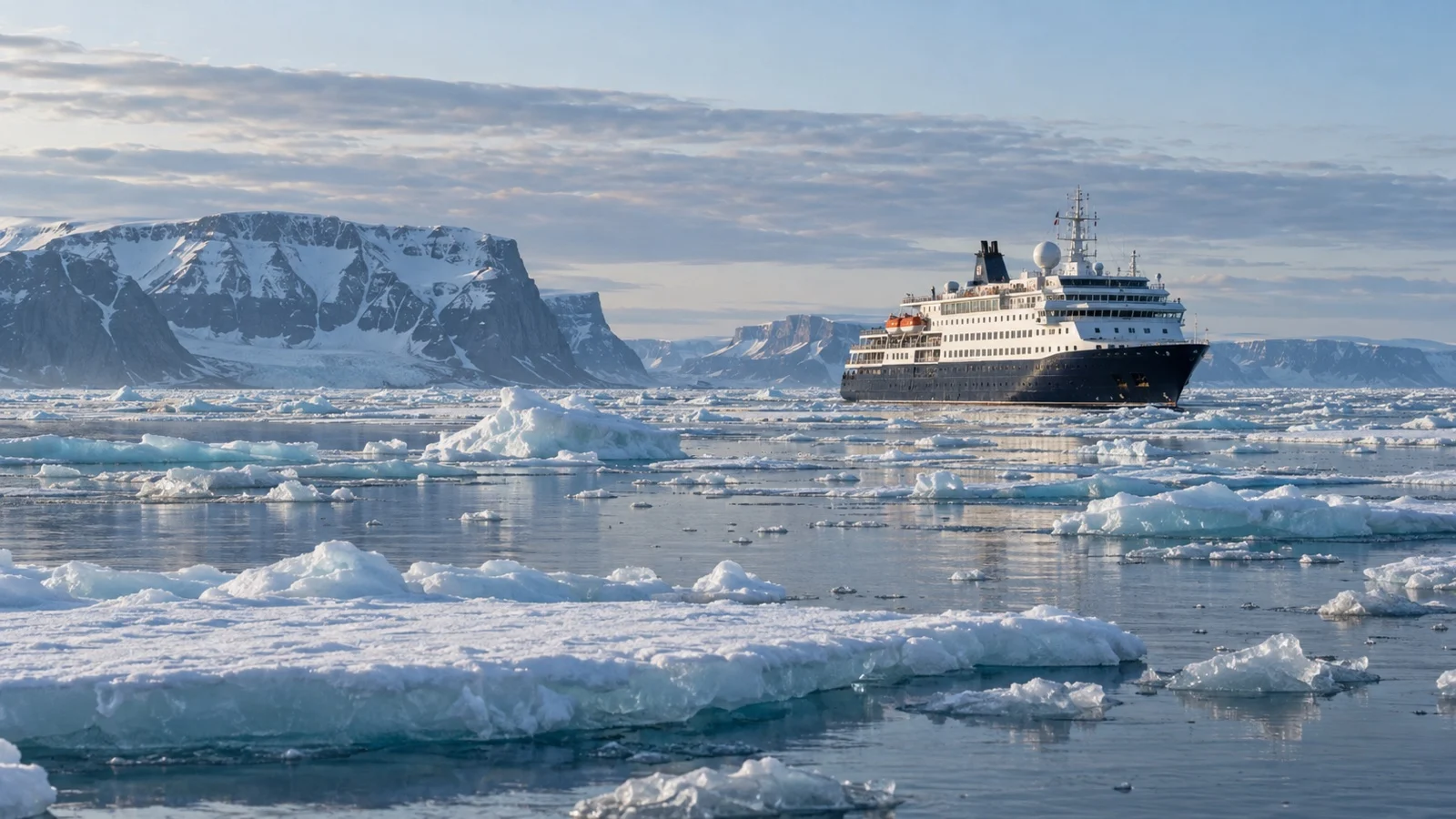
If you want a guaranteed itinerary, do not book this. Book Greenland, book Svalbard, book anything where the ship can turn around without losing a week.
What you are actually buying is roughly two and a half weeks in the Canadian High Arctic with a serious expedition team, plus a real chance of the full Greenland to western Arctic crossing. My default framing is to treat the transit as the bonus and the days ashore as the product.
The thing I would not do is book the cheapest cabin and then skimp on insurance. This is the single worst region in the cruising world to need an unplanned medical evacuation.
The quick facts
- What a northwest passage cruise actually is: a west or eastbound crossing of the Canadian Arctic Archipelago, usually joining Greenland to the western Arctic. Adventure Canada’s two Northwest Passage voyages both run 17 days on the 175-passenger Ocean Victory.
- The two ends: Kangerlussuaq in Greenland at one end, Kugluktuk in Nunavut at the other, with a charter flight from Yellowknife closing the western gap. Neither end is a place you can reach on a scheduled flight from home.
- The window: late August into September, which is when Arctic sea ice is at or near its annual minimum. Adventure Canada’s eastbound and westbound departures run 26 August to 11 September and 11 to 27 September.
- How you get ashore: usually by Zodiac at remote sites, with wet and dry landings or a small-boat cruise that never touches land. A community call may use a local dock or another transfer when the site and operator allow it.
- What the contract says: Adventure Canada states that “published itineraries are examples only” and reserves the right to change the itinerary and landing sites at any time before or during a cruise. It also says you will not be entitled to any refund or compensation for itinerary changes or delays.
- Flights are extra, and large: Adventure Canada prices its charter flights separately, listing the Toronto to Kangerlussuaq leg at 1,595 US dollars and the Yellowknife to Kugluktuk leg at 1,100 US dollars. Those are one-way charters on top of a fare that starts around 18,000 US dollars per person.
- Search and rescue: effectively the ship, plus whatever else happens to be in the region. Assets are thin and distances are enormous, which is why Transport Canada requires Arctic vessels to be designed, built and equipped to resist ice loads and handle Arctic operating conditions.
- How often the full transit is completed: nobody publishes a clean number, and any line quoting you a percentage is guessing. Turnarounds and major reroutes happen, and the operators build the possibility into their paperwork rather than their marketing.
Why no line will guarantee the transit
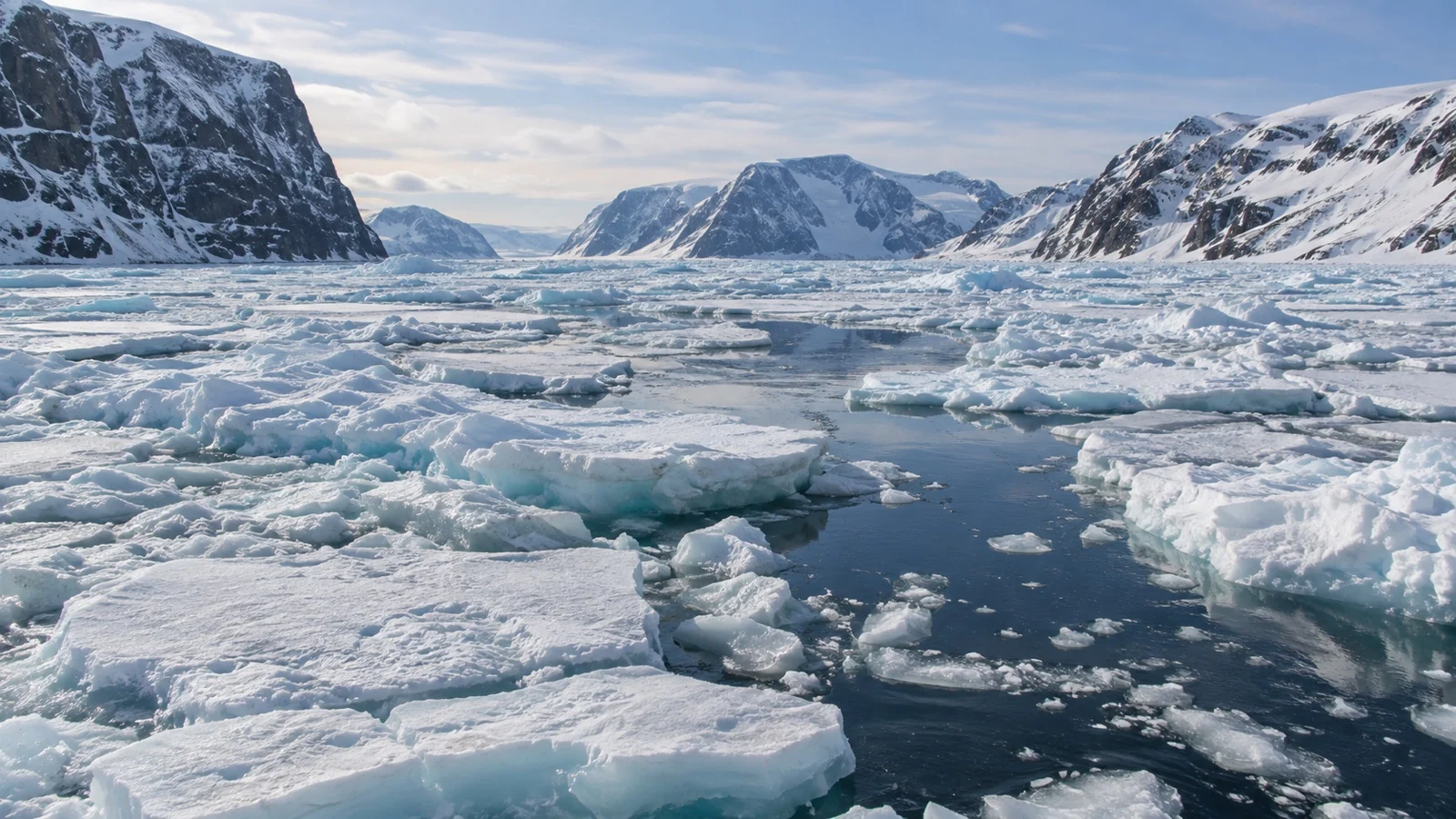
The Arctic Archipelago is not one channel, it is a maze of them. A ship coming west out of Lancaster Sound has more than one way south, and which one works depends entirely on where the ice has drifted that week.
Bellot Strait is the classic pinch point, a narrow gap that operators list and then quietly hedge. Ships have waited days at straits like it for a shift that never came.
The tool everyone actually watches is the ice chart. The Canadian Ice Service exists to provide timely and accurate information about ice in Canada’s navigable waters, and your captain will be reading it every morning of the voyage.
When the charts say no, the ship turns around. That usually means retracing east, running an alternative program in Lancaster Sound or northwest Greenland, and flying you home from a different airport than the one on your ticket.
The charter flights are a bigger deal than the ship
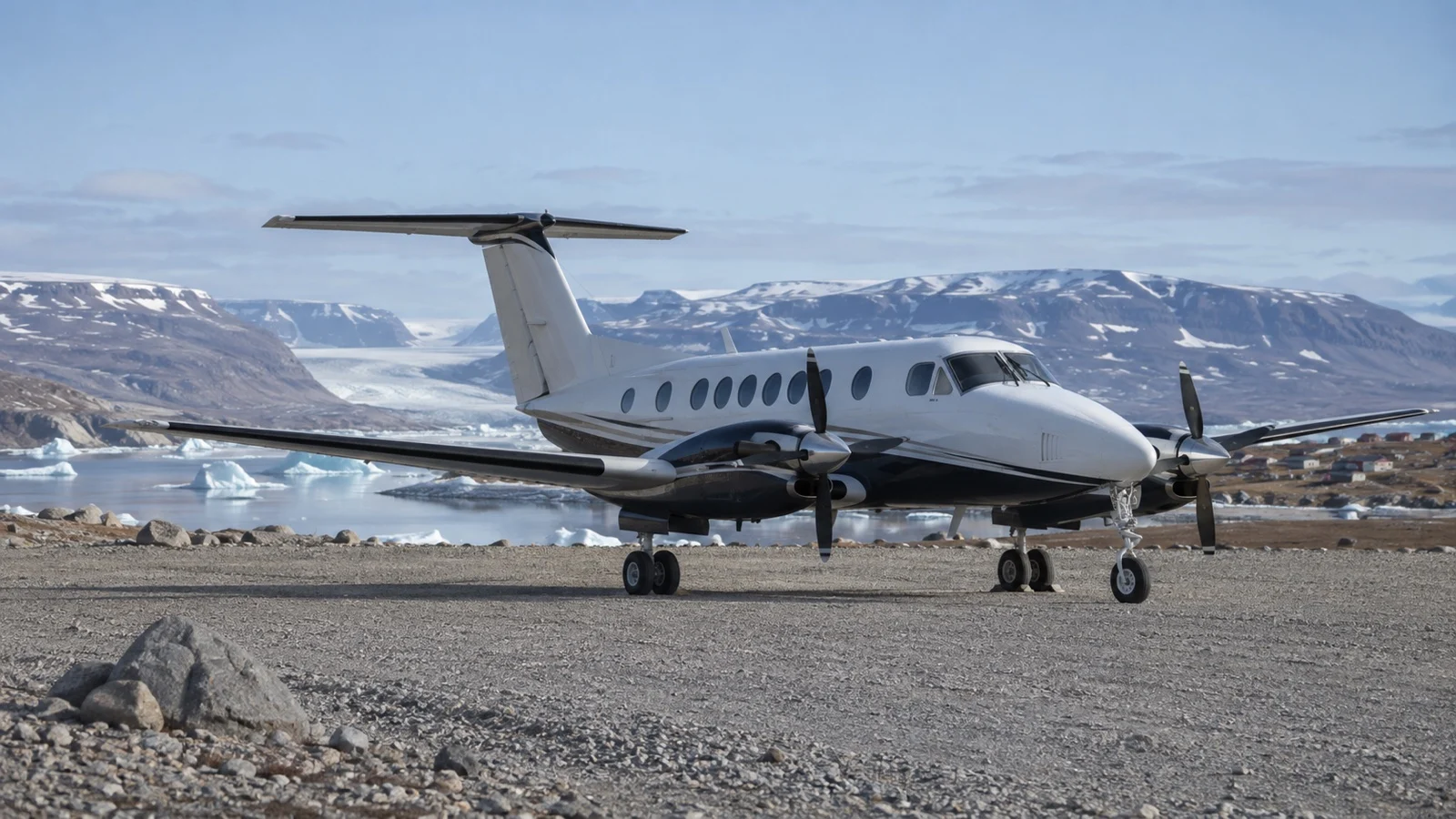
Both ends of this route are places with a gravel runway and not much else. That is why the flights are chartered rather than booked, and why they are a serious share of what you pay.
On Adventure Canada’s Northwest Passage voyages the two charter legs together come to 2,695 US dollars per person, priced separately from the cruise fare. Seabourn takes a different approach on its Seabourn Venture Northwest Passage sailings and has included economy airfare in some seasons, so the comparison between lines is not straightforward.
My rule is to fly into the gateway city a full day early, every time, no exceptions. Toronto, Yellowknife, Edmonton and Ottawa are the usual muster points, and the extra hotel night is trivial next to the fare.
Buy the insurance that covers missed departure and repatriation, and read what it says about remote evacuation. If your policy caps evacuation at a modest figure, it is not a policy for this trip.
Zodiacs, hamlets, and community visit agreements
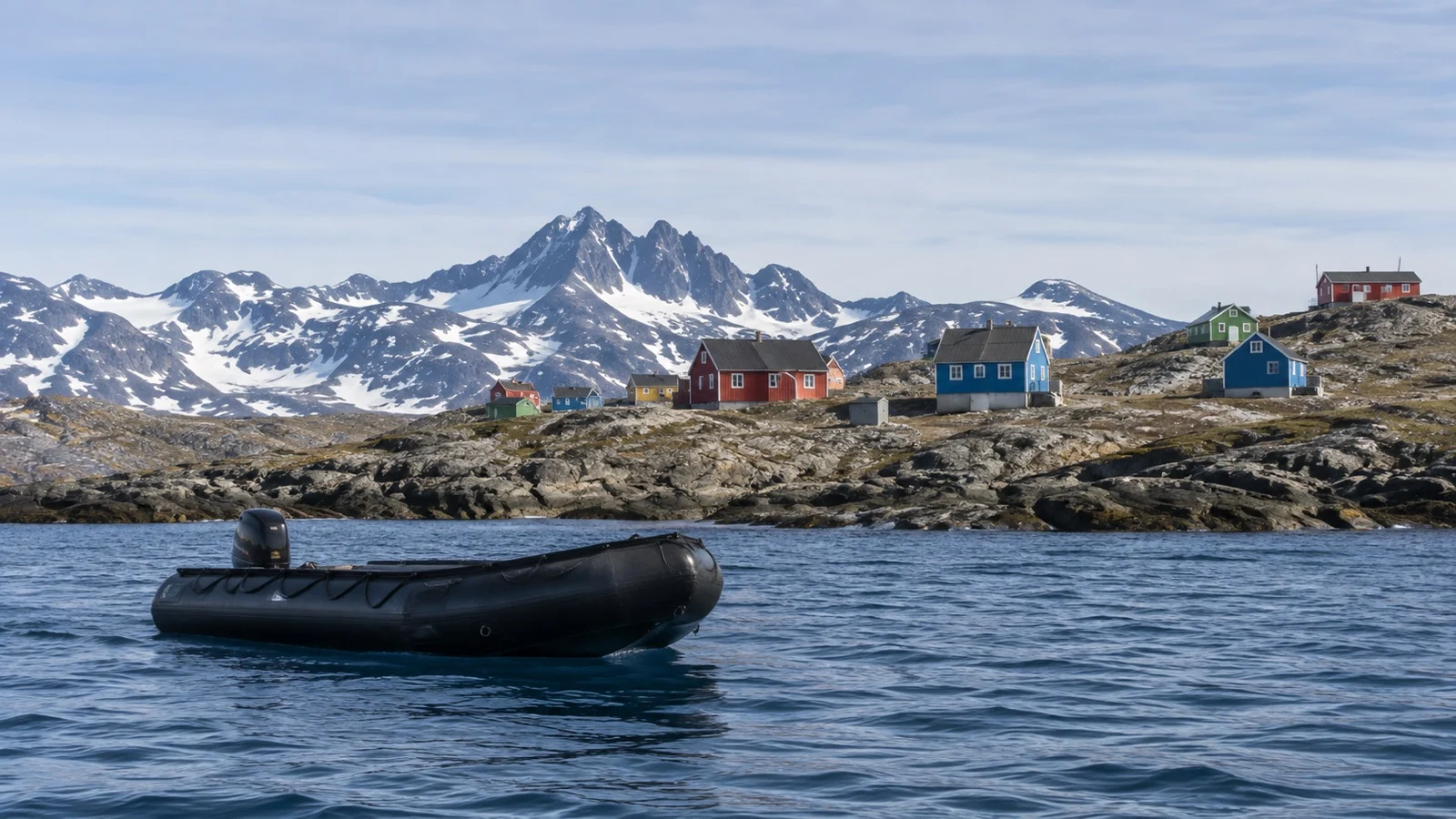
Every landing on this route is a Zodiac operation. The ship anchors or holds position offshore, the inflatables go in the water, and you go ashore in groups of ten or so.
Community calls are arranged in advance rather than simply scheduled. Operators belonging to AECO, the Association of Arctic Expedition Cruise Operators, work to mandatory guidelines that stress how easily a large group of visitors can affect everyday life in a small settlement.
The Government of Nunavut has signed a memorandum of understanding with AECO covering cruise tourism in the territory, which tells you how formalized this has become. A community can decline a visit, and Adventure Canada’s own itinerary language lists community requests alongside weather and ice as reasons a schedule changes.
What that means on the day is a visit shaped by the hamlet, not by you. Expect a welcome at the community hall, drum dancing or throat singing, a craft sale where the money stays local, and firm limits on wandering.
Do not photograph people without asking. If you have never done inflatable landings, my explainer on how Zodiac landings actually work covers the boarding and the boots.
Franklin, Beechey Island and the wrecks
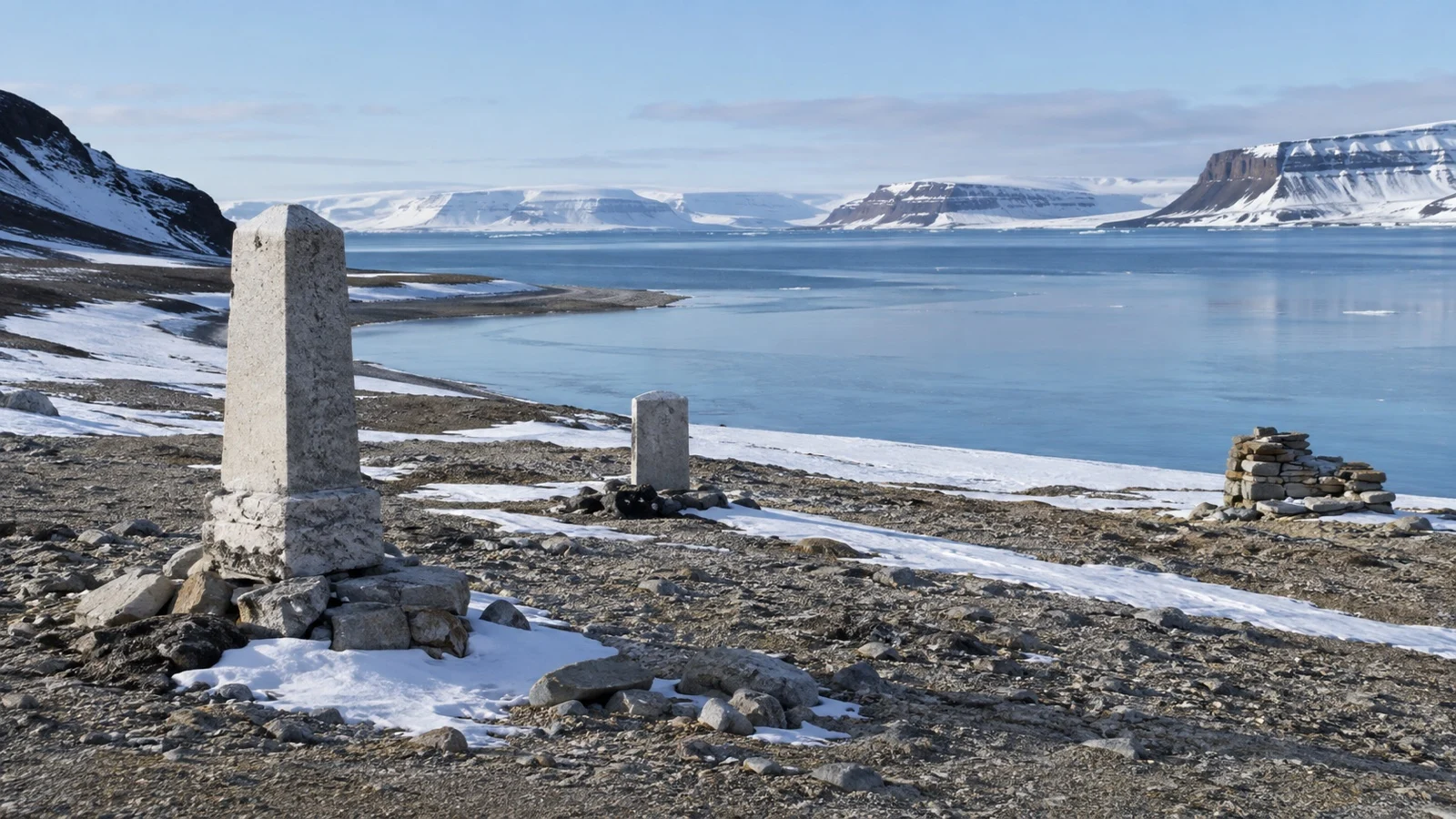
The history is the reason half the passengers are on board. Sir John Franklin sailed in 1845 with HMS Erebus and HMS Terror to find the passage, and the expedition vanished.
Beechey Island, off the southwest corner of Devon Island, is where the expedition spent its first winter and where three of its crew are buried. It is on most eastern itineraries and it is a genuinely sobering landing, a gravel spit with headboards and the ruins of a later search depot.
The wrecks themselves were found much later and much further south. Parks Canada records that Erebus was located in 2014 and Terror in 2016, more than 170 years after the expedition went missing.
Inuit traditional knowledge, Inuit Qaujimajatuqangit, is what led searchers to both. Parks Canada is explicit that oral histories contributed directly to the discoveries, and the resulting national historic site is the first to be jointly managed by Inuit and Parks Canada.
Set expectations on the wrecks now. Parks Canada says the site is not yet open for visitation, so the closest you get is Gjoa Haven.
The places that actually make the trip
These are the stops I would judge an itinerary by, roughly east to west. Any given sailing will hit some and miss others.
- Ilulissat, Greenland: the icefjord at the mouth of Sermeq Kujalleq, inscribed by UNESCO in 2004 and sitting about 155 miles north of the Arctic Circle. It is the most photogenic thing on the whole route and it is not even in Canada.
- Pond Inlet: the eastern gateway hamlet on Baffin Island, with Bylot Island’s mountains across the water. The community visit here is often the best of the trip.
- Tallurutiup Imanga, or Lancaster Sound: the wildlife corridor at the eastern entrance to the passage, and where most sightings of narwhal, beluga and bowhead happen. Operators list it as a highlight for good reason.
- Devon Island: the largest uninhabited island on the planet, all tundra, glacier and gravel. The scale of it is the thing you will remember.
- Beechey Island: the Franklin graves and the remains of Northumberland House. Twenty minutes ashore here beats three days of scenery.
- Bellot Strait: the narrow channel between Somerset Island and the mainland, and one of the genuine chokepoints. If your ship gets through it, the transit is probably happening.
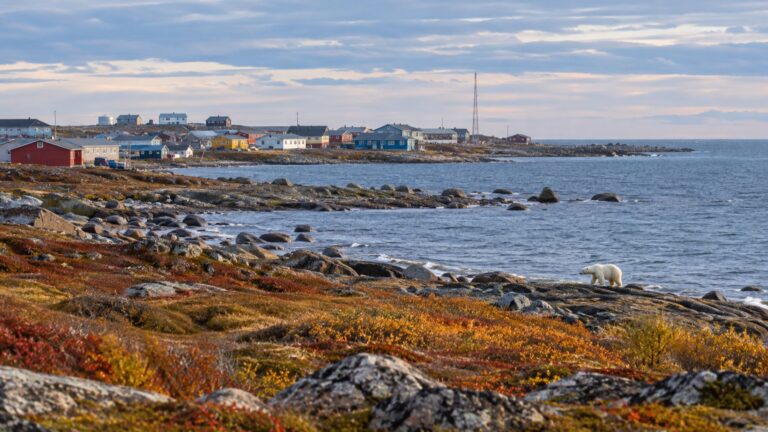
- Gjoa Haven and Kugluktuk: the Kitikmeot communities at the western end, and the human anchor of the whole route. Kugluktuk is where the charter flight south collects you.
Fun fact: the wrecks of Erebus and Terror form the first national historic site in Canada jointly managed by Inuit and Parks Canada, with an Inuit Guardians program watching over it. The ships that failed to find the passage are now protected by the people whose ancestors watched them fail.
How I would actually decide
Start with the direction. Eastbound and westbound cover broadly the same water, but westbound departures start in Greenland and end in the Canadian Arctic, which puts the historic sites early and the ice gamble late.
A 175-passenger ship like Ocean Victory can put everyone on land in two waves. A larger ship may need more rotations and can offer less time ashore, but Arctic landing limits are set by the operator, site, vessel, and local permission rather than Antarctica’s 500-passenger rule.
Check the ice class and the expedition team’s Arctic record, not the thread count. A ship that has done this route repeatedly will have a captain who knows which alternative program to run when Bellot Strait is shut.
Finally, price the whole thing. Fare, both charters, the hotel night, insurance and gear, then decide whether that number is worth an attempt rather than a certainty.
A realistic word on accessibility
This is the hardest region I write about for anyone with limited mobility. Every landing involves stepping down into a moving inflatable from a gangway platform, then stepping out again onto rock or into shallow water.
Crew will steady you and the sailor’s grip is standard practice, but nobody can lift you into a Zodiac safely in swell. If you cannot manage that step unaided on a bad day, you will spend some days on the ship.
Medical support is the ship’s doctor and nothing else within easy reach. Parks Canada’s guidance for its High Arctic parks, including Quttinirpaaq, is blunt about limited facilities and the need for visitors to be self-reliant, and that is the standard the whole region operates to.
When to go, and the weather
The window is narrow and it is not negotiable. Ships run this route from roughly mid-August into late September, because August and September usually offer the most workable ice conditions, without making a full transit reliable.
Cold is constant. Environment and Climate Change Canada gives Resolute a mid-August normal of about 37 Fahrenheit by day and 30 Fahrenheit overnight.
The western end is milder. Cambridge Bay’s mid-August normal runs to a high around 48 Fahrenheit and a low near 37 Fahrenheit, and it drops steadily through September.
Wind and wet stop landings, not temperature. Pack waterproof pants and accept that a gray ceiling with horizontal drizzle is a normal Arctic day.
Entry rules, charters, and protected places
A Northwest Passage voyage may start or finish in Greenland, Nunavut, Alaska, Iceland, or another charter gateway, so there is no single standard pair of endpoints. Check every flight, charter baggage limit, passport rule, visa or authorization, and customs transit for your exact routing before you buy separate tickets.
Canadian and Greenlandic community visits happen only with local permission and can be changed for weather, safety, or community priorities. Follow the operator’s cultural briefing, do not arrange an independent landing, and bring small practical expectations rather than treating a community as an attraction built around the ship.
The wrecks of HMS Erebus and HMS Terror are protected national historic sites, and Parks Canada says the sites are not yet open to visitors. A ship may interpret the history or visit the region, but it cannot promise you access to the wreck sites.
Sea ice, fog, wind, and limited infrastructure make August and September the usual operating window, not a guarantee of a full transit. I would arrive at the charter gateway at least two nights early, keep required gear and medicine in carry-on luggage, and buy evacuation and interruption coverage that matches the operator’s contract.
Quick answers
How long is a Northwest Passage cruise?
Typically three to four weeks door to door, with the voyage itself around 17 days.
Adventure Canada’s two Northwest Passage sailings are both 17 days on Ocean Victory.
Will my ship definitely complete the transit?
No, and no reputable line says otherwise.
Adventure Canada’s terms describe published itineraries as examples only and rule out refunds for itinerary changes.
Can I visit the Franklin shipwrecks?
Not at present.
Parks Canada states the national historic site is not yet open for visitation, so the closest you get is the community of Gjoa Haven.
Are the flights included in the fare?
It depends on the line, and you should assume not.
Adventure Canada prices its charters separately at 1,595 and 1,100 US dollars, while Seabourn has included economy airfare on some Northwest Passage departures.
Do I need to be fit?
Reasonably, yes.
You need to step in and out of an inflatable in swell and walk on uneven ground without a path, several times a week.
The last word
If the ice odds put you off, the good news is that the best individual days on this route are available in easier packages. The Greenland side alone is a superb trip, and my rundown of the Greenland cruise ports covers where the ships actually stop.
For the softer end of the same latitudes, the eastern seaboard itineraries in my Canada cruise ports overview deliver scenery without the charter flights. And if what you want is glaciers and wildlife with a jetty at the end of it, the Alaska cruise ports do that job for a fraction of the money.
Book the passage anyway if the history has its hooks in you, because nothing else is remotely like it. Just sign the contract knowing that the ice, not the cruise line, writes the final itinerary.
How this guide was researched: Unless a first-hand visit is explicitly identified above, this guide is based on independent research using official port, tourism, transit, government, and attraction sources where available. Itinerary lengths, charter pricing and contract wording were checked against Adventure Canada and Seabourn, Franklin details against Parks Canada, regulation against Transport Canada, community visits against AECO, and temperatures against Environment and Climate Change Canada.
Logistics and time-sensitive details were reviewed September 10, 2026. See our Editorial Policy.
More on this topic: browse every guide on expedition and alternative cruises.