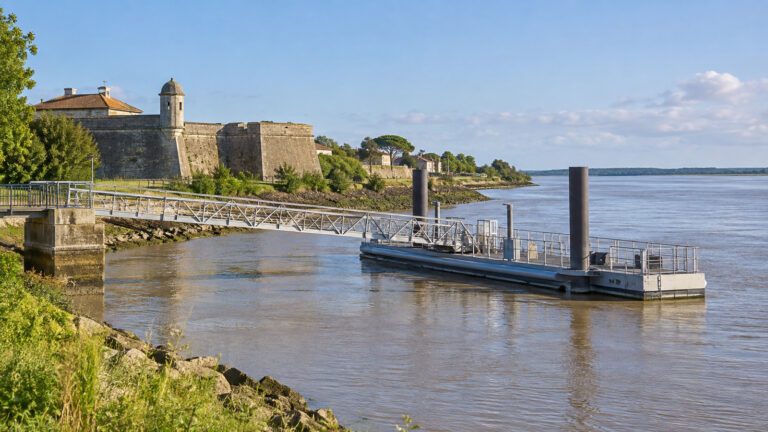
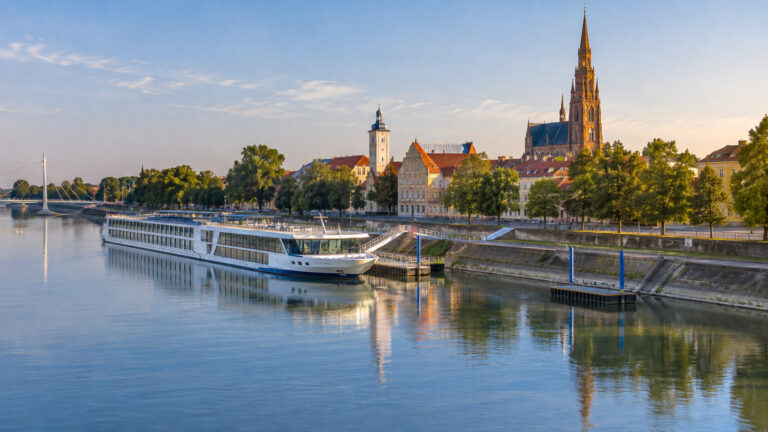
Main River Cruise Ports: Wurzburg, Miltenberg, Wertheim and Bamberg
The Main river cruise ports form the middle of many Rhine to Danube itineraries. Würzburg, Miltenberg, Wertheim, and Bamberg combine compact historic centers with a heavily engineered waterway.
The locks are the practical detail to understand before booking. Germany’s Waterways and Shipping Administration lists 34 barrages and 40 lock chambers on the Main, so some lock passages may happen while you are sleeping.
My quick take
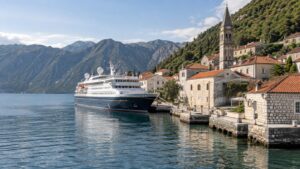
This stretch can be a good fit if you prefer exploring on foot. Würzburg, Miltenberg, and Wertheim often use town quays, but confirm the actual berth because river conditions and traffic can change the landing.
Würzburg deserves a plan because the Residence is the city’s major timed attraction. The official site sells tickets online and lists English tours at 11 am and 3 pm, but check those times against your ship’s call.
Bamberg needs different planning because the passenger quay is on the Main-Danube Canal rather than in the old town. The port says the historic center is about five minutes away by car, so follow your operator’s transfer instructions.
The quick facts
- Where you land: Würzburg, Miltenberg, and Wertheim commonly use town quays on the Main, though the exact berth can change. Bamberg’s official passenger landing is Kai 5 in the commercial port on the Main-Danube Canal.
- How you get ashore: by gangway, sometimes after crossing another rafted river ship. bayernhafen says Bamberg’s passenger quay has three pontoons and can take nine hotel ships in three layers at once.
- Into town: The first three ports are often walkable from their town berths. In Bamberg, plan on the operator’s transfer or another ride because bayernhafen puts the old town five minutes away by car.
- Currency and language: Germany uses the euro, and German is the official language. English is common in major visitor settings, but a few basic German phrases are useful.
- Getting around cost: Walking can cover much of these compact centers, but local transport and tour prices vary. For 2026, the official Würzburg Residence rate is 10 euros, 9 euros reduced, and free for visitors under 18.
- Time zone: Central European Time, UTC+1, moving to UTC+2 for daylight saving time across most of the cruising season.
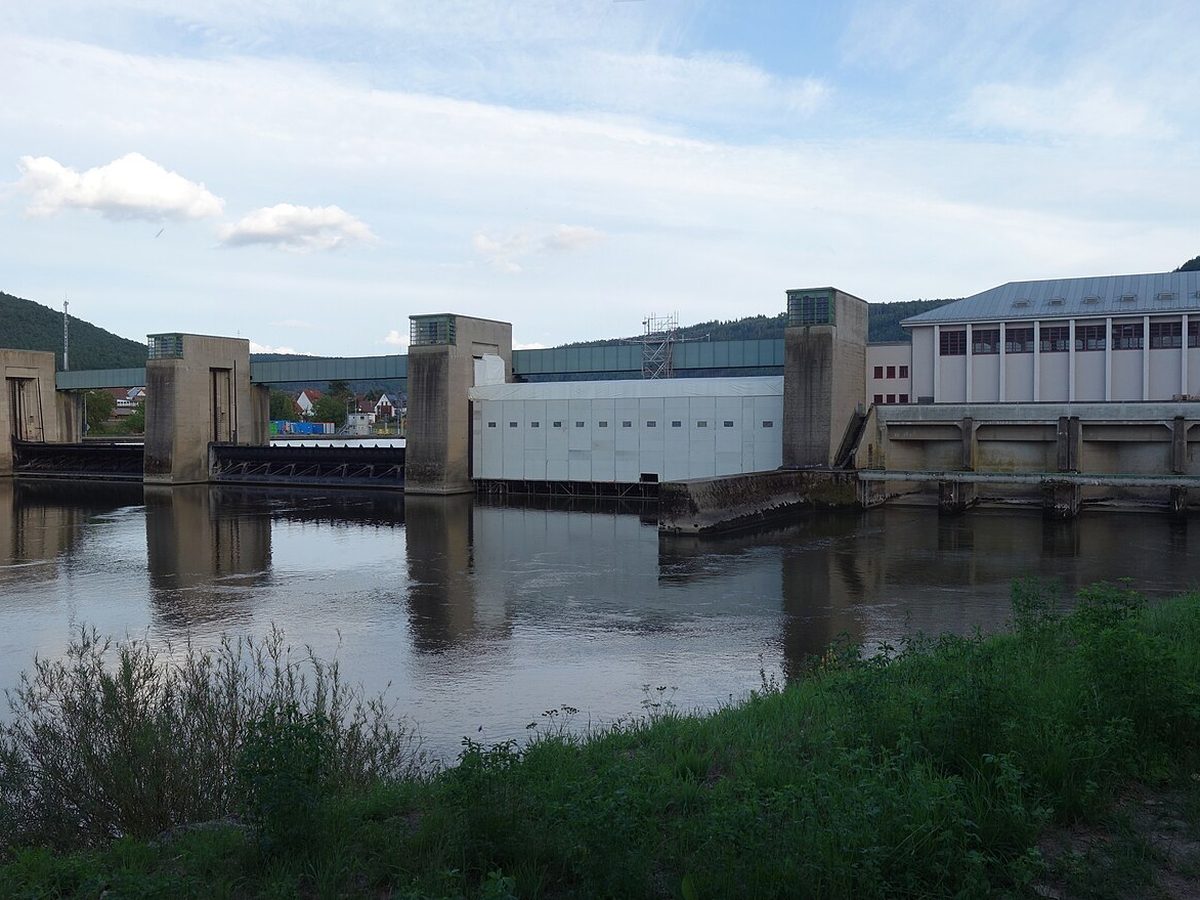
- The locks: 34 barrages and 40 chambers on the Main, plus 16 locks on the Main-Danube Canal. Expect some vibration and mechanical noise during lock passages.
- How often the call is missed: No dependable public percentage is available. High or low water, lock operations, traffic, weather, or berth changes can alter the schedule.
What the Main river cruise ports have in common
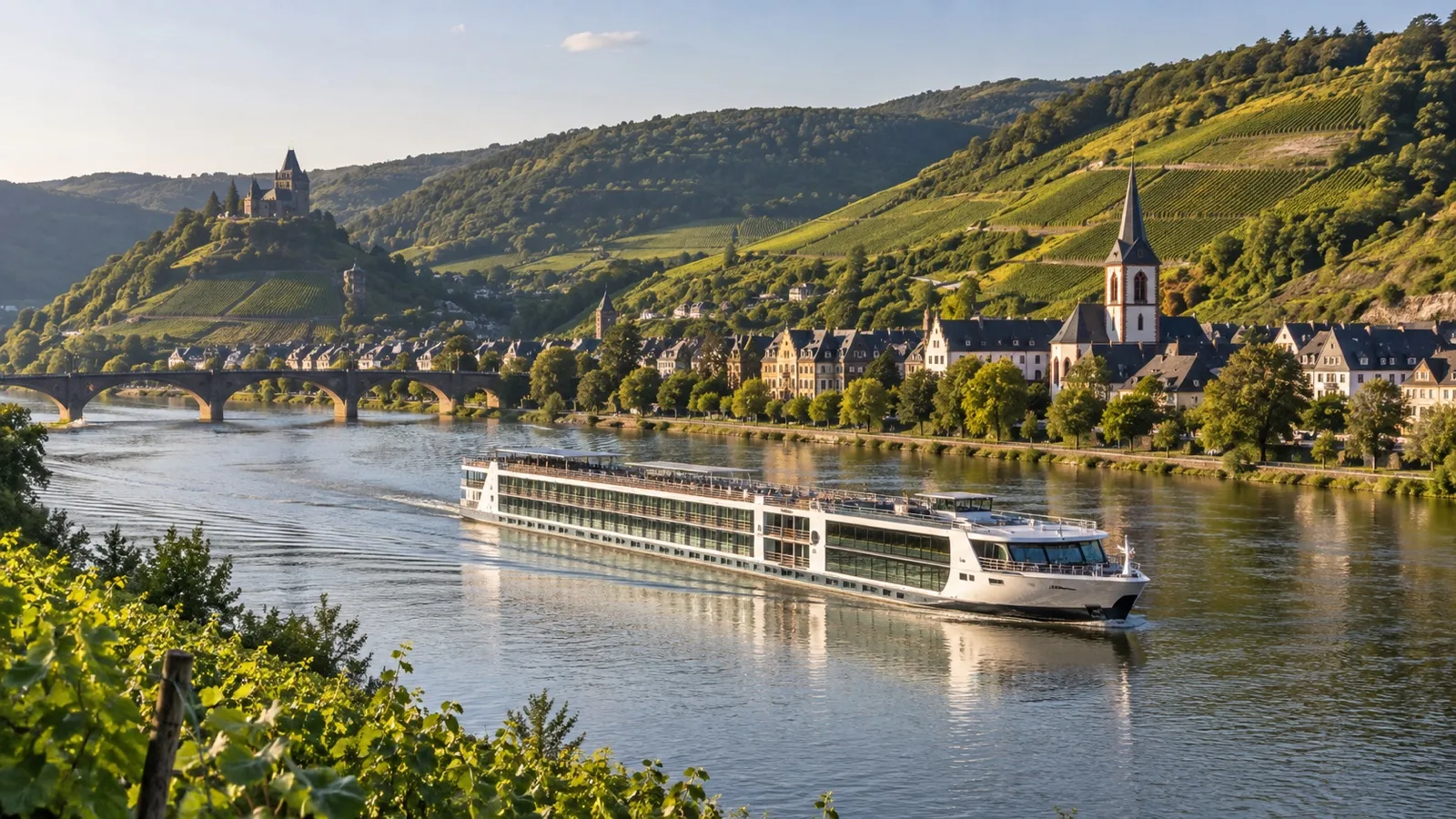
The Main is the connector. It runs from the Rhine at Mainz across northern Bavaria to Bamberg, where the Main-Donau-Kanal takes over and carries you up over the European watershed to the Danube.
The Waterways and Shipping Administration describes the Main as about 326 miles long, with roughly 241 miles navigable. Barrages and locks maintain navigation, but berth access still varies by location and water level.
A canalized river is not immune to disruption. Water levels, maintenance, traffic, and lock operations can still change arrival times or require an itinerary adjustment.
The locks, and the nighttime thumping
The Wasserstrassen- und Schifffahrtsamt Donau MDK puts it plainly: 16 locks carry ships over a summit about 1,332 feet above sea level. Three of those chambers lift around 82 feet, which makes them the tallest locks in Germany.
Add the Main’s 34 barrages to the canal’s 16 locks and a through itinerary can involve roughly 50 lock passages on this part of the route. The mix of daytime and overnight passages depends on the sailing schedule.
Light sleepers should pack earplugs and ask the cruise line how cabin location affects noise on its particular ship. The guide to how European river locks work explains what happens during a passage.
Lock traffic also affects scheduling. Treat arrival times as operational plans, and keep independent bookings flexible until the ship confirms the day’s program.
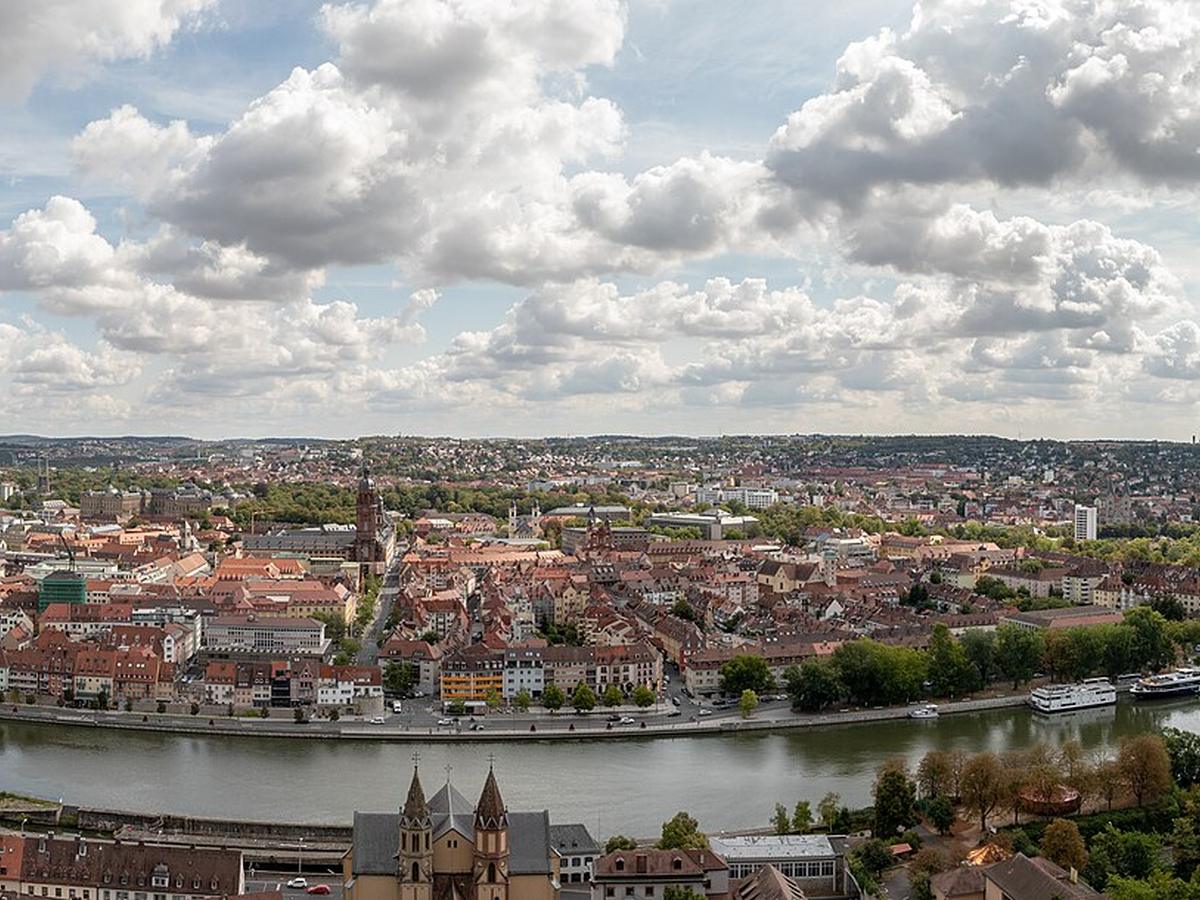
Wurzburg: the Residenz, the fortress and the flat bottle

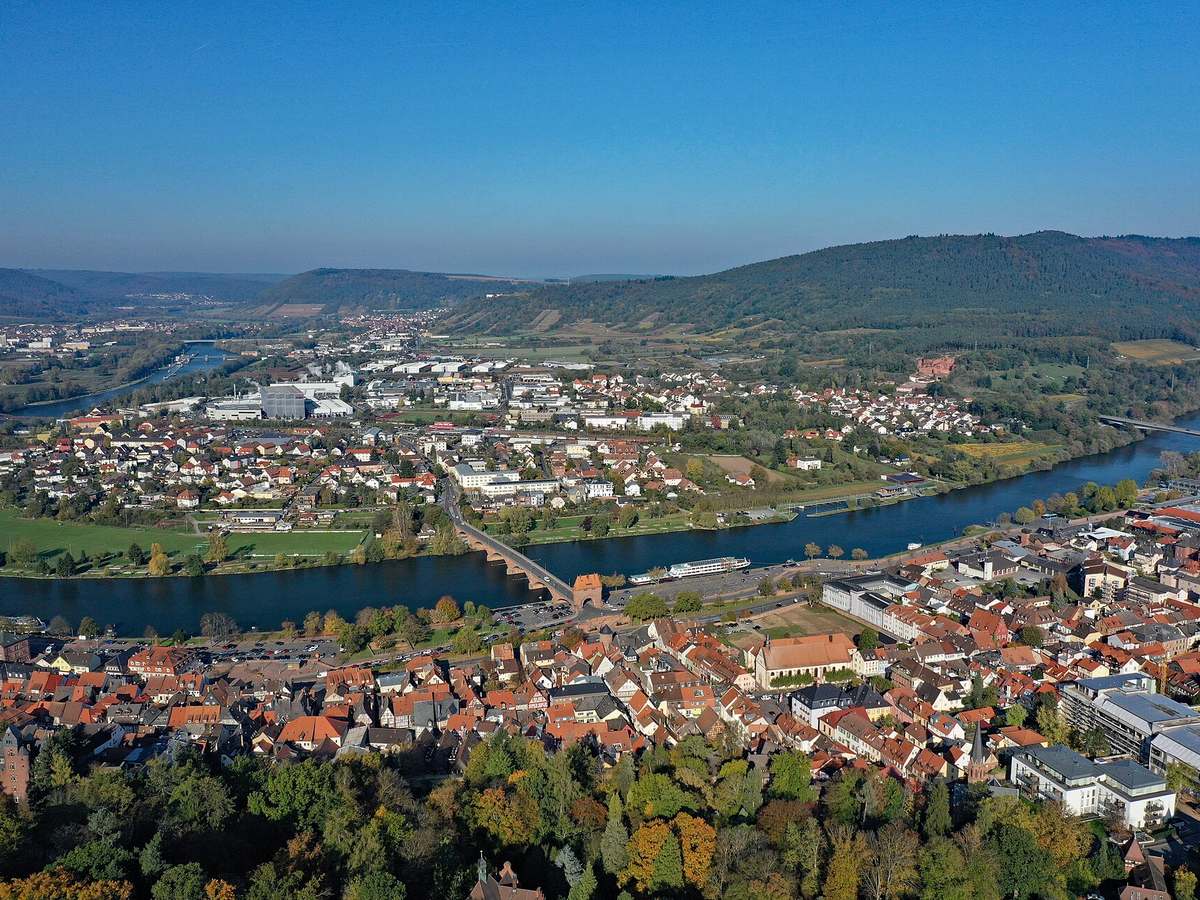
The Residenz was inscribed on the UNESCO World Heritage list in 1981, and its staircase carries a ceiling fresco by Giovanni Battista Tiepolo that UNESCO notes as the largest fresco in the world. It sits above Balthasar Neumann’s unsupported vault, which survived the 1945 bombing that gutted much of the rest of the building.
The Bavarian Palace Department lists the Residence as open daily, 9 am to 6 pm from April to October and 10 am to 4:30 pm from November to March, with last admission 45 minutes before closing. It lists English guided tours at 11 am and 3 pm, subject to current operations.
Marienberg fortress is the other half of the city, up the hill across the Alte Mainbruecke. The Palace Department flags restoration work with parts of the main castle closed, so check its page the week you sail.
The wine is not a sideshow here, it is the local economy. Franconian white comes in the Bocksbeutel, the flat round bottle that looks like a flask and fits nowhere in a normal wine rack.
Miltenberg and Wertheim: the small-town walk-ins
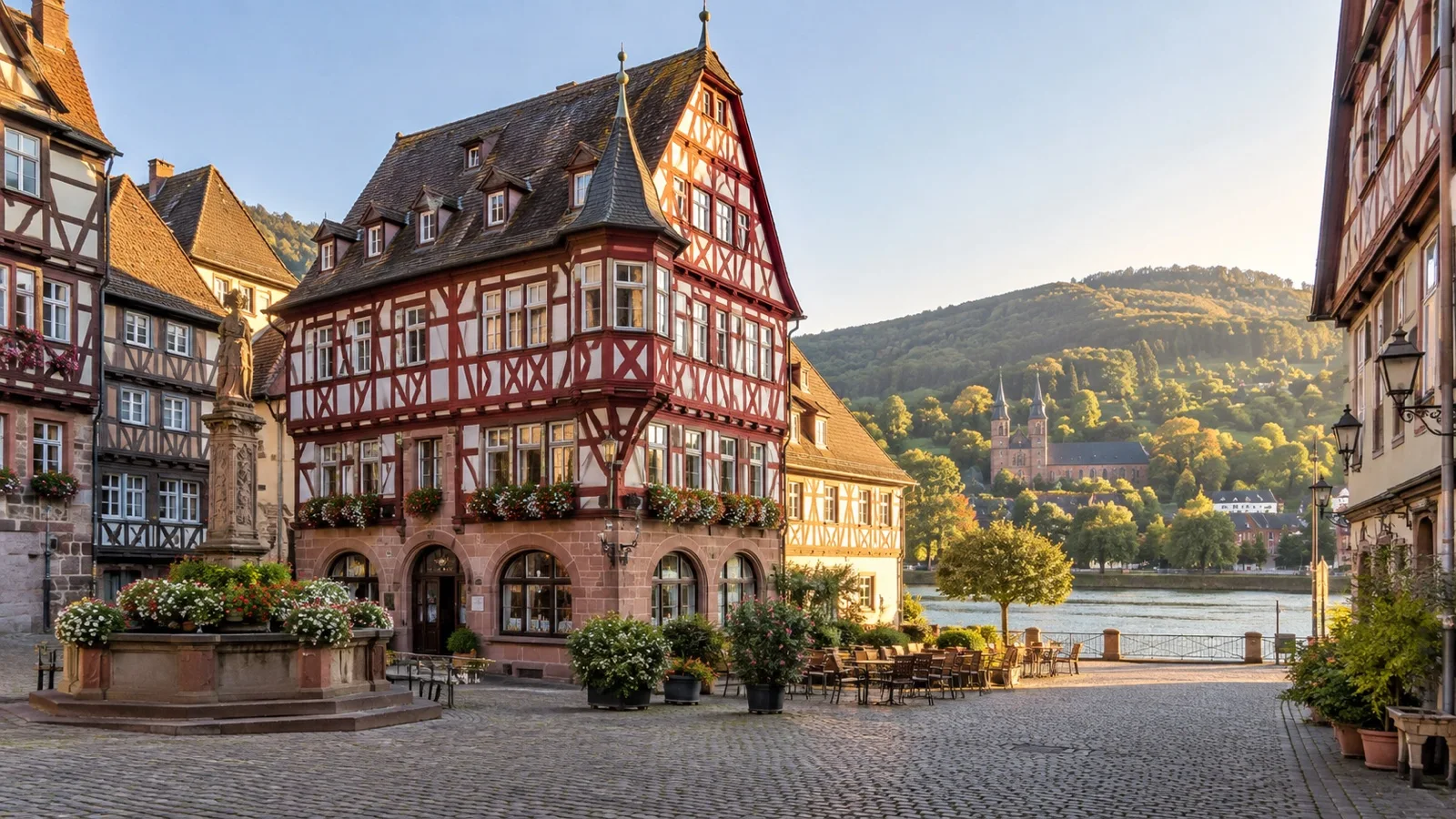
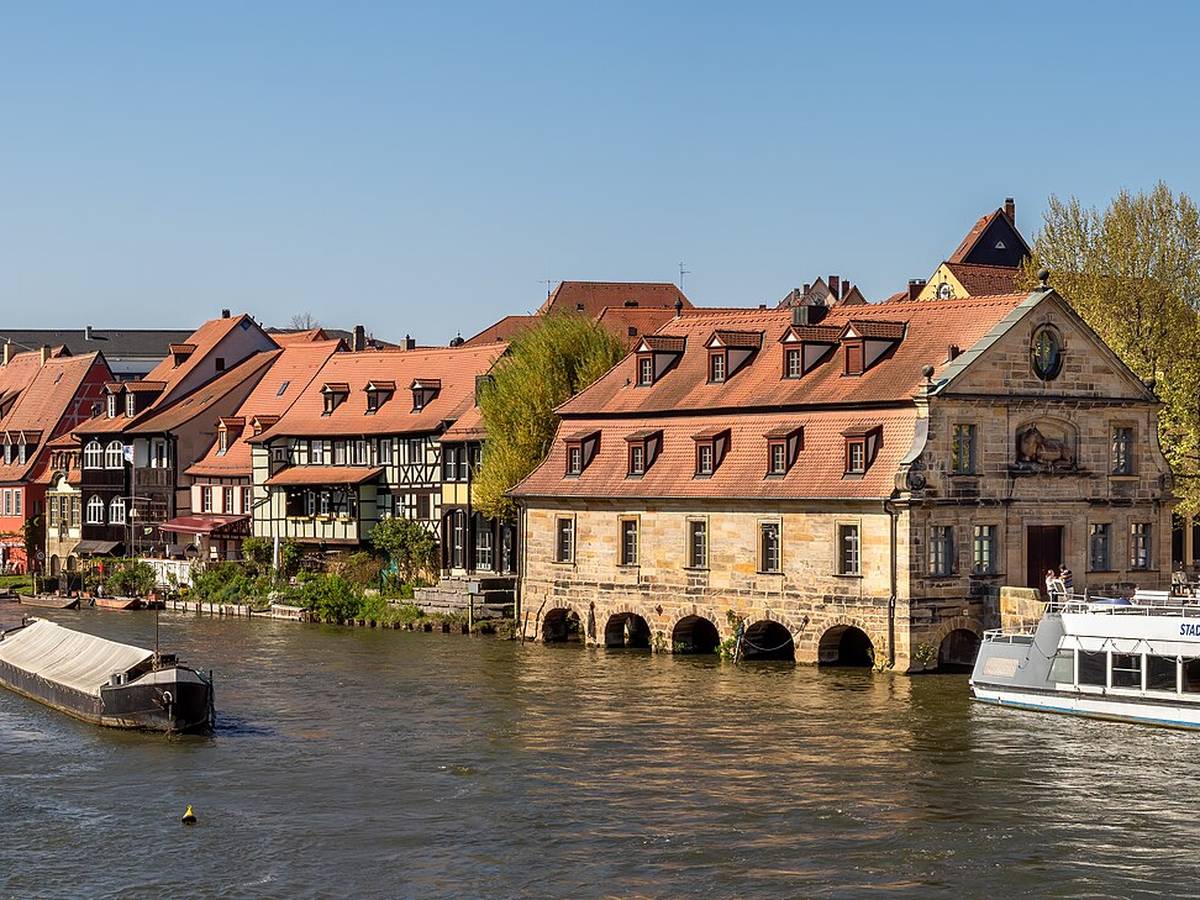
Miltenberg tourism highlights the half-timbered old town below Mildenburg Castle. Hauptstrasse is the central walking route, but allow extra time for uneven surfaces and stops along the way.
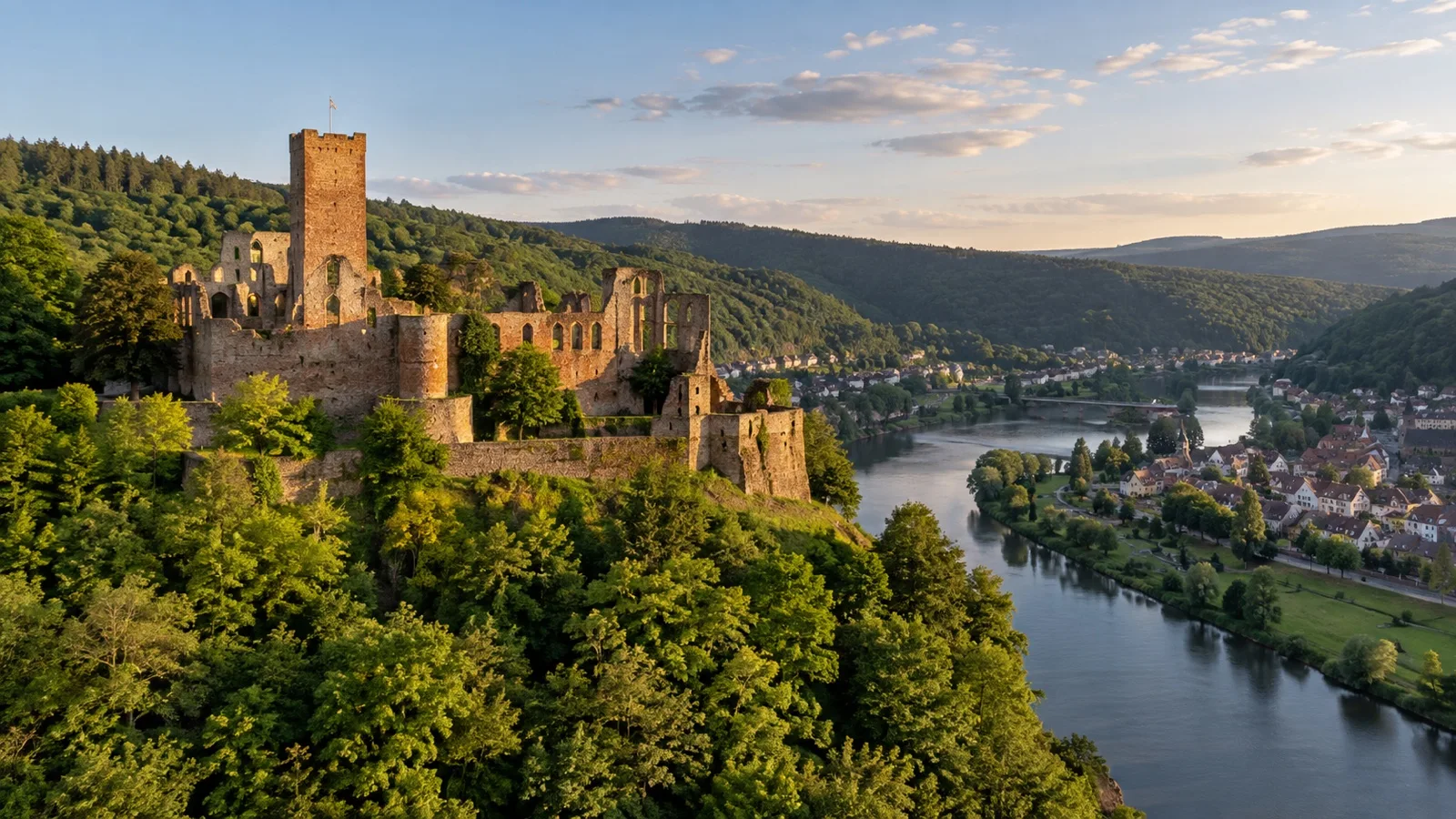
Wertheim sits where the Tauber joins the Main, with a ruined hilltop castle above it. The town is in Baden-Württemberg rather than Bavaria, just across the state border from the other stops in this guide.
The climb to Burg Wertheim is short but steep, and the view down over the two rivers is the payoff. If your knees object, the lower town and the Spitzer Turm are fine on their own.
Opening hours can be limited on Sundays and outside the main visitor season. Check the places that matter to you and bring a waterproof layer for exposed walks.
Bamberg: the dock is outside the old town
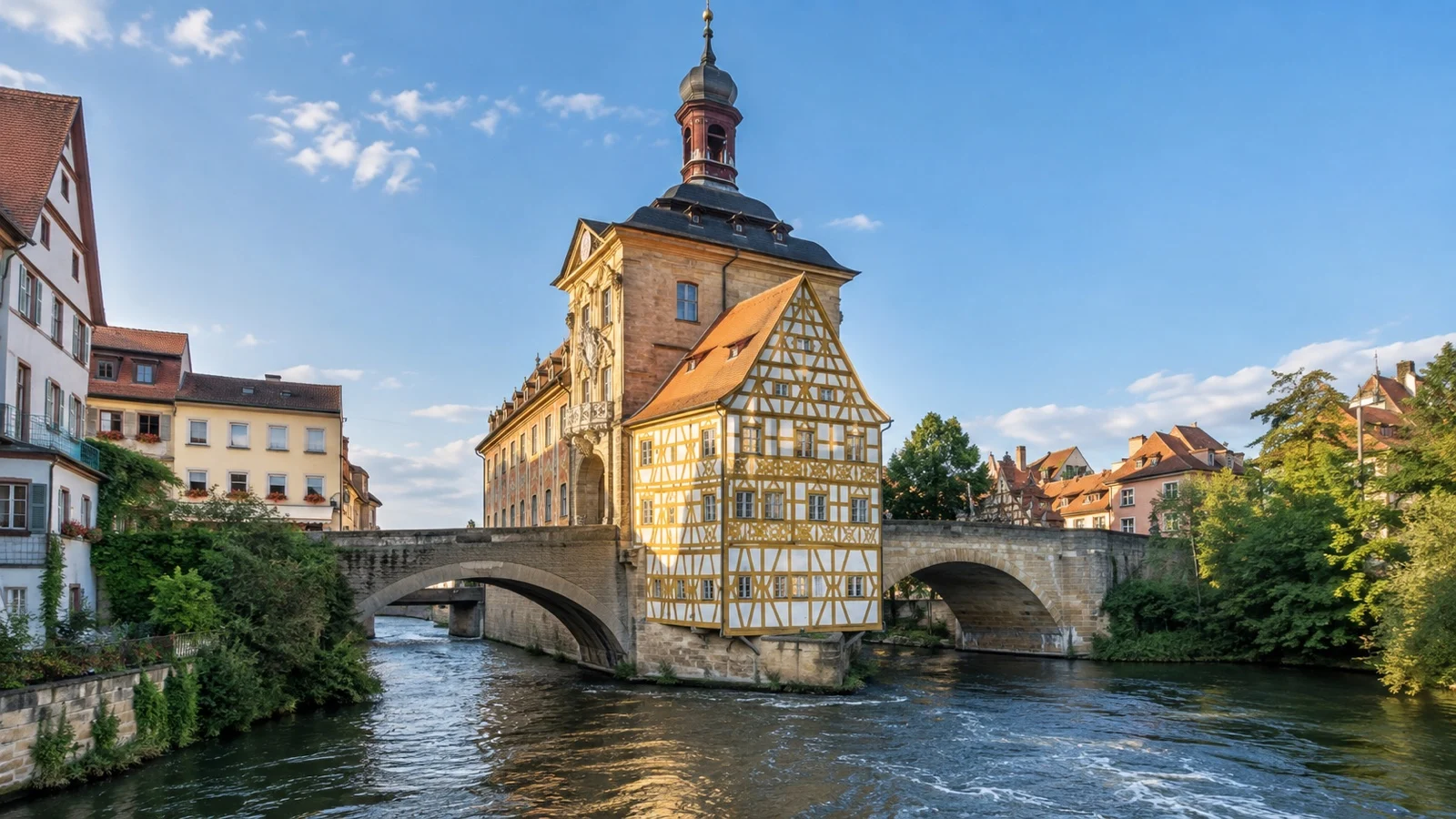
Bamberg is the one that catches people out. The old town sits on the Regnitz, while river ships tie up at the commercial port on the Main-Donau-Kanal.
bayernhafen describes its Bamberg passenger quay as Kai 5, with three pontoons taking up to nine hotel ships in three layers at once. Five minutes by car to the old town is the port’s own figure, which tells you it is a transfer rather than a stroll.
Use the ship’s transfer when one is offered. Bamberg’s historic center was listed by UNESCO in 1993, and its layout still reflects the hill town, island town, and gardeners’ district.
Then there is the beer, specifically Rauchbier, brewed with malt dried over open beechwood fires and tasting somewhere between bacon and a bonfire. Aecht Schlenkerla pours it at Dominikanerstrasse 6 below the cathedral, in a building first recorded in 1405, straight from a wooden barrel.
Stops worth prioritizing
- Würzburg Residence: the staircase, Imperial Hall, and White Hall are the core interior route. Buy online when a fixed entry time matters, and allow time for security and any current access limits.
- Alte Mainbrücke, Würzburg: the old stone bridge lined with statues is an easy stop between the center and the fortress side of the river. It can be busy, so leave room for other pedestrians.
- Marienberg fortress: a stiff walk up or a short bus ride, with the Museum fuer Franken in the arsenal. Check the Palace Department’s page first, because restoration work has closed parts of it.
- Miltenberg Hauptstrasse: the crooked timbered street below the Mildenburg. Walk to the far end, where the crowds thin and the buildings get older.
- Burg Wertheim: the ruined castle on the hill has views over the Main and Tauber. The climb is steep and uneven, so check conditions and use the lower town as the accessible alternative.
- Bamberger Dom: the four-towered cathedral on the hill, with the Bamberg Horseman inside. Free, quiet, and the coolest place in town on a hot afternoon.
Fun fact: the Bocksbeutel is more than a distinctive bottle shape. Franken Silvanerheimat says wines using it must meet defined quality requirements, including official testing.
How to plan the day
In Würzburg, decide whether the Residence or the fortress is the priority. Fitting both into a short call can leave little margin for delays or the walk back to the ship.
A practical Würzburg plan starts with the Residence, then uses the remaining time for lunch and the Alte Mainbrücke. Add the fortress only when the call is long enough and current construction access makes the route worthwhile.
Bamberg needs the opposite approach, front-loaded and decisive. Take the first shuttle, do the cathedral and the Altes Rathaus before the tour groups land, and leave the beer for last.
If your itinerary continues toward Nuremberg after Bamberg, the ship follows the Main-Danube Canal. The guide to the Nuremberg river cruise berth covers the next stop and its transfer planning.
A realistic word on accessibility
Gangway slope and length depend on the berth, water level, and whether ships are rafted. Ask for sailing-specific details because no town quay is guaranteed to be level or step-free.
The bad news is rafting. If yours is the outer ship of three at Bamberg’s Kai 5, you cross the neighbors to reach the quay, and mismatched deck levels mean stairs nobody can remove.
Accessibility varies within each town. Routes may include hills, cobbles, curbs, and sloping surfaces, so ask the operator for the exact walking route rather than relying on a general city description.
The Residence says its main areas have step-free access by lift, but the lift measures about 51 by 47 inches. Marienberg Fortress and Burg Wertheim include steep, uneven routes, so discuss exact needs at booking and review the wider notes on wheelchair-friendly cruise ports.
When to go, and the weather
Main itineraries commonly run from spring through the Christmas market season, but schedules vary by operator. Late spring and early fall can offer mild walking weather without a guarantee of quiet streets.
Summer can be warm on exposed decks and in paved old towns. Carry water and sun protection, and use current local forecasts rather than a regional average.
Spring and fall can bring cool mornings, rain, and warmer afternoons. Pack layers and a waterproof outer shell.
December market sailings require cold-weather clothing suited to standing outdoors. Check market dates and opening times because they do not always match every cruise call.
Practical checks before the Main
Ask for the exact landing because Würzburg, Miltenberg, and Wertheim can use several positions or raft ships side by side. Bamberg commonly needs a shuttle from the canal-side harbor, so use the line’s meeting point and do not plan the return around an old city-center pin.
Reserve Würzburg Residence entry when a specific time matters and respect UNESCO site rules on photography, bags, and closed rooms. Burg Wertheim, Marienberg Fortress, and cobbled old towns add steep or uneven routes, while an elevator inside one building does not make the full excursion step-free.
Lock queues can move arrival and departure times without canceling the call, so make independent bookings refundable and keep 30 to 45 minutes before all aboard. Check German waterway notices during floods, low water, ice, or maintenance rather than assuming the canalized Main is immune to disruption.
Quick answers
How many locks are there on a Main river cruise:
The Wasserstrassen- und Schifffahrtsamt Main counts 34 barrages and 40 chambers, and the Main-Donau-Kanal adds 16. A full Rhine to Danube run passes roughly fifty.
Can I walk into Bamberg from the ship:
Do not assume it. The passenger quay is at Kai 5 in the commercial port, and bayernhafen puts the old town five minutes away by car.
Is the Würzburg Residence worth booking separately:
It can be when you want more control over your timing. Compare the official 11 am and 3 pm English tours with the ship’s arrival and all-aboard time.
Will lock noise keep me awake:
It may, because lock passages can involve engine changes, thrusters, and contact with fenders. Pack earplugs and ask the line about cabin location on your specific ship.
What should I drink in Franconia:
Dry Silvaner is a regional choice in Würzburg and nearby wine towns, while Bamberg is known for Rauchbier. Sample responsibly and check current opening hours.
The last word
The Main rewards travelers who confirm the berth and plan one or two priorities in each town. The roundup of walkable cruise ports offers more ideas for calls that may be manageable independently.
For the ocean side of the country, the guide to German cruise ports covers North Sea and Baltic calls. The Main towns require a different plan built around walking, transfers, and lock timing.
Reserve the Residence when timing matters, pack earplugs, and keep independent plans flexible. Locks are part of the journey, and the day’s program may move around them.
How this guide was researched: This guide was independently checked on September 12, 2026, against Germany’s Waterways and Shipping Administration for the Main, the Main-Danube Canal authority, the Bavarian Palace Department, bayernhafen, UNESCO, and official destination information linked in the article. Reconfirm the berth, transfer, attraction access, weather, waterway status, accessibility, and all-aboard time because live operations can change.