Amalia Glacier Passage Cruise Port: A Cruiser’s Guide to the Scenic Glacier Passage
Amalia Glacier deserves the whole viewing window because there is no port at all, just the ship easing into a Patagonian fjord toward a blue wall of ice. Here is how to make the most of a scenic cruising pass.
My quick take: a pure scenic cruising day with no landing, where the whole experience happens from the rail as the captain slows and turns near the ice. If you are mapping a longer voyage, pair it with my Chile cruise ports guide and my Puerto Chacabuco Patagonia notes.
Amalia Glacier Passage Quick Facts
- Where you land: Nowhere. This is a scenic cruising day and you stay aboard throughout. The glacier sits inside Bernardo O’Higgins National Park off the Sarmiento Channel in Chilean Patagonia, flowing from the Southern Patagonian Ice Field down to the sea. The park’s official notes are on the CONAF park page.
- Dock or tender: There is no dock, tender, or shore excursion on a standard big-ship call.
- Into town: Not applicable.
- Currency and language: Chilean peso (CLP) and Spanish in the surrounding country, though nothing is for sale here.
- Time zone: The Magallanes region keeps UTC−3 all year, unlike the rest of mainland Chile, which drops to UTC−4 in winter.
- Weather and operations: Ice, wind, visibility, and severe weather can limit safe access, viewing distance, or time in the fjord.
How I’d confirm my own arrival
With no gangway to watch, my planning is all about timing and position on the ship. I would find the expected arrival window in the daily program and set a reminder an hour ahead.
Which side is best changes with the approach, so listen for the bridge announcement before committing to a rail. A captain may turn the ship for both sides, but weather, ice, traffic, and safe navigation can prevent a full pivot.
Weather drives everything here, and a bright break can set the ice glowing within minutes. I would keep layers and a hot drink ready so I never have to leave for the exact moment it opens up.
Since this is neither a dock nor a tender call, it sits in its own category of cruising. My guide on what a tender port is explains the difference if you are new to how ships handle these stops.
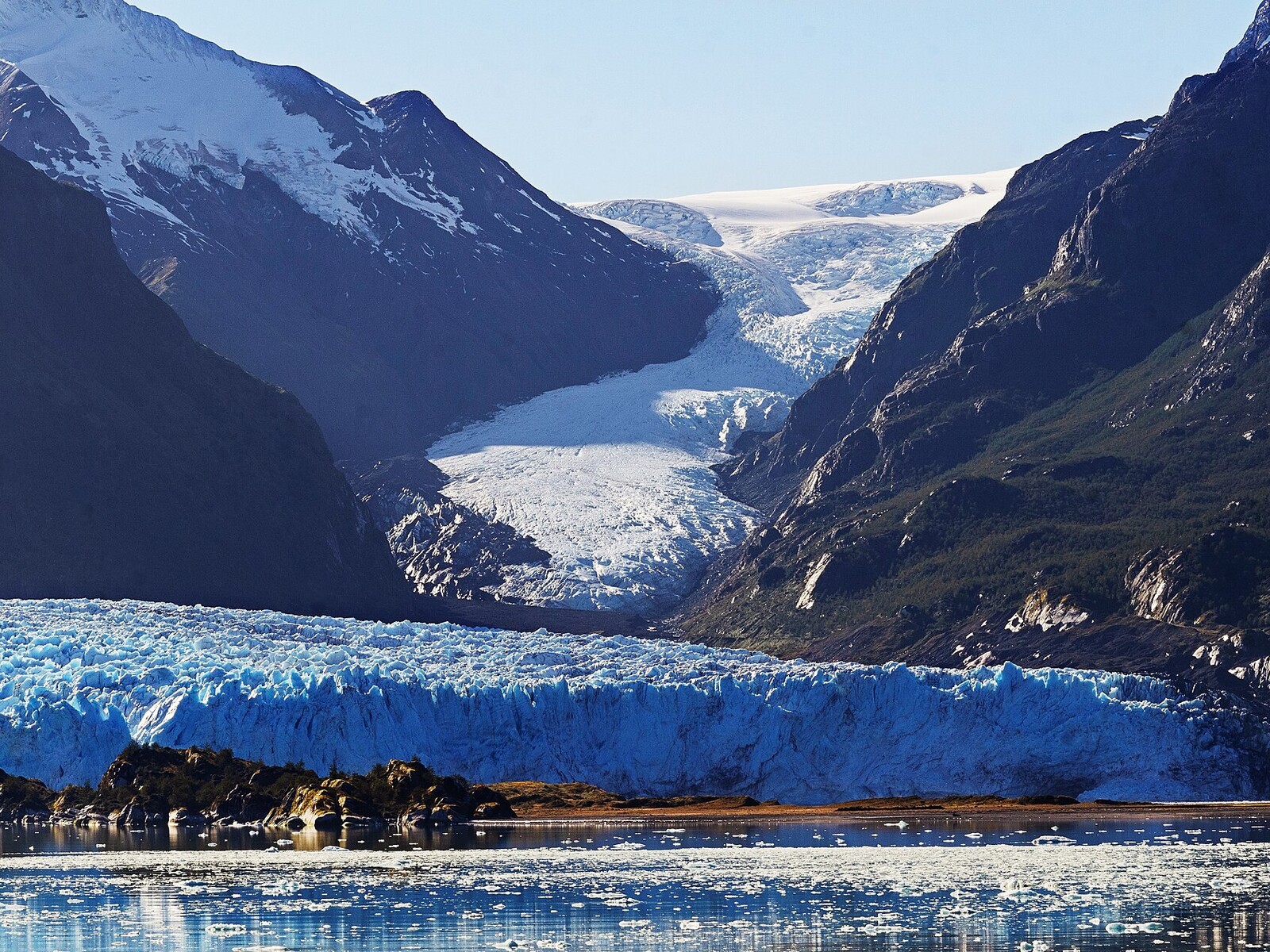
What I’d watch for from the rail
Everything worth seeing here comes to you as the ship moves, so I treat the rail like a slow-moving viewpoint. These are the sights I would not want to miss on the pass.
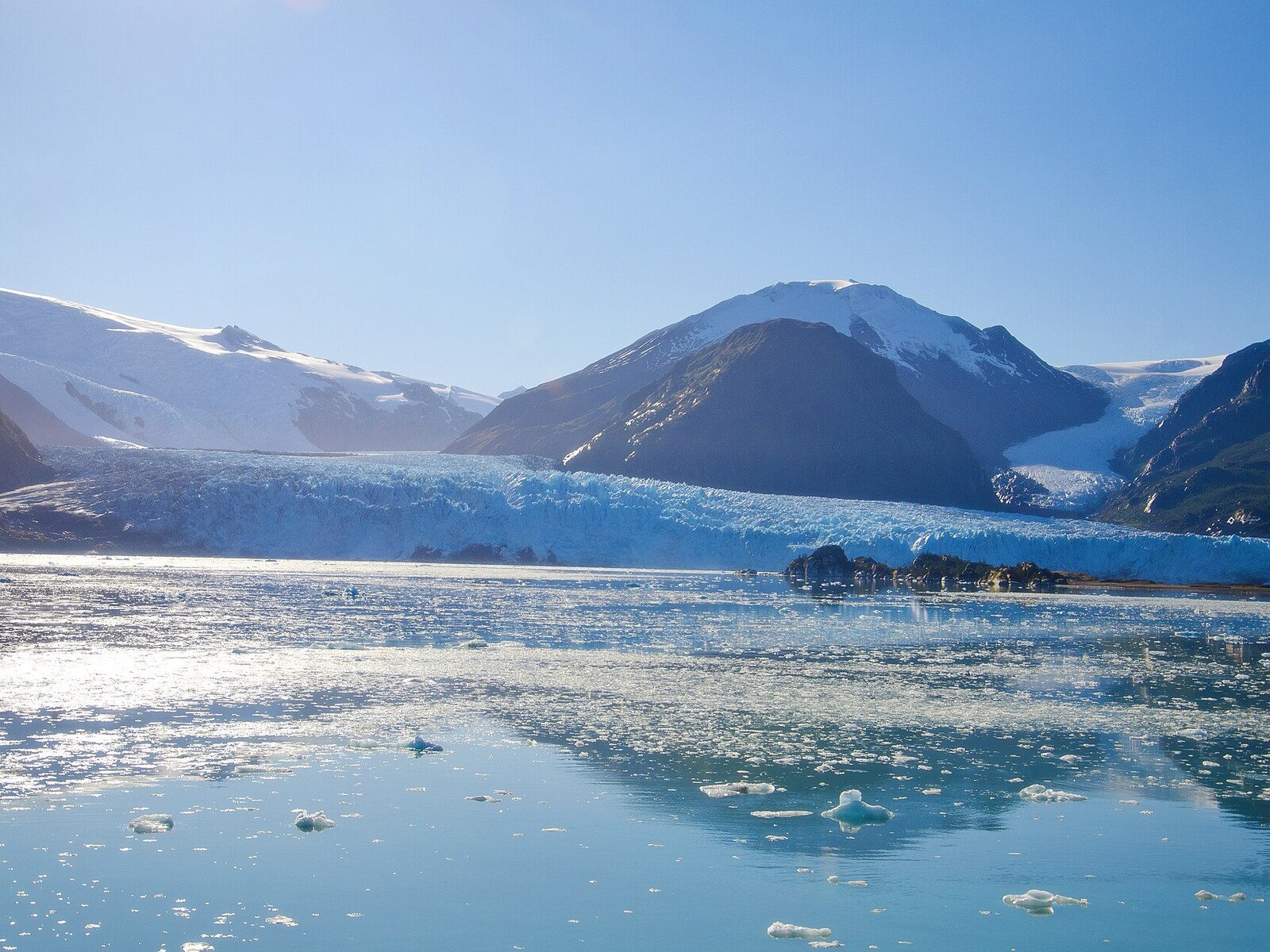
The glacier face: the tidewater wall where Amalia meets the sea, fed by the vast Southern Patagonian Ice Field. You can read the glaciology behind it in the USGS Southern Patagonia Icefield survey.
The scale of the wall: the face can stand many stories tall where it meets the water. A bundled figure at the rail is the easiest way to show just how big it really is.
Blue ice and seracs: the dense, deep-blue towers and crevasses that glow strongest under a break in the cloud. A polarizer and a slight boost in exposure keep the ice bright rather than gray.
Waterfalls and hanging ice: meltwater streaking the black rock and smaller ice tongues clinging to the peaks above the fjord. Count how many cascades are running as you glide in.
Bergy bits and brash ice: small floes drifting past the hull, sometimes carrying a resting bird or two. They make fun telephoto subjects as they slide by, and they hint at how active the face has been.
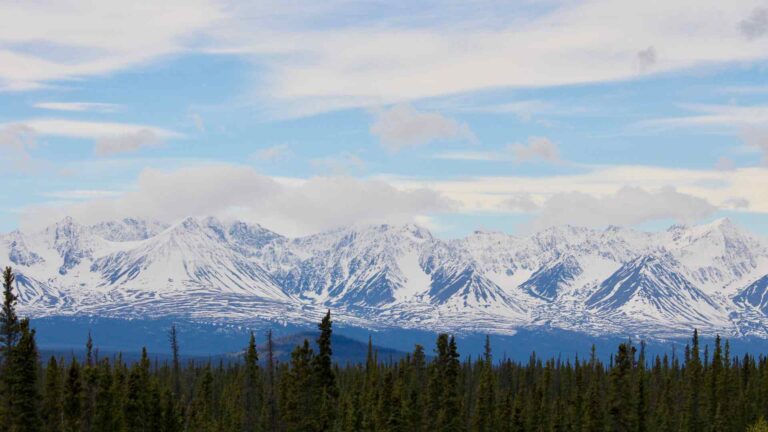
The surrounding peaks: dark, glacier-carved summits and the volcanic ribs that frame the fjord around the ice field. They give the scene its scale and its brooding backdrop.
El Brujo and neighboring fjords: depending on the itinerary, some ships also pass other glaciers or side fjords along the route. I would check my line’s course, since the sights and conditions vary from one voyage to the next.
Reflections and mirror water: on calm stretches the peaks double perfectly in the fjord surface. Crouch a little lower at the rail to line up the symmetry.
The sound of the ice: quiet your group to hear the pops, groans, and deep booms carry across the cold water. It is every bit as memorable as the view itself.
Sun-patch moments: when the cloud deck breaks, the light races across the ice and saturates the blue. Be ready to move fast, because these windows can close just as quickly.
Wildlife from the rail: cormorants flying low in arrow-straight lines, skuas and kelp gulls riding the wind, and dolphins that sometimes surf the bow wave. Sea lions haul out on rocks, while whales are an occasional bonus rather than a promise.
Condors overhead: watch for condors and large raptors riding the thermals high above the ridgelines. Their broad wings and shallow flaps set them apart from the gulls working the water below.
Deck-to-deck angles: step up a level for a high vantage, then back down toward water level for a different feel entirely. Repeating this during the approach gives you a fuller set of compositions.
Time-lapse the approach: if you can wedge a phone or small tripod into a wind-sheltered niche, a frame every few seconds captures the whole entry and pivot. It is a lovely way to relive the pass later.
A field-journal minute: jot down the time, the wind, and the light beside each sighting. It sharpens what you notice and makes far better captions once you are home.
Kawésqar waters: this remote fjord region overlaps the traditional seas of the Indigenous Kawésqar people. It is a quiet thing to reflect on as you glide through such wild, empty country.
The pre-arrival talk: many ships run a glaciology or naturalist lecture the day before. One good tip on tidewater ice or exposure can genuinely transform your photos.
Smartphone tips: tap to expose on the ice, nudge the brightness up a touch, and use burst mode for calving. Tucking the phone into your hood between shots helps keep the lens dry.
Zodiac cruise, expedition ships only: a small-boat operation is possible only when the operator, park rules, ice, and captain permit it, and it never implies a shore landing. Keep clear of the glacier face and calving zone at the expedition team’s distance, with waterproof gloves and secured equipment if an outing is authorized.
The captain’s viewing maneuver: the ship may slow or turn when safe so more decks get a useful angle, but no particular distance, side, or duration is guaranteed. If glacier days appeal, my Ilulissat icefjord guide explains a very different shore-based call.
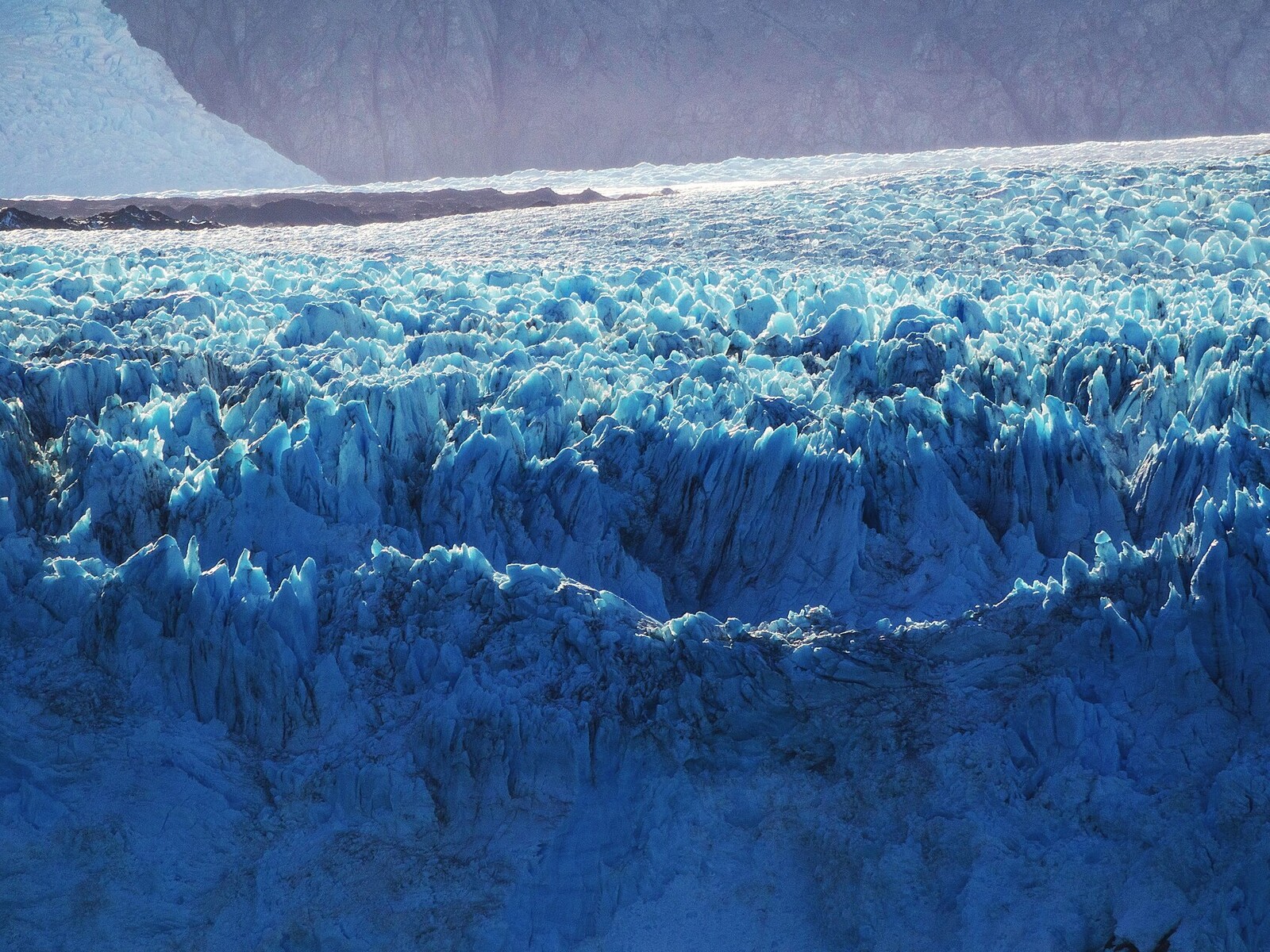
There is no independent landing, transport, or medical facility at Amalia Glacier, and standard scenic-cruise passengers remain aboard. Bring required medication to the viewing area and follow closed-deck announcements because rescue or evacuation in these channels is ship-led and weather-dependent.
How I’d plan the day
Before the closest pass: I would layer up, grab a hot drink, and claim a spot thirty to forty-five minutes early. A window seat in the forward lounge or an upwind rail spot both work well.
During the pivot: I would stay outside for the turn and swap sides as the ship rotates. I would keep the camera on burst mode for calving and set exposure a touch bright so the ice does not turn gray.
After the pass: I would warm up inside, then drift to the aft deck for the receding fjord and its soft, low light. Patagonian weather can flip from gray to gold in minutes, so I would keep my camera close.
If the weather turns: I would base myself in the observation lounge and wipe the glass often. Mist and low cloud can make moody, beautiful images, so I would lean into the mood rather than fight it.
A realistic word on accessibility
Observation lounges and most open decks are served by elevators, though exterior doors can be heavy and thresholds raised. Ask the crew for help, and scout seating within a few steps of your chosen viewpoint.
Decks get wet and windy, so grippy shoes and a free hand for the rail really matter. For gentler stops overall, see my roundup of wheelchair-friendly cruise ports.
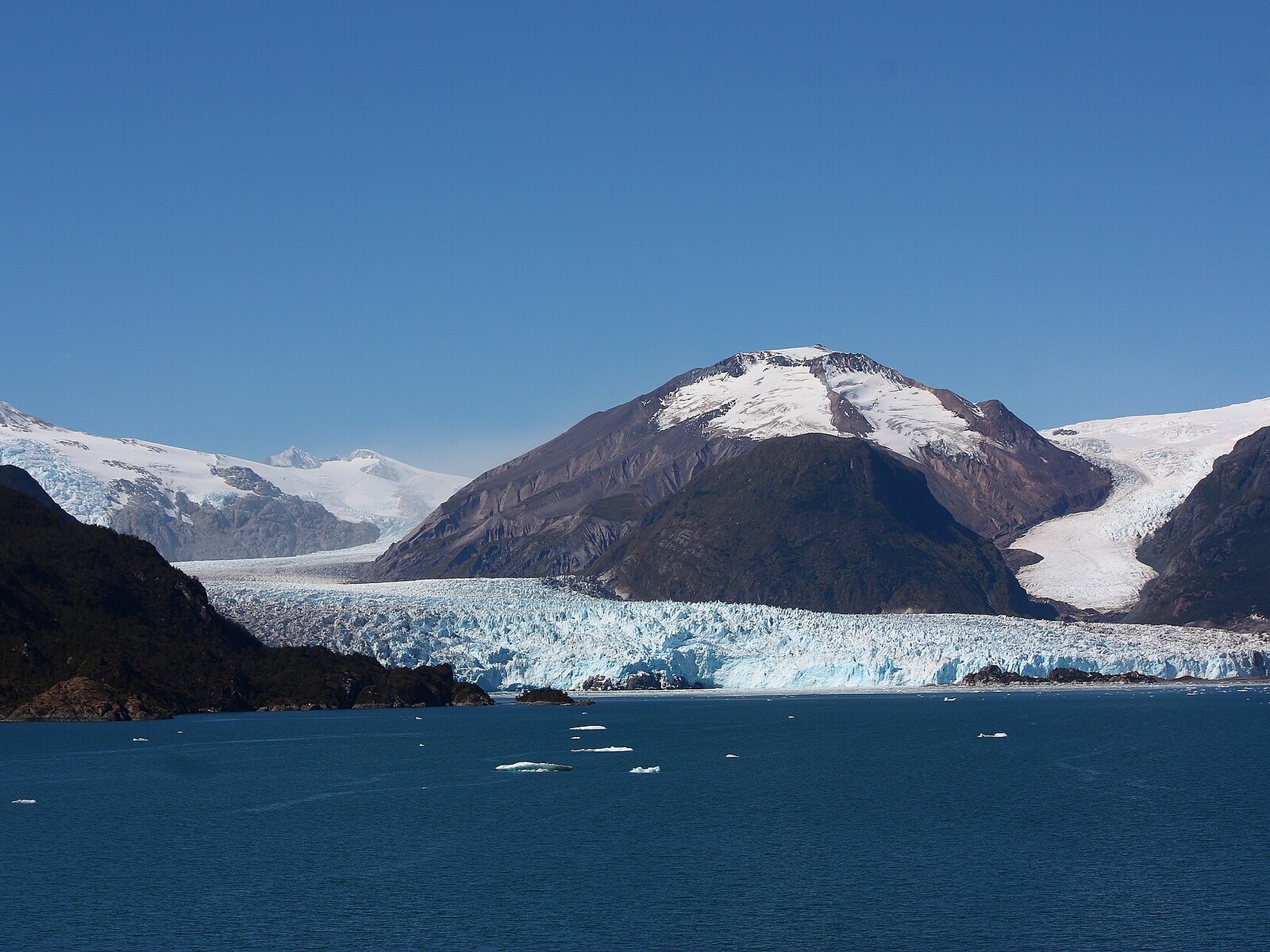
When to go, and the weather
The scenic-cruising season runs roughly October through April, with the most frequent passes from December to February. Summer days are cool, often around 41 to 54°F, and windchill makes it feel colder.
Long southern daylight helps in December, giving you generous time for photos and softer light at the edges of the day. Squalls flare and fade quickly here, so a gray approach can still clear for the closest pass.
For wider Patagonia planning and seasonal ideas, I would check the official Chile tourism site before the voyage. It is a useful starting point when you are shaping the rest of the itinerary.
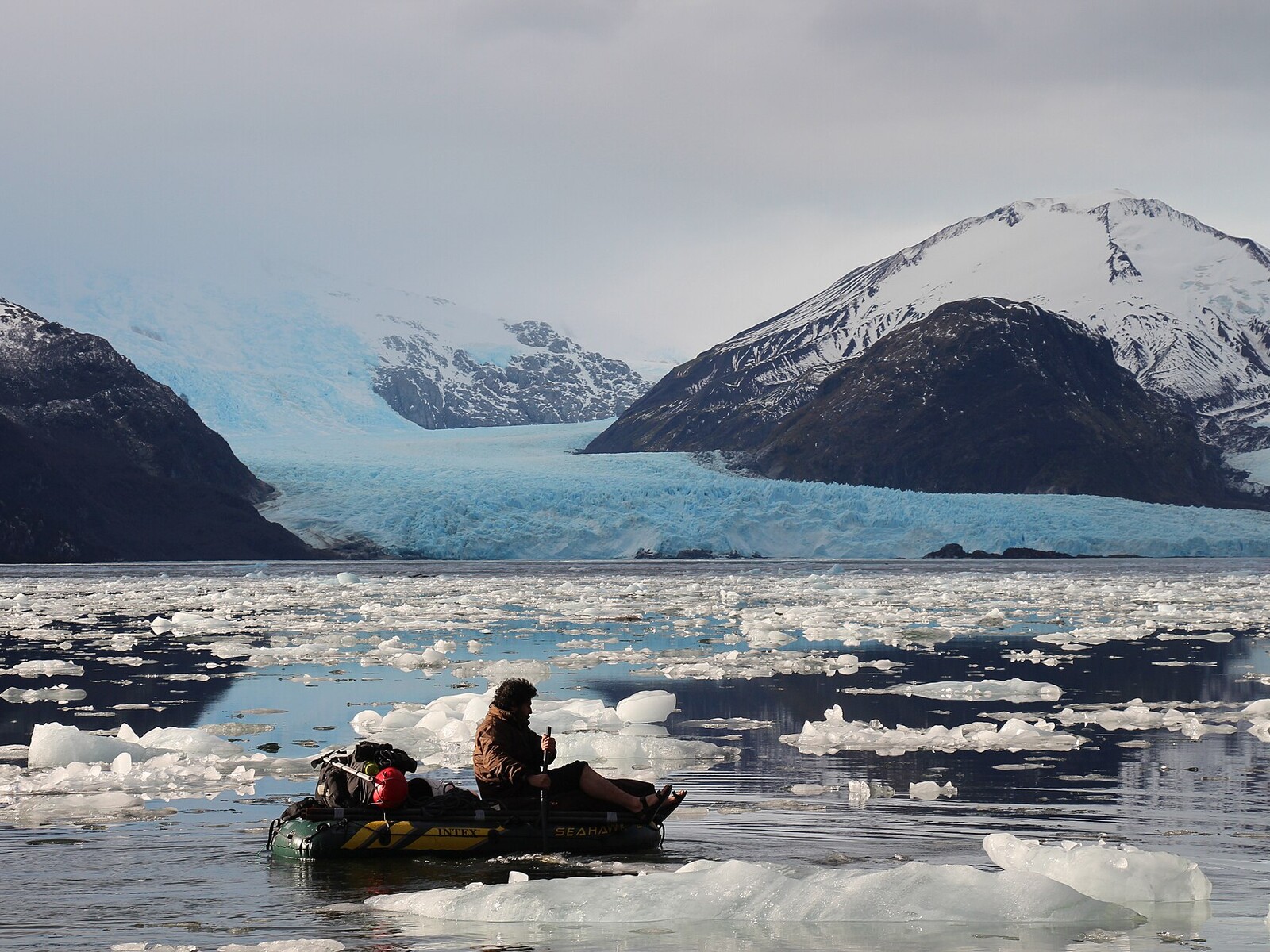
Quick answers
Do you go ashore at Amalia Glacier?
No. It is scenic cruising only, so you enjoy the glacier entirely from the ship while the captain maneuvers for views.
Which side of the ship is best?
Both. Captains usually plan at least one slow pivot so each side gets a prime angle, so start where the crew suggests and swap during the turn.
Will there be cell service?
Generally no. Plan to be offline in the fjords, and expect any ship Wi-Fi to run slower than usual.
How this guide was researched: Unless a first-hand visit is explicitly identified above, this guide is based on independent research using official port, tourism, transit, government, and attraction sources where available. Logistics and time-sensitive details were reviewed on September 11, 2026; see our Editorial Policy.