Puerto Limón Cruise Port: City Berths, Moín and Rainforest
Puerto Limón is Costa Rica with its Caribbean face turned toward the ship. The city is busy and unpolished, while rainforests, wildlife canals, banana country, and Afro-Costa Rican culture begin just beyond the working port.
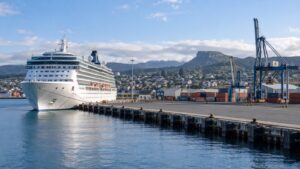
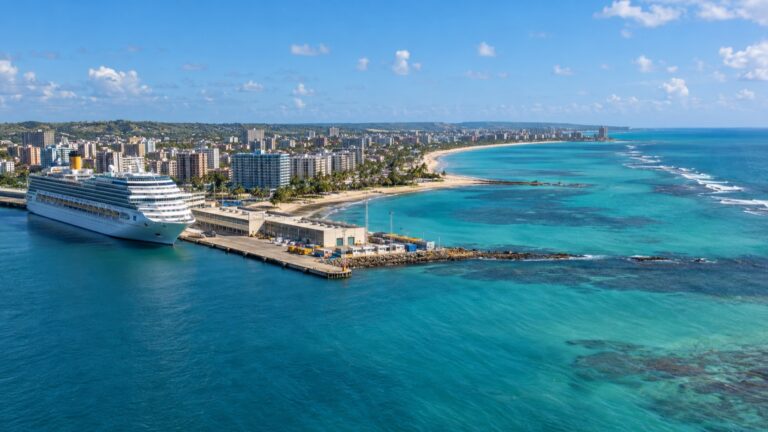
The best port day starts with one essential detail: which terminal your ship is using. A call at the Hernán Garrón terminal can make the city center practical on foot, while an operation in the Moín area changes transport, timing, and the return plan.
Quick Facts
- Port: Puerto Limón, on Costa Rica’s Caribbean coast
- Main port possibilities: Hernán Garrón in Limón or a facility in the Moín port area
- Arrival: Generally alongside, subject to the ship’s confirmed berth
- Easy city plan: Waterfront parks, central streets, market areas, and local food
- Popular excursions: Tortuguero-area canals, rainforest reserves, Cahuita, and plantation tours
- Currency: Costa Rican colón, code CRC
- Language: Spanish, with English varying by tourism service
- Weather: Warm, humid, and rainy in any month
- Accessibility: Highly dependent on berth, vehicle, boat, and trail surfaces
- Return rule: Use all aboard and leave substantial road-time margin
Hernán Garrón versus Moín
JAPDEVA manages public port activity on Costa Rica’s Caribbean side, including cruise-related facilities. The Hernán Garrón terminal is associated with central Limón, while the wider Moín zone is an industrial port area outside the immediate downtown core.
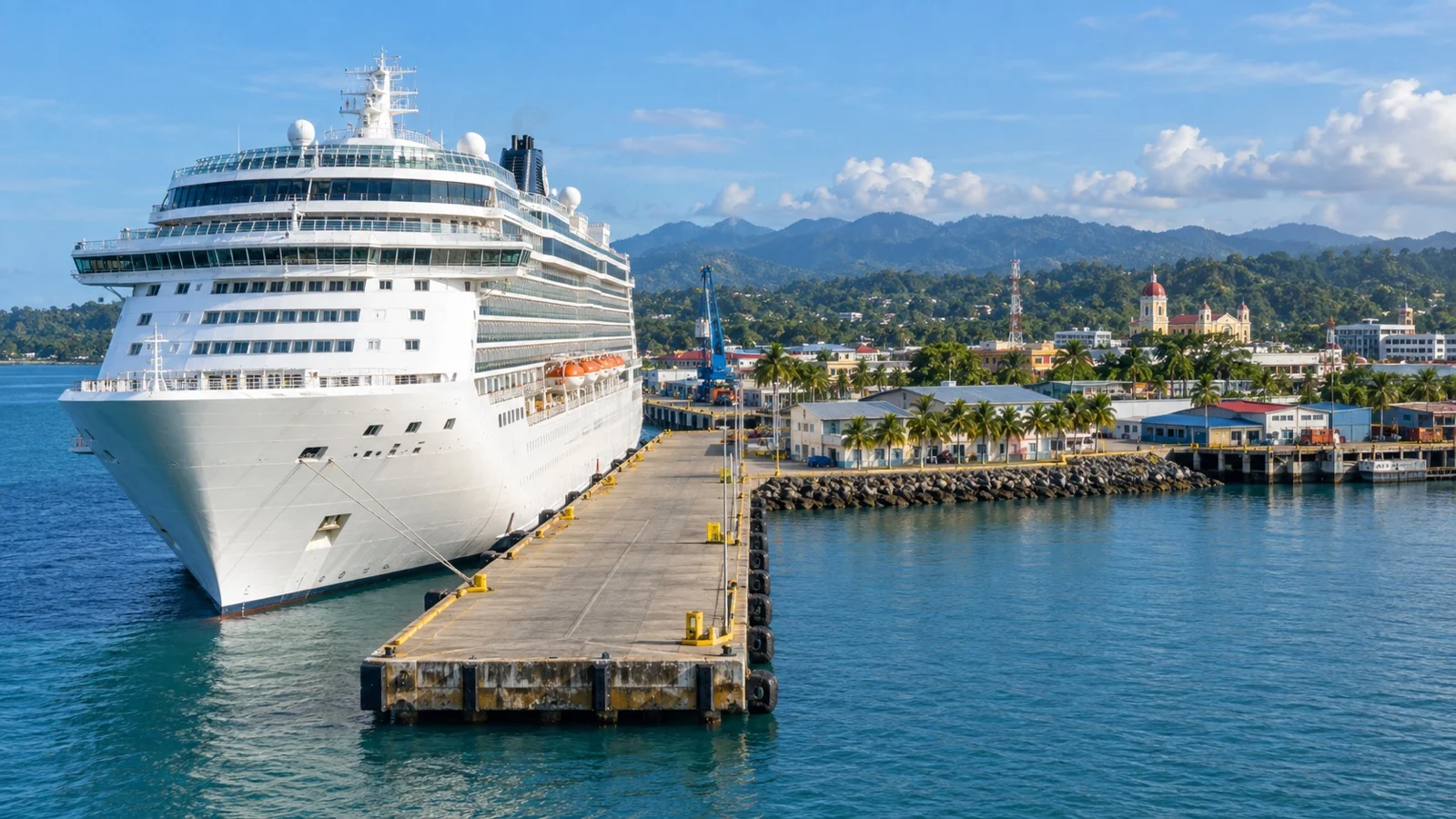
Your cruise line’s daily program should name the berth and explain whether a shuttle is provided. Do not plan a walk based only on “Puerto Limón” in the itinerary, because the ground experience changes significantly between port areas.
When the ship uses a central terminal, passengers may be able to reach parts of Limón on foot after clearing port security. A Moín-area call normally makes organized transport, shuttle service, or a prearranged driver much more important.
Both settings are working ports with controlled zones. Follow marked pedestrian routes and never cut across cargo or vehicle areas to create a shorter path.
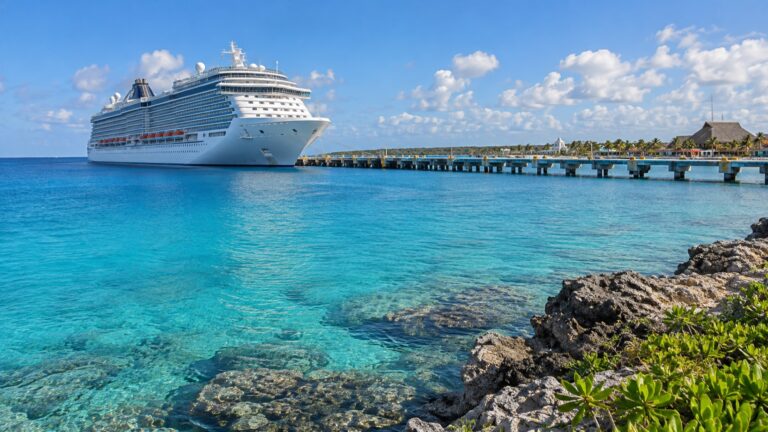
Cruise ships generally berth rather than tender here, but the confirmed shipboard instructions always control. Operational changes can occur, and a generic port guide cannot guarantee one exact quay.
Puerto Limón on foot
Limón is a real Caribbean commercial city, not a restored resort village. A short walk can reveal local parks, street life, architecture, shops, fruit sellers, and the rhythms of a regional port.
Parque Vargas sits near the waterfront and is often mentioned for mature trees and occasional wildlife. Sloths and other animals are never guaranteed, and visitors should observe quietly without feeding or crowding them.
The central market and nearby businesses can be interesting for food and everyday shopping when open. Keep valuables discreet, use streets recommended by port or tourism staff, and return to busier areas if a route feels uncomfortable.
Heat and humidity make modest distances feel longer. Carry water, use sun protection even under cloud, and allow time for security screening when you reenter the port.
If the berth is outside central Limón, do not assume the city walk remains practical. Use the ship’s shuttle or an authorized vehicle and confirm the final return time before exploring.
Tortuguero canals and wildlife boats
Canal excursions near the Moín and Tortuguero system are among the port’s most popular nature experiences. A small boat can reveal mangroves, forest edges, waterbirds, monkeys, reptiles, and other wildlife when conditions and luck cooperate.
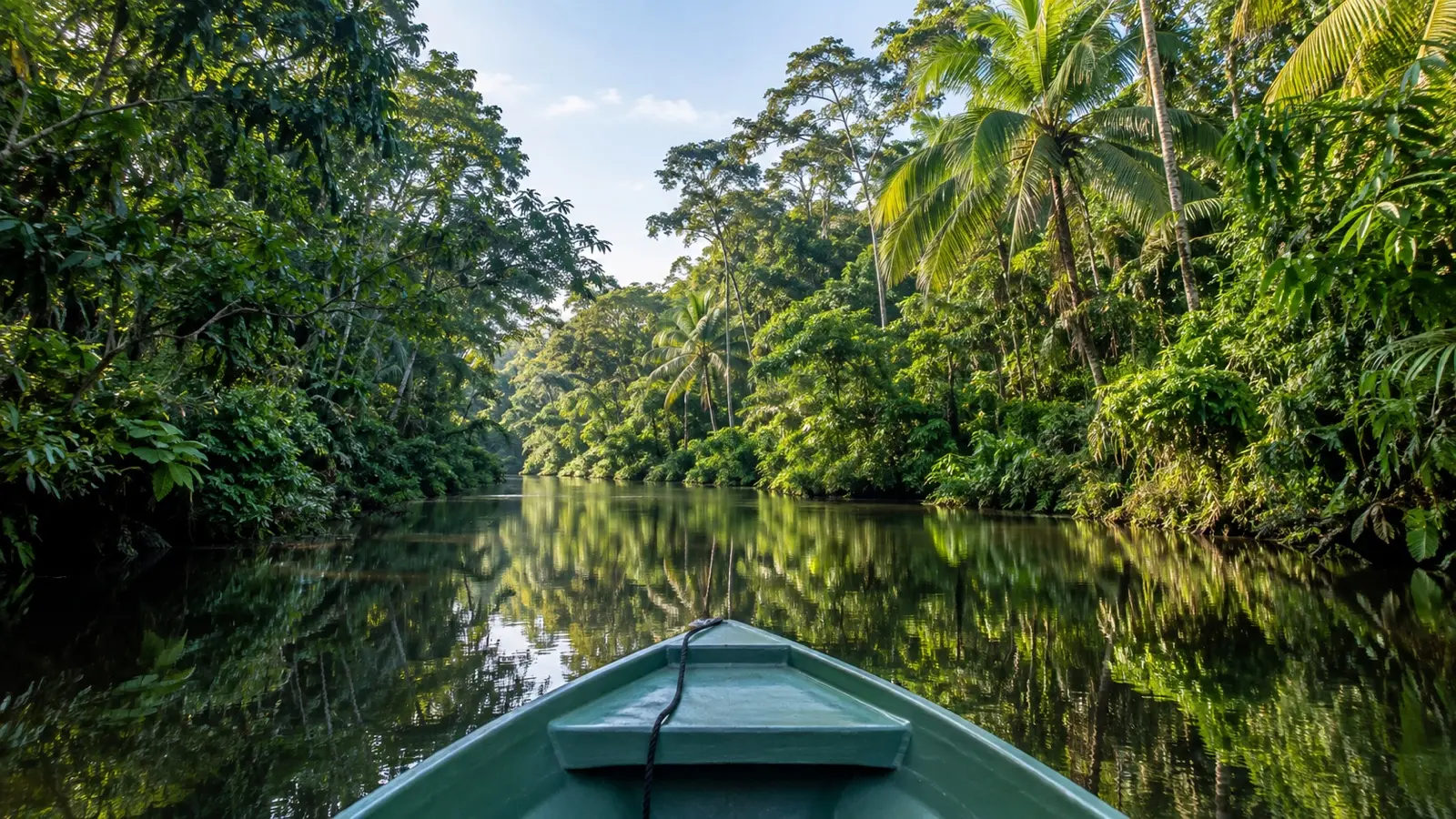
No guide can guarantee a sloth, monkey, toucan, or crocodile. The best operators focus on habitat, patient observation, and safe distance rather than chasing animals for photographs.
Confirm the departure point, drive time, boat type, shade, restroom access, flotation equipment, and return plan. A tour labeled “Tortuguero canals” from Limón does not necessarily travel all the way to Tortuguero village or national park.
Bring binoculars and protect electronics from rain and spray. Keep hands inside the boat, remain seated when instructed, and avoid loud noises that disturb wildlife.
Water levels and rain can change routes. Let the captain adjust the plan for safety instead of treating a modified canal section as a failure.
Cahuita National Park
Cahuita National Park protects Caribbean forest, shoreline, and marine habitat south of Puerto Limón. SINAC highlights its beaches, tropical forest, and reef environment, making it appealing for travelers who want nature and coast in one excursion.
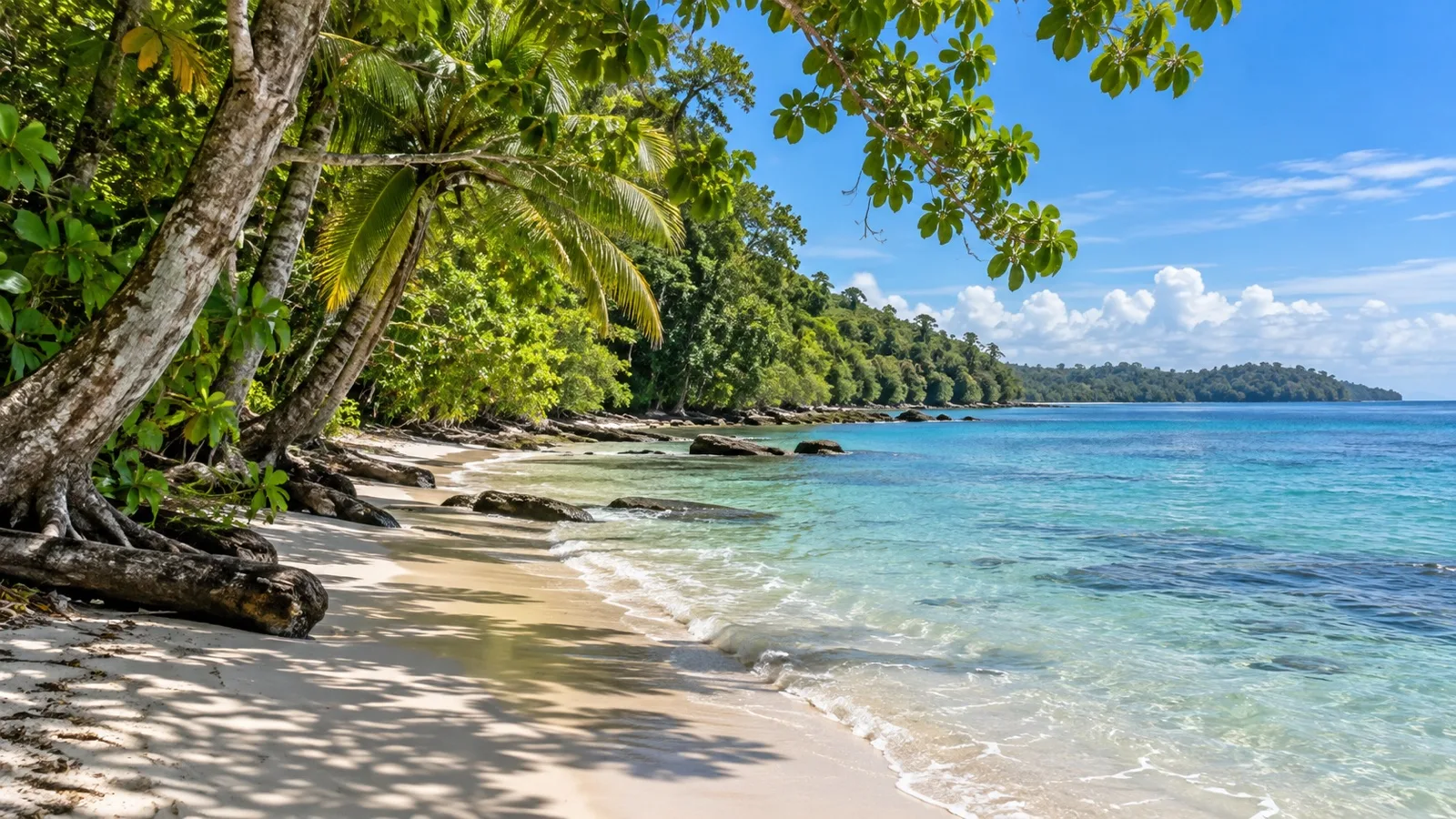
The park is not a quick walk from the ship. Road travel, the chosen entrance, trail conditions, weather, and return traffic all need to fit the port window.
Check SINAC’s official opening, entry, reservation, and closure information close to your visit. Protected-area rules can change for weather, maintenance, wildlife, or conservation needs.
Trails may be hot, muddy, root-covered, or slippery after rain. Wear closed shoes with grip, carry water and insect repellent, and turn around early enough to protect the drive back.
Wildlife should never be fed, touched, blocked, or baited closer for a photograph. Monkeys can grab food and bags, so keep snacks sealed and follow ranger guidance.
Beaches and the Caribbean sea
The Caribbean coast near Limón can be beautiful, but not every shoreline is a safe swimming beach. Currents, surf, river runoff, weather, marine traffic, and water quality all need current local assessment.
Playa Bonita is commonly considered for a nearby coastal stop, while Cahuita and beaches farther south require more road time. Choose according to conditions and transport reliability, not only a photo or an old review.
Follow flags and lifeguard instructions where available, and do not enter rough water simply because other people are swimming. If no safety information is present, a beach walk may be the wiser plan.
Never leave cruise cards, passports, phones, or money unattended on the sand. Allow time to change and dry off before the return journey.
Rainforest adventures
Private rainforest attractions and reserves around Limón may offer trails, canopy experiences, aerial transport, suspension bridges, or interpretation. The specific activity, walking level, and wildlife chances vary greatly between properties.
Read the excursion description for height restrictions, weight rules, footwear, stairs, and the amount of time spent standing. A “rainforest tour” can range from a gentle viewing platform to a demanding wet trail.
Choose operators who explain safety clearly and respect wildlife. Zip lines and aerial activities should use proper equipment, trained staff, and current inspection practices.
Rain is part of the ecosystem and does not automatically cancel a forest visit. Thunderstorms, flooding, strong wind, or unsafe trail conditions may require an operator to pause or alter activities.
Bring a light rain shell, insect repellent, and a dry bag. Heavy ponchos can feel hot in the humidity, so breathable protection is more comfortable.
Banana and cacao experiences
The Caribbean lowlands are deeply connected with banana production, port logistics, and agricultural labor. A plantation-focused excursion can explain cultivation, packing, transport, and the economic history behind a familiar supermarket fruit.
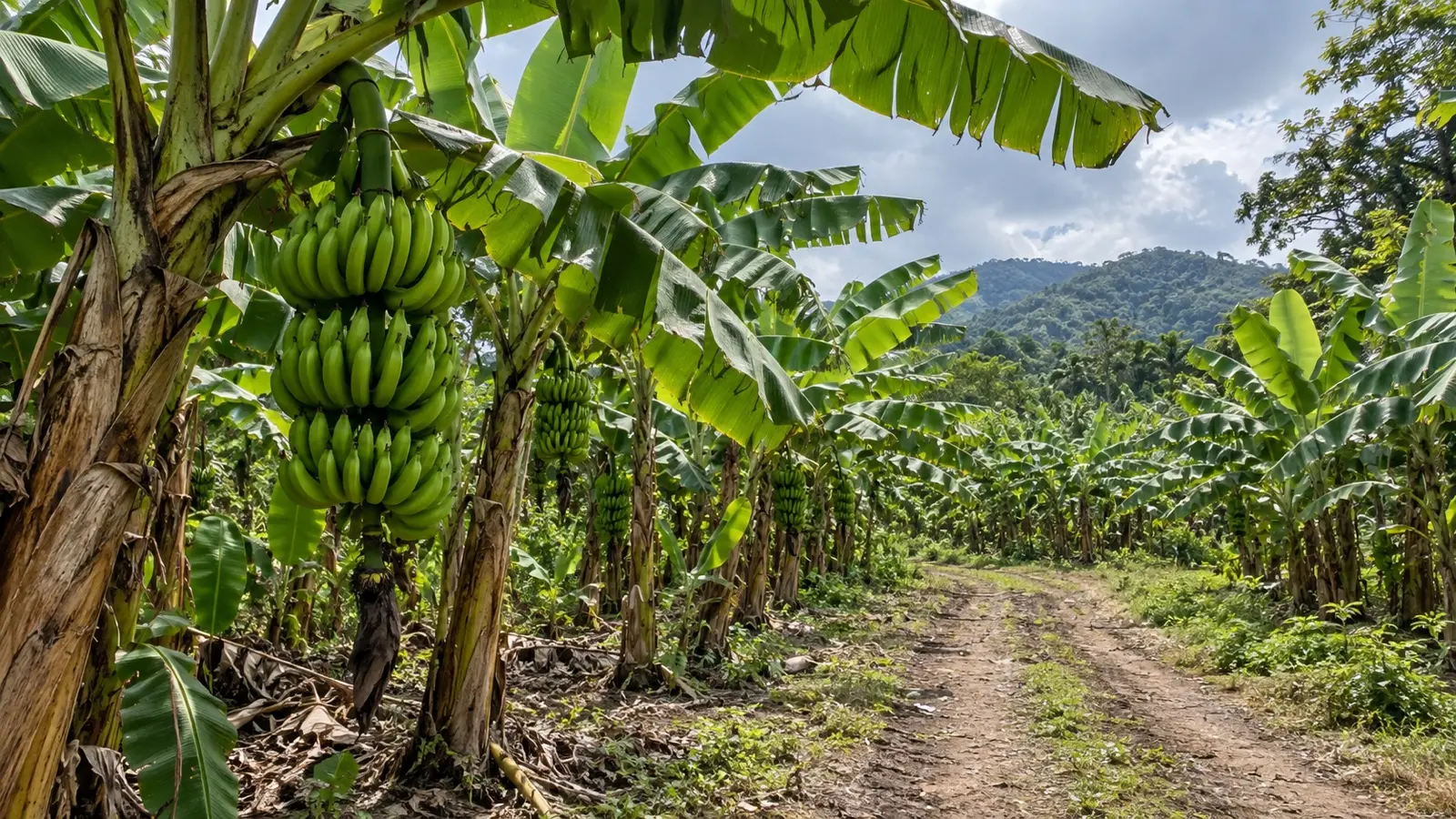
Ask whether the tour enters an active facility, views operations from a visitor area, or presents interpretation at a separate stop. Production schedules and health or safety rules may prevent full access on some days.
Cacao and chocolate experiences may explore another important crop and its cultural story. Choose a program that identifies its local partners and does not reduce complicated labor history to a quick tasting.
Closed shoes are sensible around agricultural ground, and insect repellent may be useful. Follow all hygiene and photography instructions inside working facilities.
The possibility of a cruise train
Rail excursions sometimes appear in Puerto Limón cruise programs, drawing on the Caribbean railway’s historic relationship with bananas and the port. These are usually special or chartered operations, not a promise of regular public tourist service.
Do not build an independent plan around an old cruise-train report. Confirm through the cruise line or Costa Rica’s official rail operator whether a service is actually running for your call.
If offered, ask where the train boards, whether coaches are air-conditioned, how restrooms are handled, and what road or bus segment completes the trip. Rail conditions and schedules can change for infrastructure or operational reasons.
Caribbean culture and Limón history
Limón’s identity reflects Indigenous presence, Afro-Costa Rican heritage, migration, railway construction, agriculture, shipping, music, and Caribbean food traditions. A good local guide connects these histories without treating the city as only a gateway to wildlife.
English-based Caribbean speech may be heard alongside Spanish, though travelers should not make assumptions about any individual’s language. A polite Spanish greeting is a good start, and English is common in many organized tourism settings.
Look for opportunities led by local residents and community businesses. Ask before photographing people, religious spaces, performances, or private homes.
The city’s architecture and public spaces have endured earthquakes, weather, economic shifts, and changing port activity. Context makes the walk richer than a simple search for one landmark.
Weather and rainfall
Puerto Limón is warm and humid, with rain possible throughout the year. Caribbean weather does not follow the dry-season assumptions that travelers may bring from Costa Rica’s Pacific coast.
Check the Costa Rican National Meteorological Institute forecast and official alerts close to arrival. Heavy rain can affect trails, roads, rivers, boat operations, and visibility even when the ship remains safely alongside.
Pack a waterproof layer, quick-drying clothing, sun protection, and shoes with grip. Keep electronics, travel documents, and medication in a sealed pouch.
A short shower may pass quickly, while prolonged rainfall can produce flooding or fallen debris. Let local guides change the route when conditions require it.
Heat stress remains possible under cloud. Drink water regularly and tell the guide early if you feel dizzy, weak, or nauseated.
Wildlife ethics and safety
Costa Rica’s wildlife is one reason to visit, but responsible sightings are never staged. Keep distance, lower your voice, and allow animals to move without blocking their route.
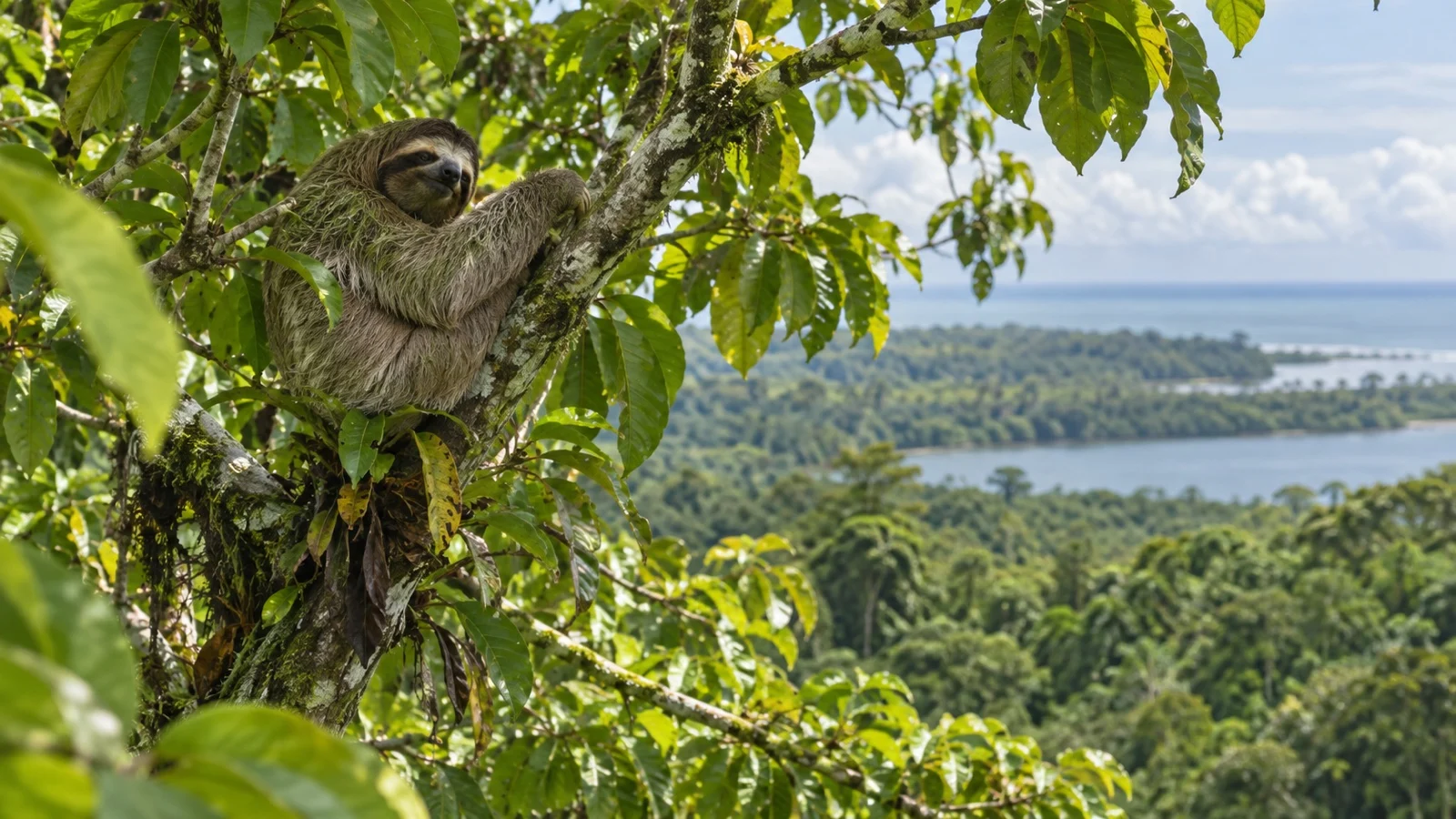
Do not feed monkeys, sloths, birds, reptiles, or any other animal. Feeding changes behavior, spreads disease, and can create dangerous encounters.
Avoid facilities that invite direct handling of wildlife without a transparent rescue or veterinary purpose. A reputable sanctuary should explain why animals are present, how rehabilitation works, and whether release is possible.
Use binoculars and a zoom rather than stepping off trails. Never ask a guide to touch or reposition an animal for a photograph.
Accessibility and reduced-mobility planning
Accessibility begins with the assigned terminal. A central berth, an industrial Moín facility, and a shuttle-based operation each create different distances, surfaces, and vehicle requirements.
Ask the cruise line about gangway slope, port surfaces, shuttle lifts, and wheelchair storage. A coach may accept a folding chair while lacking a passenger lift for someone who cannot climb steps.
Canal boats can require stepping down, crossing a narrow gap, or balancing on a moving platform. Confirm boarding height, handrails, seating, shade, and whether the dock changes with water level.
Rainforest trails and Cahuita paths may be muddy or uneven, while beaches add soft sand. A panoramic drive, accessible cultural stop, or city shuttle may provide a better experience than an itinerary that labels rough terrain as “moderate.”
Reserve adapted transport in advance because supply is limited. Do not expect a suitable vehicle to be waiting outside a working port on demand.
Families and children
Puerto Limón can be excellent for families when the excursion has one clear theme. Wildlife boats, cacao, trains when operating, and gentle rainforest experiences give children something concrete to follow.
Ask about minimum ages, life jackets, restroom stops, and time spent on the bus. A long day combining canals, a plantation, and a forest may be too much for younger travelers.
Keep children close near port traffic, rivers, boat docks, beaches, and wildlife. Warm weather and lush scenery do not remove practical hazards.
Pack water, sunscreen, insect repellent, quick-drying layers, and familiar snacks. A dry shirt can transform the ride back after a tropical downpour.
Food, currency, and shopping
Caribbean Costa Rican food can include rice and beans cooked with coconut, plantains, stews, seafood, fruit, and locally baked treats. Ask what is fresh and allow enough preparation time before your return.
Costa Rica uses the colón, and cards are common in established tourism businesses. United States dollars may be accepted in some places, but the exchange rate and change can be less favorable.
Carry small local notes when possible and confirm the currency before entering a taxi or buying a tour. Use bank-affiliated ATMs and shield your PIN.
Markets can be good for packaged food, crafts, and ordinary local goods. Check agricultural and customs rules before buying fresh produce, plants, seeds, meat, or animal products.
Keep purchases light if you are walking in heat and rain. A heavy bag becomes inconvenient on a boat or uneven trail.
Taxis and independent tours
Use authorized taxis or a reputable tour operator, and agree on the fare, currency, route, and return time before leaving. For any distant stop, arrange the round trip rather than hoping to find another car.
Costa Rican addresses may rely on landmarks rather than the street format familiar to North American visitors. Save the Spanish name of your terminal and a map pin, but prioritize the ship’s written return instructions.
A private guide can tailor pace and wildlife interests, yet cruise experience matters. Ask what happens if the ship changes berth or clearance is delayed.
Driving independently adds rental paperwork, unfamiliar roads, weather, parking, and return risk. A short port call is usually better served by a driver who knows current local conditions.
How to protect your return
Start with all aboard, then work backward through port security, shuttle timing, city or highway traffic, and a substantial delay buffer. Do not use the scheduled sailing time as your target arrival at the gate.
Cahuita, rainforest properties, and canal docks each have different road risks. Leave the farthest point earlier than the minimum travel estimate suggests.
Tell the guide which terminal the ship is using, not only the ship’s name. Returning to Hernán Garrón when the vessel is operating from Moín would create a serious problem.
Carry your cruise card, required identification, daily program, and port-agent contact details. Save them offline and keep a small paper copy in a waterproof place.
Simple plans for different call lengths
Short call
Stay close to the assigned terminal, use an official city shuttle if offered, and choose a short Limón walk or nearby guided drive. Avoid a distant independent nature trip.
Medium call
Choose one canal, rainforest, plantation, or beach-focused excursion with cruise-safe transport. Let any second stop be brief and optional.
Long call
Cahuita or a fuller Caribbean coast itinerary may become practical, but road delays remain possible. Protect the final part of the day from extra shopping or unplanned detours.
Common Puerto Limón planning mistakes
The first mistake is failing to confirm Hernán Garrón or Moín. The terminal determines whether downtown is walkable and how much transport time you need.
The second is expecting a scheduled public tourist train because an old cruise review mentioned one. Rail outings are call-specific and must be confirmed.
The third is trying to guarantee wildlife sightings. Choose ethical guides and enjoy the habitat even when a particular animal stays hidden.
The fourth is treating Caribbean rainfall like a brief inconvenience. Weather can alter roads, trails, boats, and the safe return margin.
Frequently asked questions
Can I walk into Puerto Limón from the ship?
It may be practical from the central Hernán Garrón terminal after leaving port security. A Moín-area berth usually requires authorized transport, so check the daily program.
Do ships tender in Puerto Limón?
Cruise calls are generally planned as alongside operations, but the confirmed shipboard instructions control. Never rely on a generic guide for the exact quay.
Will I see sloths?
Possibly, but no ethical guide can guarantee a wild animal. Observe quietly and never feed or touch wildlife.
Is Cahuita close to the port?
It requires a road journey south and should be treated as a planned excursion. Check park access and leave a generous return buffer.
Can I take a train from the cruise terminal?
Only if a specific cruise or special operation is confirmed for your call. Do not assume regular tourist rail service.
What currency should I use?
Costa Rican colones are the safest choice for small purchases. Cards and some United States dollar payments may work, but confirm the rate and currency first.
What should I wear?
Choose quick-drying clothing, a light rain shell, insect repellent, sun protection, and shoes with grip. Carry a dry pouch for documents and electronics.
My take on Puerto Limón
Puerto Limón is most rewarding when you see the city and the rainforest as parts of one Caribbean story. The port, railway history, agriculture, canals, wildlife, and Afro-Costa Rican culture are connected rather than separate attractions.
I would confirm the berth before booking anything, choose one ethical local excursion, and return with more time than the road estimate demands. That approach leaves room for the coast’s unpredictability and charm.
Planning sources include JAPDEVA, the Costa Rica Tourism Board, SINAC’s Cahuita National Park information, the Costa Rican National Meteorological Institute, and current cruise-line instructions. Confirm the assigned terminal, port transport, protected-area access, weather, excursion operation, and all-aboard time close to sailing.