Glacier Bay Scenic Cruising: An Alaska Day at Sea
Glacier Bay is the Alaska day with no gangway, no taxi rank, and absolutely nothing to book. The ship is the excursion, so the whole thing happens at a rail with a coffee going cold in your hand.
It is also the day people sleep through, which I find genuinely tragic. Snooze that alarm and you have missed the exact reason half the ship picked this itinerary.
My quick take
Glacier Bay is an itinerary feature worth prioritizing because National Park Service access is controlled and many Alaska cruises do not enter the park. Peak-summer cruise-ship entries are limited and allocated in advance, so compare the printed itinerary rather than assuming every Inside Passage sailing includes it.
Treat it as a slow-motion excursion rather than a sea day. The good bits are scheduled, and not one of them will wait for you to finish breakfast.
If you are still building the itinerary, my Alaska cruise ports overview shows how this day sits alongside the town calls. It is the one day I would not trade for another gift shop.
What surprises first-timers most is the narration. Park rangers come aboard for the day, and the commentary turns a wall of white into something you can actually read.
Quick Facts
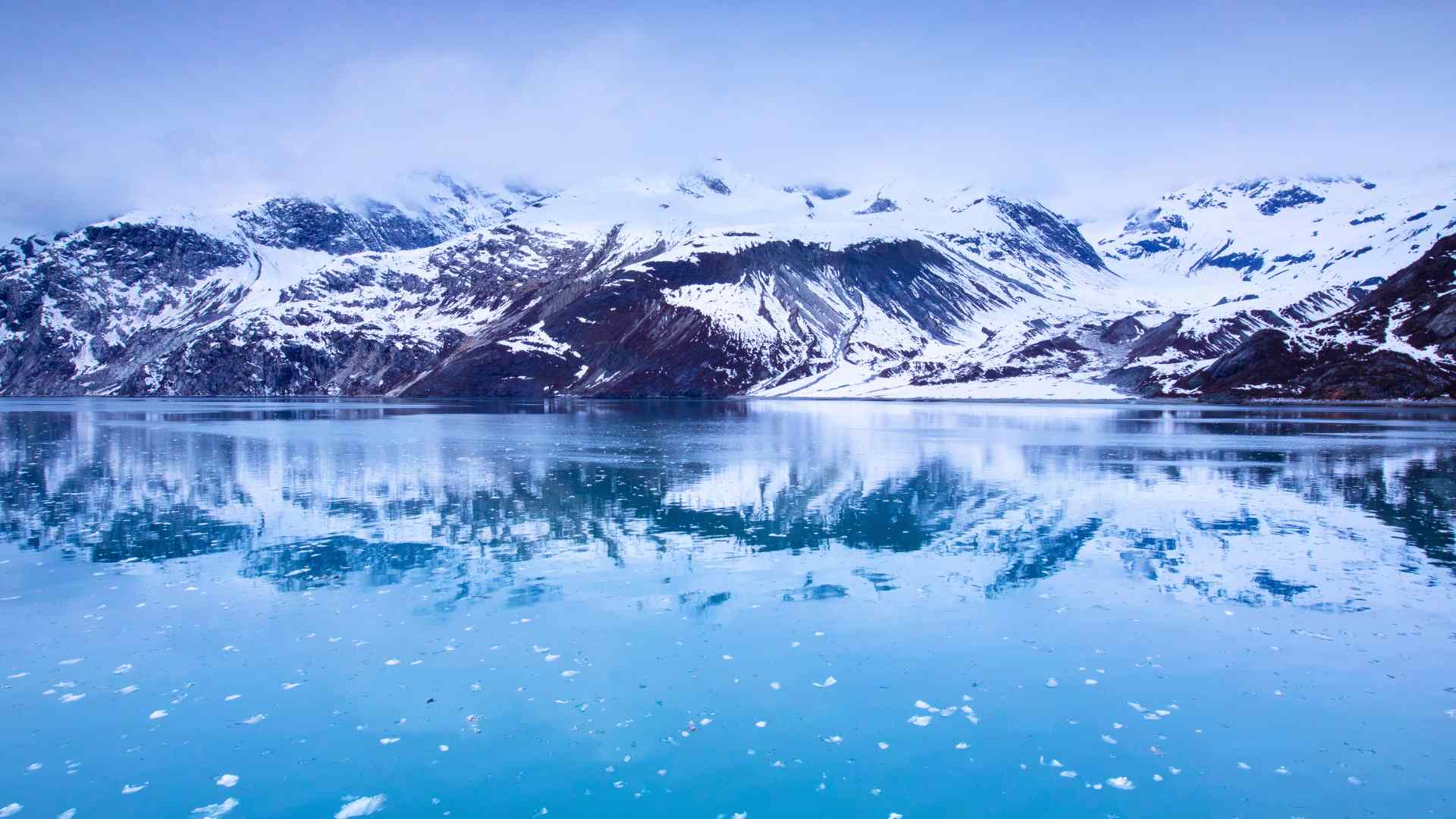
- Where you land: Nowhere, because this is a scenic-cruising day and large-ship guests stay aboard. The vessel typically spends 9 to 10 hours in Glacier Bay, and National Park Service cruise guidance explains the ranger program and tidewater-glacier stop.
- Dock or tender: There is no conventional cruise berth or tender service; there is no landing of any kind for a large ship here.
- Into town: Not applicable.
- Currency and language: US dollars and English, though you will not spend a cent ashore.
- Time zone: Alaska Daylight Time (AKDT, UTC−8) for the whole May to September season.
- Schedule risk: There is no official public cancellation rate. Weather, ice, visibility, wildlife protections, and park or ship operations can change the route or timing.
How the day is actually scheduled
Rangers come aboard early, usually stepping across from a small boat near Bartlett Cove at the mouth of the bay. From that moment the public address system becomes a running natural history lesson, and a very good one.
A Huna Tlingit cultural interpreter frequently joins the ranger team, since Glacier Bay is the ancestral homeland of the Huna Tlingit. The Park Service explains the partnership on its page about how to join a park ranger and tribal interpreter.
Exact timing and the glacier visited depend on weather, ice, wildlife protections, and the cruise line. The NPS says ships typically spend 9 to 10 hours in the bay and stop near a major tidewater glacier for about an hour, but your daily program is the controlling schedule.
The National Park Service manages vessel quotas and operating rules to protect natural and cultural resources. Cruise-line access changes by year, so confirm Glacier Bay is named in the itinerary before paying a premium for it.
None of this is negotiable from your balcony, however firmly you complain. The park sets the rules and the ship obeys them, which is exactly why the place still feels wild.
Getting the best view
There is no guaranteed best side of the ship. Captains commonly maneuver to share views when conditions allow, but ice, wind, traffic, and wildlife rules control the track, so use an open public deck rather than relying only on a cabin balcony.
Open decks beat glass every time, for the sound as much as the photographs. The covered promenade is the compromise once the rain sets in, and the forward observation lounge is the warm surrender.
Height changes the picture more than people expect, so try one high deck and one low. Water level makes the ice look enormous, while an upper deck hands you the whole inlet at once.
Reach an outdoor viewing area before the scheduled glacier window, then keep a warm indoor fallback nearby. Rail space and accessible viewing positions are limited on a full ship, but standing outside for an arbitrary 45 minutes is unnecessary when the daily program gives the best estimate.
The sights I would actually watch for
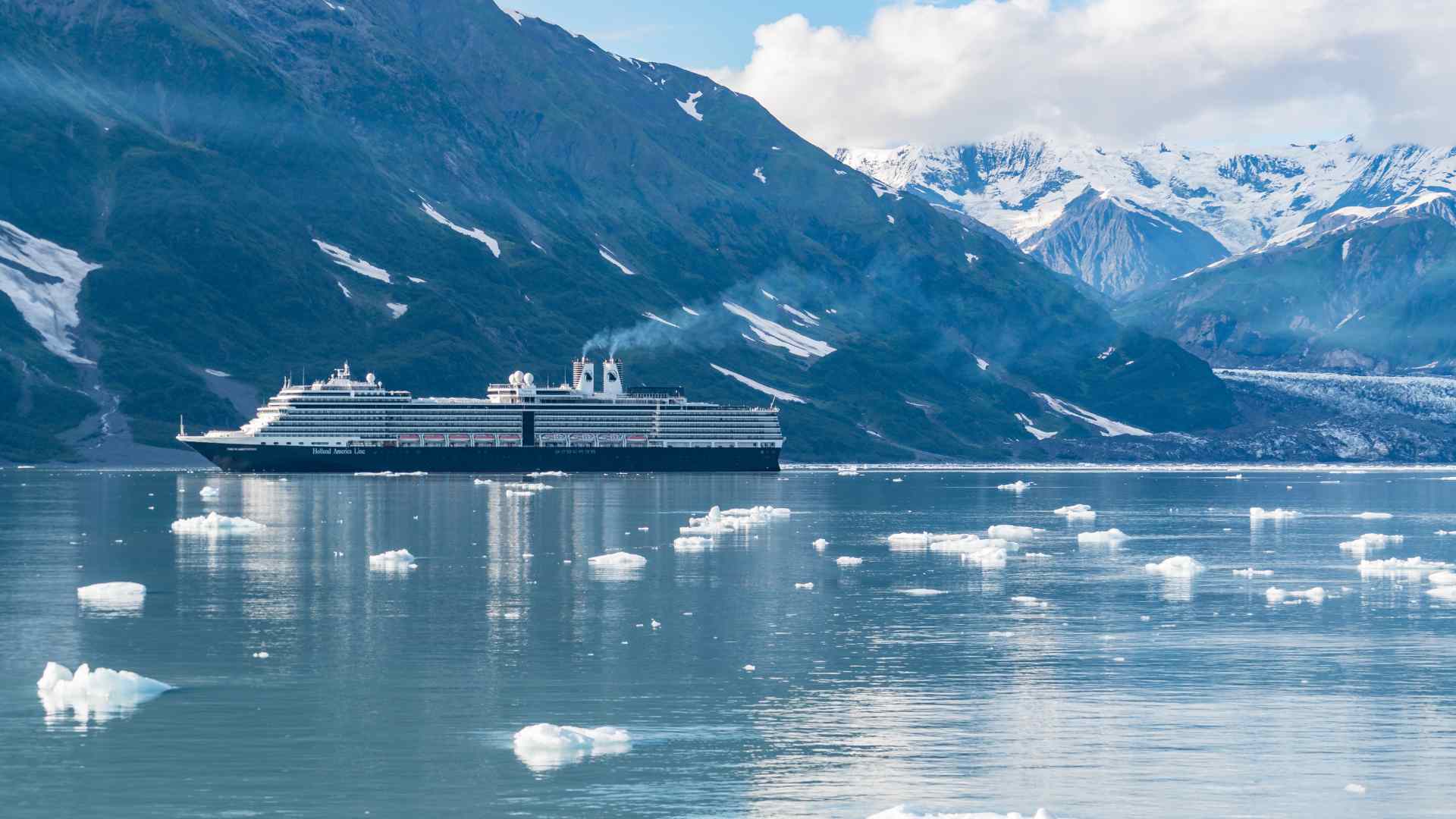
The bay unfolds over hours rather than minutes, and the highlights turn up strictly on their own schedule. These are the things I keep an eye out for as the ship works north.
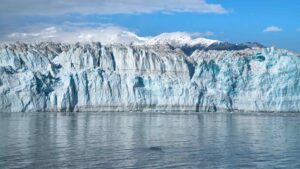
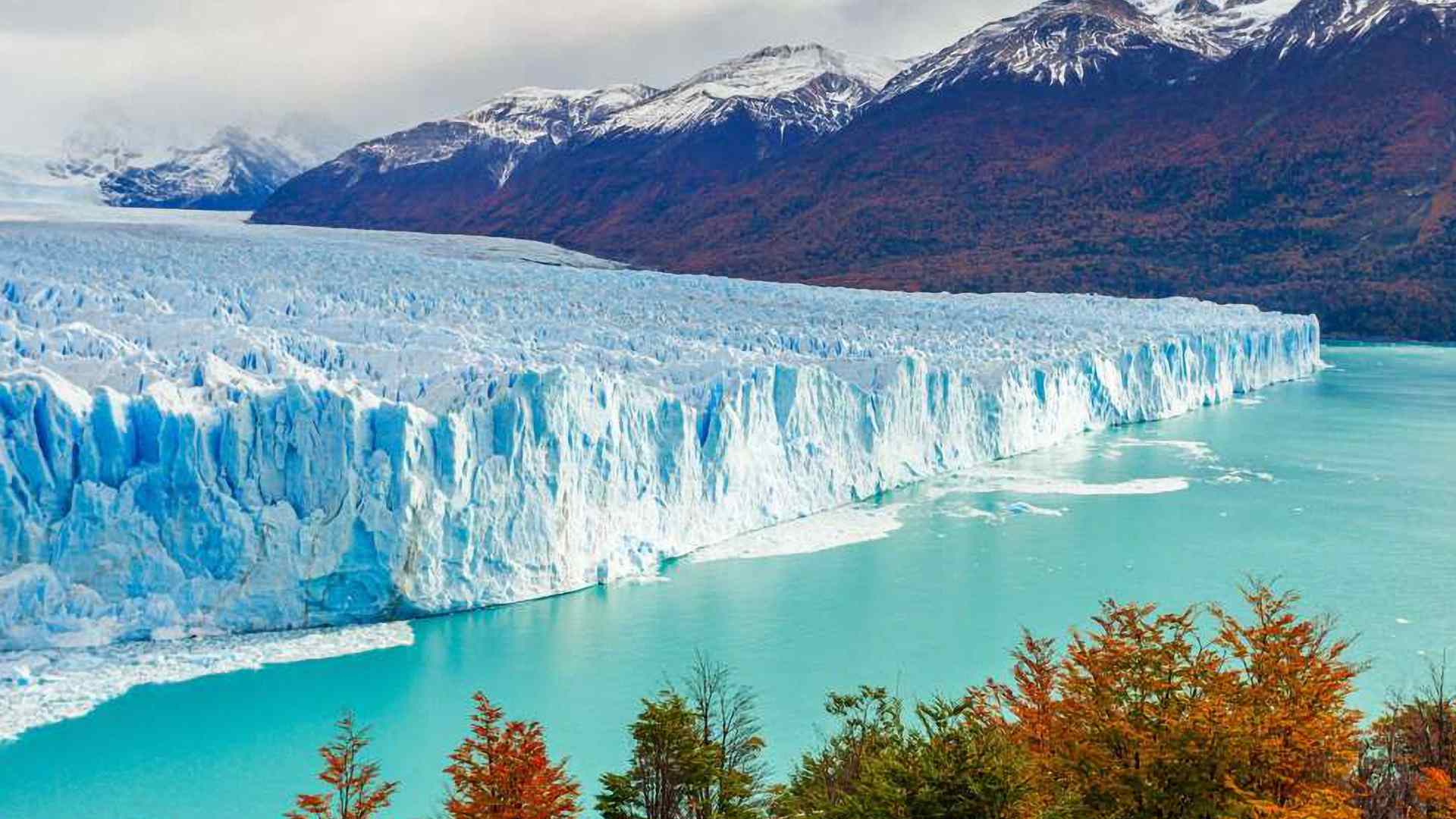
Margerie Glacier: The classic tidewater face at the head of Tarr Inlet, and the glacier most ships build the day around. It is active, photogenic, and the likeliest place you will hear ice break loose.
Grand Pacific Glacier: Margerie’s darker, debris-streaked neighbor, spread wide across the head of the same inlet. It looks like a rockfall until you realize the entire gray mass is moving ice.
Johns Hopkins Inlet: A dramatic side fjord whose vessel access is restricted while harbor-seal protections are in place. NPS says cruise ships enter only in late summer when those protections are no longer active, and the captain still may choose another route.
Lamplugh Glacier: Often the bluest ice of the day, catching light in a way the bigger faces simply do not. It rewards a telephoto lens even from a distance.
South Marble Island: A noisy, smelly, completely wonderful rock covered in Steller sea lions and seabirds. Watch for tufted puffins and black-legged kittiwakes as the ship eases past.
Gloomy Knob: A pale limestone bluff on the west shore where mountain goats pick their way across bare rock. Scan slowly with binoculars instead of sweeping fast and seeing nothing.
Humpback whales and sea otters: Both occur in the park, especially in the lower bay, but sightings are never guaranteed. Look for blows, rafts of otters, or circling seabirds, and ask the onboard rangers where activity has been reported.
Brown bears on the shoreline: Coastal bears work the beaches at low tide, especially in the quieter inlets. They look tiny at that range, so a long lens finally earns its baggage allowance.
The sound of the ice: Ask your group to go quiet at the glacier face and simply listen. The cracks and deep booms carry across the water and outlast every photograph you take.
Fun fact: When Captain George Vancouver’s expedition surveyed this coast in 1794, ice still filled almost all of what is now Glacier Bay. The ice has since retreated more than 60 miles, and the park belongs to a transboundary UNESCO World Heritage site first inscribed in 1979.
How I would plan the day
I would eat breakfast early and be outside as the ship enters the bay, because the lower bay is where the wildlife lives. Sea otters, whales, and the marble islands all come before the ice.
Mid-morning I would catch a ranger talk indoors and thaw out properly. The context makes the glacier hour far more interesting than staring at a white wall in the cold.
For the glacier itself I would be at the rail early, layered up, with a hot drink already in hand. Nipping off to fetch coffee is precisely how people miss the calving.
On the way back down the bay I would take the aft deck for the long light and the receding peaks. Late afternoon in Alaska is often the best hour of the entire day.
If it is raining hard, choose a window seat just two steps from a door. Low cloud makes moody photographs, so I lean into it rather than sulk in the buffet.
A realistic word on accessibility
This is one of the easiest Alaska highlights for limited mobility, simply because you never leave the ship. Elevators reach the observation lounges and most open decks.
Accessible routes and viewing spaces depend on the ship, not the park. Ask guest services which open decks avoid stairs and heavy doors, where wheelchair spaces are kept clear, and whether ranger talks have reserved accessible seating.
Ranger talks are usually held in a main theater or lounge with step-free seating. For a wider view of which stops work well, see my roundup of wheelchair-friendly cruise ports.
When to go, and the weather
Big-ship visits run through the Alaska summer, with the peak allocation of park entries falling across June, July, and August. Late-season sailings often have the better shot at Johns Hopkins Inlet.
The National Park Service advises summer highs around 50°F to 60°F and more than 80 inches of annual rain in the bay. Wind beside the ice can make the observation deck feel much colder, so use waterproof layers, gloves, and a warm hat.
Rain is normal rather than bad luck, so a waterproof shell matters far more than a thick coat. Layers, a hat, and gloves cover almost every version of this day.
Do not count on phone signal anywhere in the park, and expect the ship internet to crawl. Download whatever you want to read before you enter the bay.
Set up the day before you enter the park
Read the ship’s program the night before and note ranger boarding, presentations, the information desk, and the expected glacier window. Keep breakfast flexible because Glacier Bay days often start early and wildlife appears well before the head of the bay.
Choose one exposed deck and one warm indoor viewing location, then learn the accessible route between them before crowds arrive. Download the NPS map and any camera instructions in advance because cellular service is unreliable.
Binoculars usually add more than a longer camera lens because animals can look tiny against this landscape. Keep voices low during narration and never expect a calving event, since glacier activity cannot be scheduled.
Families can use the onboard ranger desk and Junior Ranger programming when offered. The day is also a good fit for limited mobility, but only after confirming ship-specific doors, thresholds, elevators, and accessible rail positions.
Quick answers
Do you get off the ship in Glacier Bay? No; large cruise-ship visits are scenic cruising only, with NPS rangers joining onboard and no guest landing in the park.
Why do Glacier Bay sailings sell out first? Park access is controlled and allocated in advance while many itineraries do not enter, so demand can be higher for a confirmed Glacier Bay route.
Which side of the ship should I book? Neither side is guaranteed a better view because maneuvering changes with conditions, so choose the cabin for other reasons and use public decks on the day.
Is Glacier Bay better than Hubbard Glacier? Glacier Bay offers a long national-park program with rangers and several landscapes, while Hubbard concentrates on one exceptionally large tidewater glacier.
The last word
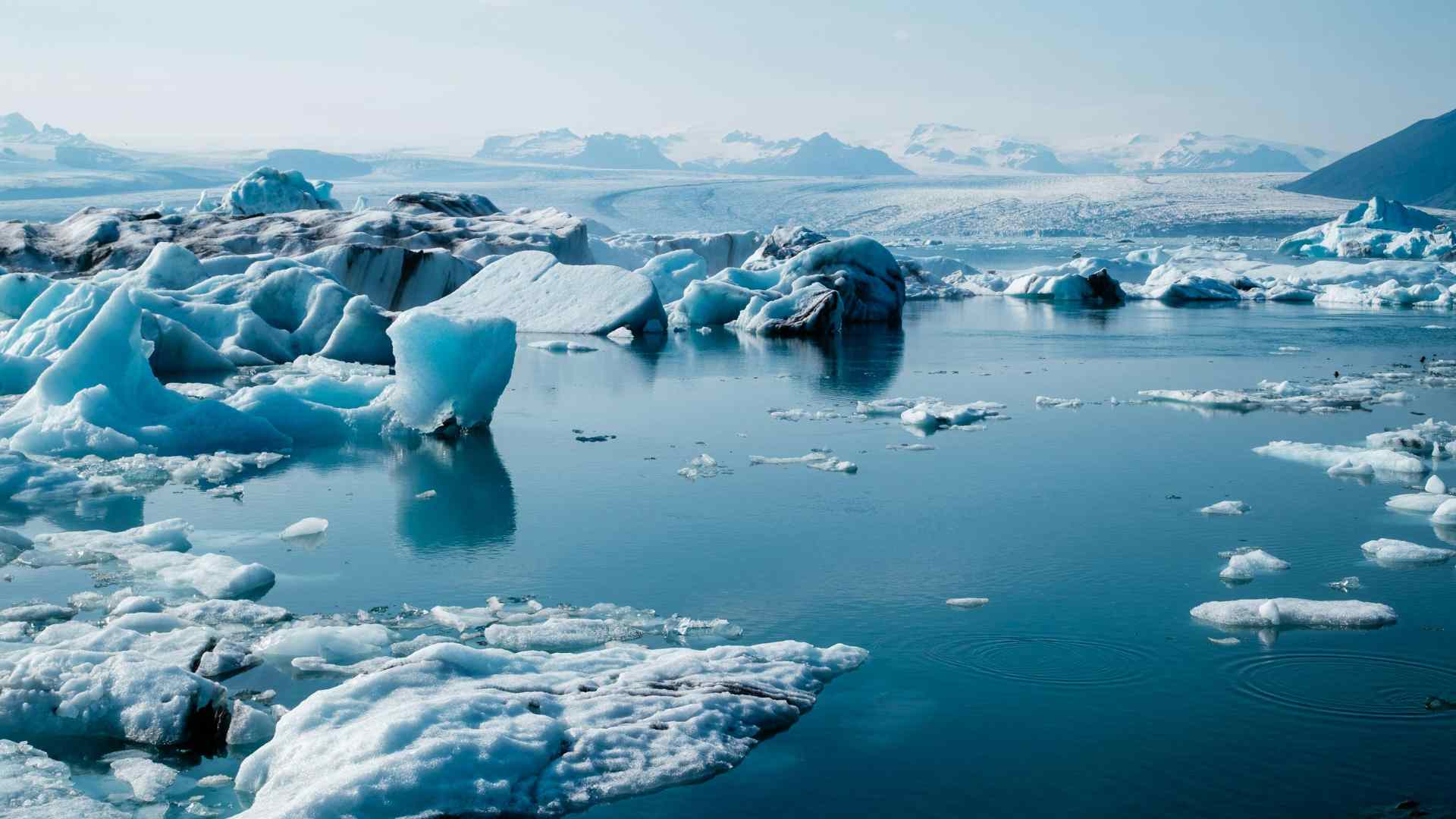
Glacier Bay is the day that justifies the whole Alaska itinerary for a great many people. Give it your attention instead of a lie-in and it pays you back generously.
The town days either side make the natural companions, and my Juneau cruise port guide covers the capital and the Mendenhall. It is the obvious pairing if you want ice you can walk up to.
For the history and the trains, my Skagway and Sitka guides round out a classic Inside Passage week. Together they give you gold rush, Russian Alaska, and a full day of ice.
How this guide was researched: This guide uses current National Park Service guidance for cruise ships, onboard rangers, vessel management, weather, glaciers, and wildlife, plus UNESCO background. Access rules, viewing expectations, ship-specific limitations, and timing were reviewed on September 11, 2026; see our Editorial Policy.