Louisville River Cruise Port: City Wharf, Floodwalls and Museum Row
Louisville is one of those rare river cruise cities where the Ohio, downtown museums and the reason the city exists all line up neatly. The Falls of the Ohio once forced boats and cargo to stop, and today’s cruise passengers still arrive beside a city built around that interruption.
City Wharf is the central permitted facility most travelers picture, tucked below downtown near the Belle of Louisville and River Road. It is not a binding berth promise for every operator, date or river level.
The Ohio can rise against the lower waterfront, floodwall gates can alter access and an embarkation package may transfer guests from a hotel instead of inviting a suitcase parade down the wharf. This guide keeps all three realities in the same plan.
Louisville river cruise port quick facts
- Into Town: City Wharf is central, but the assigned berth and floodwall exit determine the walk; Main Street’s museum corridor begins a few blocks south.
- Currency and Language: U.S. dollar (USD). English is primary; Spanish interpretation is available at selected attractions.
- Time Zone: Eastern Time, UTC-5 in winter and UTC-4 during daylight saving time.
- Disruption risk: High water, locks, severe weather, or dock restrictions can alter access; no audited local cancellation rate is published.
No cruise operator or public authority publishes an audited Louisville call-cancellation rate. A berth shift, hotel transfer, or revised gangway does not count as a missed Louisville visit.
My quick take
Louisville Slugger Museum and Factory is the easiest strong choice from a central waterfront landing. It combines a real manufacturing tour with enough baseball history to entertain people who cannot explain a balk.
Choose the Kentucky Derby Museum and Churchill Downs if racing is the reason Louisville matters to you, but use the ship excursion or a confirmed ride. The track is south of downtown, not part of the walkable riverfront cluster.
For embarkation, enjoy the included hotel and let the operator move luggage. For a port call, confirm the gangway exit before trusting any walking time in this guide.
Why Louisville grew at the Falls of the Ohio
The Falls of the Ohio were a series of rocky rapids that interrupted navigation on the river. Boats unloaded cargo and passengers for portage, helping Louisville grow as a commercial center where the natural obstacle demanded human ingenuity.
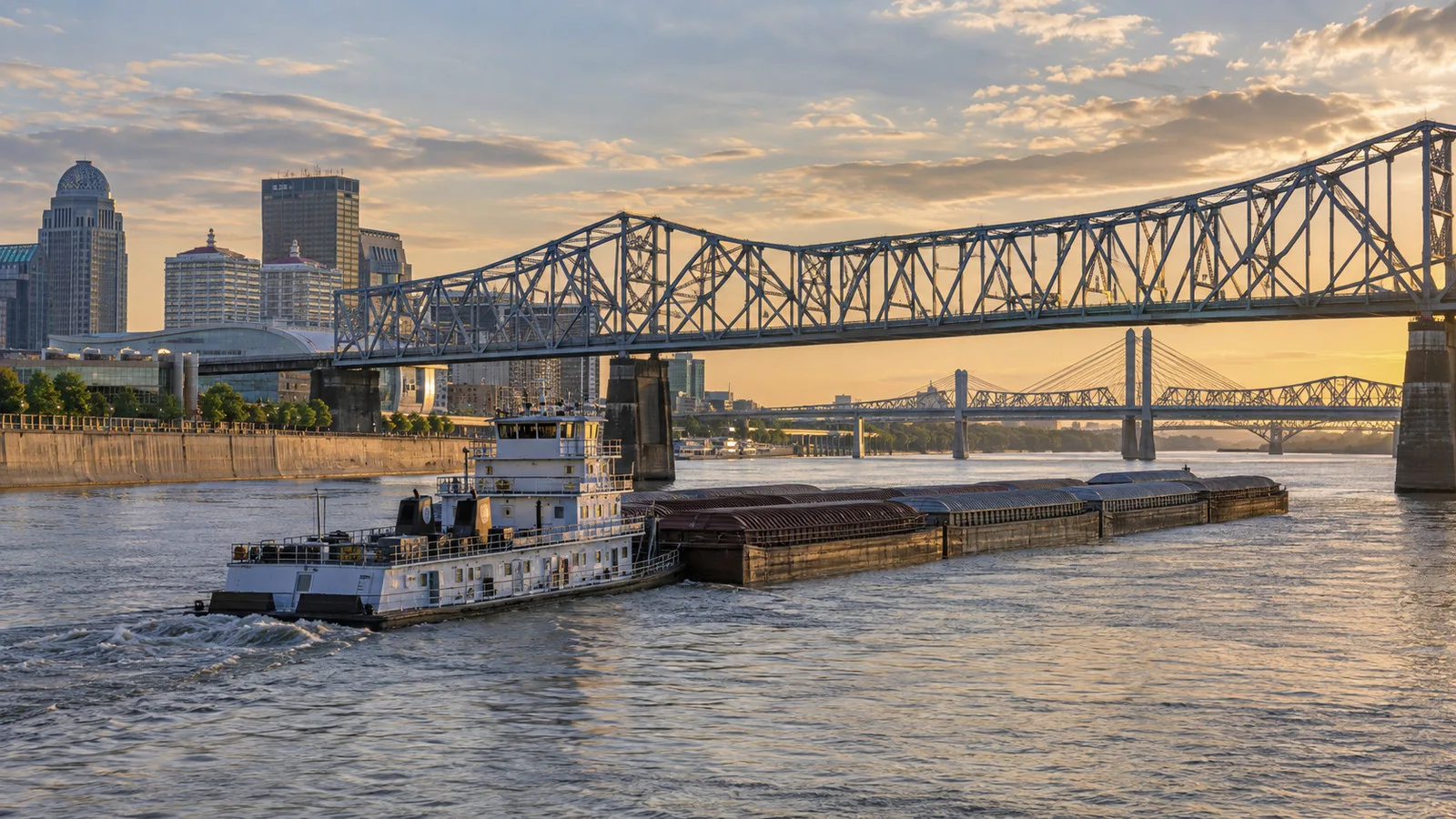
The Louisville and Portland Canal opened in 1830 to bypass the falls, and today’s McAlpine Locks and Dam carry modern navigation through the reach. The result is a working river corridor where tow traffic, bridges, flood protection and passenger landings all compete for space.
That operating context helps explain why docking instructions can change. Louisville is a genuine urban river port, not a floating museum exhibit placed permanently beneath the skyline.
Which cruises use Louisville?
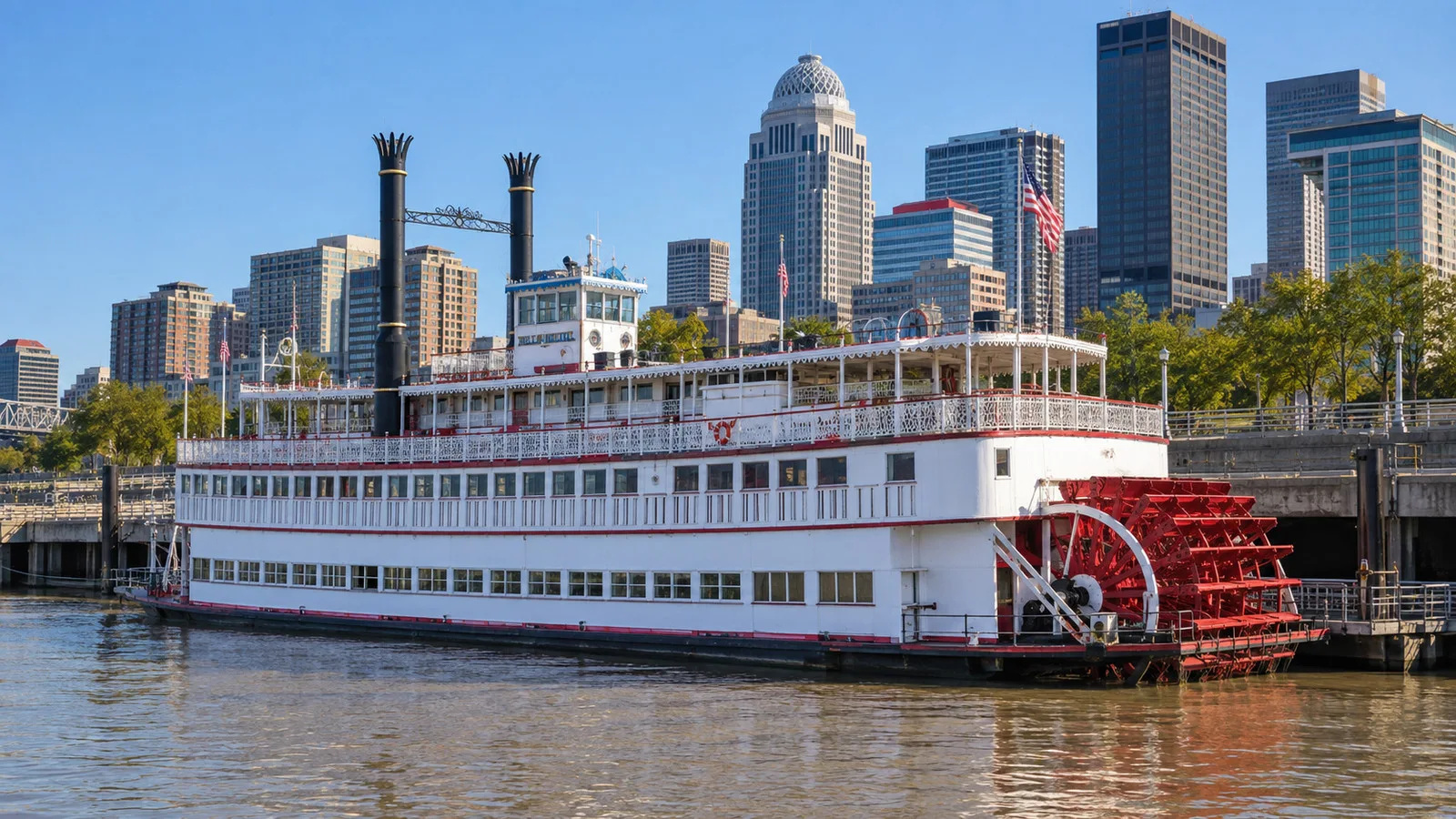
American Cruise Lines uses Louisville as an endpoint for its Ohio River itinerary and as a call on longer Ohio and Mississippi programs. The official Ohio River cruise page lists Louisville in both directions and says exact itineraries and excursions vary by date.
Current excursion descriptions include Louisville Slugger Museum and Factory, the Frazier History Museum and a Kentucky Derby experience. Offerings vary, so reserve from the sailing-specific portal rather than treating a general itinerary page as your ticket.
The operator also uses a pre-cruise hotel stay on Louisville departures. Guests meet in the hotel lobby on embarkation morning while luggage is moved to the vessel, which is a better plan than searching the waterfront with three bags and growing opinions.
City Wharf is central, but assignments can differ
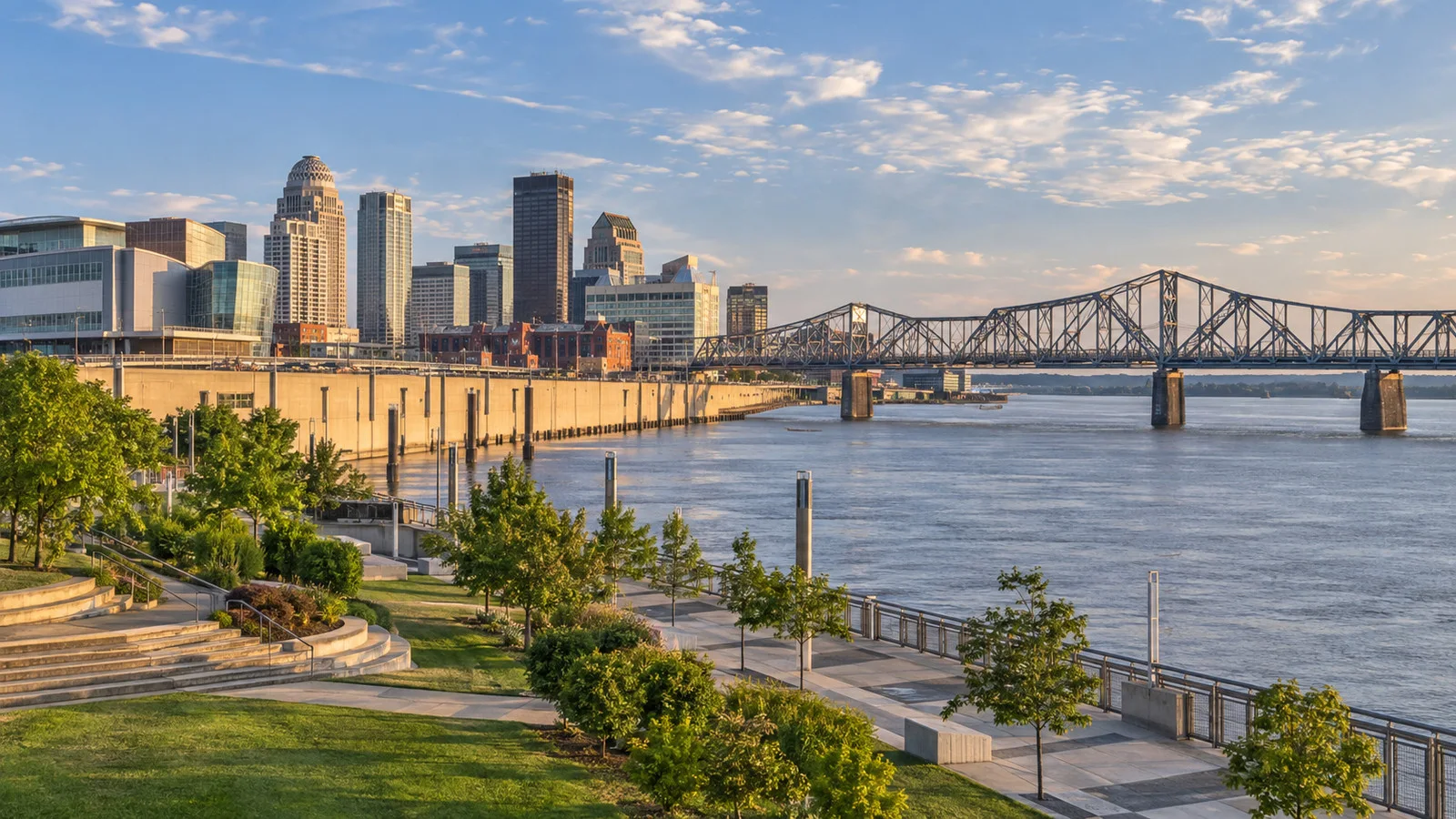
Louisville’s City Wharf lies on the Kentucky bank west of the Second Street Bridge, below the downtown street grid. The adjacent Wharf Lot at 131 West River Road is a useful landmark for the central riverfront, not a universal cruise check-in address.
Louisville’s official boat regulations require an individual permit to moor at City Wharf and prohibit unpermitted commercial docking on Metro property. That confirms it is a controlled facility whose assignments are coordinated, not a first-come curb.
A vessel may receive a different operating location or passenger transfer arrangement. Your final cruise documents and crew announcement determine where to go.
River level and floodwall realities
City Wharf sits on the river side of Louisville’s flood-protection system. Water level therefore affects not only the gangway angle but also which lower roads, stairs, ramps and floodwall openings remain usable.
The Louisville MSD flood-stage guide publishes separate upper and lower gauges and shows that roadway floodgates close progressively as the river rises. Downtown Sixth, Seventh and Eighth streets are among the openings affected at higher stages.
A floodwall closure is safety infrastructure, not evidence that all of Louisville is underwater. It can still turn the obvious walking route into a detour or require the cruise line to shift landing and transfer plans.
Low water can also expose a steeper or longer gangway arrangement, while locks and navigation traffic affect vessel timing. The site’s river cruise water-level guide explains why the visit may survive even when the expected docking setup does not.
Walking from City Wharf to Main Street
From a central wharf exit, head uphill through the designated River Road or Belvedere access toward Main Street. Interstate structures, parking areas and the floodwall make the first blocks less postcard-pretty than the destination.
Allow 10 to 20 minutes to reach the eastern portion of Main Street’s visitor district and 20 to 30 minutes for the museums farther west, editorial map estimates from central City Wharf. A different berth, closed gate, mobility need or summer heat increases them.
West Main Street’s Museum Row places several major attractions within four walkable blocks of one another. That compact line is your friend, so choose one anchor museum and add a second only if the schedule remains generous.
Louisville Slugger Museum and Factory
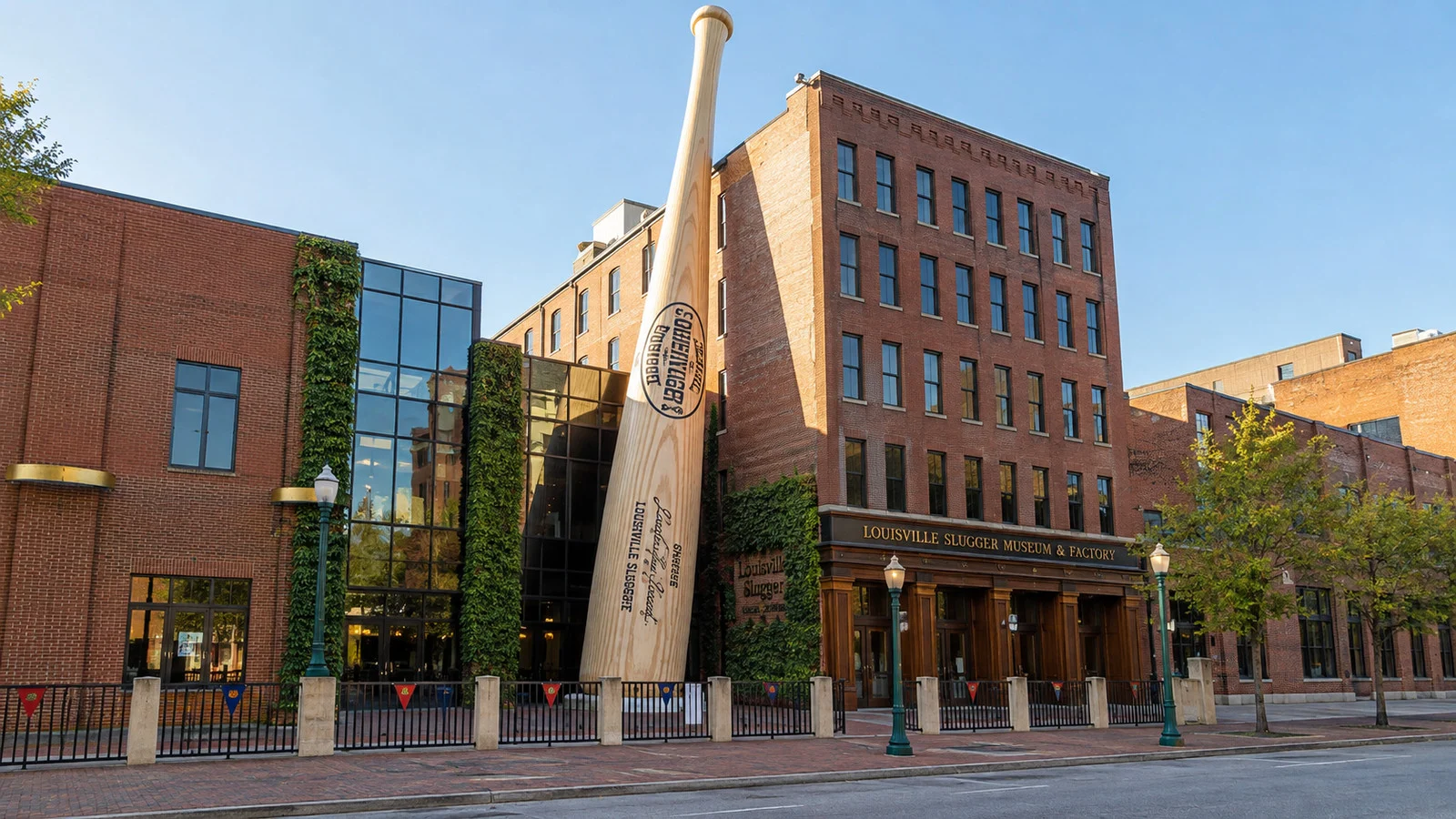
The enormous bat leaning against the building removes all suspense about whether you found the right place. Inside, the factory tour follows bat production while galleries connect equipment, players and design to the wider history of baseball.
The official Louisville Slugger ticket portal sells timed admission and premium tours. Reserve ahead because factory capacity, operating days and tour times can change.
Allow 90 minutes to two hours, an editorial planning range for the standard museum and factory experience. Personalized bats need pickup time, which becomes remarkably important when your own name is waiting ashore and the ship is not.
Muhammad Ali Center and Frazier History Museum
The Muhammad Ali Center examines Ali’s athletic career, convictions, public life and Louisville roots. It is a better choice than a boxing-only description suggests because the interpretation reaches into identity, civil rights and personal purpose.
The Frazier History Museum approaches Kentucky through changing exhibitions and houses the Kentucky Bourbon Trail Welcome Center. It works well for travelers interested in state history who do not want a tasting to carry the entire intellectual load.
Allow about two hours for either institution, an editorial estimate. Combining both with Slugger in a short call creates an impressive list and a remarkably blurry memory.
Kentucky Derby Museum and Churchill Downs
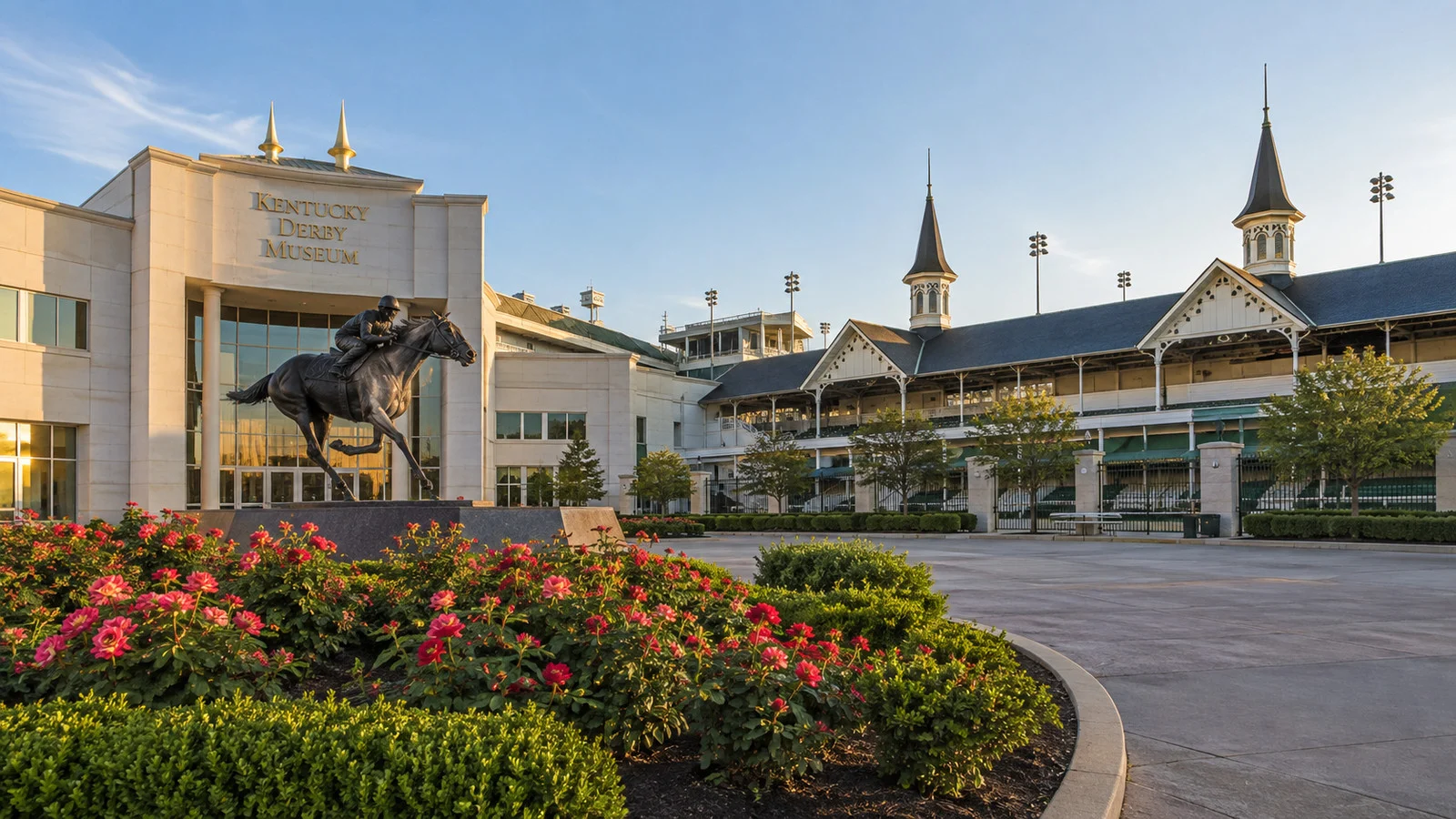
Churchill Downs is several miles south of the riverfront, so this is an excursion or vehicle outing. The Kentucky Derby Museum is the official public tour provider for the racetrack and offers experiences with different durations and mobility demands.
The official Derby Museum visitor guide publishes current hours, race-day changes and accessibility details. The museum closes around Derby dates, and historic-track tours can have route restrictions even when the main entrance is accessible.
American Cruise Lines currently describes its Kentucky Derby experience as low activity and accessible. Confirm what that includes on your sailing because a standard guided track visit differs greatly from a multihour behind-the-scenes specialty tour.
Bourbon without missing the boat
Downtown Louisville offers distillery experiences and tasting rooms near Main Street, but most use timed entry and age verification. “Bourbon city” does not mean walking into any brick building at noon guarantees a tour.
Reserve one experience, bring government-issued identification and allow time for check-in. Do not attempt a distant distillery circuit during a short river call unless it is an organized excursion.
Taste moderately and return early. The gangway is an unforgiving place to discover that barrel proof and river slope make an energetic partnership.
A realistic independent Louisville plan
Confirm the berth and all-aboard time, then walk to Slugger for a timed morning visit. Continue along Main Street for the Ali Center, Frazier or a reserved bourbon experience, choosing only one.
Eat downtown and return to the river with at least 60 minutes of margin. Add more during high water, major events, extreme heat or when the ship uses a location outside central City Wharf.
If Churchill Downs is the priority, take the cruise excursion and let its coach schedule control the day. Trying to bolt a racetrack trip onto two downtown museums is how a vacation becomes a spreadsheet with shin splints.
Embarkation and disembarkation
For an American Cruise Lines Louisville departure, the included hotel stay and lobby transfer are the operating plan. Follow the assigned hotel, luggage tags and meeting time in final documents.
For arrival in Louisville, breakfast and disembarkation timing can shift with river operations. Confirm included airport or hotel transfers before buying the earliest possible flight.
Louisville Muhammad Ali International Airport is south of downtown and requires ground transportation. Event traffic around Churchill Downs and downtown can change travel time, so no fixed dock-to-airport promise belongs in a responsible guide.
Accessibility at Louisville river cruise port
The central location does not eliminate the waterfront’s vertical challenge. Gangway slope, wharf grade, ramps, stairs and the available floodwall opening all matter before a traveler reaches the relatively level Main Street corridor.
Ask the line for the assigned berth, accessible exit and vehicle plan, especially during elevated river stages. Confirm whether a mobility device travels with the excursion coach and which attraction tour it can enter.
The site’s accessible river cruise checklist helps structure the conversation. The operator’s general “accessible” label should never replace questions about the exact gangway and tour.
How reliable is the Louisville call?
Louisville is both a major Ohio River call and an endpoint, which gives operators strong incentive to preserve the visit. It also has road, hotel and coach infrastructure that can support a transfer when the preferred wharf is unavailable.
No audited Louisville call-cancellation series is published. Floodwall or berth changes are not automatically missed calls when passengers still reach the city.
High water, locks, currents, severe weather and commercial traffic can all alter timing. Treat the captain’s plan as operational information, not an optional remix of your independent schedule.
The practical checks I would make before Louisville
Use the operator’s current City Wharf, alternate berth, hotel transfer, and baggage instructions because the central landing is not guaranteed at every river level. Floodwall closures or a steep gangway can also move the usable route even when the vessel remains downtown.
Museum Row is the strongest independent plan, while Churchill Downs needs a scheduled ride and should be the main outing. Reserve factory or museum tours directly, leave the track at least 75 minutes before all aboard, and never build a return plan around the final tasting at a distant distillery.
Check live admission and tasting fees, age and identification rules, and the cruise line’s United States document requirements. Flooding, lock delays, summer heat, cobbles, gangway slope, museum tour stairs, and accessible vehicle supply each deserve a separate check.
Quick answers
Where do river cruises dock in Louisville:
City Wharf is the central permitted facility, but operator assignments can differ and final cruise documents control.
Can I walk downtown:
Usually from central City Wharf, though the actual berth, floodwall exit and river level determine the route.
Can I walk to Churchill Downs:
No practical cruise-day plan should rely on it; use an excursion, taxi or rideshare.
What is closest to the waterfront:
Main Street’s museum corridor offers Slugger, the Ali Center, Frazier and other attractions within a compact district.
Should embarking passengers go to City Wharf:
Only if instructed; current American Cruise Lines departures may use an included hotel and lobby transfer.
Research note
This guide was desk-researched on September 12, 2026 using American Cruise Lines, Louisville Metro, Louisville MSD and official attraction sources. It does not claim a personal sailing, factory tour or firsthand wharf inspection.
Berth assignments and walking times are identified as operator-controlled facts or editorial estimates. Verify the wharf, floodwall route and transfers in final documents, and see the Editorial Policy for sourcing and corrections.
How this guide was researched: This guide was independently checked on September 12, 2026, against Louisville MSD’s flood-stage guidance, Louisville Slugger’s ticket portal, the Kentucky Derby Museum visitor guide, U.S. Army Corps of Engineers navigation information, Louisville Metro’s boat regulations, and the current American Cruise Lines itinerary. Reconfirm the landing, gangway, transfer, attraction rules, travel documents, river and weather conditions, accessibility, costs, and all-aboard point because live operations can change.
There is more on this in our guide to Ohio River Cruise Ports.
There is more on this in our guide to Alaska and Yukon Riverboats.