The Cruise Ports That Closed, and What Replaced Them
You booked a Baltic cruise for the Hermitage, and the Hermitage is not on the itinerary anymore. Whole regions have dropped off cruise maps in the last four years, and the replacements are not always worse, just different.
My quick take
I have never stood on a pier in St Petersburg or Haifa, so I am not going to tell you what you are missing there. What I can tell you is how the replacement itineraries read, because I read a lot of them before I book anything.
My honest opinion is that the Baltic survived this better than the eastern Mediterranean did. The Red Sea reroutes are the ones I would look at hardest, because they change the shape of the whole vacation rather than one port day.
The quick facts
- Baltic: Mainstream lines stopped calling at St Petersburg in 2022, and those days went to other Baltic ports.
- Israel: Most lines suspended Haifa and Ashdod calls in late 2023, and returns since then have been partial and uneven.
- Red Sea: Some world cruises and repositioning voyages now sail around Africa, which adds sea days.
- Black Sea: Odesa is gone from cruise itineraries, and Constanta mostly sees small ships now.
- Everywhere: Your cruise contract lets the line change ports, so book the ship and the region rather than one call.
Why St Petersburg disappeared from Baltic itineraries
St Petersburg was never just another Baltic call. It was usually two days, often with an overnight, and it came with an arrangement that let cruise passengers go ashore on an organized tour without applying for a visa in advance.
Mainstream lines stopped calling in the spring of 2022 and have not returned. Independent travel to Russia also sits at the highest official warning level for American travelers, which is a separate matter from what the ships do.
Our roundup of Russia cruise ports still exists, and I would read it as background rather than as a planning tool. Nothing on it is bookable on a mainstream line right now.
What replaced it, and why the Baltic is a different product now
Those two days did not vanish from the schedule, they got redistributed. You now see more overnights in Stockholm and Copenhagen, longer calls in Helsinki and Tallinn, and ports that used to be occasional showing up as regulars.
Visby, Riga, Klaipeda and Gdynia are the clearest winners. A sailing that once had one blockbuster city and a supporting cast now has six or seven medium ones, almost all of them walkable from the berth or a short shuttle away.
That is the honest part. If the Winter Palace was the whole reason for the trip, the current Baltic season does not replace it, and anyone telling you otherwise is selling you something.
The eastern Mediterranean lost its anchor calls too
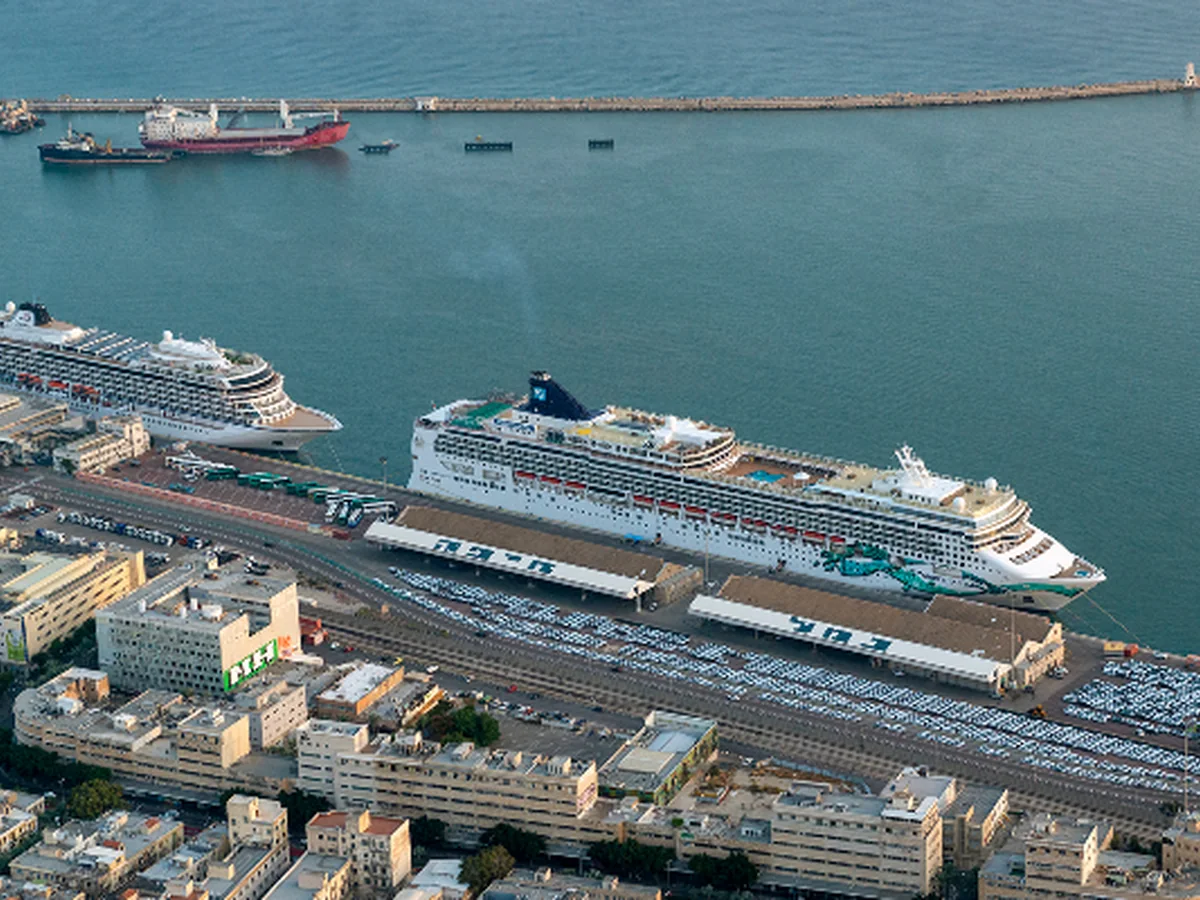
Haifa and Ashdod were the Israel calls, and Ashdod was the one that put a ship within driving distance of Jerusalem. Most lines suspended both in late 2023.
Returns have been lumpy ever since. Travel guidance for Israel now sits at a middle warning tier with specific border zones still flagged at the top level, and individual lines have added and pulled calls at short notice.
Our Ashdod port guide and Haifa port guide are written for the days ships actually call. If you have either on a 2027 itinerary, read them, then plan as though the day might become something else.
Where those eastern Mediterranean ships went instead
Cyprus took the biggest share. Limassol went from an occasional call to a regular eastern Mediterranean anchor, and it now works as a turnaround port for some sailings rather than just a stop.
The rest went to Greece and Turkey. That means more Rhodes, more Crete, more Kusadasi, and Istanbul back in the rotation after its own quiet stretch.
Egypt is the wildcard in the group. Alexandria and Port Said give a line a headline excursion to Cairo, which is the closest thing to a one for one swap for what an Israel call used to provide.
The Red Sea reroute is the one that changes your whole vacation
Since late 2023, a great deal of commercial traffic has stayed out of the southern Red Sea. Formal maritime security advisories for that corridor and the Gulf of Aden remain active.
Cruise lines responded the way cargo carriers did, by going around the Cape of Good Hope instead of through the canal. That turns a Mediterranean to Asia repositioning voyage into something much closer to a South Atlantic and Indian Ocean crossing.
The practical effect on you is sea days. A rerouted segment can pick up a week or more of open ocean, and the ports that get swapped in are African rather than Arabian, which is a genuinely different trip.
Some transits have resumed carefully, and our guide to what a Suez Canal transit day is like tracks where that stands. A canal day on a brochure is a plan, not a promise.
The Black Sea is the region that really did close
Odesa has been off cruise itineraries since 2022. Ukrainian and Russian Black Sea calls are simply not sold by mainstream lines at all.
That leaves Constanta, which used to be one stop on a loop and now functions more as an endpoint. Small ships and river cruise extensions still use it, and the big ships largely do not.
If you find a Black Sea itinerary at all, it is usually Istanbul plus the Bulgarian coast plus Constanta, on a ship carrying a few hundred people. It has gone from a mainstream product to a niche one.
Charleston ended its cruise era for a completely different reason
Nothing geopolitical here, just real estate. The terminal at Union Pier is being redeveloped into a mixed use waterfront, and the port’s published 2026 cruise calendar simply runs out in the summer.
No replacement terminal is planned. If Charleston was your drive-to homeport, the nearest equivalents are Jacksonville to the south and Baltimore to the north.
This is the kind of closure that gets the least attention and changes the most trips. A homeport closing turns a drive into a flight for every household within about 300 miles (480 km) of it.
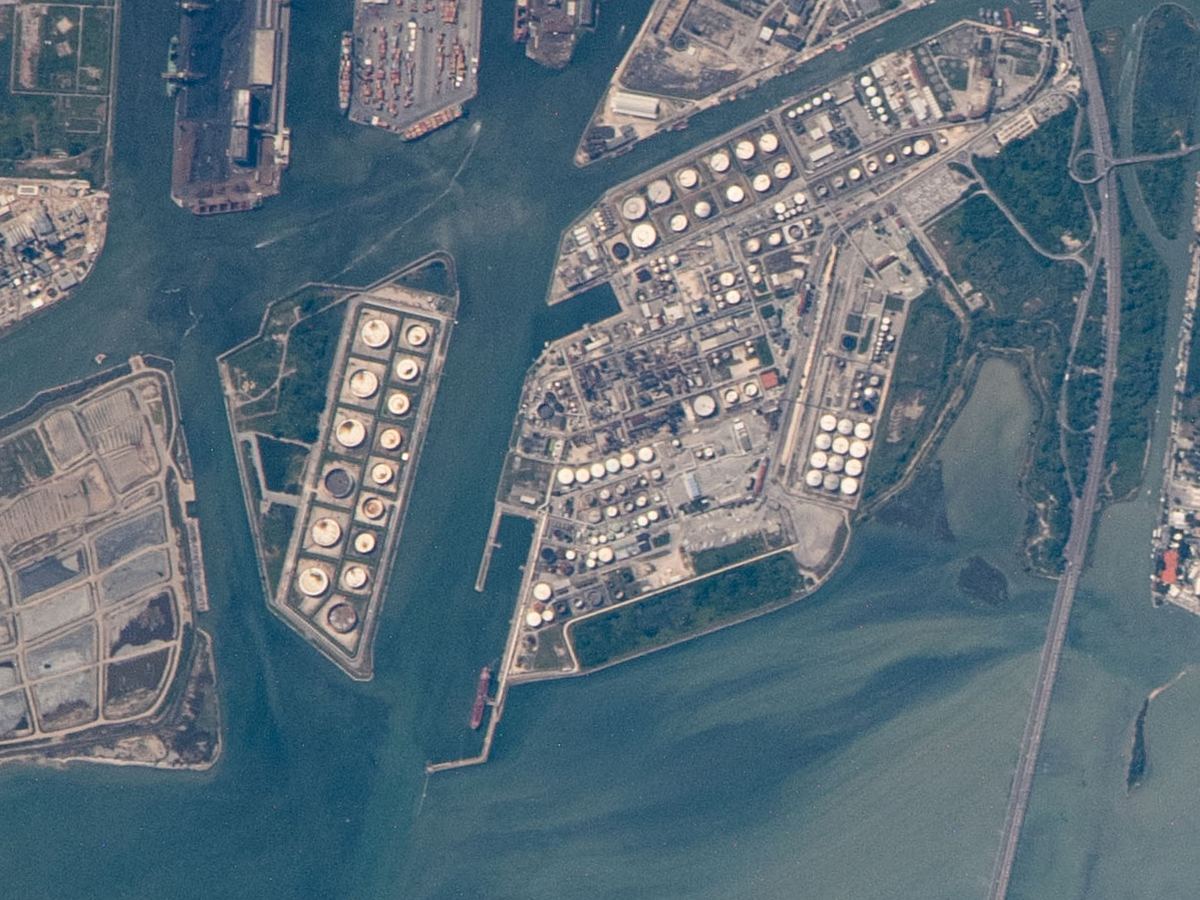
Venice did not close, it moved
Since 2021 the largest ships have been kept out of the Giudecca Canal and St Mark’s Basin. The threshold sits around 25,000 gross tons, which is small by modern cruise standards and catches almost every big ship afloat.
Those ships now use Marghera, the industrial port on the mainland, and some lines shifted turnarounds to Trieste and Ravenna instead. The lagoon is a protected world heritage site, which is the short version of why the rule exists.
What you lose is the sail-in, which was one of the great arrivals in cruising. What you get is a shuttle transfer, and I would treat the trip into Venice as a planned leg of the day rather than a quick hop.
Labadee and Acapulco are pauses, not endings
Labadee, the fenced beach destination on Haiti’s north coast, has been suspended for the rest of 2026, and calls there have come and gone since 2024. Ships that would have stopped get a different Caribbean beach day instead, usually a private island or a Jamaican port.
Acapulco is a recovery story rather than a closure. A category 5 hurricane in October 2023 and serious flooding a year later did enormous damage, and the port area and tourist corridor have since reopened.
Calls do happen, just fewer of them, and the surrounding state has carried a serious travel warning since well before the storms. That is a port where I would take the ship’s tour and not improvise.
The ports that capped instead of closing
Closure is the dramatic version. The quieter version is a cap, where a city decides how many ships or passengers it will accept in a day or a year.
Amsterdam and Bar Harbor have both moved in that direction, and the details have been argued in council chambers and courtrooms more than once. Several Mediterranean cities have done a version of the same thing with daily arrival limits.
A cap rarely removes a port from your itinerary outright. It changes which ships call, how often they call, and whether you dock or tender.
What you get when a line drops an entire region
Almost never a refund of your cruise fare. The passage contract lets the line change the itinerary, and a substituted port counts as a change rather than a cancellation.
What does come back is anything you paid for that specific port. That means ship excursions, transfers and prepaid tours, plus the port taxes and fees for the missed call, which usually arrive as onboard credit or a small refund.
When a change is drastic enough, lines sometimes add a goodwill credit or open a cancellation window, but that is a business decision rather than something you can demand. Our guide to what you actually get refunded when a port is skipped walks through the mechanics.
How I would book a Baltic or eastern Mediterranean cruise now
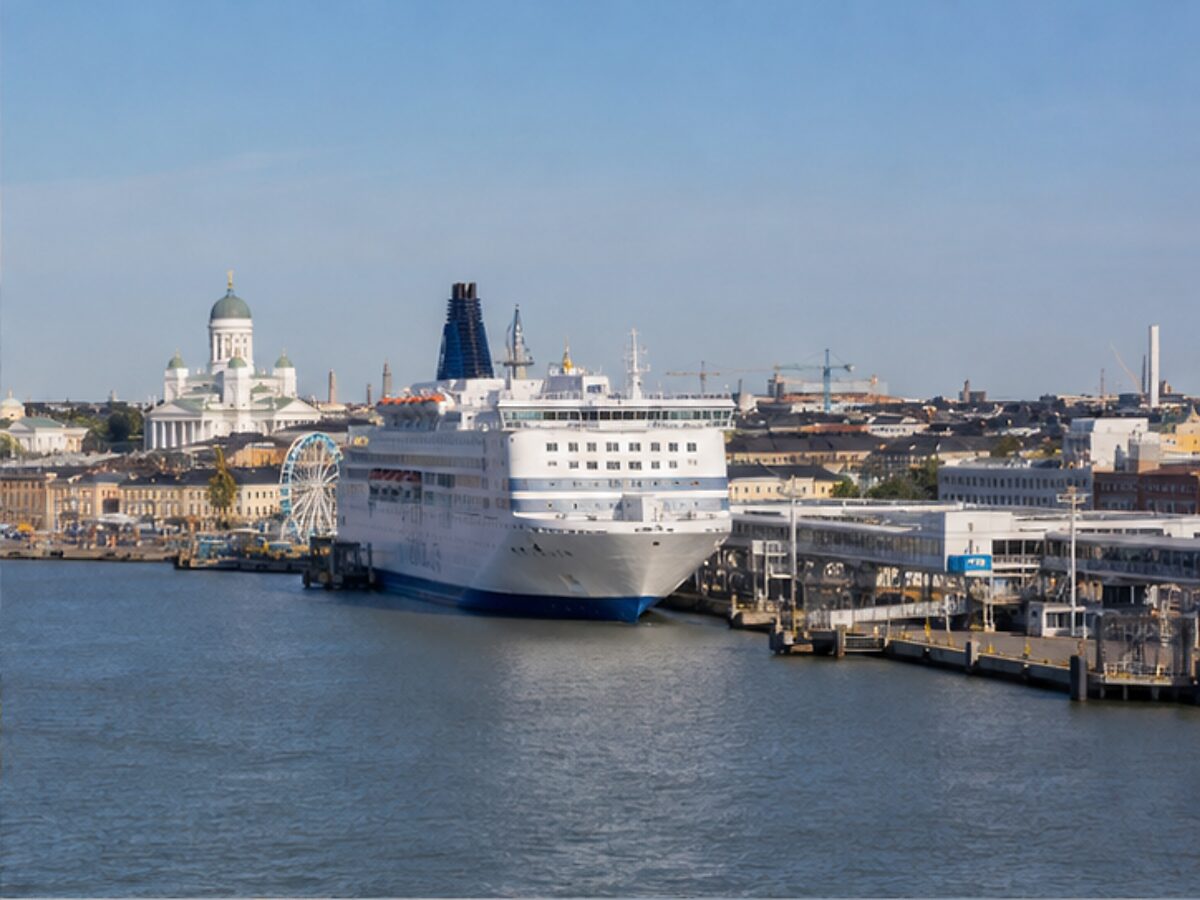
For the Baltic, I book the ports that are actually printed on the page and ignore the region’s old reputation. Six medium cities in nine days is a great itinerary if that is what you want, and a disappointment if you wanted one enormous one.
For the eastern Mediterranean, I read the itinerary as a set of maybes. Any Israel call I treat as a bonus, and I pick the sailing I would still be happy with if that day quietly became Limassol.
I also check what a line has actually operated in the last few months, not what it has published for next season. Published and operated are two different things in both of these regions right now.
Which regions carry the most itinerary risk
I would rank it simply. Anything routed through the Red Sea carries the most risk, the eastern Mediterranean comes next, and the Black Sea barely exists as a mainstream product to begin with.
The Baltic is stable again, because the change already happened and the new itinerary is now just the itinerary. The Caribbean and Alaska carry weather and mechanical risk rather than access risk, which is a different and far more predictable problem.
None of that is a prediction about what happens next anywhere. It is a description of where the itinerary you book is most likely to differ from the itinerary you sail.
Quick answers
Can you still cruise to St Petersburg?
No. Mainstream lines have not called there since early 2022, and none of them currently sell it on a Baltic itinerary.
Are cruise ships calling in Israel again?
Some are, unevenly. Calls have been added and pulled at short notice, so treat an Israel day on a future itinerary as provisional rather than fixed.
Why does my world cruise go around Africa now?
Because a lot of shipping has avoided the southern Red Sea since late 2023. The Cape of Good Hope route adds sea days and swaps in African ports instead of Middle Eastern ones.
Do cruise ships still dock in Venice?
Large ships dock at Marghera on the mainland rather than in the historic center. Smaller vessels under the size limit can still use berths closer in.
Do I get money back if my cruise skips a whole region?
You get back what you paid for those specific ports, not your cruise fare. Anything beyond that is goodwill from the line rather than an entitlement.
Final word
Ports close, reopen and change hands, and several of the ones above will look different a year from now. What does not change is that a cruise line can rewrite your port list before you sail, and these regions are where it is most likely to happen.
So book the ship, the season and the region you actually want. If one specific port is the entire reason for the trip, a cruise is the wrong way to guarantee you get there.
How this guide was researched: Port status, official travel guidance, maritime security notices and current itinerary patterns for every region named above were checked in September 2026. Deployment decisions and regional access change quickly, so confirm the port list for your own sailing directly with your cruise line before you book. See our Editorial Policy.
More on this topic: browse every guide on choosing a cruise.