Your Itinerary Changed Before You Sailed: What You Are Actually Owed
The email lands ninety days out, two ports have changed, and nobody is offering you anything back. You read it twice looking for the part where they apologize, and that part is not coming.
My quick take
An itinerary change before you sail is annoying, legal, and almost never worth a fight. What you are owed is usually nothing, and what you can often get is something, which are two very different sentences.
So I sort every one of these emails into two piles within about five minutes. Pile one is a swapped port, which I accept and move on from, and pile two is anything that touches the date, the length, or the city I fly into, because that is where the actual money lives.
The quick facts
- What you bought: Passage on a ship for a set number of nights, not a contract for named ports.
- Your default entitlement: Usually nothing beyond the cruise itself, because the ticket contract allows the change.
- What often shows up anyway: Onboard credit, a fare adjustment, or a free move to another sailing, offered as goodwill.
- The change that actually costs you: A different embarkation or disembarkation port, because your flights and hotels are already booked.
- The deadline that matters: Your next cancellation penalty date, not the date on the email.
What you actually bought
You booked a cruise, and in the eyes of the company you booked transportation and lodging on a ship for a set number of nights. The ports were the sales pitch, not the product.
This is why a fare almost never breaks down into a per port price, and why nobody can hand you a refund for one third of Tuesday. The line prices the sailing as a whole, and it refunds the sailing as a whole or not at all.
The one part of your invoice that is genuinely tied to a specific place is port taxes and fees, which is a smaller number than most people expect. That distinction does more work once you are already onboard, which is covered in what you actually get back when a port is skipped mid cruise.
The clause everyone signs and nobody reads
Every major ticket contract has the same paragraph in it, and the wording is close enough between companies that you can almost lay them on top of each other. It says the carrier may, for any reason and without prior notice, cancel the cruise, deviate from the scheduled ports, route and timetable, call at or skip any port, substitute a different ship, and change the date or time of sailing.
The same clause usually sits a line or two above a sentence saying the carrier is not liable for your resulting expenses. You can read the full passage contract for a big mainstream line and then the equivalent document from another one and find the same shape, sometimes in the same order.
The three kinds of change and why they are not equal
Almost every pre cruise change email is one of three things, and the correct reaction is different for each. Sorting yours first will save you an hour of arguing about the wrong thing.
- A swapped or dropped port: Same ship, same dates, same length, different stop. This is the weakest case you can make and the easiest one to live with.
- A structural change: The cruise gets shorter or longer, the sail date moves, or the ship is swapped for a different one. Now the thing you bought has changed size, and the conversation is more serious.
- A geography change: You now sail from or return to a different city. This is the expensive one, and it is the only category where I would consider canceling.
Why the change happened, and why it happened now
Pre cruise changes are rarely random, and they cluster. Deployment shuffles, drydock dates that slip, new berth construction, a country changing its rules for foreign vessels, and big regional events that swallow every pier in a city all push ships around months in advance.
That is the difference between this and a missed port at sea. A weather cancellation happens at 6am on the day, but a deployment decision happens in a planning meeting a year out and reaches your inbox whenever the schedule is finally locked.
It also explains the timing that feels so cynical. Changes have a way of landing close to final payment, not because anyone is being clever, but because that is when itineraries stop being provisional.
What lines usually offer, and why it is goodwill

When a change is significant, most lines do offer something, and it is worth knowing the usual menu. Onboard credit is the most common, a refund of the fare difference shows up when the new sailing is genuinely cheaper, and a free move to another date or ship appears when the change is large.
Understand what that offer is. It is a customer retention decision, not a legal obligation, which is exactly why it varies between two people on the same sailing.
Onboard credit is also the cheapest currency the company has, since it is spent back inside their own shops and bars. It is still worth taking, but check whether it is refundable if you do not spend it, because not all onboard credit works the same way.
The money moment after final payment
Before final payment, an itinerary change is an inconvenience. After it, the same email is a decision with a price tag.
Final payment usually falls somewhere around 75 to 120 days before sailing depending on the length of the cruise, and the penalty schedule steps up from there in bands. Cancel early in the schedule and you lose the deposit, cancel late and you can lose most or all of the fare, which is laid out in more detail in the deposit and final payment timeline.
So the real question after a change is never “is this fair”. It is “what does it cost me to leave today, and what is the next date on which that number gets worse”.
When the homeport moves
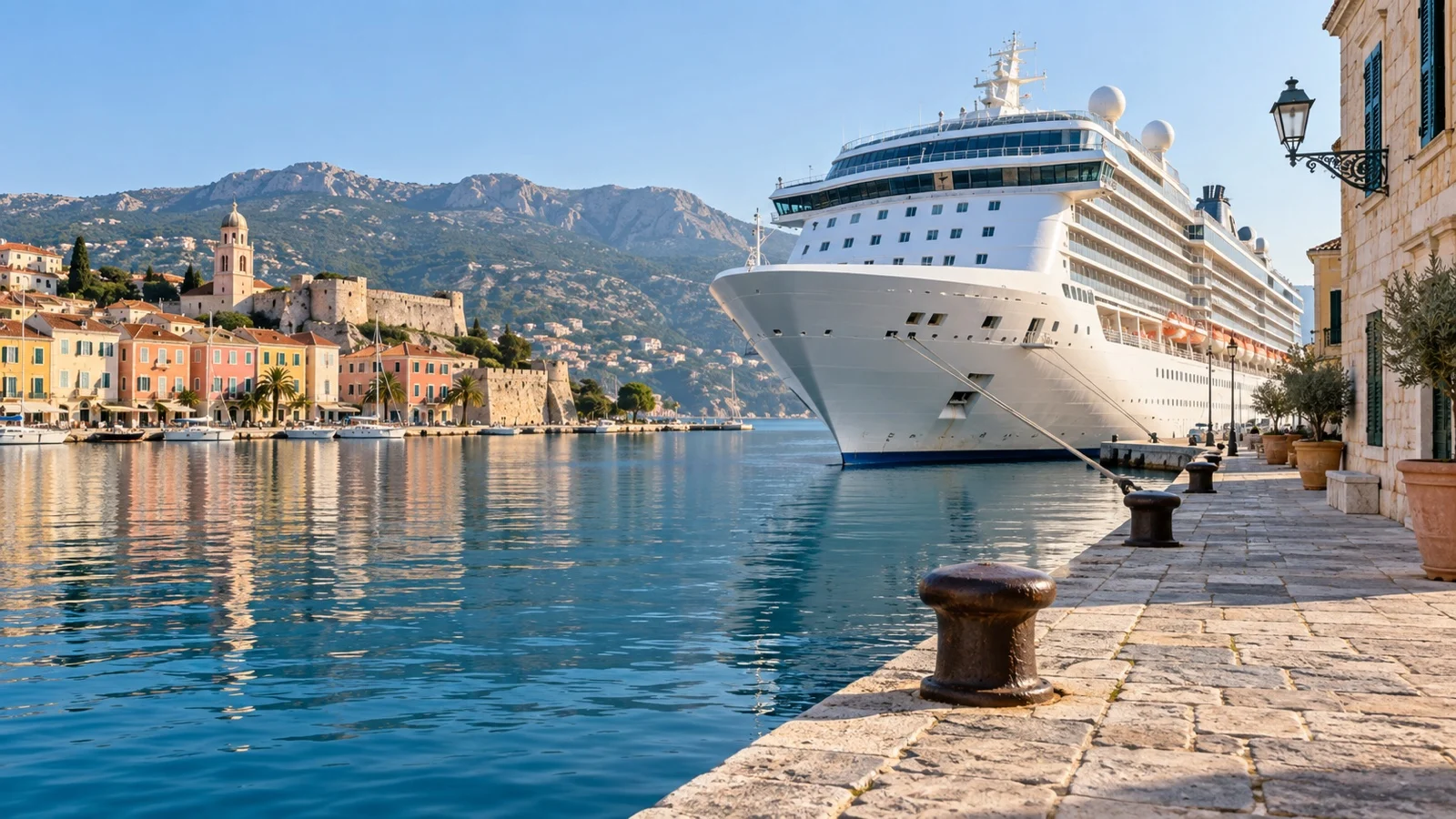
This is the one that costs real money, and it is the one people underreact to. A new embarkation city means new flights, a new pre cruise hotel, possibly a new parking reservation, and sometimes a new visa question.
A moved disembarkation port is just as expensive and gets noticed later, because people book the flight home and then stop thinking about it. If the ship now ends somewhere else, your return flight is wrong, and the buffer you built into it is irrelevant.
Check the return leg the same day you check the outbound. My own rule on how late to book the flight home assumes I know which airport I am leaving from, which is an assumption worth re-testing after any change email.
Flights and hotels you booked yourself
If you booked your own air, the change is your problem to solve and your money to spend. The ticket contract is explicit that the company is not picking up costs from arrangements it did not sell you.
Change fees have largely disappeared on many main cabin fares from the big carriers, but the fare difference is still yours to pay, and the cheapest tickets are usually the least flexible. Hotels booked on a non refundable rate are worse, because there is no fee to argue about, only a booking you own.
Air booked through the cruise line’s own program is a genuinely different situation. Those flights are usually the company’s to rework when it changes the itinerary, and the reasonable thing to do is call and ask them to reissue rather than touching anything yourself.
Insurance, briefly and honestly
Standard trip cancellation coverage works off a list of named reasons, and “the itinerary I wanted is no longer the itinerary I am getting” is essentially never on that list. Illness, injury, a death in the family and certain weather and jury duty scenarios are the sort of thing that list is built for.
Cancel for any reason coverage is the one that actually answers this problem, and it behaves differently. It is an optional upgrade, it typically reimburses a percentage of what you lose rather than all of it, commonly in the range of 50 to 75 percent, and the rules attached to it usually require you to buy soon after your first deposit and to cancel at least a couple of days before departure.
If you are weighing whether any of it is worth the premium, the wider question of what cruise travel insurance actually covers is worth an hour before you book, not after.
Where you booked can change the answer
The contract language above is the North American default, and it is not the only rulebook in the world. In parts of Europe, a trip sold to you as a package can carry statutory rights that a bare cruise ticket does not.
Under the package travel rules that apply there, if the organizer significantly alters the main characteristics of the trip before departure, you generally get a real choice: accept it, take a substitute package, or terminate the contract without paying a termination fee. A price increase above 8 percent triggers a similar right.
Whether that applies to you depends on where you booked, who sold it, and whether flights were bundled in, and none of that is something I would guess at from a blog post. If your booking came from a seller in a place with those protections, it is a reasonable and specific thing to ask about by name.
For sailings from the United States, there is also a federal office that mediates cruise passenger disputes when a line has stopped responding. It is a last step, not a first one, and it works better on billing disputes than on discretionary itinerary decisions.
The first hour after the email
Do this in order, and do it before you post about it anywhere. Most of the bad outcomes here come from replying emotionally on day one and then discovering the flight problem on day nine.
- Read the change precisely: Note what changed, what did not, and whether the dates, length, ship or embarkation city moved.
- Check your flights and hotels: Both ends, including the return, and note which bookings are refundable.
- Find your next penalty date: Write it on the calendar as the real deadline for deciding.
- Price the new itinerary honestly: Look at what the replacement port is actually like rather than what it is not.
- Then contact someone: Your travel advisor first if you used one, since they can often escalate faster than you can.
The honest comparison is the step people skip. Sometimes the replacement stop is better than the original and the only real loss is the tour you had already imagined.
How to ask for something without being unreasonable
You are asking for a favor from someone who is contractually allowed to say no, and the tone that works reflects that. Short, specific, unemotional, and attached to a number.
Name the concrete cost the change created for you, because a real receipt is far more persuasive than disappointment. A change fee with a number attached and a non refundable hotel night are things a supervisor can put in a note and approve, while “this ruined the trip we planned for two years” is not.
Ask for one thing, not a list. Onboard credit is the easiest yes, moving to another sailing at no charge is the next, and a fare refund on a cruise that still sails as booked is the hardest and usually a no.
When it is worth walking away
There are a few situations where canceling is the right call even at a cost. The trip was built around one specific place and that place is gone, the new routing damages someone’s mobility or medical logistics, or the flight rework costs more than the deposit you would forfeit.
Run that as arithmetic rather than as a mood. Add the deposit or penalty you lose, subtract anything refundable, and compare it against the cost of making the new plan work.
Ask about a transfer to a different sailing before you ask to cancel, because moving a booking is a much softer request than unwinding one. Even inside penalty, lines will sometimes move a deposit to another date when the change was theirs.
Quick answers
Can a cruise line change the itinerary after I book?
Yes, and the ticket contract you agreed to at booking says so in plain language. It allows the company to skip ports, add ports, change the route and timetable, and swap the ship, for any reason.
Do I get a refund if a port changes before I sail?
Not automatically, because the fare covers the cruise rather than a list of ports. Any onboard credit or fare adjustment you are offered is goodwill, and the amount varies by line and by how big the change was.
Can I cancel without penalty if the itinerary changed?
In North America, usually not, and the normal penalty schedule applies from whatever date you cancel. Some bookings made under package travel rules elsewhere do carry a right to cancel without a fee when the main features of the trip change significantly.
Does travel insurance cover a cruise itinerary change?
A standard policy almost never lists an itinerary change as a covered reason for canceling. Cancel for any reason coverage does address it, but it has to be bought within a set window after your deposit and it reimburses only part of your loss.
What if the cruise line changes the departure port?
Treat that as the serious category and check both flights immediately, since this is where the real money is lost. It is also the change most likely to come with a meaningful offer attached, so ask before you rebook anything yourself.
Final word
The gap that makes people furious is not really about ports. It is that the marketing sold you a map and the contract sold you a ship, and nobody points that out until the map changes.
Once you know which of the three changes you are holding, this gets simple and fast. Check the flights, find the penalty date, ask once for something specific, and then decide whether you still want the vacation that is actually on offer.
How this guide was researched: Published cruise ticket contracts, cancellation penalty structures, travel insurance terms and consumer travel regulations were read directly and checked in September 2026. Contract wording, penalty schedules and insurance rules change and differ by company and by where you booked, so confirm the terms attached to your own sailing before you decide anything. See our Editorial Policy.
More on this topic: browse every guide on choosing a cruise.