Panama Canal or Hawaii: The Two Big Repositioning Choices
Both of these show up on the same shopping page at roughly the same price per night. One hands you five countries and a set of locks, the other hands you five days where the only thing that changes is the light.
My quick take
The Panama Canal repositioning is the better cruise for most people, and it is not close. You get a full transit that is genuinely worth staying up for, a string of Central American ports, and almost never more than two sea days in a row.
The Hawaii crossing is a different thing wearing the same label. It is four or five consecutive days of open Pacific in each direction, and if that sentence made you happy, book it, because you are exactly who it is for.
The quick facts
- Panama shape: Ports most days, one long transit day, rarely more than two sea days back to back.
- Hawaii shape: Four or five straight sea days, then island calls, then the same stretch again.
- Length: Both run long, commonly two weeks or more end to end.
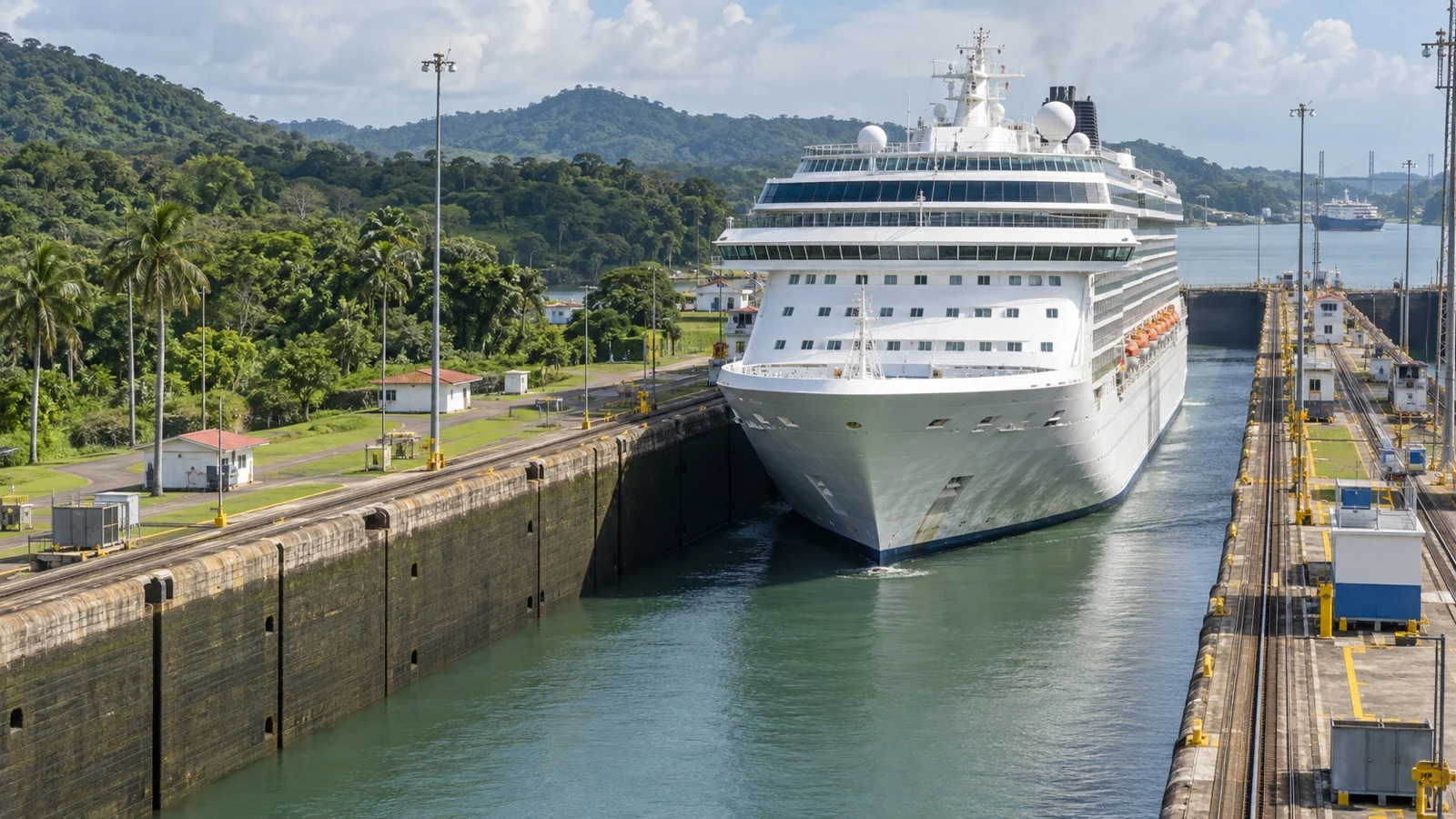
- The canal: A full transit crosses about 50 miles (80 km) of isthmus and takes most of a day.
- The catch: Hawaii ports are terrific and you get the fewest hours in them on this itinerary.
What each one actually is
A Panama Canal repositioning moves a ship between the Caribbean and the West Coast, usually Florida to San Diego or Los Angeles in spring and the reverse in fall. It is a full ocean to ocean transit, which is a different animal from the partial transit sold on Caribbean round trips.
The partial version goes up through the Atlantic side locks into Gatun Lake and comes straight back out the same day. If you want the difference laid out properly, my guide to partial transit versus full transit is the thing to read before you book, because the two are advertised almost identically.
A Hawaii repositioning moves a ship between the West Coast and Honolulu, or takes a round trip out and back from California. It exists because ships need to get to and from Alaska and Australia, and the Pacific is very wide.
The Panama itinerary, port by port
The typical run gives you Cartagena, a Panama call at either Colon on the Caribbean side or Fuerte Amador on the Pacific side, then Costa Rica, often Guatemala, and Cabo San Lucas before the West Coast. That is five or six countries on one ticket.
The Panama stops are easy ports rather than great ones. Both the Colon terminal and Fuerte Amador let you walk straight off with no tender, and the Panama cruise port guide covers what is realistically reachable from each.
The Central American calls are where the excursion money goes. Rainforest, volcanoes, coffee, and a lot of bus time, which is fine if you know that going in.
The transit day is the whole reason to book it
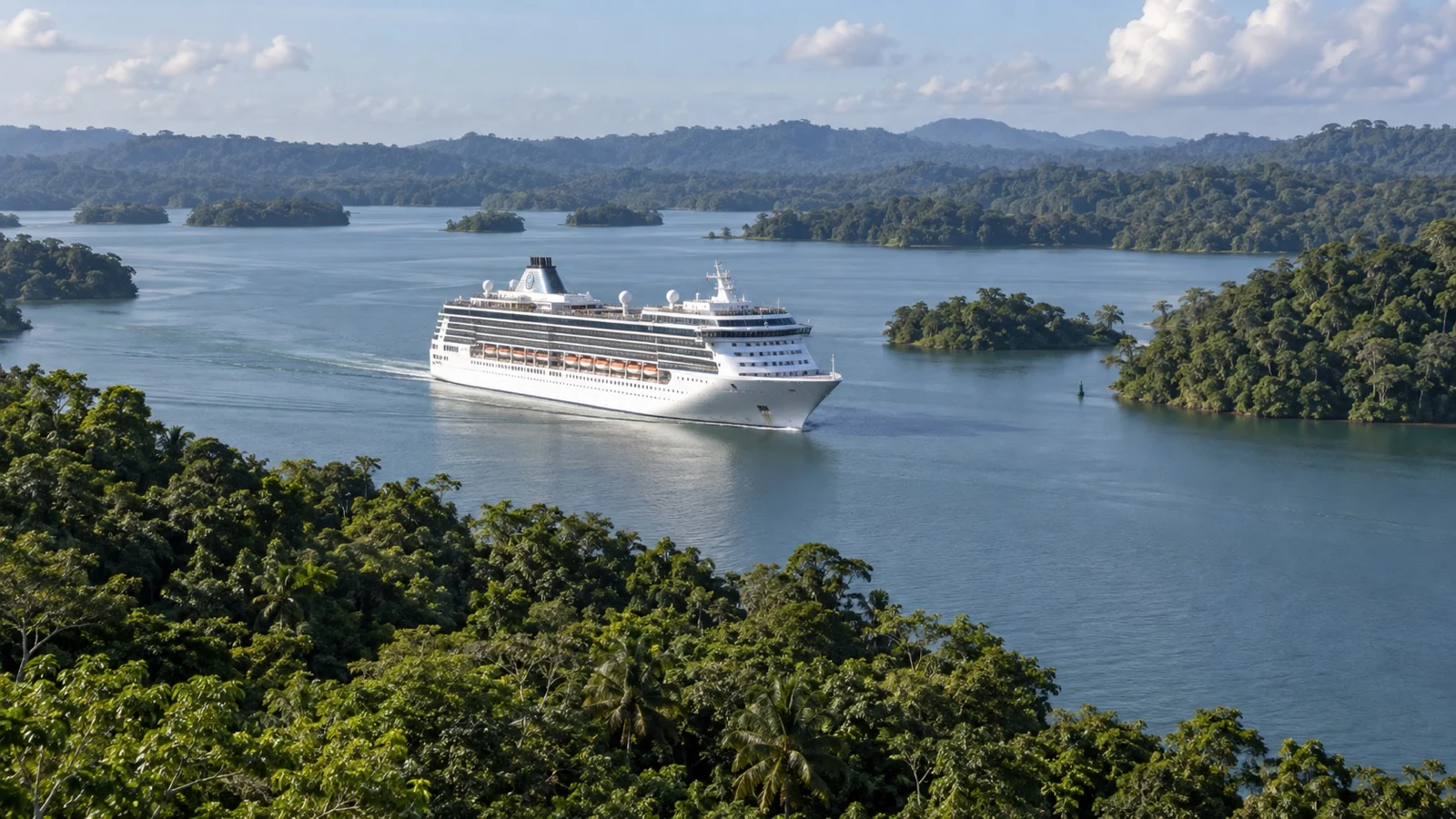
A full transit takes most of a daylight day, roughly eight to ten hours from one ocean to the other. The ship is lifted about 85 feet (26 m) up to Gatun Lake, crosses, and comes back down on the Pacific side.
Depending on the ship’s size and the slot it books with the authority that runs the waterway, you go through either the original lock chambers with their small towing locomotives or the wider set opened in 2016. The old locks are the better show, and people who care about this check which set their ship uses.
Get on deck early and stay there. It is a slow day and the good viewing spots go before breakfast, which is the one piece of advice everyone who has done it repeats.
There is no equivalent moment on the Hawaii run. The crossing itself is the product, and the product is water.
Five days at sea, honestly
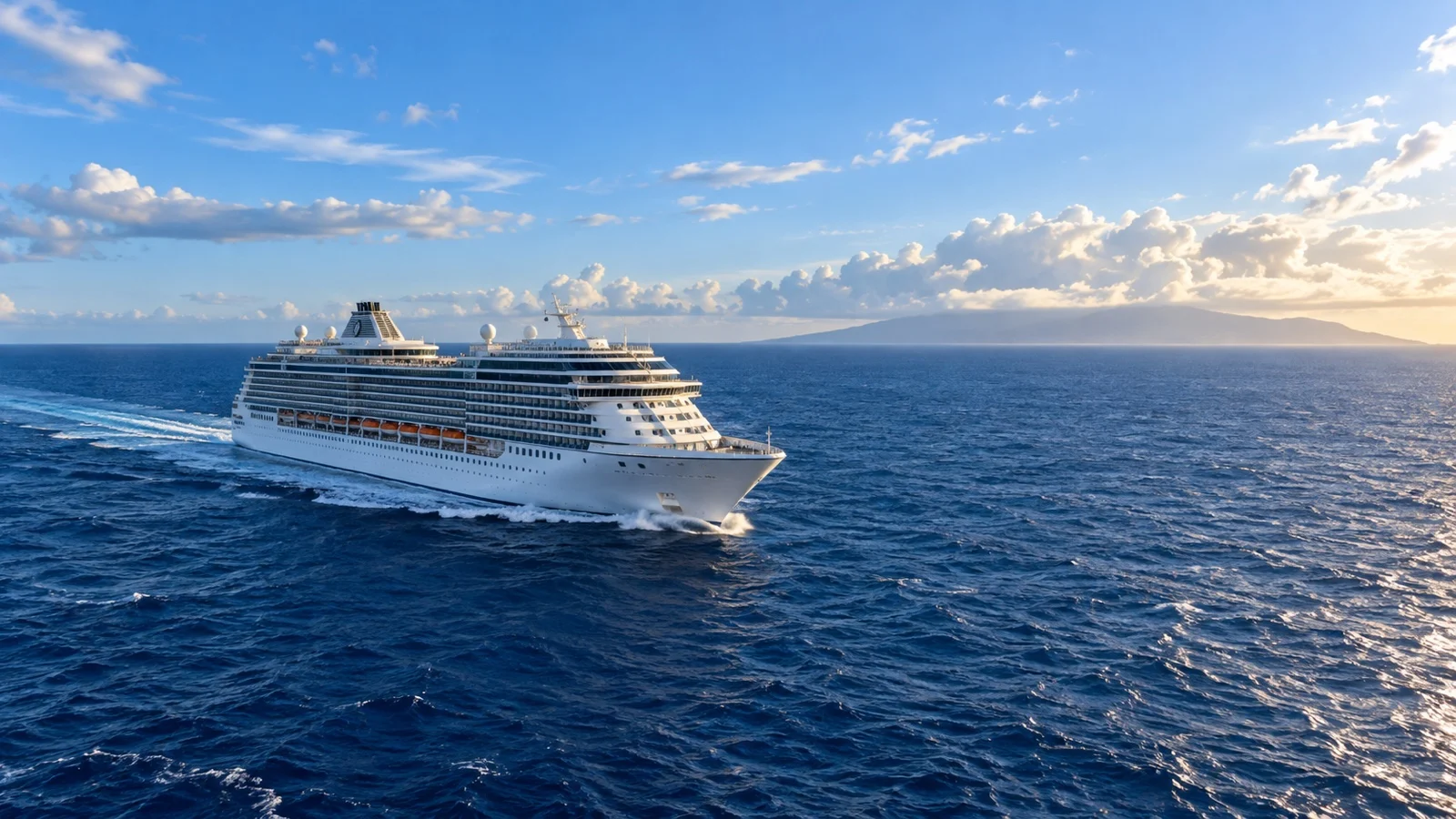
This is the part the brochures soften and I will not. From the California coast to Honolulu is four or five days with nothing on the horizon, and on a round trip you do it twice.
Some people love this and I understand why. You unpack once, you fall into a rhythm, the trivia team becomes real friends, and by day three you have stopped checking your phone because there is nothing to check.
Other people are climbing the walls by day two. If you cruise for the places, if you get restless without a plan, or if your idea of a good day requires leaving the building, this itinerary will not convert you.
There is a simple test I use before booking anything sea heavy. Would you pay for this ship if it never went anywhere, and if the answer is no, book the Panama route instead.
Who does well on each
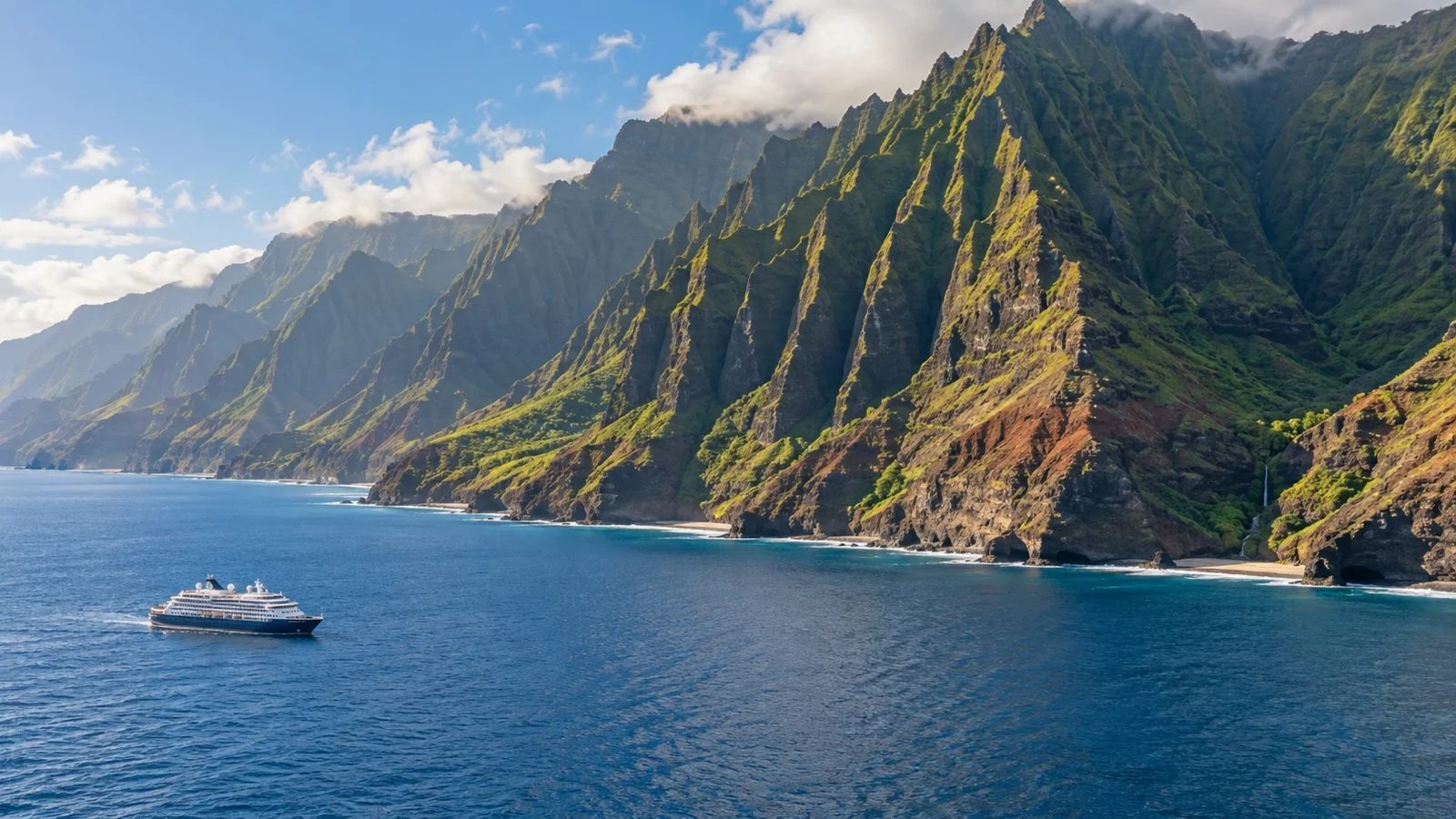
The Hawaii crossing works for a specific list of people, and it works very well for them. My honest breakdown of sea days versus port intensive itineraries goes into the reasoning, but the short version is below.
- Book Hawaii if: You want a rest, you like your ship, and you would happily read for four days straight.
- Book Hawaii if: Someone in your group tires easily and a port every day would wreck them.
- Book Panama if: You want to see things and the ship is transport rather than the point.
- Book Panama if: It is your first time in Central America and you want a survey before choosing where to return.
- Book neither if: You get seasick and have not tested yourself on open ocean, because both spend real time out there.
The Hawaii ports deserve more time than this itinerary gives them
Here is my real complaint with the Hawaii crossing. The islands are the best part and you get the smallest possible taste of them, often three or four port days bolted onto a week and a half of ocean.
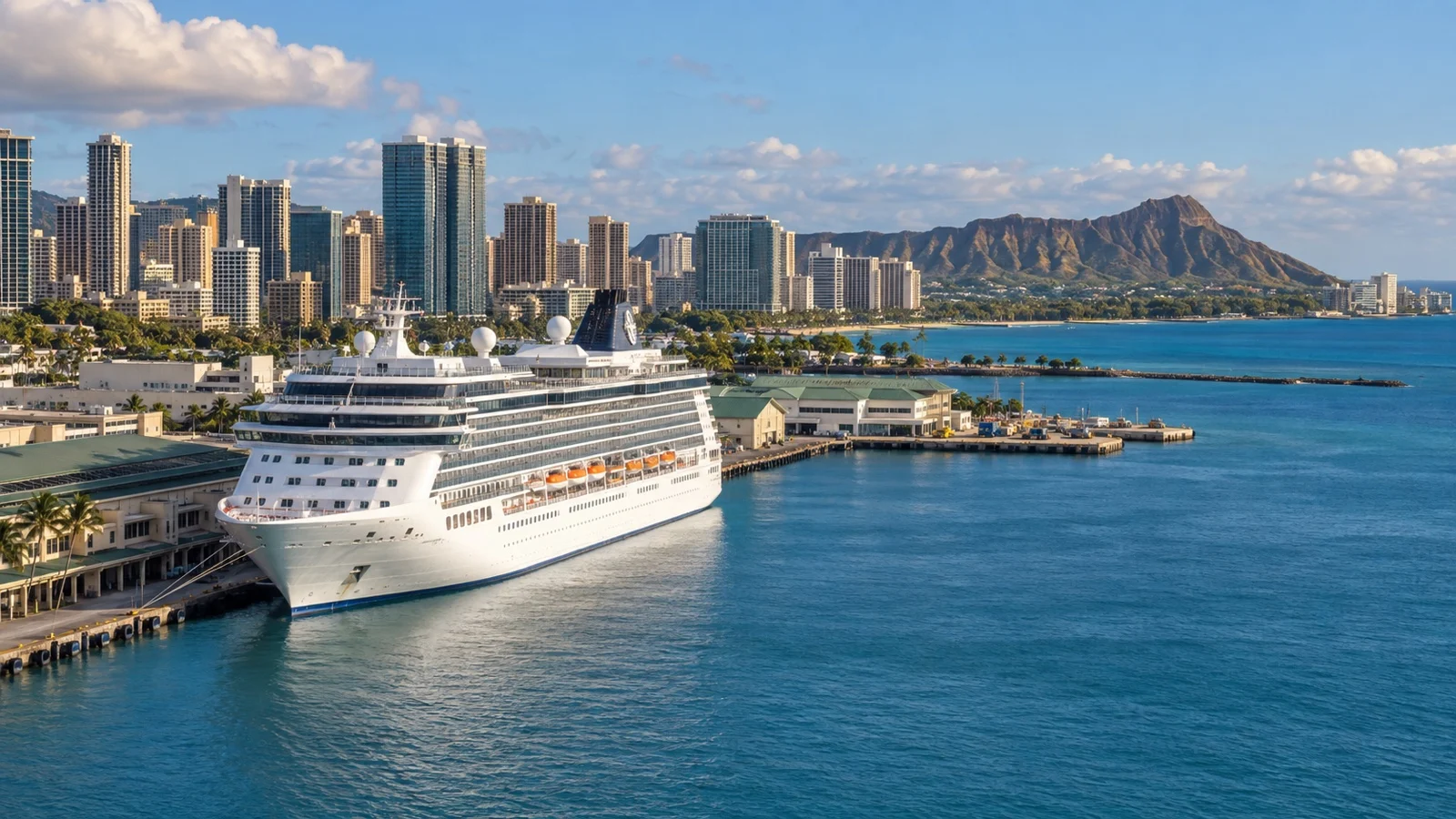
Honolulu, Kahului, Hilo and Nawiliwili all dock alongside, and Kailua-Kona is a tender port, which quietly costs you an hour or more at each end. The guide to all five Hawaii stops is worth reading before you commit to which islands you actually care about.
The headline attractions are also the ones that punish a short call. The Pearl Harbor memorial grounds are free but the Arizona program runs on advance reservations, and the summit sunrise on Maui needs a permit booked ahead, which a ship arriving at 8am cannot give you.
Hilo is the exception and the one I would build a day around. The volcano park sits under an hour inland, it is open around the clock, and it is genuinely worth the drive even on a compressed schedule.
The law that shapes both itineraries
United States law restricts foreign flagged ships from carrying passengers between two different American ports. That single rule explains a lot of the odd shapes you see on these itineraries.
It is why a round trip Hawaii sailing out of California so often adds Ensenada, and why the one way versions frequently start or end in Vancouver instead. My explainer on why the rule exists and how it works covers the details.
The Panama route sidesteps the whole problem because it visits several foreign countries by design. That is a boring reason to prefer an itinerary, and it is still a real one.
Flights, and the part people underestimate
The Panama run is one way, so you fly into Florida and home from California or the reverse. Two one way tickets, both domestic, and both usually reasonable if you book them as a multi city fare rather than separately.
The Hawaii picture depends on which version you buy. A round trip from California is the simplest flying you will ever do for a two week cruise, while a one way to or from Honolulu means a long transpacific flight on one end, and those fares are not cheap in either direction.
Price the flights before you place a deposit, in the same sitting. The cheaper cruise fare is very often the more expensive trip once the tickets are in the cart.
Season, weather and the clock
Panama repositioning runs in the shoulder months, spring westbound and fall eastbound, which lines up with the drier stretch on the isthmus from roughly December through April. Expect heat and humidity on the transit day regardless of month, and expect an afternoon downpour to be possible.
Hawaii sailings cluster around the Alaska season, so ships head west in the fall and east in the spring. The islands are pleasant year round, and the ocean between them and the mainland is the variable you cannot forecast at booking.
One small thing in Hawaii’s favor. The islands do not change their clocks for daylight saving, so the time shift is gentle and spread over several sea days rather than dropped on you.
What you actually spend
Per night, both are cheap for their length, which is the whole appeal of repositioning. The difference is what happens after you board.
Panama has more port days, so it has more excursion days, and Central American tours are not free. Budget by port rather than by night and the number gets a lot more honest.
Hawaii spends less ashore and more onboard, because a sea day with a drinks package and a specialty dinner is still a day you are buying things. Rental cars on the islands are the other line item, and they are worth it on Maui and Kauai if you book early.
The mistake I see most often
People book Hawaii for the islands and get a cruise that is mostly not about the islands. Fourteen nights with four island days is a ship vacation with a Hawaii garnish, and that is a fine thing to want as long as it is what you wanted.
The mirror image happens on the canal side. People book Panama expecting a relaxing two weeks and find themselves on a bus in a different country five mornings running.
Count the days between land on the itinerary before you look at the price. That single number tells you more about the trip than anything else on the page.
My pick
I would book the full Panama Canal transit, Florida to the West Coast, and I would not spend long deciding. You get one of the few genuinely remarkable days in cruising, five or six countries, and a sea day pattern that never asks more of you than two in a row.
The Hawaii crossing is the right answer only if you already know you love sea days, and I mean know rather than assume. If you want Hawaii itself, fly there and take the inter island loop out of Honolulu, which gives you islands every single day and no ocean to sit through.
Quick answers
How many sea days on a Hawaii cruise from California?
Four or five in each direction, back to back, with no land in between. A round trip means you do that stretch twice.
Is the Panama Canal cruise worth it?
Yes, if you book a full transit rather than a partial one. The ocean to ocean crossing is the day people remember years later, and the partial version is a much smaller experience.
Which repositioning cruise is better for first time cruisers?
Panama, because port days break the trip up and you find out what you like. A first cruise with five consecutive sea days is a large bet on a ship you have never sailed.
Why do Hawaii cruises stop in Ensenada?
American law limits foreign flagged ships carrying passengers between two United States ports, so a foreign call solves the problem. It is a legal stop first and a port day second.
How long does a full Panama Canal transit take?
Roughly eight to ten hours of daylight from one ocean to the other, covering about 50 miles (80 km). Plan to be on deck for most of it.
Final word
These two get filed together because they are both long, both one way and both cheap per night, and that is where the similarity stops. One is a moving tour of Central America with a famous day in the middle, the other is a floating hotel with a Pacific crossing attached.
Pick the shape, not the price. If you are unsure which one you are, take the canal, because a bad port day is still more interesting than a fifth morning of the same horizon.
How this guide was researched: Canal transit lengths and lock arrangements, Hawaii docking and tendering arrangements, national park access and reservation requirements, and the coastwise shipping rule that shapes both itineraries were checked in November 2026. Itineraries, port calls, park reservation systems and airfares change from season to season, so confirm the details for your own sailing before you book. See our Editorial Policy.
More on this topic: browse every guide on choosing a cruise.