Cruise Ports With Hot Springs and Thermal Baths Near the Pier
Steam coming off a pool of hot water on a cold morning is one of the few port day experiences people actually remember a year later. It is also one of the easiest to get wrong, because the most famous soaks are usually the furthest from the pier.
My quick take
The best hot spring port days are the ones where the water is close enough that you are not doing math in your head the whole time you are in it. That rules out most of the postcard names, and it puts a plain municipal pool with a hot pot in it near the top of my list.
I would rather have ninety unhurried minutes in warm water twenty minutes from the ship than a rushed hour in a famous lagoon after two hours in a van. If the only soak at a port involves a long inland drive, I book it through the ship or I skip it.
The quick facts
- Best odds: Iceland, northern Japan, Budapest and the Azores put real thermal water within a sane radius of the ship.
- Book ahead: The Icelandic lagoons sell timed entry and fill up, so treat a reservation as mandatory.
- Tattoos: Some traditional Japanese baths still refuse them, and the rules vary building by building.
- Nudity: Traditional onsen are bathed in the nude, gender separated, and you wash thoroughly before you get in.
- Leave it in the safe: Mineral water tarnishes silver and some gold, so no jewelry goes in the pool.
What actually makes a soak worth a port day
A soak is a low intensity activity that eats a surprising amount of clock. Changing, showering, drying your hair and getting dressed again runs about forty minutes on top of whatever time you spend in the water.
So the question is not whether a hot spring exists near the port, it is whether transit and that overhead and a return buffer still leave enough water time to justify the ticket. My rough rule is forty five minutes each way, and past that the soak becomes a logistics exercise you paid for.
Reykjavik: skip the famous one, book the close one
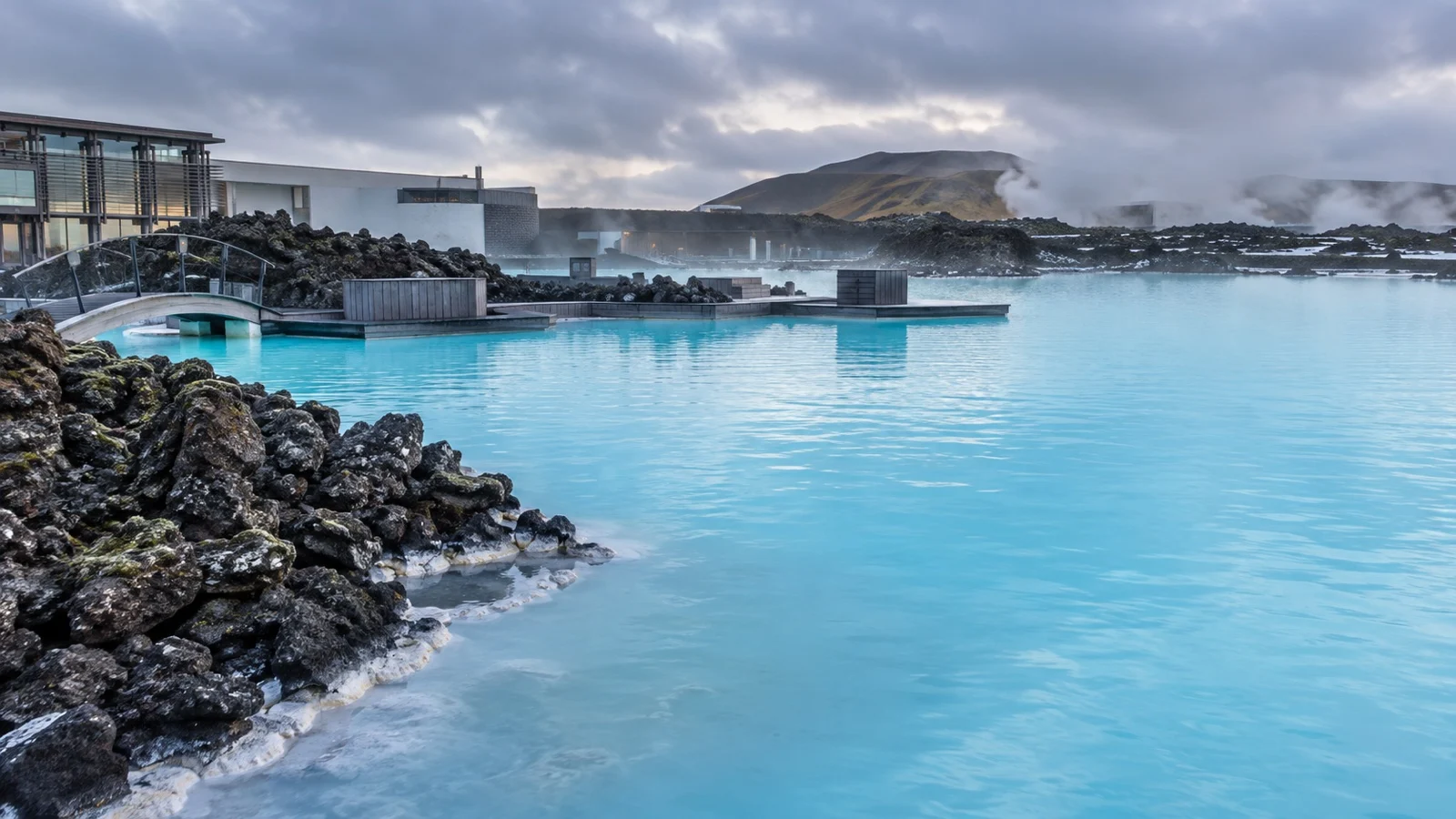
Large ships tie up at Skarfabakki, roughly 2.5 miles (4 km) from the city center, so nothing here starts at your feet. The famous milky blue lagoon sits out on the Reykjanes peninsula well beyond the city, and the round trip swallows most of a port day.
It also requires a reservation before you show up, and volcanic activity on that peninsula has forced closures in recent years. That is exactly the combination I do not want standing between me and an all aboard time.
The newer geothermal lagoon on the Kopavogur shoreline is far closer and built around a multi step warm and cold ritual. My Reykjavik port guide covers the shuttle and taxi options, and either one fits comfortably inside a normal call.
Akureyri and Isafjordur, where the town pool quietly wins
Akureyri berths sit about a third of a mile from the town center, a five to ten minute walk. The town swimming pool has heated outdoor water and hot pots, and it costs a fraction of what a designer lagoon does.
For the upgraded version, the forest lagoon across the fjord is about 2.2 miles (3.6 km) out and roughly five minutes by car. It opens at 9am daily, and a towel is a separate rental rather than something included with basic entry.
The famous nature baths out east are a long drive each way and only work as a full day tour. Isafjordur is the same story in miniature, with a flat five to ten minute walk into town and a geothermal pool locals actually use.
Beppu is the one that earns the whole day
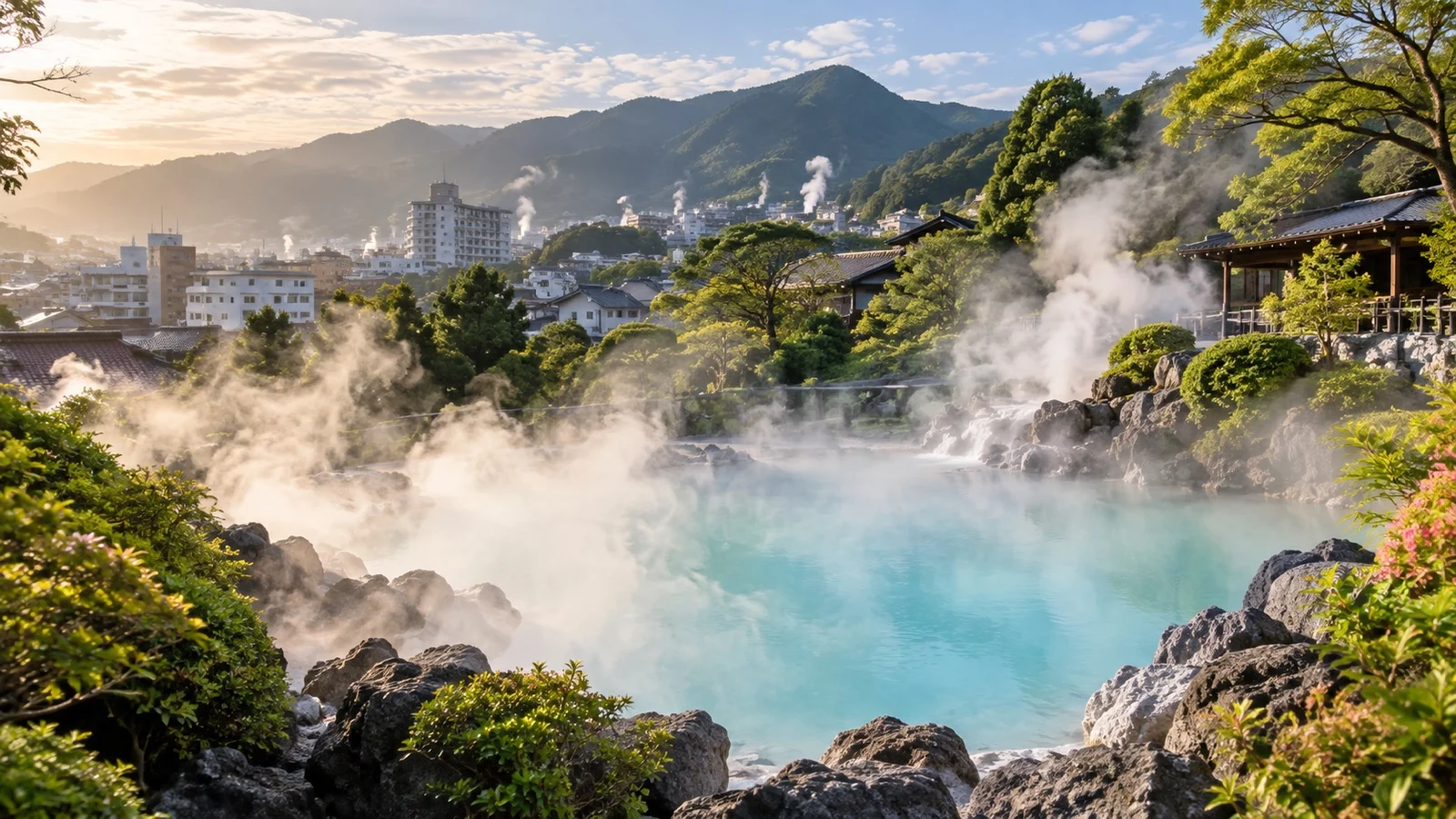
Beppu is the rare port where hot water is the entire point of the town rather than a side trip. Ships come alongside at Ishigaki Wharf, and downtown is about 1.2 miles (1.9 km) away with a mandatory shuttle, since you cannot walk out through the working port.
Central bathhouses are the easy option and a couple of the best known ones sit right in town. The steaming hells uphill to the northwest are for looking at, not getting into, and they need transport beyond the city shuttle.
With dozens of baths at different price points, this is the port where a wrong turn still ends well. My Beppu port guide covers the wharf and the shuttle.
Hakodate, Muroran and Aomori: the northern Japan calls
Hakodate has a seaside hot spring district on the eastern edge of town, and the streetcar runs out there in usually around half an hour. Mid size ships use Wakamatsu Wharf, about ten minutes on foot from the morning market and the tram, so the whole chain works.
Muroran is the gateway to Hokkaido’s best known hot spring resort and its sulfur valley boardwalks. Getting there means two transfers each way, which makes it a committed half day and the clearest case on this list for simply buying the ship tour.
Aomori docks you about a twenty minute walk from the main station, with a small hot spring town a short train ride up the coast. The mountain baths in the volcanic range south of the city are beautiful and genuinely far, so an organized tour is the honest answer there.
Kagoshima, the volcano footbath and the sand bath question
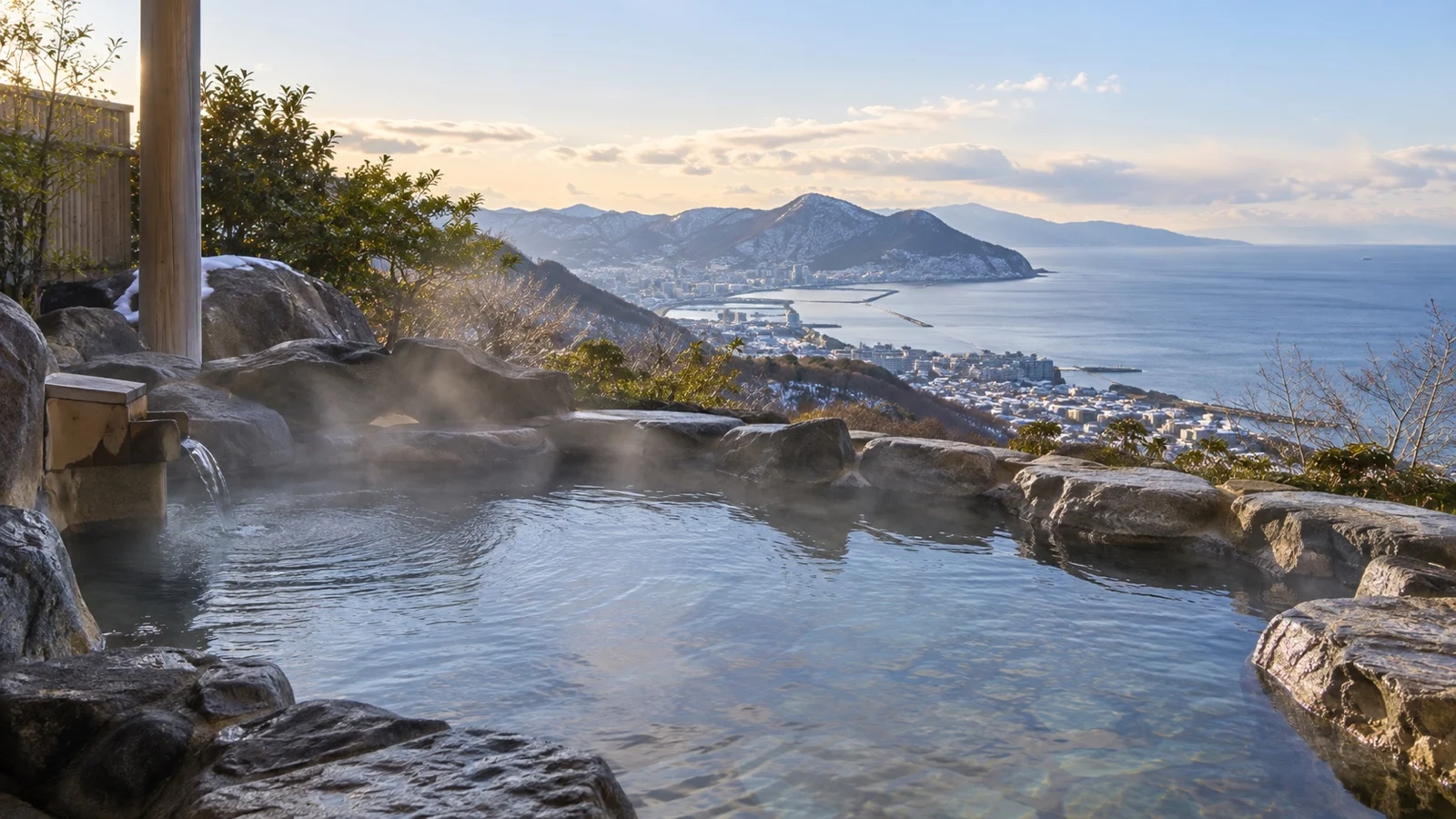
Big ships use Marine Port Kagoshima, about 3 miles (5 km) south of the city center with no walkable route into town. The shuttle drops you near the streetcar, and the ferry across to the volcano runs around the clock and takes fifteen minutes.
On the far side a free public footbath runs roughly 330 feet (100 m) along the shore, about eight minutes on foot from the ferry terminal. It is open from 9am to sundown, and for a port day it is close to a perfect low commitment version of the idea.
The sand baths where you get buried in naturally heated black sand are down the coast at Ibusuki, and that is a real trip. Figure the better part of an hour each way from the main city station, plus getting to the station first, so I would only try it on a long call or as a ship excursion.
Tauranga: check before you count on the pools at the base of the hill
Tauranga is an alongside berth on the Mount Maunganui side, and the saltwater hot pools at the foot of Mauao are a short walk from the wharf. That is normally the best pier to pool ratio anywhere in this article.
As of this writing those pools are closed until further notice after landslides on the hill above them in January 2026. Confirm they have reopened before you build a morning around them, because the fallback is a much bigger day.
That fallback is Rotorua, about an hour each way on winding roads. The lakefront mineral spa there takes walk ins for the public pools, but my Tauranga guide is right to push you toward an organized tour with a return buffer built in.
Ponta Delgada, Furnas and the swimsuit you are about to ruin
Ships come alongside at Portas do Mar, right at the edge of town. The thermal valley is in the eastern half of the island, which makes it a full day commitment rather than a quick add on.
The water in the big botanical garden pool there is iron rich and the color of strong tea. It stains pale swimwear, so bring the dark suit you do not care about and accept it may come home a different color.
Budapest is the easiest soak on this list
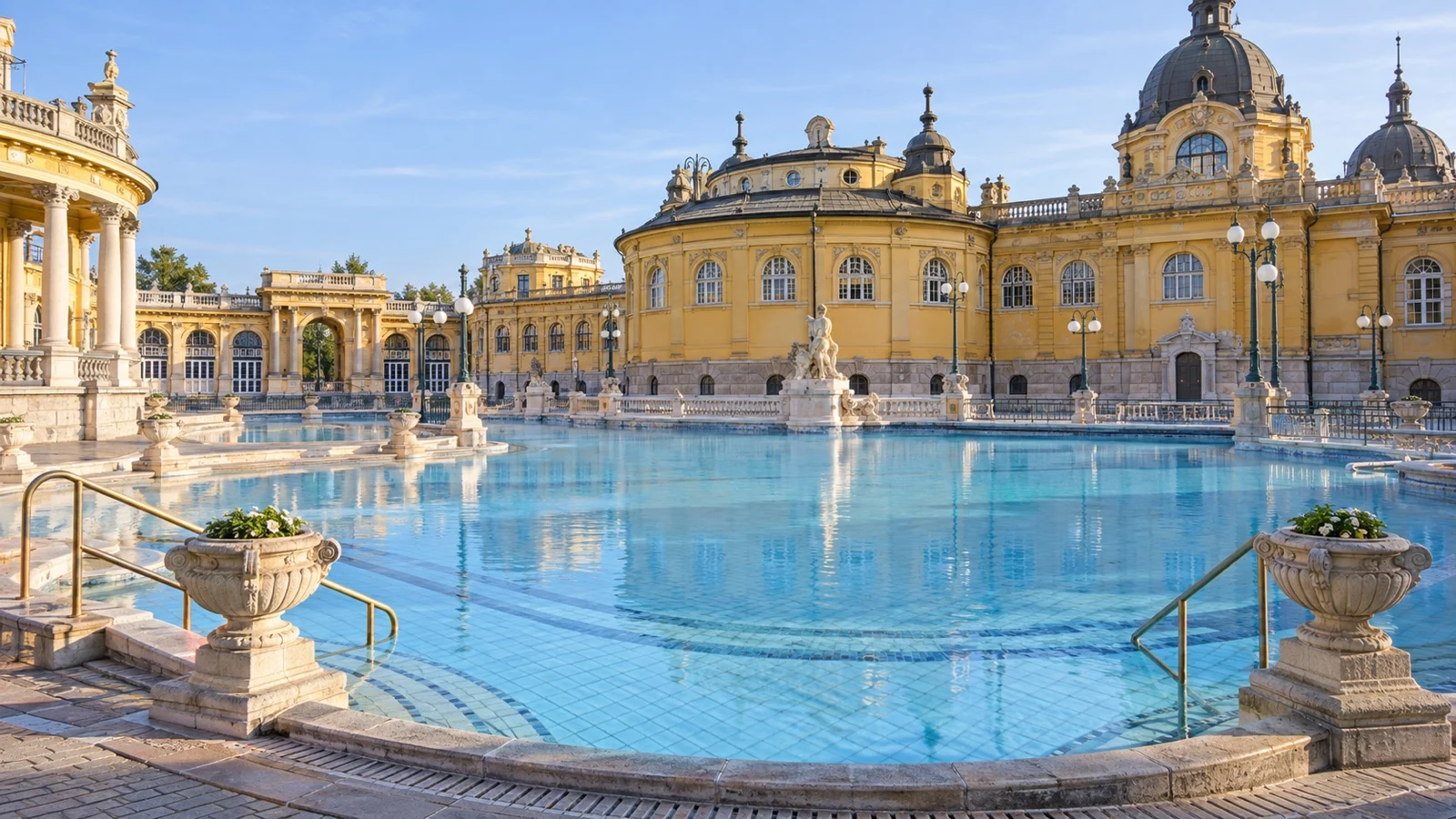
River ships moor on the Pest side lower quay, and the Ottoman era octagonal bath across the river is about a ten minute walk from the main piers. It runs men only and women only sessions on weekdays plus mixed days, so check which day you are there.
The enormous yellow bath palace out in the city park is about ten minutes on the little yellow metro line, and early morning tickets cost less. The grand art nouveau one is closed for a long renovation, so do not plan around it.
River itineraries usually include an overnight here, which removes the timing problem entirely. My Budapest berth guide explains why confirming your mooring the night before matters more than usual in this city.
Onsen etiquette, and the tattoo question nobody warns you about
A traditional Japanese bath is not a swimming pool and does not work like one. You undress completely in the changing room, wash and rinse thoroughly at a seated washing station, and only then get into the shared tub.
Swimwear stays in the locker, changing rooms and the vast majority of baths are gender separated, and the small towel you are given never touches the water. Fold it onto your head or the rim of the tub, which is what everyone around you is doing.
Tattoos are the part that catches American travelers off guard, because some traditional baths still turn away visitors with visible ink, though that is slowly changing. Cover stickers handle something small, and for anything larger the reliable moves are a bath that advertises itself as tattoo friendly or a private rentable one booked ahead.
The booking problem
The Icelandic lagoons run on timed entry and they genuinely sell out in summer. The slot you buy is the slot you get, which means a late arrival can cost you the ticket outright.
I book the latest realistic slot rather than the earliest, because tenders run late far more often than they run early. I also read the refund window before I pay, since a missed port is not usually the operator’s problem.
Most Japanese public baths and most Icelandic municipal pools need no reservation at all, which is part of why I like them. New Zealand mineral pools generally take walk ins, while private pools and treatments want a booking.
What to bring, and what not to touch
Almost every one of these places will rent you a towel, and almost none include it in the cheapest ticket. A thin travel towel in your bag is the easiest way to stop paying that small fee at every port.
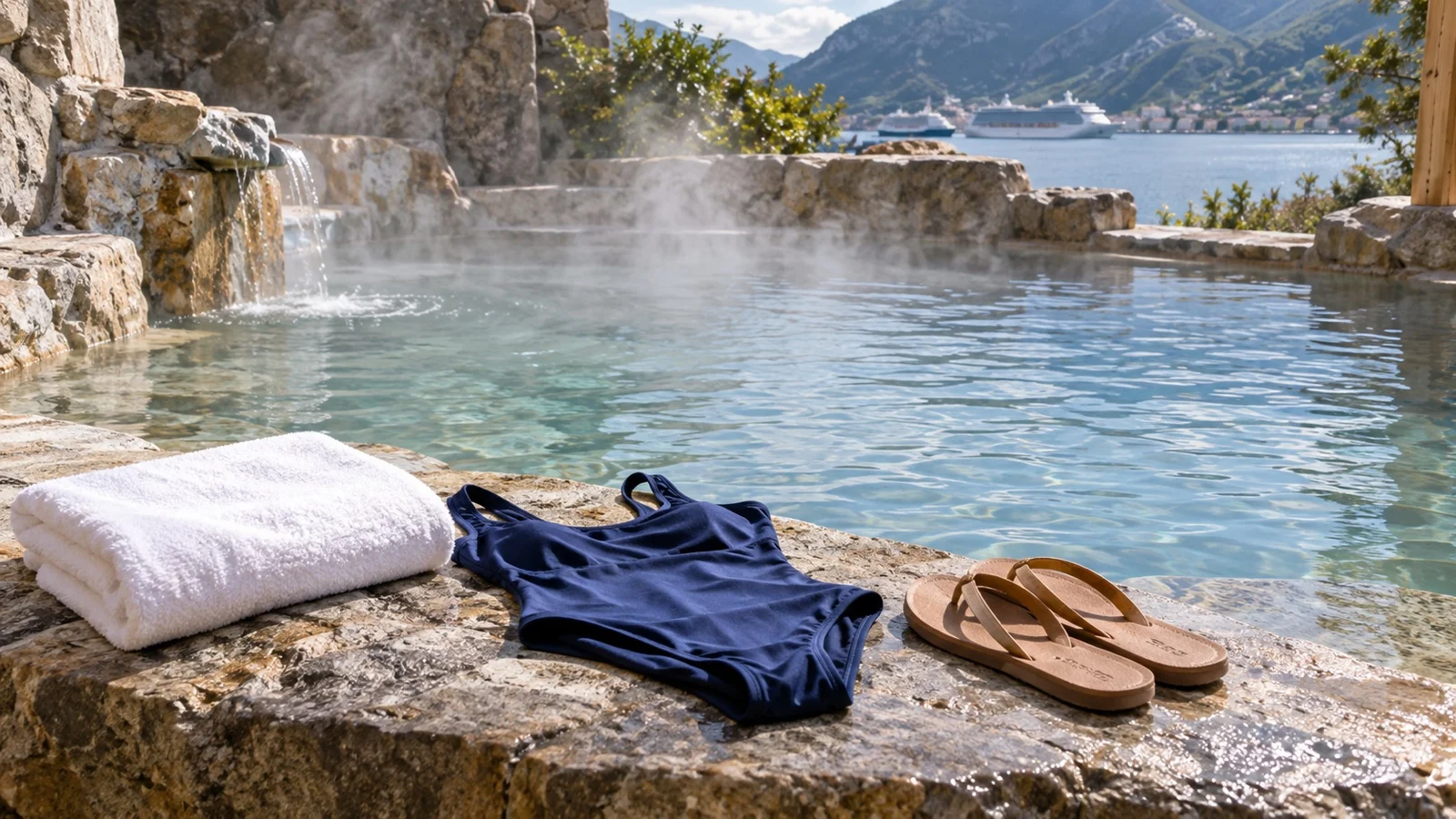
- Dark swimsuit: Iron and sulfur water stains pale fabric, sometimes permanently.
- No jewelry: Mineral water tarnishes silver and some gold, so leave it in the cabin safe.
- Conditioner: Silica heavy water leaves long hair like straw, and tying it up helps more than you expect.
- Flip flops: Wet stone decks in cold climates are exactly as slick as they look.
- Small bills: Lockers, footbath towels and vending machines often want coins or cash.
The jewelry warning is not a myth, and the mineral pools in Rotorua ask you to take everything off before you get in. My port day bag list covers the rest, and the soak specific additions are a dry bag and a plastic sack so a wet towel is not sitting against your camera.
Developed baths are engineered and monitored, and wild pools and open geothermal fields are neither. The crust around a hot spring can look like solid ground while sitting over water hot enough to cause severe burns, which is why every managed geothermal basin says the same thing about staying on the boardwalk.
The other hazard is invisible. Volcanic gas pools in dips and low ground, so a roped off area or a sign telling you not to linger is usually about air rather than scenery.
The timing math I run before I commit
I start from the all aboard time and work backward, never forward from arrival. Then I subtract ninety minutes at tender ports and an hour at alongside berths, because that buffer is the only thing between you and a very expensive taxi to the next port.
Then I subtract transit each way, forty minutes for changing and drying, and the shuttle interval where a shuttle is mandatory. At Beppu and Kagoshima the shuttle schedule, not the all aboard time, is the real deadline.
Whatever is left is your actual water time. If it comes out under an hour, I downgrade to a footbath and a town walk or I hand the problem to the tour desk and let them own the risk.
The ones I would skip, and the ones I would save for a turnaround day
Ischia from Naples is the classic trap. A ferry each way plus local transport at the far end leaves very little pool time, and what you are risking is the last boat back rather than a bus.
Vulcano in the Aeolians is a lovely idea and a bad plan. Lipari is a tender port where the call itself gets canceled in wind, and access to the mud pool has been restricted at times over gas concerns, so confirm before you count on it.
Volcanic springs inland from the Costa Rican Pacific coast are hours away when a cloud forest trip is already two to three hours each way. Puerto Vallarta has no thermal option close enough to bother with, and the Chilean fjord springs only exist for small expedition ships, since large ships do scenic cruising there with no landing at all.
The historic thermal spa in the English city of Bath is genuinely worth a day, and it is a couple of hours each way from Southampton or Portland. Do that one on an embarkation or disembarkation day, and note that the rooftop pool is adults only with a minimum age of 16.
One honorable mention that is not thermal at all. Madeira’s lava rock sea pools and the sea pools on the outer Azorean islands are ocean water in volcanic rock, beautiful and cold and worth doing on their own terms.
Quick answers
Can you do the Blue Lagoon on a Reykjavik cruise stop?
Only on a long call, and only with a reservation made well in advance. It eats most of the day, and the closer lagoon on the Kopavogur shore gives you the same idea with far less risk.
Do Japanese onsen allow tattoos?
Some do and some still do not, and it varies from one bathhouse to the next in the same town. Look for a facility that advertises itself as tattoo friendly, or reserve a private bath so the question never comes up.
Do you wear a swimsuit in a Japanese hot spring?
Not at a traditional onsen, where bathing is done nude in gender separated baths after a thorough wash. Resort style bathing complexes and water parks do use swimsuits, so read the entrance signage before you undress.
Should I book the ship excursion for a hot spring?
Yes when the water is more than about forty five minutes from the pier, which covers Rotorua, the Hokkaido hot spring resorts and the Azorean thermal valley. For anything walkable or one short shuttle away, going independently is cheaper and usually nicer.
Will hot spring water ruin my jewelry?
Mineral and sulfur rich water tarnishes silver and can affect some gold, and operators themselves ask you to remove everything. Leave rings and earrings in the cabin safe rather than in a rented locker.
Final word
The soaks worth planning a port day around are the boring sounding ones. A town pool in northern Iceland, a free footbath across a volcanic bay, a bathhouse ten minutes from where the shuttle drops you.
The famous ones are famous for good reasons and most of them are simply in the wrong place for a ship day. Book those on a land extension and let your port day be the easy version, because warm water stops being relaxing the moment you start watching the clock.
How this guide was researched: Pier distances, bath locations, booking rules, bathing etiquette and current closures were checked against official operator and destination information in September 2026. Hours, prices, reservation windows and temporary closures change often, so confirm the details for your own sailing date. See our Editorial Policy.
More on this topic: browse every guide on shore excursions and DIY port days.