Beppu Cruise Port: Ishigaki Wharf, Hells and Onsen
Beppu is one of Japan’s most distinctive cruise calls because the city sits on a landscape shaped by steam, mineral water, and volcanic heat. A port day can pair the famous geothermal Hells with a real hot-spring experience, but only if you keep the geography and timing straight.
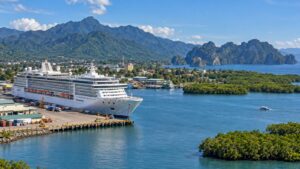
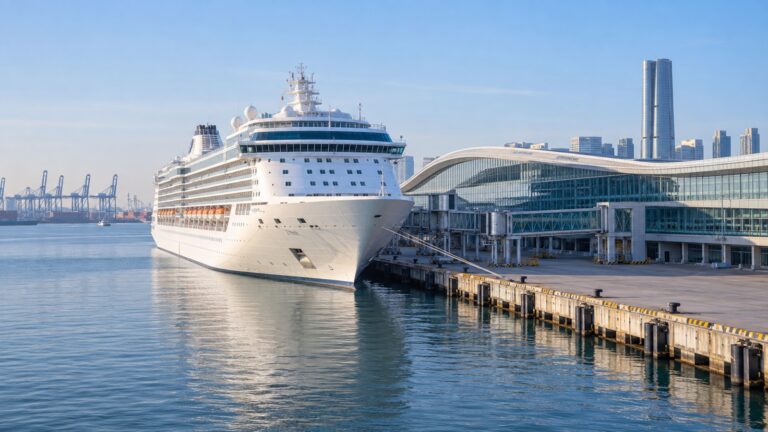
Your ship normally uses Ishigaki Wharf on the northern side of Beppu’s waterfront. The berth is close to the city by vehicle, yet it is not the kind of terminal where I would assume you can step off the gangway and immediately walk to every attraction.
Beppu cruise port quick facts
- Usual cruise berth: Ishigaki Wharf in Kitaishigaki, Beppu
- Official berth details: Berth No. 4 is listed at 280 meters with a depth of 10 meters
- Downtown distance: About 2 kilometers, or roughly 10 minutes by vehicle in normal conditions
- Nearest rail station: JR Beppu Daigaku, also called Beppu University Station
- Signature attraction: The seven geothermal Hells of Beppu
- Best plan for a first visit: Hells in Kannawa, a real onsen if desired, then downtown Beppu
- Important distinction: The Hells are for viewing, not bathing
- Port-day caution: Confirm the shuttle stop and final return before leaving the terminal
My quick take on Beppu
I would build the day around one major geothermal experience instead of trying to collect every attraction in Oita Prefecture. The classic choice is a focused Hells visit followed by either an onsen soak or an easy look around central Beppu.
Beppu rewards travelers who slow down enough to notice its atmosphere. Steam rises from neighborhood vents, bathhouses remain part of everyday life, and even lunch can be cooked with geothermal vapor.
Where cruise ships dock in Beppu
Japan’s official cruise-terminal information identifies Ishigaki Wharf in the Port of Beppu as the cruise facility. Its 2026 specification lists a terminal, restrooms, tourist information, free Wi-Fi, limited-hour currency exchange, and space for taxis.
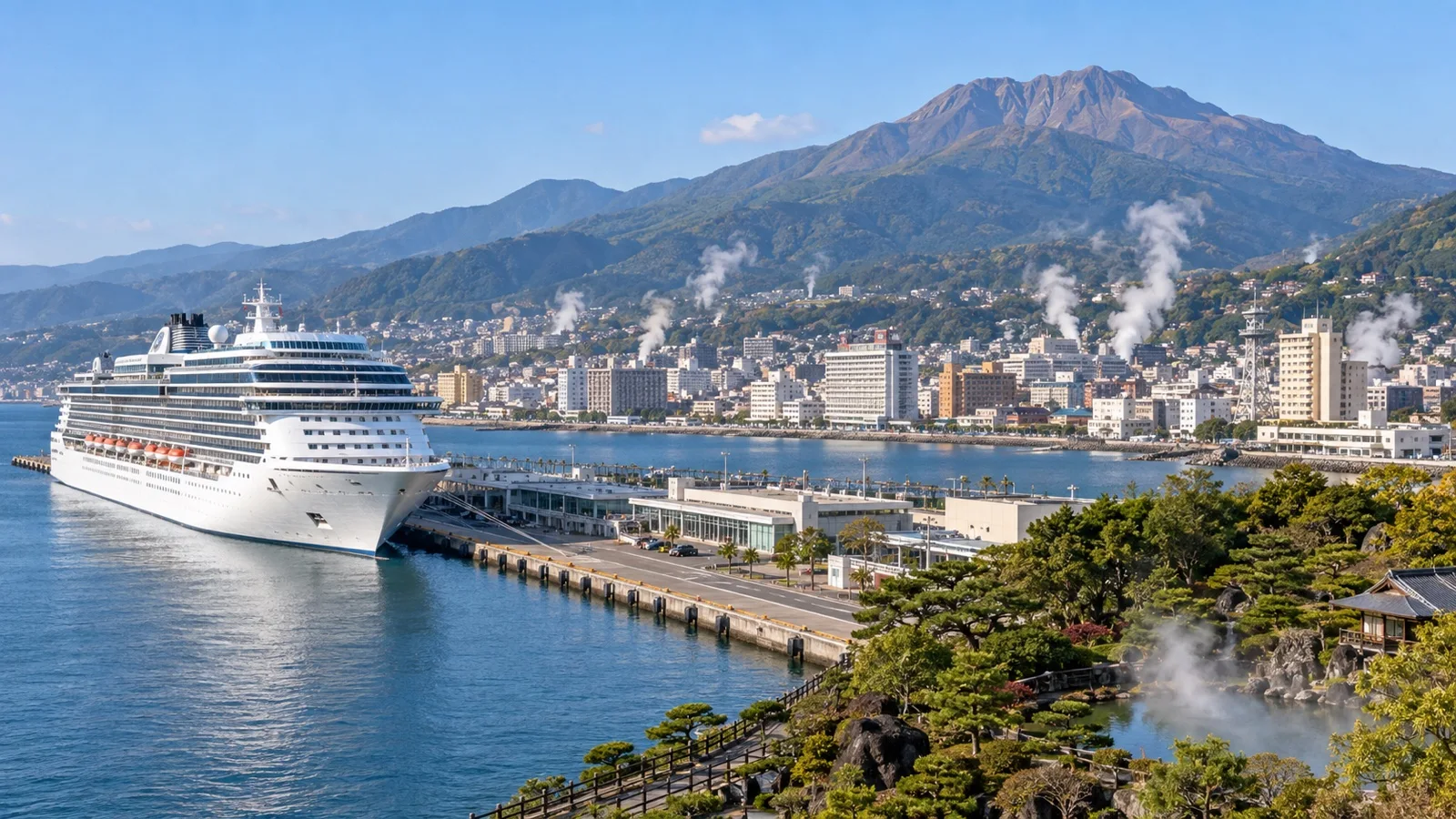
The same official document says the downtown area is about 2 kilometers away and indicates that a shuttle is needed. A shuttle may be arranged for a particular ship, but its route, operating hours, and pickup point can vary by call.
Look for the transportation notice provided by your cruise line or the local welcome team before you walk away. Photographing the posted return schedule is one of the simplest ways to prevent confusion later.
Getting from Ishigaki Wharf to the city
If a complimentary shuttle runs to Beppu Station or another central stop, it is usually the easiest way to begin an independent day. Ask whether the same stop is used for the return because temporary traffic plans sometimes separate arrival and departure points.
Taxis are useful when time matters, especially for two or more travelers going directly to Kannawa. Have the attraction name available in Japanese or show the driver its official map pin, since a broad request for the Hells may not identify the exact entrance you want.
Local buses connect central Beppu with the hot-spring districts and the Hells. They can work well for independent visitors, but check the current timetable and stop numbers locally rather than relying on an old travel blog.
JR Beppu Daigaku is the nearest rail station cited in the official port specification, though it is still listed as about five minutes away by car. Beppu Station is more useful for most visitors because it anchors the downtown sightseeing area and has broader transport connections.
Understanding Beppu’s geography
Central Beppu lies along the coast, while the most famous geothermal sights sit uphill in the Kannawa and Kamegawa areas. That difference matters because the Hells are not a compact downtown attraction beside the cruise berth.
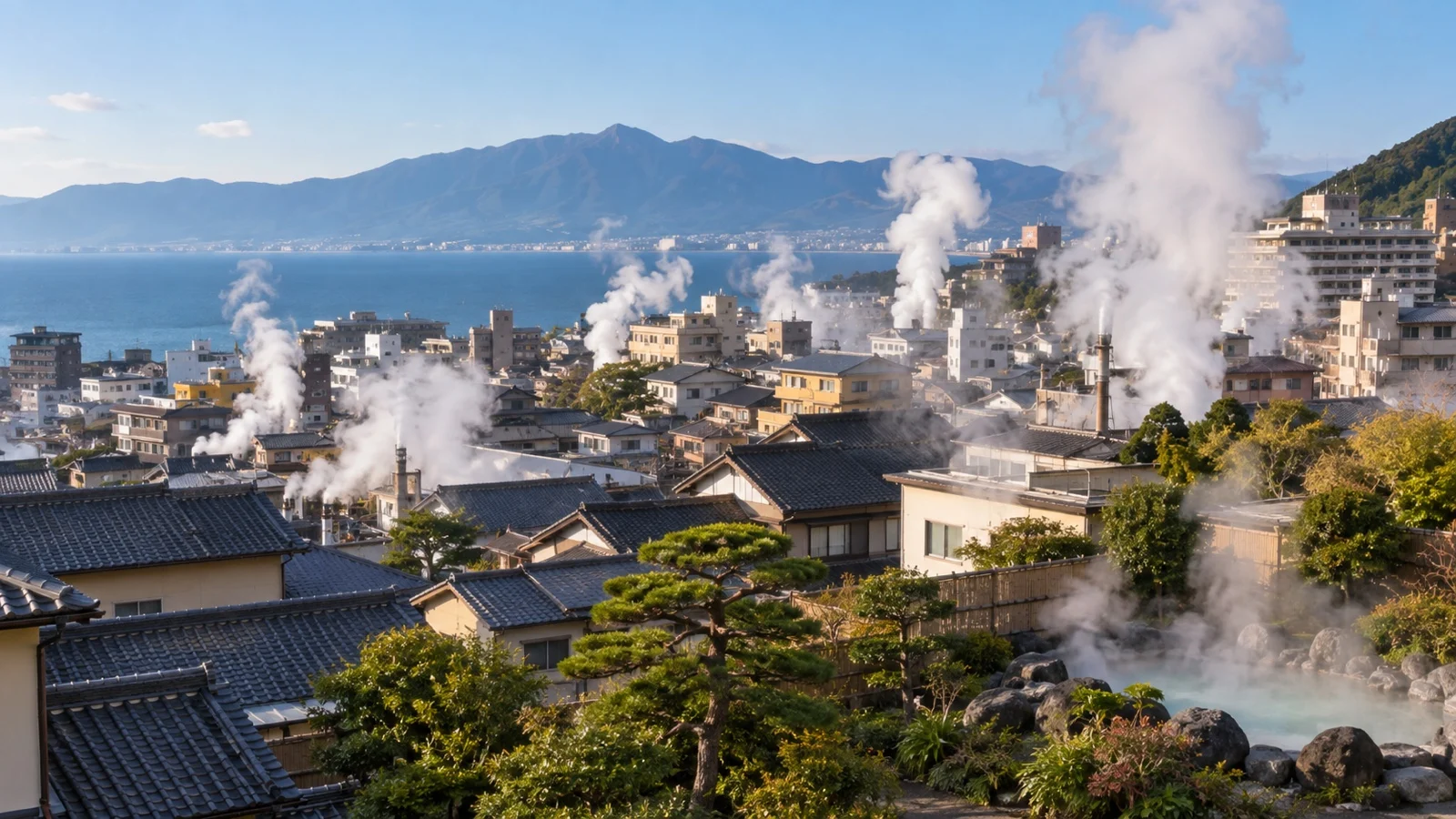
Most of the seven Hells form a walkable cluster around Kannawa. Chinoike Jigoku and Tatsumaki Jigoku sit together in a separate area, so completing all seven requires an additional bus or taxi connection.
The seven Hells of Beppu
The official Beppu tourism site identifies seven designated Hells: Umi, Oniishibozu, Kamado, Oniyama, Shiraike, Chinoike, and Tatsumaki. Each presents geothermal activity in a different form, from cobalt water and bubbling mud to red water and a regularly erupting geyser.
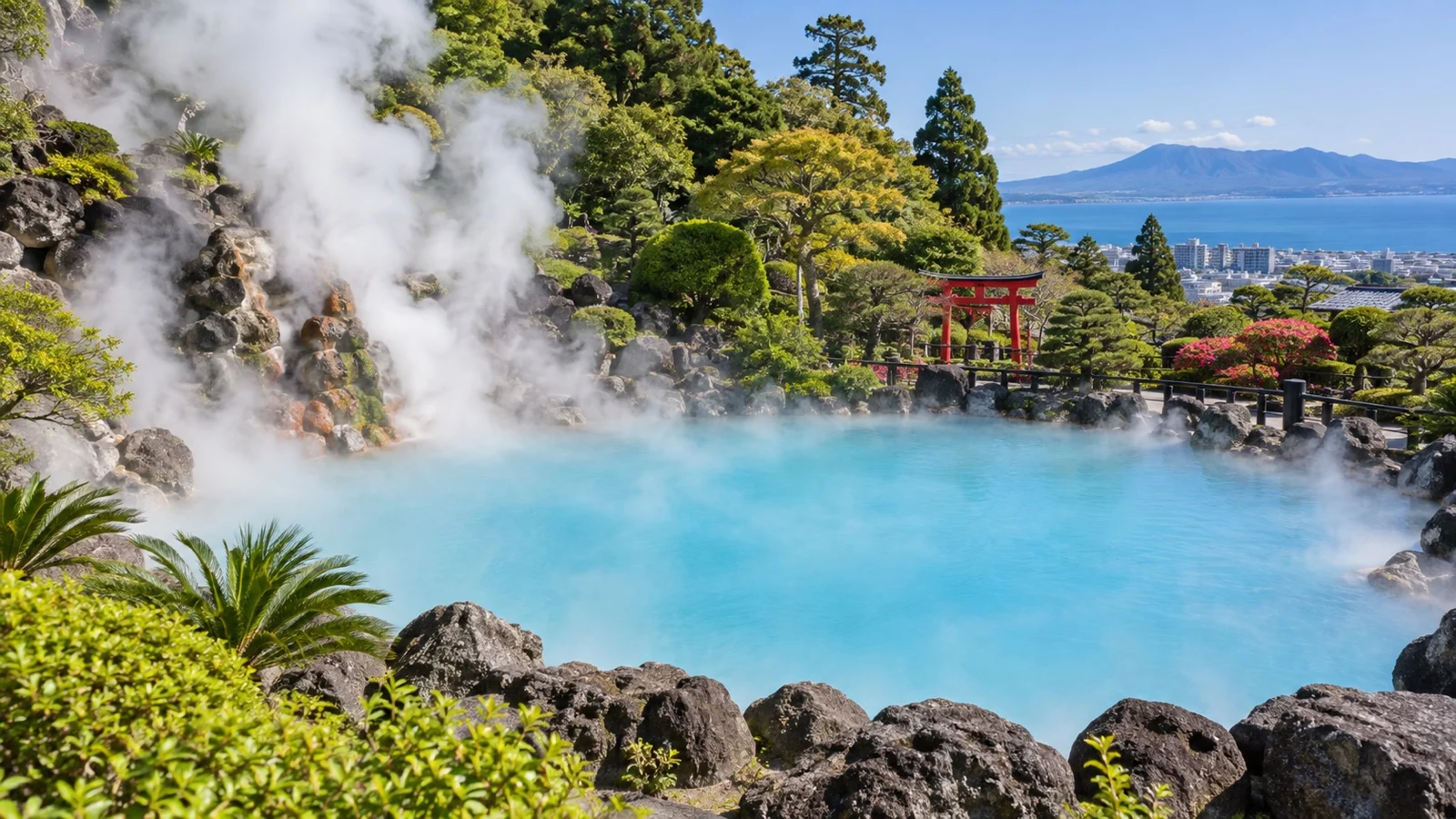
Umi Jigoku is often the strongest single choice for a first-time visitor because of its vivid blue pool and landscaped grounds. Kamado Jigoku offers a more varied introduction with several features, demonstrations, and visitor facilities in one stop.
Oniishibozu Jigoku is known for pale mud bubbles that resemble a monk’s shaved head. Oniyama Jigoku uses geothermal heat in a crocodile-breeding facility, while Shiraike Jigoku centers on a milky blue-white pond.
Chinoike Jigoku has the dramatic iron-rich red water that appears in so many Beppu photographs. Nearby Tatsumaki Jigoku is the geyser stop, and the official tourism site notes that visitors may need to wait for its next eruption.
Can you see all seven Hells on a cruise day?
Yes, on a sufficiently long call, but I would not treat the official two-hour sightseeing estimate as the total time needed from the ship. You must add port transfers, bus or taxi waits, ticketing, walking, photos, rest stops, and a safe return margin.
A realistic independent circuit can consume much of a half day. If your ship offers only a short visit, choose two or three Hells in Kannawa and leave the separate Chinoike pair for another trip.
For a six-hour call, use the same disciplined approach I recommend in this guide to planning a short port day. Count backward from the all-aboard time before deciding how many stops fit.
The Hells are not onsen baths
This is the most important expectation to set before visiting. The Hells are extremely hot geothermal viewing sites, and guests do not enter their main pools.
Some facilities offer a safe footbath, which is a pleasant taste of Beppu’s hot-spring culture. A full-body soak requires a proper onsen or public bathhouse designed for bathing.
How to add a real Beppu onsen
Kannawa is the easiest district in which to combine a Hells visit with a bath. Choose a facility with hours and admission rules that fit your port schedule, and confirm whether it accepts day visitors.
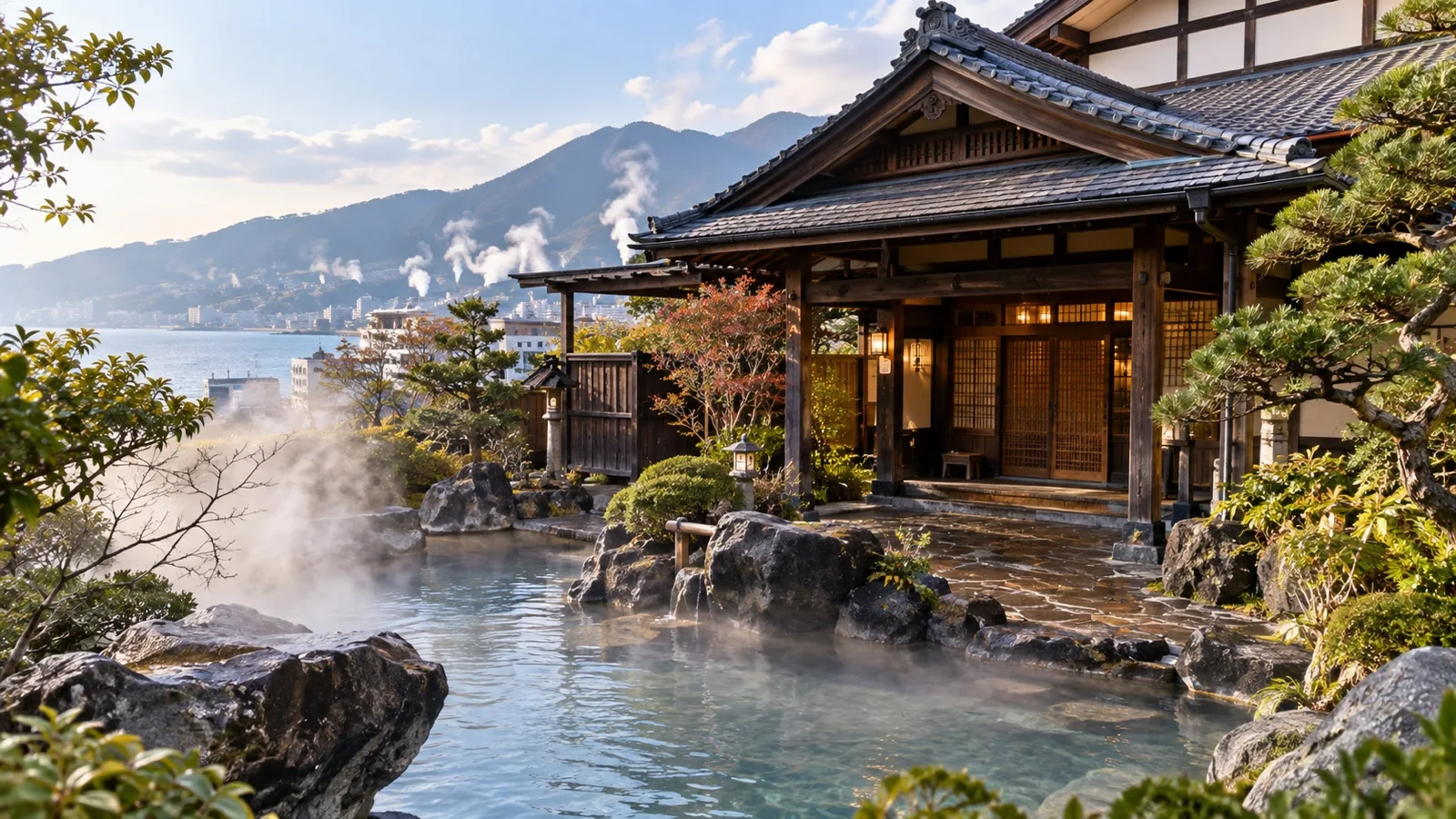
Downtown’s historic Takegawara Onsen is another famous option and is easier to pair with Beppu Station or a central shuttle stop. Facilities, bathing choices, maintenance closures, and hours can change, so check Beppu’s official tourism information on the day you visit.
If you have tattoos, do not assume every bath will admit you. Policies differ, and a private bath can be the more comfortable choice when available.
Basic onsen etiquette
Wash thoroughly at the shower stations before entering a communal bath, and keep the small towel out of the water. Swimwear is generally not worn in a traditional gender-separated onsen unless the facility specifically says otherwise.
Move quietly, tie up long hair, and never photograph other bathers. Showering again after soaking depends on local practice and personal preference, but always follow the instructions posted at the facility.
Steam cooking in Kannawa
Beppu’s geothermal identity extends to food through jigoku mushi, or hell-steaming. Ingredients are cooked with natural steam, producing a simple meal that feels connected to the landscape rather than staged for visitors.
This can be a memorable lunch, but queues and cooking time can disrupt a tight schedule. Place it after your priority Hells or reserve enough buffer that lunch never threatens your return to the ship.
What to see in central Beppu
Central Beppu works best as the relaxed end of the day. Around Beppu Station and the waterfront, you can browse shops, find lunch, see public hot-spring landmarks, and enjoy the city’s steam-town character without another long excursion.
Beppu Park offers greenery if you want a calm walk away from the bathhouses. The station area is more practical when time is short because transport, shops, and food choices are concentrated nearby.
Three sensible ways to plan your port day
Plan one: Beppu essentials
Go directly from the port to Kannawa, visit two or three Hells, and allow time for a footbath or lunch. Return through central Beppu for a short walk before taking the shuttle or taxi back to Ishigaki Wharf.
Plan two: all seven Hells
Start early in Kannawa, complete its five sites efficiently, then transfer to Chinoike and Tatsumaki. This plan is best for a long port stay and travelers comfortable managing local transport or paying for taxis.
Plan three: onsen and downtown
Skip the full Hells circuit and choose a day-use onsen, then explore central Beppu at a relaxed pace. This is my preferred option for repeat visitors or anyone who values the lived hot-spring culture more than checking off attractions.
Beppu Ropeway and Mount Tsurumi
The Beppu Ropeway climbs Mount Tsurumi and can deliver sweeping views in clear weather. It sits outside the central sightseeing core, so confirm current operations and allow for the drive, tickets, boarding, and mountain conditions.
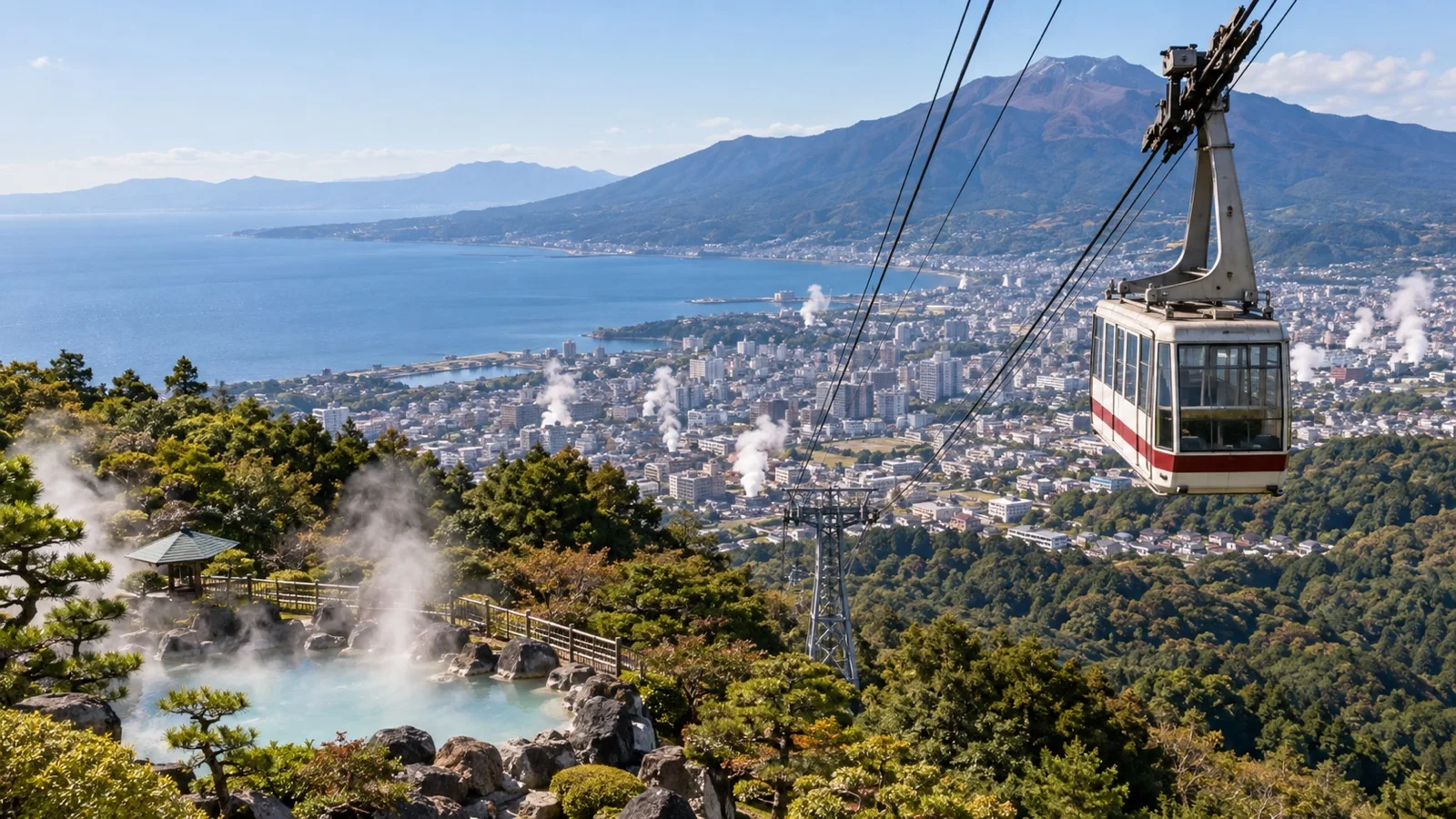
I would treat the ropeway as the day’s main outing rather than an extra after all seven Hells. Wind, cloud, seasonal conditions, or maintenance can affect an aerial-lift visit even when the city below looks calm.
Longer excursions from Beppu
Yufuin, Oita City, and Takasakiyama Natural Zoological Garden may appear on cruise excursion programs. Each can be worthwhile, but travel time makes them more suitable for a ship tour, a prearranged private driver, or a carefully researched independent plan.
Do not combine a distant outing with the complete Hells circuit unless your call is unusually long. The decision guide on ship excursions, local tours, and independent days can help you match the plan to your risk tolerance.
Accessibility and limited mobility
Ishigaki Wharf’s official specification lists terminal restrooms and a taxi pool, but it does not list a boarding bridge or shore gangway. The ship’s own gangway arrangement and tide can therefore affect the slope and ease of disembarkation.
The Hells vary in path surfaces, slopes, steps, and viewing layouts. Ask the local tourist desk which sites best suit your mobility needs, and consider a taxi between clusters to reduce walking and uncertainty.
A focused visit to one accessible site is better than an exhausting race through all seven. My guide to port activities for travelers with limited mobility offers more planning ideas.
Weather and what to wear
Beppu can be humid in summer, cool on winter mornings, and wet in any season. Wear shoes with dependable grip because geothermal attractions, station approaches, and outdoor paths may be slick after rain.
Layers are useful when the waterfront feels breezy but the steam-filled Kannawa lanes feel warm. Bring water, sun protection, and a compact rain layer rather than depending on a perfect forecast.
Money, Wi-Fi, and practical details
Japan is increasingly card-friendly, but cash remains useful for smaller baths, local buses, lockers, and vending machines. The terminal specification lists currency exchange only at limited times, so arrive with some yen instead of making port exchange your only plan.
Free Wi-Fi is listed at the terminal, although I would still download maps and transport details before disembarking. Save the Japanese names of your chosen attractions and the berth location on your phone.
How early should you return?
Your cruise line’s all-aboard time is the controlling deadline. I aim to be back in the port area well before that time, with a larger cushion when using buses, visiting the separate Hells cluster, or traveling beyond Beppu.
Traffic, queues, missed connections, and confusion about the shuttle stop are ordinary problems rather than rare disasters. Use this cruise ship return-time guide to choose a margin that fits your day.
Frequently asked questions
Is Beppu cruise port walkable?
The waterfront and city are relatively close, but Japan’s official terminal information says a shuttle is needed for the roughly 2-kilometer trip downtown. The Hells are farther uphill, so most cruise passengers use a shuttle, taxi, bus, tour vehicle, or a combination.
Can I visit the Hells independently?
Yes, especially if you are comfortable with local buses or taxis and have a generous port call. Confirm current hours and transport locally, then set a firm turnaround time before you start.
Which Beppu Hell is best?
Umi Jigoku is the classic first choice for its blue water and gardens, while Kamado offers several different geothermal features together. Travelers drawn to bold color may prefer Chinoike, but it requires reaching the separate Kamegawa cluster.
Can I bathe at the Hells?
You cannot bathe in the main Hell pools because they are geothermal viewing attractions. Some sites have footbaths, while a proper soak requires a designated onsen or public bathhouse.
Should I book a cruise excursion in Beppu?
A ship excursion makes sense if you want the simplest transport, have limited mobility, or plan a destination beyond the city. Independent sightseeing is realistic for central Beppu and selected Hells when the call is long enough and you are comfortable navigating.
Final thoughts on Beppu cruise port
Beppu is at its best when you choose a few vivid experiences and leave enough time to enjoy the steam, water, and mountain setting. Confirm your shuttle and return deadline first, then let the Hells or a real onsen become the memorable center of the day.