What Can You Realistically Do During a Six-Hour Port Call?
A six-hour port call sounds like half a day, but it rarely gives you six hours of sightseeing. Clearance, gangways, tender boats, local transport, and the ship’s early all aboard deadline all reduce the window before you choose a single attraction.
The good news is that a short call can still be excellent. The trick is to design one coherent experience close to the port, protect the return margin first, and treat anything extra as a bonus.
Quick Facts
- Published call length: Six hours from scheduled arrival to scheduled departure
- Typical usable time: Often about three and a half to four and a half hours
- Largest variables: Clearance, tendering, traffic, and all aboard time
- Best plan: One major sight or one compact neighborhood
- Safe radius: A destination with at least two realistic return options
- Ship time: The clock used by the vessel, which may differ from local time
- Independent tour rule: Plan an earlier return than the operator’s optimistic estimate
- Tender rule: Add queue and boat time in both directions
- Backup: Keep a simple activity near the ship
Start with usable time, not itinerary time
A scheduled call from 8:00 AM to 2:00 PM describes the ship’s operating window, not your free time ashore. Passengers may wait for local clearance after arrival, and all aboard may be thirty minutes or more before departure.
Add the time needed to leave your cabin, reach the gangway, clear any port shuttle, and travel to the first stop. Then subtract the return journey and the safety margin you refuse to spend.
A realistic example
Suppose the ship reaches the port at 8:00 AM, local clearance takes twenty minutes, and the gangway queue uses another twenty. If all aboard is 1:30 PM and you choose a forty-five minute safety buffer, your latest target return is 12:45 PM.
A twenty minute ride each way leaves about three hours and forty-five minutes at the destination. That is still enough for one museum, a neighborhood walk, or a focused food and history tour.
The five clocks that control your day
The first clock is scheduled arrival, which can change before or during the voyage. The second is clearance, because guests cannot simply leave the moment the ship touches the pier.
The third is the final tender, shuttle, or gangway deadline, and the fourth is ship departure. The fifth is your own private return target, which should be earlier than the official cutoff.
Ship time versus local time
Some ships keep a fixed onboard time while others change clocks to match the port. Your phone may update automatically after connecting to a local network, so never assume its display matches the ship.
Photograph the daily program or port notice and set a manual alarm labeled with ship time. If crew instructions change during the call, the new announcement becomes the rule.
Docked calls and tender calls are different
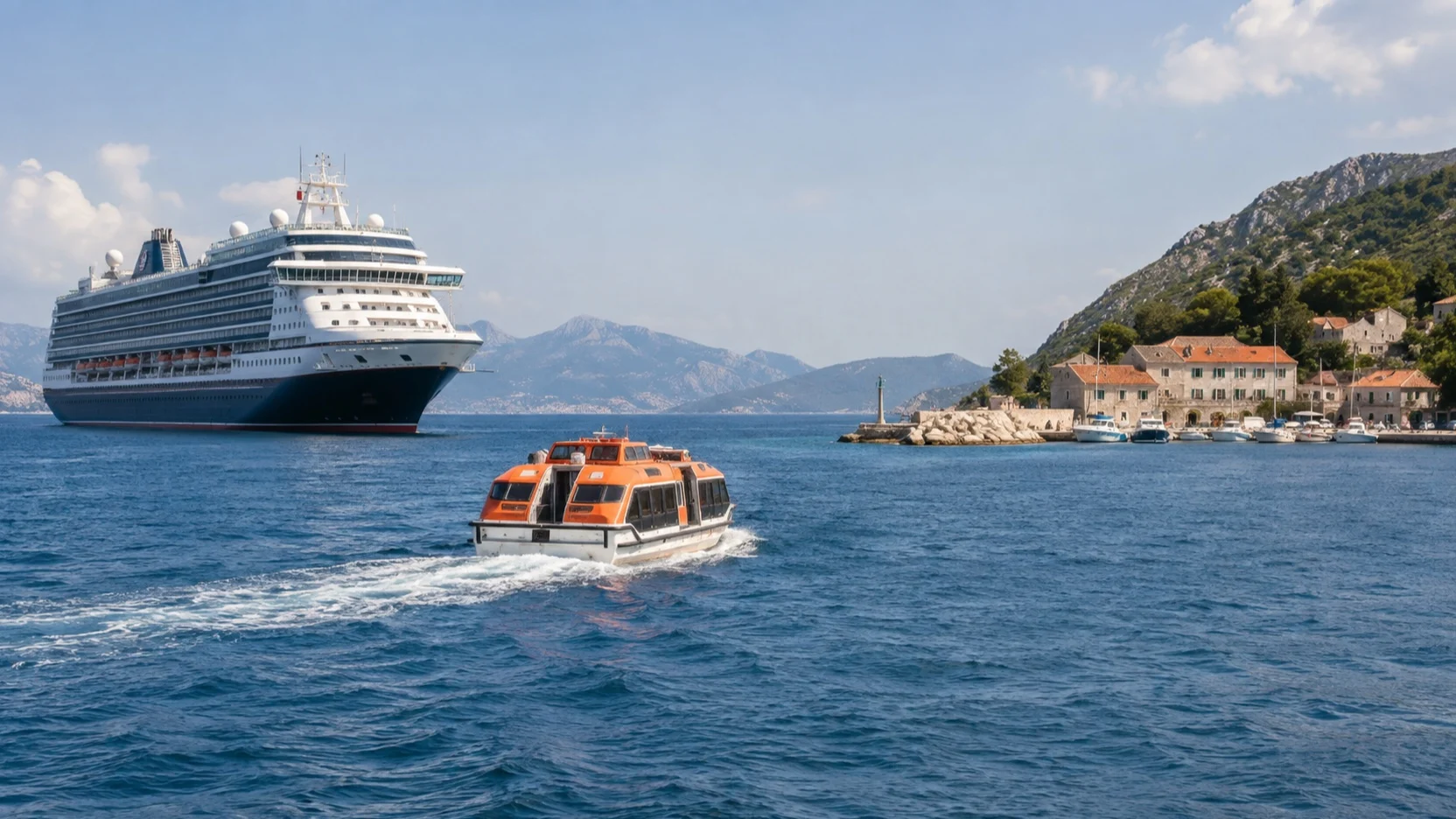
A docked ship can usually move passengers ashore faster, although a large gangway queue and port shuttle still cost time. A tender call adds boat loading, the crossing, landing, and a return queue that may grow as the deadline approaches.
Priority tender tickets may go to cruise-line excursions, loyalty guests, or passengers with operational needs. Independent travelers should never build a plan that depends on being in the first boat unless that access is confirmed.
Tender math
Count the tender journey twice and add waiting time on both sides. A ten minute crossing can become forty minutes each way after boarding, unloading, and queuing are included.
Sea conditions can slow or pause the service without warning. Keep a larger return buffer at tender ports, especially when wind or swell is forecast to increase.
Choose one anchor experience
The best six-hour plan has one main purpose. That could be a historic center, one museum, a food market, a beach with reliable transport, a guided city overview, or a single archaeological site.
Two major attractions often create more transit and waiting than enjoyment. Finish the anchor experience first, then add something small only if the schedule remains healthy.
Use the two-transport rule
A safe independent destination should have at least two realistic ways back, such as train plus taxi or bus plus rideshare. A place served by one infrequent ferry or a single last bus is a fragile choice.
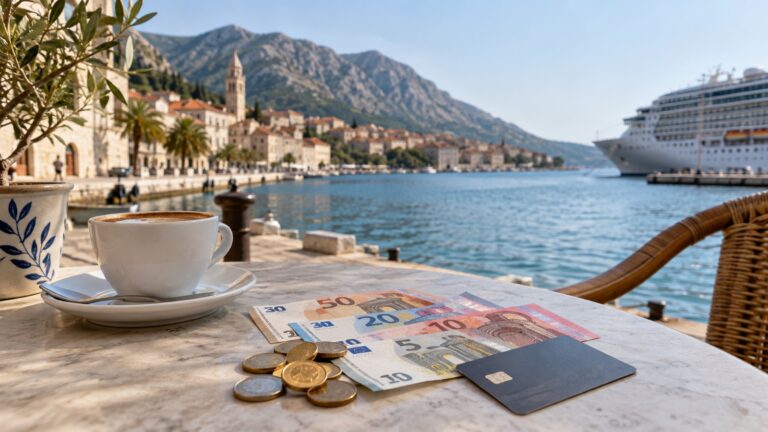
This rule also applies to tickets and payment. Download the transit app, save the taxi number, and carry a second payment method before you leave the ship.
Read the map like a port visitor
A map shows distance but not the security gate, shuttle route, hills, road congestion, border checks, or time needed to find the correct stop. Port exits can sit far from the ship even when the city appears close.
Check the berth name and official port map, then identify the actual pedestrian exit. Directions from a generic city pin can begin on the wrong side of a restricted terminal.
The best plans by port type
City center berth
When the ship docks beside a compact city, walk first and avoid unnecessary transport. Choose a loop with one timed interior and several flexible outdoor stops.
Keep the final hour close to the waterfront. A cafe or market near the gangway is more relaxing than one last attraction across town.
Industrial port with shuttle
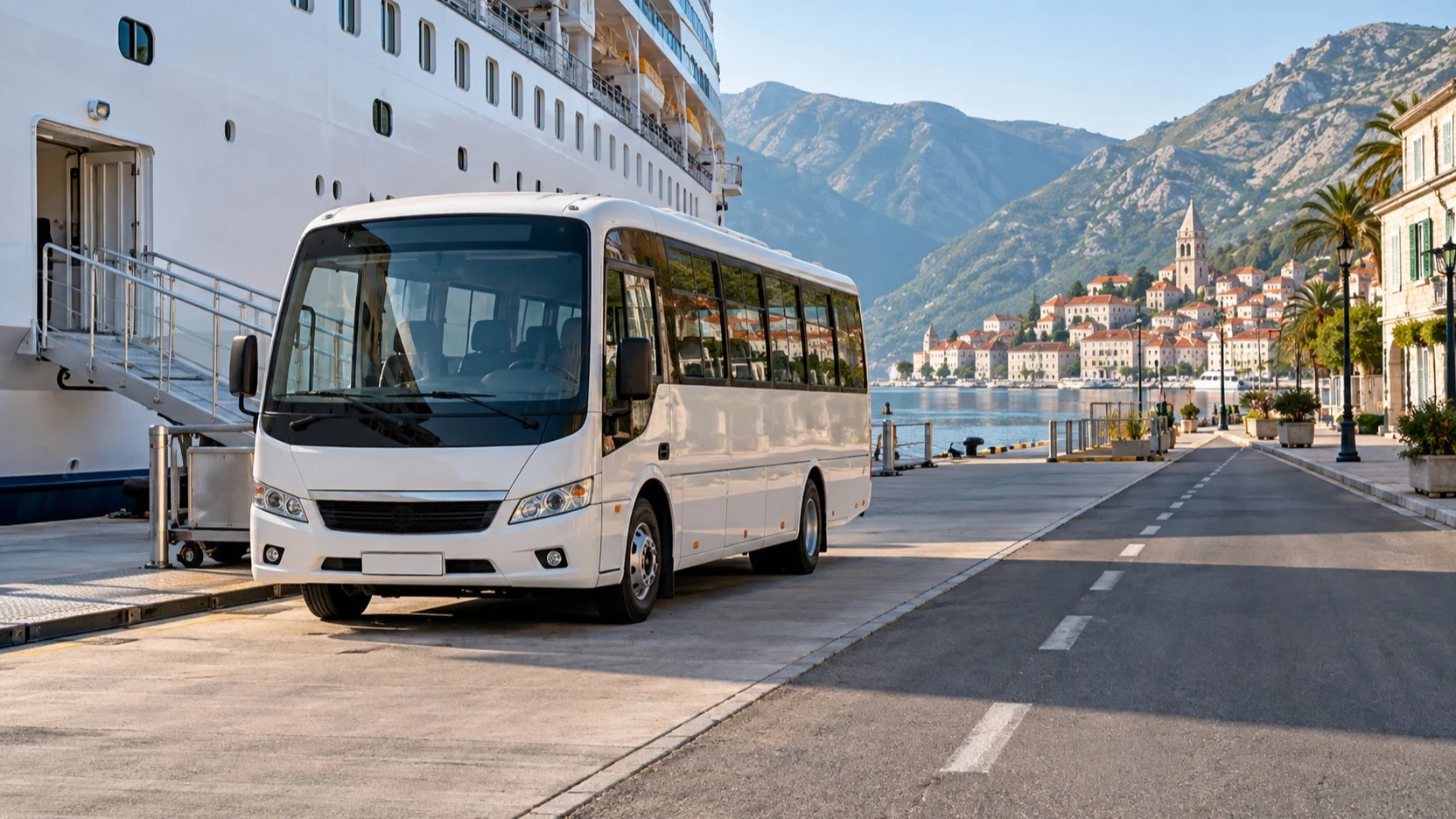
A mandatory shuttle can consume a surprising share of the call because you must wait for loading and traffic in both directions. Confirm the drop off point, frequency, final return, and whether independent taxis may enter the terminal.
Build the sightseeing plan from the shuttle stop, not from the ship. If the transfer is long, a cruise-line tour may be the only efficient way to reach the main city.
Tender port
Stay within a compact radius of the landing and monitor boat operations. Choose flexible activities that can be shortened if the first tender is late.
Return before the final wave and avoid a separate ferry connection. Two boat systems double the opportunities for delay.
Remote gateway port
Some ports advertise a famous city, ruin, or landscape that is one or two hours away. A six-hour call may leave too little time for the headline excursion once traffic and admission are included.
Compare the ship tour schedule with the local alternative, and be willing to discover the port town instead. A modest day ashore is better than four hours in a vehicle and twenty anxious minutes at the attraction.
Ship excursion or independent plan
A cruise-line excursion offers coordinated departure, known port access, and communication with the ship if the tour is delayed. It can be the sensible choice for a distant attraction, tender priority, restricted terminal, or place with unreliable transport.
Independent plans offer flexibility and can cost less, but the passenger owns the return risk. The ship may leave without independent guests who miss the official deadline.
Questions for any tour
Ask for the true door to door duration, not only the time at the attraction. Confirm meeting point, transport type, admission, walking difficulty, restroom access, and the planned return to port.
For private tours, put the ship name, berth, all aboard time, and an earlier target return in writing. A provider’s promise to get you back should never replace your own margin.
Prebook only the bottleneck
Reserve the element that can sell out, such as a museum entry, limited boat, or small group tour. Keep meals, shopping, and secondary sights flexible.
Stacking timed tickets turns a short port day into a chain of penalties. One late train can make every later reservation useless.
Traffic deserves its own buffer
Road time expands around school dismissal, rush hour, construction, festivals, and cruise ship arrivals. A route that takes twenty minutes in light traffic may take twice as long when thousands of passengers move at once.
Use live traffic before leaving the farthest point and switch to the backup route early. Waiting until the road is blocked removes your choices.
Public transport strategy
Official transit apps and agency alerts are more reliable than screenshots from an old travel post. Download the route, note the stop in both directions, and save one earlier departure than you think you need.
Understand the fare before boarding because ticket machines, validation, exact change, and contactless payment differ by city. A five minute payment problem matters in a short call.
Walking is not free time
A two mile route can absorb an hour once crowds, traffic lights, photographs, hills, and navigation are included. Heat, cobbles, rain, and a slower group member increase that cost.
Measure the route from the port gate or tender landing, not the ship icon. Add time for security screening when you return.
Meals on a short call
Food can be the main experience, but a leisurely sit down lunch is difficult to control. Choose a restaurant near the final sightseeing zone and tell the server about your time limit before ordering.
Markets, bakeries, food halls, and counter service provide more flexible timing. Keep a packaged snack in reserve if local service becomes slow.
Shopping
Do shopping after the main attraction and close to the return route. Ask about tax refund processing, customs limits, and whether an item can be carried aboard.
A large purchase should never make you miss transport. Keep receipts and avoid leaving passports or cards with a seller.
Beach calls
A beach works in six hours when transport is direct, facilities are known, and the return vehicle is secure. It becomes risky when the beach is remote, taxis are scarce, or a boat is the only connection.
Arrange pickup before the driver leaves and keep valuables minimal. Allow time to rinse, change, gather belongings, and travel in wet traffic conditions.
Museums and ticketed sights
One museum with a timed entry is an ideal anchor, but security lines, bag checks, and the walk from transit still count. Check the official last admission and closure day rather than assuming standard hours.
Use a highlights approach instead of trying to see every gallery. Leave while you are still enjoying the visit, not when the return alarm becomes urgent.
Weather decisions
Rain, wind, heat, fog, snow, and high water can change both attractions and transport. Check the official local forecast and any port marine advisory close to arrival.
Build a nearby indoor alternative that needs no reservation. If weather affects tendering, remain especially responsive to ship announcements.
Accessibility
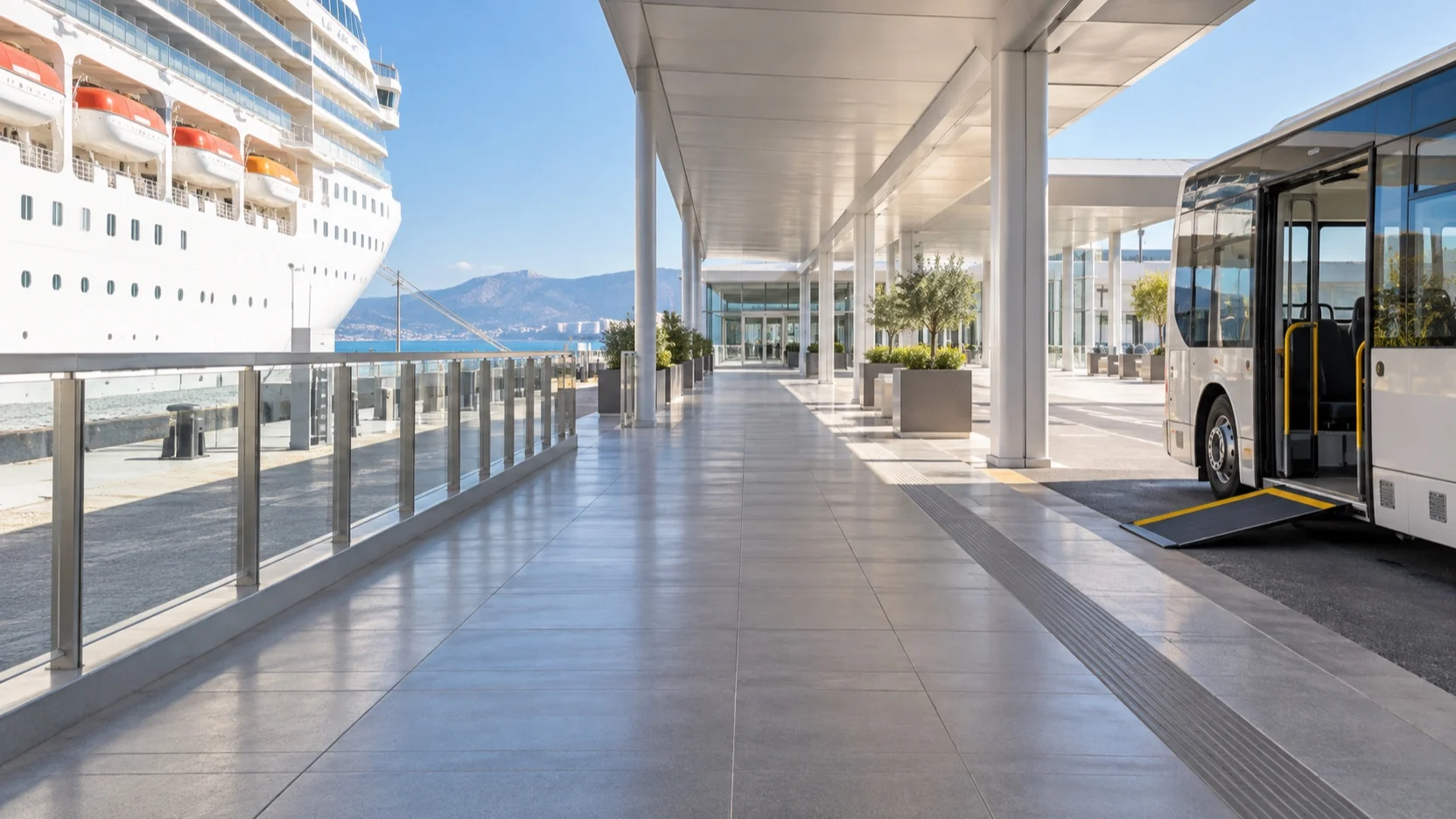
A six-hour call is shorter for anyone who needs elevator waits, accessible vehicles, rest breaks, or a slower route. Plan from the actual gangway and ask both the cruise line and attraction about every transfer.
Tender ports require specific confirmation because wheelchairs and scooters may not be transferable in the day’s sea conditions. A vessel being accessible does not make the tender or landing accessible.
Mobility devices and tours
Provide device dimensions, weight, folding ability, and transfer needs when booking. A tour described as low activity may still include coach steps, uneven ground, and a long walk from parking.
Choose quality over distance and protect time for rest. A waterfront district can be more enjoyable than an adapted plan with four difficult vehicle transfers.
Families
Children make walking, restrooms, food, and boarding less predictable, so reduce the number of transitions. One engaging attraction plus a park or snack stop is usually enough.
Keep identification and ship contact information with each responsible adult. Photograph the meeting point and agree on what to do if the group separates.
What to carry
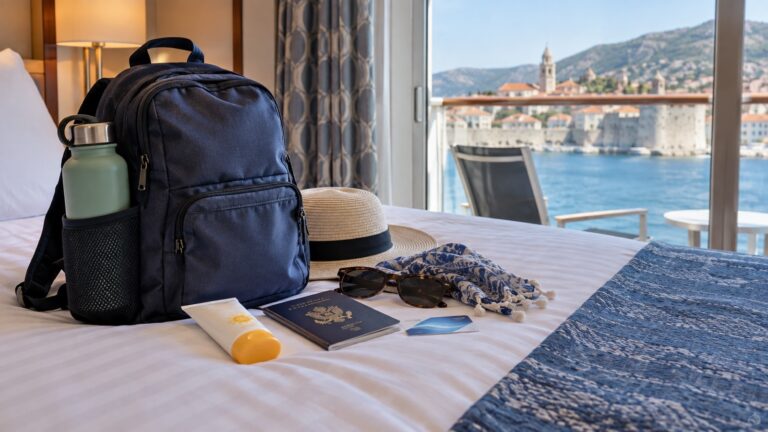
Bring the ship card, required identification, port agent details, payment cards, essential medication, water, weather protection, and a charged phone. Keep everything in one compact secure bag.
Download maps, tickets, and translation tools before leaving the ship. Roaming or public Wi-Fi may fail exactly when you need a route home.
Set decision points
A good plan includes moments when you reassess rather than blindly following the original itinerary. Check time after clearing the ship, after reaching the first stop, before traveling farther, and before ordering a meal.
If you are more than twenty minutes behind, remove the optional activity immediately. Small corrections early prevent a large crisis later.
A practical four-hour sightseeing template
Use the first hour for disembarkation and travel, the middle two and a half hours for the main experience, and the final half hour of that block for a flexible nearby stop. Reserve the remaining time for return travel and your safety margin.
The exact split changes by port, but the principle does not. Return time is a protected appointment, not whatever remains after sightseeing.
When to stay close to the ship
Stay local when the call has a tender, poor forecast, long mandatory shuttle, unreliable transport, border crossing, or attraction more than an hour away. The same advice applies when a traveler is unwell, mobility is uncertain, or the group includes very young children.
A port walk is not a failed excursion. It often creates the conversations, cafe stops, and unplanned views that travelers remember most.
If the ship arrives late
Wait for the cruise line’s revised all aboard time and excursion instructions before moving. Do not assume the departure shifts by the same amount as arrival.
Shorten the plan from the farthest point inward. Protect the main nearby experience and drop anything that relies on a fragile connection.
If you are running late
Contact the ship or port agent using the number in the current daily program and give your exact location. Continue toward the port using the fastest safe legal option.
Do not assume the ship will wait, especially for an independent activity. Communication may help the crew understand the situation, but it is not a guarantee.
Frequently asked questions
Is six hours enough for a city tour?
Usually yes when the city is close and the tour lasts two to three hours. It is less comfortable when the advertised city requires a long transfer from the port.
How early should I return?
Follow the ship’s official deadline and create an earlier personal target based on distance and risk. A thirty to sixty minute private margin is common, with more needed for tenders or remote travel.
Will the ship wait for a cruise-line excursion?
Cruise lines coordinate their own excursions and manage delays through ship operations. Read the line’s current terms because the remedy and communication process vary.
Can I book two tours?
Two short activities may fit only when they begin near each other and one is flexible. Two separate timed tours create unnecessary risk in a six-hour call.
Should I use the final tender?
Treat it as an emergency boundary, not a target. Returning earlier avoids the largest queue and leaves room for operational delays.
What if I do not know the berth?
Wait for the ship’s port information, then verify the official terminal map. Do not finalize transport around a city name alone.
My take on a six-hour call
Six hours is enough for a memorable port day when you stop pretending it is a full day. One meaningful experience, a little local atmosphere, and a calm return beat a checklist of rushed landmarks.
Work backward from all aboard, keep two ways home, and make the farthest point the first thing you do. The result feels spacious because the schedule has been designed rather than hoped for.
Before every port day, use your cruise line’s current daily program, official shore excursion terms, and the destination port authority’s berth or tender guidance as the controlling sources. Check the local transit agency and official weather service close to arrival, then follow any revised onboard announcement immediately.
More on this topic: browse every guide on port logistics and timing.