Baltic Capitals or Norwegian Fjords: The Northern Europe Decision
Russia came off Baltic itineraries in 2022 and has not come back, which turned the Baltic from a palaces cruise into a capitals and old towns cruise. Norway never changed, so here is how to actually pick between them.
My quick take
If you have exactly one northern Europe cruise in you, I would sail Norway. The Baltic is a good trip and I would book it happily, but it is now a city-hopping vacation that happens to take place on a ship.
The Baltic without St Petersburg is still four handsome capitals and an enormous amount of cobblestone. Norway is the one where the ship itself is the excursion, and that turns out to be worth more than most people budget for.
The quick facts
- Seasons: Both regions run roughly May into September, with July and August the most crowded and most expensive.
- Walking: The Baltic asks more of your feet, Norway asks more of your lungs.
- Tenders: Baltic capitals are alongside berths, while Geiranger is a tender port that gets missed in bad weather.
- Money: Both are expensive ashore and both are close to cashless, so cards matter more than currency.
- Second season: Norway has a winter aurora product, and the Baltic has essentially nothing after September.
What a Baltic cruise actually looks like now
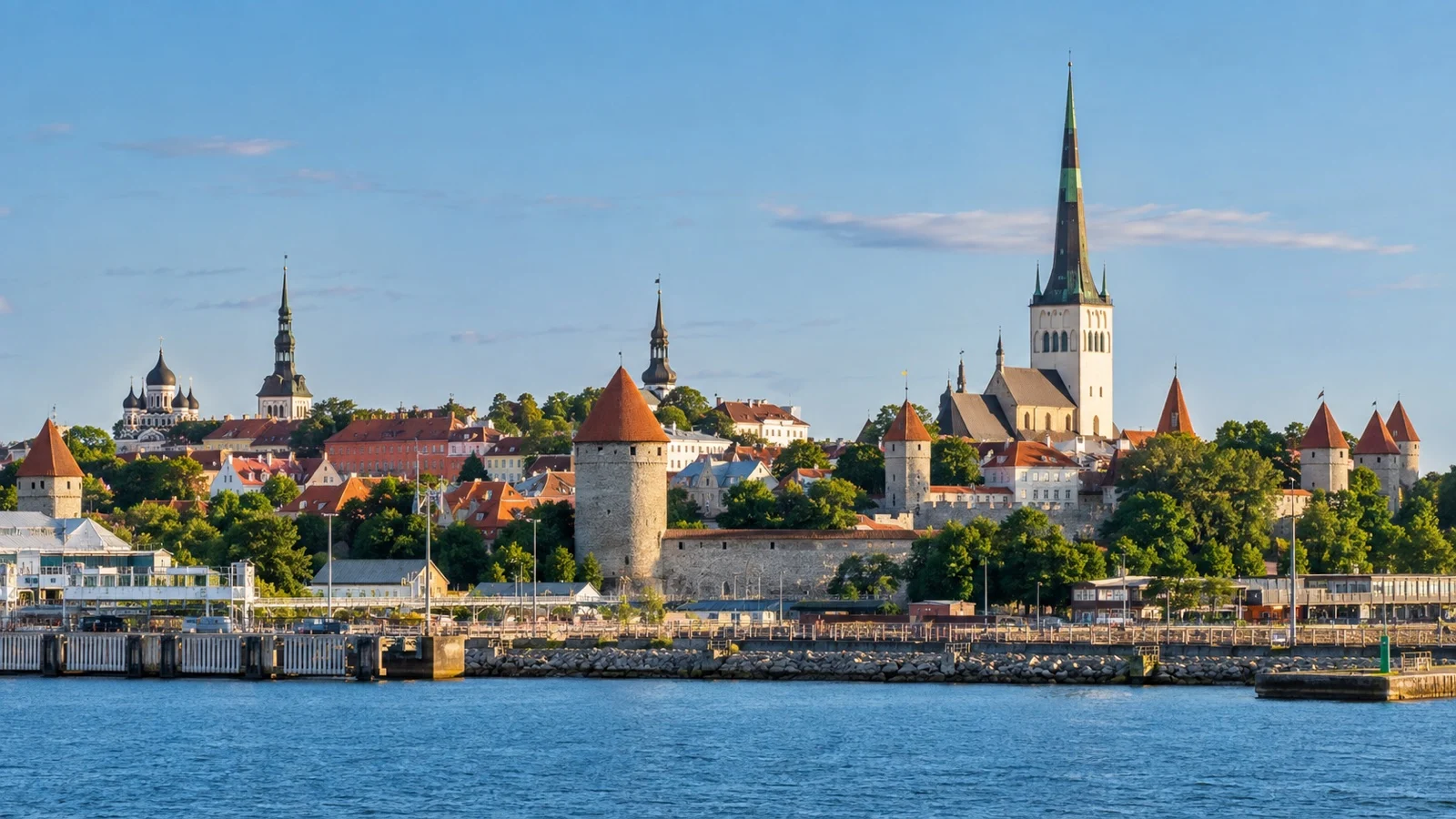
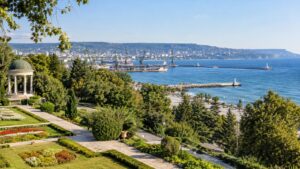
The spine is four capitals: Copenhagen, Stockholm, Helsinki and Tallinn. Around that spine lines bolt on Riga, Visby, Klaipeda, Gdynia for Gdansk, and Warnemunde as a very long day trip to Berlin.
Every one of those is a walking city with a preserved old core, a cathedral and a market square. That is a genuinely good week if you like cities, and a repetitive one if you do not.
The logistics are mostly easy. My guide to walking off in Tallinn covers the fifteen to twenty minute route up to the Old Town, and it is about as hard as a Baltic port day gets.
What a Norwegian fjord cruise actually looks like
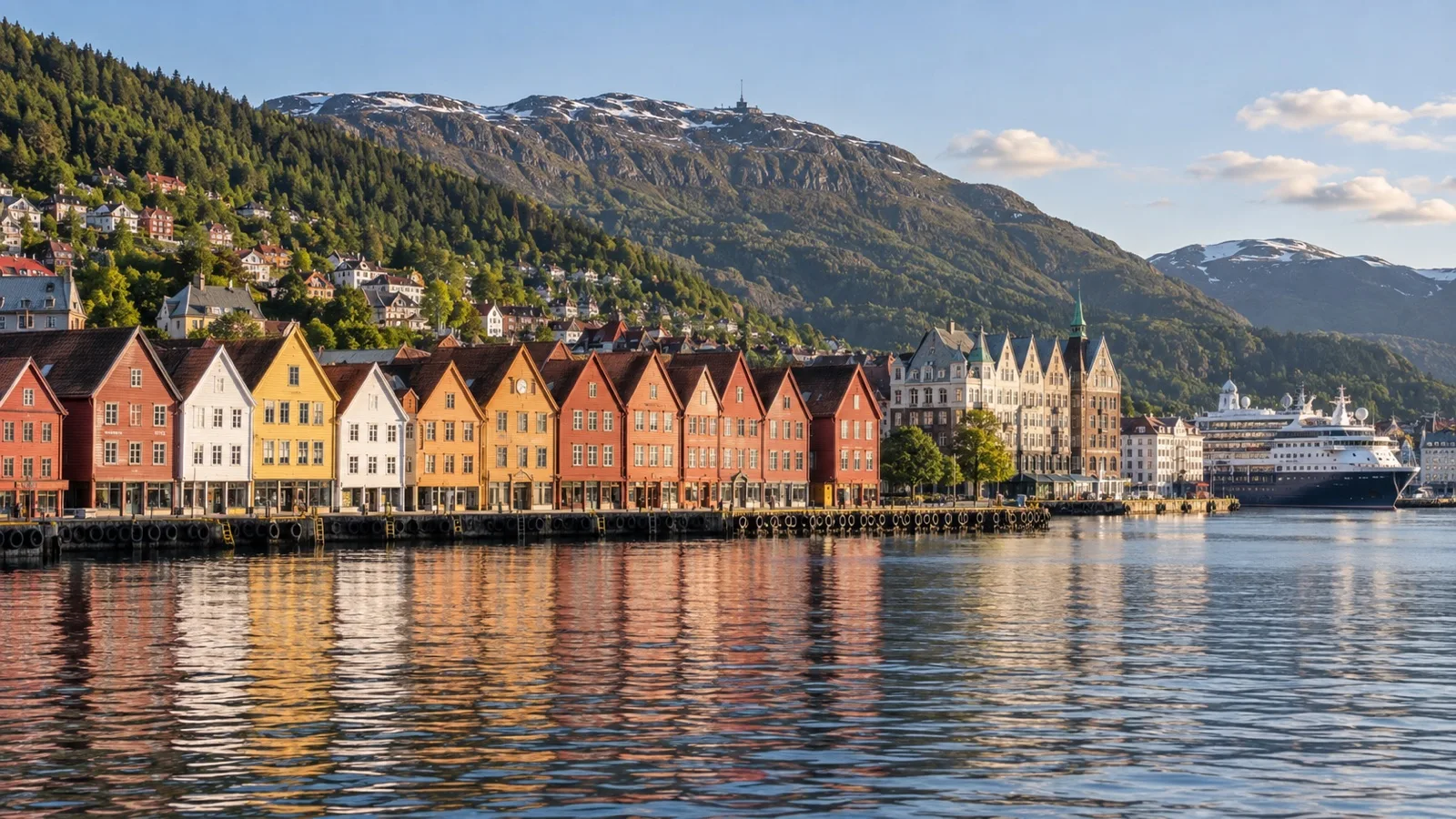
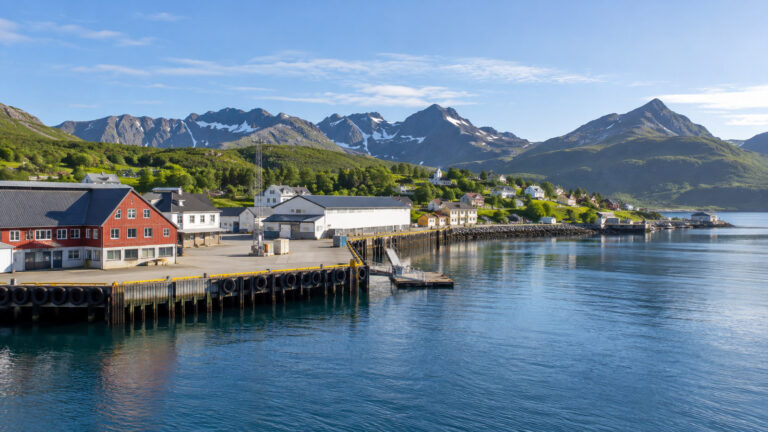
The classic seven night loop hits some combination of Bergen, Stavanger, Alesund, Flam, Olden, Eidfjord and Geiranger. Longer sailings push north toward Tromso, Honningsvag and the North Cape, and those are a different trip again.
The towns are small. Flam is a railway station and a handful of buildings, Geiranger is a village at the end of a fjord, and Olden exists so you can go look at a glacier.
That sounds thin until you notice how much of the day happens before you get off. The Norway port guides on this site all end up saying some version of the same thing: get on deck early.
The St Petersburg hole and what filled it
St Petersburg used to be the anchor of a Baltic itinerary. It was routinely an overnight, sometimes two days, and it delivered the Hermitage, Peterhof, Catherine Palace and a visa-free shore excursion arrangement that made the whole thing painless.
All of it stopped in 2022, and the current guidance on travel to Russia is not the kind of thing that reverses quickly. Nothing has replaced it, because nothing on the Baltic is the Hermitage.
What actually filled the gap was more of what was already there. Extra sea time, an added Polish or German or Latvian port, and in a lot of cases a shorter itinerary sold at a similar price.
The walking is not the same kind of walking
A Baltic week is a lot of horizontal miles on uneven stone. The medieval cores you came to see are cobbled, the good parts sit uphill from the water, and you will do this four or five days running.
Norway is the opposite shape. The waterfront walks are short and flat, and then the actual attraction is a viewpoint several thousand feet above you that you reach by bus, funicular or a hike you should be honest with yourself about.
If anyone in the group has a knee that complains, this is the deciding factor and not the scenery. The Baltic punishes accumulated mileage and Norway punishes gradient.
Berths and tenders are where these days go wrong
The Baltic hides its difficulty in berth assignment. In Copenhagen the terminal at Oceankaj sits about 3 miles (5 km) north of the center while Langelinie is a walk, and in Stockholm the difference between Stadsgarden and an outer berth is the difference between strolling into Gamla Stan and taking a bus.
Discovering which one you got at 8am is the expensive version. I check the assigned berth for every Baltic port before I sail, because the port name on the itinerary tells you almost nothing about your morning.
Norway has one real gotcha and it is Geiranger, which is a tender port and gets missed somewhere in the low single digit percentages because of wind or swell. Everywhere else you generally walk down a gangway onto a quay.
What you see from the deck, which is the real gap
A Baltic sea day is gray water and a horizon. It is a perfectly fine day to read a book, and it is not a reason to be on that ship.
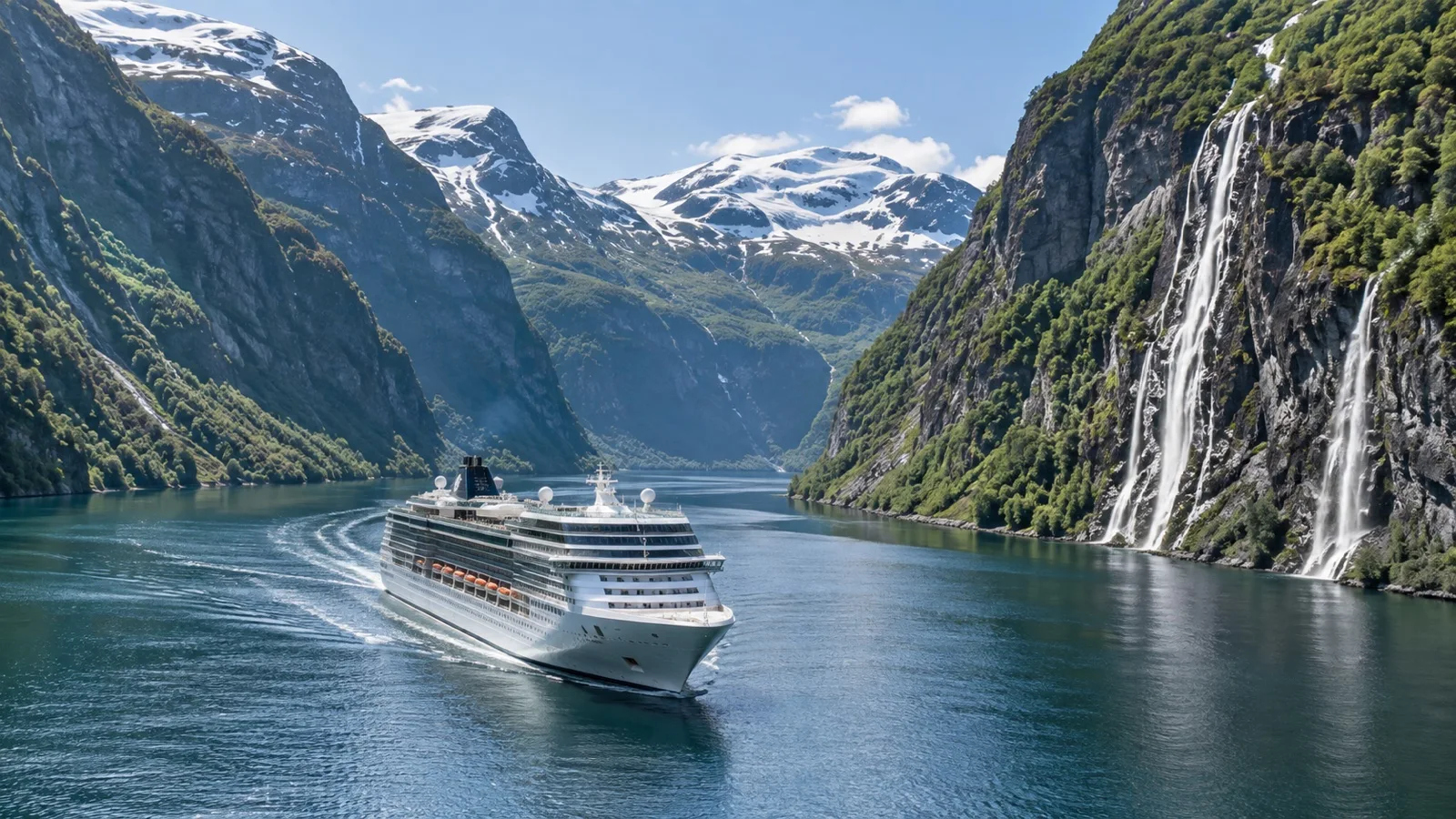
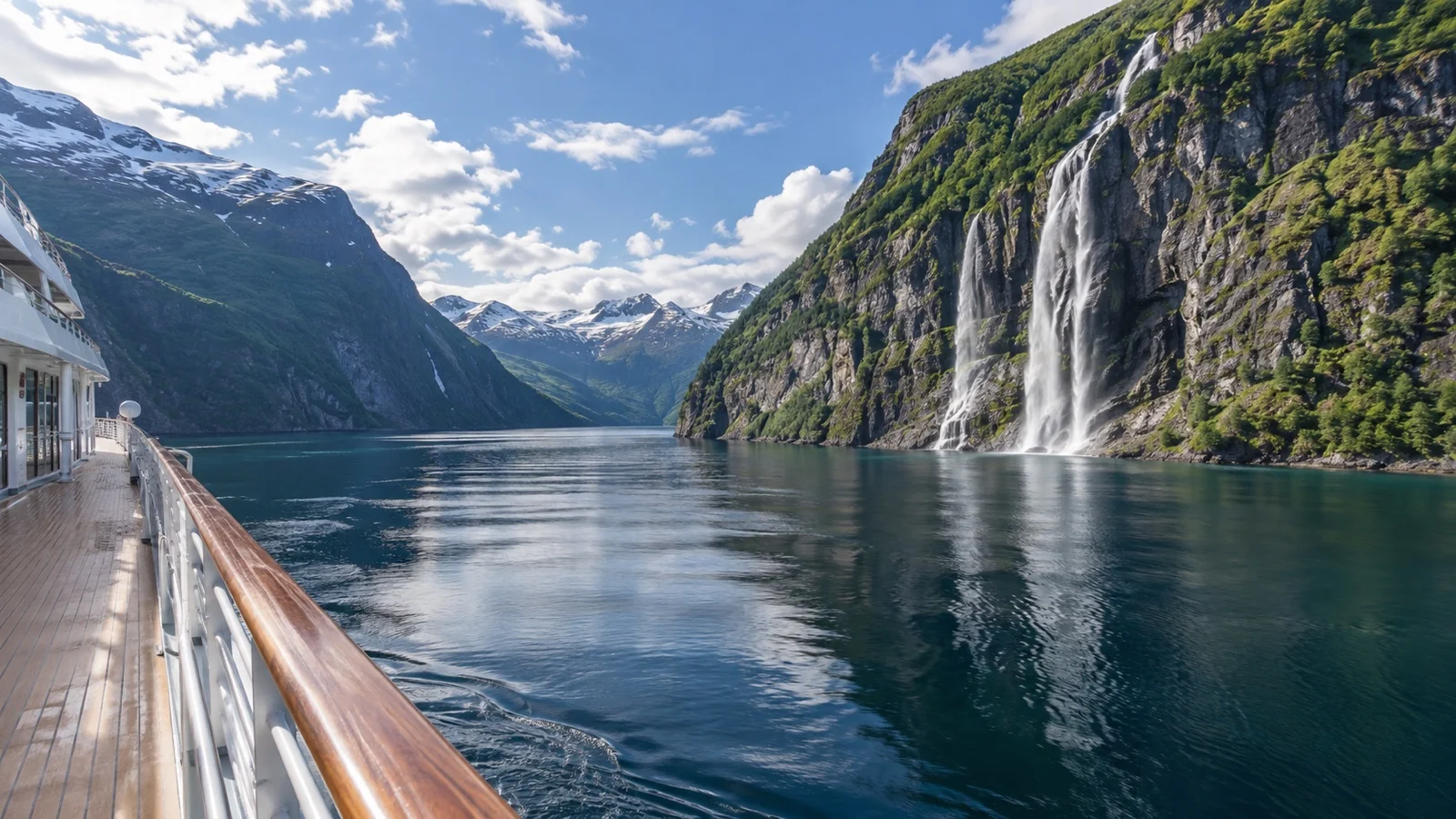
A Norwegian fjord approach is hours of cliffs, waterfalls and farms clinging to slopes, and it is happening whether you booked an excursion or not. Two of those fjords are a protected World Heritage landscape, and the ship sails straight into them.
That is the honest difference between these two cruises. In the Baltic you pay for ports and in Norway you get paid back on the transits.
Weather, and what each one does to your packing list
Baltic summers are mild and mostly civilized. Helsinki and Stockholm in July sit around the low 70s (21 to 23 C), and May and September drop toward the high 50s (14 to 16 C) with wind coming off the water.
Norway is cooler, wetter and much less predictable across a single day. Bergen is famously one of the rainiest cities in Europe, and I would treat a real waterproof shell as required equipment rather than a nice idea.
The practical version is that Baltic packing is a city packing list plus a jacket. Norway packing is layers, waterproof shoes and the acceptance that you will use them.
Long days are not the differentiator people think
People sell Norway on midnight sun and forget that Stockholm, Helsinki and Tallinn sit at almost exactly the same latitude as Bergen. In late June you get very long evenings in either region.
The difference is what the light is doing for you. In the Baltic the extra hours arrive after you are back on board and the ship has sailed, while in Norway the light is what makes a 9pm fjord transit worth standing outside for.
If you want real midnight sun rather than long twilight, you need an Arctic itinerary in roughly late May through July. That is a fourteen night decision.
What each one costs once the gangway is down
Norway is the more expensive country on the ground, and the excursions are structurally pricier because most of them are a coach to a viewpoint. There is rarely a cheap independent workaround in a village of four hundred people.
The Baltic splits in two. Copenhagen, Stockholm and Helsinki cost roughly what Norway costs, and Tallinn, Riga, Klaipeda and Gdansk are noticeably cheaper for lunch, coffee and a guided walk.
- Cheapest ashore: Tallinn, Riga, Klaipeda and Gdansk, where a self-guided day costs almost nothing.
- Most expensive ashore: The Norwegian fjord villages, where the tour is usually the only option.
- Roughly even: Copenhagen, Stockholm, Helsinki and the Norwegian cities.
Season length and the shoulder months
Both regions really run May into September. Late May and early September are the value windows in either one, with thinner crowds and fares that are usually meaningfully lower than July.
The Baltic shoulder is the better bargain because the cities do not close. Museums, trams and old towns work in a cold drizzle in a way that a fjord viewpoint in low cloud does not.
Norway is the only one of the two with a second season. Aurora sailings run through the dark months in the far north, which is a completely different product from a summer fjord loop and should not be compared to one.
Where these cruises start and what the flying costs you
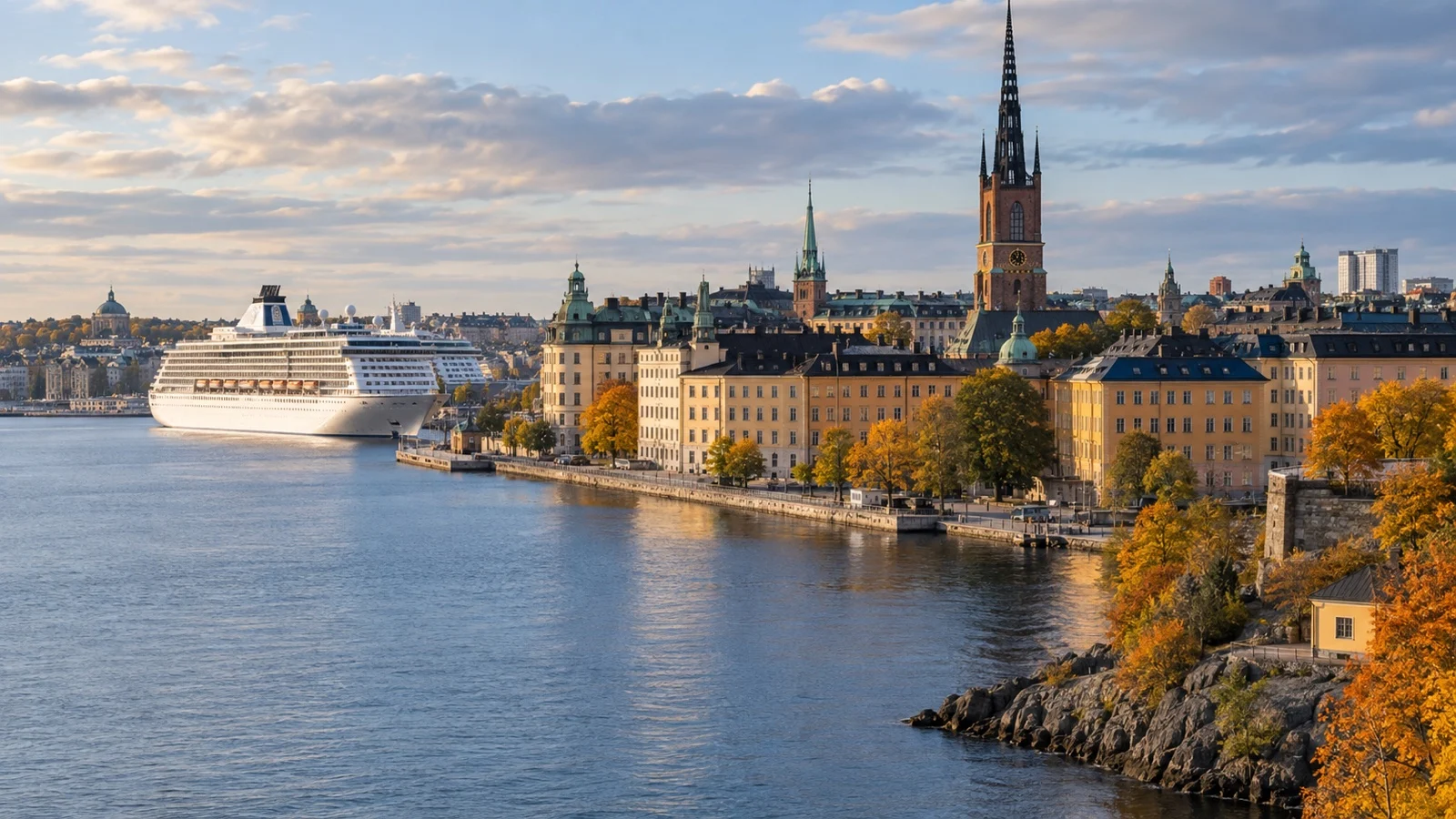
Baltic sailings mostly leave from Copenhagen, Stockholm, Kiel or Warnemunde, and Copenhagen is the easiest of those to reach from the United States on a single connection. Norway loops more often start in Southampton, Amsterdam, Copenhagen or Bergen.
That matters less than people think for a seven night cruise and a lot for a fourteen. Either way I add a pre-cruise night, because a same-day arrival into a northern European turnaround port in shoulder season is a bet on weather you do not control.
Both regions are inside the Schengen area, so the same border process applies to both. The biometric entry and exit registration now used at external borders replaced passport stamping, and it can add time on your first arrival.
Norway’s fjord emission rules, briefly and honestly
Norway has adopted zero emission requirements for the two World Heritage fjords, Geirangerfjord and Naeroyfjord. Small vessels are already inside the requirement and large cruise ships have a much later date.
For a mainstream cruise booked now, this is a thing to be aware of and not a reason to rush. I wrote up what the fjord emission rules actually change in more detail, including who the early deadline hits.
The Baltic has no equivalent looming rule. Its risk profile is political rather than regulatory, and that has already played out once.
Who each one actually suits
The Baltic is the better cruise for people who want density. Five countries, five languages, five old towns, a museum every afternoon, and something new to look at from the moment you step off.
Norway is the better cruise for people who want one enormous thing instead of many small ones. It is also the easier trip with teenagers, with anyone who hates guided walking tours, and with anyone who genuinely enjoys being on a ship.
- Pick the Baltic if: You collect cities, you like history you can walk into, and you want your first Europe cruise to feel like several trips.
- Pick Norway if: You want scenery, you do not want to plan five city days, or someone in the group tires of museums by Wednesday.
- Pick either carefully if: You are going in May or September, when both regions get cold, wet and short on daylight compared to the brochure.
The thing people get wrong, and my pick
The common mistake is comparing these on port count. The Baltic gives you more stamps in the itinerary and people read that as more value, which ignores that four of those ports deliver a similar experience.
The second mistake is booking a Baltic cruise on a memory of what it was. If someone raved about the Baltic to you before 2022, they were partly raving about two days in St Petersburg that you cannot buy.
My pick is Norway, and specifically a seven night fjord loop in late May or early September rather than a July sailing. You get the scenery, you dodge the peak fares and the crowded tenders at Geiranger, and the region still delivers on a bad weather day in a way the brochure photos do not admit.
Quick answers
Do Baltic cruises still go to St Petersburg?
No. Russian calls came off Baltic itineraries in 2022 and mainstream lines have not restored them, so anything you read that includes St Petersburg is out of date.
Is the Baltic still worth cruising without Russia?
Yes, but as a capitals and old towns cruise rather than a palaces cruise. Judge it on Copenhagen, Stockholm, Helsinki and Tallinn, because those are what you are actually buying.
Which is better for a first time cruiser to Europe?
Norway, because the good parts happen whether or not you plan well. The Baltic rewards preparation, and a first timer often does not know yet what to prepare for.
When is the best month for Norwegian fjords?
Late June and July give the longest light and the warmest weather, and late May and early September give better prices with a real chance of rain. I would take early September if I cared about crowds.
Do I need excursions in Norway or can I walk?
Bergen, Stavanger, Alesund and Tromso are all walkable from the quay. Geiranger, Olden and Flam are the ones where the viewpoint you came for needs a bus, a train or a booked tour.
Final word
These two cruises are sold as interchangeable northern Europe options and they are not remotely the same trip. One is a city break with a hotel that moves, and the other is a scenery cruise where the ports are almost a bonus.
Decide which of those you want first, then shop fares. If you pick on price and sail dates alone, you will end up on the wrong one and blame the weather.
How this guide was researched: Berth locations, walking distances, season dates, tender arrangements and current entry rules for both regions were checked in October 2026. Itineraries, fares, berth assignments and fjord regulations change from season to season, so confirm the details for your own sailing before you book. See our Editorial Policy.
More on this topic: browse every guide on choosing a cruise.