Which Cruise Ports Feel Manageable for Anxious First-Time Travelers?
The easiest first port is not always the smallest or the closest. I look for a forgiving arrival, clear transport, something worthwhile near the ship, and a backup plan that does not feel like a consolation prize.
My quick take
Compact walk-off ports, cruise terminals near established visitor areas, and destinations with both ship excursions and easy independent options usually feel most manageable. San Juan, Copenhagen, Halifax, Key West, and many Alaska ports can fit this pattern, but berth location and tendering must still be checked for the exact sailing.
Confidence comes from knowing what happens next. A modest plan with clear decision points is often more enjoyable than a once-in-a-lifetime itinerary that feels fragile.
Quick Facts: what makes a cruise port feel manageable?
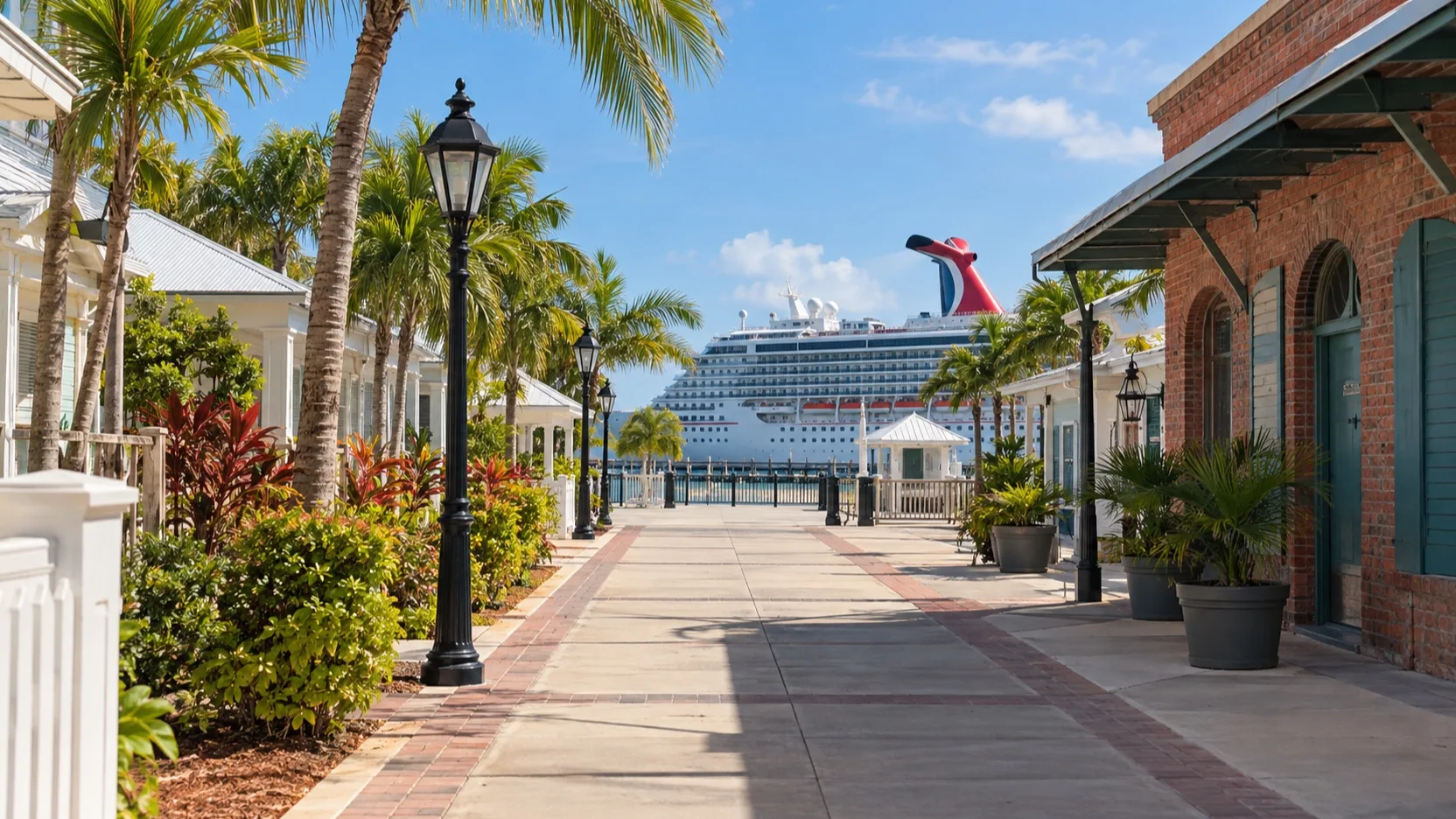
An anxiety-friendly port reduces uncertainty in five places: getting ashore, finding transportation, understanding the plan, returning to the ship, and changing course if something goes wrong.
Look for:
- A berth rather than a tender, when possible
- A terminal close to town or a reliable shuttle
- One obvious meeting point
- Short transfer times
- English-language visitor information if language is a concern
- Several low-commitment activities
- Mobile data or dependable Wi-Fi
- A practical rainy-day alternative
- Frequent return transportation
No port will remove every surprise. The goal is to make surprises smaller and easier to solve.
The most approachable types of cruise ports
Compact walk-off cities
These ports let you step ashore, orient yourself, and begin without finding a driver. You can return whenever you want, which removes one of the biggest first-time worries.
The site’s guide to walkable cruise ports can help identify possibilities. Always confirm the berth because a city may use both central and distant terminals.
Purpose-built cruise destinations
Private islands and cruise-developed ports often provide clear signs, controlled transportation, familiar payment systems, and staff accustomed to questions. They can be a gentle first port even when their atmosphere feels less local.
The Perfect Day at CocoCay guide shows how a destination built for ship guests differs from an independent city day. The tradeoff is that weather and beach interests can determine how much the day offers.
Small ports with one clear centerpiece
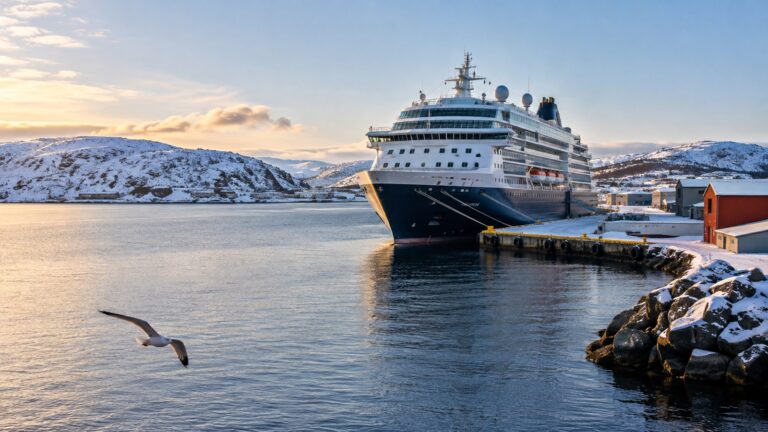
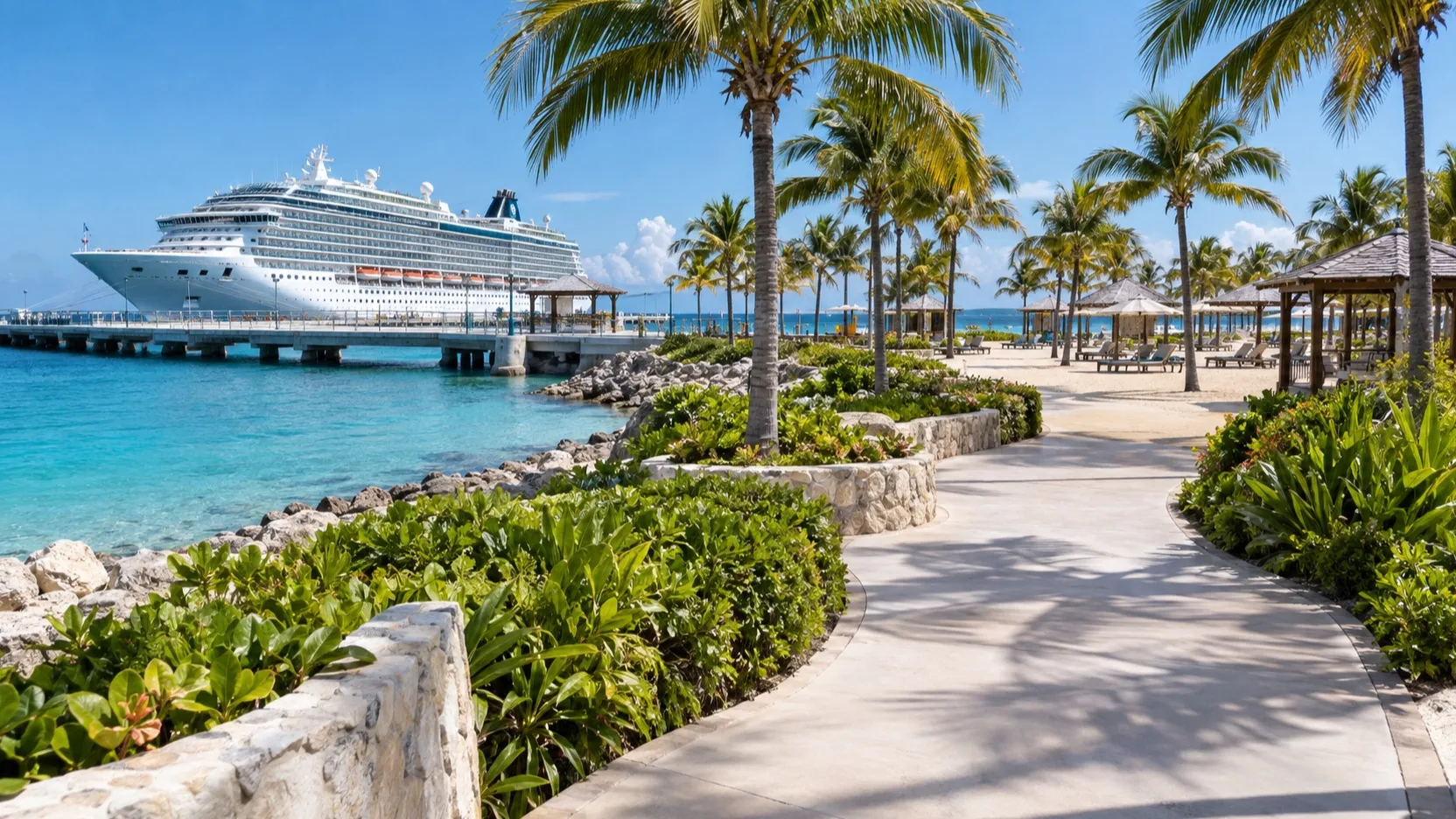
A small Alaska or northern European port can feel simpler than a huge city. The center may be close, tours depart from one area, and the main choices are easy to understand.
Skagway is a good example because rail, history, and town time fit together clearly in the Skagway cruise port guide. It can still become busy, so book a priority activity rather than leaving every decision until the pier.
Big cities with organized transfers
Large cities can be manageable when you use a ship excursion or a thoroughly verified transfer. The structure removes navigation decisions, although traffic and group pacing remain outside your control.
For a first cruise, do not make every call a distant gateway city. One ambitious transfer day is easier to absorb when the surrounding ports are simpler.
Five ports that can feel approachable
These are examples, not guarantees. The same port feels different at a remote berth, on a multi-ship day, or during bad weather.
San Juan, Puerto Rico
Old San Juan offers landmarks, food, shops, and waterfront atmosphere within a compact area for ships using the old-city piers. You can create a short loop and return without relying on a long tour.
Check the terminal because some sailings use Pan American piers across the bay. Heat, steep streets, and cobblestones also affect the day.
Halifax, Nova Scotia
Halifax’s waterfront, museums, food, and city sights give first-timers flexible choices near common cruise berths. A traveler can enjoy two hours or a full day without committing to a remote excursion.
Peggy’s Cove is popular but adds a road transfer and crowds. Treat it as an optional separate decision rather than proof that a Halifax visit is incomplete without it.
Copenhagen, Denmark
Copenhagen is organized, visitor-friendly, and rich in city activities. Terminal distance varies, so preplanning the first and last transport step is essential.
A canal cruise, museum, or neighborhood route can anchor the day. Keep the itinerary compact rather than crossing the city repeatedly.
I like plans with obvious exits because knowing how to leave often makes it easier to stay.
Key West, Florida
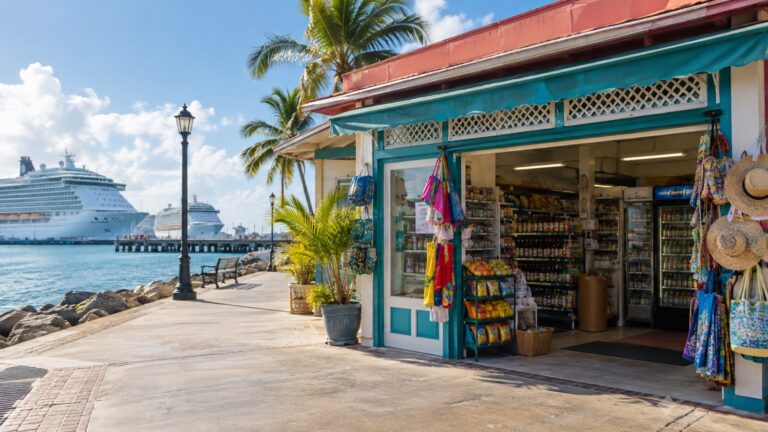
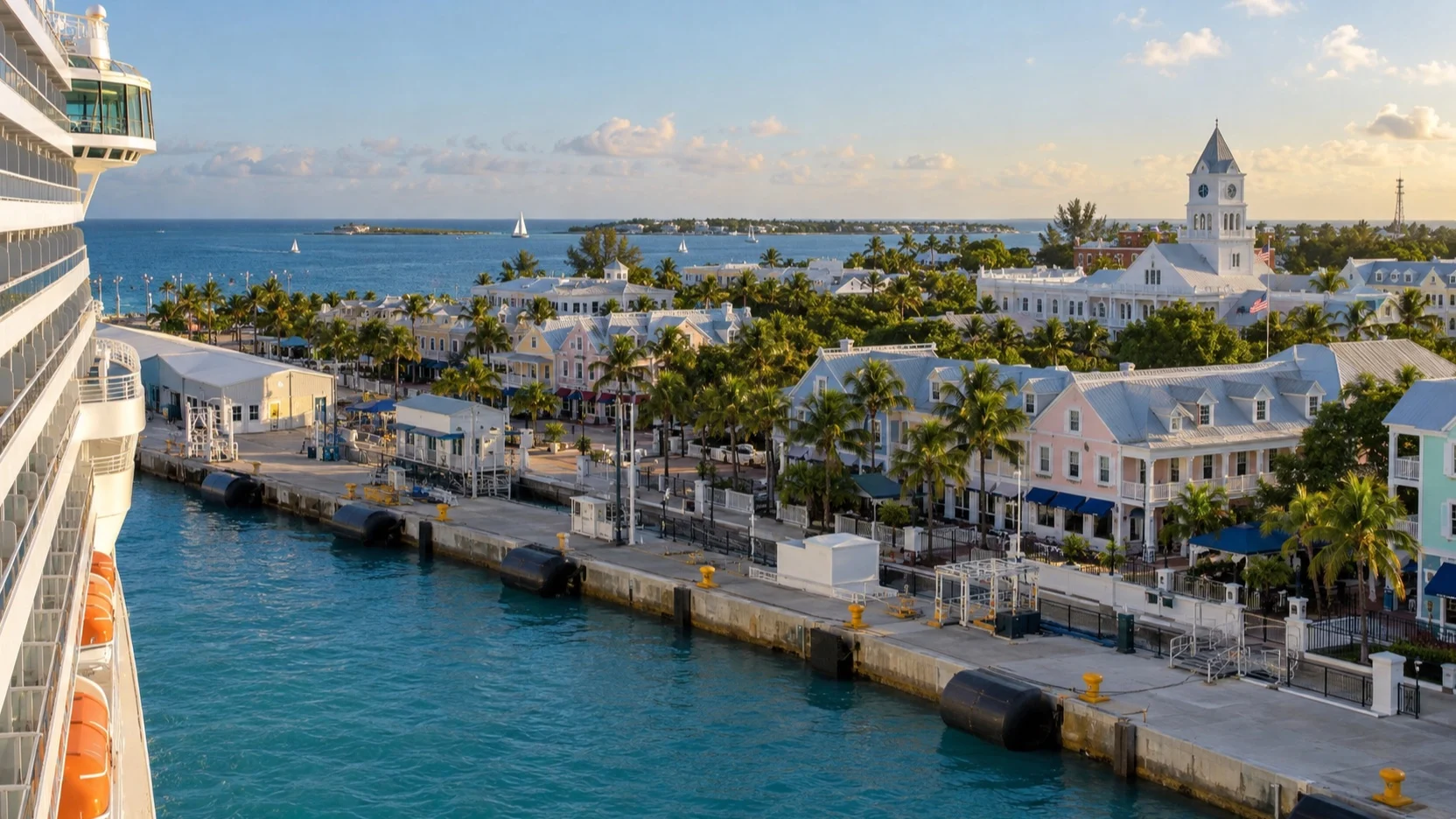
Key West has a clear visitor core with architecture, museums, food, gardens, and sightseeing vehicles. Some berths require controlled transport from a naval facility, so follow the ship’s instructions.
Heat and crowds can still raise stress. An early short outing followed by a relaxed return is entirely reasonable.
Skagway, Alaska
Skagway’s small town grid and clear excursion focus can make decisions feel manageable. Rail tours and guided drives provide structure, while town offers a nearby fallback.
Dock assignments and rock-slide mitigation have affected access arrangements in past seasons. Verify current instructions on the ship instead of relying on an old map.
Ports that may require more preparation
Tender ports
Tendering adds lines, numbered groups, moving boats, weather dependence, and an extra return step. It is not inherently unsafe, but it creates more unknowns.
Read our Ko Samui cruise port guide for an example where tender time affects the usable day. Ask how independent passengers receive water-shuttle groups and where the return line forms.
Distant gateway ports
Civitavecchia for Rome, Le Havre for Paris, and Laem Chabang for Bangkok involve long transfers. Traffic or schedule anxiety can dominate the experience for a first-time cruiser.
Choose a cruise-line excursion if its return protections are worth the reduced flexibility. Princess states that it coordinates its excursions with the ship and will wait or arrange onward transport if one runs late.
Ports with one severe bottleneck
Santorini’s tender landing and vertical access, or a compact island with one busy road, can make a straightforward plan feel unpredictable. Heavy ship days magnify the problem.
This does not mean you should avoid the destination. It means you should reserve fewer activities and understand the bottleneck before arrival.
A low-stress planning method
Pick one anchor
Choose one activity that would make the day satisfying. It might be a two-hour tour, museum, scenic ride, food experience, fort, or relaxed waterfront lunch.
Do not make three prepaid bookings that depend on perfect timing. Every additional reservation creates another deadline.
Choose one optional extra
The extra should sit near the anchor or on the way back to the ship. It is a bonus, not a promise.
Write “only if time and energy allow” beside it. That small phrase prevents an optional stop from becoming a source of pressure.
Create a nearby backup
Select an indoor or close-to-port alternative. Save its address, opening hours, and route before sailing.
If weather, crowds, fatigue, or a delayed arrival disrupts the anchor, move to the backup without debating at the terminal.
Decide the return trigger
Choose the time or event that means it is time to head back. This may be two hours before all-aboard, the departure of a specific train, or the end of a reserved tour.
Use the all-aboard time announced by the ship, not a time copied from an old itinerary. Ship time and local time can differ.
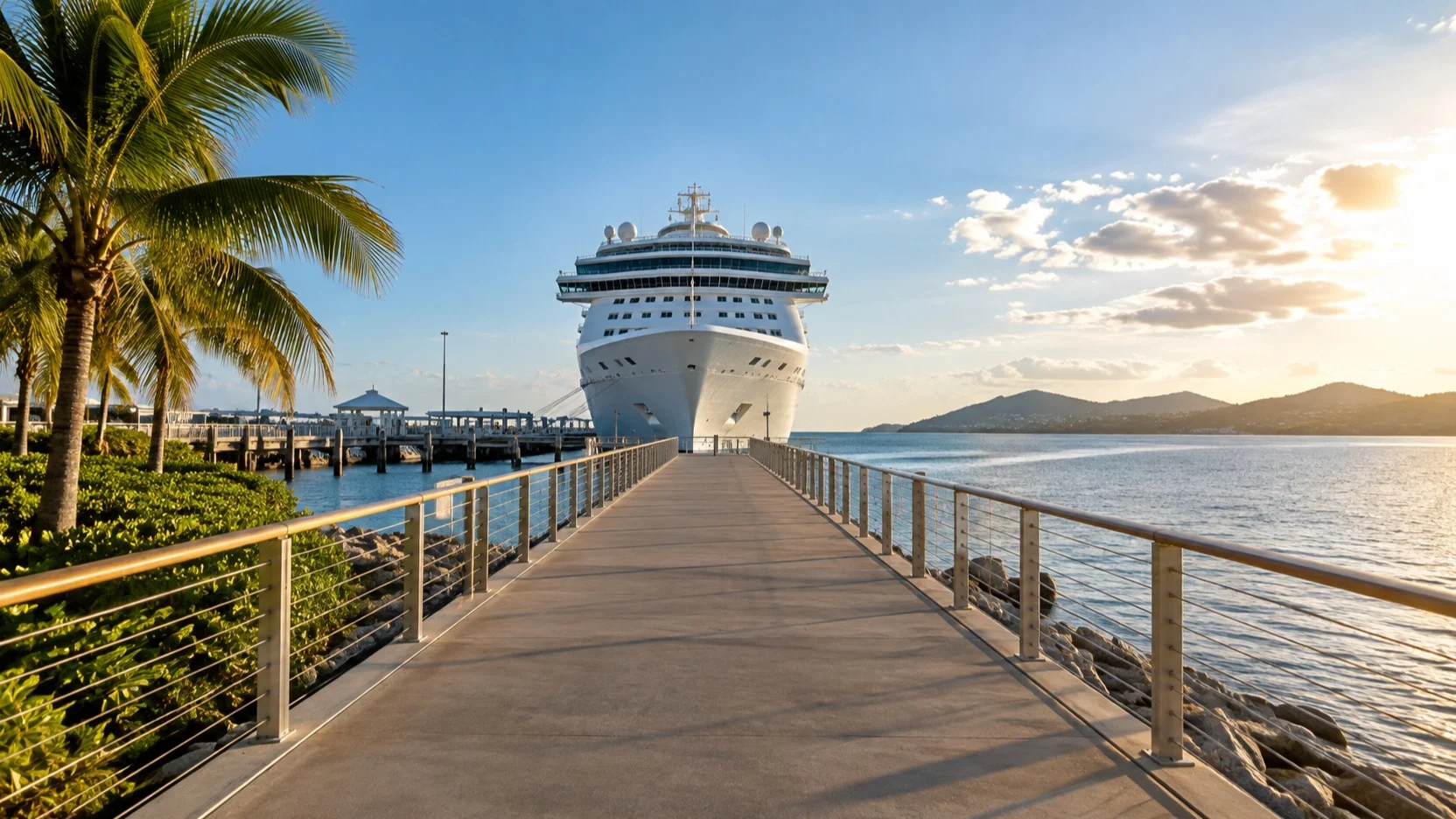
What to carry ashore
Bring the day’s essentials without turning the bag into an emergency bunker:
Carry item 1: Ship card and required identification
Carry item 2: Daily program or saved all-aboard information
Carry item 3: Port-agent contact details
Carry item 4: Charged phone and small power bank
Carry item 5: Offline map and screenshots
Carry item 6: One payment backup stored separately
Carry item 7: Necessary medication in original packaging where appropriate
Carry item 8: Water and weather protection
Carry item 9: Tour confirmation and meeting-point photo
The US State Department’s Help Abroad page explains how U.S. citizens can contact an embassy or consulate in a serious overseas problem. Save relevant emergency details before travel rather than searching during a crisis.
Booking with anxiety in mind
A ship excursion can be worthwhile for a remote destination because the timing is coordinated with the vessel. It also gives you a defined meeting point and a shore-excursion desk for questions.
An independent small group may feel calmer in a close, easy port where you want a slower pace. Read cancellation rules, missed-port terms, maximum group size, and return guarantees before paying.
Royal Caribbean’s current guidance says ordinary excursions can generally be modified or canceled up to a stated cutoff, with different rules for flights, trains, special events, overnights, and private arrangements. Policies vary by line and product, so read the terms attached to your booking.
If that is a concern on your sailing, Where to Book Your Cabin goes into it properly.
If that is a concern on your sailing, Why a Cruise Line Feels Different in Europe vs Caribbean goes into it properly.
Reduce uncertainty before leaving the ship
Listen to announcements and read the daily program. Confirm the gangway location, last shuttle, all-aboard time, and whether the ship remains on local time.
If I can describe the whole day without using the words “hopefully” or “somehow,” anxiety usually drops a notch.
Take a photograph of the berth, terminal entrance, and meeting sign. Dropped map pins can be inaccurate around large port complexes.
Use the restroom before disembarking and eat something. Hunger, dehydration, and rushing make ordinary problems feel much larger.
What to do when anxiety rises ashore
Pause somewhere safe and out of pedestrian traffic. Reduce the plan to the next single action, such as sitting for ten minutes, finding the meeting point, or returning to the terminal.
If you live with an anxiety disorder or another mental-health condition, discuss travel and coping plans with your healthcare professional. The CDC notes that travel stress can worsen anxiety and recommends pre-travel planning for mental-health needs.
Seek local emergency help if there is immediate danger or a medical crisis. A planning article cannot assess symptoms or replace professional care.
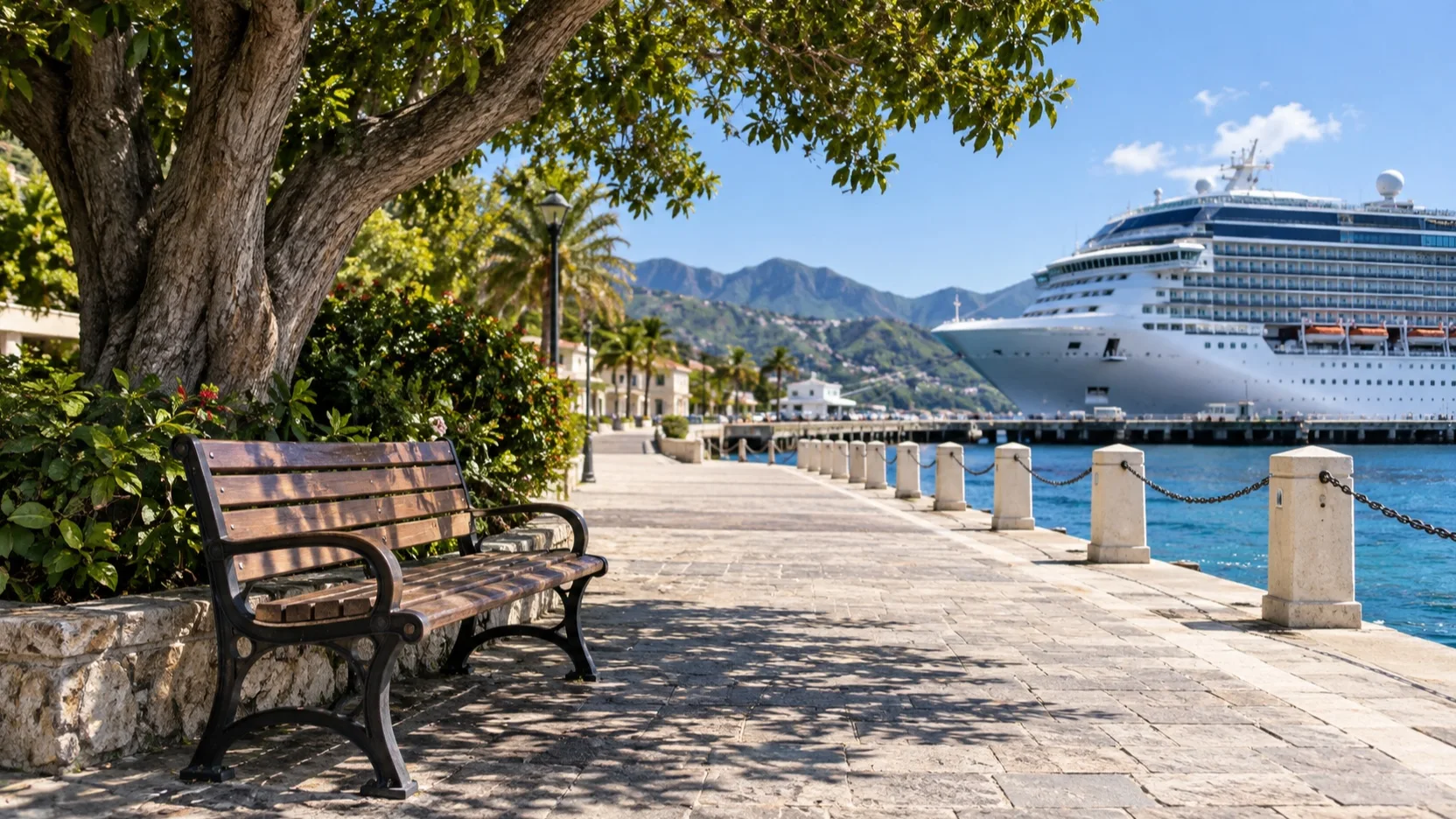
A sample first-timer port day
Leave the ship after the first rush unless a timed tour requires otherwise. Walk or use verified transport directly to one anchor attraction.
Spend 90 minutes there, take a seated lunch nearby, and decide whether the optional stop still sounds fun. Begin the return with a generous buffer and enjoy the ship without wondering whether every port minute was “maximized.”
This plan may look modest on paper. In practice, it leaves room for photos, wrong turns, conversations, weather, and actual enjoyment.
Reduce uncertainty without relying on a promise
A cruise-line excursion can simplify meeting points and coordinate changes, but return protection is governed by that line’s current terms and the specific disruption. Read the product conditions and keep the port-agent contact rather than reducing the decision to “the ship always waits.”
If mobility, panic symptoms, sensory load, or medication timing matters, tell the provider what support is needed before paying. A shorter private outing may be calmer than a full coach, but only when the pickup, restrooms, seating, early return, and device storage are confirmed.
Save one close-to-ship option that needs no reservation and one place to sit while the group decides. A good fallback should still feel like a pleasant port day, not an emergency punishment.
Quick answers
Should every tour be through the ship?
Cruise-line tours can reduce timing and coordination worries, especially in distant ports. They are not automatically smaller, quieter, physically easier, or immune to weather and traffic.
Compare the route, activity level, group size, cancellation terms, and operator. Use the product that solves your actual concern.
What if I am afraid of missing the ship?
Choose a close-to-port plan or ship-organized excursion, set several alarms, and start returning early. Keep the ship’s port-agent details with you.
Do not build a day around the last possible train or ferry. A large time buffer is not wasted vacation.
Should first-timers avoid tenders?
Avoid them if small-boat boarding or uncertain access will overshadow the destination. Otherwise, choose one tender port, learn the procedure, and keep the shore plan simple.
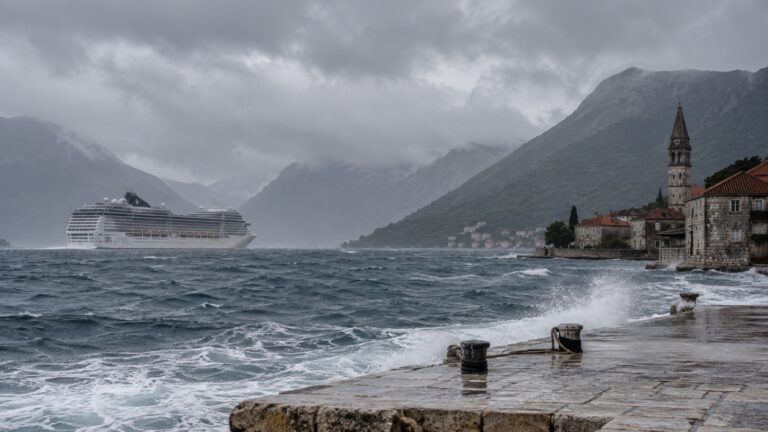
Tender operations can change with conditions. Treat an onboard backup as part of the plan.
Is it okay to stay on the ship?
Yes. A cruise is not a test of how many gangways you cross.
If the ship feels more enjoyable than the available port plan, use the quiet facilities and choose another call for exploration.
How this guide was researched: This guide was checked on September 11, 2026 against current official traveler-wellbeing and planning information from the Centers for Disease Control and Prevention, United States Department of State, Princess Cruises, and Royal Caribbean. Berth, time, excursion, access, health, and return information can change, so reconfirm the sailing-specific details onboard and consult a qualified healthcare professional for personal medical guidance; see our Editorial Policy.
More on this topic: browse every guide on choosing a cruise.