Haifa Cruise Port: The Terminal and the Gardens
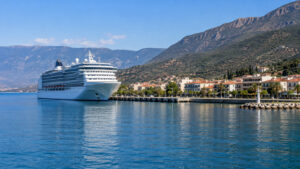
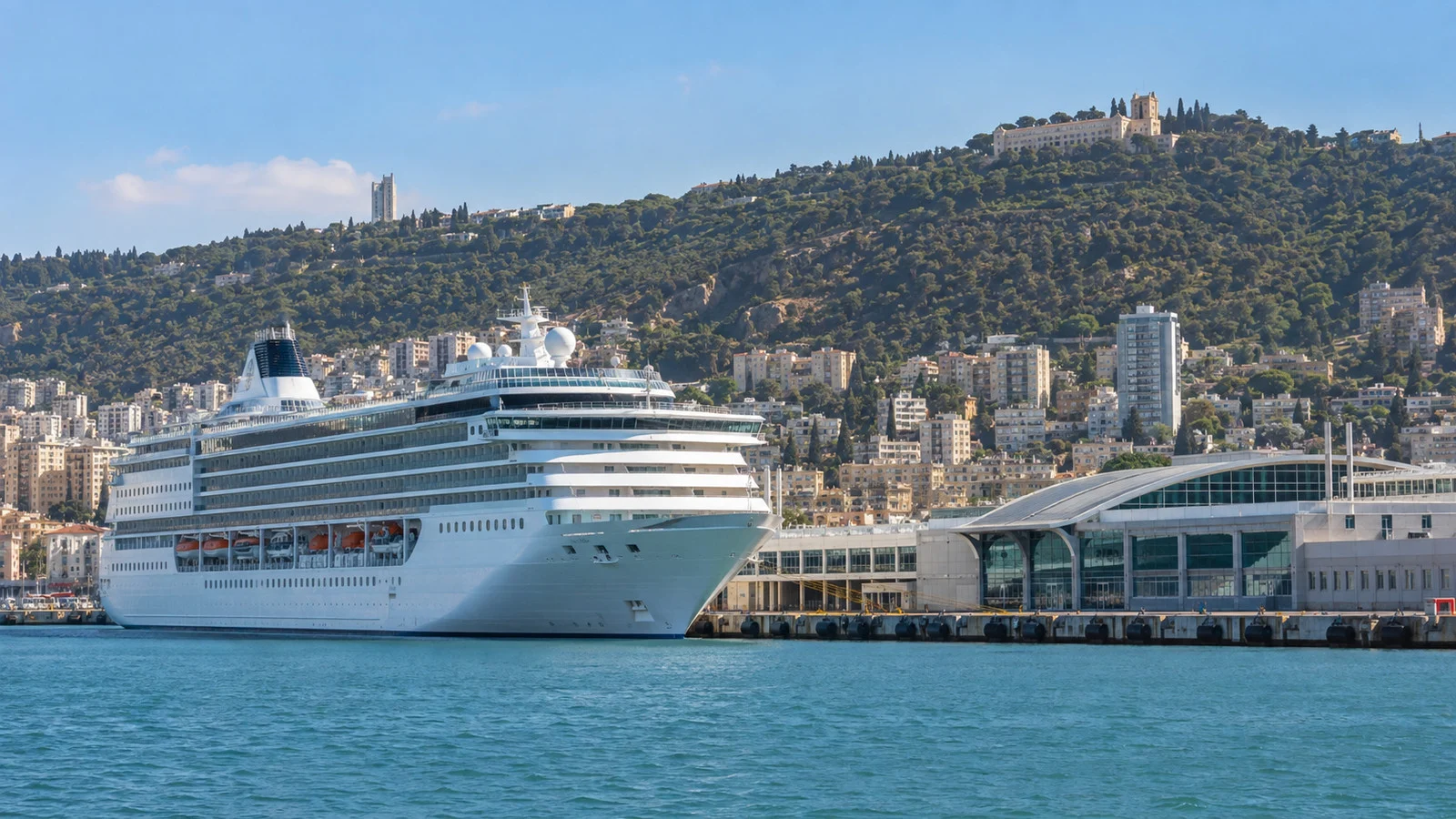
Haifa gives you one of the Mediterranean’s great arrival views: a working harbor at sea level, the German Colony pointing inland, and the Bahai terraces climbing Mount Carmel in a perfect green line. The trick is accepting that the city is vertical, so a mile on the map can still mean a steep, sweaty climb.
This is a port where I would decide the shape of the day before leaving the ship. Stay in Haifa for gardens, neighborhoods, and food, or choose one focused trip to Akko or Caesarea.
My quick take
Haifa deserves more than being treated as a bus station for Jerusalem. The lower city is walkable, the viewpoints are memorable, and Akko gives you a first rate historic day without spending most of the call on a highway.
My favorite first visit is a morning in Haifa followed by Akko if the ship’s schedule and local conditions cooperate. If garden access is limited, I use the public viewpoints and put the saved time into Wadi Nisnas or the German Colony.
Regional conditions, port operations, and attraction access can change quickly here. Check the cruise line’s live notice and official local guidance close to sailing, then keep every independent booking flexible.
Quick Facts
- Where ships dock: Haifa Port, beside the lower city and the railway corridor.
- Dock or tender: Cruise ships normally berth alongside rather than tender.
- Best easy walk: The German Colony and the lower entrance area of the Bahai Gardens.
- Terrain: Flat near the waterfront, then sharply uphill on Mount Carmel.
- Best first excursion: Old Akko for Crusader and Ottoman history, or Caesarea for Roman ruins.
- Currency: Israeli new shekel, with cards widely accepted but some small cash useful.
- Languages: Hebrew and Arabic are common, and English is widely used in visitor settings.
- Time zone: Israel Standard Time, with seasonal daylight saving changes.
- Entry planning: Visa exempt visitors may need ETA-IL authorization, while other travelers may need a visa. Confirm the rule for your passport through official Israeli channels and your cruise line.
- Shabbat: Rail and many services pause or reduce operations from Friday afternoon into Saturday evening, so check the exact day and live timetable.
What arrival at Haifa cruise port feels like
Haifa is a commercial harbor, and your exact berth, terminal route, and border process are operational details rather than sightseeing trivia. Follow the ship’s daily program for shuttle points, identification requirements, and the time passengers may leave.
Ships normally come alongside, so there is no tender ride to plan around. That makes the physical arrival simpler, but immigration or security processing can still slow the start of an independent day.
The lower city begins close to the port, with rail stations, downtown streets, and the German Colony all within the same broad area. The challenge is not distance at first, but finding the authorized pedestrian exit and then crossing busy roads or rail approaches.
Save the port gate on your phone before walking away, and photograph any posted return instructions. On the way back, allow extra time for checks between the street and gangway.
Walking into Haifa
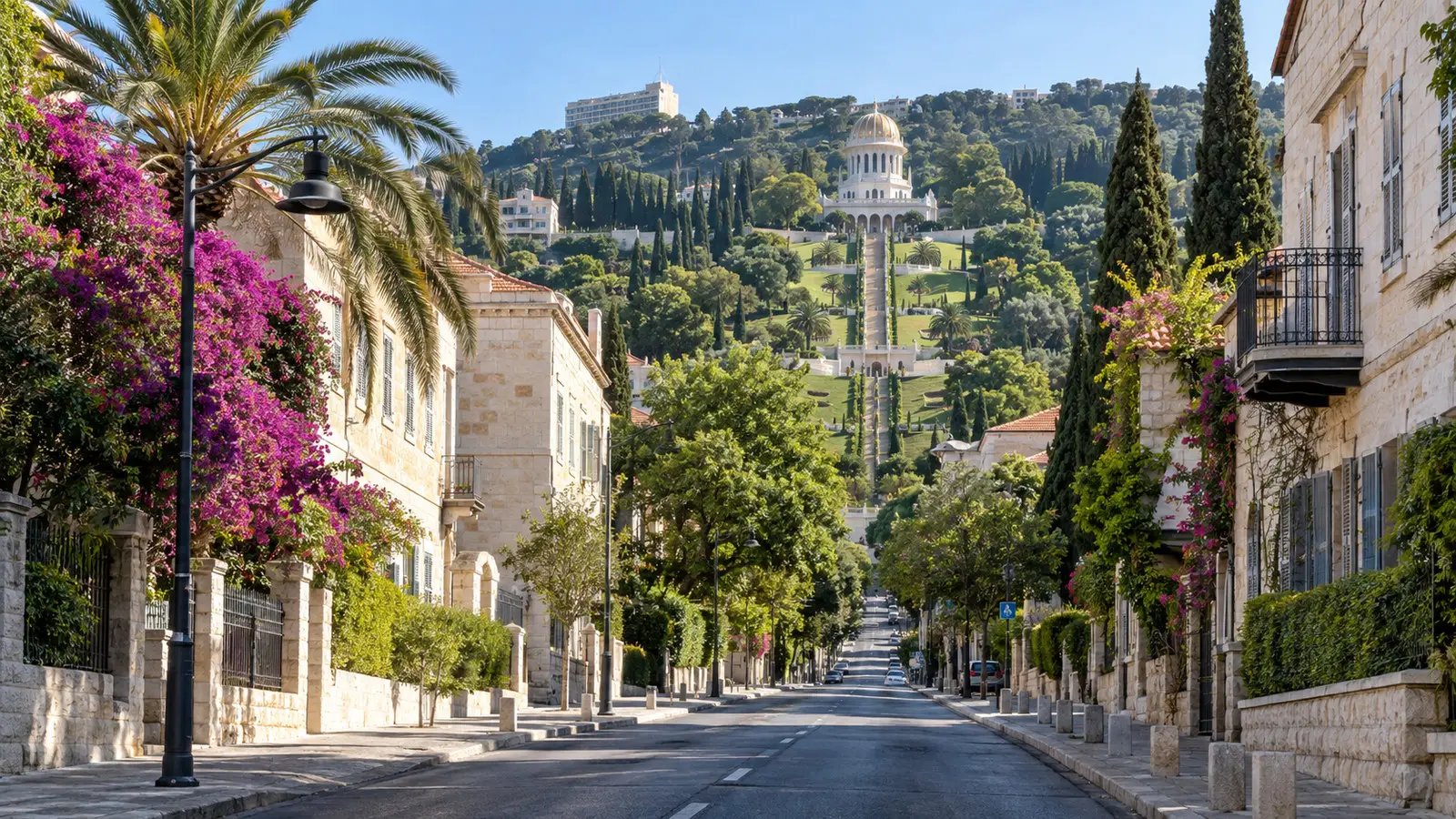
The most satisfying first walk follows the lower city toward Ben Gurion Boulevard. Restored stone buildings, cafes, and the straight view toward the golden Shrine of the Bab give you an immediate sense of the city’s layers.
The waterfront and German Colony are manageable on foot for most travelers, but Mount Carmel rises abruptly behind them. A destination that looks close can sit hundreds of feet above you.
Use transit or a taxi for the upper viewpoints rather than treating the climb as a casual stroll in summer. The Carmelit underground funicular crosses the steep central ridge quickly when it is operating, though its stations do not place you at every attraction.
Haifa’s neighborhoods are spread along the slope rather than gathered around one old town square. Plan stops by elevation as well as distance, because backtracking up and down wastes both energy and time.
How to visit the Bahai Gardens respectfully
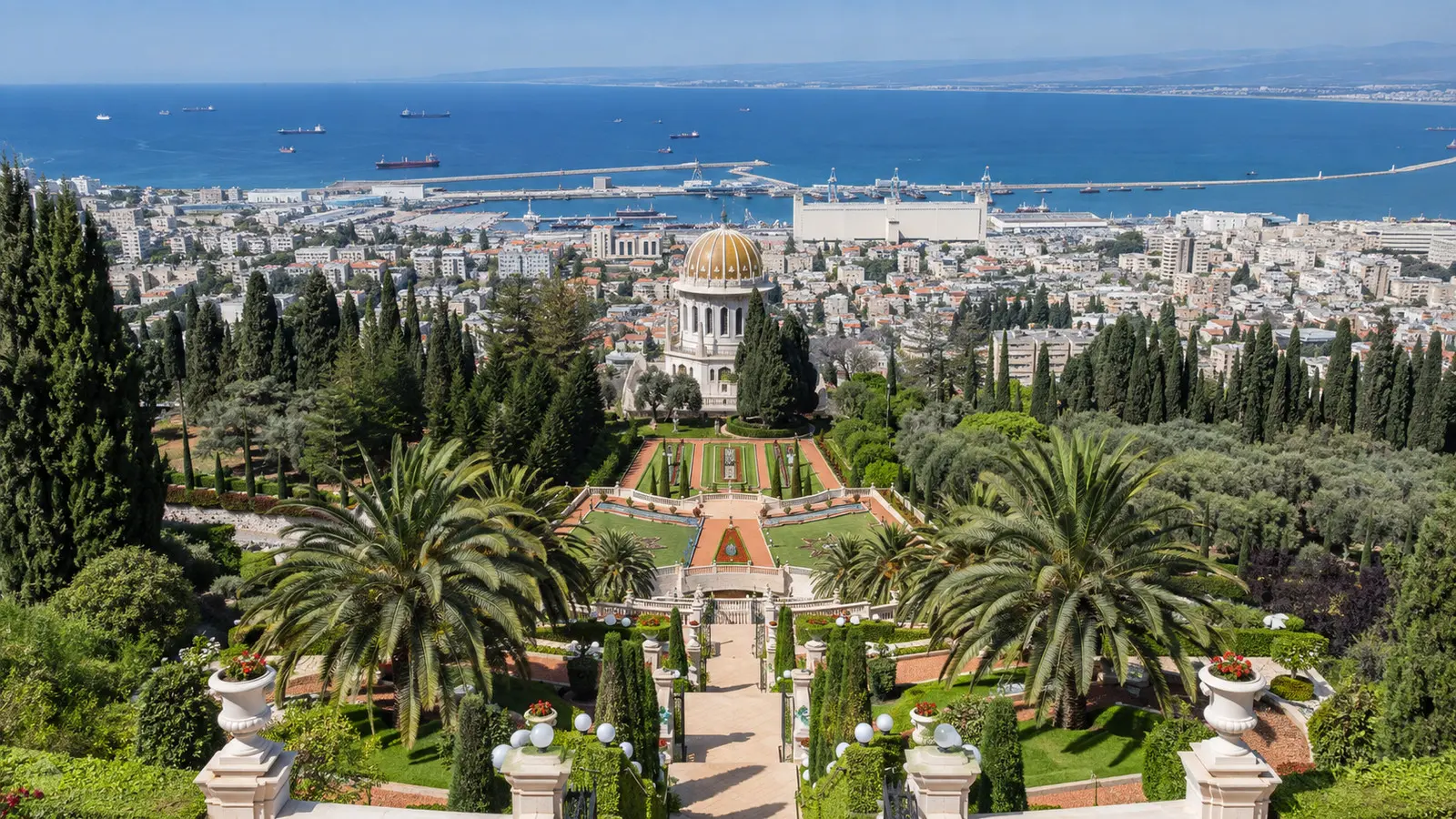
The Bahai Gardens are sacred grounds, not a public park that happens to have good landscaping. Access points, opening hours, tours, weather closures, and areas open to casual visitors are controlled by the site.
Check the official Bahai Gardens visitor information shortly before your call. Do not assume a guided terrace route will be available simply because a viewpoint is open.
The gardens descend Mount Carmel in a formal axis toward the German Colony and port. The upper overlook gives the classic sweep down the terraces, while the lower entrance frames the shrine and hillside from below.
A full terrace visit includes many steps and significant elevation change. Modest clothing, quiet behavior, clean footwear, and respect for staff instructions are part of visiting a holy place.
If your schedule does not match a tour, use the officially open viewpoints and do not let the missing terrace walk ruin the day. The view from above and the approach from Ben Gurion Boulevard are both worth seeing on their own.
UNESCO recognizes the Bahai Holy Places in Haifa and the Western Galilee for their spiritual meaning and living pilgrimage tradition. The property includes the Shrine of the Bab in Haifa and the Shrine of Bahaullah near Akko, with related gardens and buildings.
The German Colony and Wadi Nisnas
Ben Gurion Boulevard is the polished face of lower Haifa, lined with restaurants in nineteenth century stone buildings beneath the gardens. It works well for coffee, an early lunch, or an evening walk on an overnight call.
Wadi Nisnas feels more intimate and less staged. Its lanes, produce shops, bakeries, cafes, and public art reflect the Arab community that has shaped this part of Haifa.
Visit earlier in the day for the liveliest market atmosphere. I would rather taste one good plate of hummus, pastries, or stuffed vegetables here than race through three distant attractions.
The distance between the German Colony and Wadi Nisnas is reasonable, but streets can be uneven and crossings busy. Keep a map open, since the most interesting lanes do not always run in a tidy grid.
Stella Maris and the top of Mount Carmel
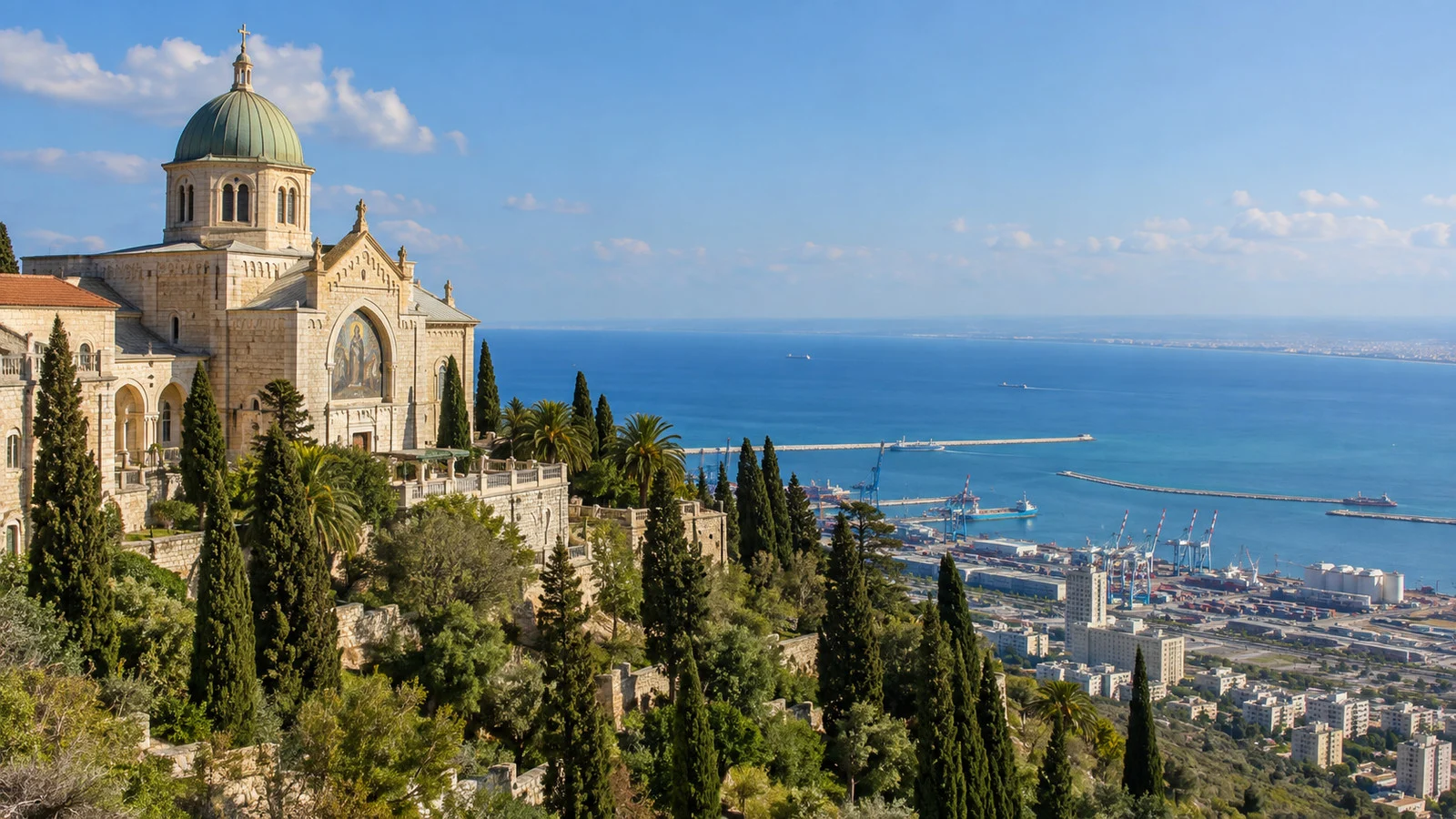
Stella Maris Monastery occupies a commanding position near the western tip of Mount Carmel. Its church, sea views, and connection with the Carmelite tradition make it a calm counterpoint to the busy port below.
Opening access can change around worship, community use, and local conditions, so verify it before traveling across the ridge. Dress respectfully and remember that silence matters inside even when a tour group arrives behind you.
This part of Haifa is best reached by taxi or a planned transit route. Pair it with an upper garden viewpoint rather than returning to sea level between the two.
Best day trip: Old Akko
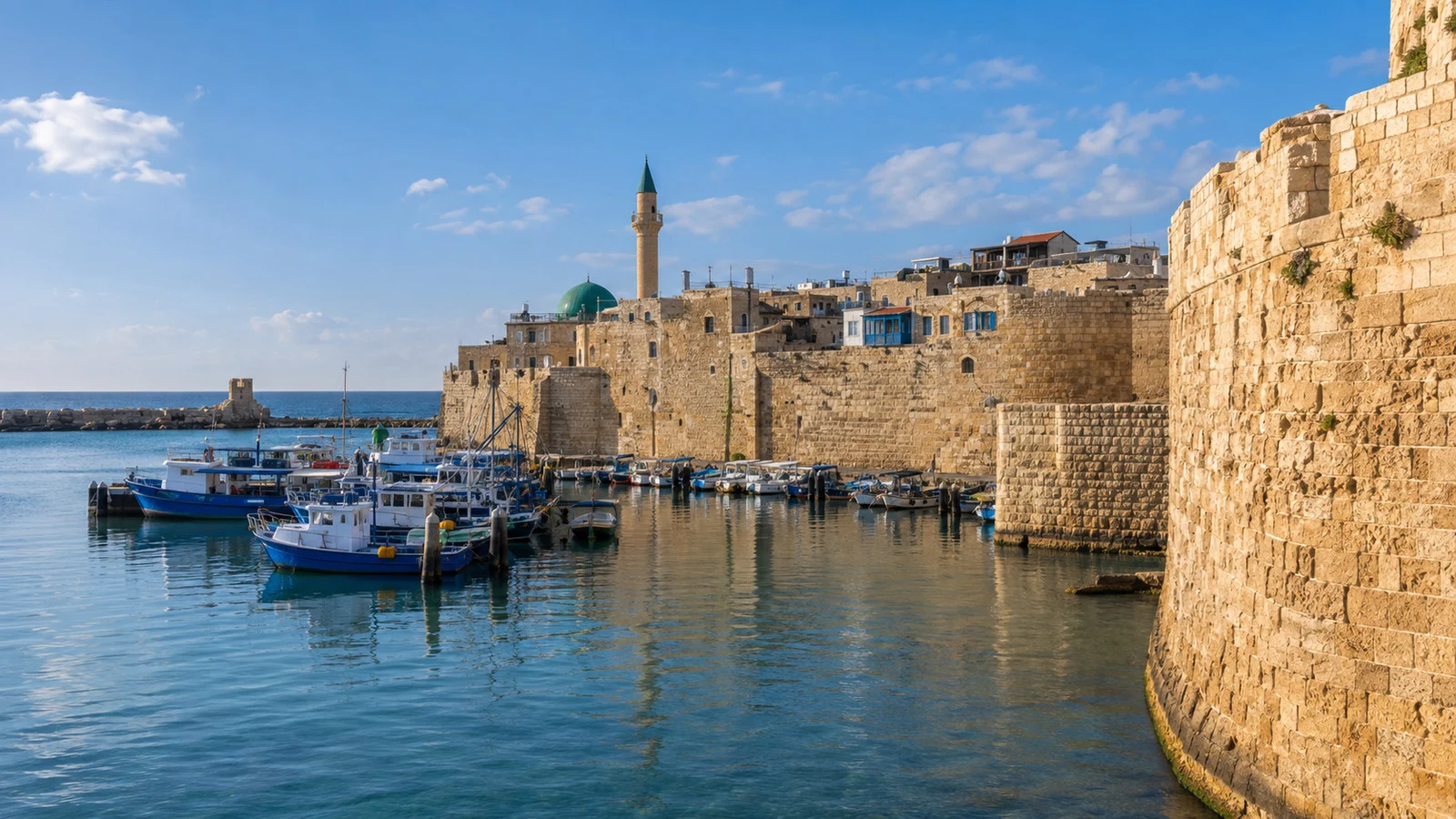
Akko, also written Acre, is the trip I recommend most often from Haifa. Its Crusader remains sit beneath an Ottoman walled city, with markets, mosques, sea walls, tunnels, and a fishing harbor packed into a walkable area.
The official Old Akko visitor site sells combined attraction tickets and publishes current notices. At the time of research, it warned that the elevator at the Templars Tunnel was out of service, which is exactly why accessibility details need a same day check.
Start at the Knights Halls for the clearest introduction to the underground Crusader city. Continue through the market toward the Templars Tunnel, then return along the sea walls if heat and time allow.
Akko is a living city, not a sealed archaeological park. That gives it wonderful food and street life, but also means stone lanes, steps, delivery traffic, and changing access.
Rail can be an efficient connection on ordinary operating days, while a taxi, private driver, or ship excursion reduces the risk of timetable changes. On Shabbat or a short call, do not assume the same transport options will be running.
A private driver is useful if you want to combine Akko with a brief Haifa viewpoint. Agree on pickup location, total price, waiting time, and the latest return before leaving the port.
Second day trip: Caesarea National Park
Caesarea offers a different kind of history on the coast south of Haifa. The site combines a Roman theater, Herodian harbor works, a hippodrome, later fortifications, and a seaside promenade.
The Israel Nature and Parks Authority publishes opening hours, fees, reservations, and access information. It notes that entrance closes one hour before the listed park closing time, a detail that matters on an afternoon visit.
The park is exposed to sun and sea wind, with long outdoor stretches between major features. Go early in hot weather, carry water, and allow more time than the theater alone suggests.
Caesarea’s official access information identifies routes to major areas including the Roman theater, archaeological garden, hippodrome, beach promenade, ancient city, and visitor center. Conditions can still vary, so travelers using mobility equipment should coordinate before arrival.
I would choose Caesarea over Akko if Roman engineering and open coastal ruins are the priority. I would choose Akko for atmosphere, food, and a denser day on foot.
Why Jerusalem is usually too much from Haifa
Jerusalem can be reached from Haifa, but a standard cruise call turns it into a long transport day with very little margin. Road conditions, checkpoints, city traffic, and terminal screening all sit between your final sight and the ship.
If Jerusalem is the central goal of the trip, a cruise itinerary with a closer port call or an overnight stay is the more forgiving choice. From Haifa, north coast destinations use the day far better.
Passengers who still choose Jerusalem should use a ship excursion or a tightly managed private tour with a conservative turnaround. Independent rail and taxi combinations introduce too many moving parts for a short call.
Shabbat changes the practical plan
Shabbat runs from Friday evening to Saturday evening, and its effect varies by service. Rail generally pauses, many businesses close, some buses operate on limited local patterns, and individual attractions set their own hours.
Haifa has a reputation for more weekend activity than many Israeli cities, but that does not equal a normal weekday timetable. Check the live rail, bus, garden, museum, and park information for your exact date.
A ship excursion or reserved driver becomes more valuable when public transport is reduced. Confirm the return arrangement before leaving, especially if you are heading outside the city.
Friday afternoons also deserve caution because services may end earlier than expected. Work backward from the all aboard time rather than planning around a theoretical last train.
Entry authorization and documents
Israel’s entry requirements depend on nationality and can change. Travelers who do not need a visa may still need an approved ETA-IL before travel, while other passport holders follow a visa process.
Use the official Population and Immigration Authority guidance and the cruise line’s documentation notice for your sailing. A port call does not guarantee an exemption from normal passenger screening.
Carry the passport or identification specified by the ship when you go ashore, and keep digital copies stored securely. Never surrender your passport to a driver or unofficial guide.
Regional security can also affect the call itself, shore excursions, roads, and attraction access with little warning. Book refundable arrangements and treat the ship’s latest instructions as operationally decisive.
Accessibility in Haifa and beyond
The ship normally docks alongside, which removes tender transfer as the first barrier. The remaining questions are terminal distance, port transport, curb cuts, steep grades, and accessible vehicles.
The lower German Colony is the easiest part of central Haifa to navigate, while the mountain and garden terraces are much harder. A viewpoint may provide the experience you want without a staircase route through the grounds.
For Akko, expect old stone, narrow passages, slopes, and occasional equipment outages. Contact the attraction directly about lifts and accessible routes instead of relying on a general statement that the site welcomes everyone.
Caesarea publishes a broader set of accessible areas, but weather and distance still matter. Arrange a vehicle that fits the passenger and mobility device without unsafe lifting.
Travelers with limited stamina should choose one major site and one scenic stop. Haifa can be a lovely day without covering every elevation on Mount Carmel.
Weather and what to wear
Haifa’s Mediterranean summer is hot, bright, and humid near the water. Shade, water, a hat, and high protection sunscreen matter even when the air temperature looks moderate.
Winter is mild but can be rainy and windy, particularly beside the bay. A compact waterproof layer and shoes with grip make old stone streets much more comfortable.
Spring and fall often provide the easiest walking weather, though hot dry winds can raise temperatures and reduce visibility. Check the forecast the evening before and adjust the outdoor portion of the day.
Modest clothing is useful for religious sites and can be carried as a light layer. Shoulders and knees covered is a practical baseline, but follow the specific rules posted at each place.
A realistic Haifa port day
Start by going uphill while energy and temperatures are favorable. Take a taxi or transit to an official upper garden viewpoint, then work downhill toward the German Colony.
Continue on foot through Ben Gurion Boulevard and Wadi Nisnas for lunch. If you have a long call and reliable transport, spend the afternoon in Akko instead of adding scattered Haifa stops.
For a shorter call, stay in the city and add Stella Maris or a museum that confirms it is open. The pleasure comes from understanding Haifa’s layers, not collecting every lookout.
Set a firm return time that gets you to the port gate well before the cruise line’s deadline. Screening, traffic, and a changed pedestrian route can all consume the buffer.
Common mistakes to avoid
The first mistake is assuming the Bahai Gardens operate like an ordinary municipal park. Check official access before the day and keep a good alternative ready.
The second is planning by straight line distance in a city built on a mountain. Look at elevation, transit connections, and stairs before deciding two places are close.
The third is using a weekday transport plan on Shabbat. Verify every leg, including the return, rather than trusting a generic schedule saved weeks earlier.
The fourth is stretching a normal call all the way to Jerusalem. Haifa, Akko, and Caesarea offer enough substance without turning the day into a race.
Quick answers
Can I walk from Haifa cruise port to the Bahai Gardens?
You can walk through the lower city toward the German Colony and lower garden area, but the famous upper viewpoints and terraces involve major elevation and controlled access.
Do I need a reservation for the Bahai Gardens?
Tour and entry arrangements vary, so check the official visitor page for your date and reserve when required.
Is Akko easy to visit from Haifa?
Akko is one of the most practical day trips when rail or road service is operating normally, but confirm transport carefully on Shabbat and during disruptions.
Should I choose Akko or Caesarea?
Choose Akko for a dense walled city, markets, and underground Crusader remains, or Caesarea for Roman ruins and open coastal scenery.
Is Haifa wheelchair friendly?
The lower city has manageable areas, but steep terrain, garden steps, old stone, and vehicle access require planning, so confirm each route and transfer in advance.
The last word
Haifa works best when you let the mountain organize the day. Go high first, move downhill through the gardens and neighborhoods, then decide whether the schedule truly leaves room for Akko.
The city has more depth than the postcard view from the bay suggests. Sacred gardens, mixed neighborhoods, modern port life, and layers of regional history all meet within a few miles.
Stay flexible, check live access, and return early enough for the port process. That approach gives Haifa room to surprise you without turning the final hour into a sprint.
How this guide was researched: This guide was checked against official Bahai Gardens information, UNESCO World Heritage Centre, Old Akko visitor information, Israel Nature and Parks Authority, Israeli entry guidance, and port operating information. Operational and time-sensitive details were reviewed September 12, 2026; confirm the live berth, daily program, regional guidance, entry rules, accessibility, and cancellation terms before travel.
See our Editorial Policy.