Itea Cruise Port: Delphi, Timing and the 3:30 Close
Itea is the sea gate for one of the most powerful places in ancient Greece. The harbor town is easy, flat, and pleasant, but almost every first time visitor arrives with Delphi in mind.
The smartest port day is not complicated: confirm whether you dock or tender, secure transportation uphill, check the museum and archaeological site hours separately, and visit the part with the earliest closing time first. That sequence protects you from discovering that the museum has closed while the outdoor sanctuary remains open.
My quick take
I would make Delphi the one nonnegotiable experience and resist decorating the day with distant extras. The sanctuary, museum, mountain setting, and drive through the olive landscape already fill a memorable half day.
If you have visited Delphi before, Itea and Galaxidi create a lovely coastal alternative. A monastery trip can also be rewarding, but it deserves its own plan rather than being squeezed around the oracle.
Quick Facts
- Port: Itea, on the north side of the Gulf of Corinth in the Municipality of Delphi.
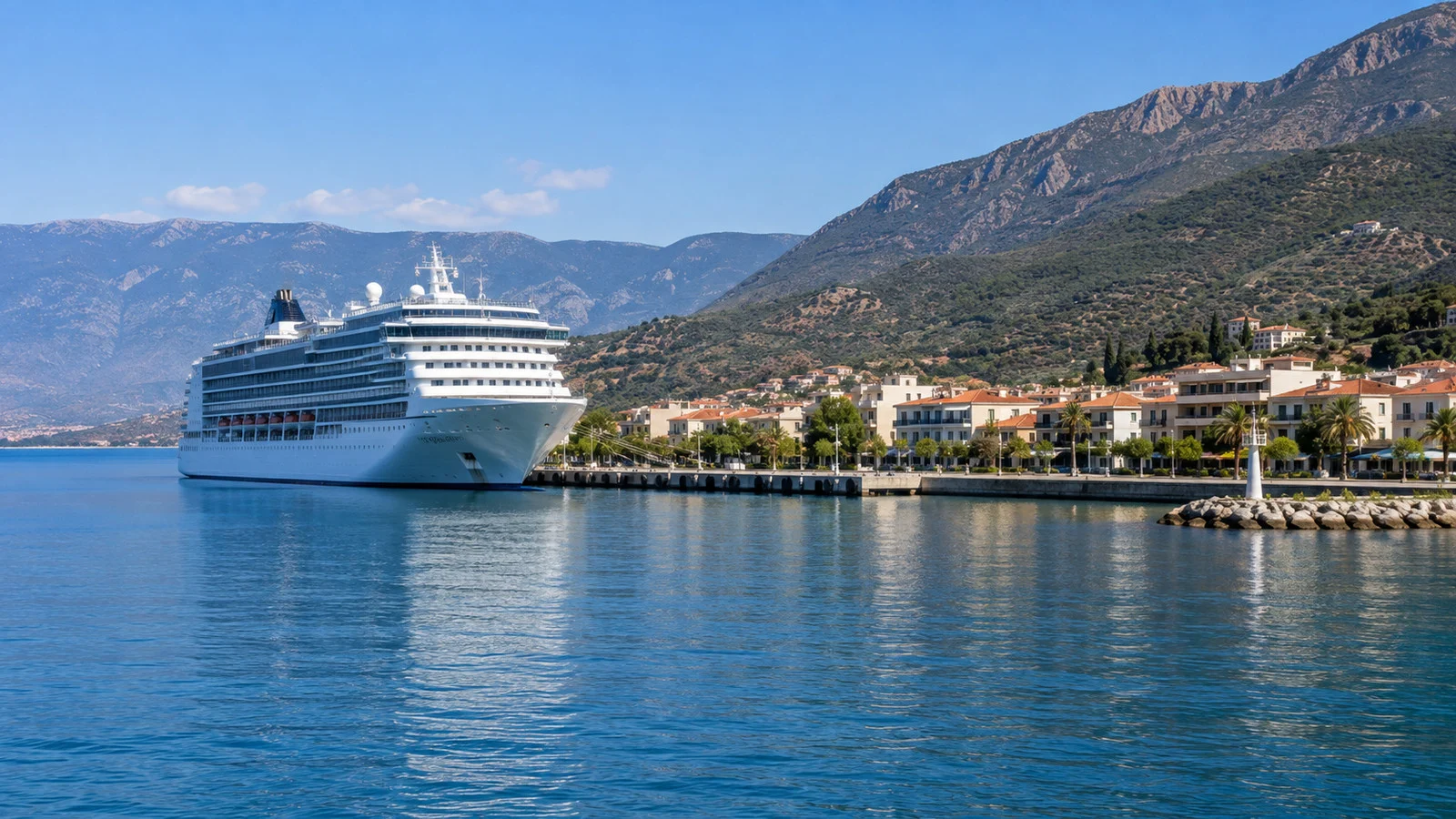
- Arrival: Smaller ships may berth at the town quay, while other vessels may use tenders according to the day’s plan.
- Town access: The waterfront begins beside the harbor, so no transfer is needed for a local day.
- Top excursion: Delphi archaeological site and museum.
- Currency: Euro.
- Language: Greek, with English common in visitor services.
- Time zone: Eastern European Time in winter and Eastern European Summer Time during daylight saving.
- Planning caution: Confirm site hours, museum hours, last admission, transportation, and the final tender or all aboard time.
How the Itea cruise arrival works
The Municipality of Delphi describes Itea as a commercial and tourism center whose harbor and marina receive commercial ships, cruise vessels, and private boats. This is a working municipal waterfront rather than a large cruise terminal complex.
Some small ships can berth alongside the town quay, which makes arrival wonderfully simple. Larger vessels or calls without a suitable berth may anchor and operate tenders, so the ship’s daily program is the only reliable guide for your visit.
An alongside passenger can step into the seafront area quickly. A tender passenger must add boat loading, transfer time, and a final tender deadline to every independent plan.
Independent drivers may meet near the harbor, but access points can change with port security. Confirm the exact meeting place in writing and exchange phone numbers before sailing.
Getting to Delphi
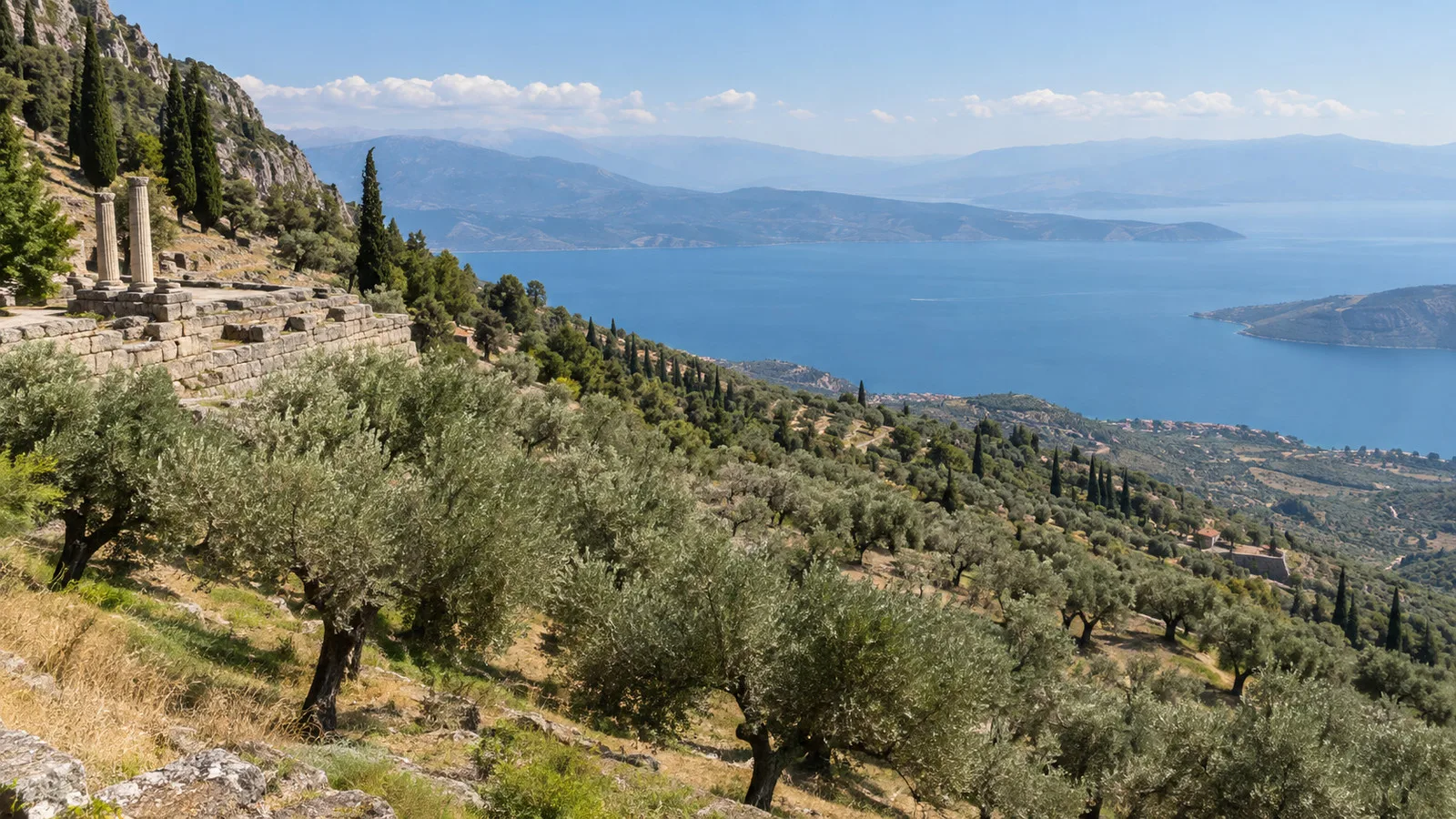
Delphi sits inland above the coastal plain, reached by a climbing road through one of Greece’s great olive landscapes. The transfer normally suits a half day excursion, but mountain curves, traffic, and group loading make a generous schedule wiser than the shortest map estimate.
A ship excursion is the simplest choice because transportation and return timing are coordinated. It is especially appealing on a tender day or when museum hours leave little room for a missed connection.
A taxi or private guide gives you flexibility to visit the museum first, linger at selected monuments, or stop for a view. Agree on the full round trip price, waiting time, pickup point, and return deadline before leaving Itea.
KTEL Fokidas provides regional bus transportation, but timetables serve local needs rather than cruise calls. Use the operator’s current schedule and allow a backup option instead of trusting a screenshot from another season.
The museum closing time matters
The archaeological museum and the outdoor sanctuary can follow different operating hours. A 15:30 museum close has been published for some periods, which is why the time appears in this guide’s title, but seasonal schedules, holidays, heat rules, strikes, and special notices can change it.
Check the official Delphi visitor information shortly before the call and again on the day if possible. Look for the last admission time as well as the closing time.
When the museum closes first, I would reverse the instinctive order and visit it before climbing the sanctuary. The exhibits explain what you will see outdoors, and this sequence removes the hardest deadline early.
Do not let a tour description blur the museum and site into one promise. Confirm that admission, guide time, and transportation cover both parts you want to visit.
Why Delphi is worth the effort
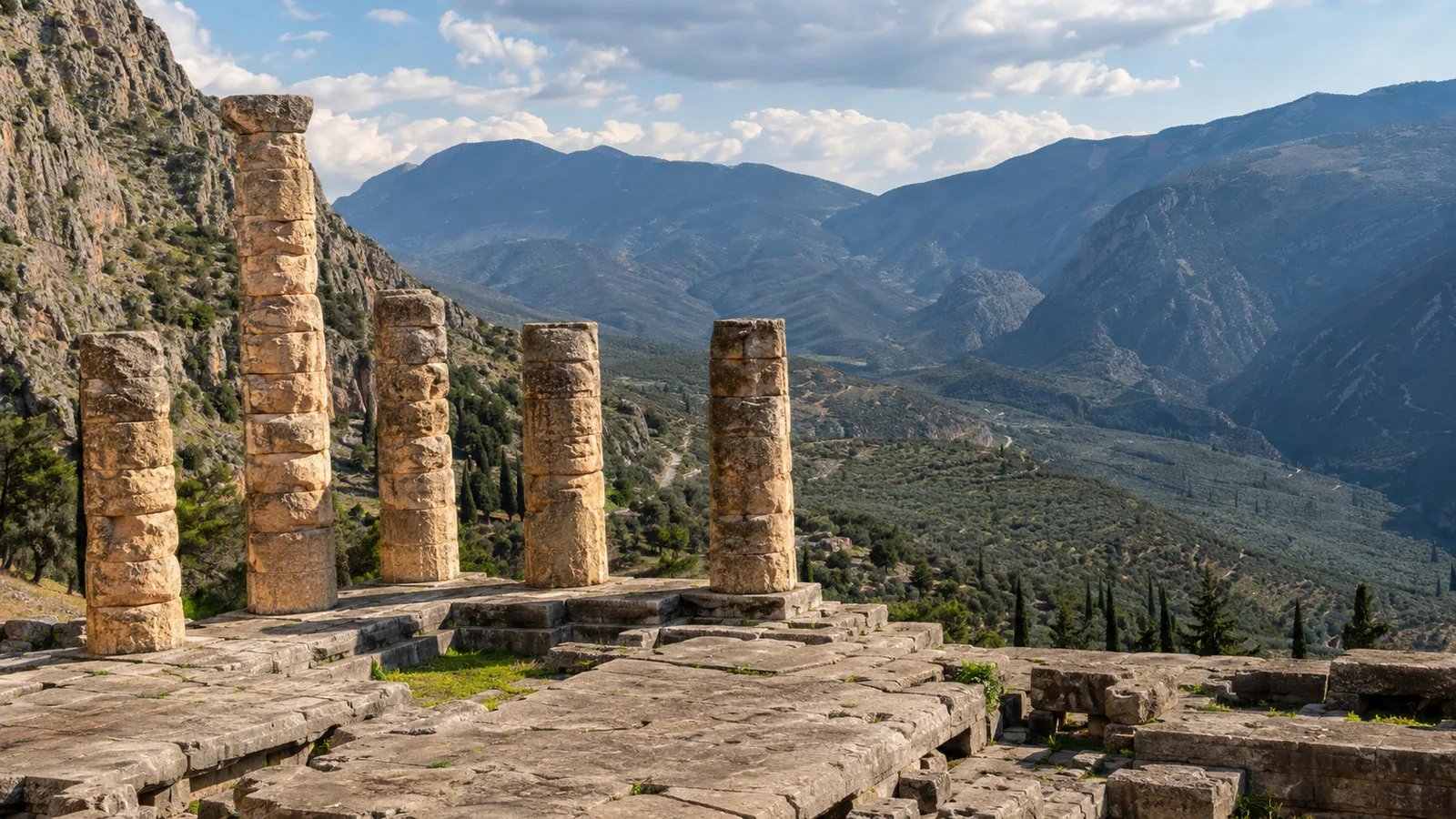
UNESCO describes Delphi as the pan Hellenic sanctuary where the oracle of Apollo spoke and the omphalos marked the navel of the world. In the sixth century before the common era, it became a religious center and symbol of unity across the Greek world.
The setting is inseparable from the archaeology. Terraces rise beneath Mount Parnassus while the view opens toward the olive plain and Gulf of Corinth, creating a relationship between landscape and monuments that UNESCO identifies as central to the site’s value.
The Sanctuary of Apollo
Visitors climb the Sacred Way past monuments and treasuries toward the Temple of Apollo. Higher ground leads toward the theater and stadium, although access, time, heat, and personal stamina should decide how far you go.
The route uses slopes, worn stone, gravel, and steps, with limited shade. Supportive shoes, water, a hat, and an honest sense of your knees matter more than checking every monument off a list.
The Archaeological Museum of Delphi
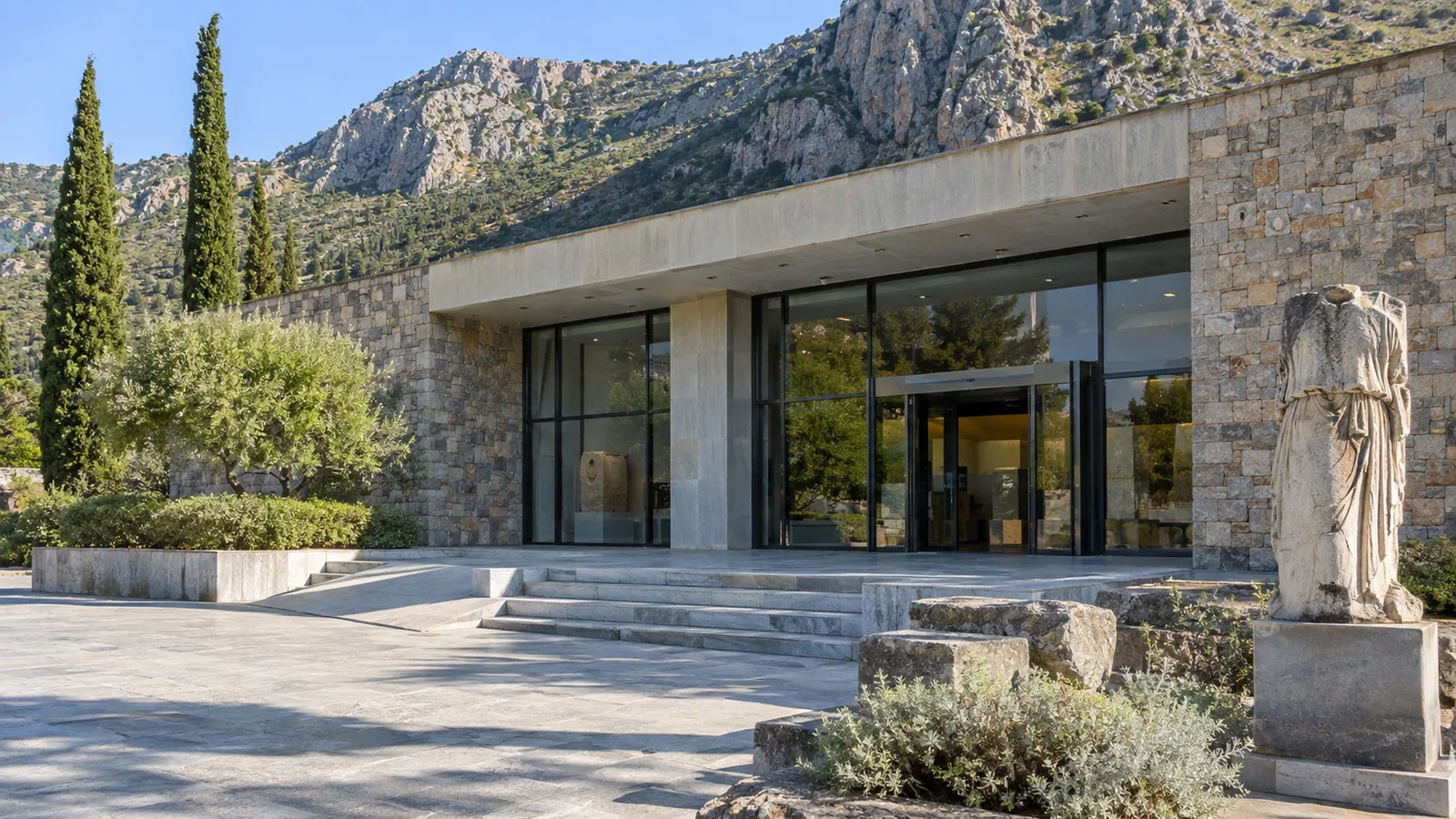
The museum brings the sanctuary to life through sculpture, architectural decoration, offerings, inscriptions, and objects found across the site. The bronze Charioteer, the Sphinx of Naxos, and the twin kouroi are among the pieces that help ancient Delphi feel human rather than abstract.
Give the museum real time, especially if you enjoy art or ancient religion. A rushed circuit still has value, but the galleries are not merely shelter from the sun.
The sanctuary of Athena Pronaia
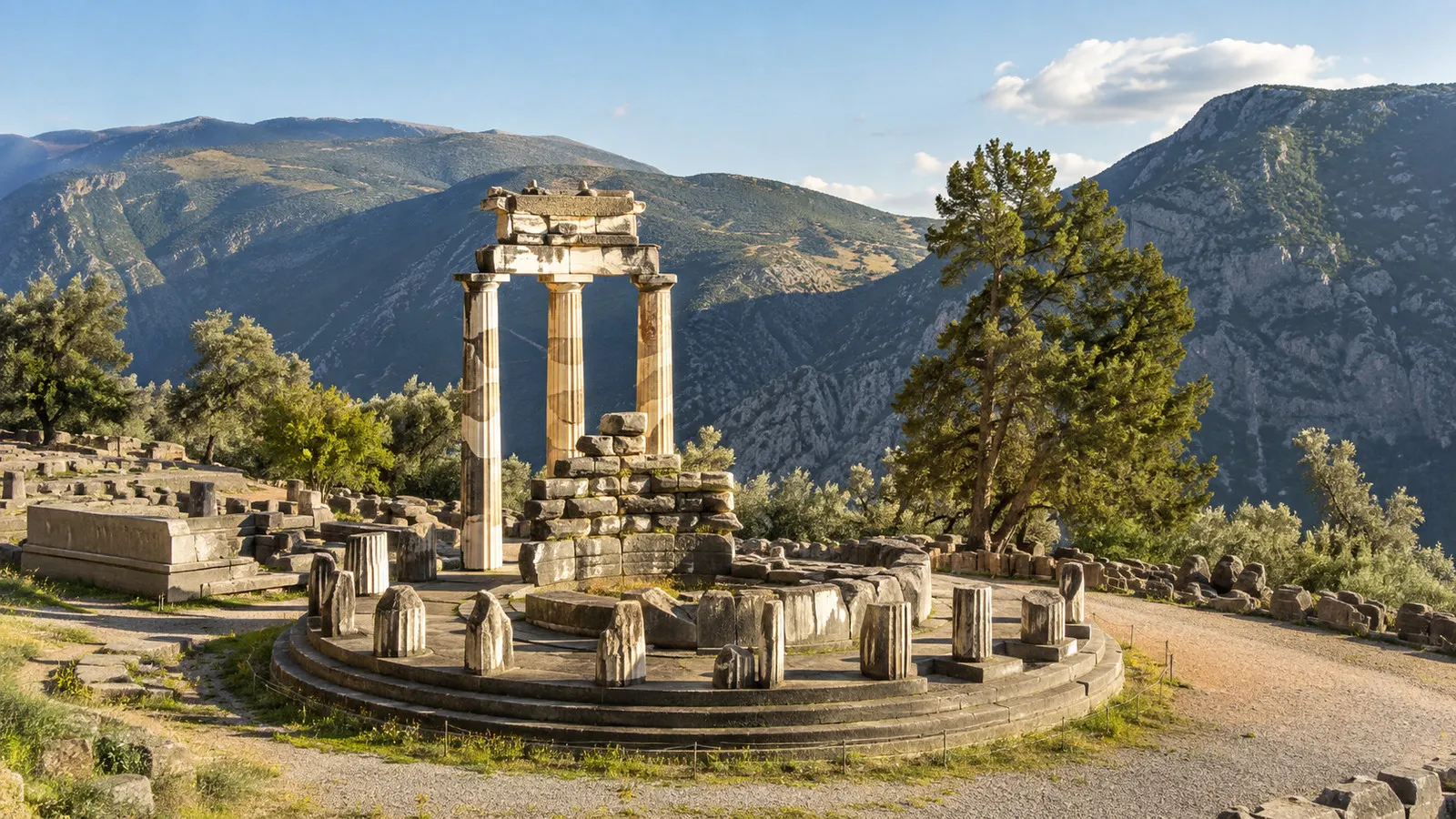
The tholos at Athena Pronaia is one of Delphi’s most recognizable images, yet it sits in a separate area below the main sanctuary. Ask whether your excursion includes it because short tours often pass without stopping.
Adding this area can be worthwhile if transportation and operating conditions cooperate. I would not sacrifice the main museum or Temple of Apollo route to fit it into a tight call.
Heat, closures, and pacing
Summer sun reflects from pale stone and there is little shelter along the upper route. Greece may impose access changes during dangerous heat, so official notices override every printed itinerary.
Start early when possible, drink before you feel thirsty, and pause at shade rather than waiting for exhaustion. A slower climb usually reveals more detail and produces better memories than racing to the stadium.
Wind can also surprise you on exposed terraces. Secure hats, keep loose papers inside a bag, and bring a light layer in spring or fall.
What to do in Itea itself
Itea is not trying to compete with Delphi, which is part of its charm. The grid of streets, waterfront cafes, local shops, swimming areas, and views across the gulf can turn extra hours into an easy Greek afternoon.
A local day works particularly well when weather, mobility, or a short call makes the mountain inconvenient. You can move at your own pace and remain close enough to see the ship.
The seafront
Walk the promenade, choose a table facing the water, and order something that does not need to be hurried. Fish, grilled vegetables, olives, coffee, and a cold drink feel entirely appropriate after a hot archaeological site.
Ask whether a beach area has changing facilities and check local swimming conditions before entering. Pebbles and sea entries can be awkward without water shoes.
Kirra
Nearby Kirra was the ancient coastal gateway used by travelers bound for Delphi. The modern area is quiet, but its connection to the pilgrimage route gives the shoreline a deeper historical frame.
This is better as a gentle walk or short taxi stop than as a major attraction. Pair it with the Itea waterfront when you want a low pressure day.
Galaxidi for a second visit
Galaxidi lies west along the coast and offers old maritime character, natural harbors, churches, neoclassical houses, and a relaxed waterfront. It is a beautiful choice for travelers who have already seen Delphi or want a scenic town rather than a steep archaeological site.
The official Greek tourism presentation emphasizes its seafaring past and island like atmosphere. Confirm transportation both ways, because the calm streets can make it easy to forget the ship’s clock.
I would choose Galaxidi instead of Delphi, not as a rushed addition afterward. A long meal and harbor walk are the entire point.
Hosios Loukas needs its own plan
The monastery of Hosios Loukas is part of a UNESCO World Heritage inscription with Daphni and Nea Moni of Chios. Its architecture, mosaics, and mountain setting make it one of Greece’s great Byzantine visits.
It is also a meaningful road trip from Itea, which can strain a short cruise call when combined with Delphi. Choose a properly timed private or ship excursion and verify the monastery’s current hours before committing.
Travelers with a deep interest in Byzantine art may reasonably prefer it to Delphi on a repeat visit. First time visitors should understand the trade before letting a tour title promise both.
Accessibility at Itea and Delphi
Itea’s waterfront is generally the easier part of the day because the terrain is flatter and distances can be adjusted. Curb cuts, paving, tender steps, and gangway slopes still vary, so ask the cruise line about the actual arrival setup.
At Delphi, the museum and archaeological site have different access conditions. The museum offers the more manageable indoor route, while the outdoor sanctuary climbs across ancient, irregular terrain.
Official visitor information has described special arrangements for visitors with mobility limitations, including access toward the Temple of Apollo with advance coordination. Contact the site well before sailing and ask exactly which areas, vehicle, notice period, companion rules, and entrances apply.
Reserve accessible transportation from Itea separately. A museum elevator does not solve a vehicle step, tender transfer, rough path, or inaccessible restroom elsewhere in the day.
Weather and what to bring
Itea and Delphi can feel like two different weather stops because Delphi sits higher and more exposed. The coast may be calm while the sanctuary is breezy, cloudy, or cooler.
Summer can be very hot on the stone route, while spring and fall can bring changing skies. Check the forecast for Delphi itself rather than relying only on the ship’s temperature display at sea level.
Bring water, sun protection, supportive shoes, and a light outer layer. Keep a little cash for small purchases, although larger businesses and official ticketing increasingly accept cards.
Three realistic shore day plans
Plan one: Delphi first
Take a reserved morning transfer, enter the museum first if it has the earlier close, then explore the Sanctuary of Apollo at a comfortable pace. Return with enough margin for traffic, group loading, and a possible tender queue.
Plan two: Delphi and Itea
Visit the museum and main archaeological route, then come back to the waterfront for a late lunch or swim. This is the balance I would choose on a long call because it adds pleasure without adding another road risk.
Plan three: a coastal alternative
Skip the mountain and arrange a visit to Galaxidi, or stay close with Itea and Kirra. This plan suits repeat visitors, limited mobility, extreme heat, or a call whose timing does not align with Delphi.
Common mistakes to avoid
The first mistake is checking only the archaeological site’s closing time. The museum may close earlier, so confirm both and note last admission.
The second is assuming every Itea call docks. Tender operations change the usable day and impose a final boat time.
The third is relying on a regional bus without a backup. One missed departure can erase the return margin you thought you had.
The fourth is adding Hosios Loukas because the map makes it look close. Mountain roads and visit time can turn two excellent places into one exhausting day.
The fifth is underestimating the Delphi climb. Heat, glare, loose surfaces, and elevation deserve a slower pace.
Frequently asked questions
How far is Delphi from Itea?
Delphi is an inland mountain transfer from the Itea waterfront and normally fits within a half day excursion. Allow extra time beyond the basic drive for traffic, loading, ticketing, and the climb through the site.
Do ships dock or tender at Itea?
Both arrangements are possible, depending on the vessel and day’s port plan. Check the onboard program for the confirmed quay, gangway, and final tender time.
Does the Delphi museum close at 15:30?
That closing time has been published for some operating periods, but it should not be treated as permanent. Confirm the official date specific museum and site schedules before travel.
Can I visit Delphi independently?
Yes, with a reserved taxi, private guide, or public bus that leaves a conservative return margin. Agree round trip logistics before leaving Itea and keep a backup plan.
Is Delphi accessible?
The museum is the more accessible part, while the outdoor site has steep and uneven terrain. Contact the official site in advance for current assisted access arrangements and reserve suitable transportation from the port.
Is Itea worth exploring?
Yes, particularly after Delphi or on a short call. The seafront, food, swimming, and nearby Kirra make a calm alternative to another long excursion.
My final take
Itea becomes simple once you accept that Delphi is the day. Protect the museum deadline, choose dependable transportation, climb only as far as feels good, and return to the gulf with time to spare.
On a repeat visit, I would trade the famous sanctuary for Galaxidi or a slow afternoon along Itea’s waterfront. The coast deserves attention too, even when the oracle gets the headlines.
This guide was desk-researched on September 12, 2026 using official municipal, Greek Ministry of Culture, KTEL Fokidas, tourism, and UNESCO information. It does not claim a personal sailing, port inspection, Delphi visit, or regional journey.
Berthing, tenders, museum hours, site access, heat closures, transit, admission, and accessibility can change, so confirm live details with your cruise line and official providers before travel.