Catania Cruise Port: City Walks, Etna and Taormina
Catania rewards cruise travelers who make one good decision early: stay in the lava-stone city, or commit to Etna or Taormina. The port is central enough that a splendid day does not require a heroic alarm clock.
The quick facts
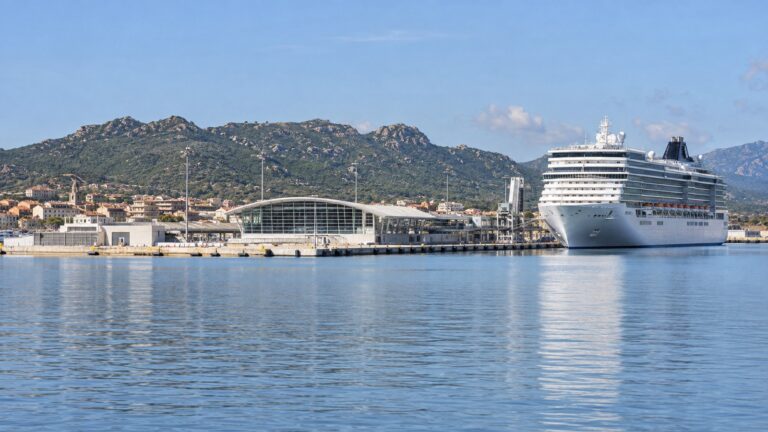
- Where you land: the Cruise Terminal at Sporgente Centrale in the Porto di Catania. The port operator describes three cruise docks with room for as many as five ships and roughly 5,250 feet of quay, so the assigned berth can vary.
- Dock or tender: Most cruise calls berth alongside at one of the port’s cruise quays, and tendering is not part of a normal Catania call.
- Into town: You walk.
- Currency and language: The euro, with Italian the working language and Sicilian widely spoken.
- Time zone: Central European Summer Time (CEST, UTC+2) through the cruise season, CET (UTC+1) in winter.
- How often the call is missed: Low (roughly 1 to 2%): the sheltered berth is rarely limited by local weather.
Where cruise ships dock in Catania
The current Catania Cruise Port operator describes three cruise docks with room for as many as five ships, plus quays totaling about 5,250 feet. Water depth ranges from about 33 to 43 feet, so the port can handle substantial cruise traffic alongside.
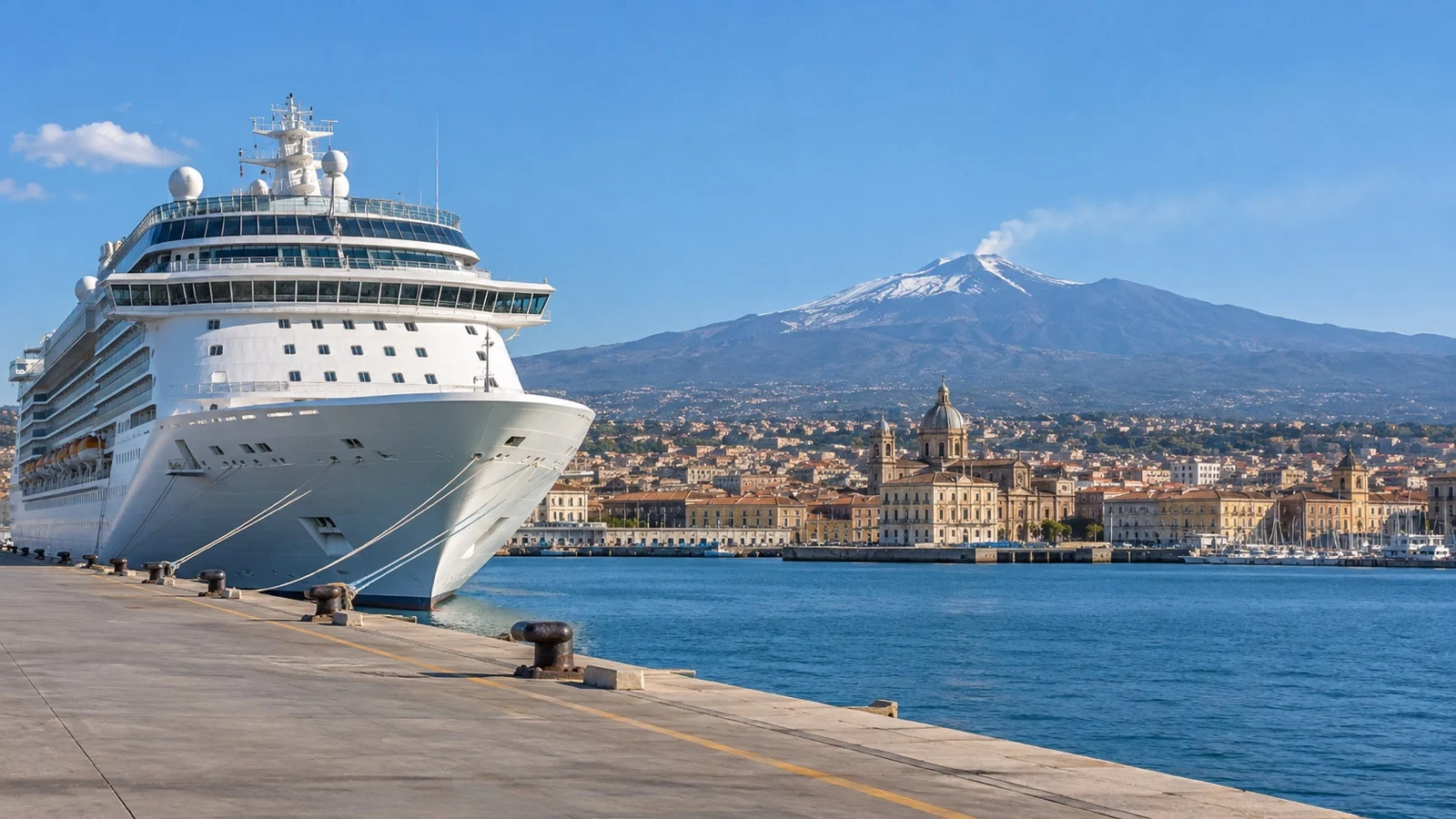
Sporgente Centrale is the key name to recognize because it holds the cruise terminal and sits close to both the city and train station. Your ship can still receive a different operational berth, so use the gangway notice and cruise-line instructions as the final word on that morning’s exit.
The terminal area includes space for shore-excursion motorcoaches and taxis. Do not assume every ship provides a shuttle, since a central berth makes walking practical and cruise-line arrangements vary by call.
Getting from the terminal into Catania
Walking
For an independent city day, walking is usually the simplest choice. Follow the marked pedestrian route through the active port, then aim for Piazza Duomo rather than wandering along vehicle lanes and hoping baroque architecture eventually waves hello.
The route is broadly level near the waterfront, but Catania’s historic core mixes smooth paving with cobbles, curbs, and uneven lava stone. Comfortable shoes are not a fashion defeat here; they are excellent itinerary management.
Taxi and private transfer
Taxis normally serve the terminal area when ships are in port, and prearranged drivers meet passengers in the designated transport zone. Agree on the fare or confirm the meter before leaving, especially for Etna or Taormina, and keep the ship’s all-aboard time in writing.
Train
Catania Centrale can be useful for Taormina and other east-coast towns, but it is not the automatic answer for every excursion. Check same-day service in the Trenitalia app, allow time to reach the station, and remember that Taormina-Giardini station is below the hilltop center.
Airport transport
If Catania is your embarkation or disembarkation port, Fontanarossa Airport is close by road rather than close enough to walk. The port lists Alibus, urban route 534, and taxis, while the official AMTS Alibus page currently prices its 90-minute integrated ticket at €4 and permits onboard card or cash payment.
What to see on foot from Catania cruise port
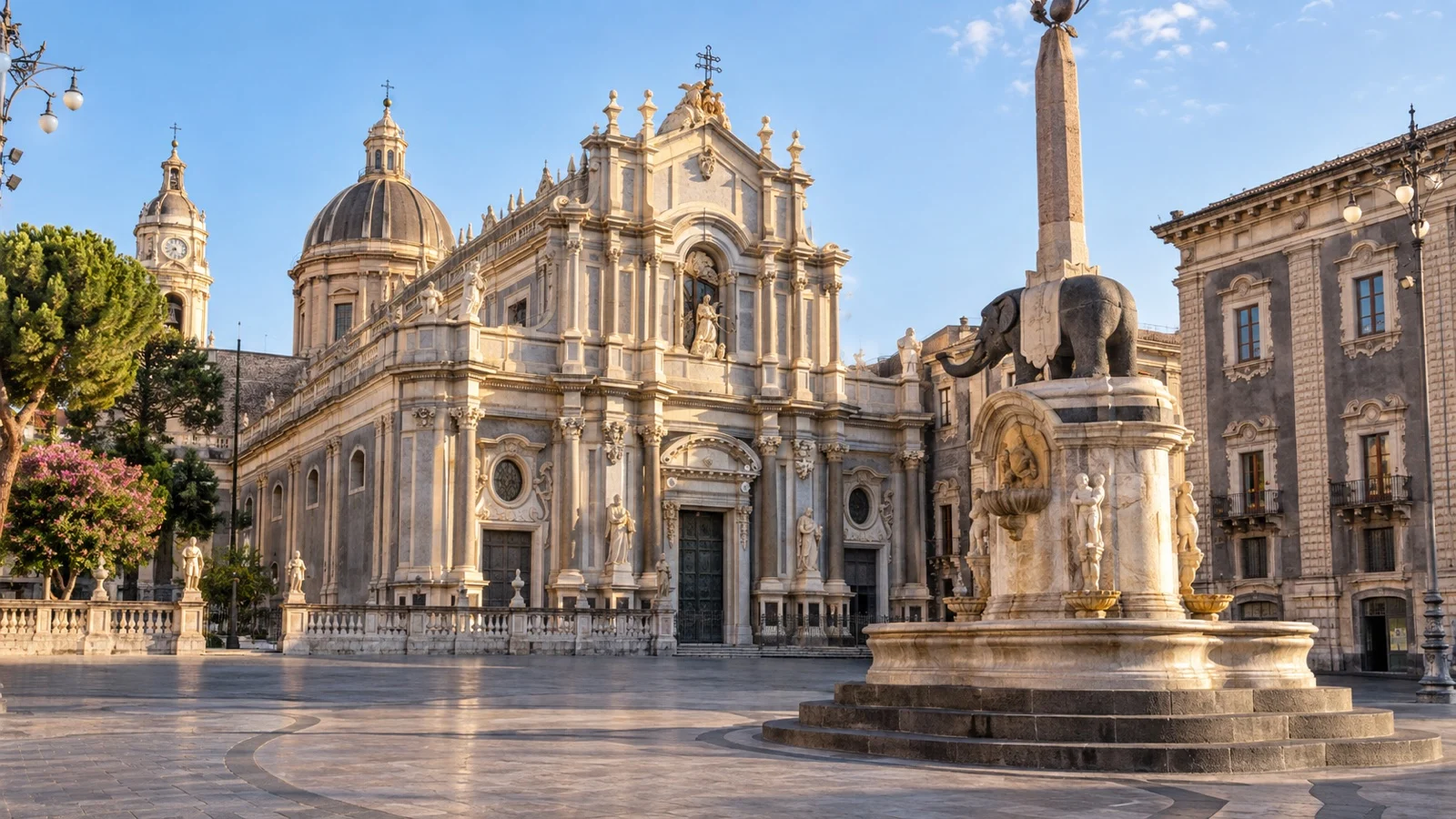
Piazza Duomo is the natural anchor, with the Cathedral of Saint Agatha, Palazzo degli Elefanti, and the elephant fountain gathered into one handsome square. The city’s official tourism portal is the best place to confirm temporary closures, events, and current museum information.
Just behind the square, La Pescheria delivers the sound, color, and unapologetic bustle of a working fish market, especially earlier in the day. Watch your footing on wet surfaces, keep valuables secure, and let vendors work rather than treating the market like a human aquarium.
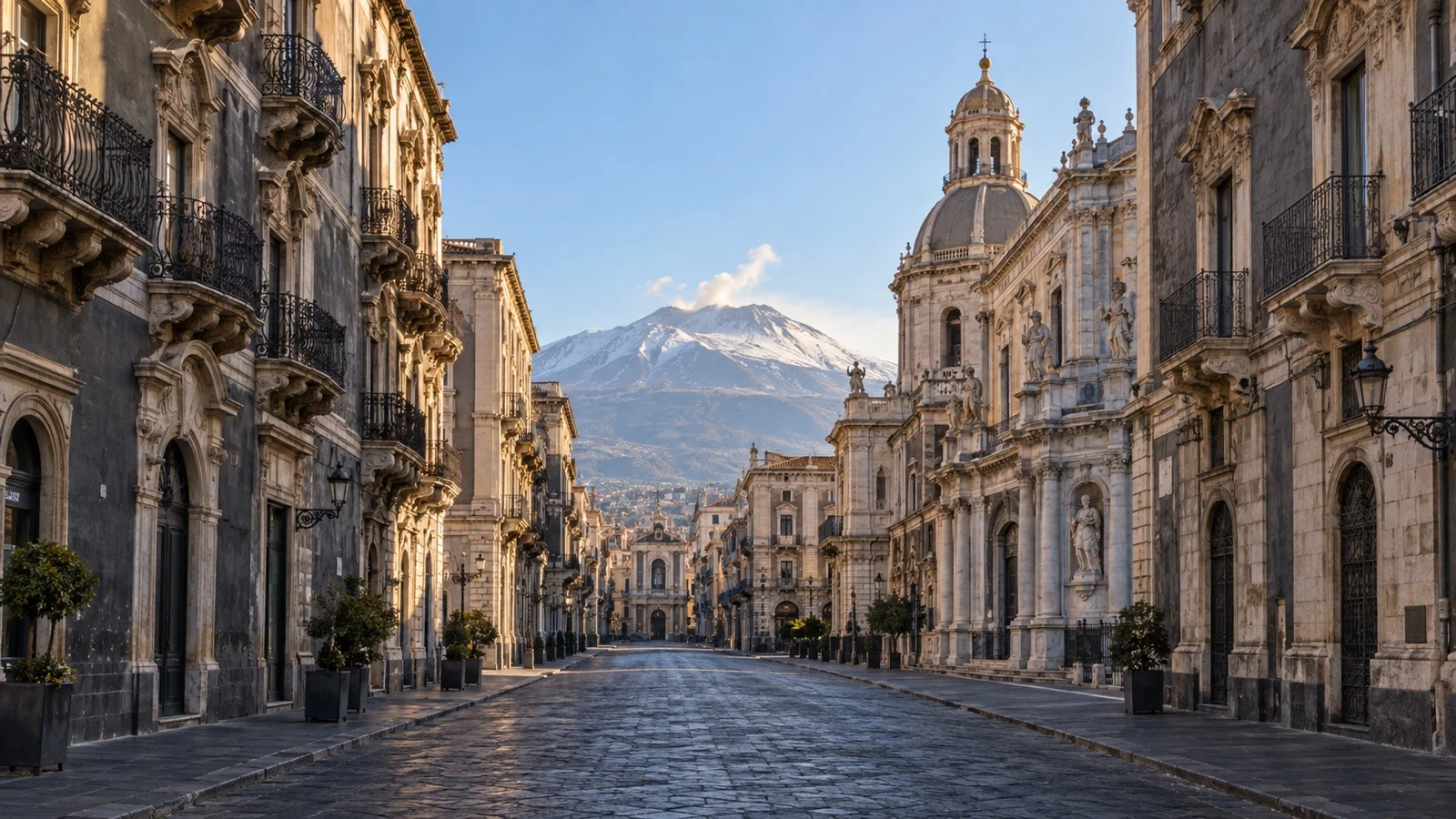
Continue along Via Etnea for cafes, shops, churches, and occasional views toward the volcano when the sky cooperates. The street ties together much of central Catania, making it an easy navigation spine if your sense of direction has remained aboard with breakfast.
Castello Ursino provides a solid museum stop in a medieval fortress that lava flows once left farther from the sea. Opening hours and exhibits change, so verify the City of Catania museum listing before building your day around it.
Should you choose Mount Etna?
Etna is the big landscape choice, and it is genuinely different from simply seeing the volcano from town. Most south-side visits begin around Rifugio Sapienza, well above Catania, where altitude brings lower temperatures, stronger wind, and weather that can disagree with the sunny port.
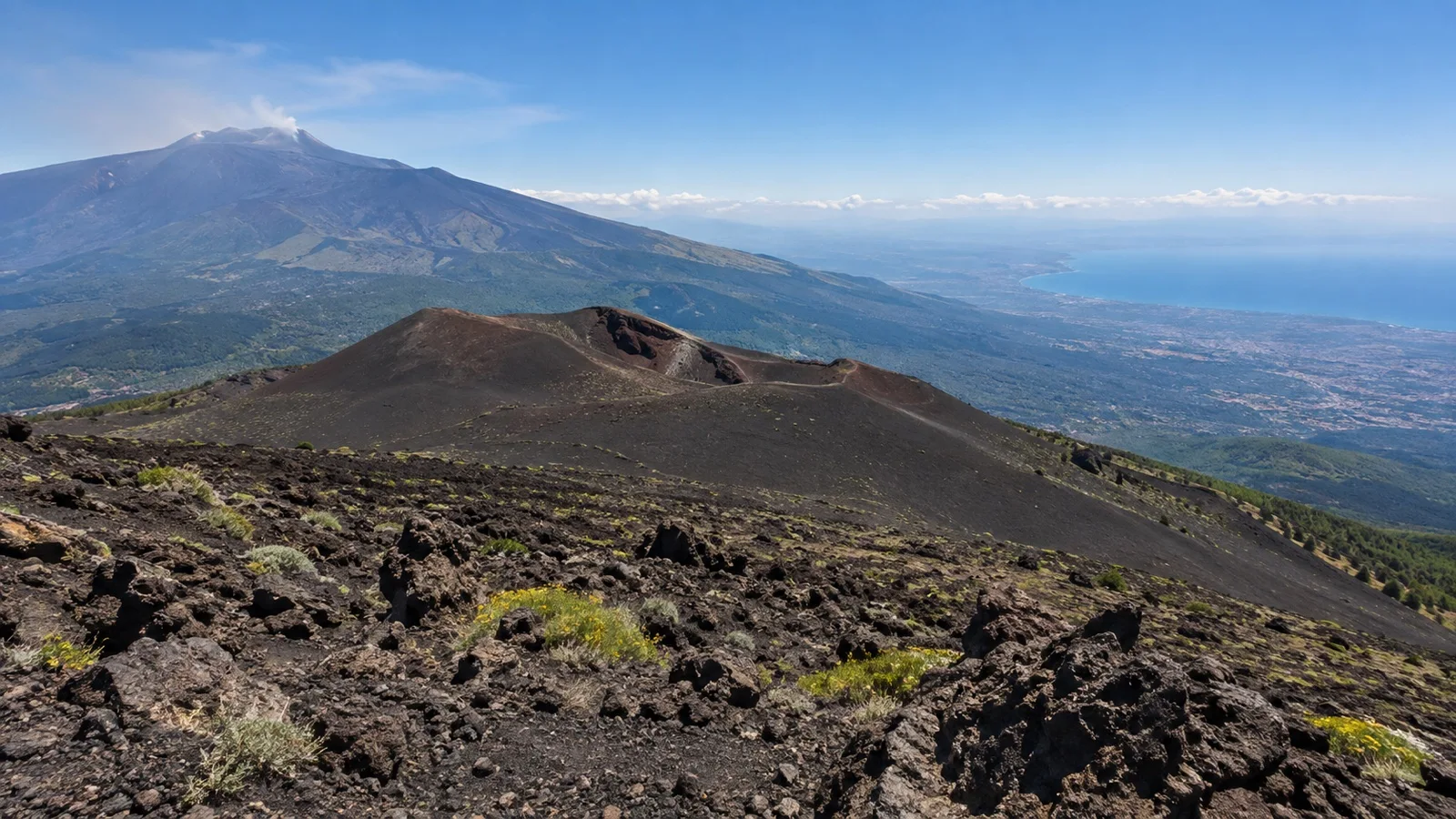
The official Funivia dell’Etna climbs from about 6,300 to 8,200 feet, with higher excursions using 4×4 vehicles and qualified guides when conditions permit. Volcanic activity, wind, snow, and civil-protection restrictions can change access quickly, so treat every summit-style description as conditional.
A ship excursion or well-vetted private tour is the lowest-stress option because public transport does not neatly match every cruise schedule. If going independently, book transport that clearly defines the altitude reached, equipment included, accessibility limits, and return plan.
Should you choose Taormina?
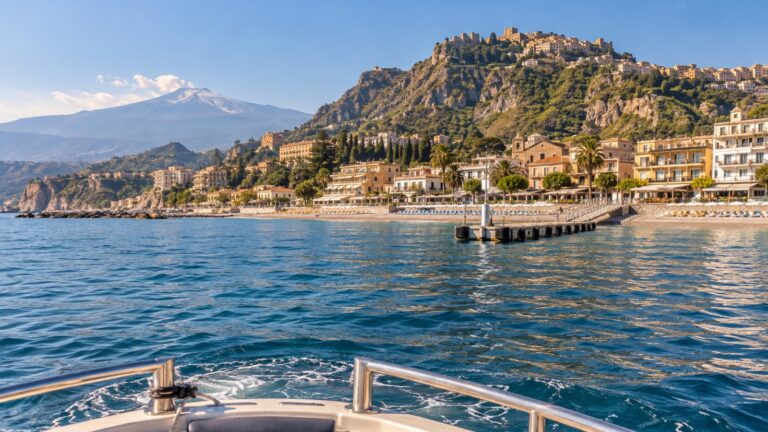
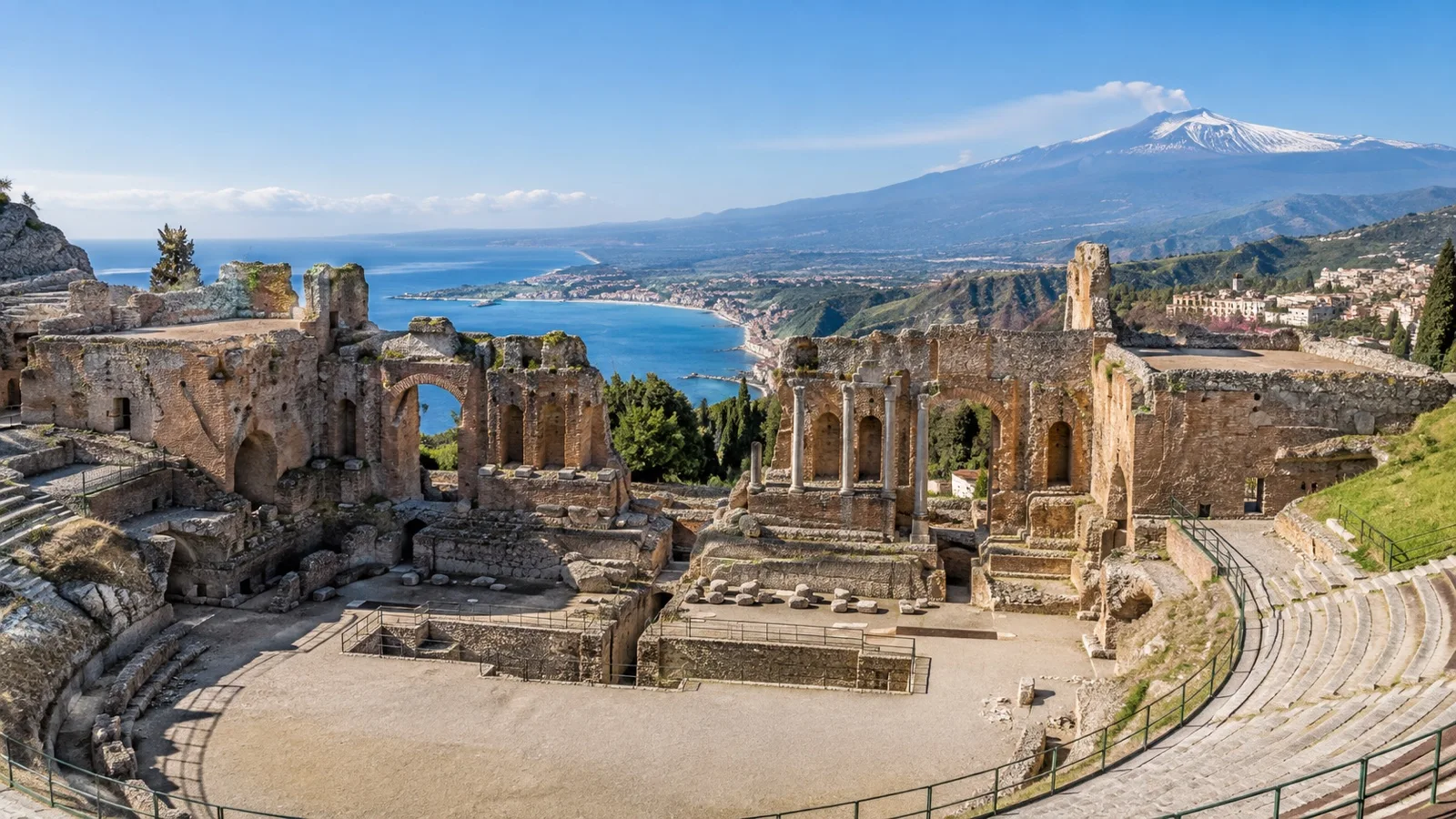
Taormina offers a polished hill town, the Ancient Theatre, Corso Umberto, and Ionian Sea views, but its hillside position adds a transfer after the train. Trenitalia’s official Taormina Link combines regional rail to Taormina-Giardini with a bus to the historic center.
For context on reaching Taormina from a different Sicilian port, our Messina cruise port guide explains why the same attraction can require different planning from another berth. From Catania, Taormina is realistic on a long call, but it should be the main event rather than an item squeezed between Etna and lunch.
Three realistic Catania port-day plans
Easy city day, about five hours ashore
- Walk to Piazza Duomo and visit the cathedral if services permit.
- Browse La Pescheria, then follow Via Etnea for architecture and a coffee.
- Choose Castello Ursino or the Roman Theatre, not both unless entry is immediate.
- Eat close to the center and begin walking back at least one hour before all aboard.
This flexible plan follows our guide to planning a six-hour port call: protect the essentials and resist itinerary confetti.
Etna-focused day, about seven to nine hours ashore
- Meet your verified tour at the terminal and confirm the latest permitted route.
- Spend the core of the day around Rifugio Sapienza and your selected altitude experience.
- Return with at least a 90 to 120-minute ship buffer, longer in uncertain weather or traffic.
- Add a brief central walk only if you are back early and relaxed.
Taormina day, about eight hours ashore
- Travel by prebooked transfer or a carefully timed train-and-bus combination.
- Prioritize the Ancient Theatre, Corso Umberto, and one unhurried meal or snack.
- Start the return early enough to absorb a missed connection or road delay.
- Keep central Catania as a bonus, not a promise.
Food worth making time for
An arancino, the filled rice snack known by the masculine name locally, is an excellent portable lunch. Pasta alla Norma combines tomato, fried eggplant, basil, and salted ricotta.
Granita with brioche works at breakfast and remains perfectly defensible later, while cartocciate are filled baked pastries suited to travelers watching the clock. Seafood near the market can be superb, but check prices before ordering anything sold by weight.
Accessibility and reduced-mobility planning
Catania is manageable with planning, not uniformly step-free. Ask the cruise line in advance about gangway slope, wheelchair assistance, exact berth, and the distance to the public gate because those details are ship-specific.
The waterfront and Piazza Duomo area are relatively level, but historic paving, curb cuts, market surfaces, and occasional construction can complicate a fully independent route. A terminal taxi can save energy, though travelers using adapted vehicles should reserve one rather than relying on the taxi line.
Etna requires especially careful questions about surfaces, altitude, weather, transfers, and whether every vehicle in a package is accessible. The cable-car operator describes accessible equipment, but individual needs and the day’s permitted route still need direct confirmation.
For broader planning ideas, see our guide to port-day activities with limited mobility. It helps separate a technically possible day from one that will actually feel enjoyable.
Weather, clothing, and seasonal reality
Summer in Catania can be intensely hot, particularly on exposed paving around midday. Carry water, use sun protection, and schedule indoor stops before the heat begins making decisions on your behalf.
Spring and autumn are often excellent for walking but can bring rain, while winter calls may be mild at sea level and wintry on Etna. Pack layers for any volcano excursion, plus closed shoes with grip rather than beach footwear.
Our Palermo cruise port guide is useful if your itinerary includes western Sicily, where the same island can present a different city rhythm and excursion geography. For regional context, the Mediterranean cruise ports hub helps compare Catania with the rest of your route.
Safety and ship-time strategy
Catania’s visitor areas call for ordinary city precautions: zip bags, keep phones away from traffic, and stay alert in crowds and around the market. Use licensed transport, ignore unsolicited offers that feel off, and call 112 for emergencies.
For a city-only day, plan to be back at the port entrance about 60 minutes before all aboard unless your cruise line requires more. For Etna or Taormina, protect at least 90 to 120 minutes because distance, traffic, weather, and connections all introduce delay risk.
Always work from ship time, which may not match your phone if settings are wrong, and note the emergency port-agent number from the daily program. The ship waits for its own tours under the cruise line’s terms, not for independent travelers with an excellent explanation.
Treat Etna and Taormina as separate full choices
Funivia dell’Etna currently operates from about 6,300 feet to 8,200 feet, with authorized 4×4 and guide products continuing toward roughly 9,800 feet when conditions permit. Volcanic activity, wind, snow, visibility, and authority restrictions can change the route or stop service, so check the operator and official alerts on the day.
Taormina-Giardini station sits below the historic center, which means the regional train is only the first leg. Trenitalia’s Taormina Link combines rail and connecting transport, but the exact connection, crowding, stairs, and return train still need to fit the ship.
A city day is the safer weather fallback, with the cathedral area, fish market, Via Etnea, and Castello Ursino close enough to shorten. Trying Etna and Taormina together leaves less time at both and creates two separate traffic or operating risks.
Catania cruise port FAQs
Can you walk from Catania cruise port to the city?
Yes, central Catania is normally walkable from the public port side, with Piazza Duomo roughly 15 to 20 minutes away for many travelers. Your exact time depends on the assigned berth, open gate, route, and mobility.
Do cruise ships tender in Catania?
Most cruise calls berth alongside at one of the port’s cruise quays rather than tendering. Operational changes are always possible, so check the ship’s arrival notice.
Is Mount Etna easy to visit independently?
It is possible, but public transport and changing mountain conditions make a reputable tour or prearranged driver easier for a time-limited cruise call. Confirm exactly where the trip goes, since “Etna” can mean several very different altitudes and experiences.
Can you visit both Etna and Taormina in one day?
Some organized tours combine brief versions of both on a long call, but independent travelers should usually choose one. Combining them reduces time at each and increases the number of things that can make you late.
What is the best low-stress Catania port day?
Walk to Piazza Duomo, see La Pescheria, follow Via Etnea, choose one historic interior, and eat something unmistakably Catanese. It is flexible, atmospheric, and keeps you close enough to the ship that lunch does not need a stopwatch.
The bottom line
Catania cruise port gives you three genuinely good days: a rich walkable city, a volcanic adventure on Etna, or a focused Taormina excursion. Pick one lead story, protect your return buffer, and let the espresso handle the supporting role.
Planning note: We verify operational details against official sources, but port assignments, transport schedules, attraction access, and fares can change. Read our Editorial Policy, then reconfirm key details with your cruise line and the linked local operators before sailing.
How this guide was researched: Port, transport, attraction, safety, booking, and accessibility details were checked against current official sources on September 10, 2026, including Catania Cruise Port, Catania tourism, AMTS, Funivia dell’Etna, official volcanic notices, and Trenitalia. Berths, schedules, access, weather, and operating rules can change, so confirm the sailing-specific details before travel; see our Editorial Policy.