Rotterdam Cruise Port: Terminal, City Walk and Kinderdijk
Rotterdam starts your port day with a skyline, a bridge, and almost no patience for quaint clichés. The ship docks beside a city that rebuilt itself boldly, so your toughest choice is architecture, harbor history, windmills, or an unreasonable amount of good food.
Rotterdam cruise port at a glance
Country: Netherlands.
Best easy day: Erasmus Bridge, Maritime District, Markthal, and Cube Houses.
Best classic excursion: Kinderdijk windmills.
Biggest planning trap: Underestimating how large Rotterdam and its port are.
The quick facts
- Where you land: Cruise Terminal Rotterdam on the Wilhelminakade at Kop van Zuid, right beside the Erasmus Bridge and about 25 to 35 minutes on foot from the city center. The official Cruise Port Rotterdam site publishes the call calendar.
- Dock or tender: Ocean ships berth alongside on the Nieuwe Maas in the middle of the city, and tendering is not part of a Rotterdam call.
- Into town: Wilhelminaplein metro station is a few minutes’ walk from the terminal and two stops from the center.
- Currency and language: The euro (EUR), and Dutch, with English spoken almost everywhere.
- Time zone: Central European Summer Time (CEST, UTC+2) through the cruise season, CET (UTC+1) in winter.
- How often the call is missed: Low (under 1%): the sheltered berth is rarely limited by local weather.
Where cruise ships dock in Rotterdam
Ocean cruise ships normally berth alongside Cruise Terminal Rotterdam on Wilhelminakade, at the Kop van Zuid waterfront. The official Cruise Port Rotterdam site publishes the current call calendar, while the city’s visitor service confirms that passengers disembark at the Wilhelminakade cruise port.
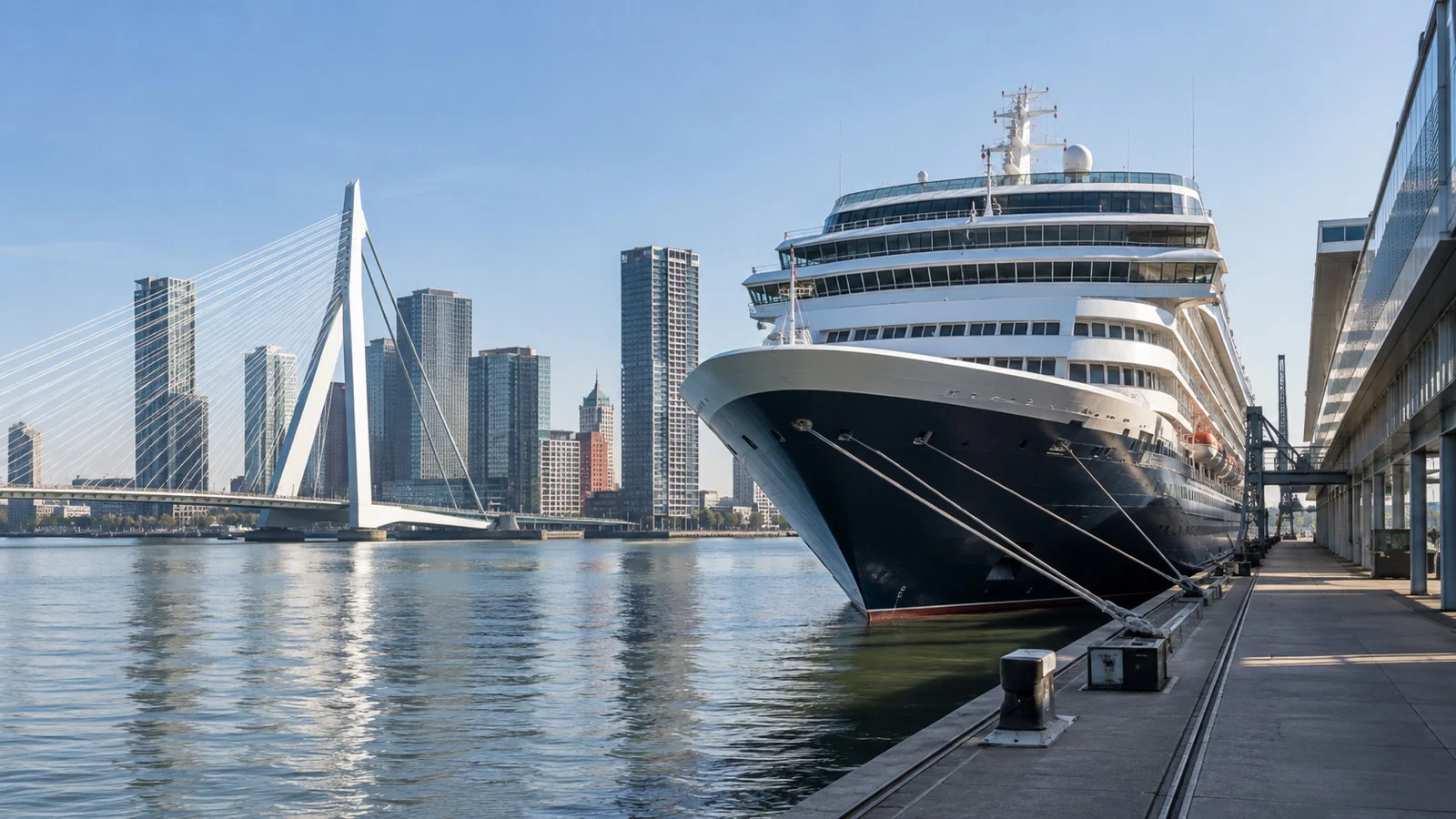
The terminal sits beside the Erasmus Bridge and close to Hotel New York, in the former Holland America Line district. This is a city berth rather than a remote industrial terminal, which makes independent exploring unusually practical.
Rotterdam is also Europe’s largest port, and the industrial harbor extends far beyond the city center. Do not confuse a cruise-terminal walk with seeing the whole port, because the Maasvlakte is many miles west and needs a dedicated tour.
Operational assignments can still change, so read the ship’s daily notice before leaving. A call here is simpler than juggling multiple terminals at Hamburg cruise port, but the berth printed for your sailing remains the final word.
Getting into central Rotterdam
Wilhelminaplein metro station is a short walk from the terminal and connects quickly with Beurs, Rotterdam Centraal, and the wider network. RET operates the metro, trams, and buses, and its official e-ticket page explains mobile tickets.
Contactless OVpay is wonderfully simple for many visitors: tap in and out with the same accepted bank card or phone. Each traveler needs a separate payment method, and forgetting the tap out can turn elegant Dutch transport into an inelegant fare problem.
Walking is equally appealing when the weather behaves. Cross the Erasmus Bridge for the Maritime District and city center, allowing about 25 to 35 minutes for the bridge and waterfront rather than treating it as a commute to conquer.
Water taxis provide a faster, more theatrical hop between selected river stops, but they are separate from ordinary RET transit. Confirm the stop, fare, accessibility, and sailing conditions before boarding.
A brilliant independent day in Rotterdam
Begin with the Erasmus Bridge, whose white pylon gives the river its most recognizable punctuation mark. From the north bank, continue through the Maritime District toward Leuvehaven, where historic vessels and working-waterfront details keep the skyline from becoming too polished.
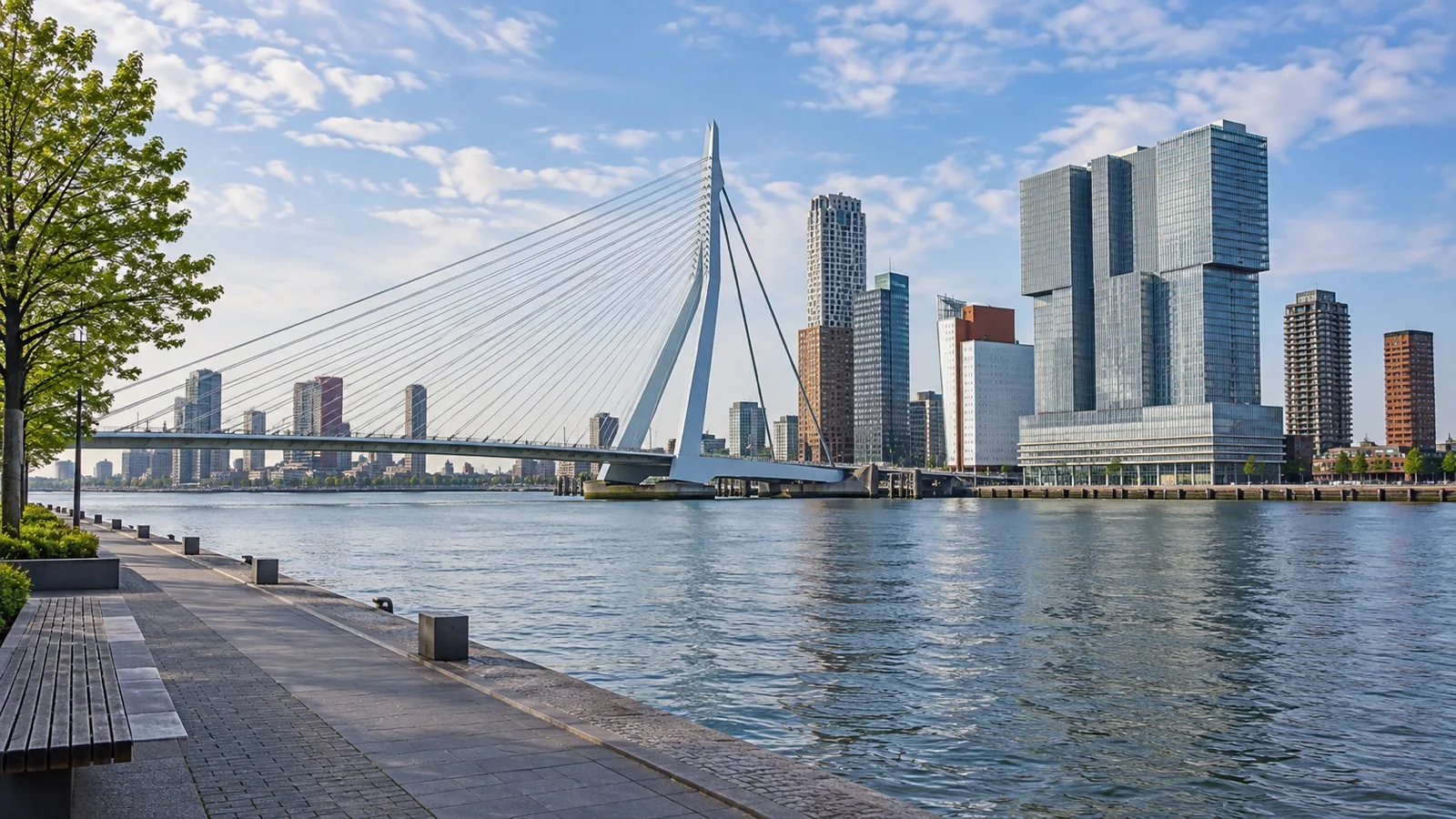
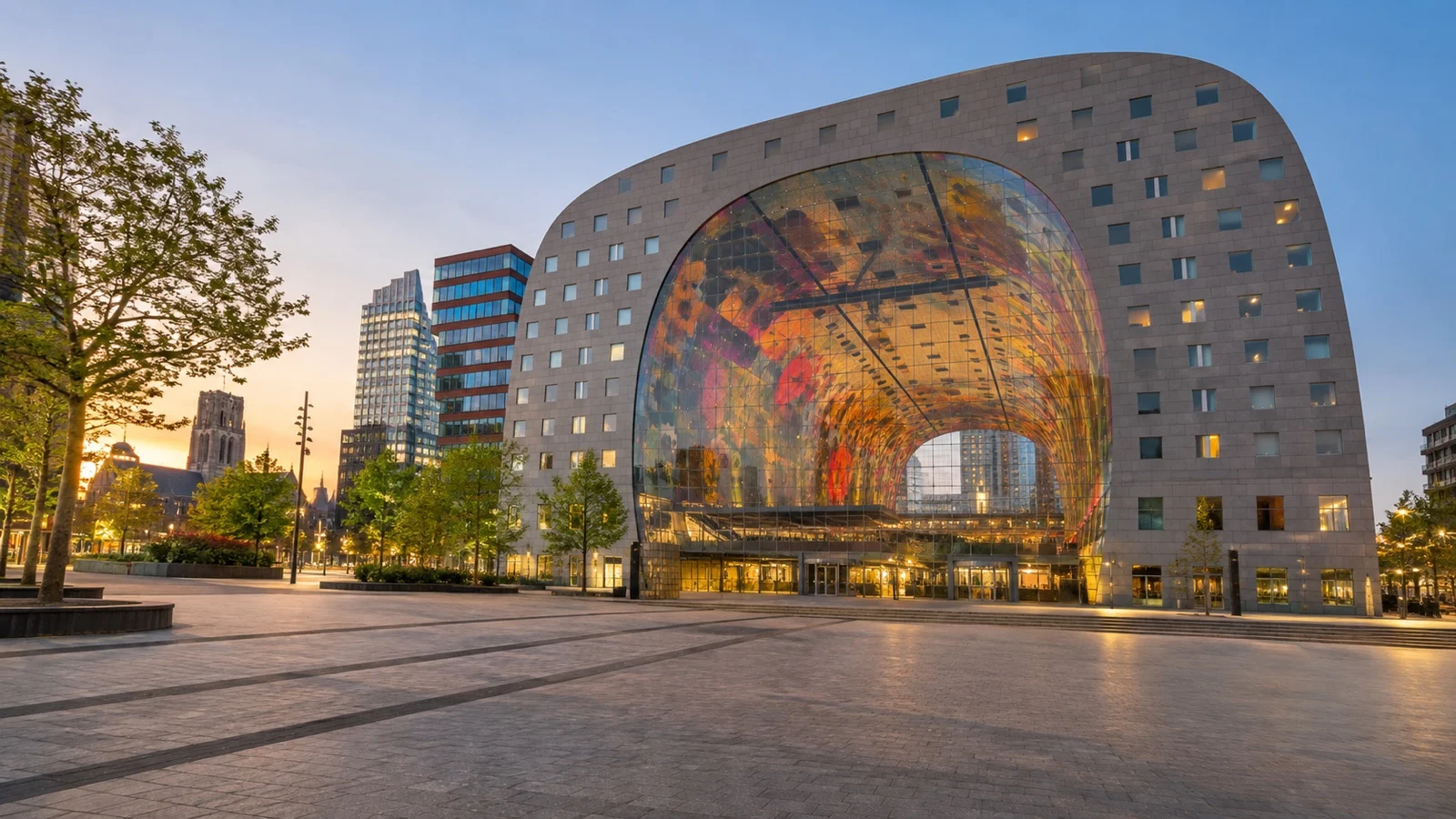
Next, head to Markthal and the Cube Houses near Blaak station. The official Markthal visitor listing notes that the Cube Houses, Oude Haven, and Laurenskerk all sit within a few minutes’ walk, making this the city’s easiest cluster of headline sights.
Markthal is part food market, part apartment building, and part giant indoor mural with snacks. The Cube Houses are equally committed to making straight walls feel suspicious, and one museum house normally lets visitors see how the geometry works inside.
Continue through Oude Haven for historic boats and waterside cafés, then choose one museum rather than sprinting between four. Rotterdam’s official top-attractions guide covers the Depot, museums, harbor experiences, and architectural landmarks when you want to match the day to your interests.
Return by metro from Blaak or Beurs, or walk back along the river if your feet still support democracy. The skyline looks different in each direction, and the final bridge crossing is a satisfying way to meet the ship again.
Kinderdijk from the cruise terminal
Kinderdijk is the postcard excursion, with 19 historic windmills set in a water-management landscape rather than arranged as decorative props. It can be reached by organized motorcoach, taxi, public transport, or a seasonal river connection.
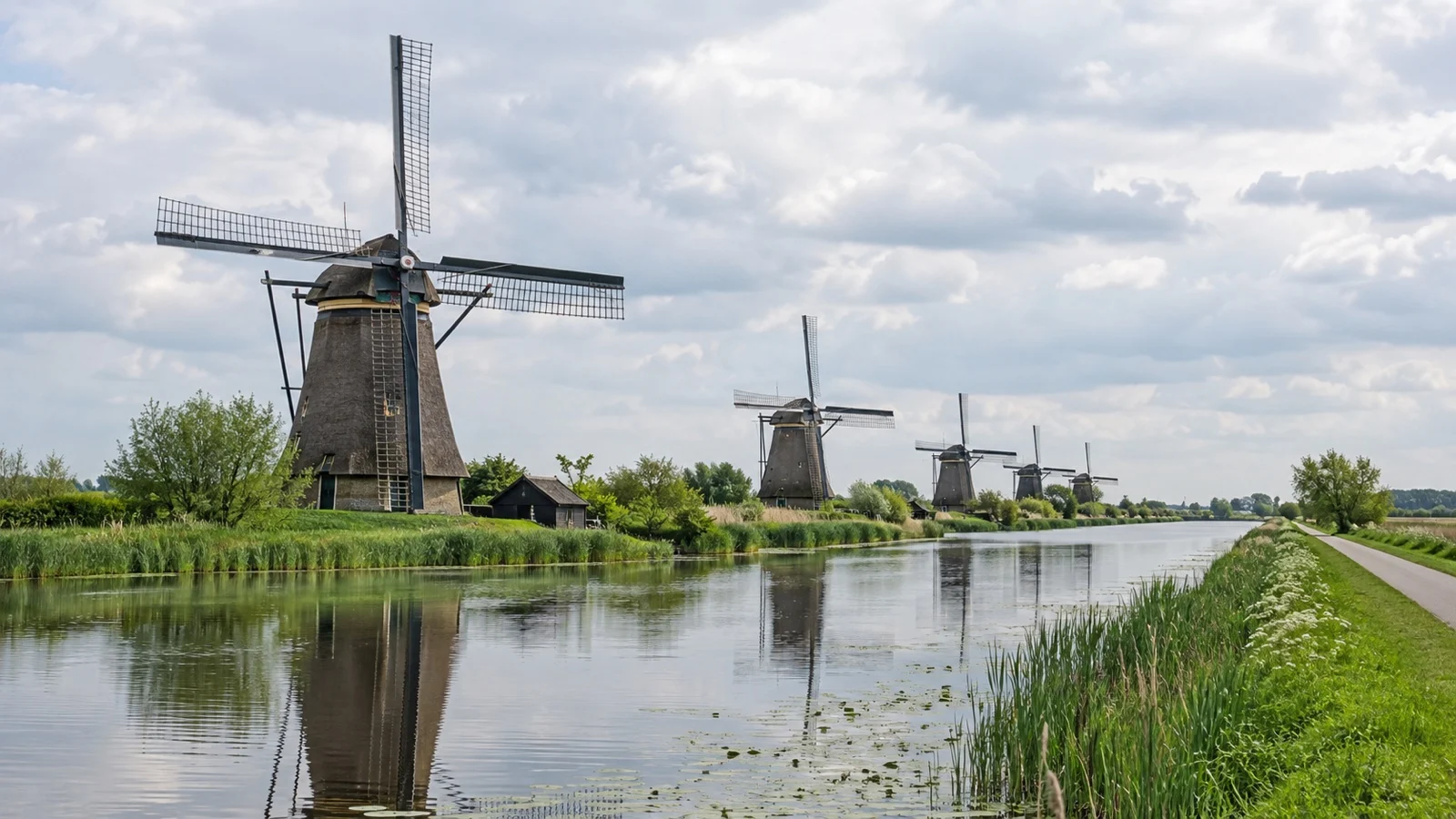
The official Kinderdijk WaterShuttle page describes a direct service from the Erasmus Bridge and warns that it requires a separate ticket from public transport. Schedules are date-specific, and the last return can be busy, so take an earlier boat back instead of betting the ship on the final departure.
Allow roughly half a day for the round trip and a meaningful visit. Reserve attraction entry when recommended, check whether the direct shuttle runs on your date, and know the regular Waterbus alternative before leaving the city.
Kinderdijk is a strong choice when your itinerary already includes the canals and historic streets near Amsterdam cruise port. Rotterdam itself offers the sharper architecture, while the windmills supply the classic Dutch landscape.
Other excursions: Delft, The Hague, and Gouda
Delft offers canals, blue pottery, and a smaller historic center, while The Hague brings art, government landmarks, and the North Sea at Scheveningen. Both require reaching Rotterdam Centraal or using a prearranged road transfer, then protecting enough time for the return.
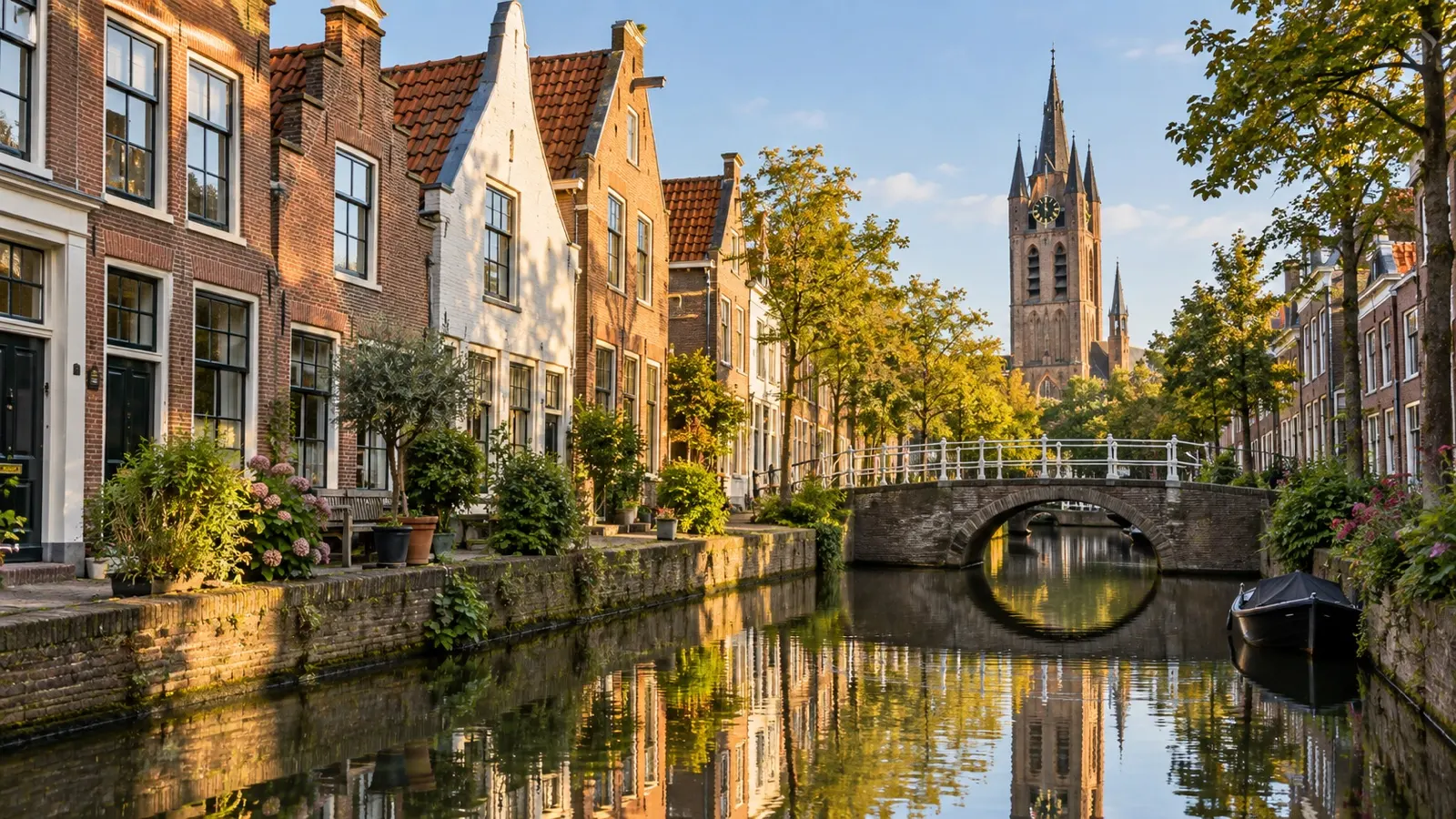
Gouda appeals to cheese enthusiasts and anyone who prefers a compact old town, although market-day expectations should be checked against the calendar. These are good full-port-day alternatives, not casual extras after a complete Rotterdam circuit.
Antwerp is sometimes marketed as a longer excursion, but spending hours crossing borders makes little sense on most calls. Save its cathedral, fashion, and old town for Antwerp cruise port itself.
Food, shopping, and practical stops
Markthal is the obvious grazing stop, but its busiest stalls can become crowded when tours arrive. Oude Haven, Witte de Withstraat, and the streets around Meent offer more places to sit down, while Fenix and Katendrecht keep you closer to the terminal side of the river.
Try a warm stroopwafel, Dutch cheese, fries, or a seafood snack without turning lunch into a national endurance test. Check the bill before tipping, since service is included and an extra amount is optional for good service.
Cards are widely used, and some Dutch businesses prefer electronic payment, but keep a second card in case one network rejects yours. Public restrooms may charge a small fee, so a little euro change can still earn its place in a mostly cashless day.
Three realistic Rotterdam port-day plans
Four hours ashore: skyline and market
Walk across the Erasmus Bridge, follow the waterfront to the Maritime District, and continue to Markthal and the Cube Houses. Take the metro back from Blaak or Beurs, aiming to reach the terminal 45 to 60 minutes before all-aboard.
Six hours ashore: deeper city day
Add one museum, a harbor cruise, or a long lunch to the central walking route. Book any timed attraction early enough that a delay does not squeeze the round trip.
Eight or more hours ashore: Kinderdijk or a regional city
Choose Kinderdijk, Delft, or The Hague as the day’s headline, then leave a small buffer for the Erasmus Bridge area near the ship. Trying to combine two regional destinations creates a fine study in train schedules and a poor vacation.
Accessibility in Rotterdam
The terminal district has broad modern sidewalks, and much of central Rotterdam is flatter and more spacious than an old European center. The metro can be useful, but verify elevator status and step-free routing in the RET journey planner on the day.
Cobblestones, bridge gradients, busy crossings, and long distances are the main obstacles on a self-guided route. Accessible water-taxi vessels, museum entrances, and Kinderdijk transport vary, so confirm the complete chain rather than checking only the attraction door.
Wheelchair users should reserve an adapted taxi or excursion in advance when heading outside the city. Our guide to wheelchair-friendly cruise ports explains the practical questions worth asking before any port day.
Weather and what to wear
Rotterdam’s maritime climate can deliver sun, wind, and a shower before lunch has made up its mind. Summer is usually mild to warm rather than reliably hot, while spring and fall call for layers.
Bring a light waterproof shell, comfortable shoes, and something wind-resistant for the Erasmus Bridge or a boat ride. Even a bright forecast deserves a compact rain layer, because Dutch clouds enjoy improvisation.
High wind can affect water taxis and river services, while heavy rain makes an indoor-first plan attractive. Markthal, museums, metro travel, and a good café form a respectable weather rescue rather than a consolation prize.
Safety, bikes, and return timing
Rotterdam is generally easy to explore, but watch belongings in crowded transit areas and markets. Call 112 for an emergency in the Netherlands.
The most immediate hazard is often a bicycle you did not notice. Dutch cycle lanes are real traffic lanes, so look both ways, obey signals, and do not pause in one for a skyline photo.
Your ship’s all-aboard time matters more than the public departure time. For a city day, target the terminal 45 to 60 minutes early; for Kinderdijk or a regional trip, build at least 60 to 90 minutes between your expected return and the deadline.
Choose Kinderdijk or the city before buying transit
Kinderdijk’s direct WaterShuttle is date-specific, uses a separate ticket, and is not the same product as ordinary RET transit. Reserve or verify the correct departure, know the regular Waterbus alternative, and take an earlier return rather than the final sailing that technically fits.
RET supports current electronic and contactless payment options, but foreign-card acceptance, check-in and check-out rules, and ticket validity still need confirming. Use the official planner to check elevators and step-free routing before relying on Wilhelminaplein or a transfer at Beurs.
Rotterdam itself is the better choice for a short call, poor river conditions, or limited mobility because the terminal, metro, architecture, and museums are close together. Kinderdijk, Delft, or The Hague should own a long day rather than become one of several regional stops.
Rotterdam cruise port FAQs
Can you walk from Rotterdam cruise port to the city?
Yes, the terminal is beside the Erasmus Bridge and a pleasant waterfront walk from central sights. Use Wilhelminaplein metro station when you want to save time or steps.
Do cruise ships tender in Rotterdam?
Ocean ships normally berth alongside at the Wilhelminakade terminal, so routine tendering is not part of the call. Confirm your assigned berth because operational changes remain possible.
Can I use a credit card on public transport?
OVpay accepts many contactless debit cards, credit cards, and phones, with a separate payment method required for each passenger. Tap in and out with exactly the same card or device.
Is Kinderdijk realistic during a cruise call?
Yes, when the call is long enough and transport is matched to your date. Reserve tickets where needed and avoid relying on the last river departure back.
Should I visit Amsterdam from Rotterdam?
It is possible on a long call, but Rotterdam, Kinderdijk, Delft, and The Hague provide better time-to-experience ratios. Choose Amsterdam only when it is a top priority and rail disruptions have been checked.
The bottom line
Rotterdam is one of Europe’s easiest major-city cruise arrivals, with a useful metro, a dramatic bridge, and excellent sights beginning almost outside the terminal. Stay local for modern architecture and maritime energy, or devote the day to one well-timed Dutch excursion.
This guide was prepared from current port, destination, transit, and attraction information, then checked under our Editorial Policy. Verify your berth, transport schedules, elevator status, attraction entry, accessibility arrangements, weather, and all-aboard instructions for your sailing.
If you are flying in the night before, our guide to hotels near Rotterdam cruise port compares the options by distance from the terminal.
How this guide was researched: Port, transport, attraction, safety, booking, and accessibility details were checked against current official sources on September 10, 2026, including Cruise Port Rotterdam, RET, Rotterdam tourism, Kinderdijk, and current river-transport operators. Berths, schedules, access, weather, and operating rules can change, so confirm the sailing-specific details before travel; see our Editorial Policy.