Salerno Cruise Port: City Walks, Ferries and Paestum
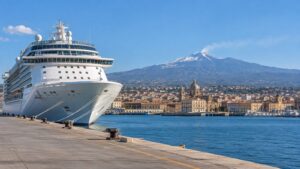
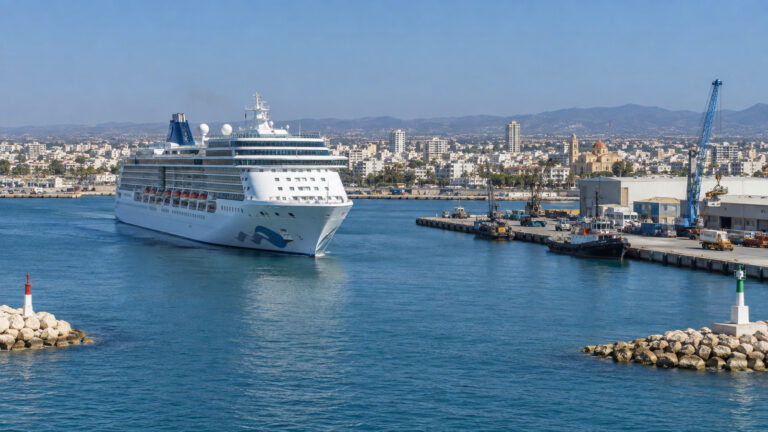
Salerno is one of those cruise ports that becomes more appealing once you understand how easy the city itself can be. Ships commonly use the passenger facilities around Molo Manfredi, close to the waterfront, Piazza della Libertà, and the edge of the historic center.
You can spend a rewarding day walking Salerno, or use the city as a starting point for the Amalfi Coast, Paestum, or Pompeii. I would choose one clear priority because ferry schedules, regional trains, road traffic, and the ship’s all aboard time leave less room for ambitious combinations than a map suggests.
Salerno Cruise Port Quick Facts
- Main cruise area: Molo Manfredi and the Zaha Hadid designed Stazione Marittima.
- City access: The waterfront and historic center are reachable on foot from the passenger terminal area, subject to your exact berth and port instructions.
- Ferry caution: Amalfi Coast boats may use a different Salerno pier, so verify the operator and departure point before walking away from the ship.
- Rail hub: Salerno Centrale is inland from the cruise terminal and serves regional and longer distance trains.
- Currency: Euro.
- Language: Italian, with English commonly understood in many visitor businesses.
- Best easy day: Lungomare Trieste, the historic center, Salerno Cathedral, and local food.
- Return rule: Leave a generous buffer for port security, traffic, train disruption, or ferry changes.
Where Cruise Ships Dock in Salerno
The Central Tyrrhenian Sea Port System Authority identifies Salerno’s new passenger terminal and maritime station near the center. The sculptural Stazione Marittima on Molo Manfredi was designed by Zaha Hadid and is an architectural landmark as well as a working passenger facility.
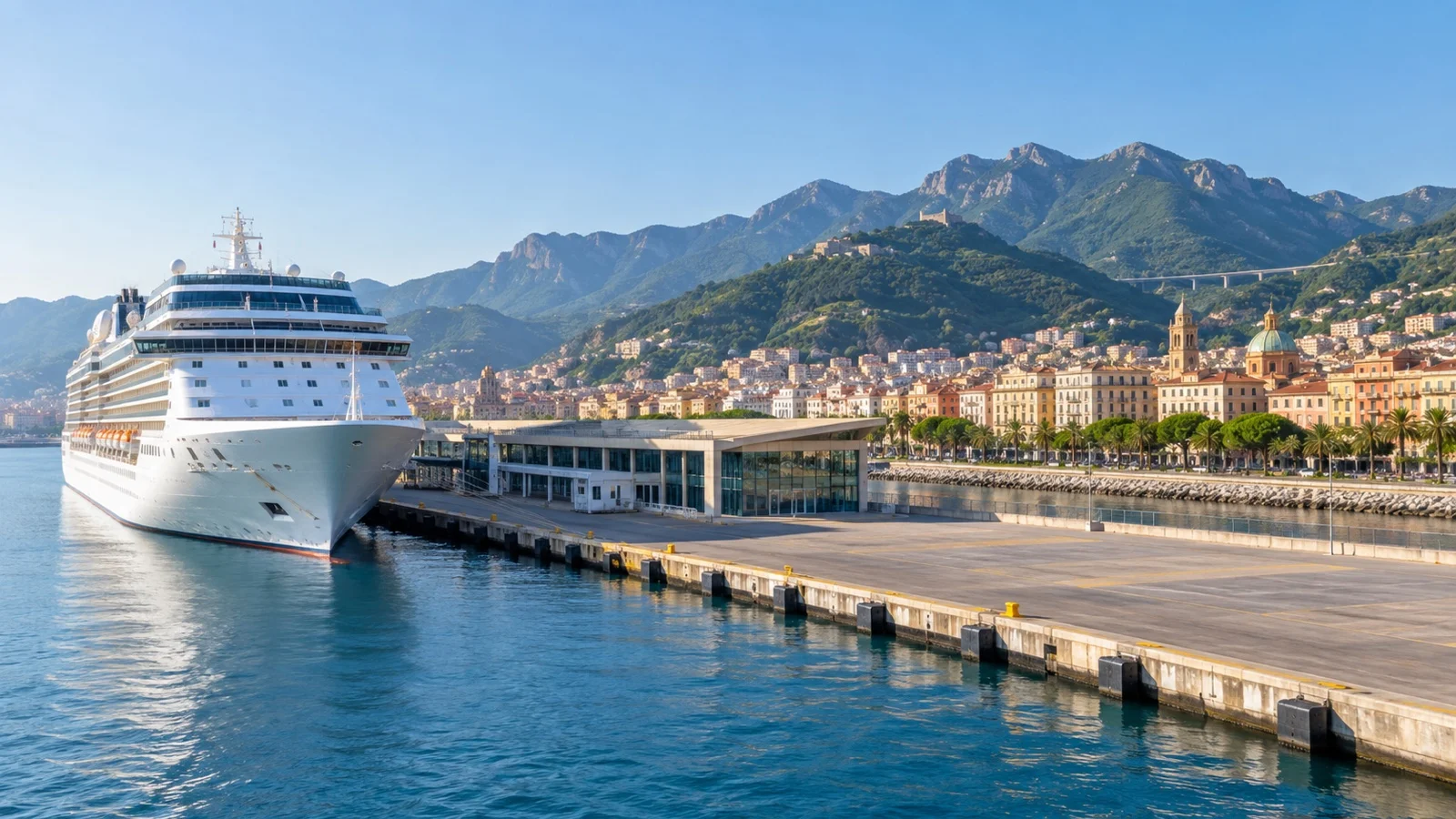
Your ship’s berth can still vary according to vessel size and daily operations. Follow the cruise line’s directions through the controlled port area, and use any mandatory shuttle if one is provided rather than assuming every internal port road is open to pedestrians.
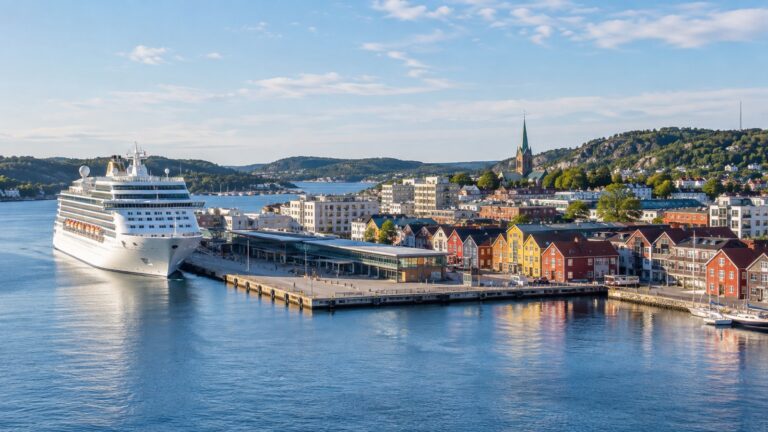
Once outside the restricted zone, Salerno feels refreshingly connected to its waterfront. Piazza della Libertà, the seafront promenade, and the western entrance to the old city create a natural route for independent visitors.
Walking From the Port Into Salerno
The simplest port day begins along Lungomare Trieste, Salerno’s broad seafront promenade. It is mostly level and gives you an easy way to orient yourself before turning inland toward Via Mercanti and the historic center.
Distances depend on where your gangway and port exit are placed, so do not rely on a straight line from the ship icon. Ask port staff for the authorized pedestrian route and note the gate or shuttle stop you must use on return.
Salerno Centrale station is farther east than the historic quarter and requires additional walking or a short taxi ride. If you have an early train, allow for port exit procedures and city traffic before committing to a departure.
A Relaxed Salerno City Walk
Start with the waterfront and continue into Via Mercanti, the old city’s main pedestrian spine. The surrounding lanes hold small churches, courtyards, shops, cafes, and enough everyday life to make Salerno feel different from the coast’s more intensely visited resort towns.
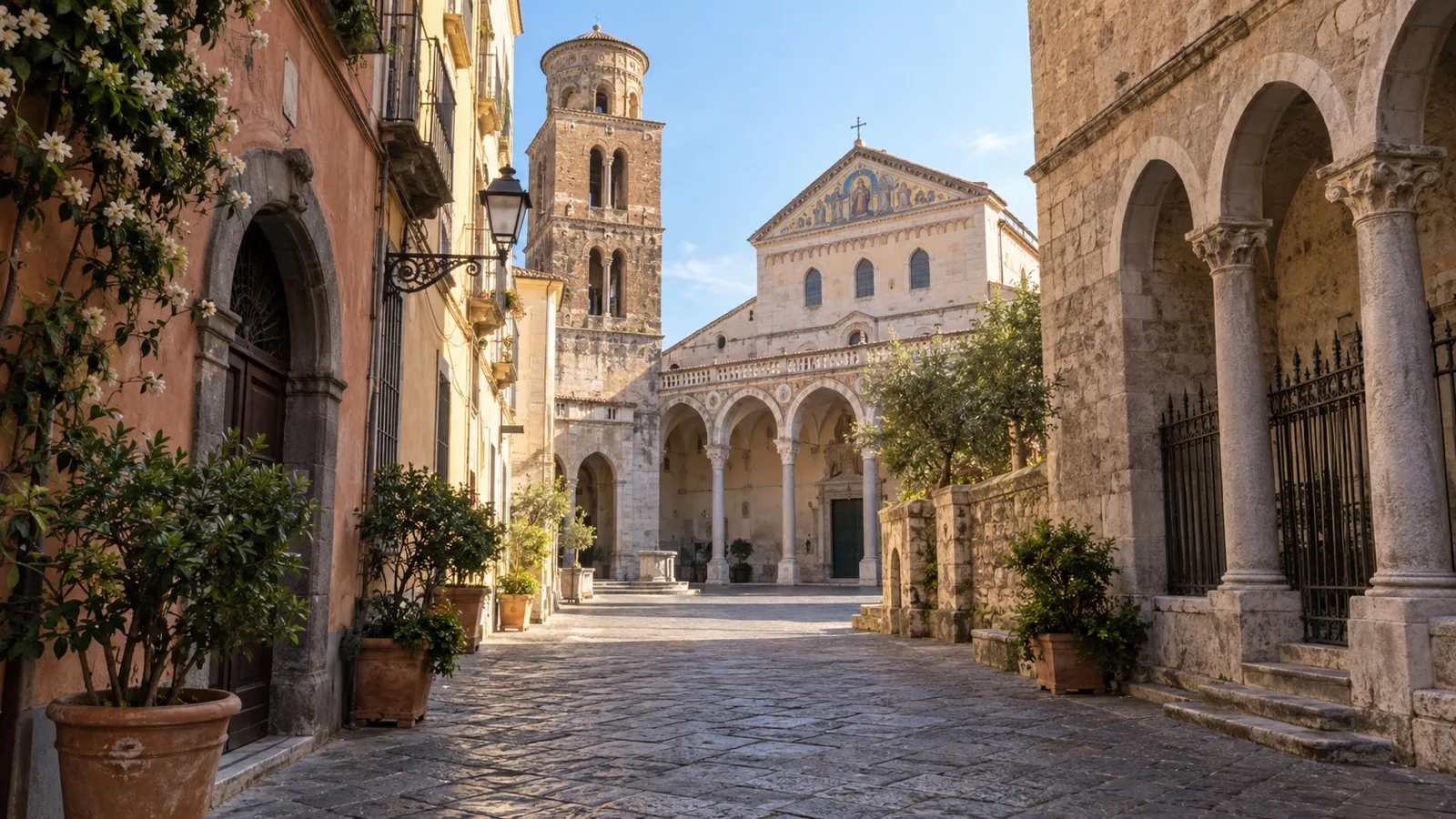
Salerno Cathedral is the essential historic stop. Its courtyard, church, and richly decorated crypt reward a proper visit, although worship, ceremonies, and local closures can affect access.
Higher in the old center, the Giardino della Minerva recalls Salerno’s medieval medical tradition through terraces and medicinal plants. The climb is noticeable and opening arrangements can change, so confirm current hours before making it the anchor of your route.
For an easier finish, return toward the waterfront through the lanes rather than climbing farther toward Castello di Arechi. The castle offers wide views, but it is well above the center and usually makes more sense by taxi or local transport than as an improvised extension to a port walk.
Salerno on a Short Cruise Call
If your ship has only a few hours, stay in Salerno. Walk the promenade, see the cathedral, explore Via Mercanti, and enjoy lunch without tying the day to a ferry or regional train.
This compact plan still delivers architecture, history, sea views, and Campanian food. It also lets you adjust quickly if the ship docks late or the port shuttle takes longer than expected.
Amalfi Coast Ferries From Salerno
Travelmar publishes current sailings between Salerno and Amalfi Coast destinations such as Amalfi and Positano. Traveling by water avoids the coast road’s worst traffic and gives you beautiful views, but schedules are seasonal and marine conditions can disrupt service.
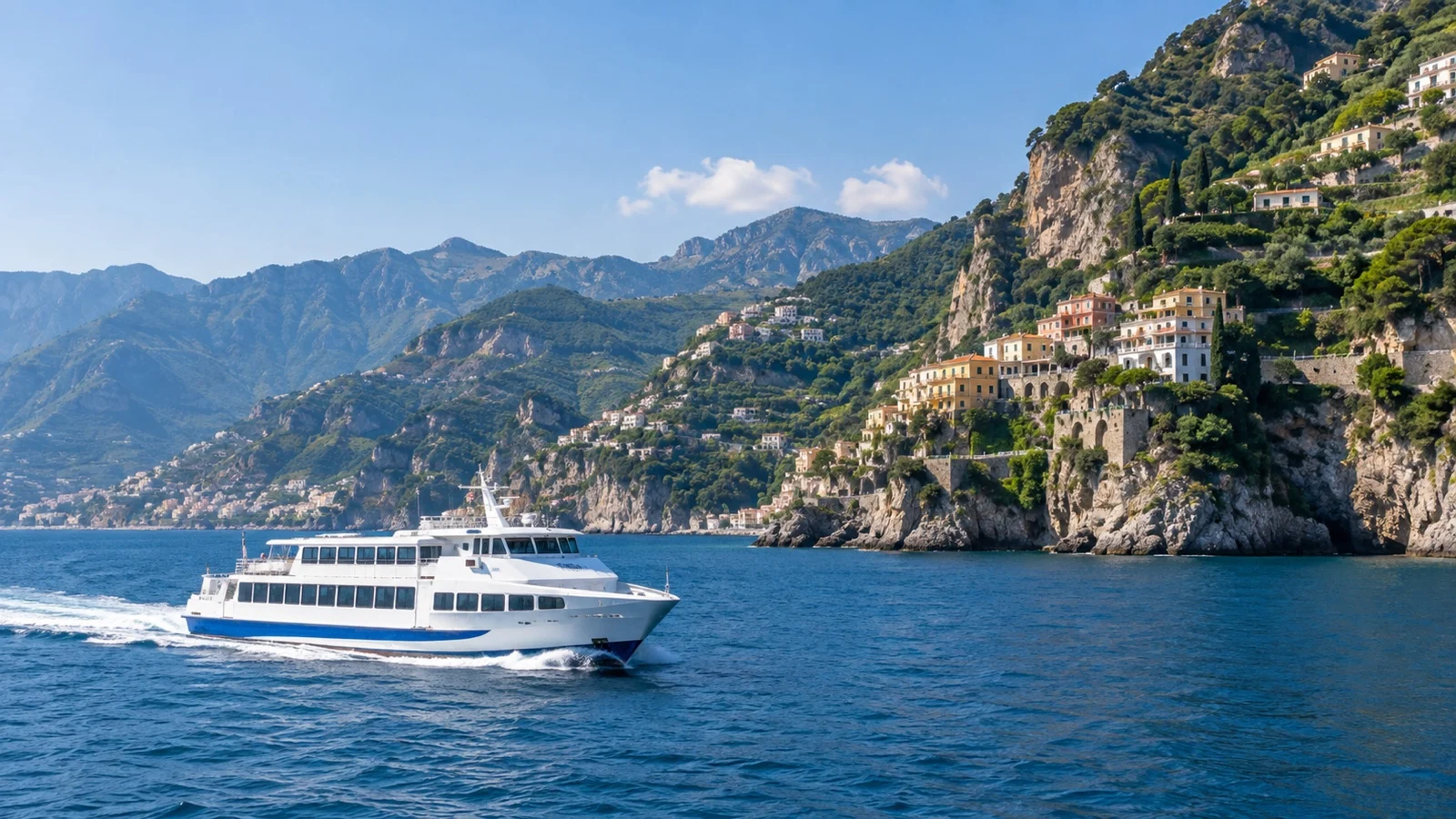
The crucial detail is your departure pier. Cruise passengers at Molo Manfredi should not assume that a ferry shown as departing from Salerno leaves beside the cruise terminal, because operators may use locations such as Piazza della Concordia or another named landing.
Check the exact pier on the operator’s booking page and map the transfer before the port day. Include the walk or taxi in both directions, and choose a return sailing that leaves a backup option rather than relying on the last possible boat.
Amalfi is usually the more manageable single destination because you can focus on the town and cathedral area. Positano adds a longer journey and steep lanes, while combining both places creates more exposure to schedule changes and boarding lines.
Visiting Paestum From Salerno
Paestum is one of Salerno’s strongest independent day trips. The archaeological park preserves monumental Greek temples, the remains of the ancient city, and a museum whose collection includes the famous Tomb of the Diver.

Regional trains connect Salerno with Paestum, but not every service pattern is equally convenient. Use Trenitalia’s official journey planner for your date, confirm the correct station, and identify both an intended return and an earlier backup.
The station is outside the archaeological area, so include the walk to the entrance in your timing. The site is open and exposed, making water, sun protection, and comfortable shoes especially important in warm weather.
The official Paestum and Velia Archaeological Parks website publishes current opening hours, ticket rules, and closure information. Check it shortly before traveling because special events and operational changes can affect normal access.
Pompeii, Naples, and Vietri sul Mare
Pompeii is possible by rail or organized excursion, but it takes more planning from Salerno than Paestum. Train routes may involve different Pompeii stations or a connection, so verify which entrance you intend to use and do not confuse a city station with the stop closest to the archaeological gates.
Naples also has frequent transport links, yet a cruise day can disappear into station transfers and city distances. Unless Naples is your clear priority, Salerno and the surrounding region offer more efficient choices.
Vietri sul Mare is much closer and is known for ceramics and coast views. It can be reached by regional transport or taxi, but check the location of the rail station against the streets you want to explore because the terrain rises quickly.
Food and Shopping in Salerno
Salerno is an excellent place to eat without building the day around a reservation. Look for seafood, pasta with local produce, buffalo mozzarella, fried street snacks, and pastries inspired by the flavors of Campania.
Menus near the waterfront and main streets vary widely, so review posted prices before sitting down. A cafe or trattoria a lane away from the busiest route can feel calmer while keeping you close to the port.
Ceramics from nearby Vietri make distinctive souvenirs, but delicate pieces need careful packing. If you buy limoncello or wine, check your cruise line’s alcohol policy because bottles may be stored until the end of the voyage.
Accessibility and Mobility
The waterfront offers the easiest terrain, and portions of the route toward central Salerno are relatively level. The exact distance still depends on the berth, port exit, and whether the ship provides a shuttle through restricted areas.
Historic streets can include uneven paving, narrow sidewalks, and slopes, while the Minerva Garden area requires more climbing. A taxi can reduce distance, though traffic and pedestrian zones may prevent direct drop off at every doorway.
Passengers using wheelchairs or mobility devices should confirm gangway conditions and shuttle accessibility with the cruise line. Ferry accessibility varies by vessel and landing, so ask the operator about boarding before purchasing a nonrefundable ticket.
Weather and What to Wear
Summer can be hot, humid, and intensely sunny on the promenade and at Paestum. Carry water, sunscreen, a hat, and shoes suited to stone streets rather than relying on shade.
Spring and fall may bring showers, cooler mornings, and rougher ferry conditions. A light layer and compact rain protection are useful, and checking the marine forecast matters if a coast sailing is central to your plan.
Money, Safety, and Practical Details
Cards are widely accepted, but a small amount of cash helps with minor purchases and local transport. Use bank affiliated cash machines when possible and decline unnecessary conversion into your home currency.
Normal city awareness is appropriate in busy stations, markets, ferries, and crowded streets. Keep phones and wallets secure, watch traffic at crossings, and avoid displaying the day’s entire cash supply.
Download tickets, maps, and port contact details before leaving the ship. Mobile service can slow in crowded areas, and having the cruise line’s emergency number offline gives you a useful fallback.
Planning Your Return to the Ship
Work backward from the ship’s stated all aboard time and include the walk from the public street to the correct port gate. Security lines, shuttle waits, ferry delays, and regional train disruption all belong inside your buffer.
For an independent coast trip, take an earlier return sailing than the final theoretical option. For Paestum, choose a train that leaves enough time to recover from a cancellation or use a taxi if a service change makes the original plan unsafe.
Official Planning Resources
Use the official Port of Salerno page for port context, Travelmar’s current timetable for Amalfi Coast sailings, and the official Paestum and Velia Archaeological Parks website for visitor information.
Confirm rail journeys directly through Trenitalia and recheck every departure close to your call. Ship instructions remain authoritative for your berth, shuttle, security route, and final boarding time.
Final Thoughts
Salerno gives you an unusually good choice between a low stress city day and a focused regional excursion. Match one priority to the ship’s schedule, verify the exact pier or station, and protect the return buffer so the day stays enjoyable.