Hamburg Cruise Port: Altona, HafenCity & Steinwerder
Hamburg has three cruise terminals, and the one you get decides what kind of day you have. One drops you in the middle of the city, one is a short ferry ride away, and one sits in a container port.
Nobody tells you which is which until your documents arrive. So here is the whole thing, terminal by terminal, before you book anything.
My quick take
Hamburg is a genuinely great city and an unusually confusing port. The three Cruise Centers are at HafenCity, Altona, and Steinwerder, and they are nothing like each other.
HafenCity is the jackpot, because you walk off into the city beside the Elbphilharmonie. Altona is fine and well connected, and Steinwerder is the one that needs a plan.
The single best thing you can do here is buy an HVV day ticket, because it covers the U-Bahn, the S-Bahn, the buses, and the harbor ferries. My roundup of European cruise ports is full of places where public transport beats a shuttle, and Hamburg is the clearest case of all.
The harbor ferries are the secret. They are ordinary public transport, they are covered by that day ticket, and they are also the cheapest harbor cruise in Germany.
Hamburg Cruise Port Quick Facts
- Where you land: usually HafenCity on Überseeboulevard, Altona on Van-der-Smissen-Strasse, or Steinwerder on Buchheisterstrasse. Cruise Gate Hamburg also lists Baakenhöft as an alternative for smaller vessels, so check your documents because the difference is enormous.
- Dock or tender: Cruise ships normally berth alongside. Steinwerder’s two terminal buildings can process more than 8,000 passengers per ship visit, which is terminal capacity rather than a ship-size limit.
- Into town: HafenCity is a short walk with the U4 at the door, Altona is a ferry or bus ride.
- Currency and language: The euro (EUR), and German, with English widely spoken.
- Time zone: Central European Summer Time (CEST, UTC+2) through the cruise season, CET (UTC+1) from late October to late March.
- Weather and operations: Hamburg’s river berths are sheltered, but weather, Elbe traffic, and operational changes can still affect the assigned terminal or timing.
Three terminals, three completely different days
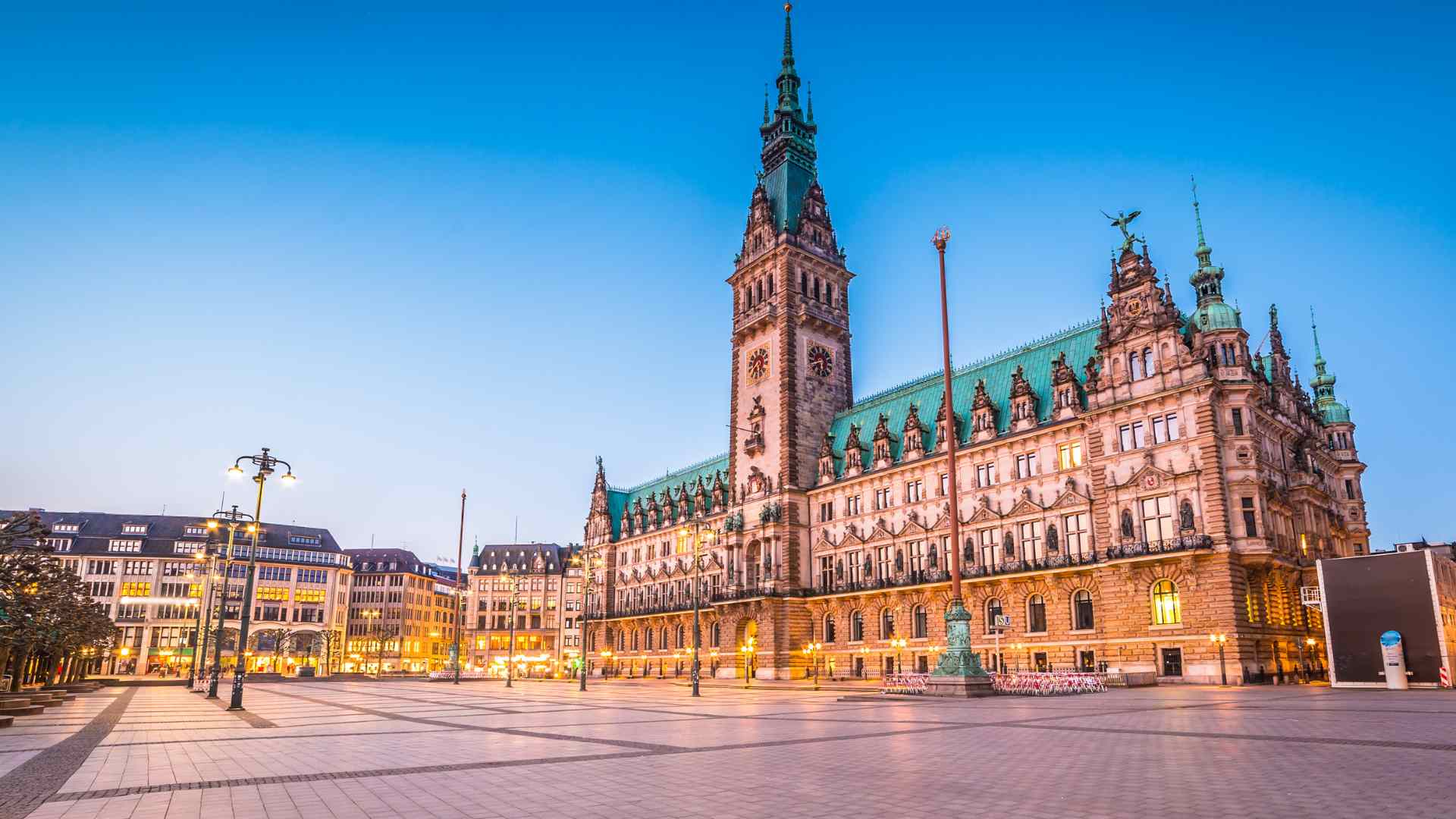
Cruise Center HafenCity is the newest and the best placed, sitting at Überseeboulevard 7 inside the Westfield Überseequartier complex. It has two berths of roughly 1,130 and 755 feet and a direct entrance into the U4 Überseequartier station.
From that U4 station it is one stop to Jungfernstieg and two to Hamburg Hauptbahnhof, and the Elbphilharmonie and Speicherstadt are both walkable. If you get this terminal, you have effectively been given a free extra hour.
Cruise Center Altona opened in 2011 at Van-der-Smissen-Strasse 5 and handles ships up to about 985 feet with a draft up to 32 feet. It sits right beside a ferry pier, and bus 111 links it with Altona train station.
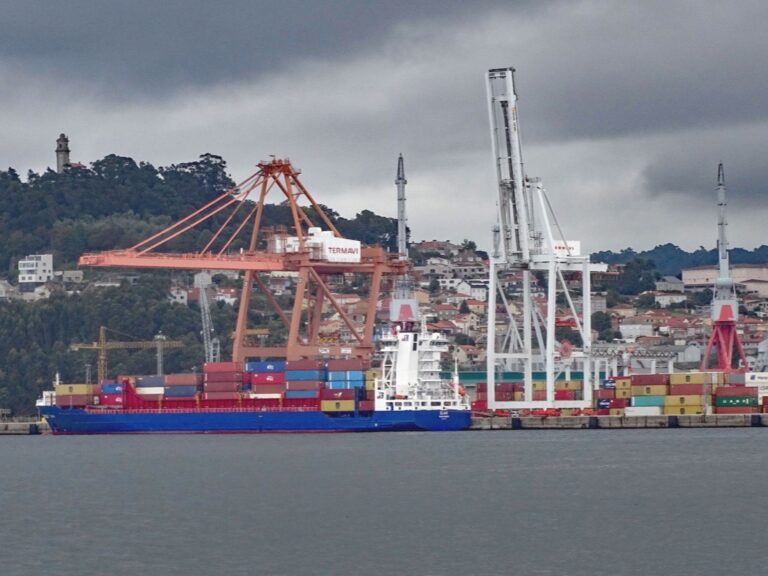
Cruise Center Steinwerder is the awkward one, out at Buchheisterstrasse 16 on the south bank, in the middle of the container port near the Old Elbe Tunnel. The terminal operator’s Cruisegate Hamburg site lists the arrival routes for all three in detail.
From Steinwerder, use the live HVV planner for the assigned stop, because ferry and bus patterns change by day and construction. A cruise-line shuttle costs more than local transit but removes the weakest transfer from a short call.
Our Hamburg cruise port hotel guide sorts the options by how easy the morning transfer is.
Getting around
Hamburg’s transport network is run by HVV, and it covers U-Bahn, S-Bahn, buses, and the harbor ferries on one ticket. Buy a day ticket rather than singles, because you will use it more than you expect.
You can check routes, zones, and current fares on the HVV website before you sail. The English version is clear, which is not something I say about every transit site.
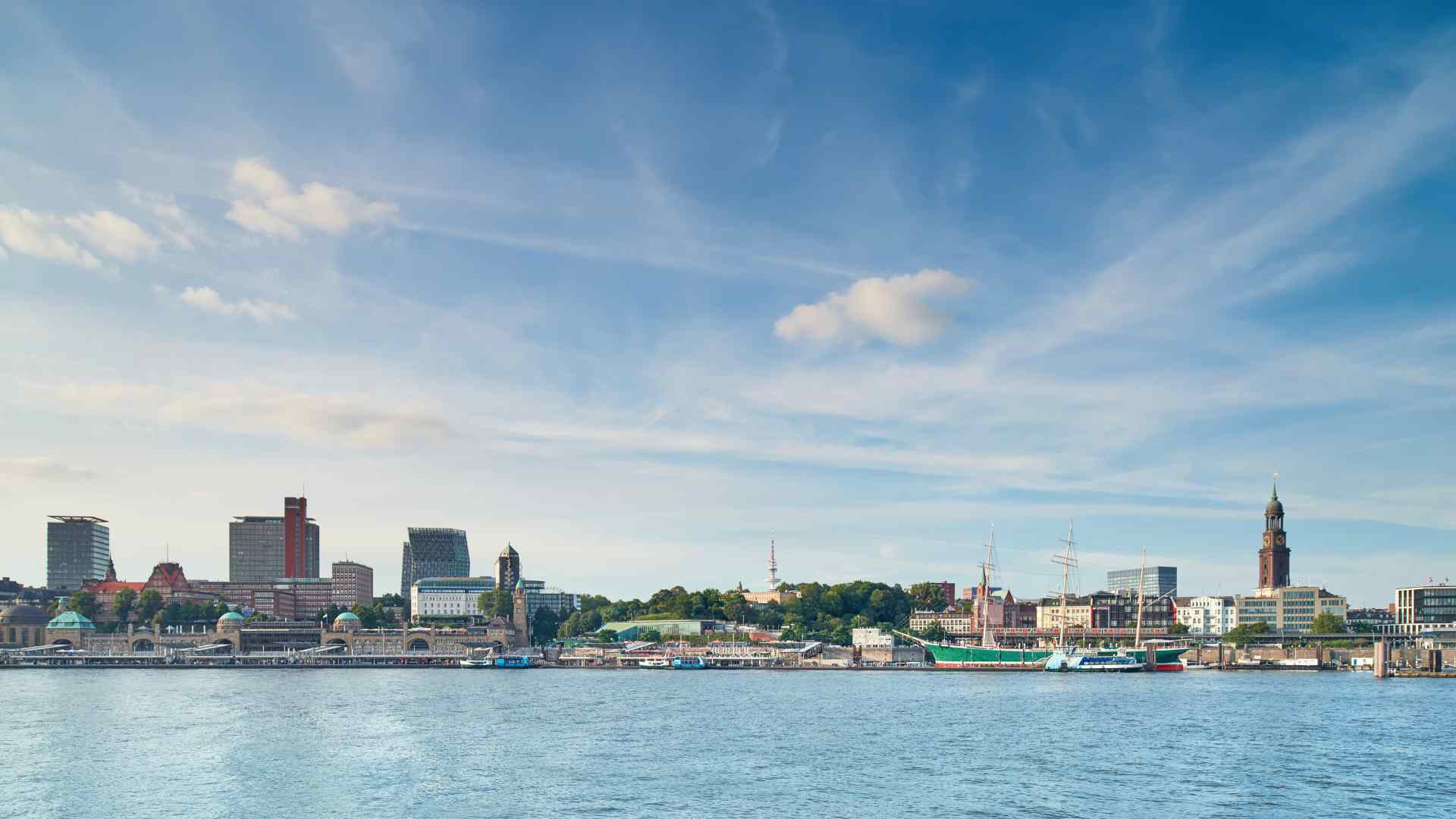
Ferry line 62 is the famous one, running from Landungsbrücken past Dockland and Altona out toward Finkenwerder. It is a normal commuter service that happens to sail past the whole working harbor.
Do not treat one ferry number as a permanent Steinwerder solution. Check HVV on the morning of the call, including the walk from the secure terminal and a backup bus or ship shuttle.
The historic Old Elbe Tunnel is a pedestrian and bicycle landmark, not a normal taxi shortcut, and there is no passenger toll to add. Let the driver choose the current road route through the working port.
The stops I would actually spend time on
Hamburg is a big city with a very concentrated set of highlights, most of them near the water. These are the ones I would give real time to.
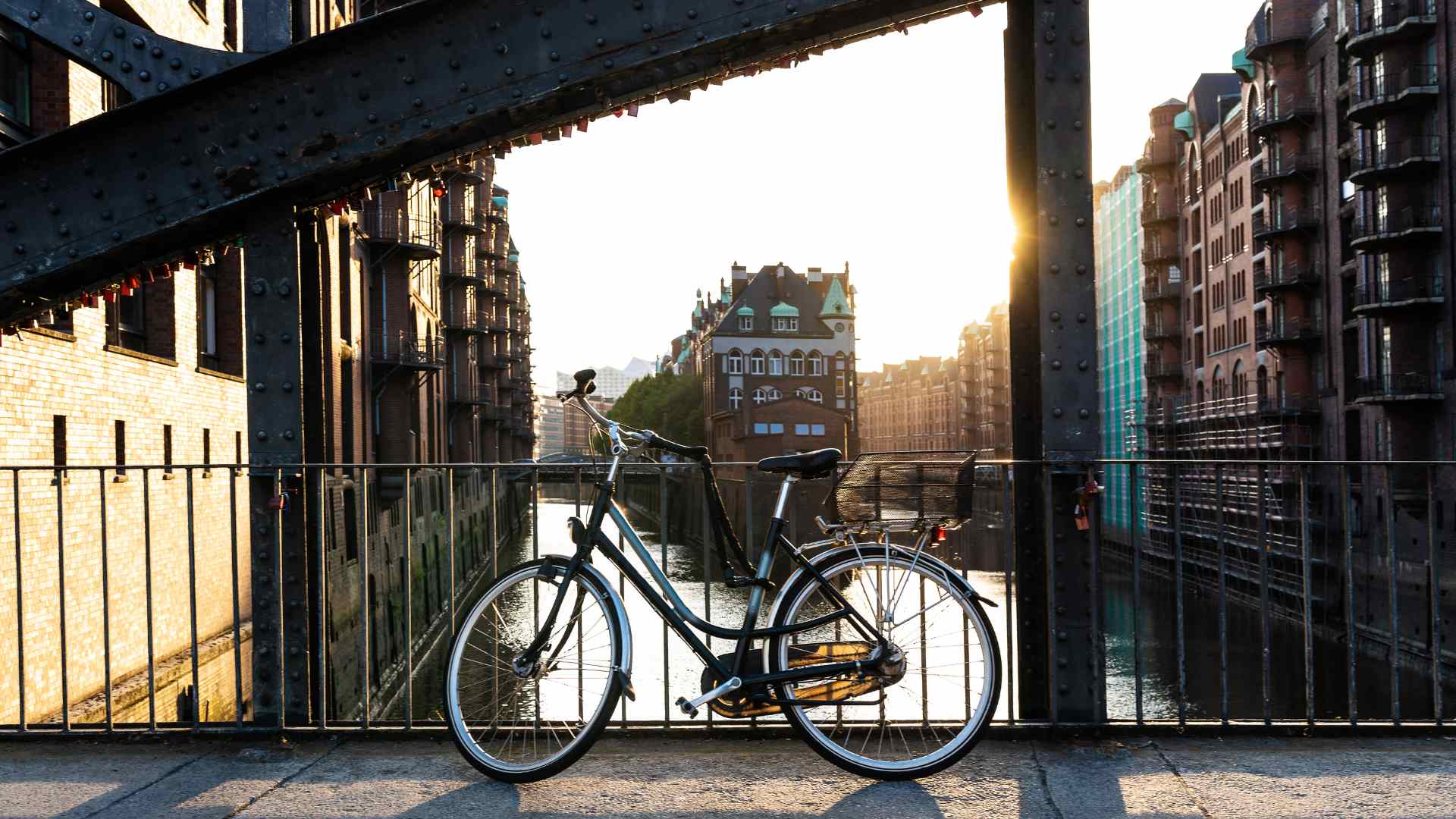
The Speicherstadt: Red brick warehouses on canals, built from 1885 and now a World Heritage site. Walk it rather than photograph it from one bridge like everybody else.
The Elbphilharmonie: The wave topped concert hall on an old warehouse base, with a public viewing plaza partway up. The plaza is the bit most visitors want, and it is separate from a concert ticket.
A harbor ferry on line 62: The best value hour in Hamburg, on a normal HVV ticket. Sit outside at the back and let the container terminals do the entertaining.
The Kontorhaus District and Chilehaus: Early Modernist brick office blocks from the 1920s, listed alongside the Speicherstadt. Chilehaus looks like the prow of a ship and photographs beautifully from the corner.
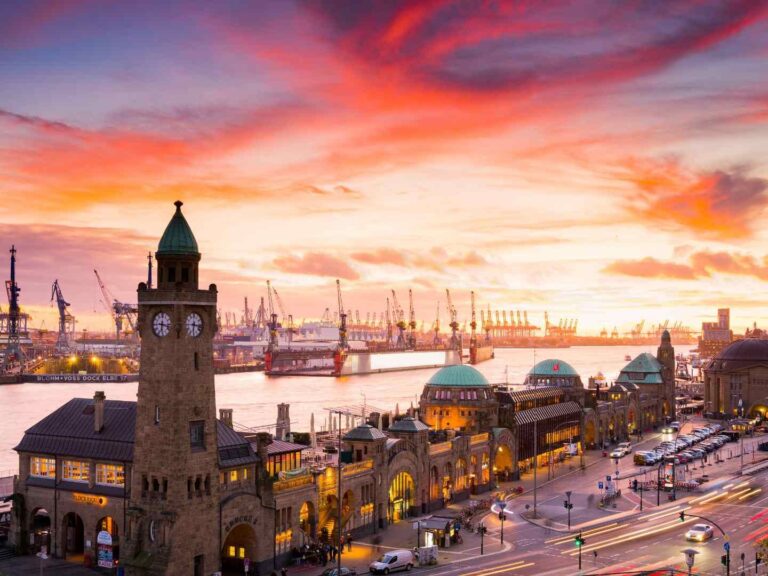
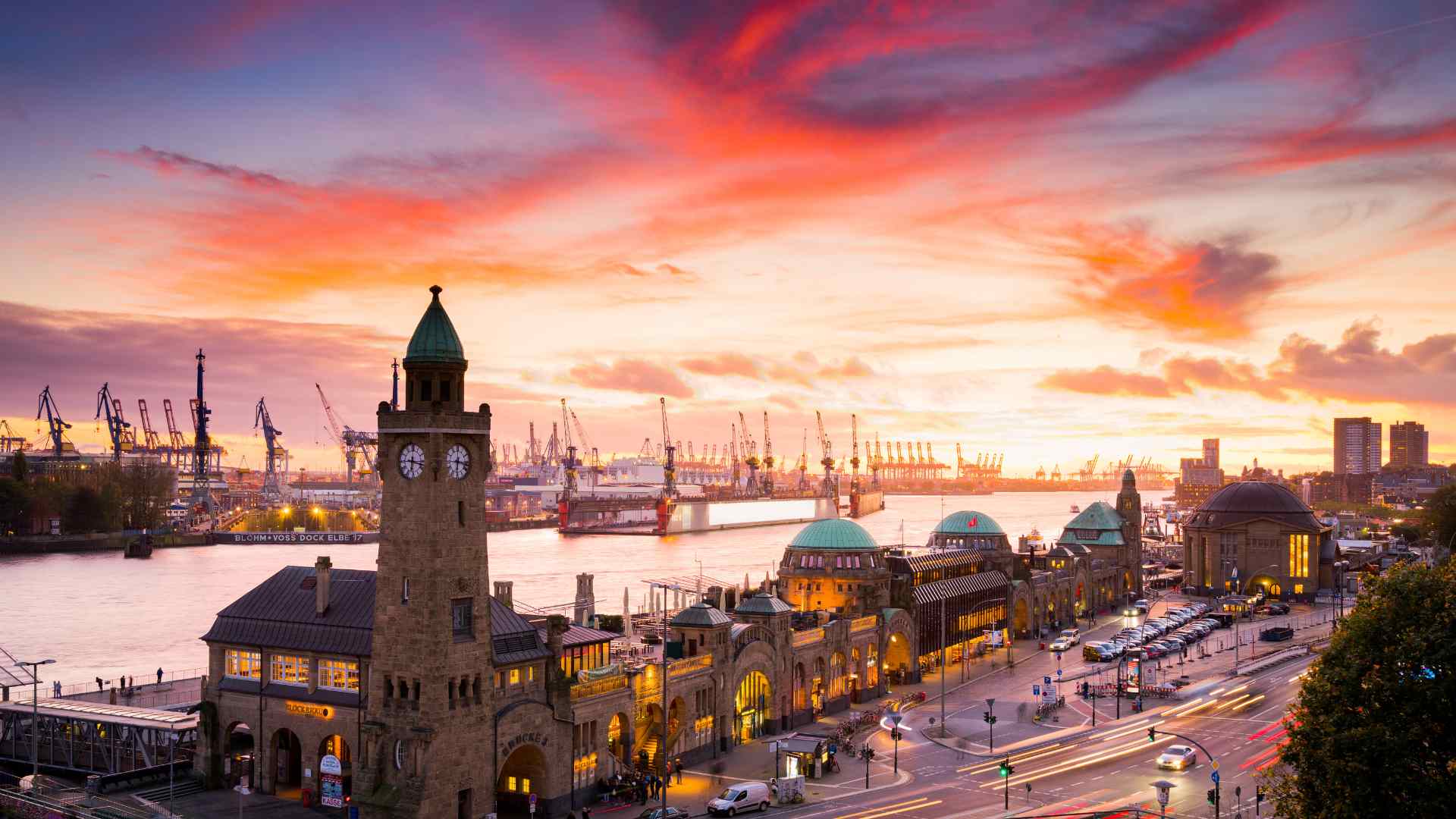
Landungsbrücken: The long floating pier complex where half the harbor traffic starts. It is touristy, it is busy, and it is still the right place to stand and watch the Elbe.
The Old Elbe Tunnel: A 1911 pedestrian tunnel under the river, reached by enormous elevators at Landungsbrücken. It is free to walk and pleasingly strange.
The Alster lakes: Two connected lakes right in the middle of the city, ringed with paths and cafes. This is where Hamburg goes to feel calm, and it is a short walk from Jungfernstieg.
Miniatur Wunderland: A vast model railway in the Speicherstadt that sounds silly and is genuinely astonishing. Book ahead, because turning up on the day usually means a long wait.
The Fischmarkt at Altona: A Sunday morning institution near the Altona terminal, finishing before most people have had breakfast. Only relevant if you are in port on a Sunday, but then it is unmissable.
Fun fact: The Speicherstadt and Kontorhaus District with Chilehaus were inscribed by UNESCO in 2015, covering 15 huge warehouse blocks built between 1885 and 1927. The whole property runs to just over 64 acres, which makes it one of the most compact World Heritage sites you will ever walk across.
Protect the terminal-to-city return
HafenCity has the easiest chain through Überseequartier U-Bahn, while Altona can use a harbor ferry or bus and Steinwerder needs the most slack. Save the exact terminal address offline, because “Hamburg cruise port” is not enough information for a taxi or route planner.
For a day call, aim to be at the terminal 60 to 90 minutes before all aboard and choose an earlier connection from Steinwerder. A public-transit day is cheaper and more flexible, while a ship shuttle is worth the premium when mobility, luggage, or a short call makes a missed connection costly.
Germany is in the Schengen area, but document requirements still depend on nationality and the itinerary’s previous port. Follow the cruise line’s passport instructions and check official entry rules before travel.
How I would plan the day
Step one is to find out which terminal you are using, and step two is to plan backward from that. Everything else in this port depends on that single line in your documents.
From HafenCity I would walk to the Elbphilharmonie plaza, cut through the Speicherstadt, and take the U4 back when my feet gave up. No transfers, no schedules, no stress.
From Altona I would take the ferry rather than the bus, because line 62 into Landungsbrücken is a sightseeing trip disguised as a commute. It costs the same as the bus and is ten times better.
From Steinwerder I would budget a full hour each way and treat the ferry crossing as part of the fun. If your ship offers a shuttle from this terminal, that is the one call where I would consider taking it.
If the weather turns, and this is northern Germany so it will, Miniatur Wunderland and the Kontorhaus streets are the plan B. Both are indoors or nearly so, and both are in the same square mile.
A realistic word on accessibility
Hamburg is one of the stronger northern European ports for step free travel, and HVV stations are generally well equipped with elevators. HafenCity is the easiest terminal by a distance, since the U4 is right underneath it.
The harbor ferries are the awkward part, because you board across floating pontoons that rise and fall with the tide. Staff are helpful, but the gradient on the ramp is genuinely variable.
Steinwerder is the terminal I would be most cautious about, given the distances and the reliance on ferries and buses. For a wider view of which ports work, see my roundup of wheelchair-friendly cruise ports.
When to go, and the weather
Hamburg does cold, gray winters and mild, pleasant summers, with rain distributed generously across both. July averages around 65°F, which is comfortable walking weather rather than beach weather.
January averages around 36°F, and the wind off the Elbe adds a bite. Cruise calls thin out sharply in winter, though the Christmas markets are a real draw for the ships that do come.
Annual rainfall is around 30 inches, spread across roughly 128 rainy days. Mid May to mid September is the warmest and sunniest stretch and the heart of the cruise season.
Pack a waterproof, a warm layer, and comfortable shoes, because this is a city you cover on foot. Summer evenings cool down more than the daytime temperature suggests.
Quick answers
Which Hamburg terminal is best?
HafenCity, without hesitation, because you walk straight into the city beside the Elbphilharmonie. Altona is a solid second and Steinwerder is the one that costs you time.
How do I get into town from Steinwerder?
Use the live HVV planner for the day’s ferry or bus connection, or take the cruise-line shuttle if it is offered. Allow for the secure-port walk and keep a backup because weekday, weekend, and construction patterns differ.
Do I need a shuttle bus?
Not from HafenCity, and rarely from Altona, since public transport is quick and cheap. From Steinwerder a shuttle is worth considering, especially on a short call or a Sunday.
Are the harbor ferries a tourist boat?
No, they are ordinary HVV public transport included in a normal day ticket. That is exactly why they are the best value sightseeing in Hamburg.
The last word
Hamburg rewards preparation more than almost any port I write about, and the preparation is one sentence long. Find out which Cruise Center you are using, then plan the day around it.
If you are on a Baltic or Northern Europe run, my Copenhagen and Rostock guides cover the ports most likely to sit either side of this one. Rostock in particular has the same problem of a berth a long way from the city you came to see.
And if you like a port where the water is the main event, my Amsterdam guide is the obvious companion piece. Hamburg is the working, industrial version of the same idea, and that working character is part of its appeal.
How this guide was researched: Unless a first-hand visit is explicitly identified above, this guide is based on independent research using official port, tourism, transit, government, and attraction sources where available. Logistics and time-sensitive details were reviewed on September 11, 2026; see our Editorial Policy.