Warnemünde (Rostock) Cruise Port: Baltic Beach & Berlin Day Trip
Warnemünde is my kind of Baltic call: your ship ties up right in the seaside resort, steps from the widest beach on the German coast. The big question is whether you stay local or chase Berlin.
Here is how I would plan a smooth day ashore, honestly.
My quick take
Warnemünde is one of the most relaxing ports on a Baltic itinerary, because you can have a full day without ever boarding a train. If you want more Baltic planning ideas, my cruise ports in Europe guide pairs well with this one.
The one decision to make before you sail: beach and old town, or the long haul to Berlin. It changes the whole shape of your day.
This port rewards people who slow down. The beach and Alter Strom can fill a happy few hours without turning the day into a long-distance transfer.

The quick facts
- Where you land: Most ships use Warnemünde passenger berths near the resort, while some vessels receive an assignment in Rostock’s industrial overseas harbor. The official Rostock visitor page links current calls and terminal information.
- Dock or tender: Rostock’s cruise locations use alongside berths, but the exact terminal changes how you reach the resort or city.
- Into town: A Warnemünde berth puts the beach, Alter Strom, lighthouse, and resort station close at hand. An overseas-harbor berth requires the transportation specified by the ship.
- Currency and language: Euro and German.
- Time zone: Central European Time, with daylight saving observed in summer.
- Call reliability: Weather and port operations can still change a Baltic call, so rely on the ship’s live notices.
- Best first visit: Enjoy Warnemünde and add Rostock by local transit if your berth and hours make the connection comfortable.
- Return margin: Work backward from all aboard, allow for the trip from Rostock or farther afield, and never treat the last possible train as the safe train.
The berth, and getting off the ship
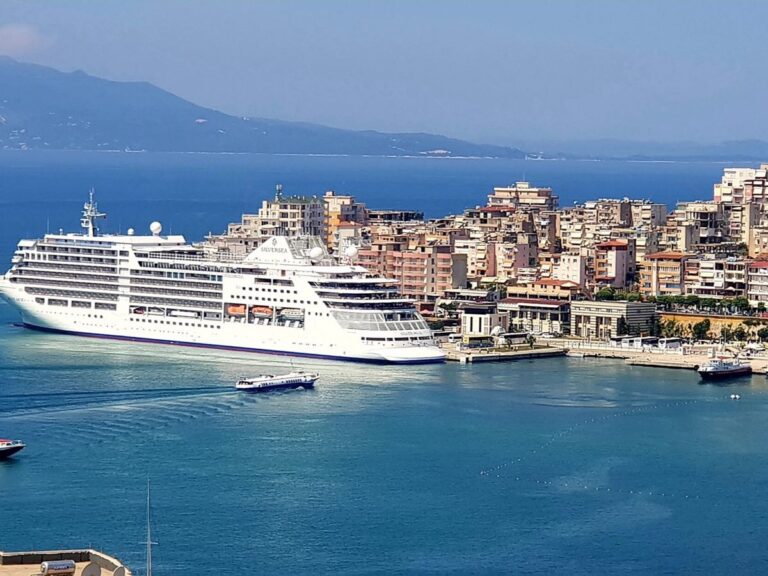
Warnemünde is Germany’s largest cruise port right on the sea, and the passenger quay sits in the heart of the resort. That location is the whole appeal, because you step off and the town is already around you.
Warnemünde station is beside the passenger quay, which makes Rostock straightforward from a Warnemünde berth. An Überseehafen assignment is a different industrial-port setup and needs the cruise line’s shuttle, tour transport, or a taxi before you can use the resort station.
Warnemünde regularly handles large Baltic cruise ships, and the visitor infrastructure is designed around busy call days. The beach and promenade spread people out, but popular cafés, the station, and the Alter Strom can still feel crowded around arrival and return times.
Your cruise line’s port document is the only reliable source for which berth you get. I check it the day before and plan my route from there.

Getting around, by train and on foot
On foot in Warnemünde
Honestly, the best transport in Warnemünde is your own two feet. The beach, the lighthouse, the Teepott, and the Alter Strom old channel are all within a few minutes of the quay.
S-Bahn to Rostock old town
Rostock’s historic center sits about 7.5 miles upriver, but the S-Bahn primarily links Warnemünde with Rostock Hauptbahnhof rather than dropping you at Neuer Markt. Continue by tram or allow time to walk from the main station, and check the local Verkehrsverbund Warnow planner for the current ticket and platform.
Regional train to Berlin
Rail travel from Warnemünde to Berlin normally requires a connection and can take roughly 2.5 to 3.5 hours each way depending on the timetable. Use Deutsche Bahn’s live planner, keep a backup train, and favor a ship-protected excursion if the call is not exceptionally long.
You can check live times and buy tickets through Deutsche Bahn’s own app and planner. I would only attempt Berlin if my ship is in port for a long day.
For the short hop into Rostock, check the local Verkehrsverbund Warnow planner for the valid fare and any tram connection. For Berlin, use Deutsche Bahn’s live itinerary and understand which ticket is flexible if a connection changes.

The stops I’d actually spend time on
These range from a two minute stroll to a full day trip. The official Germany tourism site backs up the highlights, and you can browse more on the Germany Travel Rostock page.
Warnemünde beach and lighthouse
The beach, lighthouse, and Teepott sit close to the central quay. Lighthouse climbing is seasonal, weather-dependent, and stair-based, so confirm the published opening time before making it the anchor.
The Alter Strom
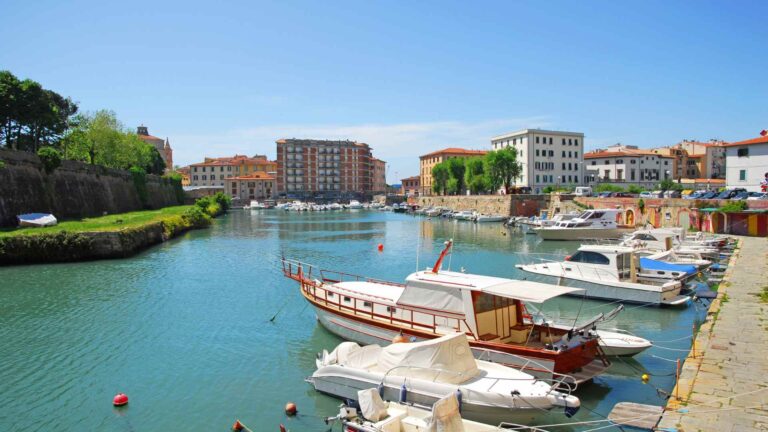
The old fishing channel is lined with boats, cafés, and fish-sandwich stands. It is the easiest food stop to combine with the beach because it stays close to the ship.
Rostock old town and St. Mary’s Church
Take the S-Bahn to Rostock Hauptbahnhof, then continue by tram or on foot to Neuer Markt and the church. The astronomical clock is the highlight, but worship, events, and maintenance can affect visitor access.
Neuer Markt and Kröpeliner Strasse
The gabled market square sits beside the ornate town hall, while the pedestrian street runs toward the medieval Kröpeliner Tor gate. This is a practical central loop when your time in Rostock is limited.
A Berlin day trip
Berlin offers the Brandenburg Gate, Reichstag, and Museum Island, all introduced on the official Visit Berlin site. The journey from Warnemünde is long and often requires a connection, so attempt it only with exceptional port hours and a protected or highly conservative return.
Bad Doberan and the Molli steam railway
The Molli starts in Bad Doberan rather than at the cruise quay, which means reaching the heritage railway before following its Baltic coast route. Check the official Molli timetable in both directions and do not treat Kühlungsborn as a quick add-on.

How I’d plan the day
These assume an all-ashore return buffer of at least an hour before departure. Times are rough, so pad them.
With 3 to 4 hours: Stay in Warnemünde for the beach, lighthouse area, Alter Strom, and a relaxed waterfront meal.
With 5 to 6 hours: Add local transit into Rostock for St. Mary’s Church, Neuer Markt, and the Hanseatic center, then return with a train buffer.
With a full long day: Choose either the Molli railway and Baltic coast or Berlin, because each requires separate transportation and careful timing.
Whatever length you have, leave room for a fischbrötchen, the local fish sandwich sold along the Alter Strom. It is cheap, fresh, and about the most Warnemünde thing you can eat.
My honest advice is that Berlin is a very long day from this port. Unless your call leaves a large margin after the live journey in both directions, I would keep the capital for a land trip and enjoy the coast instead.
We rounded up the closest places to stay in our Warnemünde cruise port hotels guide.

A realistic word on accessibility
Warnemünde is one of the easier Baltic ports for limited mobility, because the quay, promenade, and beach access sit on flat, level ground. The station is right by the terminal, which keeps walking distances short.
The S-Bahn and regional trains are generally step-friendly, though older cobbles in Rostock’s old town can be bumpy. Gangway steepness at the ship changes with the tide, so confirm any assistance with your cruise line in advance.
When to go, and the weather
Warnemünde’s cruise season runs mainly from May through September, when the beach is at its best and days are long. High summer gives you warm afternoons and plenty of daylight for a stretched-out port day.
Even in summer, a Baltic sea breeze can turn cool quickly. Pack a light windproof layer and shoes that handle wet paving.
Spring and fall calls can be bright but brisk, so layers beat a single heavy coat. Sea fog rolls in and out quickly along this coast.
Quick answers
Is the cruise port walkable to town?
Only a Warnemünde passenger-quay assignment puts you directly beside the resort and station. From Überseehafen, use the transportation specified by the ship because there is no simple walk or direct resort S-Bahn from the secure berth.
Is Berlin doable as a day trip?
Only on a very long port day with a live rail plan and backup. The journey can take roughly three hours or more each way depending on connections, leaving far less sightseeing time than the map suggests.
Do I need euros?
Germany uses the euro, and cards work in most places. I still carry a few coins for fish stalls and small snacks.
What is the best short plan?
Beach, lighthouse, and the Alter Strom, then the S-Bahn into Rostock old town if time allows. It is a lovely, low-stress day.
If you are stitching a Baltic itinerary together, this port pairs naturally with the bigger capitals nearby. I would read it alongside my guides to Copenhagen and Tallinn, both of which reward a walkable day ashore.


How this guide was researched: Unless a first-hand visit or stay is explicitly identified above, this guide uses official port, tourism, transit, government, and attraction sources where available. Logistics and time-sensitive details were reviewed on September 11, 2026; see our Editorial Policy.