Benoa Cruise Port: Bali Temples, Traffic & Drivers
Benoa is Bali’s cruise harbor, sitting on a low spit south of Denpasar, and it is not somewhere you want to linger. The entire day is about getting out of it and back again before the ship leaves.
Bali’s problem is not distance, it is traffic. Everything looks close on the map, and almost nothing is close once you are actually in a car.
My quick take
Pick one destination and one only. Bali punishes ambitious itineraries with long crawls through Denpasar, and the people who try to fit in three things mostly see the inside of a minivan.
Uluwatu is my recommendation for most port days, because it sits on the same peninsula as the harbor and does not involve crossing the island. Clifftop temple, an enormous view, and monkeys with a well documented interest in sunglasses.
Tanah Lot is the other realistic option, out on the west coast, and it earns the longer drive on a full day call. Ubud, for all its fame, is usually a mistake from a ship.
The other thing to accept is that Bali is busy in a way that surprises first timers. If you want the opposite kind of Asian port day, my Singapore cruise port guide covers the one where everything runs on time.
The quick facts
- Where you land: Benoa harbor, on a low spit on Bali’s southeast coast south of Denpasar and across the bay from Nusa Dua. It is a working commercial port with a terminal building and very little else, roughly 6 miles from Kuta and about 8 miles from central Denpasar.
- Dock or tender: Dock or tender, because both arrangements are in use here and it depends on your ship.
- Into town: You will need a taxi or a hired car.
- Currency and language: Indonesian rupiah (IDR), with an alarming quantity of zeros on every note.
- Time zone: Central Indonesia Time (WITA, UTC+8).
- Call reliability: Benoa may be an alongside or tender call, and the operating plan depends on ship size, berth allocation, channel limits, visibility, wind, and swell. Follow the ship’s daily program rather than a generic cancellation estimate.
- Best first visit: Keep to southern Bali with Uluwatu, Jimbaran, Nusa Dua, or Sanur. Choose Ubud, Tanah Lot, or rice terraces only on a long call with a conservative return plan.
- Return margin: Reach the correct terminal or tender meeting point well before all aboard. Allow extra time after any cross-island route because Bali traffic can change quickly.
Benoa harbor, taxis, and the traffic that runs your day
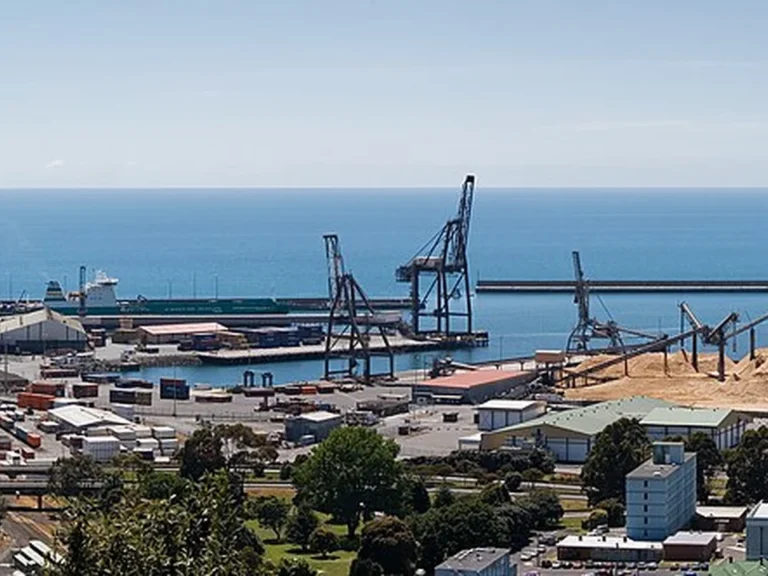
Benoa sits on a low spit of land on Bali’s southeast coast, reached by a causeway across the bay. It is a commercial harbor first and a cruise call second, and the surroundings make that very clear.
Whether you berth alongside or anchor and tender depends on your ship, and both arrangements are in use here. Ask at guest services the day before, because it changes your morning by the better part of an hour.
Once ashore you get a terminal area, a shuttle to the port gate on many calls, and a wall of drivers waiting beyond it. Nothing is walkable, so the only real decision is who is driving you and for how much.
Bali’s roads are narrow, scooter-heavy, and slow, although the Bali Mandara toll road can help on some south-island routes. It does not solve cross-island congestion, so a short-looking trip can still take well over an hour.
The national tourism board’s own Bali page is a sensible starting point for what sits where, and it covers temple etiquette as well. Read that part before you go, because the dress rules at temples are real and they are enforced.
Getting around
A prearranged car with a driver is often the most practical option from Benoa because it links stops without repeated pickups. Compare licensed operators, vehicle condition, seat belts, air-conditioning, included parking, overtime, and the written return plan instead of choosing on price alone.
Settle the route, the hours, and the total before you leave the port gate, and make sure your return time is understood. Rates vary and are negotiable, so ask two or three drivers rather than taking the first quote.
Ride hailing apps work in parts of Bali but are restricted or discouraged at some pickup points, including port and airport areas. Do not build your day around one being available when you need it.
Scooters are how Bali actually moves and how a lot of visitors get hurt, and this traffic is no place to learn. On a port day with a sailing time attached, take the car.
The stops I would actually spend time on
This list is ordered by how realistic each one is from Benoa, not by how famous it is. On Bali those two things are close to inversely related.
Uluwatu Temple: A sea temple perched on a cliff at the southwest tip of the Bukit peninsula, on the same side of the island as the harbor. Sarong and sash required, and the resident monkeys will take anything not physically attached to you.
Garuda Wisnu Kencana: A large cultural park on the Bukit peninsula built around a colossal statue of Vishnu riding the mythical bird Garuda. Close to the port, unashamedly a built attraction, and staggering in sheer scale.
Tanah Lot: The temple on a rock just offshore on the west coast, cut off by the sea at high tide. It is a long drive from Benoa and really only works on a full day call.
Nusa Dua and Sanur beaches: The nearest genuinely usable beaches, both a manageable drive from the harbor. Calm water, resort loungers you can pay to use, and no cross island expedition required.
Jimbaran: A bay on the west side of the Bukit peninsula, known for grilled seafood served on the sand. Close enough to the port to work as a lunch stop rather than an outing.
The kecak dance at Uluwatu: The chanting fire dance performed at the temple around sunset, and it is genuinely spectacular. It is also almost always after your all aboard time, so know that before you plan around it.
Ubud: Bali’s cultural center inland, with the palace, the art museums, and terraced country all around it. Wonderful, and a genuinely poor idea on anything but a very long call.
The rice terraces: The landscape that made Bali famous, and the thing UNESCO actually protects here. They are all inland, which puts them in exactly the same traffic problem as Ubud.
A long lunch with a view: Bali does clifftop and beachfront restaurants extremely well, and lingering over one is a legitimate plan. It also means you are not sitting in a car.
Fun fact: Bali’s rice terraces are a UNESCO World Heritage Site, inscribed in 2012 as the Cultural Landscape of Bali Province. What is protected is the subak, a cooperative water management system of canals and weirs dating back to the 9th century, rather than simply the view.
How I would plan the day
Decide the night before rather than at the gate, and commit to exactly one destination. The gate is where a driver will cheerfully sell you a four stop itinerary that cannot physically be completed.
On a standard call I would do Uluwatu in the morning, Jimbaran for lunch, and be back by mid afternoon. That is a full, satisfying Bali day that never leaves the peninsula.
On a long call, Tanah Lot repays the drive, particularly if you leave early and travel against the worst of the traffic. Keep the same driver both ways so one person is responsible for getting you back.
If it rains hard, and in wet season it will, temple steps get slippery and the traffic gets considerably worse. A beach club or an unhurried lunch is a better plan B than pushing on regardless.
Reach Benoa 90 minutes before all-aboard after Uluwatu, Jimbaran, Nusa Dua, or Sanur, and two hours early after Tanah Lot, Ubud, or another cross-island route. A tender call needs additional time for the port transfer, security, and final boat cutoff.
If you would rather arrive a day early, our Benoa cruise port hotels guide has the shortlist.
International visitors should check Indonesia’s entry rules and the cruise line’s passport instructions for their nationality. Bali also has an official foreign-tourist levy, so confirm through Love Bali whether the cruise line handles it or the passenger must carry a valid voucher.
At Uluwatu and other monkey areas, keep food, glasses, phones, and loose items secured without confronting an animal. Seek urgent medical advice after any bite or scratch because rabies prevention is time-sensitive, and do not rely on travel insurance that excludes scooter or animal incidents.
A realistic word on accessibility
The port itself is flat and manageable, and if you berth alongside the start of the day is easy enough. If your ship tenders, that changes everything, because it means steps down onto a moving boat.
Ashore, Bali is hard work, with high curbs, missing sidewalks, and steps at every temple including the clifftop path at Uluwatu. The resort areas around Nusa Dua are the flattest, easiest ground on the island.
A private car with a driver, arranged in advance rather than at the gate, transforms this port completely. My roundup of wheelchair-friendly cruise ports covers which calls need that level of planning and which do not.
When to go, and the weather
Bali sits just south of the equator, so the temperature barely moves and the rain does all the seasonal work. Highs run around 86 to 90°F all year round.
The dry season runs roughly April to October and is the comfortable half of the calendar. November to March is the wet season, with heavy afternoon downpours and noticeably more humidity.
Rain matters because it worsens traffic, visibility, flooding, and slippery temple steps. A shower may pass quickly or persist, so keep the route shorter in wet season and let the driver drop an unsafe stop.
Indonesia’s official weather agency, BMKG, publishes harbor and marine forecasts alongside the usual land ones, which is worth a look if your ship tenders. Pack a light rain layer, sandals with grip, and something that covers shoulders and knees.
Quick answers
Can I get to Ubud from Benoa?
Only a long call with a prearranged driver and current traffic estimate makes it comfortable; shorter calls should stay south rather than sacrificing the day to a cross-island return.
What do I need to wear at temples?
Requirements vary, but modest clothing plus a sarong and sash are common, and local staff control entry; carry your own or confirm what the site supplies instead of assuming every temple lends the required clothing.
Does Benoa dock or tender?
Both happen depending on the ship, so check the daily program and include the actual tender-ticket, boat, shuttle, and queue arrangements in the day plan.
Should I book a ship’s tour or a driver?
A driver is better value and far more flexible, and a ship’s tour is better insurance; on a tight call with a tender operation, I would take the insurance.
The last word
Benoa is an unremarkable port attached to an extraordinary island, and the gap between those two things is made entirely of traffic. Accept that, plan small, and Bali is wonderful.
For the other long transfer that usually sits on the same itinerary, see my Kuala Lumpur cruise port guide. Same problem, different traffic jam.
And if your sailing carries on into Thailand, my Phuket and Ko Samui guides cover the two island days that follow a Bali call rather well. Both are easier ports than this one, which is admittedly not a high bar.
How this guide was researched: Unless a first-hand visit is explicitly identified above, this guide is based on independent research using official port, tourism, transit, government, and attraction sources where available. Logistics and time-sensitive details were reviewed in September 2026; see our Editorial Policy.