Lyttelton Cruise Port: Christchurch, Gondola & Akaroa
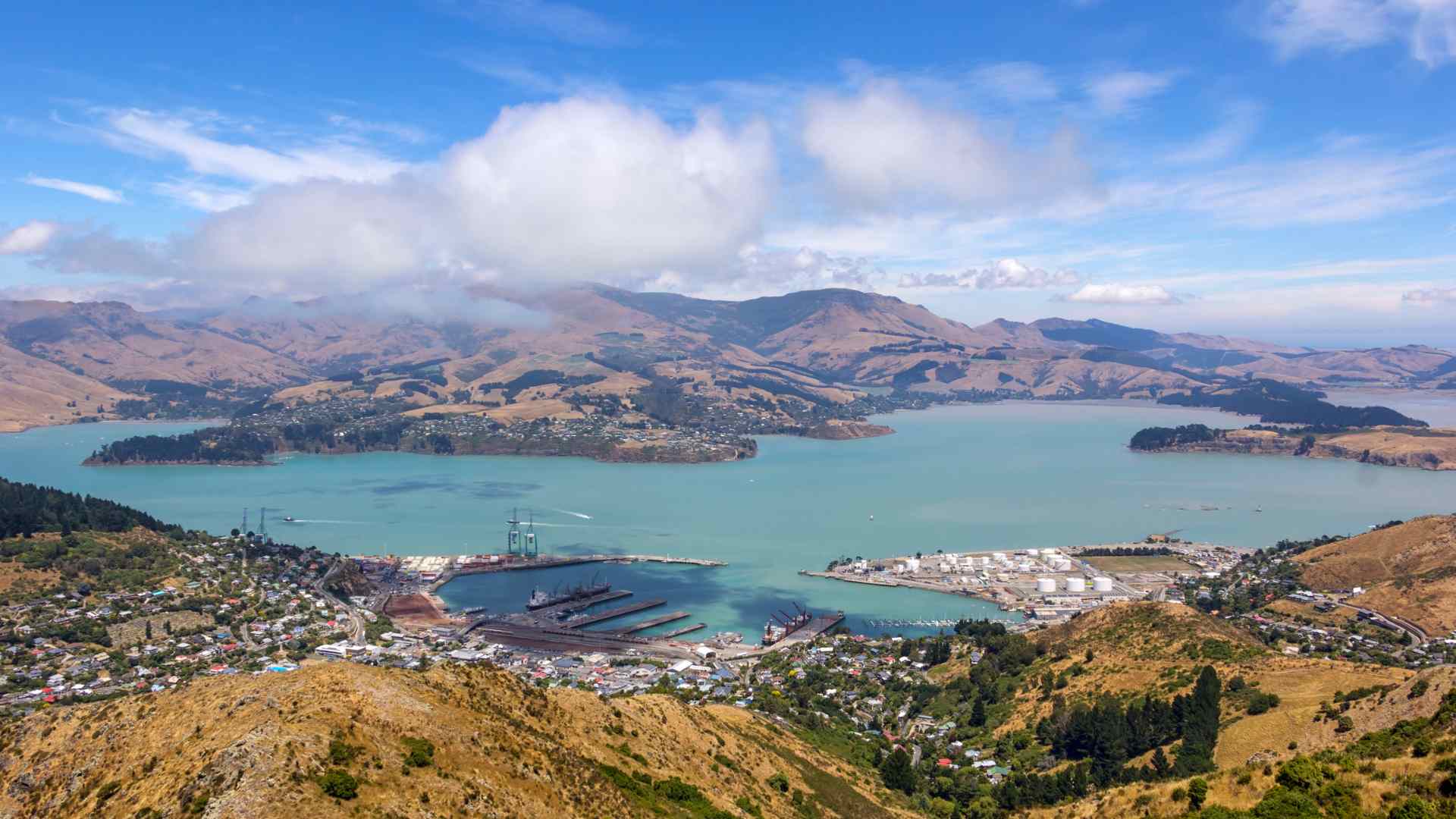
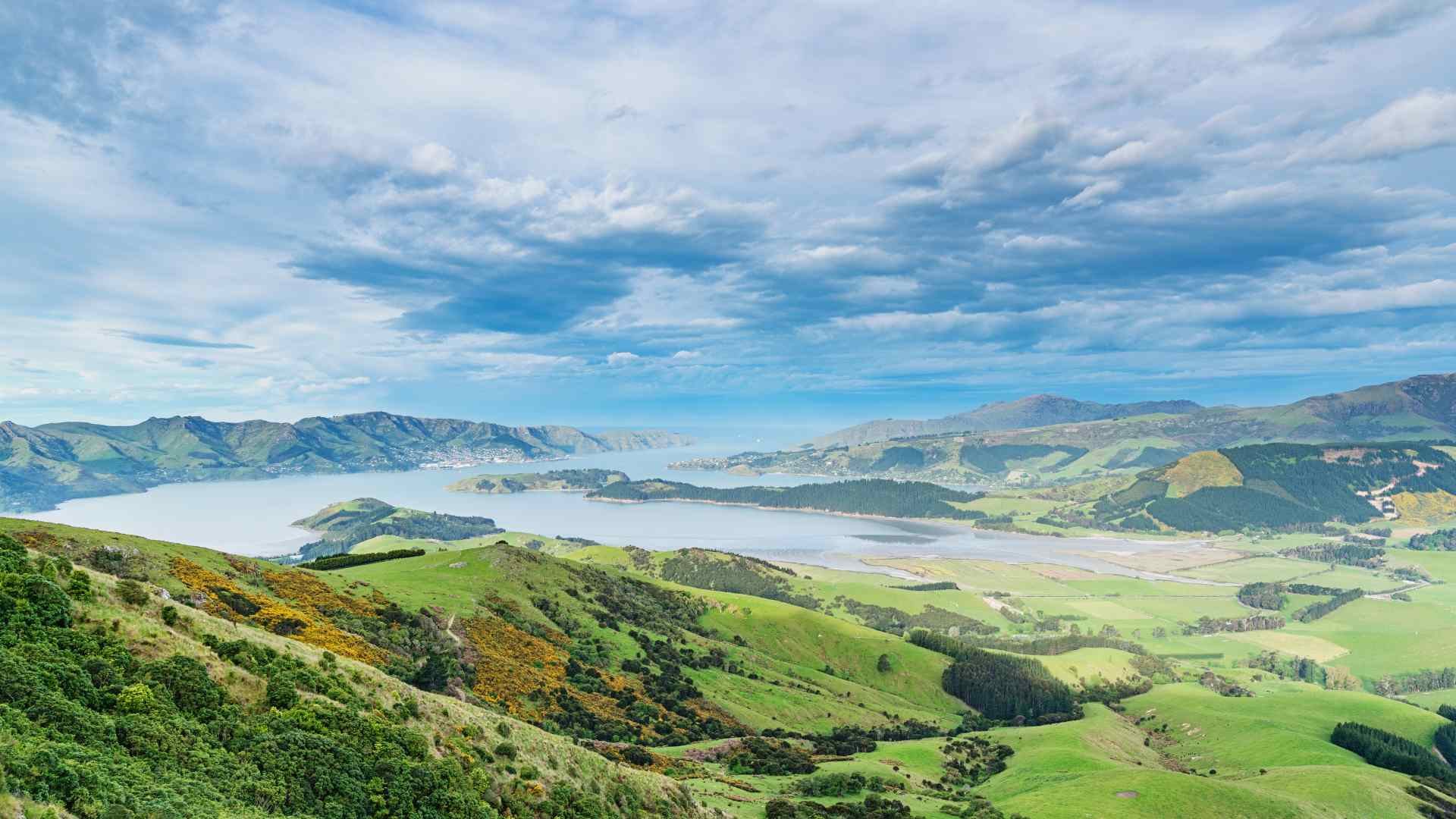
Lyttelton is the harbor, Christchurch is the city beyond the Port Hills, and the secure commercial port determines how you move between them. You cannot walk from the cruise berth, so every independent day begins with an authorized shuttle before you choose city gardens, earthquake history, the gondola, Lyttelton town, or Banks Peninsula scenery.
That mandatory first transfer is easier than it sounds once you plan around it. Christchurch is flat and rewarding on foot, Lyttelton has enough character for a relaxed local day, and a clear summit at the gondola can show you both sides of the hills in one magnificent sweep.
My quick take
For a first visit, take the Christchurch shuttle and give the city most of the day. Walk from the central drop through the rebuilt core toward the Botanic Gardens, then decide whether the gondola deserves the weather and transport time.
For a shorter call or repeat visit, Lyttelton and Diamond Harbour can form an appealing harbor day. I would not use an ordinary Lyttelton call to chase Akaroa unless the ship offers a purpose-built excursion and the road schedule is exceptionally comfortable.
The mistake to avoid is booking a fixed early attraction without accounting for disembarkation and shuttle loading. The Port of Lyttelton controls the secure first mile, and no private driver can make that process disappear.
Quick Facts
- Where ships dock: At Lyttelton’s purpose-built cruise berth inside a working commercial port.
- Walk-off access: None from the cruise berth, according to Lyttelton Port Company.
- Shuttle choices: Dedicated services connect the berth with Lyttelton and central Christchurch on cruise days.
- Best first visit: Central Christchurch, the Botanic Gardens, earthquake-era landmarks, and a relaxed meal.
- Best scenic add-on: Christchurch Gondola when summit visibility and the return schedule are good.
- Best local alternative: Lyttelton town with a harbor ferry or waterfront time.
- Currency: New Zealand dollar, with cards widely accepted.
- Return rule: Allow for the public meeting point, shuttle queue, secure-port transfer, and ship’s all-aboard time.
How the cruise berth works
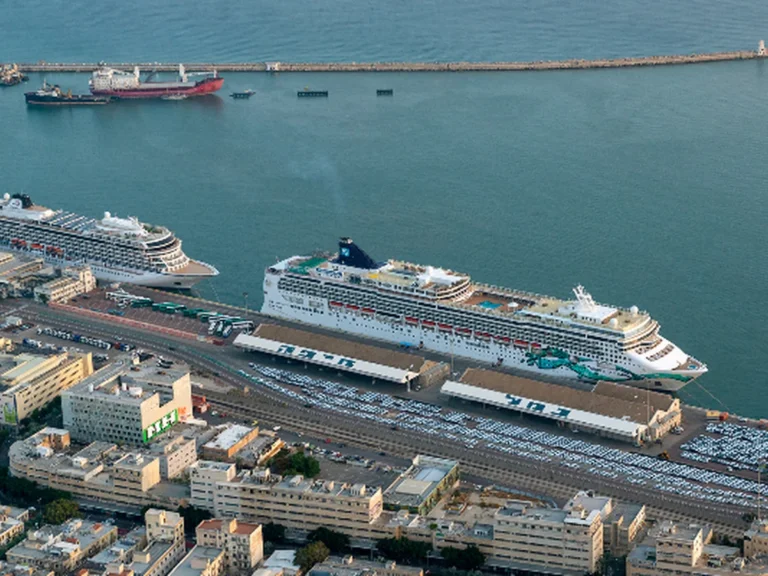
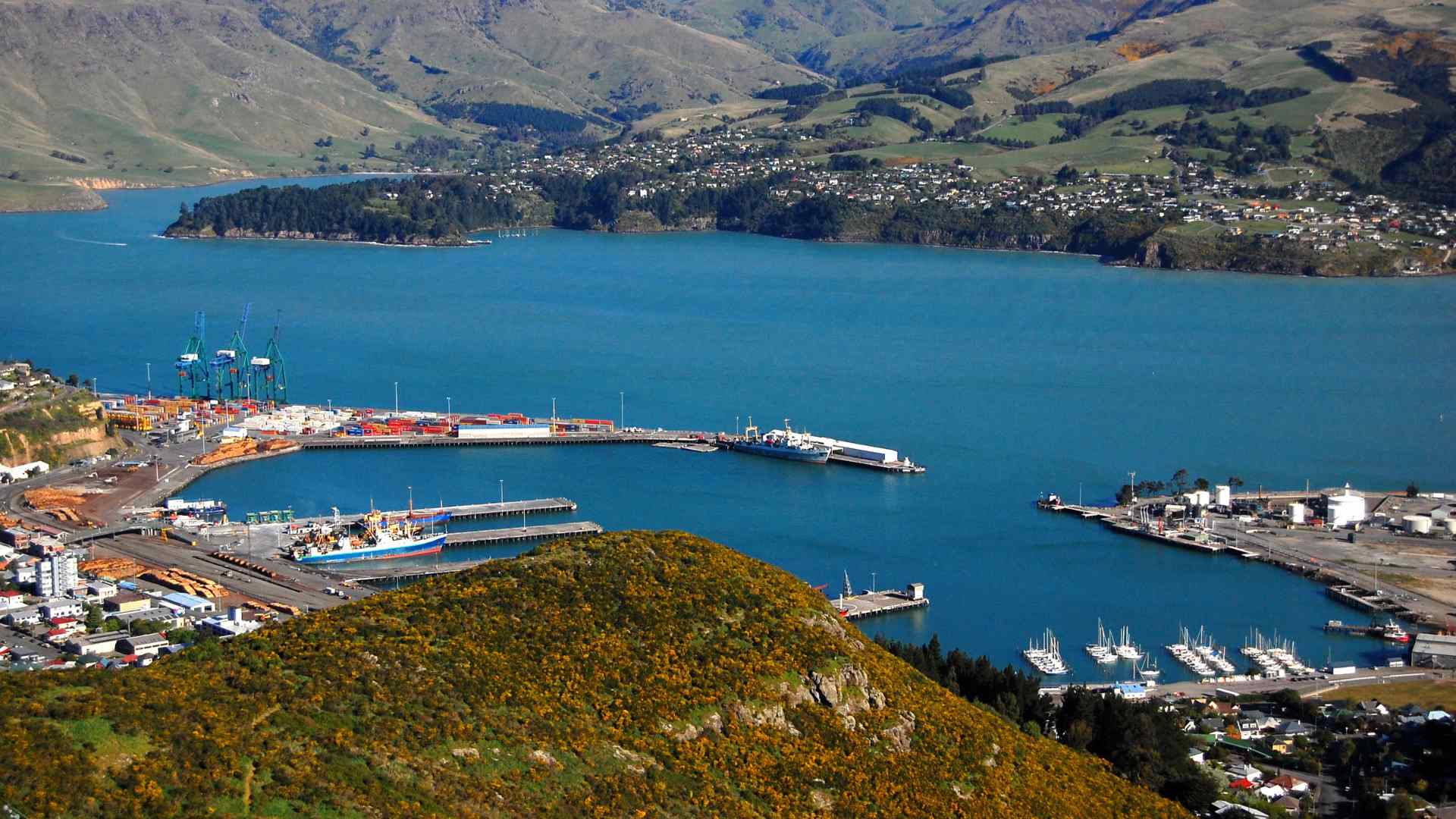
The Lyttelton Port Company describes the facility as New Zealand’s first purpose-built cruise berth. It sits within an active port where pedestrian access from the ship is not allowed.
That means you do not stroll through the gate, meet a driver beside the gangway, or decide to walk into town because the weather looks nice. You board an authorized shuttle and follow the day’s controlled route.
The port identifies shuttle stops in Lyttelton near Norwich Quay and in central Christchurch near Cashel Street. Confirm the exact current stops, fare if any, accessibility, frequency, and last return in your ship’s program.
The port also advises that the first passengers may take time to disembark and move off the secure area. Treat any published arrival as the ship’s expected berth time rather than a promise that you will be standing in Christchurch at that minute.
If meeting a private guide, family member, taxi, or rideshare, arrange the pickup at an approved public point in Lyttelton or Christchurch. Port security will not admit an ordinary car simply because your name is written on a sign.
The two shuttle choices
Shuttle to central Christchurch
The city shuttle is the natural choice for a first visit. A central Cashel Street drop puts you near the rebuilt retail core, Riverside Market, the Avon River, Cathedral Square, and an easy walk toward the Botanic Gardens.
Ask whether the return uses the same side of the street and look for temporary cruise-day signage. Road works and events can shift a stop, so photograph the actual pickup instructions rather than memorizing a café name.
Shuttle to Lyttelton
The local shuttle brings you to the public side of Lyttelton, where independent tours, taxis, public buses, cafés, shops, and harbor services can meet passengers. It is also the correct first step for many private excursions whose vehicles cannot enter the berth.
Lyttelton is closer to the ship but still outside the secure port chain. Returning to Norwich Quay early does not put you aboard until the authorized bus carries you back through security.
Using public transportation
The official Metro Christchurch site provides current bus planning, timetables, fares, detours, live information, and accessible-travel guidance. Route numbers and stop locations can change, so check the live network instead of trusting an old article.
Public buses connect Lyttelton with central Christchurch through the road tunnel. They are useful for an independent day, but the cruise shuttle may be simpler if it provides the direct destination you want.
The Diamond Harbour ferry is part of the wider public transport picture and creates a scenic local outing across Lyttelton Harbour. Check the current timetable, weather, payment, and connecting bus information before relying on it.
Never plan around the last possible public service. Leave a bus or ferry behind your chosen return so one cancellation does not consume the margin between the public stop and the secure-port shuttle.
A first-time Christchurch walking route
Start near the central shuttle stop and orient yourself around Cashel Street and the Avon River. Walk through the rebuilt center toward Cathedral Square, New Regent Street, and the river, then continue to the Botanic Gardens if energy and weather remain good.
The city is largely flat, and modern rebuilding has improved many sidewalks and entrances. Construction, temporary routes, tram tracks, and river bridges still require attention, especially for mobility-device users.
Christchurch makes more sense when you notice the layers rather than rush among attractions. Gothic Revival stone, new timber and glass, temporary architecture, memorial spaces, street art, and empty sites all speak to the earthquakes and the long recovery.
A guide can add personal and cultural context, but the central route works independently. Download a map, check current closures, and let the city reveal itself block by block.
Cathedral Square and earthquake history
Cathedral Square remains the symbolic center even while the cathedral’s future, access, and surrounding works continue to evolve. Respect barriers and use current city information rather than assuming a restoration schedule from an older guide is still active.
The square is most meaningful when placed inside the broader story of the 2010 and 2011 earthquakes, loss, community response, demolition, rebuilding, and debate. Avoid turning damage into a before-and-after photo exercise detached from the people who lived through it.
The Transitional Cathedral, often called the Cardboard Cathedral, was designed after the earthquakes as an active place of worship. Check current visitor access around services, events, and community use.
Nearby memorial places deserve quiet attention. Follow local guidance on photography and give people space, especially where a site remains personally significant to residents.
Christchurch Botanic Gardens
The Christchurch Botanic Gardens sit within Hagley Park around a broad bend of the Avon River. Seasonal displays, mature trees, conservatories, lawns, rose gardens, and native collections make this the city’s easiest high-quality stop.
Entry to the outdoor gardens is generally simple, but building hours, tours, weather closures, and current projects should be checked with the city council. The gardens are large enough that you should choose a loop rather than trying to cover every path.
This is where I would slow down after the central rebuild story. A riverside bench and one conservatory often deliver more pleasure than another half hour of racing between landmarks.
The grounds are mostly gentle, though path surfaces, temporary work, bridges, and restroom access vary. Use the visitor center for the most suitable current route if step-free travel is important.
Riverside Market and New Regent Street
Riverside Market is a convenient central place to compare food counters, local products, and quick meals. It can become busy around lunch, so arrive before the rush or accept that choosing from many good options is part of the experience.
New Regent Street is a compact row of pastel Spanish Mission-style buildings with cafés and the heritage tram running through the middle. It takes only minutes to see and much longer if coffee and people-watching take control.
Both fit naturally into a walking day and require no cross-city transfer. They are also useful bad-weather stops when the gardens or gondola lose appeal.
Ask for the bill early when the return shuttle matters. New Zealand service is relaxed, and the kitchen has not been informed that your floating hotel is preparing to leave.
Is the Christchurch Gondola worth it?
The Christchurch Gondola climbs Mount Cavendish in the Port Hills. From the summit area, clear weather can open views across Christchurch, the Canterbury Plains, Lyttelton Harbour, and Banks Peninsula.
Visibility is the whole decision. Low cloud can turn an expensive panorama into a close study of white air, so check the operator’s live status and look at the hills before committing.
The base station is not in central Christchurch or at the cruise berth. You need a current bus, taxi, excursion, or other confirmed transfer in both directions.
Allow for the ride, summit time, possible queue, base-station transfer, and the final secure-port shuttle. The gondola is not a quick stop merely because the cable itself moves efficiently.
On a clear day, it can be the visual key to the port because you see why Lyttelton and Christchurch feel close yet separate. On a cloudy day, keep the city plan and spend the saved time in the gardens or museum.
Christchurch Tram and punting
The heritage tram operates as a sightseeing attraction around the central city rather than an ordinary commuter service. Check its current route, stops, operating day, accessibility, and full-loop time before using it as transport.
It can provide orientation and a seated break, especially for visitors who want commentary. Hop off only when the next service and return shuttle leave enough margin.
Punting on the Avon offers a gentle guided ride through a quieter part of the central landscape. Reserve only when the appointment comfortably fits the shuttle arrival, since early disembarkation timing is never entirely yours to control.
Both attractions are enjoyable but not essential. Christchurch remains rewarding on foot, which is useful when queues, weather, or a late arrival remove a timed activity.
Lyttelton town deserves time too
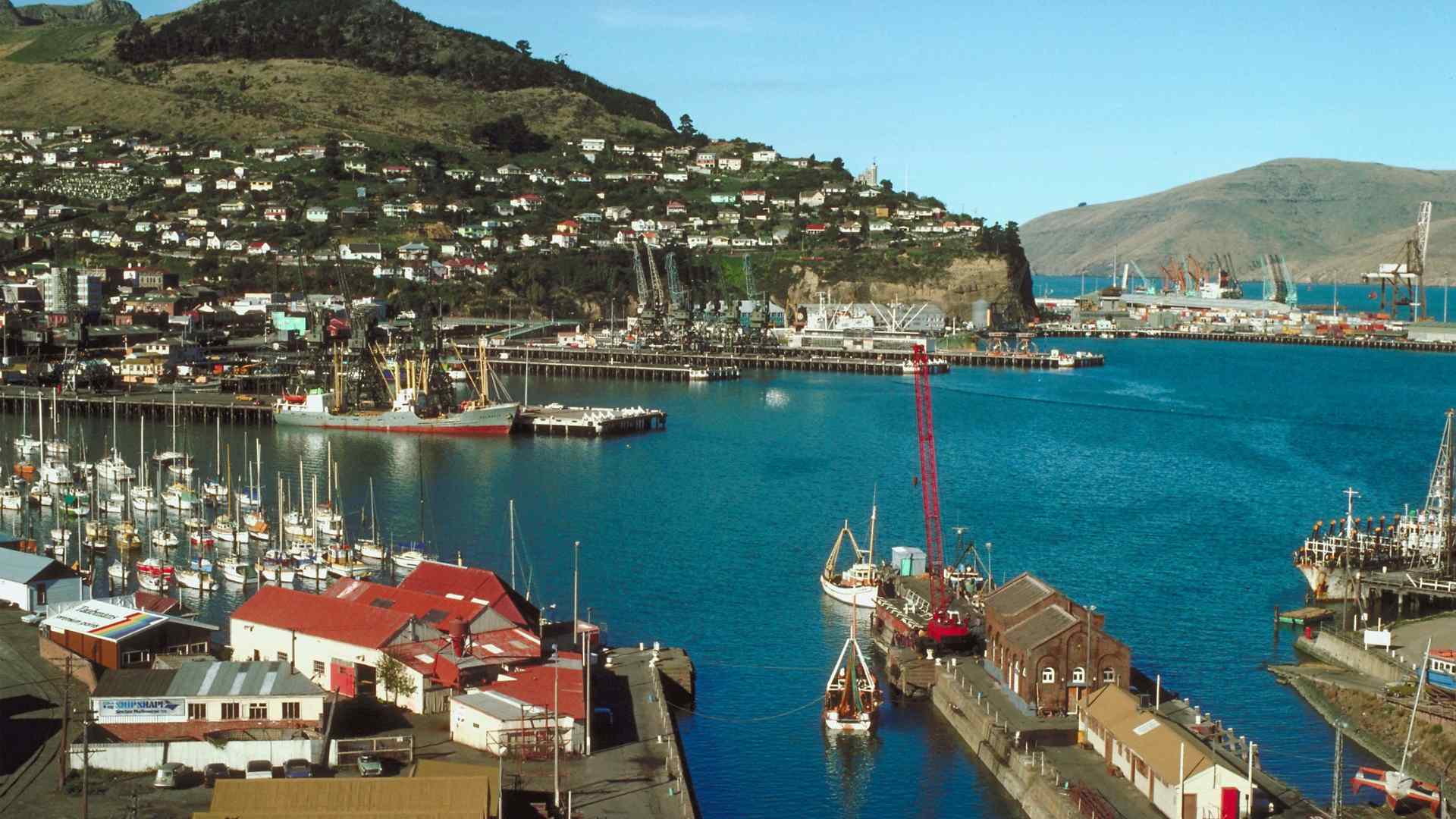
Lyttelton sits steeply around its harbor with cafés, small shops, bars, creative businesses, and a strong community identity. Earthquake damage and rebuilding shaped the town as profoundly as Christchurch, though the scale feels more intimate.
London Street provides the easiest starting point, while side streets climb quickly. A local hour works particularly well after a city day because you are already on the port side of the tunnel.
Do not confuse being in Lyttelton with being back aboard. You still need the authorized shuttle from the public stop through the working port.
A local plan is ideal for a short call, repeat visit, poor city weather, or anyone who dislikes a day dominated by transfers. Good coffee and harbor views are legitimate cruise attractions even when no ticket scanner is involved.
Diamond Harbour by ferry
The ferry across Lyttelton Harbour gives you water-level views of the volcanic landscape and the port. Diamond Harbour offers a quieter settlement, green space, walks, and cafés according to the services open on your date.
This is public transportation in a marine environment, so wind, maintenance, and timetable changes matter. Check the live service and build the return around a ferry well before the last one that could work.
The outing pairs naturally with Lyttelton, not with an overloaded Christchurch and gondola circuit. Keep the day geographically coherent and it will feel generous rather than hurried.
What about Akaroa?
Akaroa lies on the far side of Banks Peninsula and is a separate destination with French-influenced history, a beautiful harbor, wildlife cruises, and a very different port experience. It is not a quick extension of an ordinary Lyttelton city day.
A ship excursion may make sense during a long call when the full road schedule is designed around the vessel. Independent travelers should look closely at driving time, road conditions, stops, and the secure-port transfer still waiting at the end.
If your itinerary actually calls at Akaroa, use my Akaroa cruise port guide. That call normally begins with tender logistics rather than Lyttelton’s berth and shuttle system.
I would choose Akaroa from Lyttelton only for a specific priority and a robust tour. Christchurch, the Port Hills, and Lyttelton offer more than enough for a first visit.
Three realistic ways to plan the day
Classic Christchurch
Take the central shuttle, walk Cathedral Square, the river, New Regent Street, and the Botanic Gardens, then eat at Riverside Market or nearby. Return with enough time for a short Lyttelton stop only if the shuttle arrangements make that simple.
This plan is flexible and largely booking-free. It also gives you the clearest understanding of the city’s earthquake recovery and present identity.
Christchurch plus the gondola
Take the city shuttle and see one compact part of central Christchurch before traveling to the gondola. Ride only when visibility is good, then return directly toward Lyttelton with a generous margin.
Do not add punting, a full tram loop, the entire garden, and Diamond Harbour as well. The summit is the substantial second half of this day.
Lyttelton and the harbor
Use the local shuttle, explore London Street and the waterfront, then take a well-timed ferry to Diamond Harbour if conditions and the schedule cooperate. Return on an early service and finish close to Norwich Quay.
This is the calmest plan and the easiest to adjust. It also gives the port town a chance to be the destination rather than a transfer point.
Independent tours and pickup rules
Private operators usually meet guests at a public shuttle point, not at the cruise berth. Confirm whether the pickup is in Lyttelton or Christchurch and share the ship’s schedule before paying.
Ask what happens if disembarkation runs late and whether the vehicle waits. A fixed departure that leaves before the first secure-port shuttle arrives is not a bargain.
Put the route, inclusions, return time, mobility requirements, and emergency contact in writing. For Banks Peninsula or a rural tour, confirm restroom stops and road alternatives as well.
Ship excursions reduce the risk of coordinating the first and last mile, though they still depend on port and road operations. Read the itinerary for actual time at attractions rather than choosing the tour with the longest list of names.
Accessibility in practical terms
Docking alongside avoids a tender transfer, which is a major advantage. The mandatory shuttle becomes the key question, so ask about lift-equipped vehicles, wheelchair securement, steps, mobility-device storage, and companion seating.
Central Christchurch is comparatively flat and much of the rebuilt core provides modern access. Tram tracks, construction detours, older buildings, and garden surfaces still need attention.
The gondola operator should confirm base access, cabin boarding, summit circulation, restrooms, and emergency procedures for your equipment. Do not rely on one generic accessibility icon for the whole attraction.
Lyttelton’s main street may be manageable, but side streets rise sharply. The Diamond Harbour ferry also requires a current check of wharf gradients, vessel boarding, tide conditions, and accessible connections.
My guide to wheelchair-friendly cruise ports explains how I assess calls where a secure shuttle controls every passenger’s first and last move.
Weather and what to wear
Canterbury weather can change sharply as wind moves across the plains and hills. A warm sunny city morning does not guarantee a calm harbor afternoon or a clear gondola summit.
Dress in layers and carry a light windproof or waterproof shell. Sun protection matters even when the air feels cool, because New Zealand ultraviolet exposure can be strong.
Look at the Port Hills before buying a gondola ticket. If the summit is hidden, keep the city plan and check again later rather than reserving optimism.
Strong wind can affect ships, shuttles, ferries, and exposed viewpoints. Follow port announcements and move your return earlier when the operation begins changing.
Money, language, and practical habits
New Zealand uses the New Zealand dollar, and cards are widely accepted. A little cash can help with small vendors, though most central businesses support electronic payment.
English is widely used, while te reo Māori place names and cultural context are part of the region. Listen to pronunciation from local guides and use the names with care rather than treating them as decorative additions.
Save offline maps and the shuttle pickup before leaving Wi-Fi. Mobile service is generally good in the city, but a charged phone is not a substitute for knowing the final return.
Normal urban precautions are sufficient for most visitors. Watch tram tracks, cross at safe points, protect valuables, and use official taxis or rideshare pickups.
Common planning mistakes
The first mistake is trying to walk from the cruise berth. The port explicitly prohibits walk-off access, so the shuttle is mandatory.
The second is setting an early independent pickup at the ship. Private vehicles meet on the public side, and initial disembarkation can take time.
The third is buying a gondola ticket before checking cloud. The view is the value, so visibility deserves the deciding vote.
The fourth is treating Akaroa as a quick add-on. Banks Peninsula roads and the final port shuttle make it a major excursion.
The fifth is returning to Lyttelton at the exact all-aboard time. You still need the controlled shuttle through security to reach the vessel.
Frequently asked questions
Can I walk from the ship into Lyttelton?
No. Lyttelton Port Company states that there is no walk-off access from the cruise berth, so use the authorized shuttle.
Where do the cruise shuttles go?
The port currently identifies public stops in Lyttelton near Norwich Quay and central Christchurch near Cashel Street. Confirm the exact day’s locations and return times aboard.
Is Christchurch easy to explore independently?
Yes, once the shuttle reaches the center. Many key sights fit a flat walking route, and official Metro services can support longer moves.
Is the gondola close to the cruise berth?
It sits in the Port Hills but is not at the berth or central shuttle stop. Arrange a current bus, taxi, or excursion and allow for the complete return chain.
Can I visit Akaroa from Lyttelton?
Only as a substantial road excursion, preferably designed around a long call. It is not a sensible afternoon extra after central Christchurch.
What is the best short-call plan?
Explore Lyttelton and, if the timetable is comfortable, add the Diamond Harbour ferry. Staying on the harbor side reduces the number of transfer links.
What if the weather hides the gondola view?
Keep your Christchurch plan and spend more time in the Botanic Gardens, Riverside Market, museums, or the central rebuild. The gondola is optional, not the definition of the port.
The bottom line
Lyttelton works beautifully once you accept the mandatory secure-port shuttle. Give Christchurch the main part of a first visit, add the gondola only when the hills are clear, and keep Lyttelton or Diamond Harbour as a worthy alternative rather than an afterthought.
For the broader route, my New Zealand cruise ports guide places Lyttelton beside the country’s other major calls. The Dunedin and Picton guides cover two South Island neighbors with very different first-mile logistics.
How this guide was researched: Port, city council, transit, attraction, accessibility, and current visitor information was checked against primary New Zealand sources on September 11, 2026. Shuttle stops, public services, weather, and attraction access can change, so verify the live ship notice and see our Editorial Policy.