Penang Cruise Port: George Town, Street Art & Hawkers
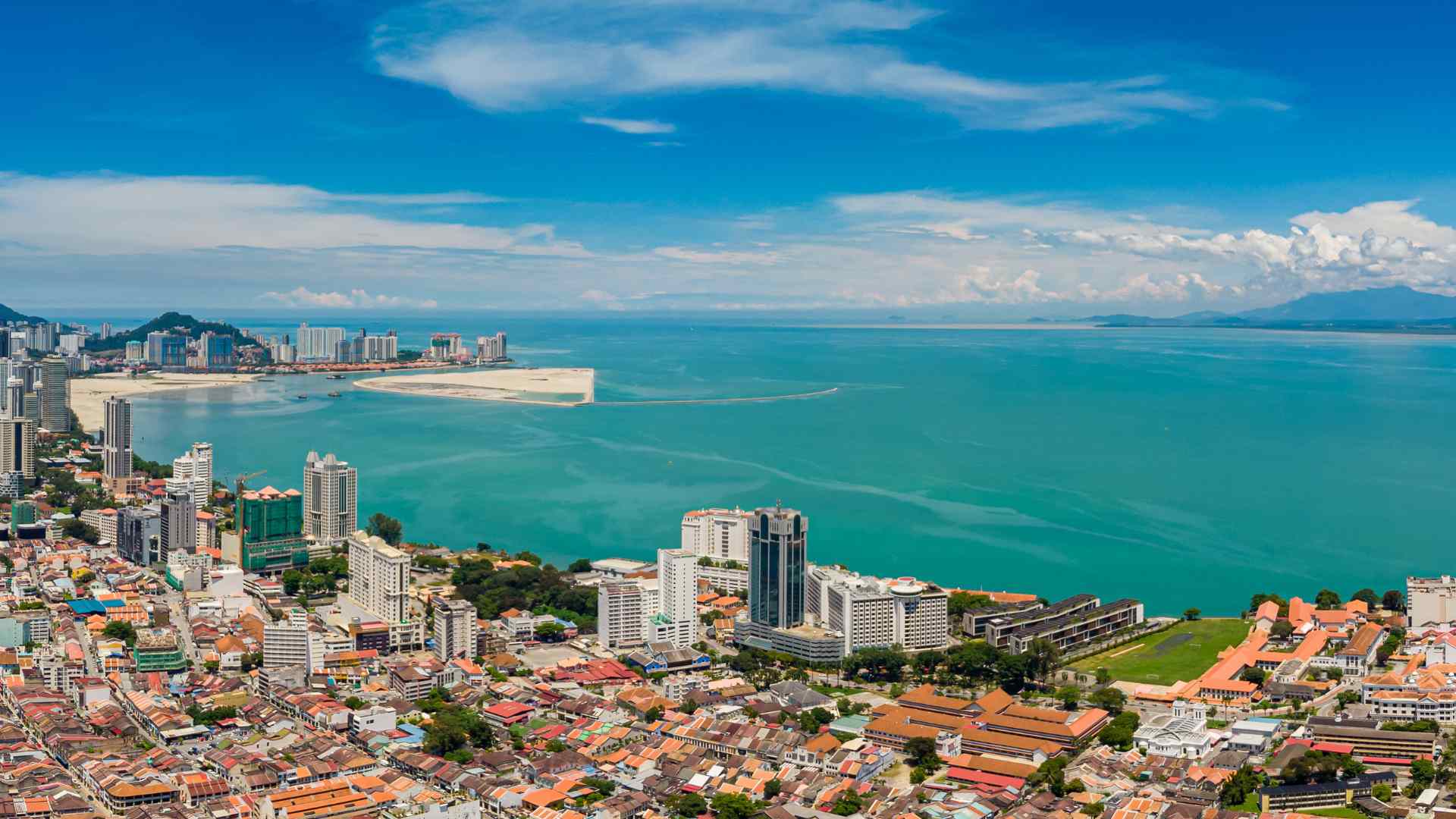
Penang is the call where you walk down the gangway and straight into a UNESCO world heritage site. No motorcoach, no shuttle, no two hour transfer, just a short walk and you are in George Town.
That makes it one of the easiest ports in Southeast Asia and one of the most rewarding. Heat, tropical downpours, road traffic beyond the heritage core, and ordinary food-and-water precautions are the practical variables.
My quick take
Walk into George Town, leave room to wander, and build the day around one or two hawker stops. That simple plan suits first-time visitors better than racing between distant attractions.
The old town is a dense grid of shophouses, clan houses, temples, mosques, and murals, and almost all of it is within a mile of the pier. You genuinely do not need a tour.
The temptation is to bolt for Penang Hill or Kek Lok Si, which are both good and both a drive away. If your call is short, I would skip them and stay in the heritage zone.
This is a useful benchmark for a proper walk-off day, and it holds up against the best in my roundup of walkable cruise ports. Very few calls give you this much within this short a walk.
For a pre-cruise night, see our guide to hotels near Penang cruise port.
Quick Facts
- Where you land: Swettenham Pier Cruise Terminal, on the George Town waterfront on Penang Island. The rebuilt terminal opened in 2010 and sits within about 655 feet of the edge of the old town.
- Dock or tender: The main berth runs about 2,690 feet with roughly 39 feet of water alongside; two shorter inner berths of about 815 and 720 feet handle smaller vessels.
- Into town: A walk of a few minutes, roughly 655 feet, gets you to Fort Cornwallis and the edge of the heritage zone.
- Currency and language: The Malaysian ringgit (RM, MYR), with Malay the national language and English very widely spoken, alongside Hokkien, Mandarin, and Tamil.
- Time zone: Malaysia Time (MYT, UTC+8).
- Operational caution: Berth assignments, weather, marine conditions, and the ship’s operating plan can change a call, so follow the current onboard notice.
Swettenham Pier and the walk into the old town
Swettenham Pier is one of the better cruise terminals in the region, and its great virtue is location. You are on the George Town waterfront rather than in a container yard forty minutes away.
The main berth is about 2,690 feet long with roughly 39 feet of depth alongside, which is why the very large ships call here. Two inner berths, at about 815 and 720 feet, take smaller vessels on the other side.
The walk out passes through the terminal building and a small run of shops, which is standard and mercifully brief. Beyond the gate you are within roughly 655 feet of the historic core, and the official Penang Port cruise services page confirms the terminal’s berth specifications.
Outside the gate you will meet trishaw drivers, taxi drivers, and tour touts, all of them cheerful and persistent. A firm smile and a straight line into town solves it entirely.
Fort Cornwallis is the first thing you reach and the least interesting thing you will see all day. Walk past it and into the shophouse streets, where the good stuff lives.
Getting around
Walking is the answer inside the heritage zone, although the UNESCO area is larger than a quick cross-town stroll suggests. Streets are mostly flat, but shade, sidewalks, crossings, and traffic vary from block to block.
Grab is widely used and cheap for the longer hops out to Air Itam or Gurney Drive. Metered taxis exist and negotiating one at the pier is rarely the better deal.
Rapid Penang runs the public buses, which are inexpensive and useful if you have time and patience. Traffic in George Town is heavier than the map suggests, so allow more than you think.
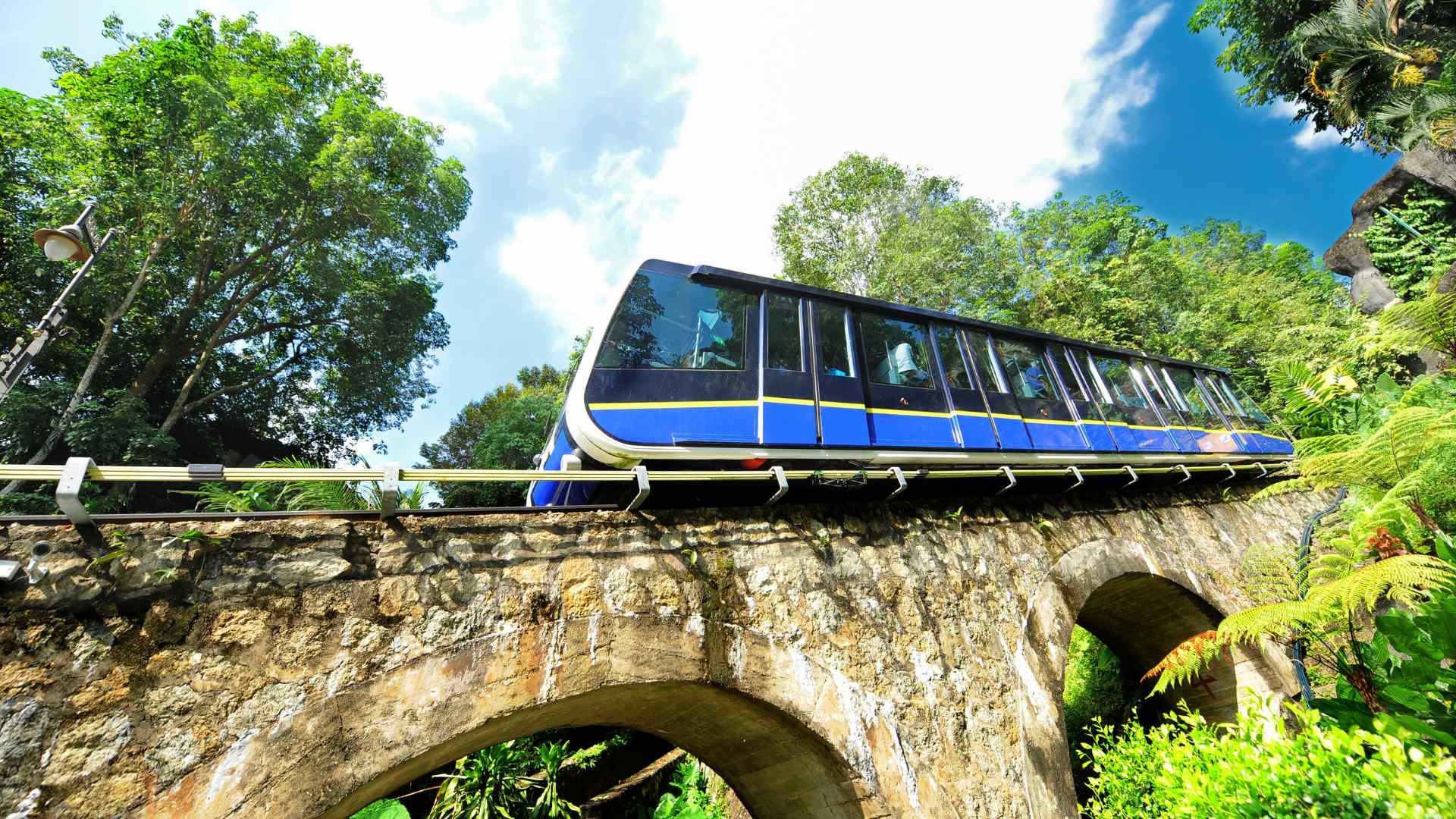
For Penang Hill you take a car or bus to the lower station in Air Itam, roughly 5.5 miles west of the city center, then ride the funicular railway. Operating hours run from early morning to late evening, and the official Penang Hill site is the place to check before you set off.
Trishaws are a tourist experience rather than transport, and they are fun for twenty minutes. Agree the price and the route before you sit down.
The stops I would actually spend time on
Penang rewards wandering more than ticking off a list, so treat this as a set of anchors rather than an itinerary. Everything down to the clan jetties is walkable from the ship.
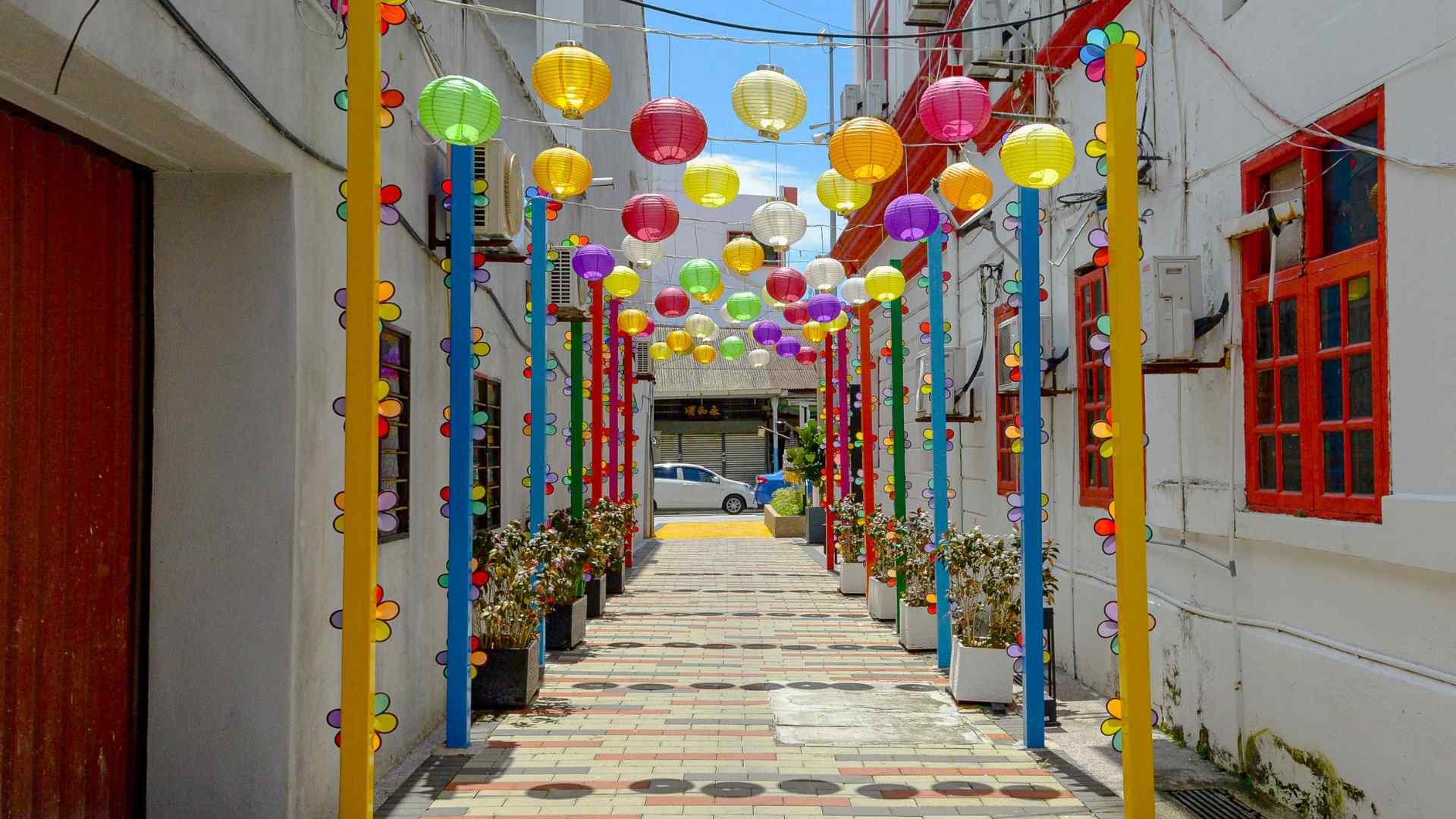
The street art: Murals created for the 2012 George Town Festival helped make the city an outdoor gallery, alongside wrought-iron caricature sculptures. Armenian Street is the busiest concentration, so arrive early for quieter photographs.
The clan jetties: These wooden stilt settlements were built over the water by Chinese clan communities and remain lived-in neighborhoods. Chew Jetty is the largest and busiest, so visit respectfully.
Khoo Kongsi: The richly carved clan house sits behind an easy-to-miss alley entrance. Allow enough time to study the interior and courtyard rather than treating it as a quick photo stop.
Pinang Peranakan Mansion: This restored Straits Chinese mansion uses furniture, tiles, jewelry, and domestic objects to explain Peranakan culture.
Hawker food: Char kway teow, assam laksa, and cendol are useful starting points, but follow current hygiene guidance and choose busy stalls with high turnover.
Little India and the Street of Harmony: A mosque, Chinese temple, Hindu temple, and church stand within a short walk, reflecting the multicultural heritage recognized by UNESCO.
Kek Lok Si: The hillside Buddhist temple complex above Air Itam has a seven-tier pagoda and a large bronze Kuan Yin. Travel time makes it better suited to a longer call.
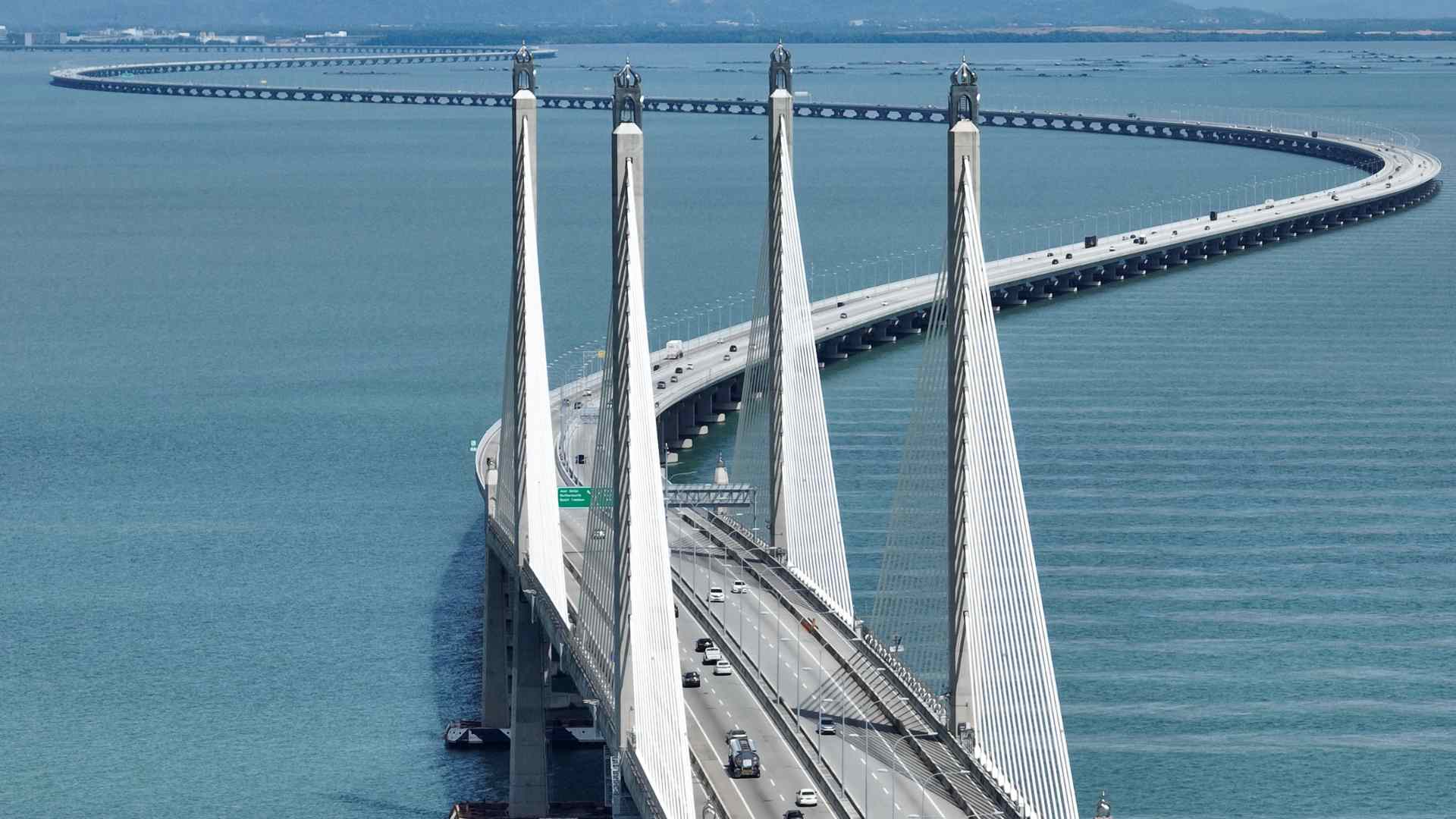
Penang Hill: The funicular climbs to cooler air and wide views over George Town and the bridges. Check the official site for operating notices and allow for queues.
Cheong Fatt Tze Mansion: The indigo-blue mansion operates scheduled guided visits, so check current tour times before building a plan around it.
Fun fact: George Town was inscribed with Melaka in 2008 as the Historic Cities of the Straits of Malacca, recognized for 500 years of trading exchange between East and West. The UNESCO listing calls the pair a townscape without parallel anywhere in East and Southeast Asia, which is a big claim from a cautious organization.
How I would plan the day
Get off early, because the first two hours are the coolest and the murals are unclaimed. By eleven the heat is doing real work on you.
I would walk a loop of the heritage zone in the morning, taking in the jetties, Khoo Kongsi, and the street art. Then I would sit down somewhere with a fan and eat properly.
The middle of the day is when I would do something indoors, whether that is the Peranakan mansion or a long lunch. Nobody has ever enjoyed George Town at two in the afternoon in direct sun.
On a long call, add Penang Hill or Kek Lok Si in the late afternoon when the light is kinder. On a short call, do not attempt either, because the round trip eats three hours.
If rain arrives, the covered five-foot ways, shophouse cafes, mansions, and clan houses give you workable shelter. A tropical downpour can be brief or persistent, so keep one indoor stop and a compact route in reserve.
Reach Swettenham Pier 60 minutes before all-aboard after a George Town day, or 90 minutes early after Penang Hill, Kek Lok Si, or another drive beyond the core. Funicular lines and road traffic can erase a comfortable-looking margin.
Cover shoulders and knees where requested at houses of worship, remove shoes where signs or staff direct, and ask before photographing worshippers. Carry water, use sun and mosquito protection, and follow current Malaysian health guidance if dengue activity or poor air quality is affecting the island.
A realistic word on accessibility
The good news is that you dock, the terminal is modern, and George Town is dead flat. That combination puts Penang well ahead of most Asian calls.
The bad news is the five foot ways, the covered walkways in front of the shophouses, which are narrow, frequently stepped, and interrupted by parked motorbikes. You often end up in the road, which is not restful.
The clan jetties are timber boardwalks with gaps and no railings in places, and Kek Lok Si involves steps and slopes even with its lifts. For a wider look at how ports compare, see my roundup of wheelchair-friendly cruise ports.
When to go, and the weather
Penang sits close to the equator, so there is no cool season and no real temperature variation. Highs hover around 88 to 90°F in every month of the year.
Humidity is the thing that actually gets you, not the number on the thermometer. Two hours of walking here feels like four somewhere temperate.
The wettest months tend to fall between September and November, with a second damp stretch around April and May. Rain usually comes as a heavy afternoon burst rather than an all day gray.
Most cruise itineraries call between December and March, which is the driest and busiest window. Pack light cotton, a hat, and something modest to cover shoulders and knees for temples and mosques.
Quick answers
Can I walk into George Town from the ship?
Yes, and it is one of the shortest walks in Asia at roughly 655 feet to the edge of the historic core; no shuttle, no tour, no excuses.
Do I need a tour in Penang?
Not for George Town, which is best done on foot with a rough plan and an appetite; a tour only earns its keep if you want Penang Hill and Kek Lok Si on the same day.
Is the street food safe to eat?
No stall can be guaranteed, so favor food cooked hot in front of you, busy vendors with high turnover, clean utensils, and sealed or safely treated water; travelers with allergies should carry translated ingredient notes because recipes and cross-contact vary.
How much time do I need for Penang Hill?
Budget around three hours door to door, including travel, the funicular line, and time at the top; on a short call that is most of your day gone.
The last word
Penang makes much of a Southeast Asia itinerary look like hard work because the heritage city begins just beyond the terminal. Hawker meals can remain inexpensive, but pay in ringgit and choose food for quality rather than an old price claim.
If your itinerary continues up the Malacca Strait, my Langkawi cruise port guide covers the beach and cable car day that usually follows. It is a very different kind of Malaysian call.
For the bookends of the region, my Kuala Lumpur cruise port and Singapore cruise port guides cover the two big city calls. Read them together and you can see exactly which days need planning and which do not.
How this guide was researched: Unless a first-hand visit is explicitly identified above, this guide is based on independent research using official port, tourism, transit, government, and attraction sources where available. Logistics and time-sensitive details were reviewed in September 2026; see our Editorial Policy.