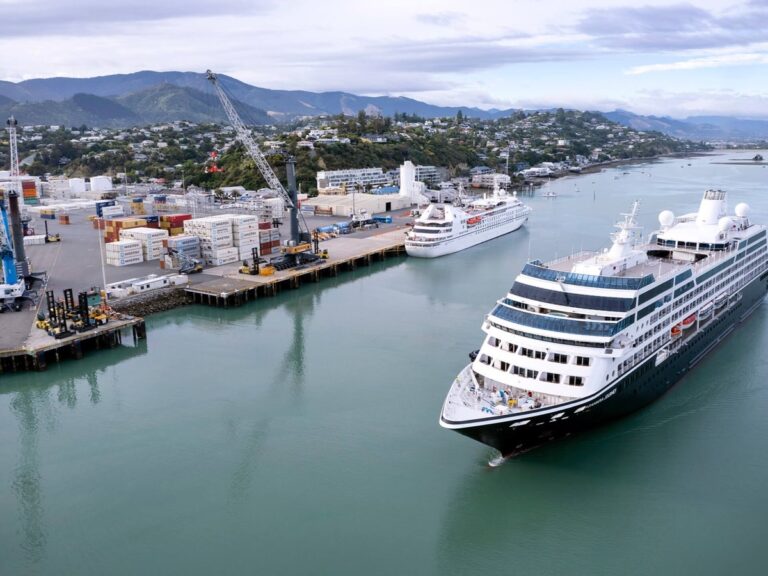
Al Wajh Cruise Port: A Cruiser’s Guide to Saudi Arabia’s Red Sea Gateway
Al Wajh is a sun-bleached Red Sea town and one of cruising’s newer, more remote calls. Careful planning and realistic expectations suit a quiet destination that can feel like a genuine discovery.
Quick take: Al Wajh is a low-key Red Sea call for its coral-stone quarter, corniche, and a prearranged local coast outing. AlUla is too far away for a responsible port-day recommendation.
Saudi customs that matter ashore
Dress modestly with shoulders and knees covered, and ask before photographing people or working areas. During prayer times some businesses may pause service, while alcohol is prohibited and should not be carried ashore.
Build a local day with a firm return
First confirm the landing, tender-ticket process, and whether taxis or tour vehicles can meet inside the controlled area. A beach, reef, or desert-edge outing needs reserved round-trip transport because you should not assume a taxi will be waiting for the return.
Aim to be back at the tender point 60 minutes before the last boat, and earlier when wind is increasing. Heat also changes the plan, so keep heritage walking to morning, schedule shade at midday, and carry water even for a short loop.
Best first visit: Al Balad, the harbor, and corniche with one driver-confirmed fort or viewpoint.
Best water day: a cruise-line or licensed local boat trip that confirms equipment, shade, ladder access, and return time.
Best for limited mobility: a vehicle-based town loop after the ship confirms tender assistance and step-free access.
Quick Facts
- Arrival: Al Wajh has a small working harbor near its old town, but the landing and controlled-access arrangements are itinerary-specific.
- Tender planning: Prepare for a tender or water transfer unless the cruise line explicitly confirms a berth or different shore connection.
- Easy local plan: The old town, harbor, and corniche keep the day close to the expected landing area.
- Longer outing: Reserve any reef, beach, fort, or desert-edge trip with a licensed operator and a fixed return time.
- Currency and language: The Saudi riyal and Arabic are standard, with some English in visitor-facing settings.
- Time: Saudi Arabia uses Arabia Standard Time throughout the year, but ship time should still be confirmed onboard.
- Operational risk: No official public call-by-call dataset supports a precise missed-call percentage, and wind or swell can affect water transfers.
How to confirm your arrival
Al Wajh is new to cruising, so schedules should not be assumed. Check the cruise line’s port page and the daily program the night before for tender times and the all-aboard time.
Because this is a tender operation, it helps to understand how tenders work before arrival. The explainer on what a tender port is covers the timed tickets and boarding priority that most ships use.
Do not plan AlUla or Hegra from Al Wajh. Roughly four hours of driving each way leaves no defensible sightseeing and return margin on a normal cruise call.
At a port this new, keep the plan flexible and simple. Sea state can change the tender flow, so aim for an early ride ashore and build a generous buffer into the end of the day.
The stops worth prioritizing
A simple day suits Al Wajh’s slower pace better than a long checklist. These are the places worth prioritizing with limited hours.
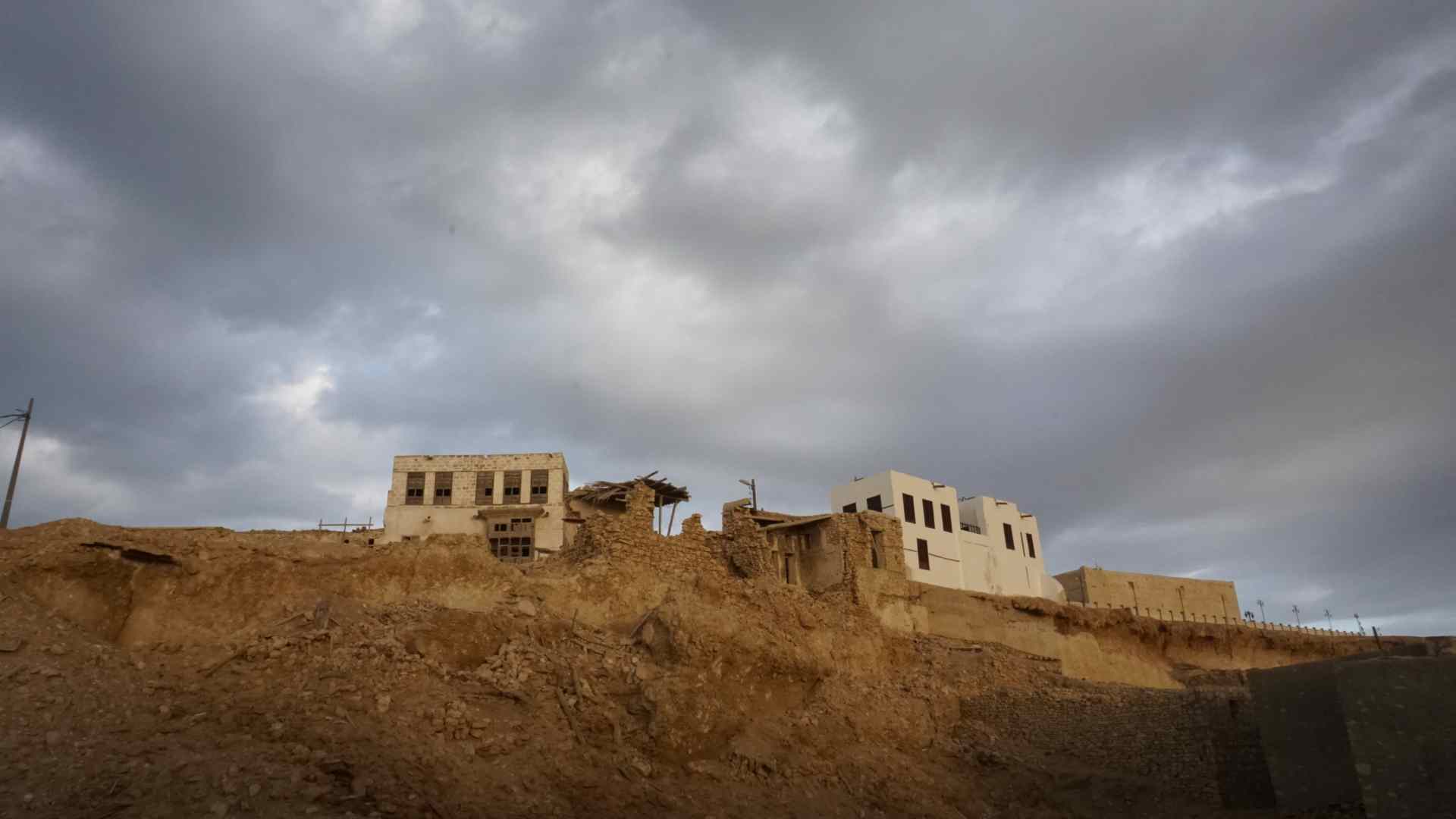
Al Balad old town: Wander the coral-stone lanes and photograph the carved wooden window boxes known as rawasheen. Mornings and late afternoon bring the softest light and the coolest air.
It is a slow, quiet walk rather than a busy heritage attraction.
Al Wajh Castle: The restored Ottoman-era fort sits slightly inland with easy viewpoints over the harbor. Ask a taxi to wait rather than walking from town in the midday heat.
Small rooms sometimes host modest exhibits.
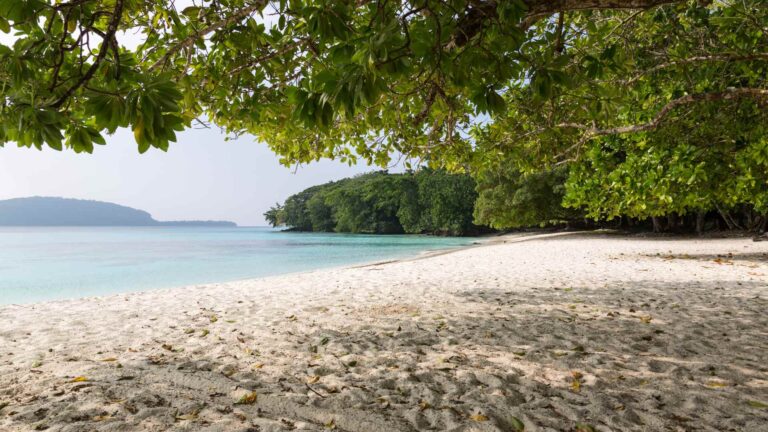
The corniche: This relaxed seaside promenade has palms, shaded pergolas, and calm swimming spots. It is the easiest thing to reach straight off the tender.
Golden hour brings the best light for photos.
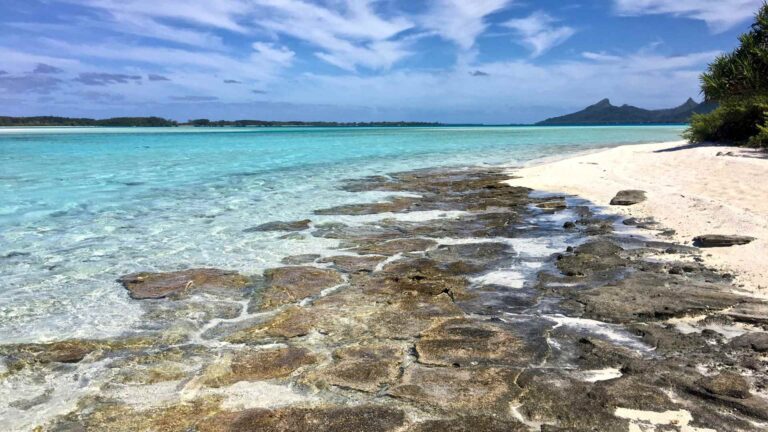
Easy reef time: The shallow, clear water is made for a gentle beach-entry snorkel or a short boat ride. Morning is usually the calmest time to go.
Bring water shoes for the rockier entries.
The fish market and harbor: Early morning brings in the catch and a genuine slice of working-town life. Keep photography respectful and ask before photographing people.
It is free and completely low-key.
The old souq lanes: A few inland streets hold small shops selling incense, textiles, and household wares. Browse slowly and stop for a black tea with mint.
It is a good spot for a light, packable souvenir.
Al-Zareeb Castle: This old Hajj-route fort sits roughly 6 miles east of town. Reach it by taxi and take in the quiet desert setting around the battlements.
It pairs well with the in-town castle when a driver is available for the hour.
A quiet cove north or south: A short taxi ride reaches calmer, emptier stretches of sand. They suit a leisurely paddle or a picnic away from the harbor.
Leeward beaches are the smart choice on a breezy afternoon.
A seafood lunch: Grilled hammour or a mixed catch with spiced sayadiyah rice is the local classic. Take time over it in the shade during the hottest part of the day.
It doubles as a proper rest before the tender.
Sunset on the water: When it is offered, a short sunset cruise lights up the coral-stone facades and fishing dhows. Even from the promenade, the golden hour here is genuinely lovely.
Keep a light layer handy for breezier evenings.
Birding the lagoons: In the cooler months the coastal inlets draw herons, plovers, and terns. A slow morning loop with binoculars works well near the water.
It is a calm, free way to spend an hour close to the harbor.
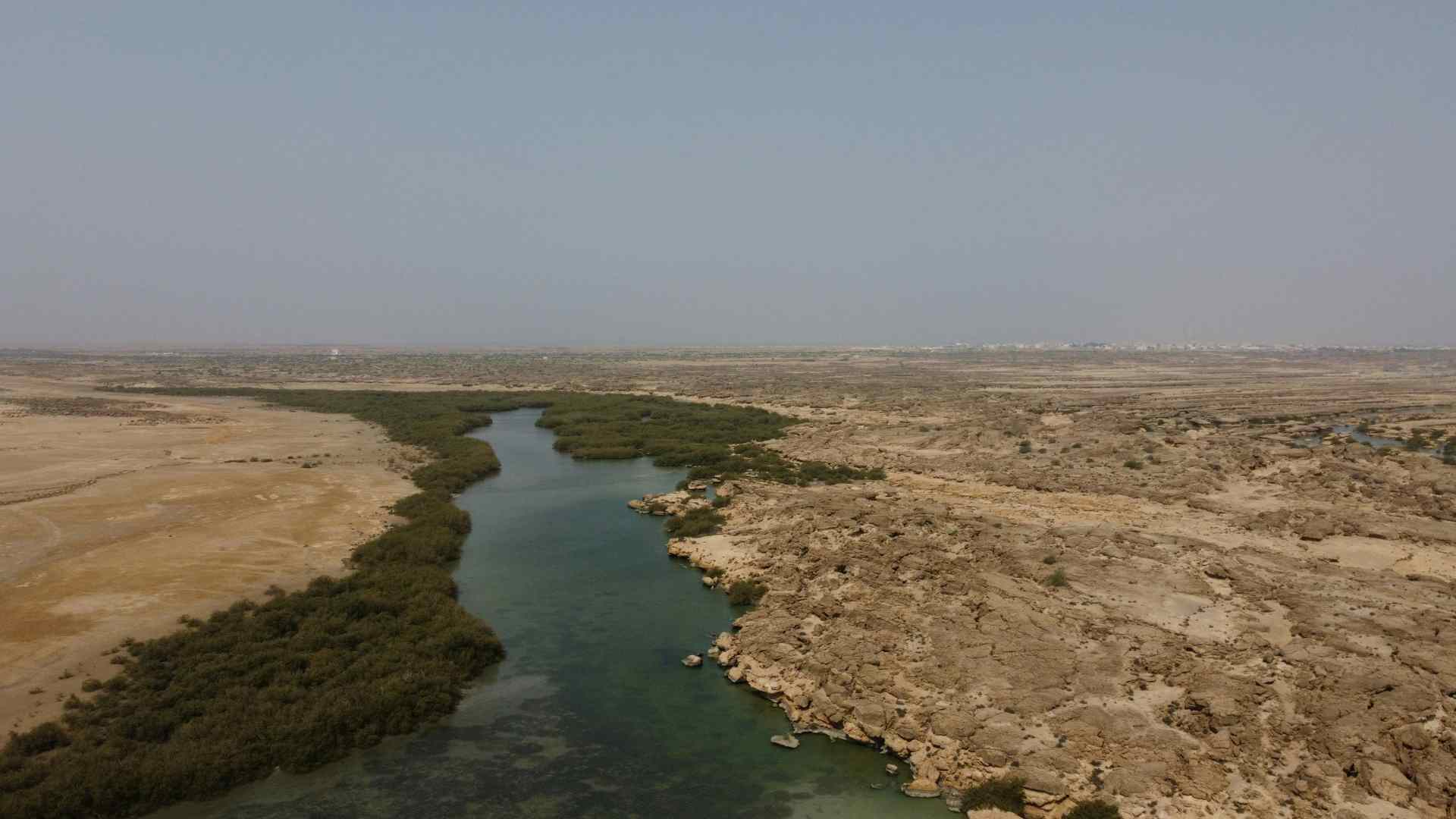
A desert-edge wander: Just inland, acacia shade and basalt outcrops give a quick taste of the wider landscape. Go only with a driver and during the cooler parts of the day.
It is a gentle contrast to the seafront.
Stargazing after sail-away: Once the ship leaves the town lights behind, the night sky opens up. Find a spot on deck and simply look up.
It is a fitting, free finish to a remote Red Sea day.
AlUla and Hegra: These are major Saudi attractions, but they are not a practical Al Wajh shore trip because the road journey is about four hours each way. Save them for an AlUla stay or an itinerary using a much closer gateway.
How to plan the day
With about 3 hours: Loop Al Balad on foot, take a taxi to the castle for the view, then finish with a fresh juice on the corniche. Keep a thirty-minute buffer before joining the tender line so nothing feels rushed.
With about 5 hours: Add a calm cove for a swim or a short boat snorkel in the cooler morning. Then settle into a slow seafood lunch by the water before browsing the old-town lanes for a small keepsake.
With a full day: Add a prearranged coast, reef, or desert-edge outing to the old town, but keep the route local. AlUla and Hegra remain too far away even on a long call.
A realistic word on accessibility
Tender ports add friction for passengers with limited mobility. There are steps and a platform that moves with the swell, so earlier transfers are often easier and crew can provide a steadying hand.
Ashore, the corniche is wide and mostly smooth, while the heritage alleys are uneven with occasional loose stone and gravel. If step-free access matters to you, the guide to wheelchair-friendly cruise ports can help you set expectations before you book this one.
When to go, and the weather
The comfortable window here runs from October to March, with warm days and noticeably cooler evenings. Summer is very hot, and afternoon sea breezes can add chop that affects the tender ride.
The water stays swimmable for most of the year and is coolest in late winter. Pack a wide-brim hat, reef-safe sunscreen, and a light cover-up for shoulders in town.
For seasonal ideas and wider context on the region, consult Visit Saudi before sailing. It can help set realistic expectations for a destination that is still finding its feet.
Quick answers
Is Al Wajh a tender port?
Plan for a tender or controlled water transfer unless the cruise line confirms another arrangement for the sailing. The landing location and access route should be checked in the daily program before going ashore.
Can AlUla and Hegra fit into one port day?
No. The drive is about four hours each way, so save AlUla and Hegra for an overnight land itinerary or a closer gateway.
Is cash useful in Al Wajh?
A small amount of Saudi riyal can be useful for taxis, small cafes, or simple purchases when cards are not accepted. Arrange it before leaving the ship rather than depending on an unverified nearby ATM.
How this guide was researched: This guide was checked on September 11, 2026 against current official Red Sea destination information from Red Sea Global and Visit Saudi, while sailing-specific cruise access remains limited and variable. Landing arrangements, tender operations, roads, attraction access, licensed tours, cultural guidance, and weather conditions can change, so confirm the daily program and booked operator before leaving the ship; see our Editorial Policy.