Ashdod Cruise Port: Your Gateway to Jerusalem & Israel
Ashdod is a working-port gateway to Jerusalem, Tel Aviv-Jaffa, and the Dead Sea region. The current security environment makes itinerary confirmation and a refundable transport plan more important than any sightseeing list.
My quick take
Ashdod is a working industrial port, so this is a day about where it can take you, not the dock itself. Many travelers prioritize Jerusalem, but current security, the ship’s final call plan, and your comfort with a long road day should shape the choice.
If you like ports that are gateways rather than main events, you will recognize the feeling from other stops in my Mediterranean cruise ports guide. Pick one region and commit to it.
My honest advice is to go in with a plan and a booked driver or tour. This is not a port where wandering off the ship and improvising serves you well.
Quick Facts
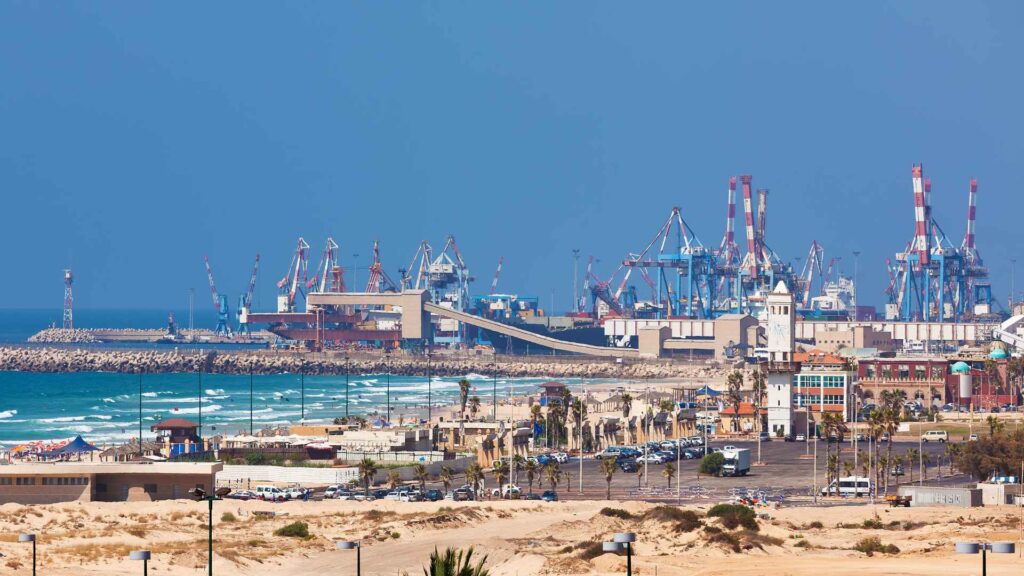
- Where you land: the cruise terminal inside the Port of Ashdod, a large working cargo port on Israel’s southern Mediterranean coast, roughly 35 miles south of Tel Aviv.
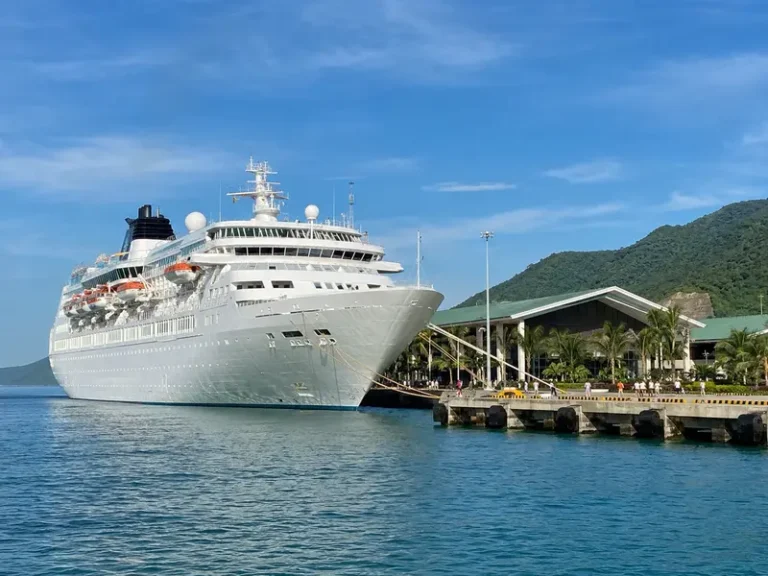
- Dock or tender: When a cruise call operates, ships normally berth alongside. Passenger movement inside the active cargo port follows the day’s shuttle and security plan.
- Into town: Independent walking inside the port is not the practical plan. Use the authorized port transfer, then continue by an approved taxi, driver, or tour according to the day’s instructions.
- Currency and language: the Israeli new shekel (ILS); Hebrew is the state language, Arabic has special status, and English is common in visitor services.
- Time zone: Israel Daylight Time (IDT, UTC+3) during the official daylight-saving period and Israel Standard Time (UTC+2) outside it. Confirm the local clock for your sailing date.
- Schedule risk: No official public cancellation rate is available. Security conditions, port operations, and itinerary decisions can reroute or cancel Ashdod even after a schedule is published.
The logistics that actually matter
As reviewed on September 11, 2026, the U.S. State Department rates Israel Level 3, Reconsider Travel, and identifies specified areas at Level 4, Do Not Travel. The boundaries and instructions can change, so read the live advisory rather than relying on a saved distance or map.
Cruise lines may reroute or cancel Ashdod with little notice, and local movement restrictions can change after a schedule is published. Check the line and your government’s live advice before paying for an independent tour.
If the call operates, identify the nearest protected space, follow Home Front Command and ship instructions, and avoid demonstrations or crowds. Do not separate from the tour during an alert or assume the day’s return route will stay open.
Ashdod is a secure working port, so passenger shuttles, immigration, and screening can consume part of the call. Confirm whether the shuttle ends at the terminal, port gate, or another pickup point before meeting an independent driver.
For current openings, use the attraction itself and the cruise line rather than relying on a general tourism page. Religious sites can restrict access for services, holidays, security, dress, or crowd control.
Getting around
For anywhere beyond Ashdod, an organized tour or a private driver is the sensible choice. It removes the port-gate logistics and, just as important, gets you back to the ship on time.
Jerusalem can take roughly 60 to 90 minutes from Ashdod by road in ordinary conditions, but checkpoints, traffic, security measures, and closures can make it much longer. Use one region only and require the operator to follow the ship’s published return cutoff with a substantial live-condition buffer.
Tel Aviv-Jaffa is usually a shorter drive than Jerusalem, but coastal traffic can still be severe. It is the better independent choice only when the operator has a clear port pickup and return plan.
Masada and a licensed Dead Sea bathing site make a very long road day from Ashdod, often around two hours each way before stops. Use a ship excursion or a specialist operator and do not combine them with Jerusalem.
Whatever you choose, build in a real safety buffer for the return. Traffic around Tel Aviv and security checks can add time you did not budget for.
The stops I would actually spend time on
Jerusalem’s Old City
Jerusalem’s Old City holds the Western Wall and Church of the Holy Sepulchre, while access to the Temple Mount or Haram al-Sharif is tightly controlled and can close without notice. Never promise all three major sacred sites in one morning.
Fun fact: the Old City of Jerusalem and its walls have been a UNESCO World Heritage Site since 1981, and it also sits on the List of World Heritage in Danger. Few places pack so much meaning into roughly 0.4 square mile.
Dress modestly for the religious sites, with shoulders and knees covered. A guide is genuinely worth it here, because the layers of history are hard to read on your own.
Tel Aviv and Jaffa
Jaffa’s historic lanes, market area, and waterfront pair well with central Tel Aviv when conditions permit. Swimming should depend on a designated open beach, lifeguard service, sea conditions, and the day’s security guidance.
Wander Jaffa’s flea market, follow the alleys down to the water, and eat well. It is history and city buzz without the crowds of the holy sites.
This is also the easiest option to do at a gentle pace. You can linger over hummus and coffee and still feel like you saw something real.
Masada and the Dead Sea
Masada’s cable car reduces the climb but does not make every path or ruin level, and heat can be extreme. At the Dead Sea, use an operating managed beach, keep water out of your eyes and mouth, and do not enter with open cuts.
Masada is a UNESCO World Heritage Site too, and the Dead Sea shoreline is the lowest point on Earth. Bring water, sun cover, and realistic expectations about the driving.
Ashdod itself
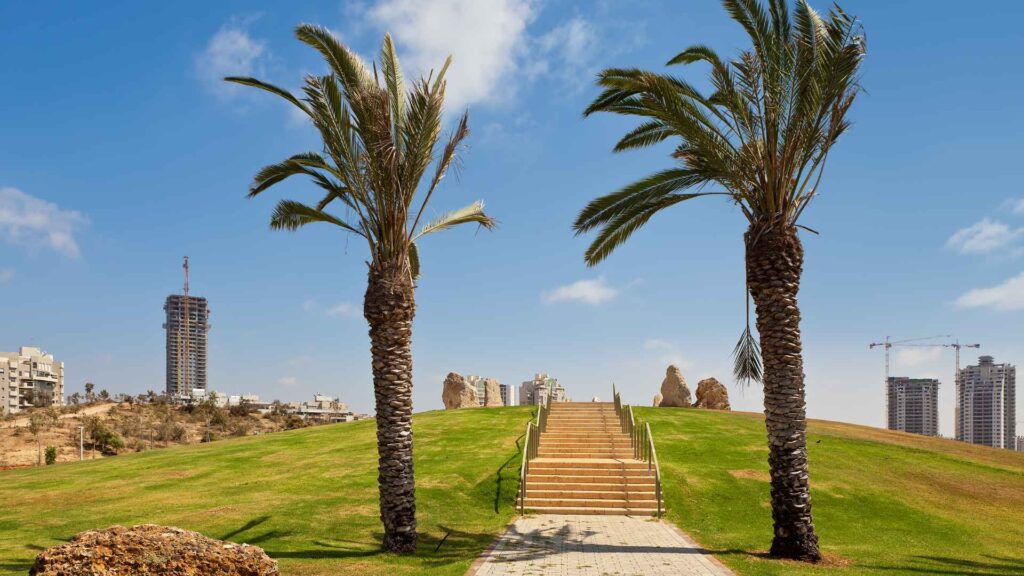
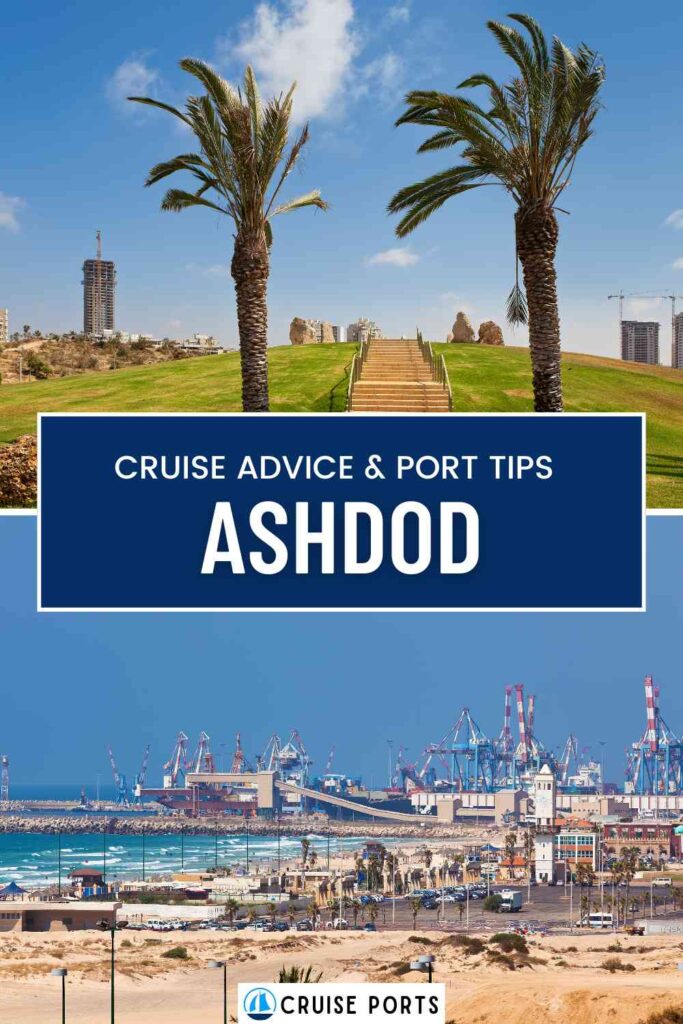
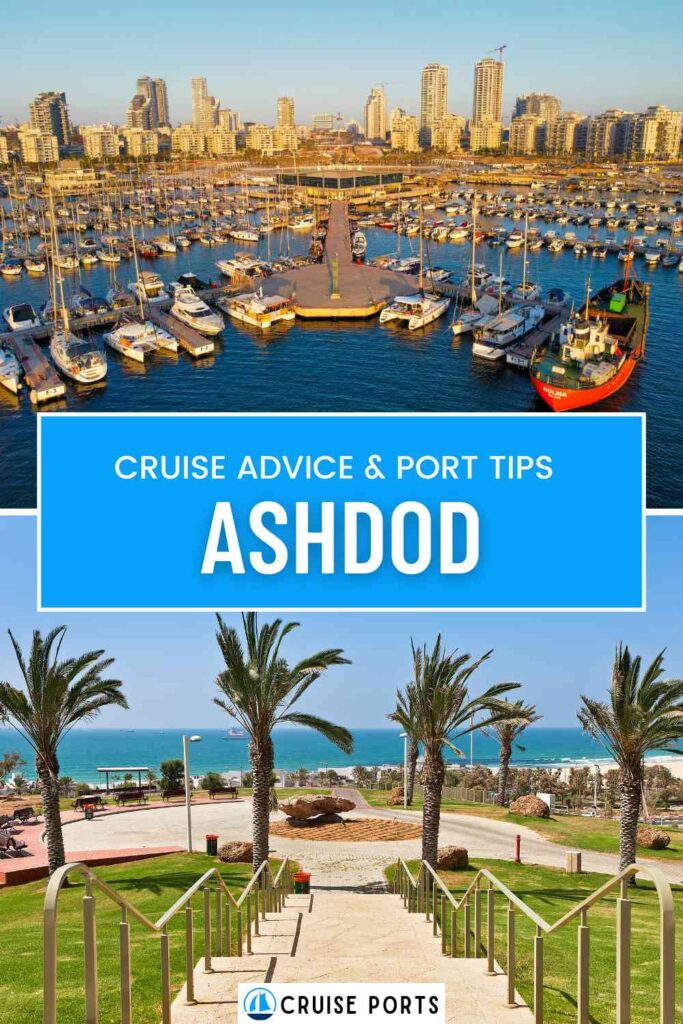
If you would rather not spend hours in a vehicle, Ashdod is a pleasant, low-key stay. The marina, the Ashdod Yam park, and the long beach promenade make an easy half day.
It is one of Israel’s largest cities and thoroughly modern. There is no shame in choosing beach and coffee over a two-hour bus each way.
How I would plan the day
Jerusalem is a full-day commitment, not a squeeze-it-in add-on. Roughly two to three hours of that day disappears into the round-trip drive alone.
So do not try to stack Jerusalem, Tel Aviv, and the Dead Sea into one call. Choose a single anchor and let the day breathe around it.
If Jerusalem is the priority, take the earliest approved departure and use a ship-affiliated or established operator with live security monitoring. Drop optional shopping or a long lunch before compromising the return cutoff set by the ship.
If conditions and official guidance support a shorter outing, choose Tel Aviv-Jaffa or a local Ashdod plan rather than splitting the call between regions. Keep the final part of the day near the port and recheck the shuttle and security instructions.
Whatever you pick, eat as you go rather than stopping for a long sit-down lunch. Falafel, sabich, and fresh hummus keep you moving and are some of the best food you will find anywhere.
A realistic word on accessibility
I want to set expectations clearly here. Jerusalem’s Old City is a maze of steep steps, worn cobblestones, and narrow lanes that were never built for wheels.
The major viewpoints and plazas are more manageable, and accessible tours do exist. If mobility is a concern, book a specialist operator rather than winging it independently.
Modern promenades in Ashdod and Tel Aviv can be easier than Jerusalem’s old lanes, but curb cuts, security barriers, and vehicle access still vary. Jaffa’s historic core includes slopes and uneven stone.
Heat is its own accessibility issue in this part of the world. If mobility and stamina are factors, an air-conditioned private vehicle changes the whole day for the better.
When to go, and the weather
Spring and fall are the sweet spots. April to June and September to November bring warm, comfortable days without the brutal peak of high summer.
Summer is genuinely hot, especially out in the desert around Masada and the Dead Sea. If you sail then, start early and treat shade and water as non-negotiable.
Shabbat runs from Friday sunset to Saturday evening, and public transportation and business hours can be sharply reduced. Religious holidays can add wider closures, so confirm the exact date rather than applying a generic weekend plan.
Entry and emergency planning
Visa-exempt travelers, including U.S. citizens, generally need an approved ETA-IL for tourism from January 1, 2025, while other passport holders may need a visa. Confirm your case at the official Israel entry site and with the cruise line.
All arrivals are subject to immigration and security screening, and some travelers may face prolonged questioning or denial of entry. Carry the documents requested by the line and allow privacy for border interviews.
Save the ship agent, tour operator, local emergency numbers, and a screenshot of the final shuttle schedule offline. During an alert, follow authorities to a protected space immediately and do not resume the route until instructed.
Quick answers
Is it safe to cruise to Ashdod right now?
That is itinerary- and day-specific, while the current U.S. advisory says Reconsider Travel and the cruise line can change the call.
Can I get to Jerusalem and back in one port day?
It can fit a sufficiently long call with an early, established tour, live security monitoring, and a conservative return plan tied to the ship’s instructions.
Do ships dock or tender?
They normally berth alongside, with a port shuttle or controlled transfer used inside the working cargo port.
What currency should I bring?
Use Israeli new shekels for cash purchases, with cards common but not guaranteed at every small vendor.
Is the port walkable on its own?
No; use the authorized port transfer, then an approved taxi, driver, or tour from the designated pickup point.
How it compares
Ashdod is a gateway port, and it rewards travelers who plan around that. If you like a stop where the town itself is the star, something like Augusta Bay in Sicily is a gentler, self-guided contrast.
For an easy walk-off day with no big drive, Ajaccio in Corsica is the opposite kind of port. Ashdod asks more of you, and Jerusalem is exactly why that effort is worth it.
How this guide was researched: This guide uses the August 26, 2026 U.S. travel advisory, Israel’s official ETA-IL entry portal, Home Front Command guidance, UNESCO, and current port or attraction sources where available. Security, entry, berth uncertainty, protected-space planning, transport, access, and time-sensitive details were reviewed on September 11, 2026; see our Editorial Policy.