Hiroshima Cruise Port Guide (Ujina): Peace Park & Miyajima
Hiroshima gives cruisers two major visits, the Peace Memorial Park and Miyajima, but they require different transport chains. A focused plan can include both on a long call, while a short call should protect time for the Peace Park.
My quick take
Give this port a full, unhurried day: the Peace Memorial Park and Miyajima island are the two visits that matter, and both deserve real time. If you only manage one, make it the Peace Park, since it is closest and central to why people come here.
Hiroshima pairs naturally with other stops on a Japan cruise, and it sits a short sail from Kobe and Osaka on many Seto Inland Sea itineraries.
The quick facts
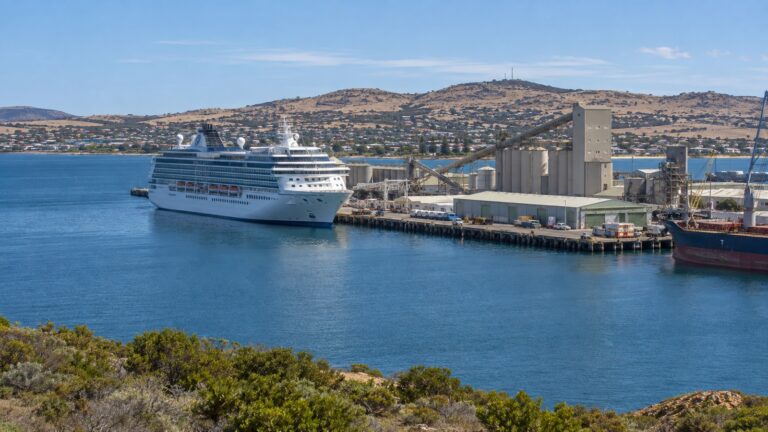
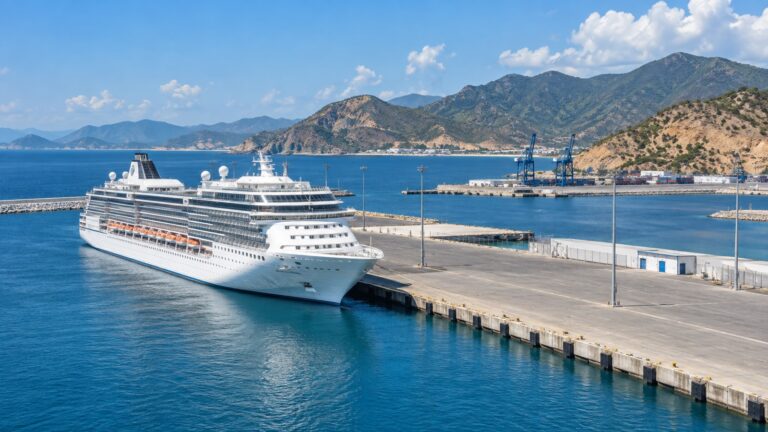
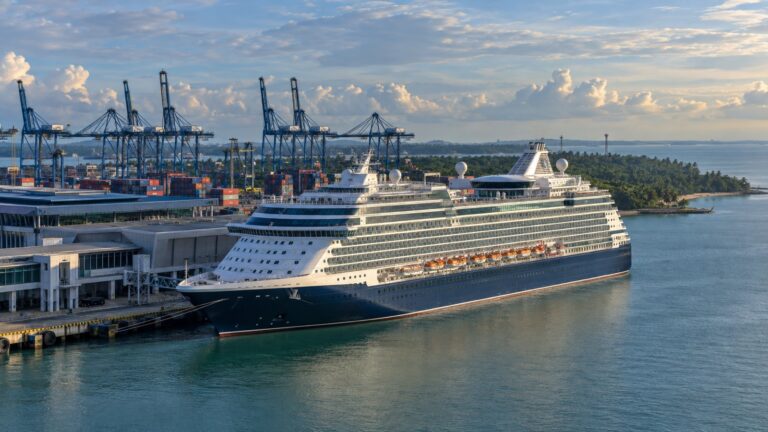
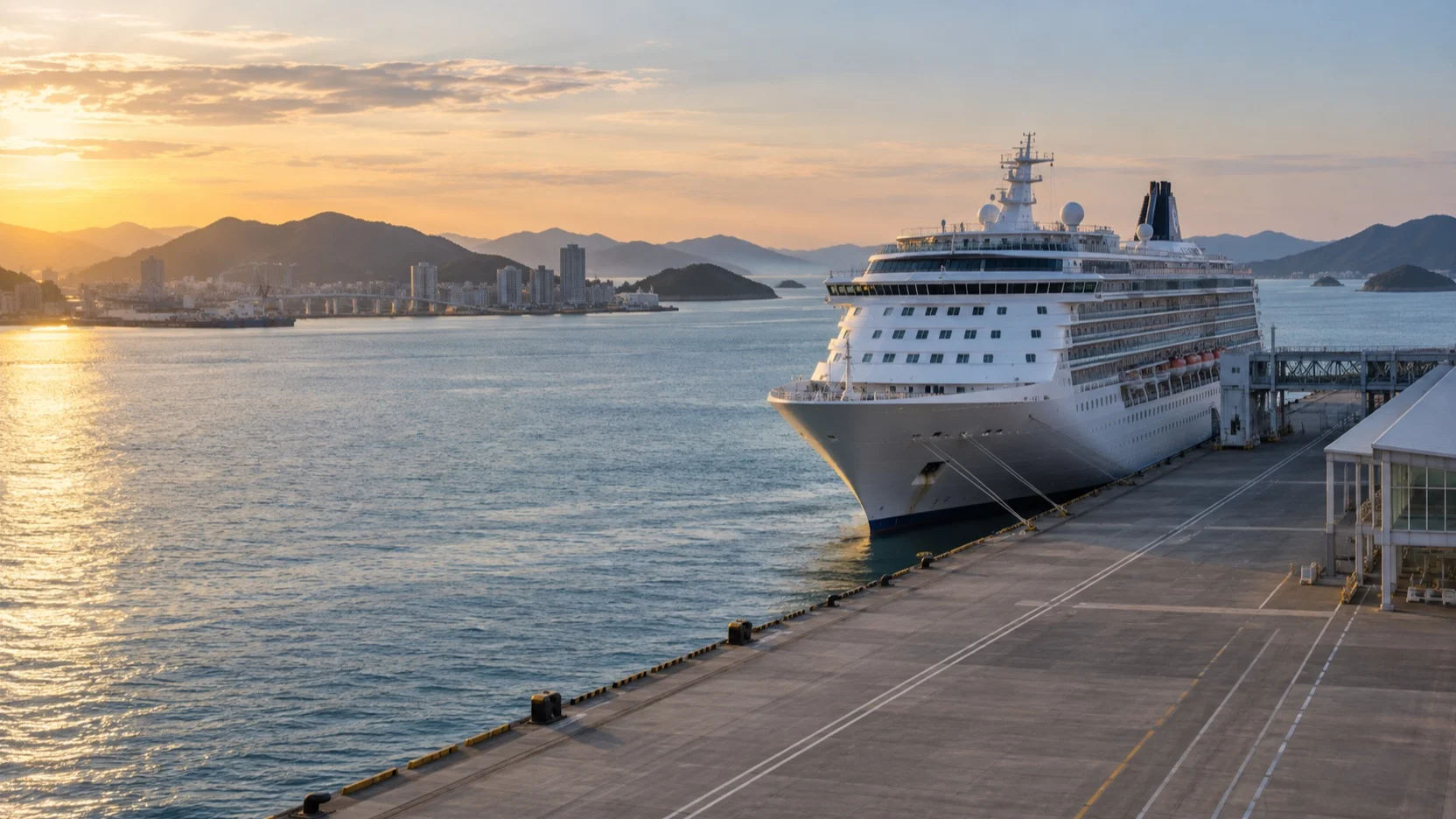
- Where you land: Hiroshima Port, also called the Hiroshima Port Ujina Passenger Terminal, in the city’s Minami Ward, roughly 3 miles south of the center.
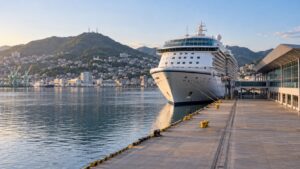
- Dock or tender: Ships normally berth alongside at Ujina, although the exact quay, clearance process, and any shuttle are confirmed for each call.
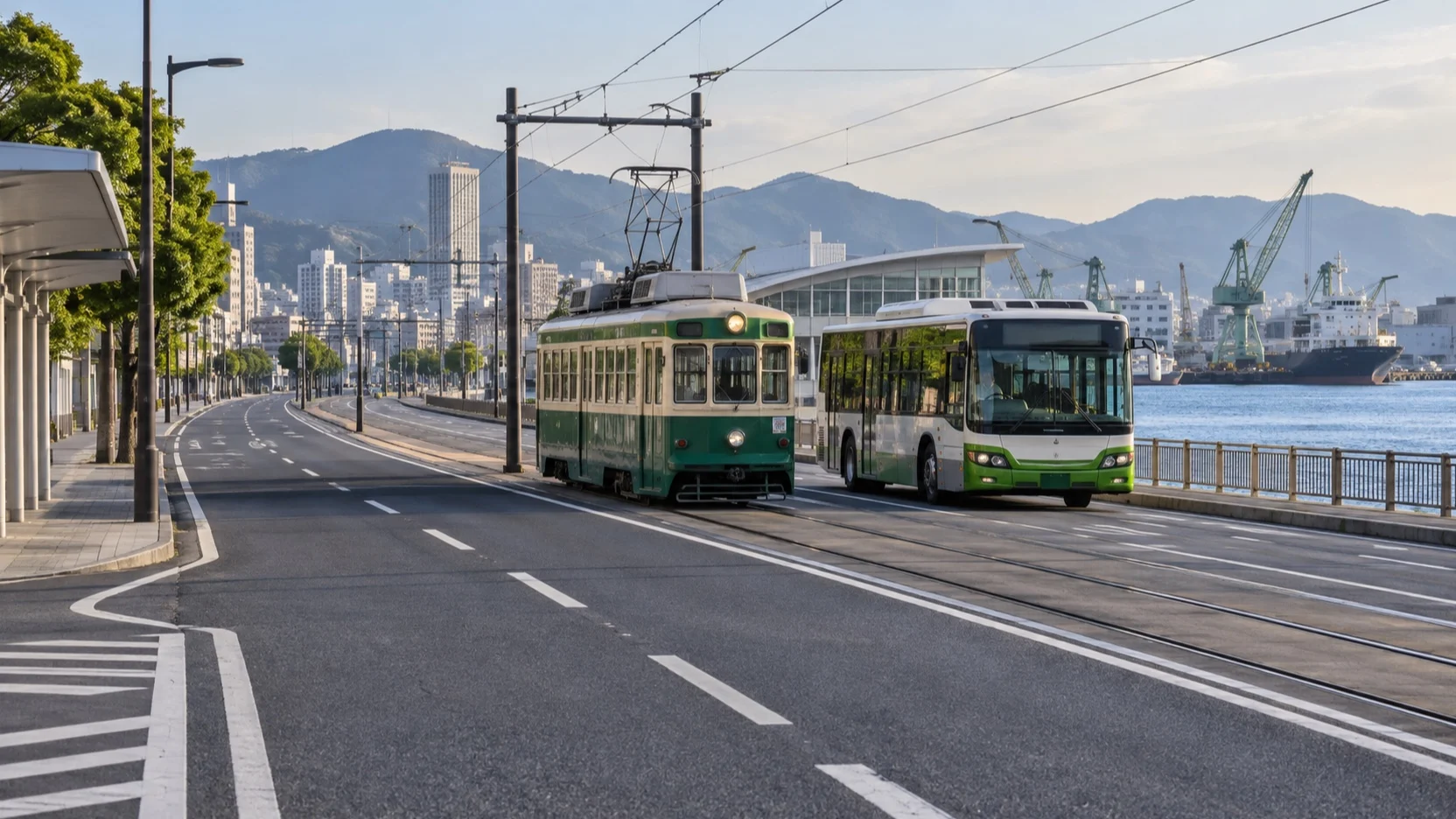
- Into town: The Hiroden streetcar runs from the port.
- Currency and language: Japanese yen (JPY) and Japanese.
- Time zone: Japan Standard Time (JST, UTC+9).
- How often the call is missed: Low (roughly 1 to 2%): tropical storms can make the approach unsafe.
Getting around from the port
The streetcar is your workhorse here. From Hiroshima Port, board Hiroden Line 1 toward Hiroshima Station and ride to Hondori, roughly 30 minutes, then walk west about 1/4 mile to the Peace Memorial Park.
For the park itself, the handiest stop is Genbaku Dome-mae, right beside the Atomic Bomb Dome. A prepaid ICOCA card makes hopping trams and ferries painless.
Taxis wait at the terminal if you are short on time or traveling as a group. For Miyajima, most people take the tram or JR to Miyajimaguchi and change to the ferry, which I cover below.
The stops I’d actually spend time on
Hiroshima rewards a focused plan over a long checklist. These are the places I would prioritize, treating the sites tied to 1945 with the quiet respect they ask for.
- Hiroshima Peace Memorial Park: A broad, green space of monuments and remembrance built on the hypocenter area, and the heart of any visit here.
- Atomic Bomb Dome (Genbaku Dome): The skeletal ruin left standing near the point of the 1945 atomic bombing, inscribed as a UNESCO World Heritage Site as a symbol of peace.
- Hiroshima Peace Memorial Museum: A sober, deeply affecting account of August 6, 1945, and its human toll. Check current hours on the official museum site and allow unhurried time inside.
- Children’s Peace Monument: Dedicated to the young victims, it is draped year-round in thousands of folded paper cranes sent from around the world, a small, hopeful detail that stays with you.
- Hiroshima Castle: A faithful reconstruction of the original feudal fortress, nicknamed the Carp Castle, set within tree-lined grounds and a moat.
- Shukkeien Garden: A classic landscaped garden of ponds, tea houses, and winding paths, an easy and calming counterpoint to the memorial sites.
- Hondori Shopping Arcade: A covered central street of shops and cafes, handy for a quick lunch or souvenirs between tram rides.
- Okonomimura: A multi-floor building of stalls devoted to Hiroshima-style okonomiyaki, the best single spot to try the city’s signature dish.
Fun fact: Hiroshima okonomiyaki is built in careful layers, batter crepe, a mound of cabbage, then noodles, egg, and sauce, rather than mixed in a bowl like the Osaka version. Watching it assembled on the griddle is half the fun.
Miyajima and the floating torii
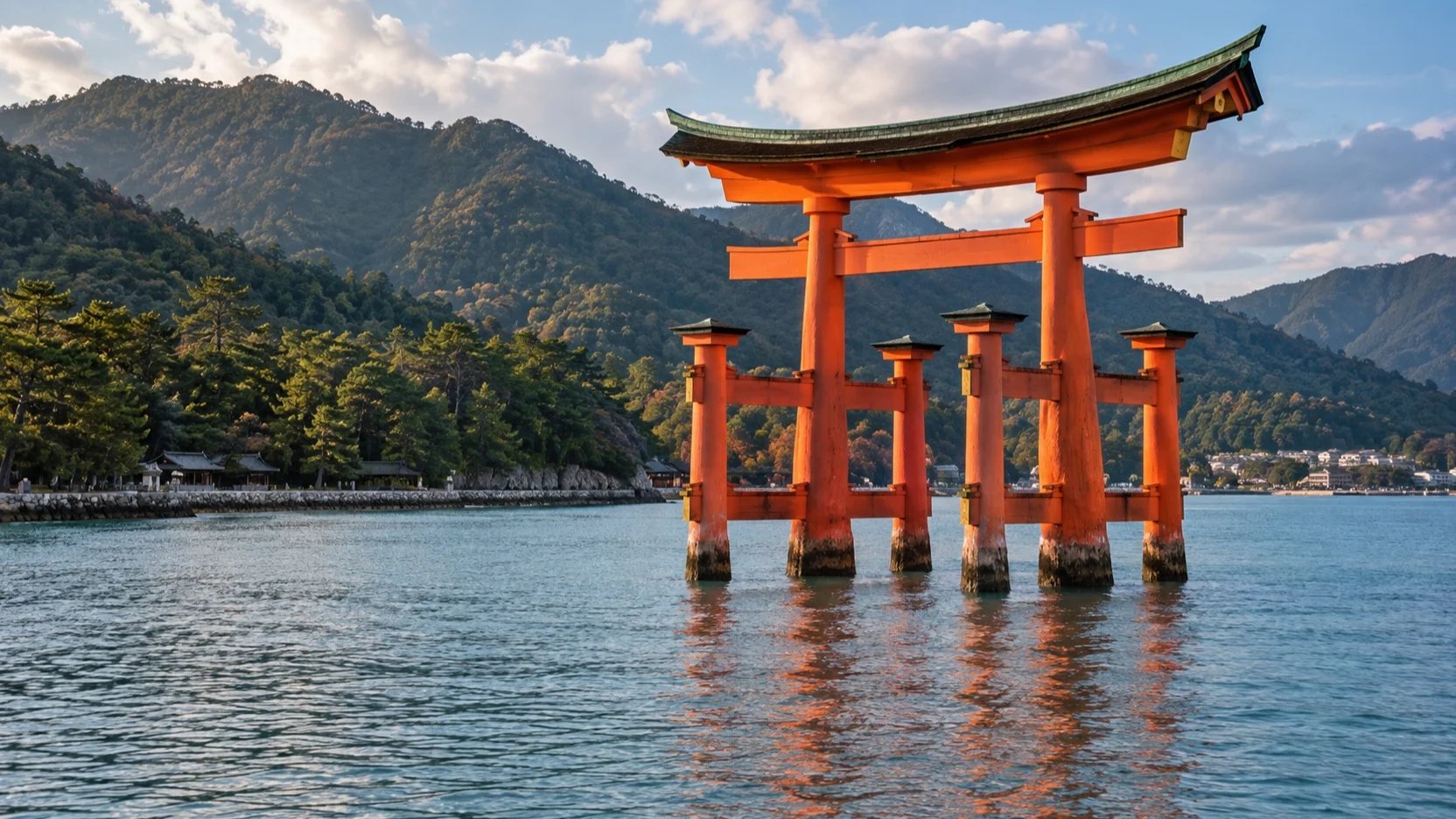
The headline day trip is Miyajima island and its Itsukushima Shrine, whose great vermilion torii appears to float on the sea at high tide. It is the second essential Hiroshima visit alongside the Peace Park.
The shrine and the sacred forest of Mount Misen behind it were inscribed as a UNESCO World Heritage Site in 1996. At low tide you can walk out across the flats to the base of the gate.
Fun fact: the great torii is not anchored into the seabed at all. Its six pillars stay upright purely under their own weight, an ingenious bit of engineering on a gate that stands about 52 feet tall.
Beyond the shrine, Mount Misen offers a rewarding climb or ropeway ride with Seto Inland Sea views, and tame wild deer wander the shoreline and town. To get there, take the streetcar or JR to Miyajimaguchi, then the ferry across, roughly 80 minutes each way by tram plus boat from central Hiroshima.
If you would rather stay on the water, a World Heritage Sea Route boat runs directly between the Peace Park’s Motoyasu pier and Miyajima, a scenic way to link the day’s two big sights.
How I’d plan the day
Short call (about 4 hours): Tram straight to the Peace Memorial Park. See the Atomic Bomb Dome, walk the park, and give the Peace Memorial Museum unhurried time before heading back.
Half day (about 6 hours): Add Hiroshima Castle or Shukkeien Garden, plus an okonomiyaki lunch at Okonomimura, then a stroll through the Hondori arcade.
Full day (8 hours or more): Do the Peace Park in the morning, then commit the afternoon to Miyajima for the floating torii and the deer. Build in a generous return buffer, since the ferry and trams can be busy in peak season.
Whatever you choose, watch the clock against all-aboard time. Japan’s transit is punctual, but the Miyajima ferry line can slow you down late in the day.
A realistic word on accessibility
The Ujina passenger terminal is described as barrier-free, and the Peace Memorial Park is flat and largely step-free. That makes the central sights among the more manageable in Japan.
Streetcars, ferries, and older shrine buildings are more variable, and Mount Misen involves real climbing or a ropeway. If mobility is a concern, confirm the day’s gangway arrangement and step-free routing with your cruise line before you book excursions.
When to go, and the weather
Spring and autumn are the sweet spots, with cherry blossom around Hiroshima Castle in early April and crisp color later in the year. Summers are hot and humid, and the rainy season can bring downpours.
Whatever the month, the sites tied to the atomic bombing are open-air or indoor and rewarding year-round. August 6 carries special significance as the anniversary of the bombing, and the city holds solemn remembrance ceremonies.
Quick answers
Do cruise ships dock in Hiroshima or tender?
They dock alongside at Hiroshima Port (Ujina), the city’s main passenger terminal, so you step straight ashore.
Can I see both the Peace Park and Miyajima in one day?
Yes on a long call, with the order based on museum entry, tide, ferry timing, and a 90-minute return buffer.
Is Hiroshima easy to visit on your own?
Yes, if you confirm the berth and map the separate streetcar and ferry chains before leaving.
For more Japan planning, see my guides to Nagasaki and Tokyo.
Peace Park first or Miyajima first
Visit the Peace Memorial Museum first when its history is the priority, especially if you have a timed ticket. Go to Miyajima first when tide, ferry timing, or early crowds matter more, then return to the city for the memorial sites.
Treat the Atomic Bomb Dome and memorials quietly and allow time to absorb the museum rather than rushing through. Miyajima adds trains or trams plus a ferry, so it deserves at least four hours including transfers.
The two transport chains
For the Peace Park, use the port tram or a taxi according to the current berth and congestion. For Miyajima, compare the JR route and ferry with any direct seasonal boat, and verify the last usable return before leaving Ujina.
Begin the independent return from Miyajima at least 90 minutes before all-aboard, with more margin after an international-clearance call. Keep Shukkeien or the castle grounds as the close-in backup if weather or a late arrival ruins the island plan.
Weather and accessibility
Summer heat and humidity are serious, while rain can make ferry decks and shrine approaches slippery. Carry water and use the museum or covered shopping arcades during the hottest part of the day.
Peace Park is largely level, but the museum, station transfers, ferry ramps, tides, and Miyajima paths require separate access checks. Ask the operator which ferry and shrine route works with your mobility device.
How this guide was researched: Unless a first-hand visit is explicitly identified above, this guide is based on independent research using official port, tourism, transit, government, and attraction sources where available. Logistics and time-sensitive details were reviewed in September 2026; see our Editorial Policy.