Bay of Islands Cruise Port: Waitangi, Russell & Tenders
The Bay of Islands is one of New Zealand’s most rewarding cruise calls, but it asks you to plan differently from a conventional pier day. Your ship anchors in the bay, you go ashore by tender, and your most important choices are whether to focus on Waitangi, cross to Russell, or commit to a weather-dependent boat trip.
I would not try to collect every highlight in one visit. The best Bay of Islands day usually has one anchor experience, one flexible extra, and enough breathing room for the tender ride back to the ship.
Quick Facts
- Port type: Anchored call with ship-operated or locally supported tenders
- Usual shore area: Waitangi and Paihia, subject to the ship’s announced arrangements
- Top historic experience: Waitangi Treaty Grounds
- Easy independent add-on: Passenger ferry from Paihia to Russell
- Signature scenic trip: A bay cruise toward Motukōkako, also called the Hole in the Rock
- Currency: New Zealand dollar
- Language: English is widely used, and te reo Māori is an official language
- Planning priority: Check the ship’s tender point, last tender time, and tour meeting instructions
Where Cruise Ships Anchor and Tenders Arrive
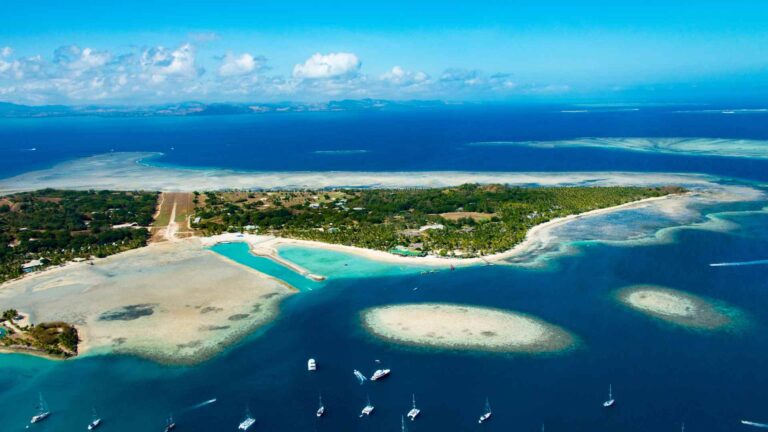
There is no cruise terminal where you simply step from the gangway into town. Ships anchor in sheltered water, then transfer passengers ashore in tender boats, with the precise landing and shoreside transport confirmed on board.
Many calls use the Waitangi Wharf area, which puts the Treaty Grounds close at hand and Paihia farther along the waterfront. Cruise-day shuttles and local arrangements can change, so the daily program is more reliable than an old map or a previous passenger’s experience.
Tendering is also the main operational weakness of this port. Wind, swell, and the ship’s own safety assessment can delay departures, change the landing plan, or cancel the call, which is why I avoid tightly timed independent connections here.
How the Tender Day Really Works
Ships often organize tender tickets or priority groups during the busy first wave ashore. Read the instructions the night before, especially if you have an independently booked activity with a fixed check-in time.
The ride itself is scenic, but loading and unloading take longer than the time spent crossing open water. Guests using wheelchairs, walkers, or other mobility aids should ask the ship whether the tender transfer can be safely accommodated in the day’s conditions.
On the return, follow the ship’s announced last-tender time, not the published departure time. I aim to be back at the designated landing point well before the cutoff because a Russell ferry, shore shuttle, or excursion boat can add another moving part.
Waitangi Treaty Grounds
If you choose only one substantial attraction, make it the Waitangi Treaty Grounds. This is where more than 40 rangatira signed Te Tiriti o Waitangi on February 6, 1840, before signing continued at locations around Aotearoa New Zealand.
The site deserves more than a quick photo at the flagstaff. Admission includes two museums, the Treaty House, Te Whare Rūnanga, the ceremonial waka taua, a guided tour, and a cultural performance, although the current schedule should be checked before your visit.
Te Kōngahu Museum of Waitangi gives essential context for the different English and Māori texts and the continuing significance of the agreement. Te Rau Aroha focuses on Māori military service and the price of citizenship, adding a powerful twentieth-century chapter.
The Treaty House is associated with British Resident James Busby, while Te Whare Rūnanga represents iwi from across the country through its carving. Nearby, Ngātokimatawhaorua is an immense ceremonial waka taua with a story that extends well beyond its impressive scale.
Current published hours vary by season, and the grounds close on Christmas Day. On Waitangi Day, February 6, a free festival is held but the buildings are closed to visitors, so a cruise call on that date requires a completely different plan.
Paihia for an Easy Waterfront Day
Paihia is the practical visitor hub, with the passenger wharf, cafes, tour desks, shops, and a waterfront that is easy to understand. It works well if you want a relaxed day, need a backup after a boat trip is canceled, or prefer to keep plans close to the tender operation.
The compact center does not need hours of sightseeing, and that is part of its value. You can have lunch, walk beside the bay, browse local businesses, and watch the weather without trapping yourself far from the ship.
Do not assume every cruise excursion leaves from the same pier. Confirm whether a tour meets at Waitangi, Paihia Wharf, or another pickup point, then allow time to get there after tendering.
Russell by Passenger Ferry
Russell feels calmer and more historic than Paihia, and the passenger ferry across the bay makes it a tempting independent outing. The crossing is short, but schedules and operating conditions can change, so check the current timetable at the Paihia waterfront before boarding.
Once ashore, the village is made for wandering on foot. The waterfront, old streets, churchyard, small galleries, and cafes create a satisfying visit without requiring another tour.
Christ Church dates from the early colonial period and its grounds carry visible reminders of conflict in the north. Pompallier Mission and Printery, managed by Heritage New Zealand Pouhere Taonga, explains the Catholic mission and the printing and bookbinding work carried out there.
The return ferry is the detail that matters. Leave yourself a comfortable margin for a full sailing, a timetable change, the transfer onward to the cruise tender point, and the tender queue itself.
Hole in the Rock and Bay Cruises
A cruise toward Motukōkako, widely known as the Hole in the Rock, is the classic scenic excursion. The route can reveal island headlands, secluded bays, seabirds, and the open Pacific character that you cannot appreciate from the Paihia waterfront.
Passing through the rock opening is never guaranteed because the skipper must judge swell and safety at the site. Treat the arch as a possible highlight, not as a promised maneuver, and choose an operator whose schedule clearly fits the ship’s tender window.
Some trips advertise wildlife viewing, but dolphins and whales are wild animals rather than scheduled attractions. New Zealand’s Department of Conservation says commercial marine mammal tour operators require permits, and all visitors should avoid disturbing, feeding, crowding, or obstructing protected animals.
A long boat excursion can consume nearly the whole port call once tendering and check-in are included. I pair it with a simple waterfront walk instead of trying to force Waitangi and Russell into the same day.
Other Excursions Beyond the Waterfront
Shore excursions may head inland to Kerikeri, scenic lookouts, forests, waterfalls, or cultural experiences. These can be excellent choices, but distances are deceptive on Northland roads and independent plans need realistic travel time.
Kerikeri combines food producers and galleries with two notable historic buildings near the Kerikeri Basin. The Stone Store and Kemp House are associated with the early mission settlement, and current access details should be checked with Heritage New Zealand before relying on an interior visit.
Kawakawa is known for the Hundertwasser-designed public toilets and its small-town character. It is better approached as part of a ship excursion or properly timed private tour than as a casual last-minute trip from the tender landing.
Haruru Falls is closer, though the experience depends on recent rainfall and how you reach it. Walking routes, road access, and trail conditions can change, so confirm the current route locally rather than using an old blog’s directions.
Choosing the Right Plan for Your Port Time
For a short call, choose Waitangi plus a little time in Paihia. That plan has historical depth, limited transport risk, and an easy fallback if tender operations begin late.
For a medium-length call, Waitangi and Russell can work if ferry times line up and you resist adding a distant stop. Visit the Treaty Grounds first if their scheduled tour or performance matters most, then decide whether conditions still favor the ferry.
For a long call with settled weather, a Hole in the Rock cruise may be the centerpiece. Book a departure designed for cruise passengers or one with enough schedule cushion, and keep the remainder of your day deliberately flexible.
Families often do best with one structured activity and open waterfront time. Travelers who dislike small boats should remember that even a land-focused day begins and ends with a tender ride.
Accessibility and Comfort
The tender transfer determines whether the port is accessible on the day, and the captain may suspend transfers if conditions deteriorate. Ask the ship about step height, weight limits, mobility-device handling, and assistance before making a nonrefundable shore booking.
Waitangi Treaty Grounds publishes accessibility information and invites visitors to contact the team about individual needs. The grounds cover a broad historic landscape, so accessible routes and extra time can matter even after you reach the entrance.
Paihia is the simplest place to reduce walking, while Russell’s ferry gangways and waterfront approaches can vary with the tide. A folding cane, light rain layer, sun protection, and shoes with grip are useful for nearly everyone.
Weather, Wildlife, and What to Pack
Northland weather can change quickly, and a bright morning does not guarantee a dry afternoon or smooth water outside the bay. Dress in light layers, carry a compact waterproof shell, and secure hats and loose items before boarding the tender.
New Zealand’s sun can feel stronger than the air temperature suggests. Sunscreen, sunglasses, water, and a brimmed hat belong in your day bag, while a small dry pouch helps protect a phone during tender spray.
If you encounter dolphins, whales, or seals, give them room and follow the crew’s instructions. Responsible viewing protects the animals and keeps your experience consistent with New Zealand’s marine mammal rules.
Money, Connectivity, and Entry Details
Cards are widely accepted in visitor-facing businesses, but a little New Zealand cash can be useful for small purchases or as a backup. Tell your bank you are traveling and do not depend on ship Wi-Fi once you are ashore.
Download the ship’s port instructions, tour voucher, and an offline map before leaving your cabin. Mobile coverage is generally useful around Paihia and Russell, but it can be less dependable on the water or among more remote islands.
Entry requirements depend on your passport and itinerary, and many cruise passengers need either a visa or a New Zealand Electronic Travel Authority. Immigration New Zealand says cruise passengers may be eligible for an NZeTA, so verify the requirement with the official eligibility tool well before sailing.
My Ideal Bay of Islands Cruise Day
My first choice is an early tender to Waitangi, a guided introduction to the Treaty Grounds, and unhurried time in both museums. Afterward, I would continue to Paihia for lunch and decide on Russell only if the ferry schedule, weather, and ship’s cutoff all leave a comfortable margin.
If I had already visited Waitangi, I would choose a well-timed island cruise and keep the rest of the day close to the waterfront. That gives the scenery room to shine without turning the return to the ship into a race.
Final Thoughts
Bay of Islands rewards a focused plan built around Waitangi, Russell, or the water rather than an overloaded checklist. Respect the tender schedule, confirm every moving part on arrival, and you can enjoy one of New Zealand’s most meaningful and beautiful cruise days.