Port Lincoln Cruise Port: Wharf, Wildlife and Seafood
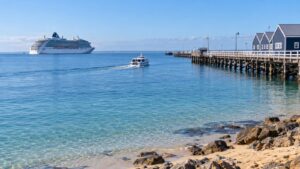
Port Lincoln is the kind of cruise stop that makes me want to choose one excellent plan and give it room to breathe. The city sits on Boston Bay at the foot of South Australia’s Eyre Peninsula, with a working harbor, a friendly waterfront, and some of the country’s most memorable seafood and wildlife experiences.
Your ship normally comes alongside a commercial wharf rather than anchoring offshore, but that does not mean you simply step onto a public promenade. Port security, shuttle arrangements, excursion timing, and the long distances to regional highlights all shape the day, so a little preparation pays off beautifully.
Port Lincoln Cruise Port Quick Facts
- Arrival style: Alongside berth at a working commercial wharf, subject to the day’s port assignment
- Town access: Follow the cruise line and local host instructions for the wharf shuttle or approved transfer
- Best easy day: Foreshore time, local shops, a museum or gallery, and a leisurely seafood lunch
- Best book-ahead days: Coffin Bay oysters, marine wildlife boats, and private regional touring
- Currency: Australian dollar, with cards widely accepted and some cash useful for small purchases
- Time zone: Australian Central Standard Time, with daylight saving observed in South Australia
- Accessibility: Confirm the wharf transfer, vehicle step, attraction surfaces, and restroom access before booking
- Planning rule: Use the ship’s all-aboard time and official port transport, never a map estimate from the berth
Ships Berth Alongside at the Commercial Wharf
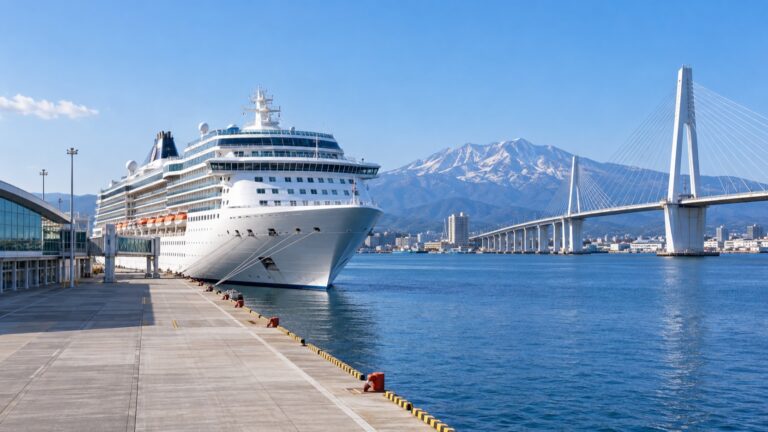
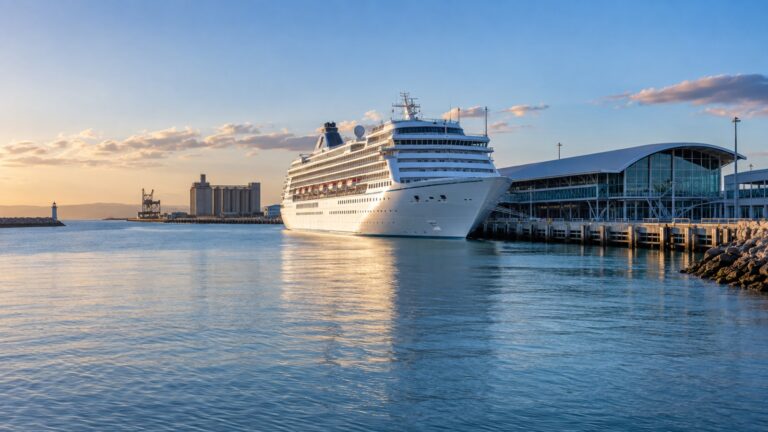
Port Lincoln is an alongside port for cruise calls, which removes the uncertainty and physical demands of a tender ride. The berth is part of an active commercial port, however, so independent movement across the wharf can be restricted even when central Port Lincoln looks close on a map.
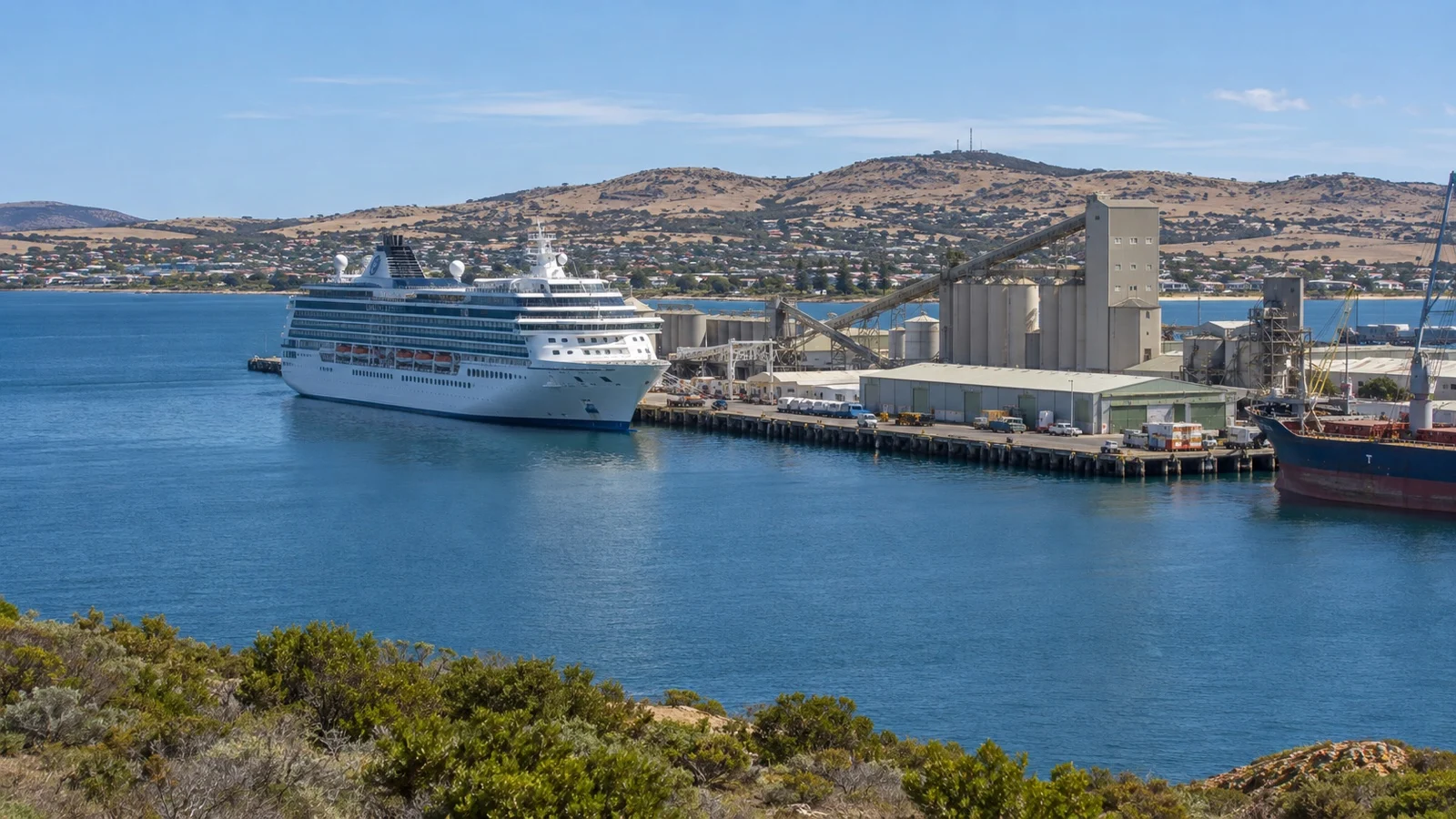
Listen for the arrival briefing and check the daily program before leaving the ship. The cruise line or local hosts will explain where the transfer boards, where it drops passengers, how frequently it runs, and what time the final return leaves.
I would photograph the drop-off sign and the return schedule before walking away. Port arrangements can change with ship operations, weather, and the number of visitors in town, so information given on the day outranks an old online review.
Learn the Shuttle Before Following the Coast
Once you are outside the secured port area, central Port Lincoln is pleasantly manageable. The foreshore, shops, cafes, public art, and town attractions can be combined without turning the day into a race.
A relaxed independent plan might begin with the waterfront, continue through the compact center, and finish with lunch near the shuttle point. Keep enough buffer for a crowded return run, especially if several ship tours are arriving back at the same time.
Do not assume you can walk back through the port gate if you miss the last shuttle. Ask a host where taxis can legally collect passengers and save the ship’s local contact information before setting off.
A Town Day Is the Low-Stress Choice
Port Lincoln works well even if you skip the big-ticket wildlife adventures. You can enjoy bay views, browse local businesses, learn about the region’s maritime story, and linger over food without spending most of the call in a vehicle.
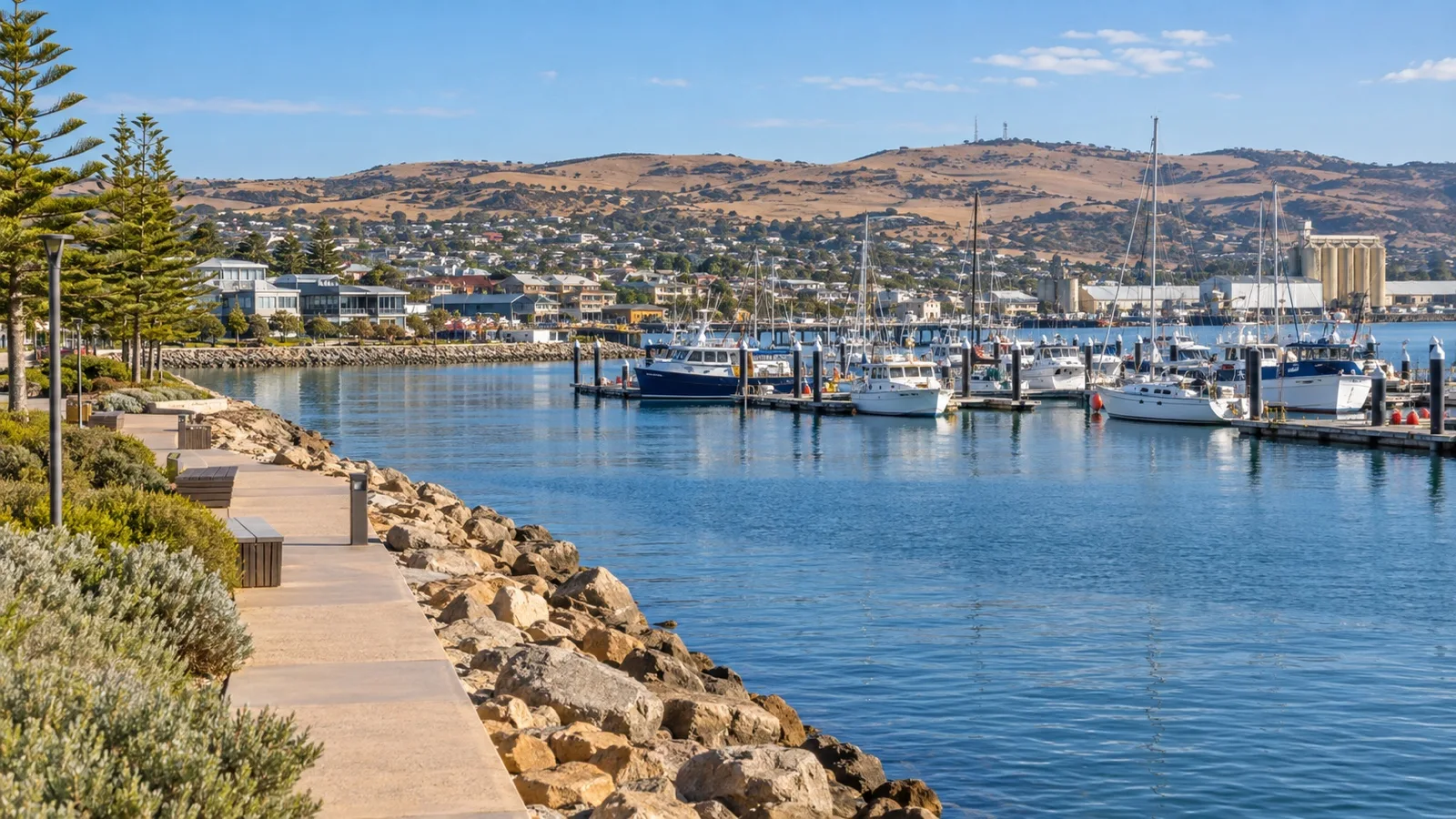
Opening hours may be shaped around the cruise schedule, but small venues can still close unexpectedly or operate seasonally. Choose one priority, check its own website or social page close to sailing, and treat everything else as a welcome bonus.
The foreshore can feel exposed when a southerly breeze arrives, so town does not always mean a completely indoor day. A light wind layer makes it much easier to enjoy the waterfront instead of cutting the walk short.
Seafood Deserves a Starring Role
South Australia’s tourism authority calls Port Lincoln Australia’s Seafood Capital, and that title makes sense the moment you look at the local industry. The wider region is associated with southern bluefin tuna, oysters, prawns, abalone, mussels, and fresh fish, although menus naturally change with supply and season.
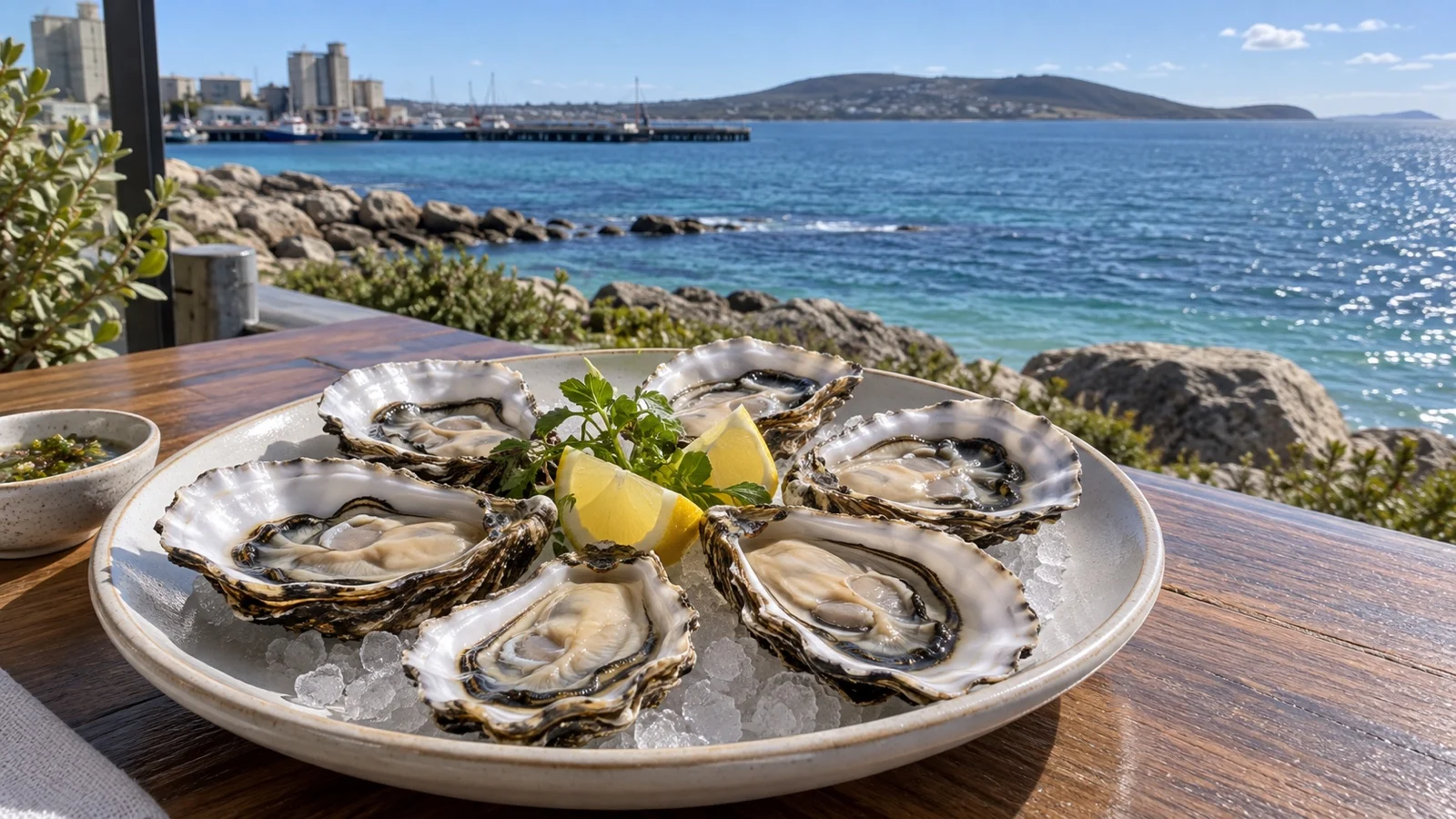
I would choose a restaurant, fish shop, or tasting experience by checking the current menu and opening hours directly. A simple local seafood lunch can be the centerpiece of the day, while a factory-style tour or producer visit should be reserved if it operates on your call date.
Travelers with allergies should ask about shared fryers, sauces, shellfish handling, and cross-contact rather than relying on a menu icon. If raw seafood is part of the plan, follow your own medical guidance and select a reputable licensed operator.
Coffin Bay Needs Reserved Transport
Coffin Bay is a separate coastal community west of Port Lincoln, not an attraction just beyond the cruise shuttle. Its oyster farms and beautiful water make it a tempting excursion, but the road journey and booked activity must fit inside the ship’s port window.
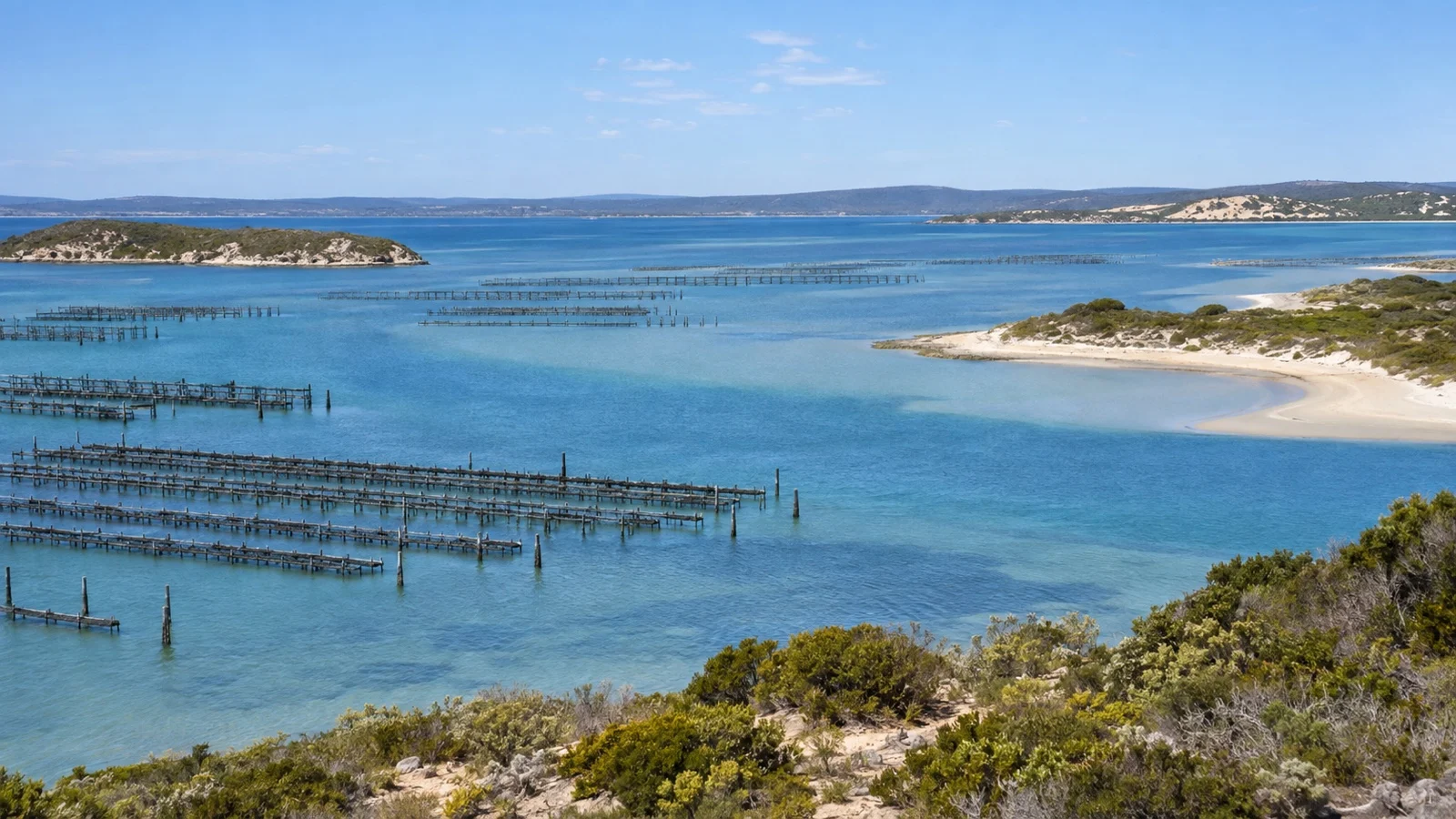
An organized cruise excursion is the simplest option because transport and timing are packaged together. Independent travelers should reserve both the experience and a dependable round-trip vehicle, then confirm pickup details, cancellation terms, and the realistic return margin.
Some oyster experiences involve boats, jetties, uneven ground, or entering shallow water in supplied gear. Ask about the exact format, mobility requirements, restroom access, weather policy, and what happens if the water-based portion cannot operate.
Sea Lions Are a Weather and Boat Commitment
Port Lincoln’s marine encounters are genuinely special, but they are not interchangeable half-day sightseeing tours. Departure marina, boat type, ride length, sea conditions, wildlife location, and whether guests enter the water all affect the experience.
Book through a licensed operator and read its current medical, age, swimming, and mobility requirements carefully. Wildlife is never guaranteed, and a responsible operator may alter or cancel a trip when wind, swell, or animal welfare makes the original plan unsuitable.
For a boat day, I would pack a warm layer, secure sun protection, and any seasickness remedy approved by my clinician. Build in time for the operator’s transfer and safety briefing, then keep the afternoon flexible instead of stacking another distant reservation behind it.
Lincoln National Park Is the Landscape Day
Lincoln National Park protects a rugged section of the Jussieu Peninsula, with sheltered coves, headlands, beaches, birdlife, and broad coastal views. It is a vehicle-based excursion from the port, and the best route depends on time, road conditions, fire danger, and the abilities of everyone in your group.
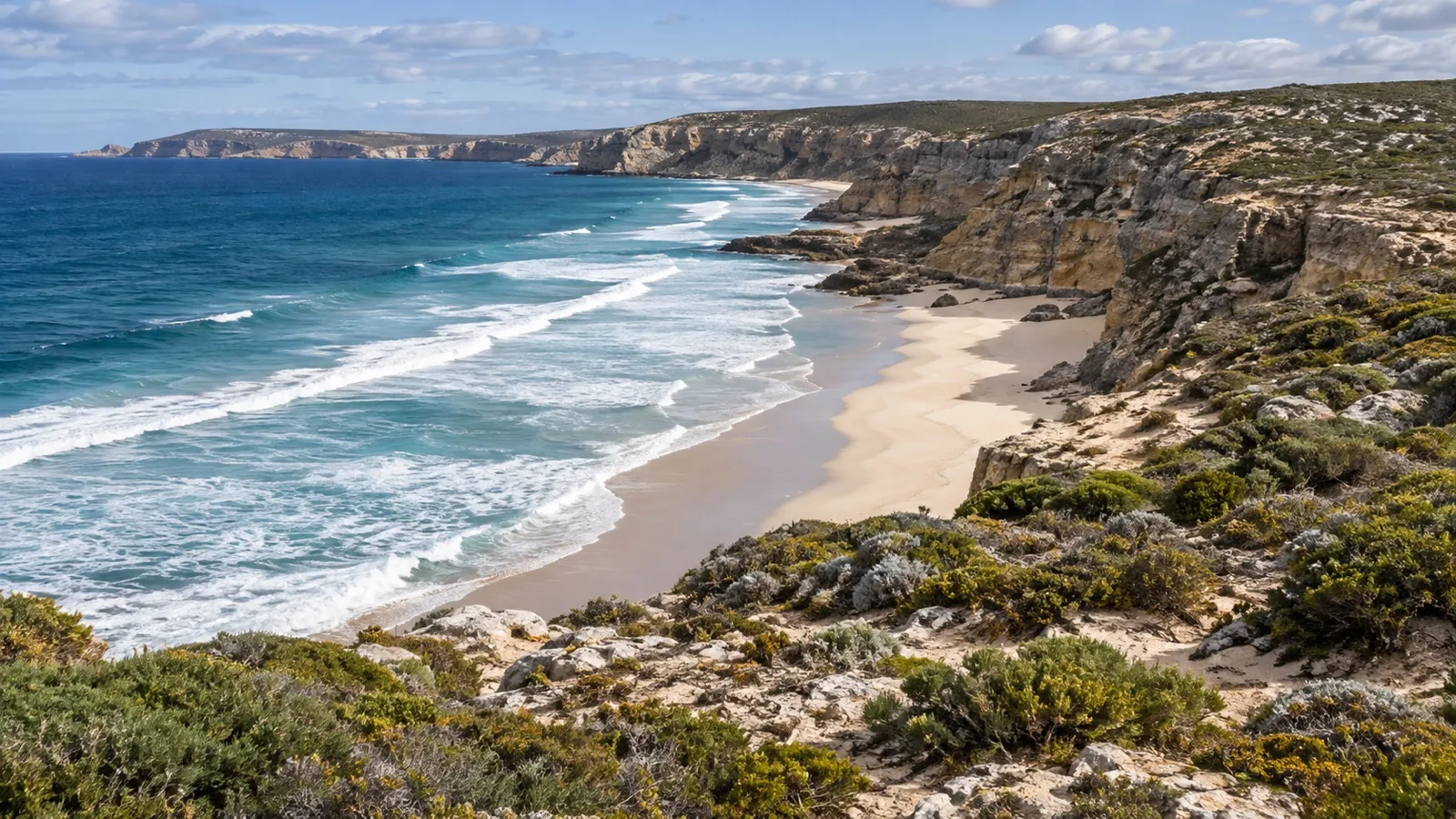
The National Parks and Wildlife Service South Australia page should be your final authority for alerts, closures, fees, maps, and access. Current alerts can affect particular entrances or four-wheel-drive tracks, so a generic scenic loop copied from an old blog is not a safe plan.
Most cruise visitors are better served by a local guide or a carefully timed rental-car plan than by improvising after arrival. If you drive, download maps before leaving town, carry water, respect road classifications, and turn around early enough to absorb a delay.
Whalers Way Is Private and Exposed
Whalers Way is known for dramatic cliffs, blowholes, and ocean scenery, but it is privately managed rather than part of Lincoln National Park. Access conditions, permits, fees, road suitability, and operating arrangements must be checked with the property or your tour provider before travel.
The coastline is exposed, and photographs can flatten the scale of cliffs and rough ground. Stay behind barriers, keep well back from edges, and follow every site instruction even when the sea appears calm.
This is another outing where a local guide can remove a surprising amount of friction. The guide handles the route and access details while you focus on scenery, but you still need to confirm the vehicle’s step height and walking demands.
Wildlife Parks Offer an Easier Regional Outing
A land-based wildlife stop can suit travelers who want an Australian animal experience without committing to an offshore boat. Depending on the venue and current operations, you may see native species in a more controlled setting and combine the visit with regional scenery.
Check whether the facility is open on the call date and whether entry must be prepaid. Ask about shade, seating, paths, animal encounter rules, and the travel time from both town and the commercial wharf transfer point.
Wild animals around roads and parks should be observed without feeding or crowding them. South Australia’s conservation rules protect wildlife, and the kindest photograph is often the one taken from a respectful distance.
Airport, Rental Cars, and Regional Timing
Port Lincoln Airport is outside the city, so it is not a practical place to collect a vehicle without arranging the logistics in advance. Rental availability can tighten on cruise days, and office hours may not line up neatly with the ship’s visit.
If you reserve a car, confirm the precise collection location, after-hours procedure, fuel policy, insurance conditions, and whether the vehicle may use unsealed roads. A compact town day does not require a car, while Coffin Bay and the major coastal sights generally need planned transportation.
Taxis are useful but limited supply can make an unreserved regional round trip risky. Arrange the return before leaving town and do not depend on finding a fresh ride at an isolated beach, park trail, or private property.
Entry Rules and Biosecurity Matter
Australia’s entry requirements depend on citizenship, itinerary, and personal circumstances, so check the Department of Home Affairs before travel. Your cruise line may also collect documents or provide voyage-specific instructions that must be completed before arrival.
Australia applies strict biosecurity controls to food, plant material, animal products, and outdoor equipment. Declare items when required, leave shipboard food on the ship, and follow official directions rather than guessing whether a souvenir or snack is allowed.
Accessibility Starts With the Wharf Transfer
An alongside berth avoids a tender, but the secured commercial-wharf transfer may still be the first accessibility hurdle. Ask the cruise line whether the shuttle has a lift or ramp, whether mobility devices are accepted, and how wheelchairs or scooters are secured.
For any excursion, request details about vehicle steps, transfer assistance, walking distance, slope, surface, seating, restroom access, and boat boarding. Words such as easy or panoramic are not measurements, so ask for the actual setup that applies to your departure.
Travelers who prefer fewer variables can build a rewarding day around the accessible parts of town and a reserved meal. Leave a generous return buffer because an accessible vehicle may have fewer departures or need extra boarding time.
Wind and Sun Set the Dress Code
Port Lincoln’s southern coastal position can produce bright sun, brisk wind, cool shade, and quick weather changes in the same call. Dress in light layers, use secure headwear, and carry a compact rain layer if showers are possible.
Australian ultraviolet exposure can be strong even when the air feels cool. Apply broad-spectrum sunscreen, bring water, and use sunglasses and protective clothing rather than waiting until you feel hot.
Marine excursions are usually colder than the town forecast suggests because moving boats add wind chill and spray. Follow the operator’s clothing instructions, especially when it supplies protective gear for an in-water activity.
Return by the Wharf Clock
Your real deadline is the last approved transfer into the secure port, not the moment a map says you could reach the ship. Plan backward from that transfer and add margin for traffic, tour loading, a fuel stop, or a delayed restaurant bill.
Ship-sponsored excursions normally carry the strongest coordination if an activity runs late, while independent plans remain your responsibility. I would keep the final part of an independent day near the shuttle point and save distant improvisation for a land vacation.
Port Lincoln Cruise Port Questions
Does the ship dock in Port Lincoln?
Cruise ships normally berth alongside at the commercial wharf, but the final assignment is operational. Follow your cruise line’s current arrival notice and the instructions given onboard.
Can I walk straight from the ship into town?
Do not assume so, because the berth is inside a working secured port. Use the designated shuttle or approved transfer and confirm the day’s return procedure before exploring.
What should I book early?
Reserve marine wildlife boats, Coffin Bay oyster experiences, private regional guides, and any rental car you truly need. These have limited capacity and cannot be replaced easily after the ship arrives.
Is Port Lincoln good without an excursion?
Yes, especially if you enjoy waterfront scenery, local history, shopping, and seafood. Confirm the shuttle and current opening hours, then keep the pace comfortably flexible.
Can I combine Coffin Bay and Lincoln National Park?
Only with a realistic prearranged itinerary that accounts for road time, stops, and the port return. For most one-day cruise calls, choosing one regional direction creates a better and safer experience.
Choose Sea, Land, or Lunch
Port Lincoln becomes easy to plan when you choose the day’s main character. Make it a marine wildlife adventure, a coastal drive, a Coffin Bay experience, or a slow town day built around seafood, then protect that choice with confirmed transportation and a generous return margin.
My favorite version is the one that leaves enough space to notice Boston Bay instead of racing past it. Respect the commercial wharf process, check live conditions, and this South Australian call can feel both adventurous and wonderfully unhurried.
Planning details were checked against the South Australian Tourism Commission, National Parks and Wildlife Service South Australia, and Australian Department of Home Affairs. Port access, shuttle arrangements, park alerts, tour operations, and weather can change, so reconfirm them with your cruise line and the relevant official provider before you sail.