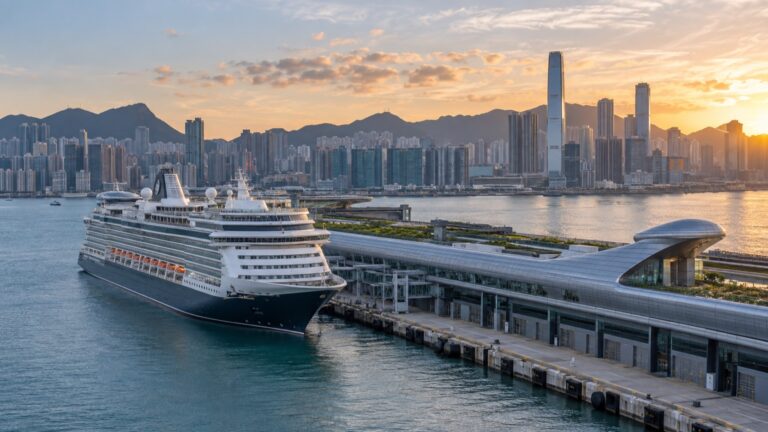
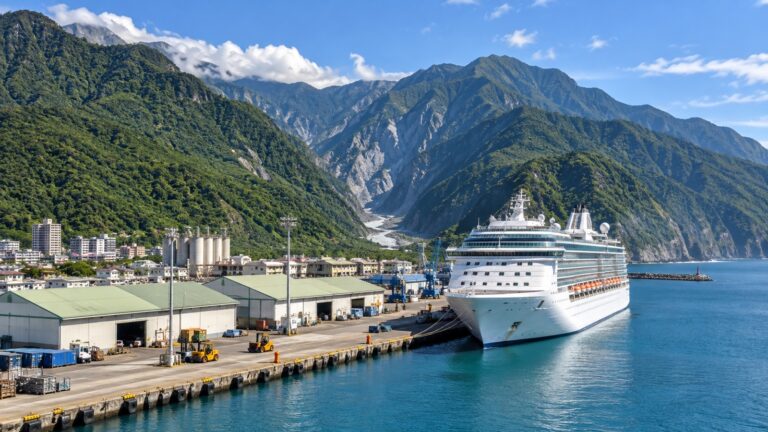
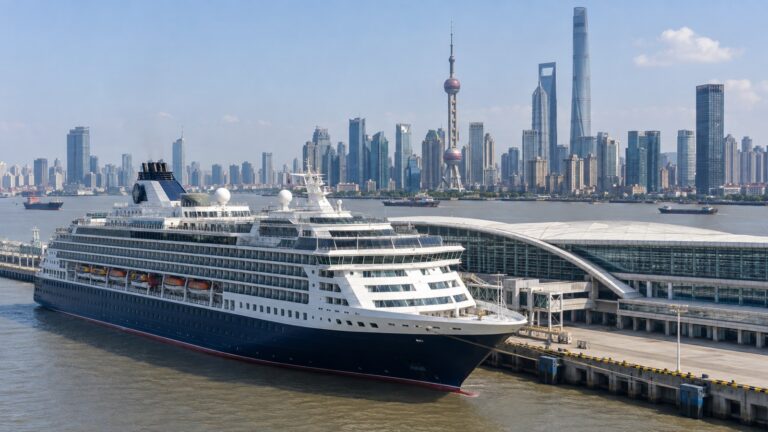
Nagoya Cruise Port Guide: Garden Pier, Castle & Day Plan
Nagoya combines samurai history, major transport museums, and regional food, with Garden Pier offering an easy aquarium day. The assigned berth matters because not every cruise call gives the same walk to Nagoyako Station.
My quick take on Nagoya
Nagoya rewards planners: castles, one of Shinto’s holiest shrines, and world-class car and train museums all sit a short subway ride apart.
If this is your first Japan call, my Japan cruise ports guide and first-timer port tips pair well with this one.
The quick facts
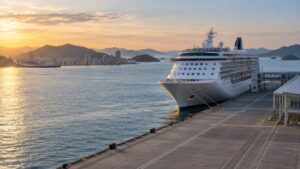
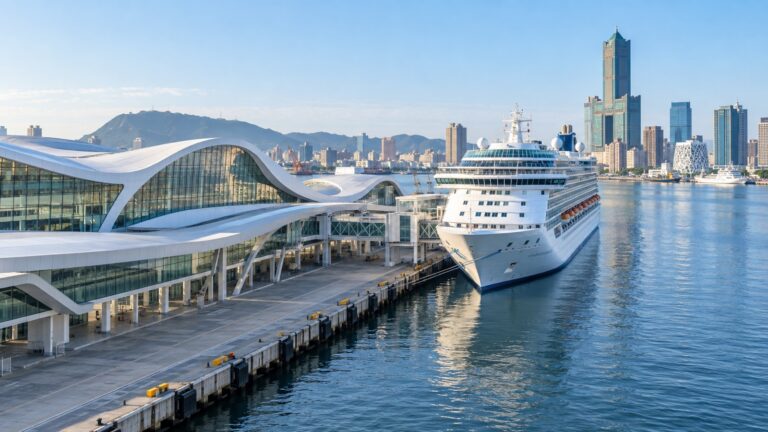
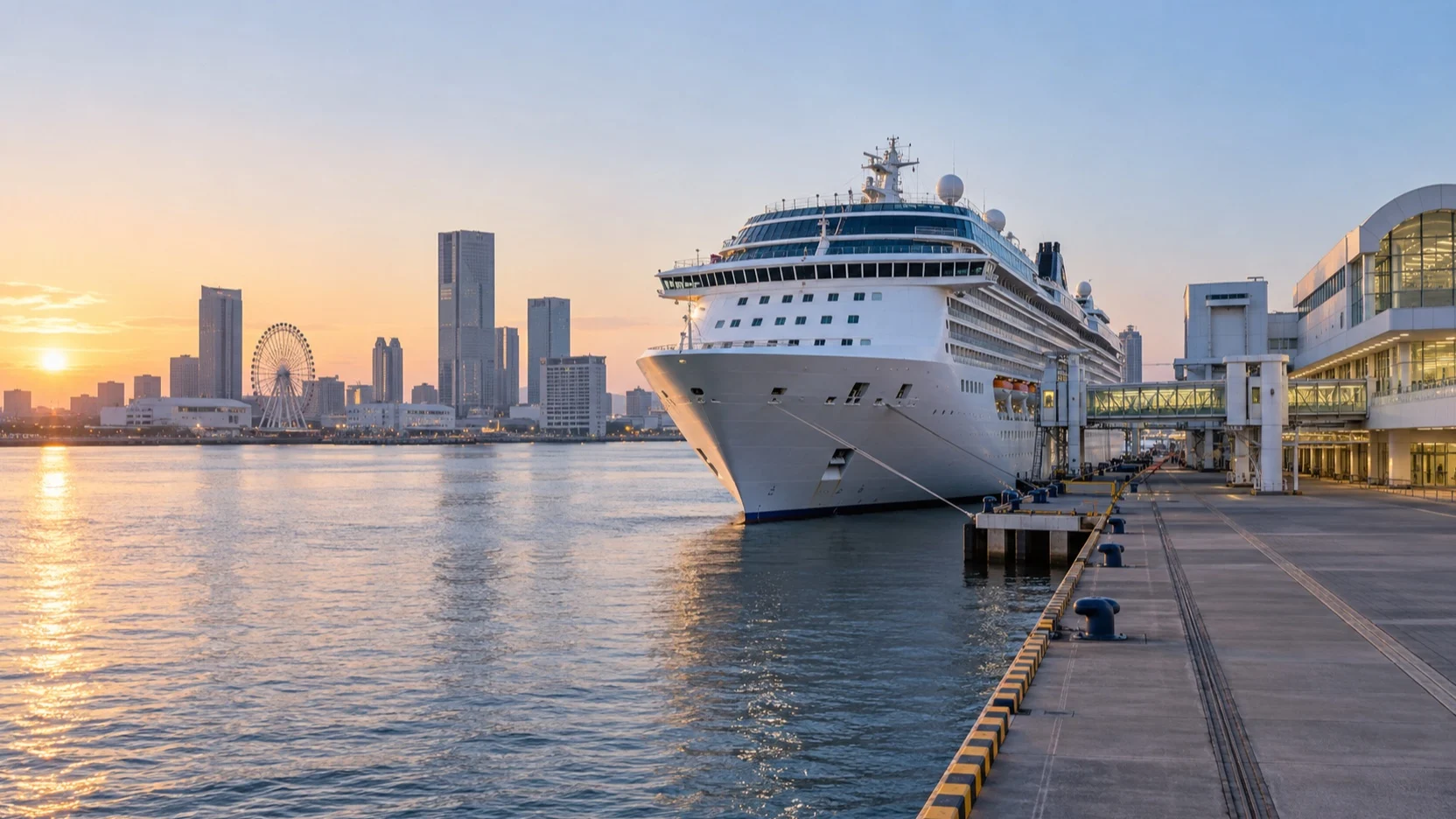
- Where you land: usually the Port of Nagoya’s Garden Pier, next to the public aquarium and about 6 miles south of the center. Another port berth may be assigned for operational or ship-size reasons.
- Dock or tender: Garden Pier is an alongside berth, while the exact arrival and any shuttle depend on the assigned quay.
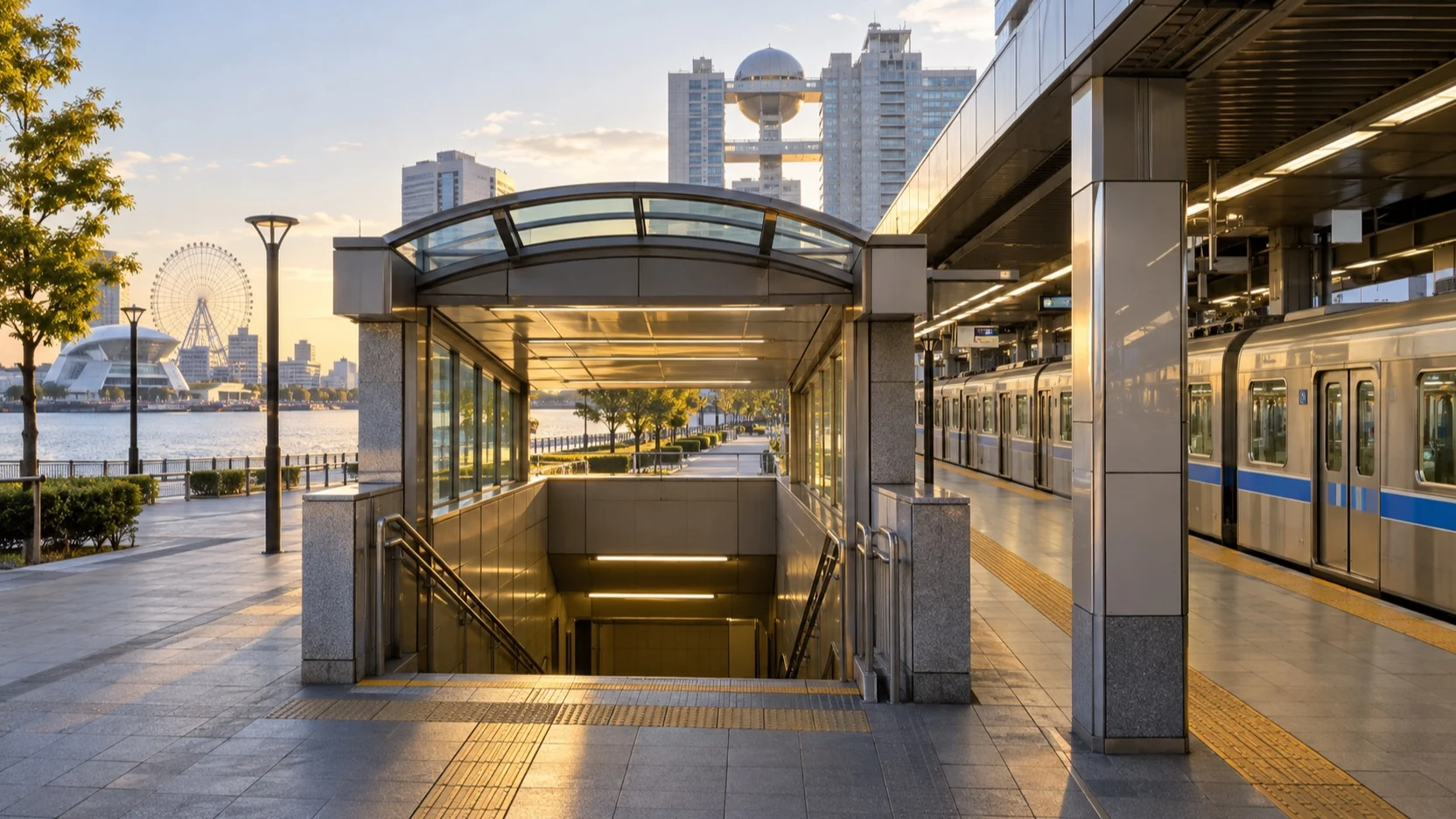
- Into town: Nagoyako Station on the subway Meiko Line is about a 5 minute walk from the pier.
- Currency and language: Japanese yen (JPY) and Japanese.
- Time zone: Japan Standard Time (JST, UTC+9).
- How often the call is missed: Low (roughly 1 to 2%): tropical storms can make the approach unsafe.
Getting around from the pier
The port area itself is walkable. The aquarium, the Fuji icebreaker museum, and the Port Building observation deck all sit within a few minutes of the ship.
For the city, use the subway. Nagoyako Station is the end of the Meiko Line, and you change at the Kanayama hub for Sakae and Nagoya Station.
To hit several sights in one day, the city’s Me~guru sightseeing loop bus can be handy, but check its current operating days, route, and fare before relying on it. Taxis wait outside the terminal, and drivers are reliable and metered.
The stops I’d actually spend time on
- Nagoya Castle: Tokugawa Ieyasu commissioned it in 1610, and the golden shachihoko (mythical tiger-fish) crowning the keep are icons of the city. Fun fact: the pair were recast in 1959 covered in 18-karat gold.
- Hommaru Palace: On the castle grounds, this residence was authentically rebuilt in 2018 with dazzling gold-leaf screens. It is the real highlight, since the main keep is currently closed for earthquake safety.
- Atsuta Shrine: One of Shinto’s most sacred sites, set in a serene wooded precinct. It is said to house the Kusanagi sword, one of Japan’s three imperial regalia.
- Toyota Commemorative Museum of Industry and Technology: Nagoya is Toyota’s heartland, and this museum traces the leap from looms to cars with live machinery demonstrations.
- Toyota Automobile Museum: A deeper collection of classic vehicles from around the world for anyone who loves cars. Fun fact: Toyota began as a loom maker before building its first car.
- SCMaglev and Railway Park: A hall of bullet trains and a record-setting maglev, easy to reach from the port on the Aonami Line. Great for kids and rail fans.
- Port of Nagoya Public Aquarium: Right at the pier, with belugas, dolphin performances, and a penguin-filled Antarctic zone. The easiest win if your day is short.
- Osu Kannon and the Osu shopping district: A lively Buddhist temple wrapped in covered arcades of vintage shops, electronics, and street food.
- Tokugawa Art Museum and Garden: Samurai armor, swords, and heirlooms of the ruling Owari Tokugawa clan, beside a classic strolling garden.
What to eat: Nagoya meshi
Nagoya has its own bold food culture, so build a meal around it. Hitsumabushi is charcoal-grilled eel over rice, eaten in stages, plain then with condiments then with broth.
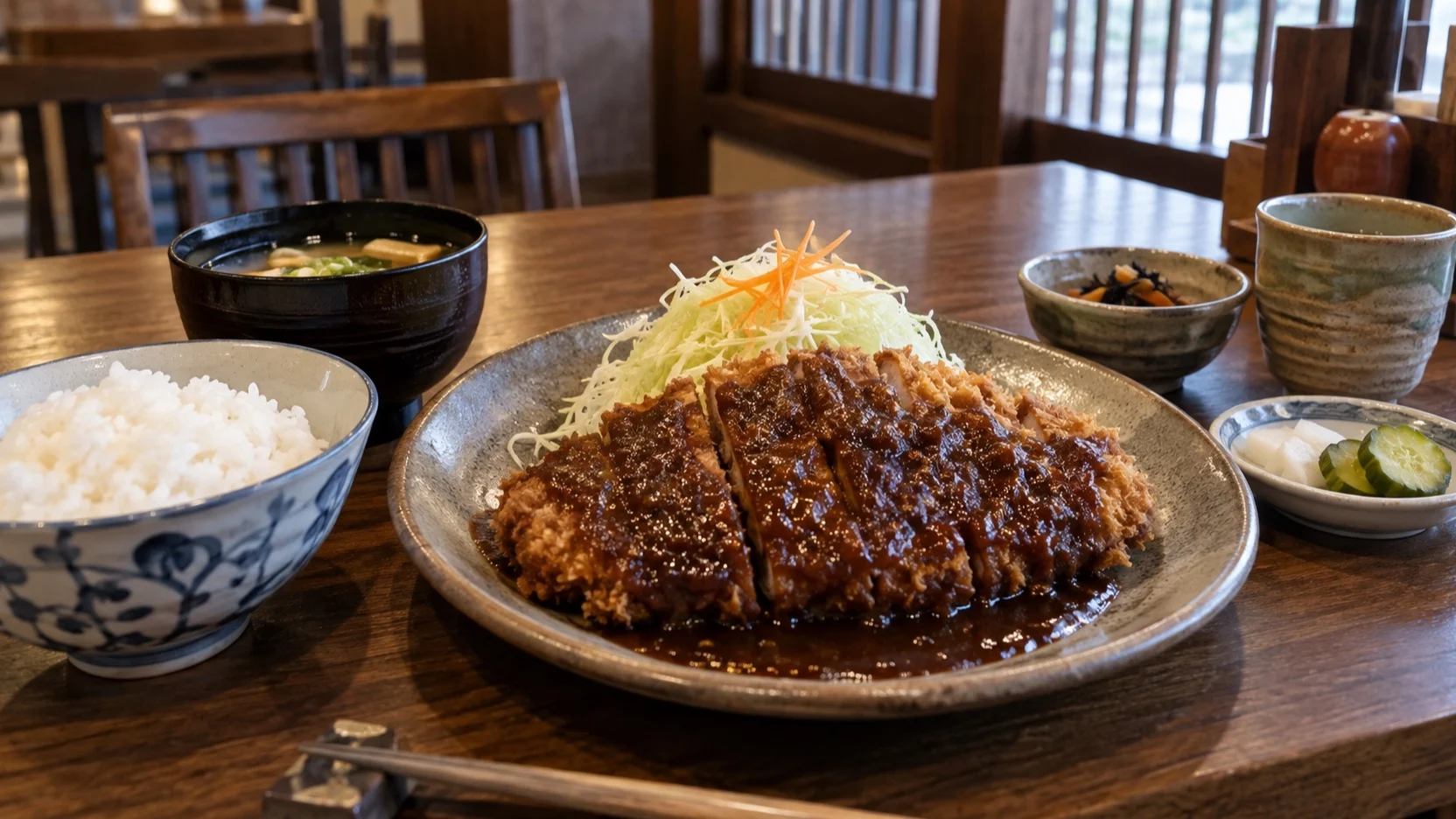
Miso katsu is a pork cutlet under rich red-miso sauce, and tebasaki are peppery glazed chicken wings. Fun fact: locals eat those wings in a practiced two-snap motion to strip the bone clean.
How I’d plan the day
Short (about 3 hours): Stay in the port area. Do the aquarium, ride the Port Building observation deck, and grab a quick Nagoya-meshi lunch before returning.
Half day (about 5 hours): Subway to Nagoya Castle and Hommaru Palace, then Osu Kannon and its arcades. Leave a solid buffer for the ride back.
Full day (8 hours): Add Atsuta Shrine and either the Toyota industry museum or the SCMaglev and Railway Park. Watch the clock: central Nagoya to the pier is around 30 minutes.
Day trips if you have a long call
Inuyama Castle, about 45 minutes north by train, is one of only a handful of original wooden keeps left in Japan and worth the trip for castle buffs.
Ghibli Park sits in Aichi’s Expo 2005 Commemorative Park at Nagakute, reachable via the Higashiyama Line and the Linimo. It needs date-specific tickets booked in advance, so only attempt it with a firm plan.
A realistic word on accessibility
Nagoya’s subway and major sights are broadly step-free, with elevators and staff assistance common. The aquarium and Hommaru Palace are largely accessible.
Shrine gravel paths and the castle grounds involve some uneven ground. Gangway steepness at the pier shifts with the tide, so ask your ship’s team if you have mobility concerns.
When to go, and the weather
Spring and autumn are the sweet spots, with cherry blossoms around the castle in early spring and vivid foliage in November. Summers are hot and humid.
Late summer and early autumn can bring typhoons, which may affect port calls. Winters are cool and generally dry.
Quick answers
Can I walk into the city from the ship? Not into central Nagoya, though the aquarium and port museums are a short walk and the Meiko Line subway handles the city center.
Is Nagoya Castle’s tower open? The main keep is closed for earthquake safety, but the reconstructed Hommaru Palace and the grounds are open and well worth it.
Is one day enough? Yes, for a focused plan that pairs the port area with two or three city sights rather than trying to see everything.
Planning more of Japan? My guides to Osaka, Kobe, and Tokyo round out a Japan itinerary nicely.
Choose one Nagoya theme
Choose Nagoya Castle, Hommaru Palace, and Atsuta Shrine for history, or pair the Toyota Commemorative Museum with SCMAGLEV and Railway Park for engineering. The Toyota Automobile Museum lies outside the central cluster, so it works better as the anchor than as a third museum.
The castle’s main keep remains closed, making Hommaru Palace and the grounds the actual visit. Check official closure days for every museum because several are not open daily.
From berth to city and back
At Garden Pier, use Nagoyako Station and change at Kanayama for the center. From any alternative berth, take the cruise-line shuttle or an authorized taxi before assuming the same subway walk applies.
Start the return from central Nagoya 75 minutes before all-aboard and from an outlying museum 90 minutes before it. Rail reliability is excellent, but a missed connection or long station walk still consumes the buffer.
Food, money, and access
Try one Nagoya specialty near the sights rather than crossing the city for a famous restaurant. Hitsumabushi, miso katsu, and kishimen serve different tastes, and popular places can have long lunch lines.
Subways and major museums are broadly accessible, but castle grounds and station transfers involve distance. Request gangway help and use the transit operator’s accessible-route information for elevators.

How this guide was researched: Unless a first-hand visit is explicitly identified above, this guide is based on independent research using official port, tourism, transit, government, and attraction sources where available. Logistics and time-sensitive details were reviewed in September 2026; see our Editorial Policy.