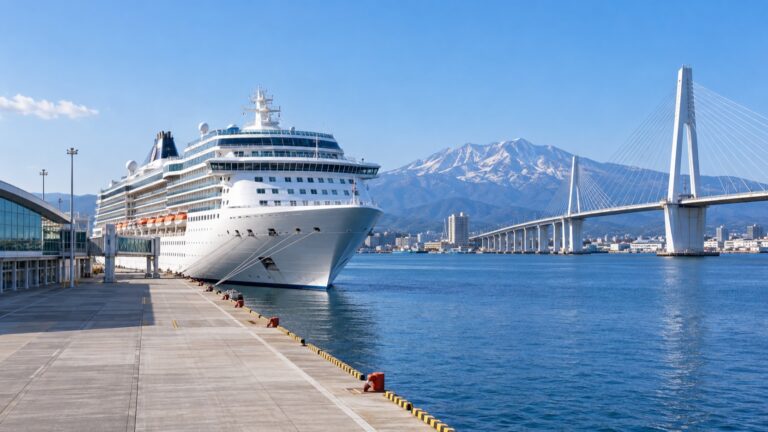
China Cruise Ports: A Planner’s Guide to Every Stop
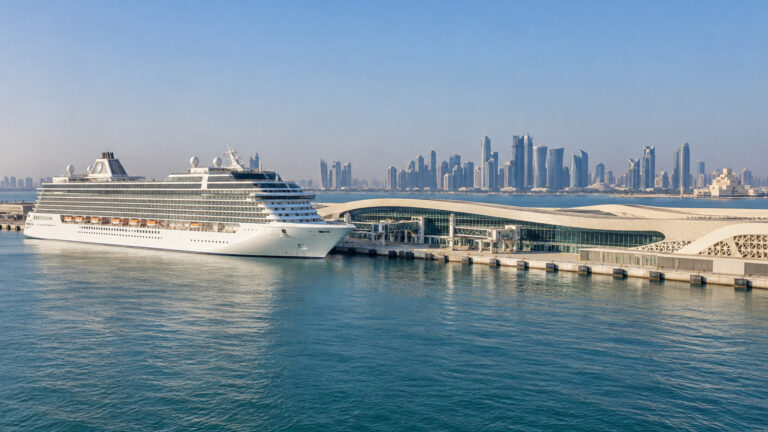
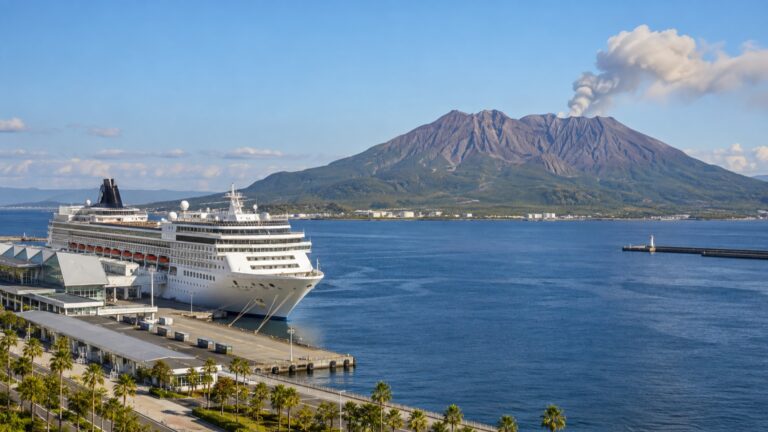
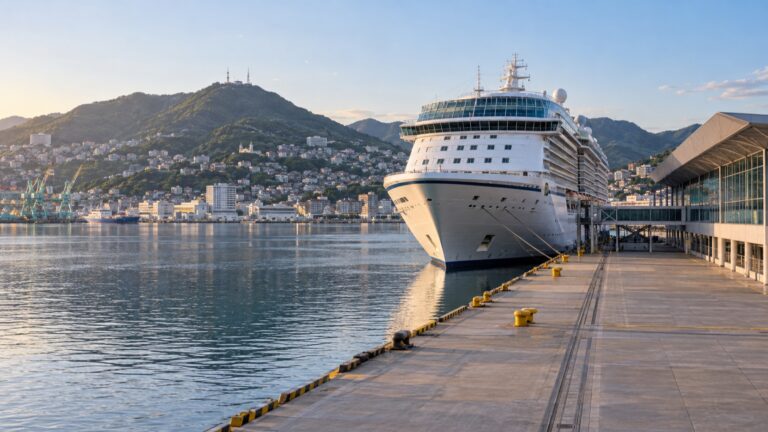
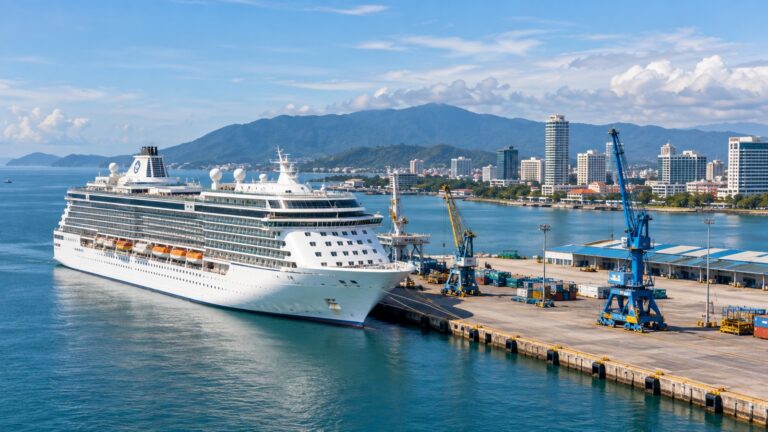
China can feel like several cruise countries folded into one coastline. One sailing might bring Shanghai’s futuristic skyline, Beijing’s imperial history, Qingdao’s seaside architecture, Xiamen’s island heritage, and Sanya’s tropical beaches into the same vacation.
The ports are fascinating, but they reward serious planning. Terminal location, immigration clearance, road traffic, train reservations, payment tools, and the ship’s exact entry arrangement can matter just as much as the sights you hope to see.
Quick Facts
- Best first China port: Shanghai offers the broadest mix of landmarks, neighborhoods, food, museums, and skyline views.
- Most ambitious gateway: Tianjin is the cruise port for Beijing, but the capital requires a long and carefully protected transfer.
- Best beach stop: Sanya is the warm-weather break, with bays and resort areas across southern Hainan.
- Best heritage pairing: Xiamen and UNESCO-listed Kulangsu, commonly called Gulangyu, combine maritime history with a relaxed island atmosphere.
- Best easygoing northern calls: Qingdao and Dalian work well for focused city days with waterfront scenery.
- Essential rule: Confirm the terminal, permitted entry route, all-aboard time, and written cruise-line instructions for your exact passport and itinerary.
Why a China cruise takes extra planning
China’s cruise gateways differ enormously. Shanghai may place you within practical reach of the Bund or much farther north at Wusongkou, while Tianjin is a major port city whose famous headline attraction is Beijing, far inland.
Entry rules also depend on more than nationality. The first Chinese port, the next country or region, the number of Chinese calls, the cruise operator’s group arrangements, and whether you leave on the same ship can all affect which policy applies.
The National Immigration Administration is the primary source for current border policy. Treat a cruise forum or old trip report as background only, then ask the cruise line to confirm the documents and process for your specific voyage in writing.
Shanghai
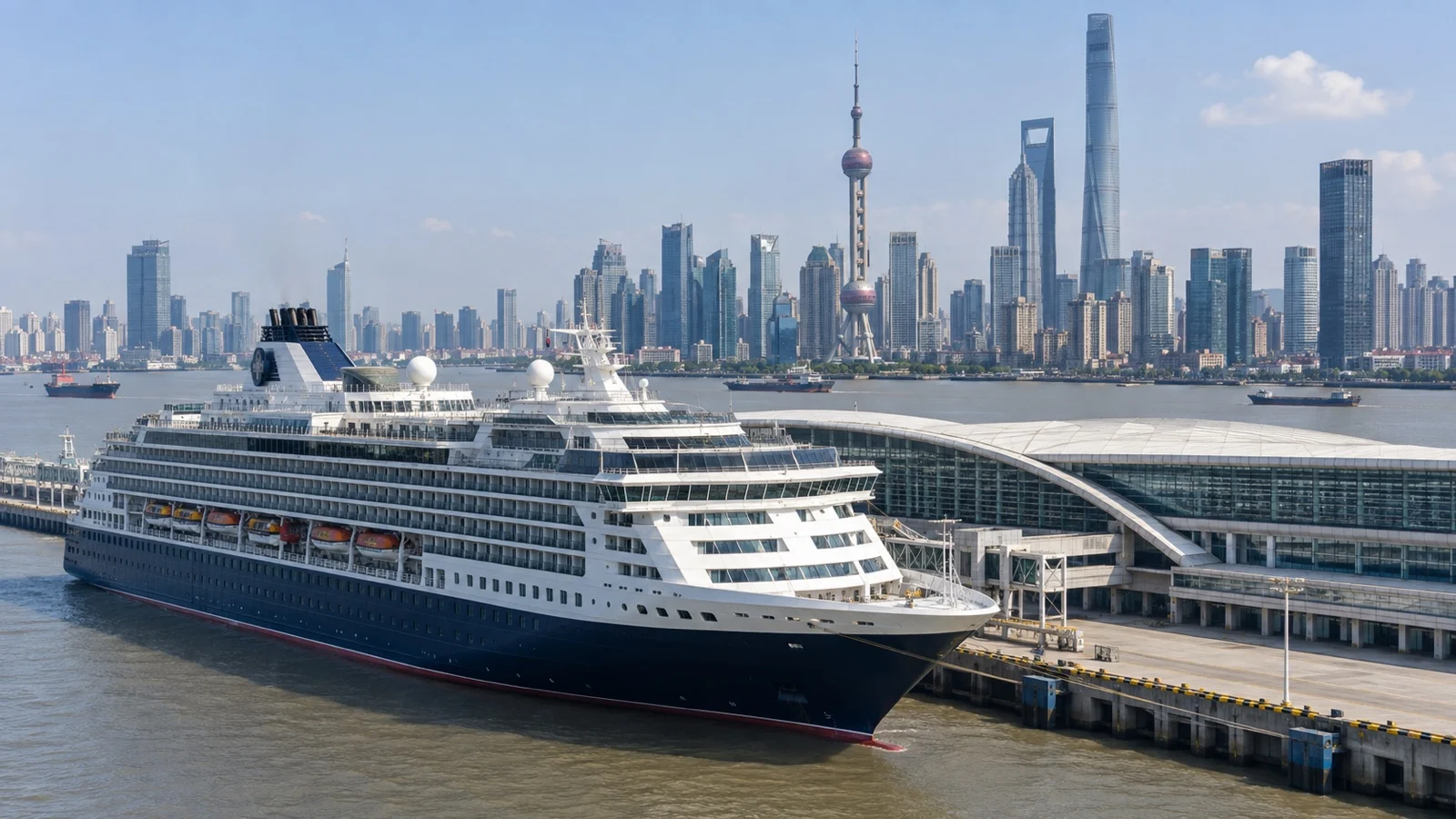
Shanghai is my favorite first China cruise call because the city delivers a striking contrast in a single day. The Bund’s historic facades face Pudong’s towers across the Huangpu River, while Yu Garden, the French Concession, museums, markets, and contemporary neighborhoods offer very different versions of the city.
The terminal name changes the entire plan. Shanghai Port International Cruise Terminal is close to the central waterfront, while Wusongkou International Cruise Terminal is in Baoshan, farther north and requiring a meaningful transfer before sightseeing begins.
If the ship is at Wusongkou, I would choose a direct transfer and keep the day geographically tight. The Bund plus Yu Garden works better than trying to add distant attractions simply because they look close on a regional map.
For a central arrival, start early on the waterfront and move into one additional district before lunch. Return traffic can be slow, so set a personal departure time that protects a generous margin instead of squeezing in one last stop.
Tianjin for Beijing
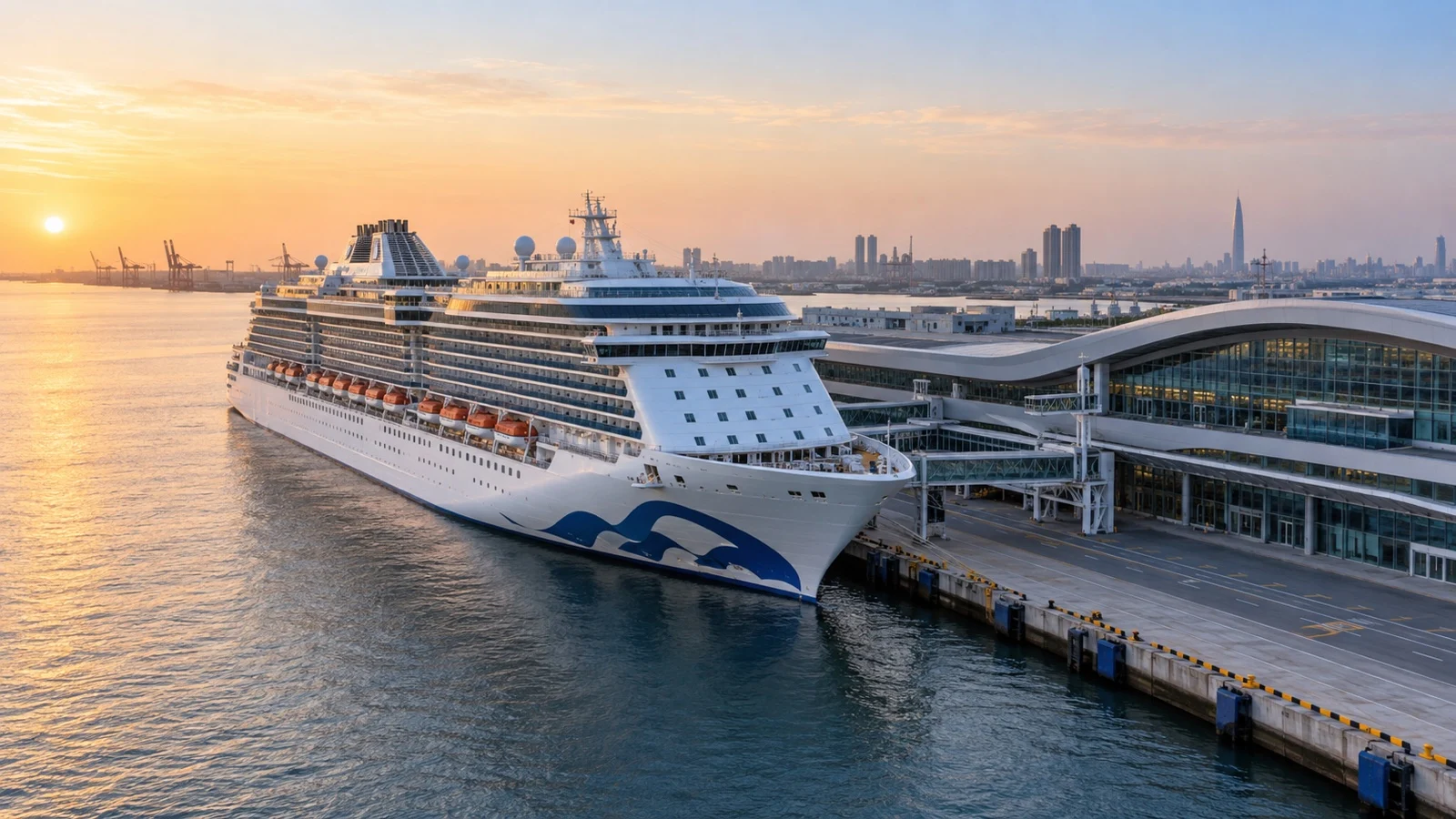
Tianjin is the gateway that causes the most unrealistic planning. Beijing, the Forbidden City, and the Great Wall may be the reason you booked, but none is a quick ride from the cruise terminal.
The port is in the Binhai area, well away from central Tianjin and farther still from Beijing. A rail plan can involve a road transfer to a station, security screening, a reserved train, another city transfer, timed admission, and the whole sequence in reverse.
Use the official China Railway 12306 site to research trains and identification rules. Tickets are tied to identity documents, so every name and passport detail must match the booking.
On a same-day call, a ship excursion or established private operator is the calmest choice for Beijing or the Great Wall. An overnight creates more breathing room, but it still requires a firm return plan because traffic and station procedures are not flexible.
Tianjin itself is a valid alternative when port hours are short. Its riverfront, historic concession-era architecture, museums, and food offer a genuine city day without gambling the ship on a distant landmark race.
Dalian
Dalian feels spacious and composed after China’s biggest gateways. The city is known for broad squares, coastal roads, parks, beaches, and waterfront districts shaped by its position on the Liaodong Peninsula.
This is a good port for travelers who want a city overview without committing to a long inland excursion. I would combine one central area with one coastal stop, then leave time for a relaxed meal rather than chasing every viewpoint.
Dalian is spread out enough that taxis, a private car, or an organized panoramic tour can be more useful than walking from the berth. Keep the exact terminal gate written in Chinese and save the ship’s local contact before you leave.
Northern coastal weather deserves respect even outside winter. The China Meteorological Administration provides official forecasts, and a light layer can rescue a day that looks warm from the cabin window.
Sanya
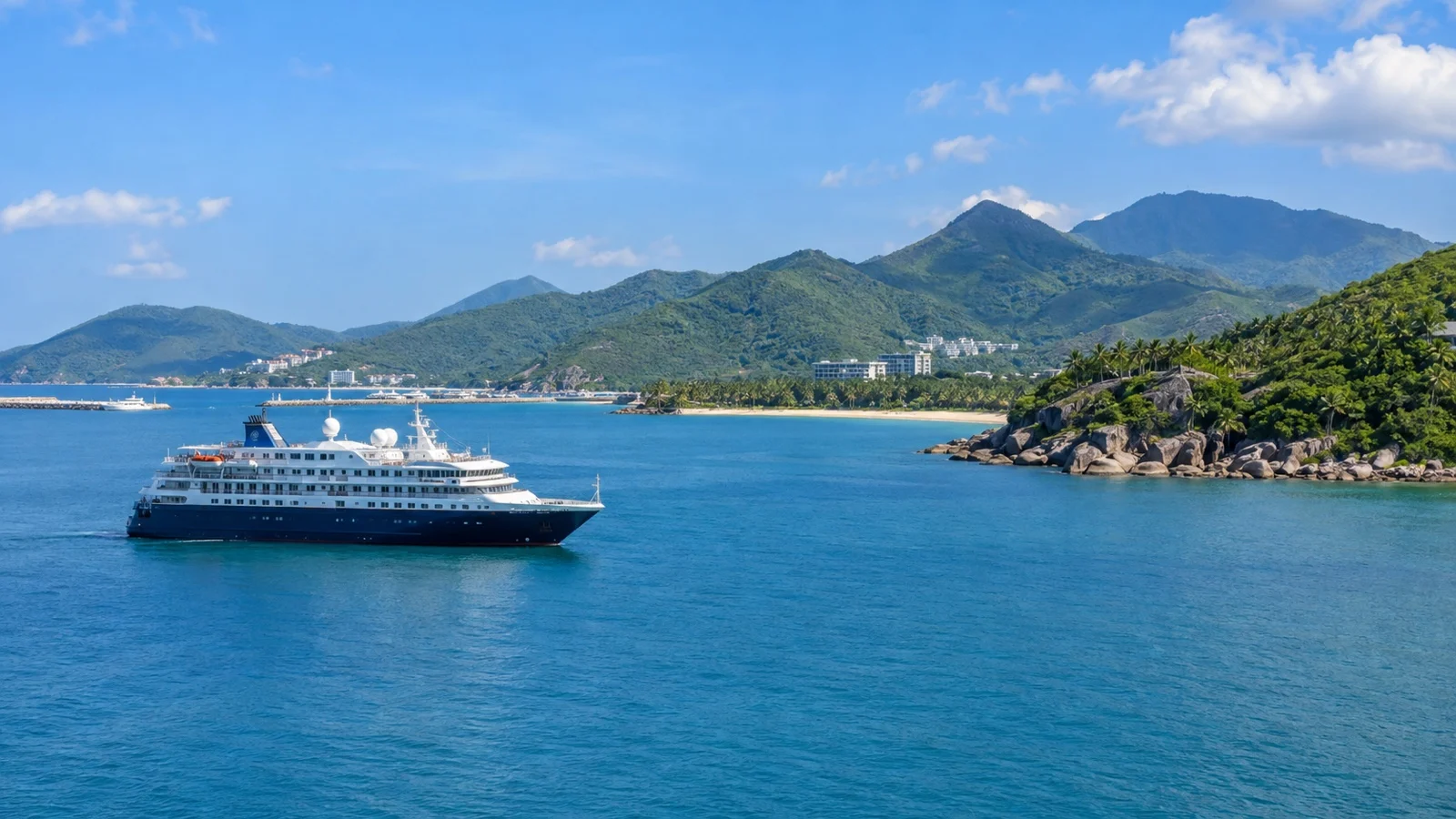
Sanya is China in beach mode. Palm-lined bays, warm water, resort districts, tropical gardens, and southern Hainan’s humid climate make it a natural pause between sightseeing-heavy Asian cities.
Phoenix Island is connected by a causeway, but cruise guests should follow the ship’s authorized transport process rather than assume they can simply walk through the port area. Once outside, choose one beach zone or one cultural excursion according to the available hours.
Dadonghai is convenient for a straightforward beach day, while Yalong Bay has a more polished resort feel and takes more road time. Farther attractions can be worthwhile on a long call, but they should not be stacked with a beach visit unless the operator can protect the return.
Hainan has its own 30-day visa-free policy for eligible ordinary-passport holders from specified countries, but that does not mean every cruise arrival automatically qualifies. Verify the current nationality list, permitted activity, port process, and cruise-line handling before relying on it.
Xiamen
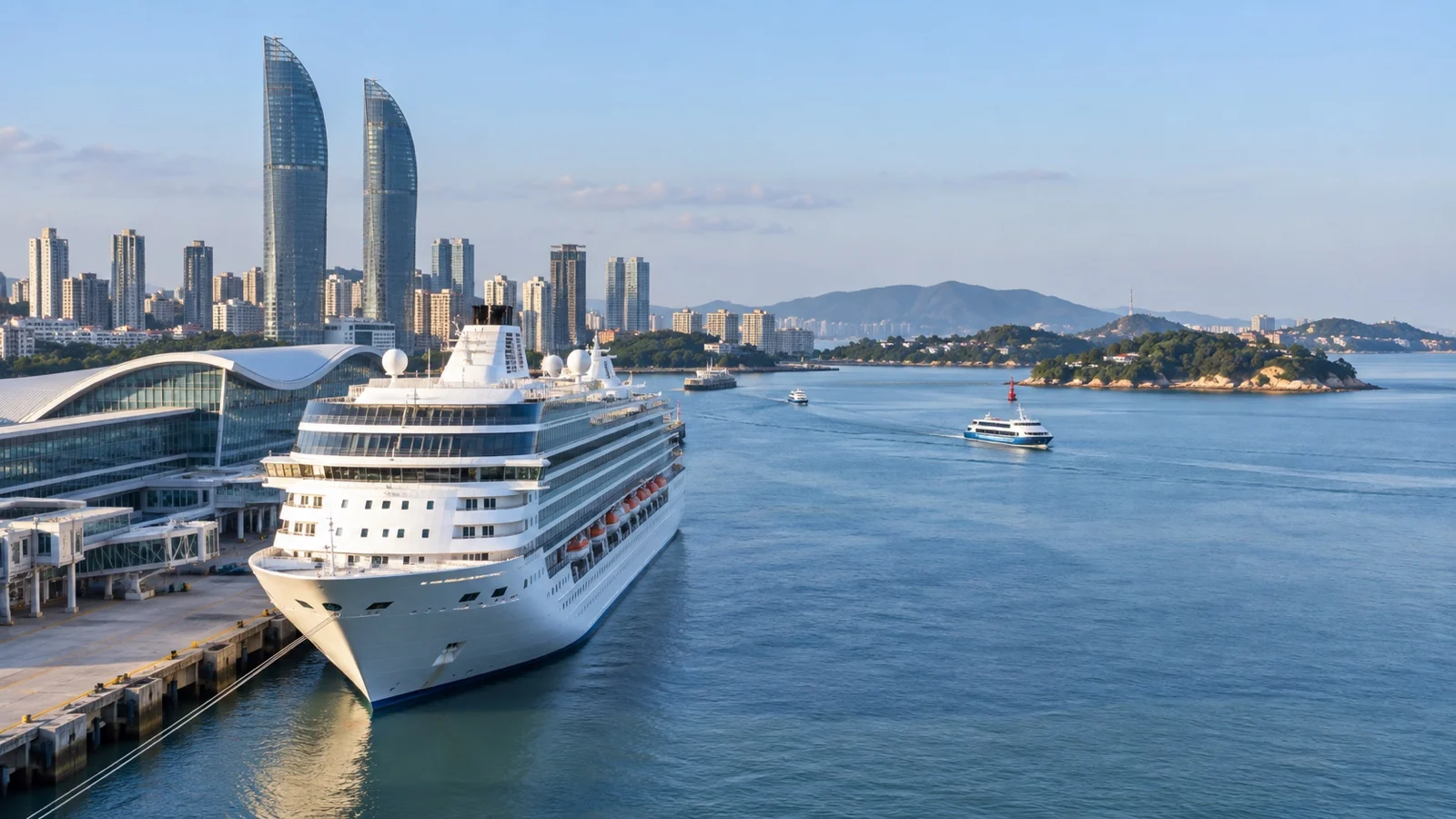
Xiamen blends a modern waterfront with gardens, temples, Fujian flavors, and a noticeably gentler rhythm than Shanghai. Its signature outing is Kulangsu, widely known as Gulangyu, the small island facing the city.
UNESCO describes Kulangsu as a historic international settlement whose architecture reflects exchanges between Chinese and foreign cultures. The island is rewarding on foot, but ferry timing and passenger procedures must fit around immigration clearance and all aboard.
Do not assume the cruise terminal and the public ferry departure point are interchangeable. Confirm the current embarkation pier, ticketing process, passport requirement, and return sailing through official channels or the ship’s excursion desk.
If the ferry plan feels tight, staying on the Xiamen side is not a consolation prize. A focused route through a historic area, a garden or temple, and a local lunch can be more satisfying than spending half the call in queues.
Qingdao
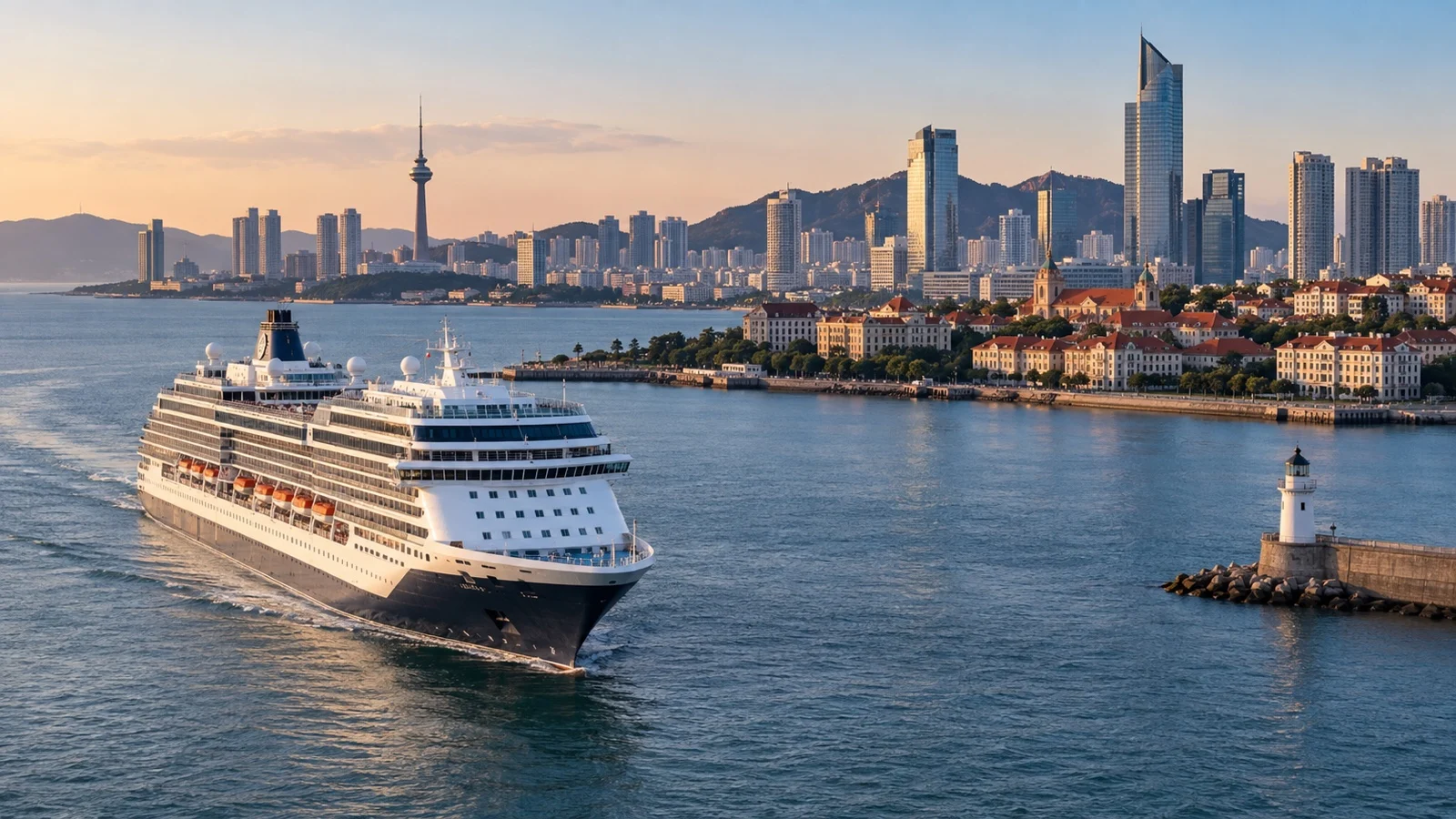
Qingdao pairs red-roofed historic neighborhoods with beaches, a modern skyline, seafood, and one of China’s best-known brewing traditions. It feels distinctive without requiring a cross-country transfer.
A first visit can connect the old city, waterfront, and the Tsingtao Beer Museum. Laoshan adds mountain scenery and cultural sites, but it belongs in a dedicated excursion rather than a crowded city checklist.
Qingdao’s transit network makes independent exploring possible once you understand the terminal and station relationship. Still, save the port name and gate in Chinese because a driver needs the exact return point, not simply the word cruise.
This is one of the easier ports for a mixed-interest group. Some travelers can explore architecture or a museum while others enjoy the waterfront, then everyone can meet for lunch before returning together.
Understanding China’s cruise entry policies
China has several visa-free frameworks, and they are not interchangeable. The National Immigration Administration’s August 20, 2026 guidance says an eligible foreign tourist group of at least two people, organized and received by a China-registered travel agency, may enter by cruise at designated ports including all six destinations in this guide.
Under that cruise-group policy, travelers must continue to scheduled Chinese ports and leave on the same ship with the group, with a maximum stay of 15 days in the listed coastal regions and Beijing. That is a structured group arrangement, not blanket permission for any passenger to disembark independently.
The separate 240-hour visa-free transit policy applies only to eligible nationalities, designated entry points, permitted stay areas, and confirmed onward travel to a third country or region. A round-hour schedule or a cruise call at Shanghai does not by itself prove that an itinerary qualifies.
China also maintains bilateral and unilateral visa exemptions that may supersede a transit route. Because policies and country lists change, get the cruise line’s sailing-specific answer and check the official immigration pages shortly before departure.
Docking, terminals, and clearance
Large cruise ships normally use established terminals or commercial berths at these ports, but berth assignment can change. A docked ship does not guarantee a walkable arrival, and port security may require a shuttle even when the city looks close.
Clearance time can vary by voyage and should never be treated as usable sightseeing time in advance. Wait for the ship’s announcement, carry the required original document, and do not book a private pickup so tightly that a routine delay ruins the day.
Before leaving, screenshot the berth, all-aboard time, ship contact, and destination in Chinese. Download maps and translation information offline because familiar apps may be limited or behave differently in mainland China.
Transport, payments, and connectivity
China’s rail and metro systems can be excellent, but stations are large and procedures take time. Build in walking, security, platform finding, and identification checks rather than comparing only the scheduled travel minutes.
Mobile payment is widely used, while some foreign cards and home-country apps may not work as expected. Set up approved payment options before sailing, confirm any passport verification requirement, and carry a practical backup accepted by the cruise line’s local guidance.
For taxis or private drivers, written Chinese addresses are invaluable. A screenshot of the port gate is wonderfully boring insurance when the phone signal drops or pronunciation gets adventurous.
Choosing the right China cruise itinerary
For a first visit, I would prioritize Shanghai and add Qingdao or Xiamen for contrast. That combination gives you a major global city plus a more manageable coastal call without making every day a long gateway transfer.
Choose Tianjin when Beijing is a true priority and the schedule offers enough time, ideally an overnight. Choose Sanya when you want beach time, and Dalian when a calmer northern city day appeals more than another marquee landmark.
Read the itinerary’s fine print for terminal names, overnight wording, and whether a port is an embarkation point or a transit call. The same destination label can produce a completely different experience depending on berth and operating plan.
Weather and what to pack
China’s cruise coast spans cool northern waters and tropical Hainan, so packing for the route matters more than packing for the country name. Shanghai, Qingdao, and Dalian can feel chilly and windy outside summer, while Sanya stays warmer and more humid.
Typhoons and heavy rain can affect eastern and southern itineraries in warmer months, and ships may alter course for safety. Bring a light waterproof layer, sun protection, comfortable shoes, and clothing that layers without filling the cabin closet.
Heat, air quality, rain, and crowds can change how ambitious a port day feels. Give every plan one indoor alternative so a museum, market, or long lunch can replace a viewpoint without making the call feel lost.
Accessibility and family planning
Modern terminals, metros, and major attractions may offer ramps, elevators, and accessible restrooms, but the complete route can still include coach steps, station gaps, uneven paving, ferries, and crowded crossings. Ask about each transfer segment instead of relying on a general accessible label.
Wheelchair and scooter users should provide dimensions and battery details to the cruise line and tour operator early. Vehicle storage and attraction routing are often the limiting factors, even when the terminal itself is accessible.
Multigenerational groups do best with one anchor activity and a nearby meeting point. Shanghai and Qingdao support split interests fairly well, while a Beijing day from Tianjin is much easier when everyone follows the same protected transport plan.
Common planning mistakes
The classic mistake is underestimating distance, especially at Tianjin and Shanghai’s more remote terminal. A famous sight can be hours from the ship once clearance, traffic, station procedures, and return margin are included.
Another mistake is relying on a visa-free rule without matching every condition. Your passport, route, group status, onward destination, port, and permitted area all need to fit the same policy.
Finally, do not schedule the last workable train, ferry, or road transfer back. The ship’s all-aboard time is firm, and an independent traveler usually carries the risk of a missed departure.
Frequently asked questions
Which China cruise port is best for a first visit?
Shanghai is the strongest all-around introduction because it combines famous views with neighborhoods, museums, shopping, and food. Confirm whether your ship uses the central terminal or Wusongkou before finalizing the route.
Can I visit Beijing from Tianjin?
Yes, when the call is long enough and transportation is arranged carefully. A ship excursion or established private operator is the safest choice for a same-day call, while an overnight gives the plan more resilience.
Which ports are easiest independently?
Qingdao, Xiamen, central Shanghai, and Dalian are the most natural candidates after you reach their sightseeing districts. Sanya can also be simple when you choose one beach area and arrange a reliable return.
Do China cruise ships dock or tender?
Large ships commonly dock at established terminals, but the exact berth and required port transport can vary. Follow the cruise line’s final notice rather than building the day around an old berth report.
My final advice
A China cruise works beautifully when the plan respects scale. Choose one excellent experience per port, protect the return, and let the contrast between cities become the story of the voyage.
I would spend my planning energy on the terminal and border process first, transportation second, and attraction order third. Once those pieces are solid, the ports become exciting instead of intimidating.
How this guide was researched: This guide was independently checked on September 11, 2026, against the National Immigration Administration, China Railway 12306, UNESCO World Heritage Centre, China Meteorological Administration, and destination-specific official information.
Reconfirm your terminal, entry documents, group arrangement, transportation, weather, attraction access, and final return time with official sources and the cruise line before sailing because live conditions can change.