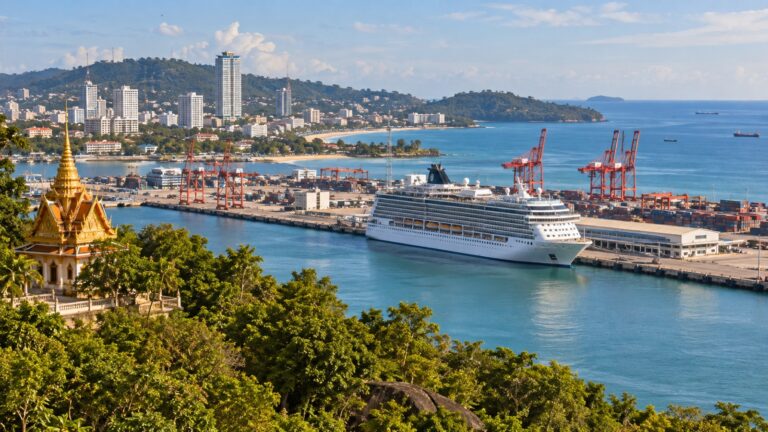
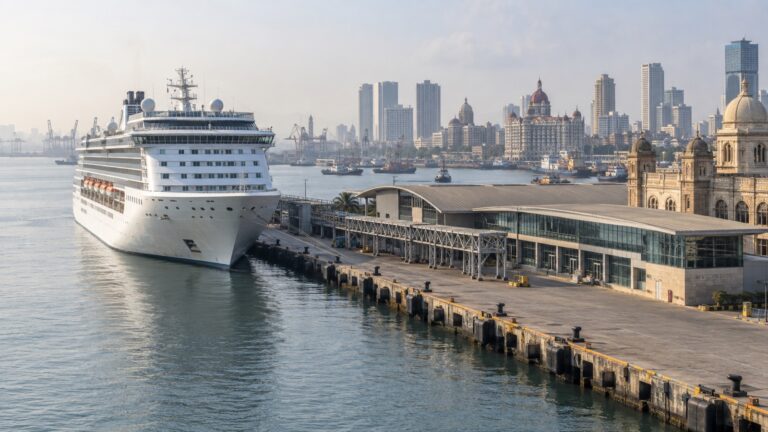
Xiamen Cruise Port: Dongdu Terminal, Gulangyu and City
Xiamen gives cruise travelers an appealing choice between a UNESCO-listed island and a compact mainland city route. The difficult part is not finding something worthwhile, but coordinating immigration, secure-terminal transport, ferry tickets, digital payments, and the return clock.
Choose Gulangyu only when the visitor-ferry process is genuinely confirmed. Otherwise, Nanputuo Temple, Shapowei, and Zhongshan Road create a flexible day without adding a second passenger terminal.
Quick facts about Xiamen cruise port
- Arrival: Ships berth alongside at Xiamen International Cruise Center
- Port area: Dongdu in Huli District
- Town access: Taxi, shuttle, tour, or researched public transport
- Best first visit: Gulangyu with a confirmed ferry ticket
- Best mainland route: Nanputuo, Shapowei, and Zhongshan Road
- Currency: Chinese yuan renminbi
- Language: Mandarin, with Minnan also spoken locally
- Main risks: Entry rules, ferry capacity, typhoons, and terminal re-entry
- Return rule: Allow for both city transport and port processing
Where your ship docks
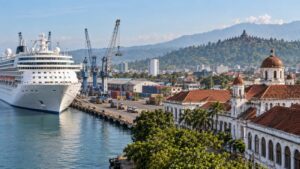
International cruise ships use Xiamen International Cruise Center in the Dongdu area. The complex has multiple berths and passenger buildings, so a terminal name from another sailing should not become your automatic return destination.
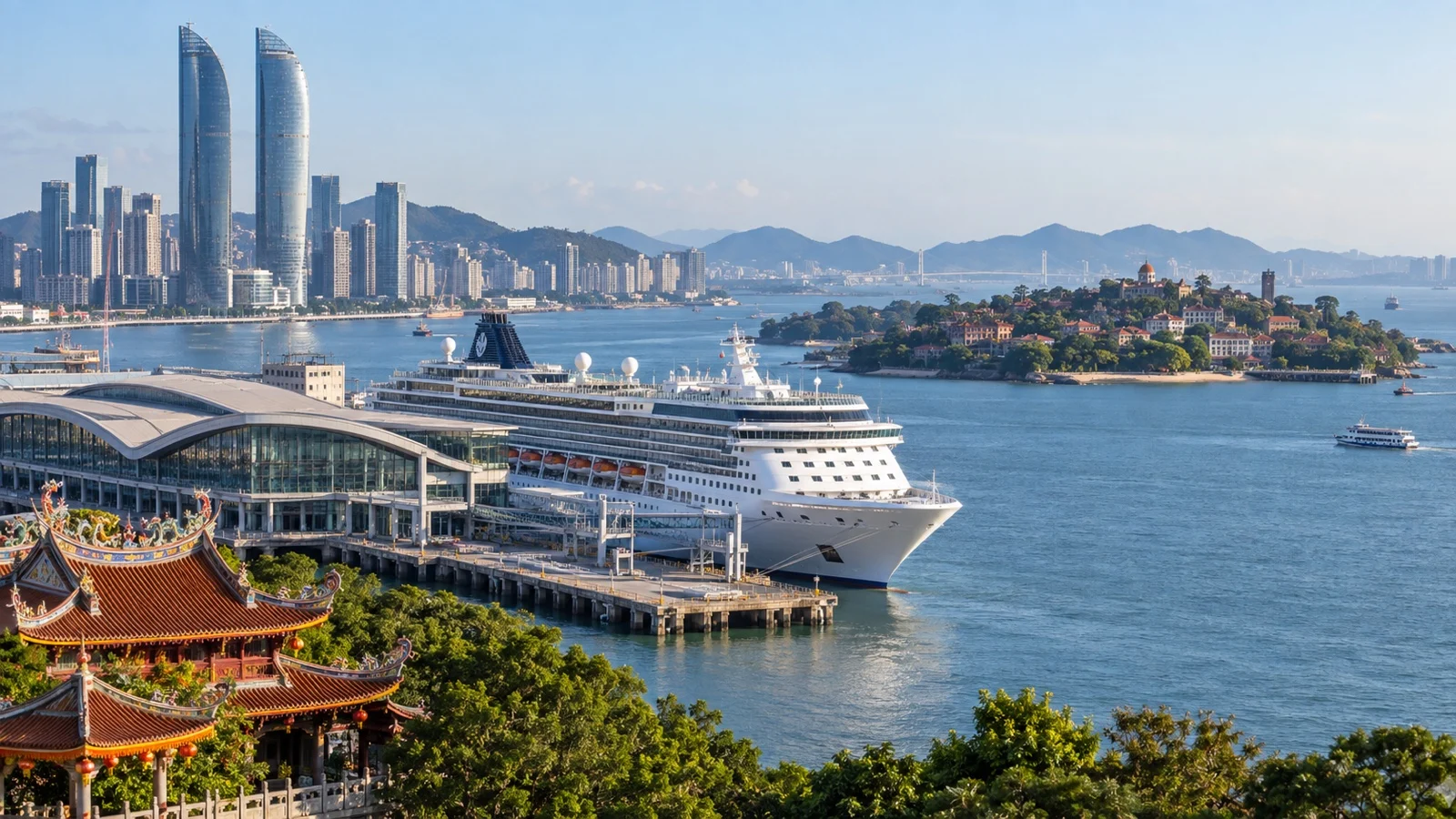
Xiamen opened a newer passenger terminal in 2025, but the port still assigns the operating building and berth for each call. Photograph the terminal name, Chinese address, gate, and re-entry instructions after you clear formalities.
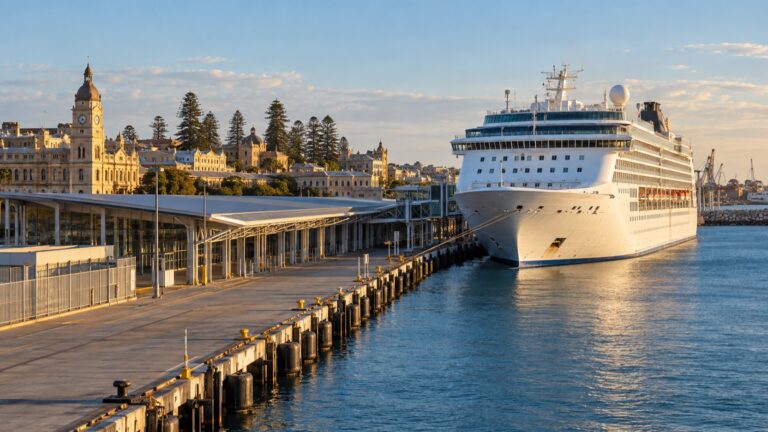
This is an alongside port, not a routine tender call. The ship still controls disembarkation because immigration, customs, and local authorities must complete clearance before passengers leave.
China entry permission comes first
Visa requirements and exemptions depend on nationality, passport, itinerary, how the ship enters and leaves China, and whether a registered group arrangement is used. A passenger’s experience on another cruise cannot confirm your permission to go ashore.
China has published a cruise-tour group policy that includes Xiamen, but it carries agency, group, route, and same-ship conditions. Other nationality-based exemptions or transit programs are separate and can have different boundaries.
Ask the cruise line to identify the exact entry basis for your sailing and verify it through the National Immigration Administration or an official consular source. Do not separate from an organized group unless the authorized operator clearly confirms that independent movement is permitted.
Follow onboard instructions about passports, landing documents, arrival cards, tour stickers, and meeting points. Keep every document secure and use the identical passport details for any ferry or attraction booking.
Getting from Dongdu into Xiamen
The terminal is several miles from Zhongshan Road and the older waterfront, so it is not a step-off-and-stroll arrival. A taxi, ship shuttle, organized tour, or properly researched public-transport connection begins the day.
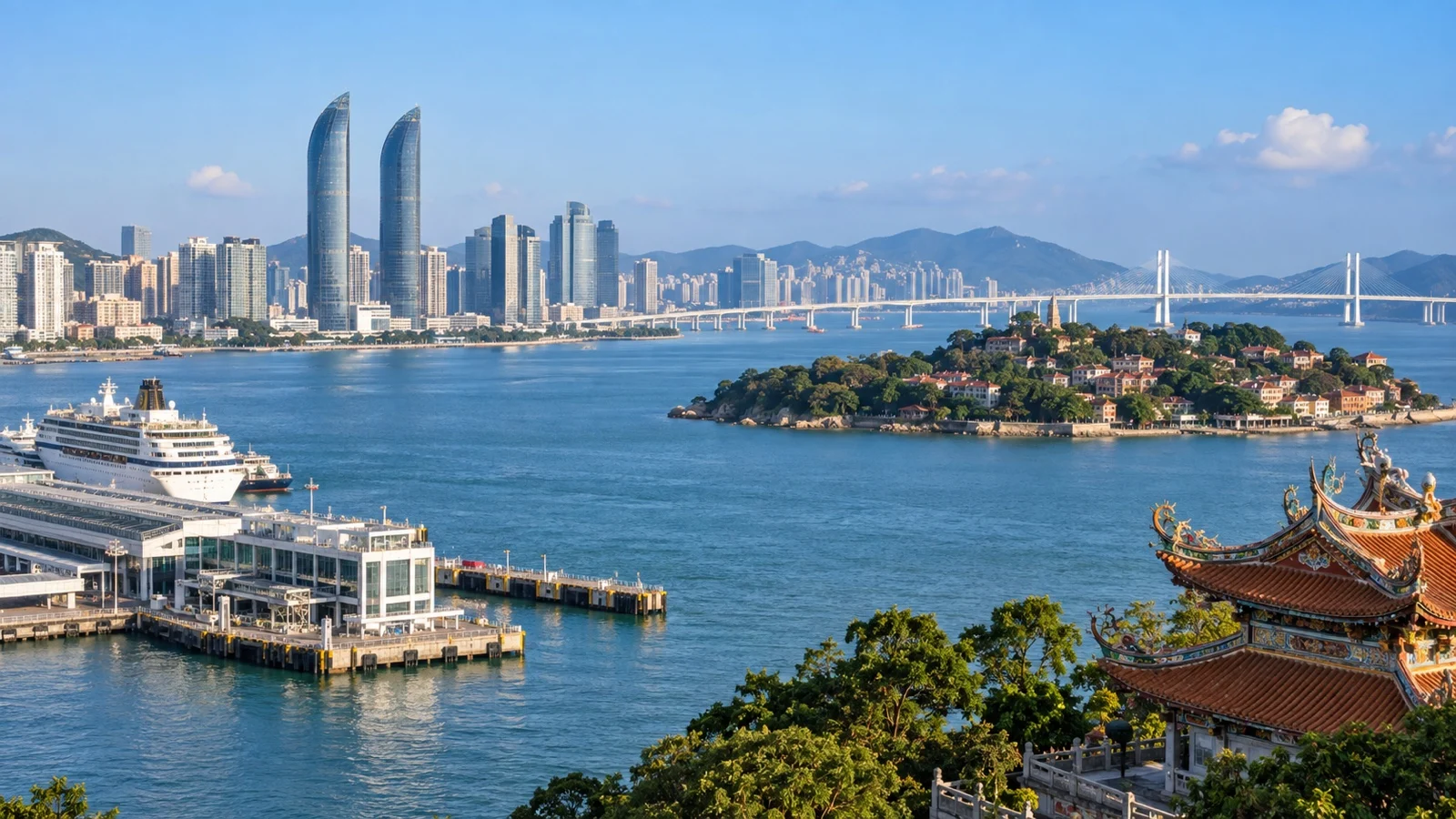
Taxis and app-dispatched cars are simplest when the passenger exit permits pickup. Show destinations in Simplified Chinese and confirm that the driver understands the exact cruise-terminal gate needed on return.
A ship shuttle may run to a central point, but route, price, accessibility, and final departure are call-specific. Public transport can reduce cost, although port boundaries, walking distance, language, and transfers need checking after arrival.
Gulangyu is close but not automatic
Gulangyu, listed by UNESCO as Kulangsu, is a car-free heritage island off Xiamen’s historic waterfront. Its architecture blends southern Fujian, Southeast Asian, European, and Amoy Deco influences in a dense landscape of lanes, gardens, and villas.
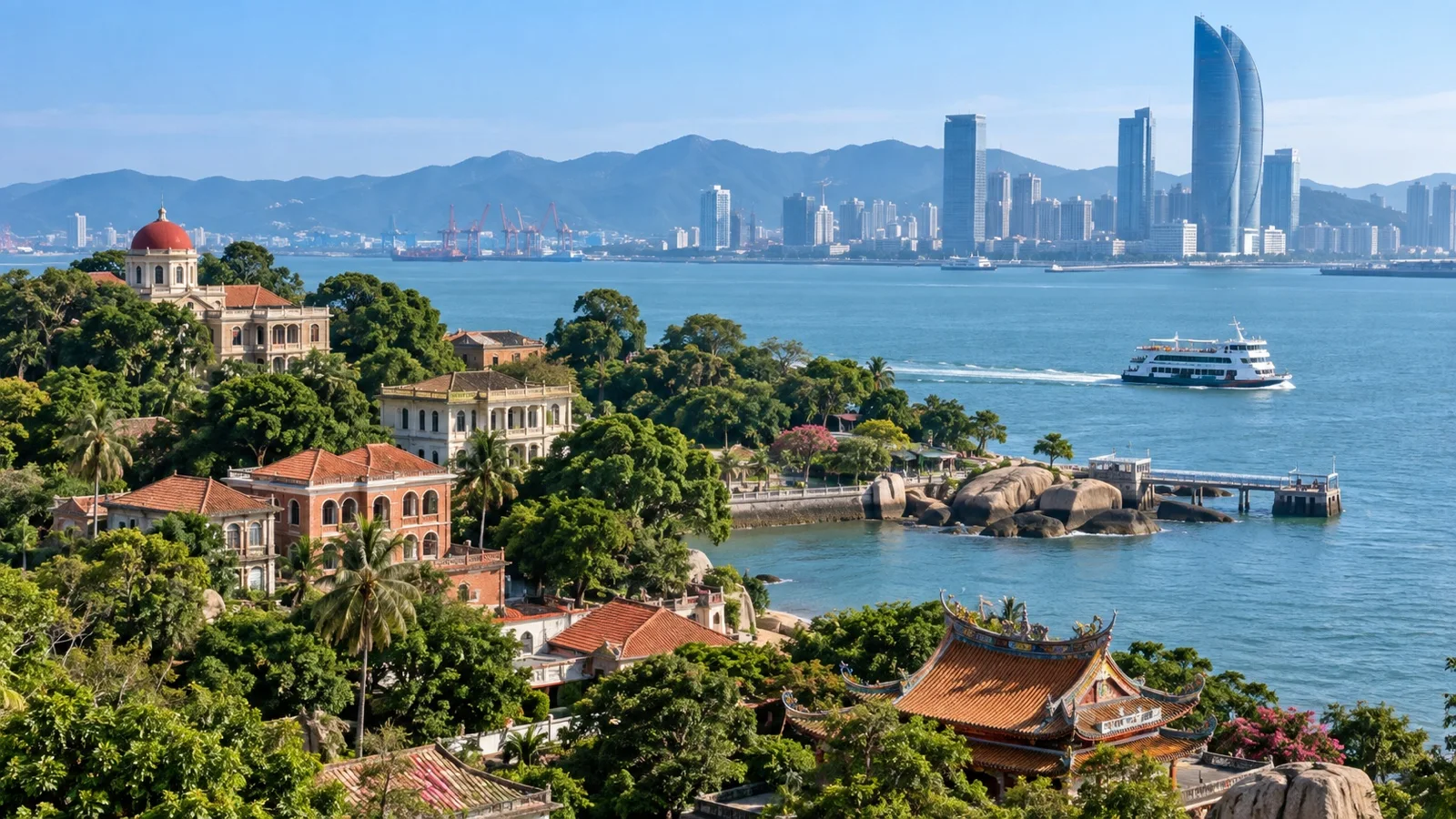
The cruise center area also handles tourist ferries, which makes the island geographically convenient but not a direct gangway transfer. Cruise passengers must clear the ship, reach the correct public-ferry departure, hold a valid ticket, present accepted identification, and pass ferry checks.
Visitor-ferry capacity is controlled and popular departures can sell out. Confirm the foreign-passenger booking procedure, passport format, departure pier, arrival pier, and return conditions before building the whole day around the crossing.
If the ticket is not confirmed, use the mainland city route. Waiting at a sold-out ferry gate is not a workable shore excursion.
Walking Gulangyu
The island rewards unhurried walking through historic lanes rather than a race between ticket gates. Car-free does not mean flat, because stone paving, slopes, steps, crowds, and summer heat shape every route.
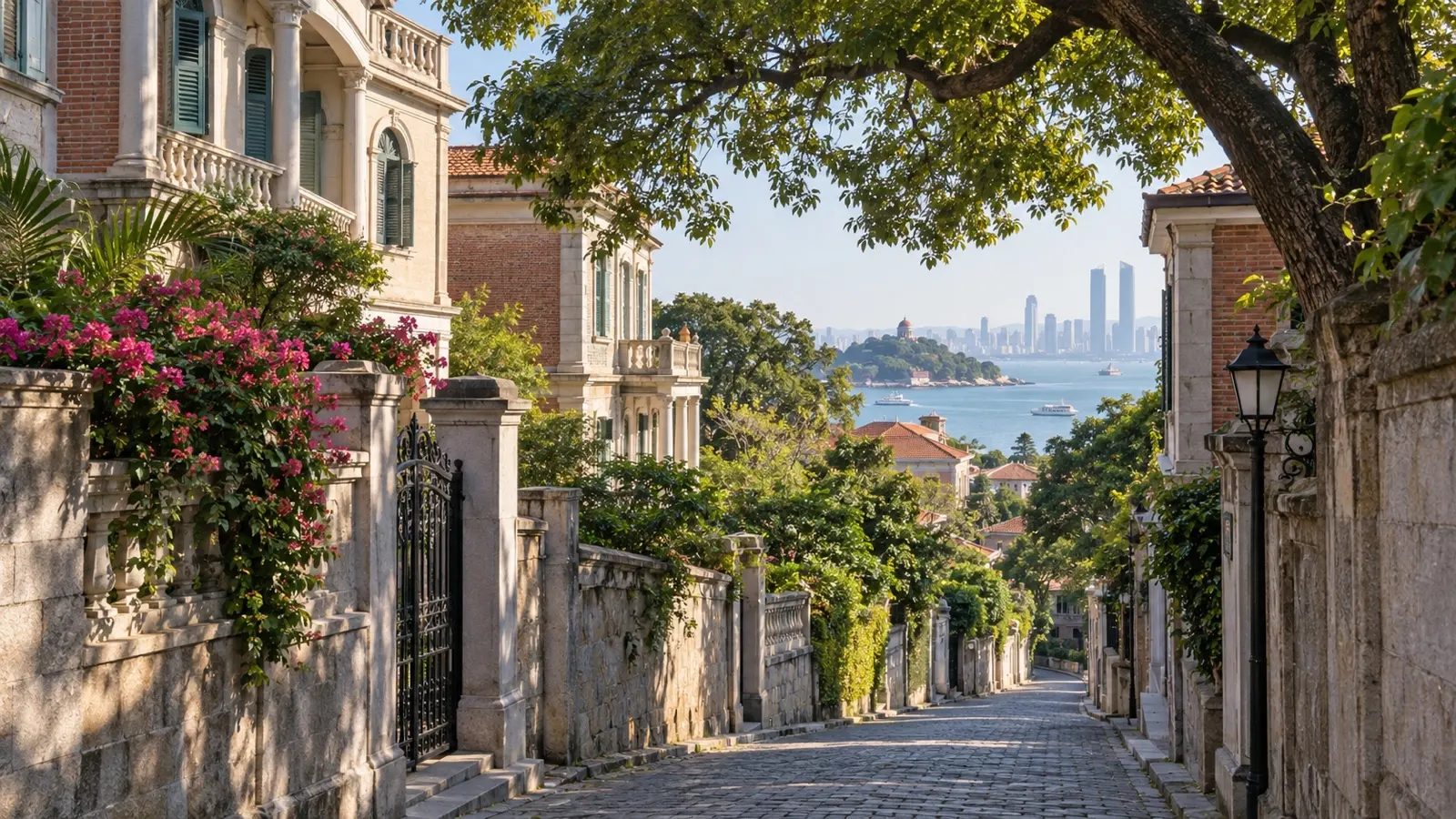
Sunlight Rock offers a famous high viewpoint but requires stairs that can become crowded and slippery. Shuzhuang Garden and the Piano Museum provide a gentler cultural focus, subject to current hours and admission rules.
Choose one paid attraction plus a lane walk and lunch. Leave time to find the correct return pier and board an earlier ferry with at least one viable backup.
Nanputuo Temple
Nanputuo is an active Buddhist temple complex near Xiamen University with halls, courtyards, ponds, and a hillside behind it. Entry arrangements and access around the university area can change, so use the official gate and follow posted instructions.
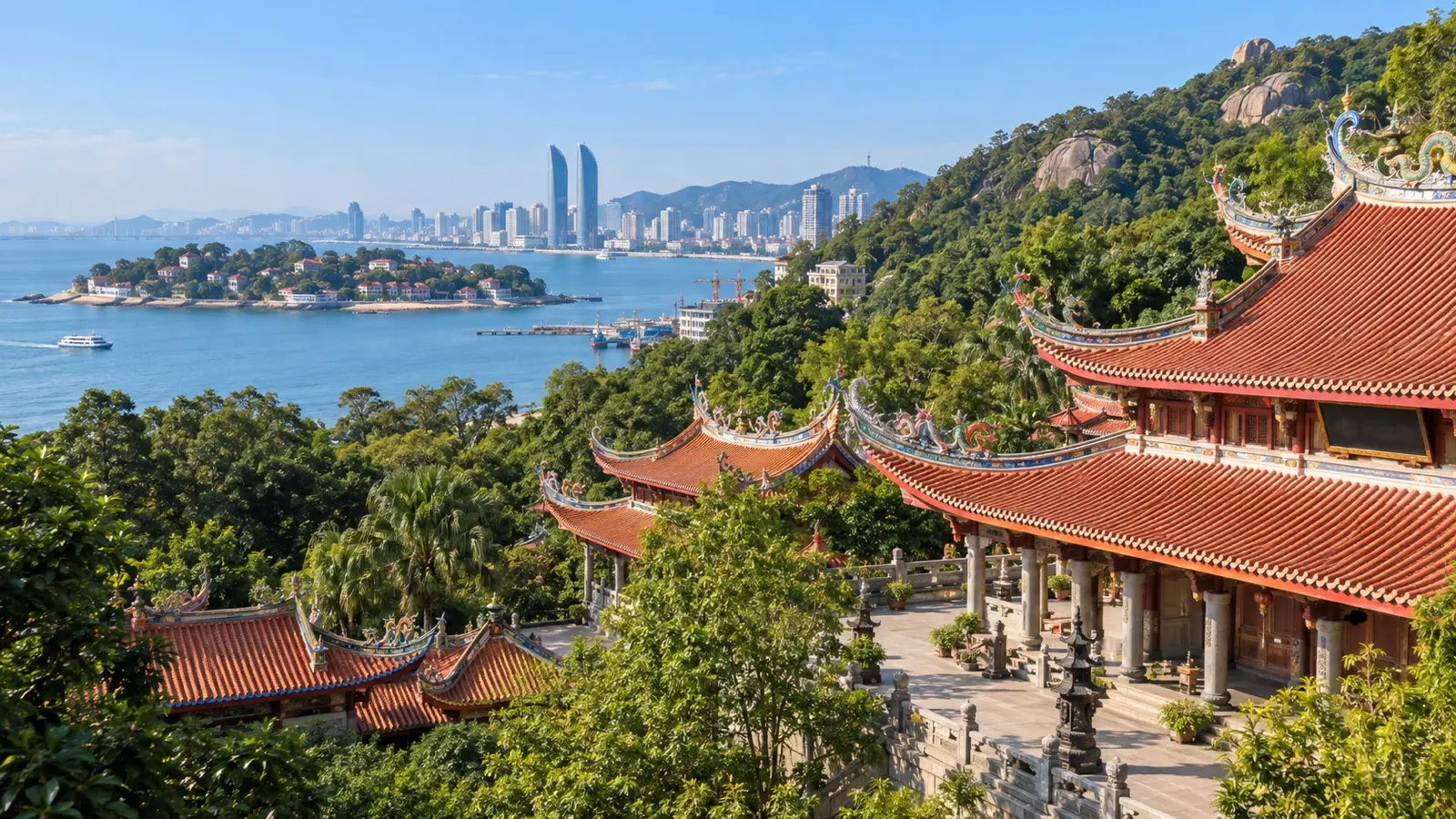
Dress respectfully, keep voices low, and do not block worshippers for photographs. The upper paths add steps, heat, and time, making them optional for a short cruise visit.
Shapowei and Zhongshan Road
Shapowei combines a former shelter harbor with cafes, creative businesses, and urban waterfront character. It pairs naturally with Nanputuo and keeps the route on the southwest side of Xiamen Island.
Zhongshan Road is a pedestrian shopping corridor known for arcaded buildings, stores, snacks, and access toward the old waterfront. It works well as the final flexible stop because you can shorten the browse when traffic or clearance has consumed time.
Do not plan to cross Xiamen University as a shortcut unless current visitor rules explicitly permit it. Campus access can require reservations or identification.
The Fujian tulou need a full day
The circular and rectangular earthen tulou of inland Fujian are extraordinary, but major clusters require several hours of driving from Xiamen. Travel time depends on the selected site, traffic, and road conditions.
This is a long-call ship excursion or protected specialist-tour choice, not a casual taxi ride. Ask which cluster is included, how much time is spent outside the coach, whether stairs are involved, and what delay protection exists.
A short or delayed call should remain in Xiamen, where Gulangyu or the mainland city provides substantial heritage with far less return risk. The words tulou tour can hide a day made mostly of highway.
Payments and digital preparation
Mobile payments dominate everyday transactions, while support for foreign bank cards and identity verification can change. Prepare a supported app before sailing, carry modest yuan, and keep a physical card as backup.
Familiar international apps and websites may not operate normally on mainland Chinese networks. Download maps, translations, tickets, addresses, and the ship’s contact information before arrival.
Keep destinations in Chinese characters and save screenshots of the terminal gate. A written address is more useful than relying on English pronunciation during a hurried taxi ride.
Accessibility in Xiamen and Gulangyu
The modern cruise terminal can still involve a sloped gangway, long processing distances, and coach steps. Ask the ship about wheelchair assistance from cabin to public exit and whether any shuttle has a lift.
Central Xiamen mixes accessible modern roads with older curbs, crowded crossings, and temple stairs. A prearranged accessible vehicle with exact drop points is more dependable than improvising with a large mobility device.
Gulangyu has slopes, stone paving, steps, and heavy pedestrian traffic with no ordinary private cars. Confirm ferry boarding, island transport, attraction entrances, and accessible restrooms before purchasing a nonrefundable ticket.
Weather and safety
Xiamen has hot humid summers, mild winters, heavy rain, and typhoon risk. Carry water, sun protection, breathable clothing, and a compact rain layer.
Typhoon warnings can close the cruise port, ferries, parks, and exposed waterfronts. Follow the ship and local authorities instead of assuming a visible nearby island remains safe to reach.
Use official taxis, keep valuables close in crowds, and cross only with signals where possible. Scooters and turning vehicles can approach from directions that surprise an unfamiliar pedestrian.
Three Xiamen days that fit
Gulangyu day
Use a confirmed visitor ferry, choose one side of the island, visit one main attraction, and return on an early sailing. Do not add a distant mainland stop.
Mainland city day
Travel to Nanputuo, continue through Shapowei, and finish around Zhongshan Road. This linear route avoids ferry capacity and stays adaptable.
Tulou day
Book a protected full-day excursion only on a long call and accept minimal time in Xiamen. Carry essential medication, water, and the ship’s contact details.
Build the return around two checkpoints
Passengers returning from Gulangyu face both the public ferry and cruise-terminal security or immigration. Choose a ferry with a backup rather than the last crossing that works on paper.
Mainland travelers must allow for traffic and finding the correct entrance within the large terminal complex. Reaching Dongdu is not the same as standing at the gangway.
Use ship time and follow any group-return condition tied to your entry status. The cruise line’s deadline always overrides a generic estimate.
Final thoughts
Xiamen works beautifully when one complicated thing becomes the star: Gulangyu, a mainland city circuit, or the long tulou excursion. Solve entry and transport first, then give the chosen route enough time to breathe.
CruisePorts.co provides practical, independent planning guidance for cruise travelers. Entry rules, berths, ferry tickets, shuttles, payments, and weather can change, so verify critical details with official sources and your cruise line before travel.