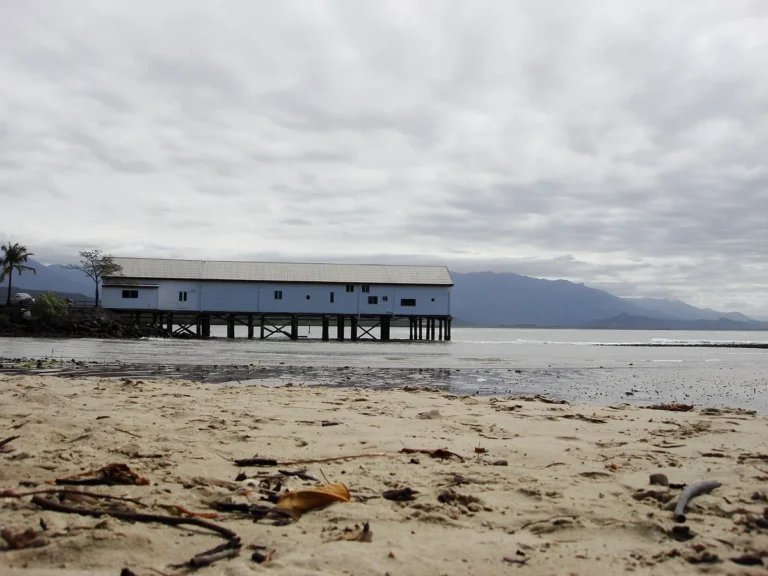
Aitutaki Cruise Port: Cook Islands Lagoon Day Guide
Aitutaki is a lagoon destination first and a port second. Cruise ships remain outside the reef while tenders or local boats negotiate the protected water, so your best day depends on sea conditions, the landing arrangement, and a lagoon operator who understands the ship’s schedule.
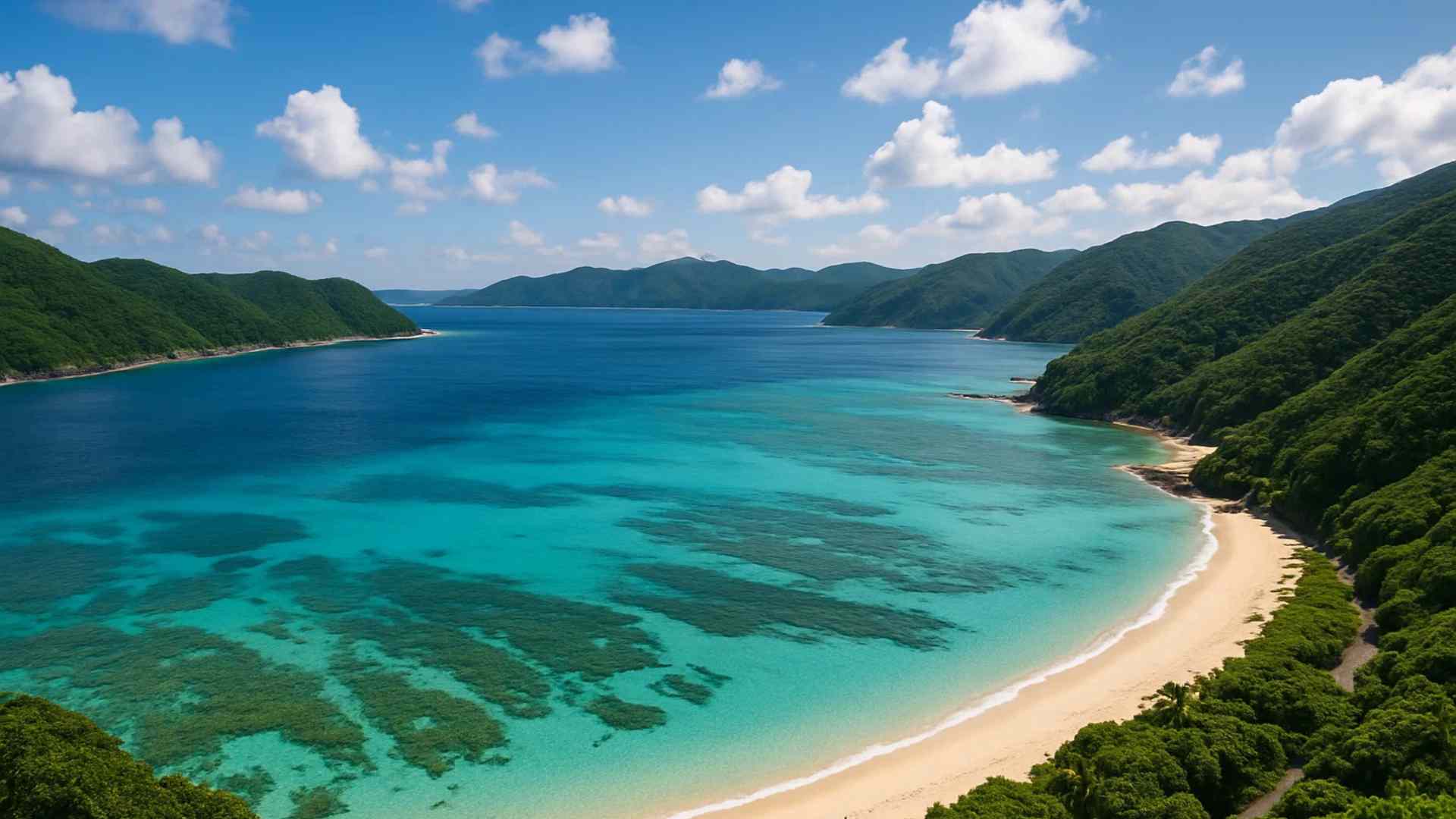
The reward is extraordinary: pale sand, turquoise shallows, coral heads, tiny motu, and a low green main island surrounded by luminous water. Choose one well-coordinated lagoon trip or a relaxed island circuit, then leave enough margin for the final tender.
Quick Facts
- Country: Cook Islands
- Island group: Southern Cook Islands
- Cruise style: Anchorage and tender or local-boat transfer
- Main settlement: Arutanga
- Currency: New Zealand dollar, with Cook Islands currency circulating locally
- Driving side: Left
- Signature experience: Aitutaki Lagoon and its motu
- Main planning risk: Tender conditions and an independently booked boat returning too late
- Best planning rule: Coordinate the lagoon trip directly with the ship’s landing and final tender
How cruise calls work
Aitutaki has no large cruise terminal where an ocean ship ties up beside a row of coaches. The reef, channel, harbor, weather, swell, and vessel size shape how passengers reach shore.
Your cruise line’s daily instructions are the authority for tender tickets, boat transfers, landing point, and final return. Do not reserve transport from a map pin before you know where the ship’s operation will place you.
Tender conditions
Wind and ocean swell outside the reef can cancel a call even when the lagoon looks calm. The captain may also pause tendering if the transfer becomes unsafe.
Listen for announcements and take motion medication according to your clinician’s advice before the boat ride if needed. Wear secure footwear and keep both hands available during boarding.
Timing the final boat
Independent lagoon operators must know that you are visiting from a cruise ship and must return for a specific tender. Agree on the meeting point and a conservative shore-return time in writing.
A tour that returns exactly at final tender has no useful margin for engine trouble, weather, or a changed landing. Earlier is safer and still leaves time for a short walk near the wharf.
Aitutaki Lagoon
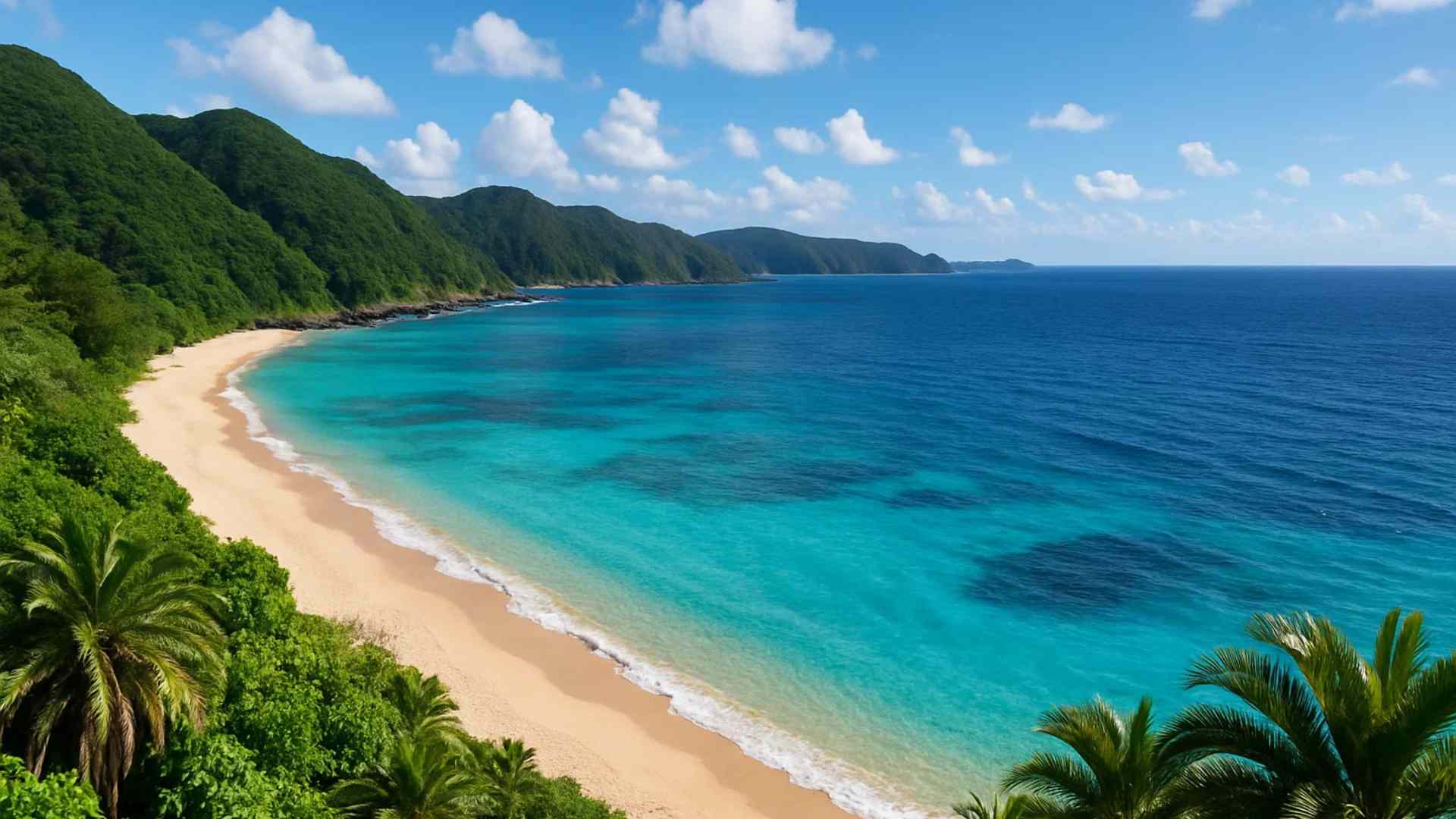
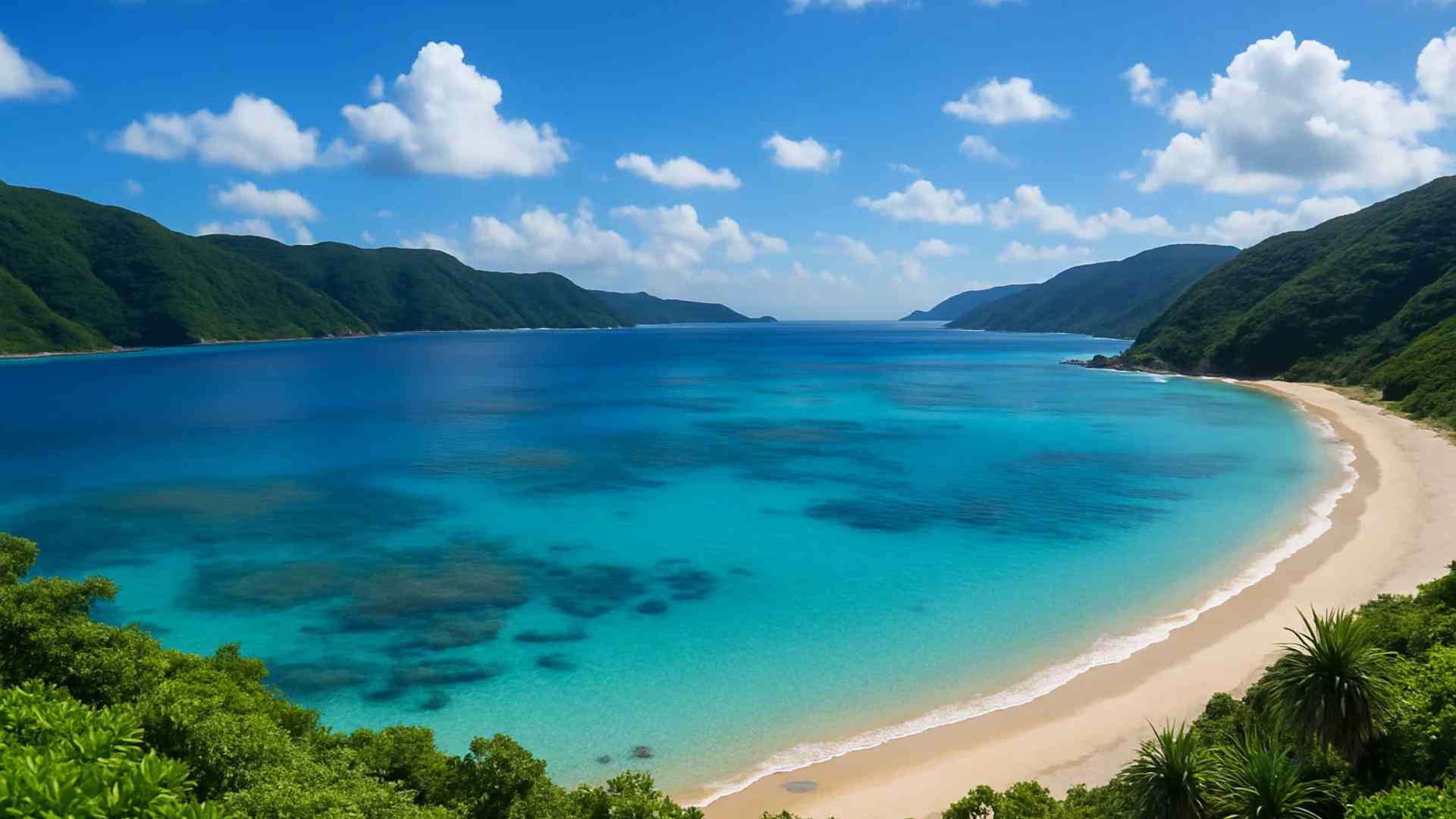
The lagoon fills most of the island’s triangular reef system and contains broad shallows, deeper channels, coral areas, and small islets known as motu. Its colors change with sun, cloud, depth, tide, and the white sand below.
A lagoon cruise is the clearest first-choice excursion because it reveals the landscape that makes Aitutaki famous. The exact route depends on tide, wind, water clarity, passenger ability, and local access.
Choosing an operator
Ask about vessel size, shade, restroom, life jackets, ladder type, snorkeling supervision, meal, dietary needs, motu permissions, and cruise-ship timing. A smaller boat may offer flexibility, while a larger boat may provide more shade and easier movement.
Confirm whether the operator collects passengers at the cruise landing or from a separate departure point. A lagoon ticket without the connecting transfer may not work on a short call.
Private or shared cruise
A shared cruise is social and often includes several standard stops, but boarding and snorkeling take longer with a larger group. A private charter can adjust pace and mobility needs, though the operator must still respect access rules and safe routes.
Choose based on the whole party rather than the most adventurous swimmer. The lagoon is most enjoyable when nobody feels hurried into the water.
One Foot Island
One Foot Island is the best-known motu visit, with pale sand, shallow water, and expansive lagoon views. Many tours include time ashore, but the stop and duration depend on the operator and current conditions.
Walk only where access is permitted and keep clear of nesting wildlife or private areas. Carry out every item you bring and avoid removing shells, coral, or sand.
The souvenir stamp question
One Foot Island is associated with souvenir postal and passport-style stamps. Do not place unofficial novelty marks in a government passport because some border authorities may treat them as damage or alteration.
Use a postcard, notebook, or separate souvenir page instead. Your passport should remain secure and dry unless an authorized official requires it.
Snorkeling and giant clams
Lagoon cruises may stop near coral gardens, fish habitat, or giant clams where conditions permit. Water depth, current, visibility, and entry method vary from one site to another.
Use the life jacket or flotation aid provided if the guide requires it, even if you swim well. Tell the crew about limited experience before entering rather than after you are in deeper water.
Protect the lagoon
Never stand on living coral, touch giant clams, feed fish, or chase wildlife for a photograph. Keep fins high over shallow reef and follow every rā’ui or locally protected-area restriction.
Use sun protection that minimizes harm to marine life and wear a rash guard to reduce the amount needed. Secure loose plastic and collect any litter you find without disturbing habitat.
Motu stops beyond One Foot Island
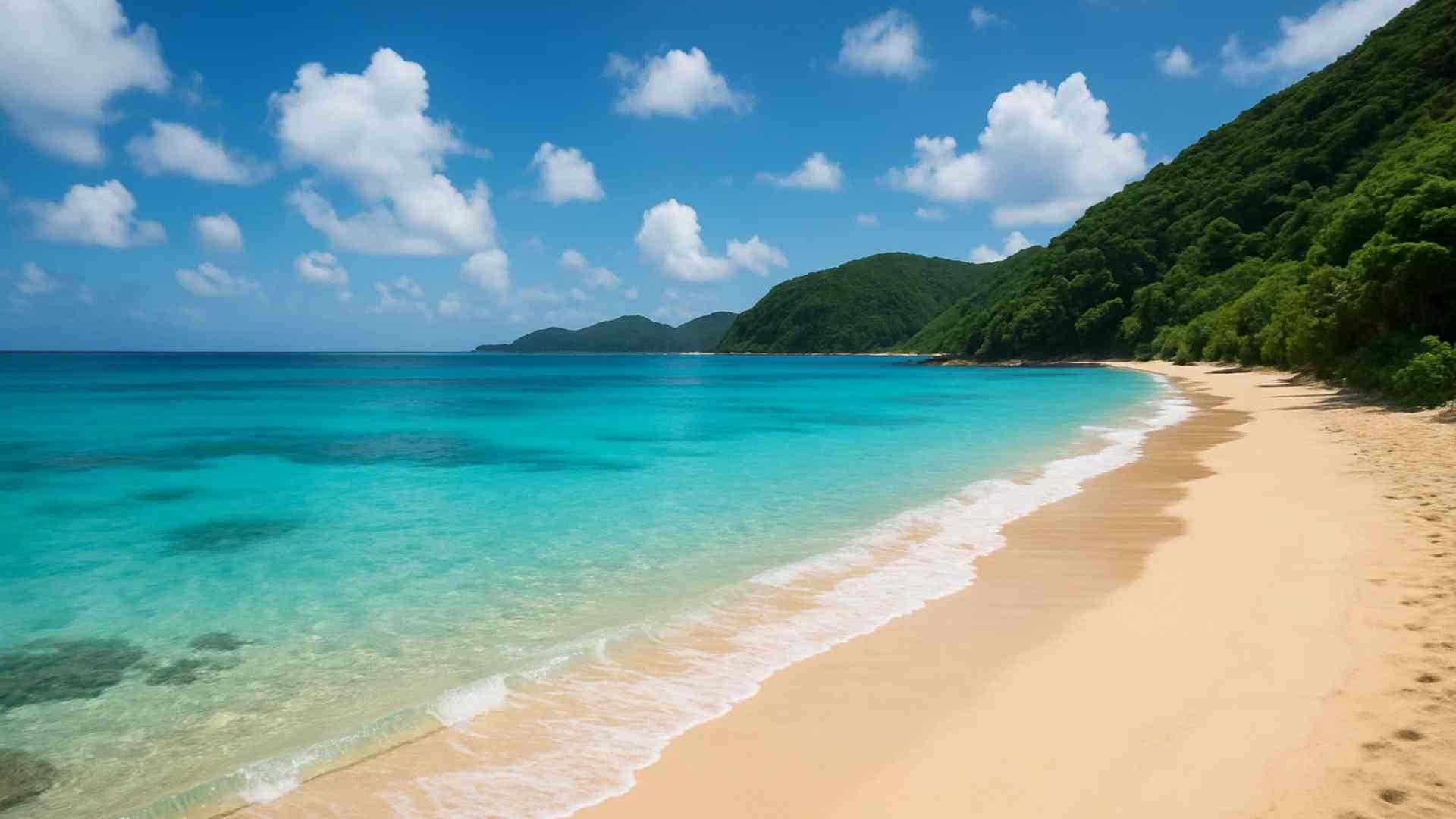
Operators may include Akaiami, Maina, Honeymoon Island, or another motu depending on weather and permissions. Names in a brochure are not a guarantee that every landing will occur.
Some sites are known for beaches, birdlife, snorkeling, or cultural history rather than facilities. Ask whether there is shade, a restroom, seating, and a dry place for belongings.
Arutanga
Arutanga is Aitutaki’s main village and administrative center, with a harbor, church, shops, and everyday island life. It is modest rather than built as a cruise resort, which is part of its appeal.
A short village walk suits travelers who skip the lagoon or have time after an early tour. Dress respectfully, ask before photographing people, and avoid blocking entrances or community activity.
Cook Islands Christian Church
The historic church is an important community landmark and may be active during your visit. Access depends on services, events, and local arrangements rather than a guaranteed tourist schedule.
Cover swimwear, remove hats if appropriate, and keep voices low. On Sunday, worship and family life take priority over sightseeing.
Maungapu lookout
Maungapu is the island’s highest point and offers broad views across the main island and lagoon. The approach and final path involve heat, slope, uneven ground, and limited shade.
Use a local guide or current directions and carry water. Cloud can soften the view, while wet ground can make the route slippery.
When it fits
The lookout works best as part of a land tour rather than something attempted between lagoon boats. Confirm the pickup, route, and turnaround before beginning.
Travelers with limited mobility can ask a driver for accessible lower viewpoints. Do not assume the final walking section suits everyone in the vehicle.
Island tours and cultural stops
A guided island circuit can include villages, coastal viewpoints, garden areas, churches, wartime history, and local food. The value comes from conversation and context rather than covering a long distance.
Ask whether a cultural visit is led by and benefits the local community. Respect restrictions around sacred places, private land, and stories that are not presented for casual photography.
Punarei cultural experience
Punarei and other cultural programs may offer insight into settlement, food, custom, and island history when operating. These experiences normally require advance coordination and should not be assumed available for every cruise call.
Confirm duration, transport, physical activity, and whether food is included. Tell the host about allergies well before arrival.
Getting around the main island
Options may include taxis, prearranged vans, rental cars, bicycles, and scooters. Supply is limited compared with a large resort destination, so a vehicle may not be waiting simply because a ship has arrived.
Reserve reliable transport ahead and confirm the cruise landing. If renting, ask the police or licensed operator about current driver-license, helmet, and vehicle-class requirements.
Scooter caution
The Cook Islands drive on the left, and roads can include loose gravel, dogs, pedestrians, narrow edges, and sudden rain. A short port call is not a good reason to ride without the correct license, insurance, helmet, and experience.
A taxi or guided van removes the risk of learning unfamiliar roads under a ship deadline. It also allows every traveler to enjoy the lagoon views.
Three realistic port-day plans
Classic lagoon day
Book a ship excursion or cruise-coordinated local lagoon operator with snorkeling, lunch, and a motu stop. Return ashore early enough to absorb a tender queue or landing change.
Easy island day
Use a prearranged driver for Arutanga, a church exterior, coastal viewpoints, and one cultural or food stop. Keep the route flexible and avoid committing to a remote beach pickup at the end.
Short or disrupted call
Stay close to the landing, walk part of Arutanga, and choose a local café or craft stop if open. Do not improvise a long lagoon charter after tender delays have already shortened the day.
Accessibility
Tender transfer is the first and largest accessibility question. Ask the cruise line about steps, lifting policies, mobility devices, boat movement, and the exact landing before assuming you can go ashore.
Lagoon boats vary in boarding height, shade, seating, restroom, ladder design, and beach-landing method. Request detailed measurements and assistance information directly from the operator.
A private island drive may work better for travelers who cannot transfer into a small boat. Confirm vehicle access, restroom stops, and surfaces at every planned viewpoint.
Weather and what to bring
Aitutaki is tropical, with intense sun, sudden showers, wind, and a warmer cyclone season. Conditions outside the reef can differ from the protected lagoon and may determine whether the ship tenders at all.
Carry sun protection, drinking water, insect repellent, a light rain layer, and a dry bag. Wear reef-safe water shoes where guides permit them and secure hats on moving boats.
Money, food, and practical details
New Zealand dollars are widely used, while Cook Islands notes and coins circulate locally but may not be exchangeable abroad. Spend local currency before departure and carry cash because card service can fail or be unavailable.
Lagoon lunches may feature grilled fish, fruit, salads, root crops, and coconut. Confirm allergens, vegetarian options, drinking water, and food-storage arrangements before booking.
Sunday can be quieter, with worship and family time shaping business hours. Confirm what will operate rather than expecting the same schedule as a weekday call.
Common planning mistakes
The biggest mistake is booking an independent lagoon trip that ignores the ship’s tender operation. The second is choosing a boat based only on photographs without asking about shade, life jackets, ladders, and return timing.
Travelers also place novelty stamps in official passports or assume every motu is open for landing. Protect your documents and follow local permissions every time.
Final verdict
Aitutaki is one of the world’s great lagoon cruise calls, but nature controls the timetable. A well-run lagoon excursion delivers the island’s essential experience, while a local land tour provides a graceful backup when boating does not suit your party.
Coordinate every boat with the ship, respect the reef and motu, and return early. The day needs very little beyond turquoise water, local knowledge, and enough time to enjoy both.
Verify current details with Cook Islands Tourism, the Cook Islands Meteorological Service, and your cruise line’s tender instructions before finalizing the day. Anchorage, landing point, tender operations, lagoon routes, motu access, marine conditions, transport, and business hours can change, so confirm every time-sensitive detail for your sailing date.