Skip to Content

Abashiri Cruise Port Guide: Drift Ice Cruises, Museums & Top Things to Do

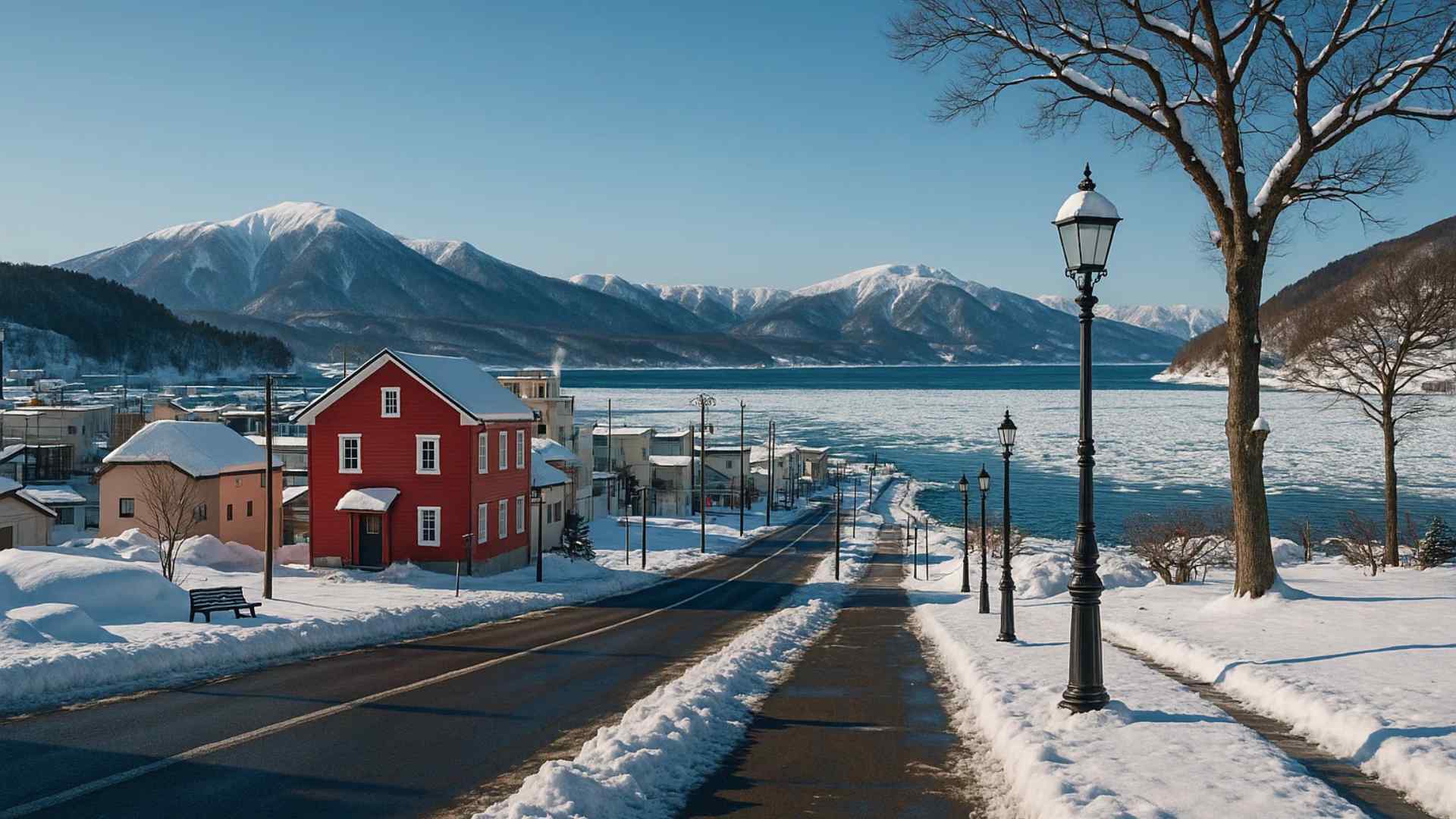
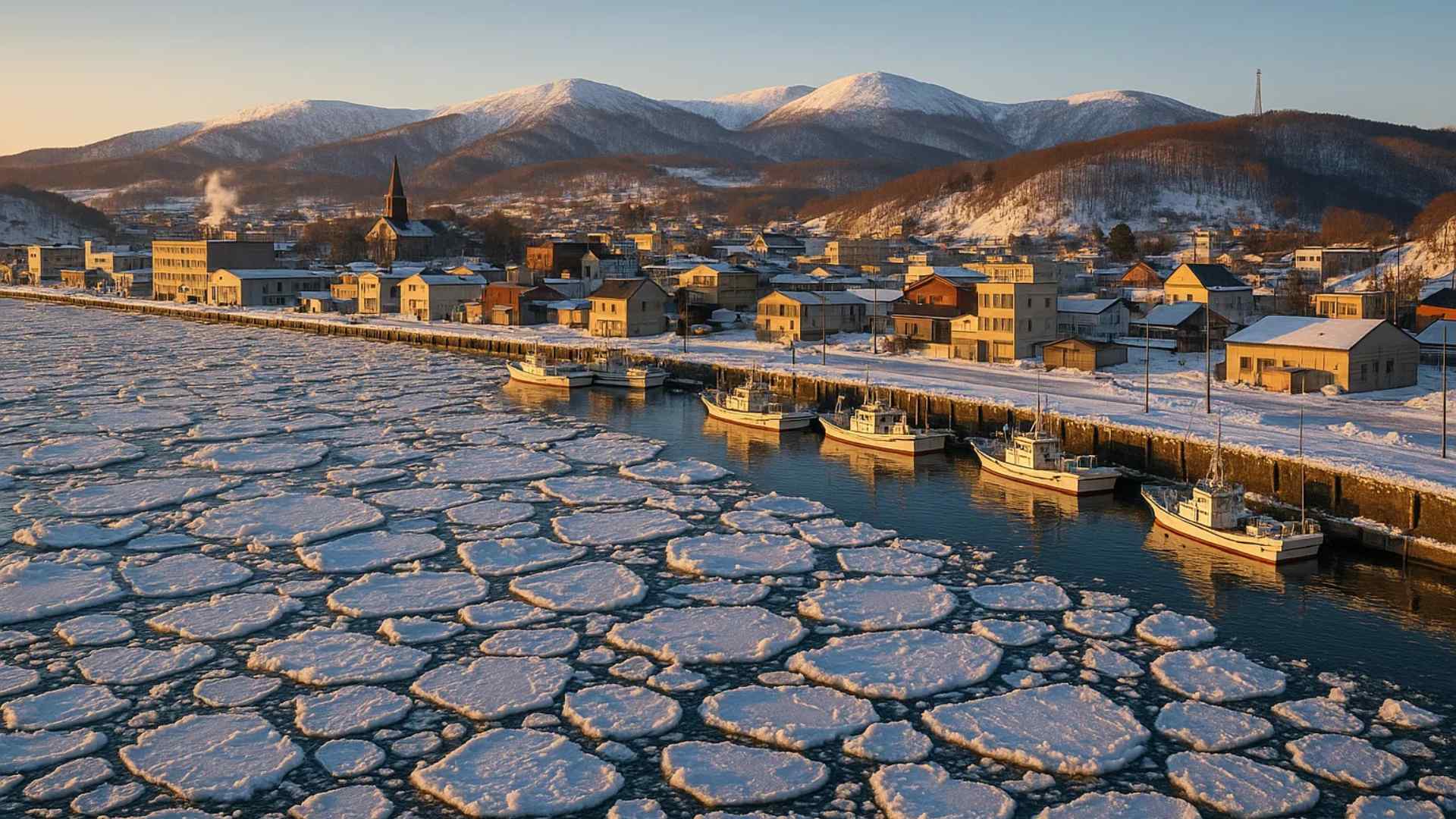
Small city, big horizons, Abashiri is Hokkaido’s Okhotsk gateway where winter drift-ice dazzles and summer capes, lakes, and flowers shine.

This logistics-first guide shows you exactly how to get from ship to sights, what’s doable in a day, and the smartest routes for families, photographers, and adventurers alike.


Quick Snapshot

Where you’ll dock/tender:
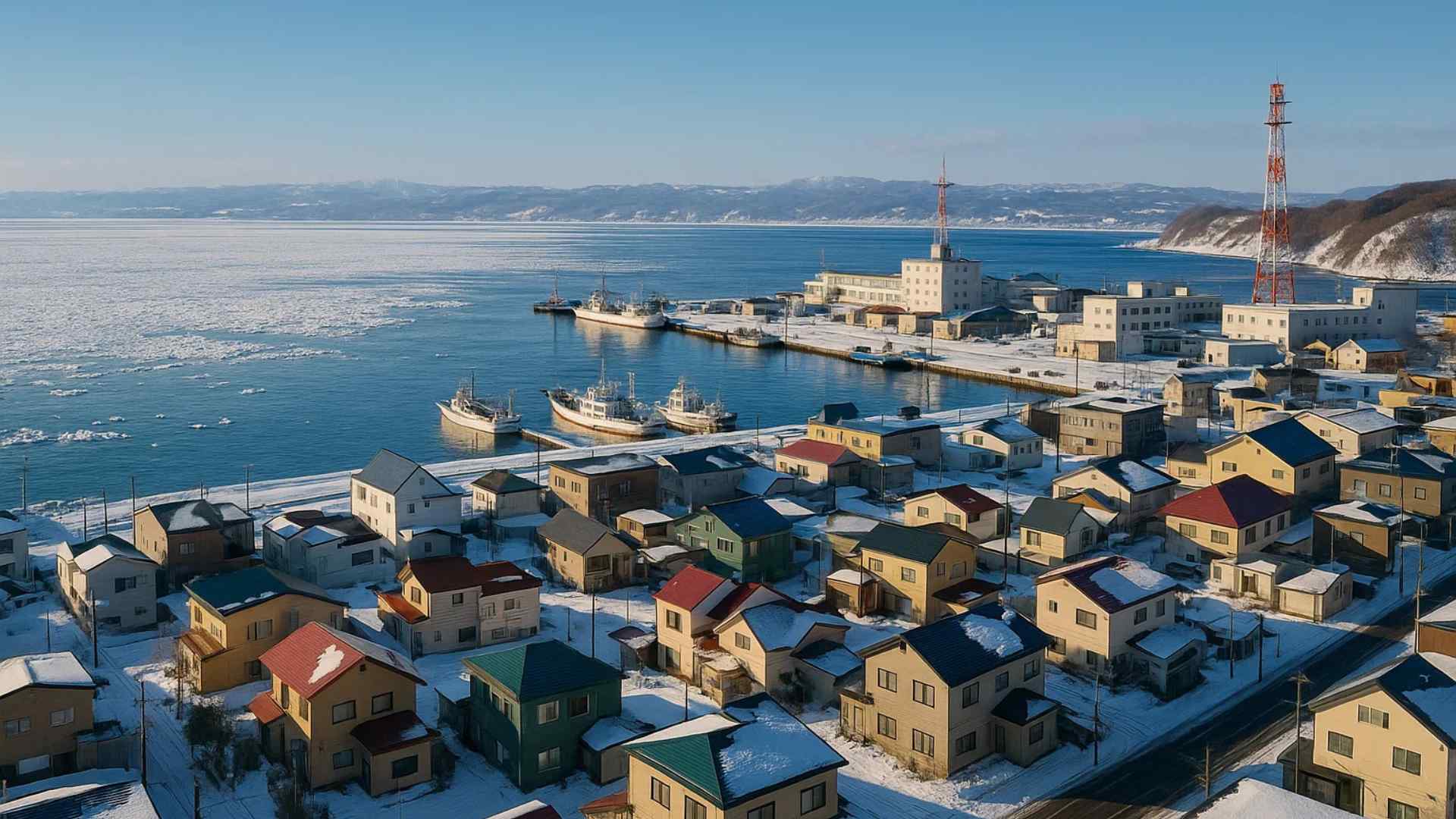
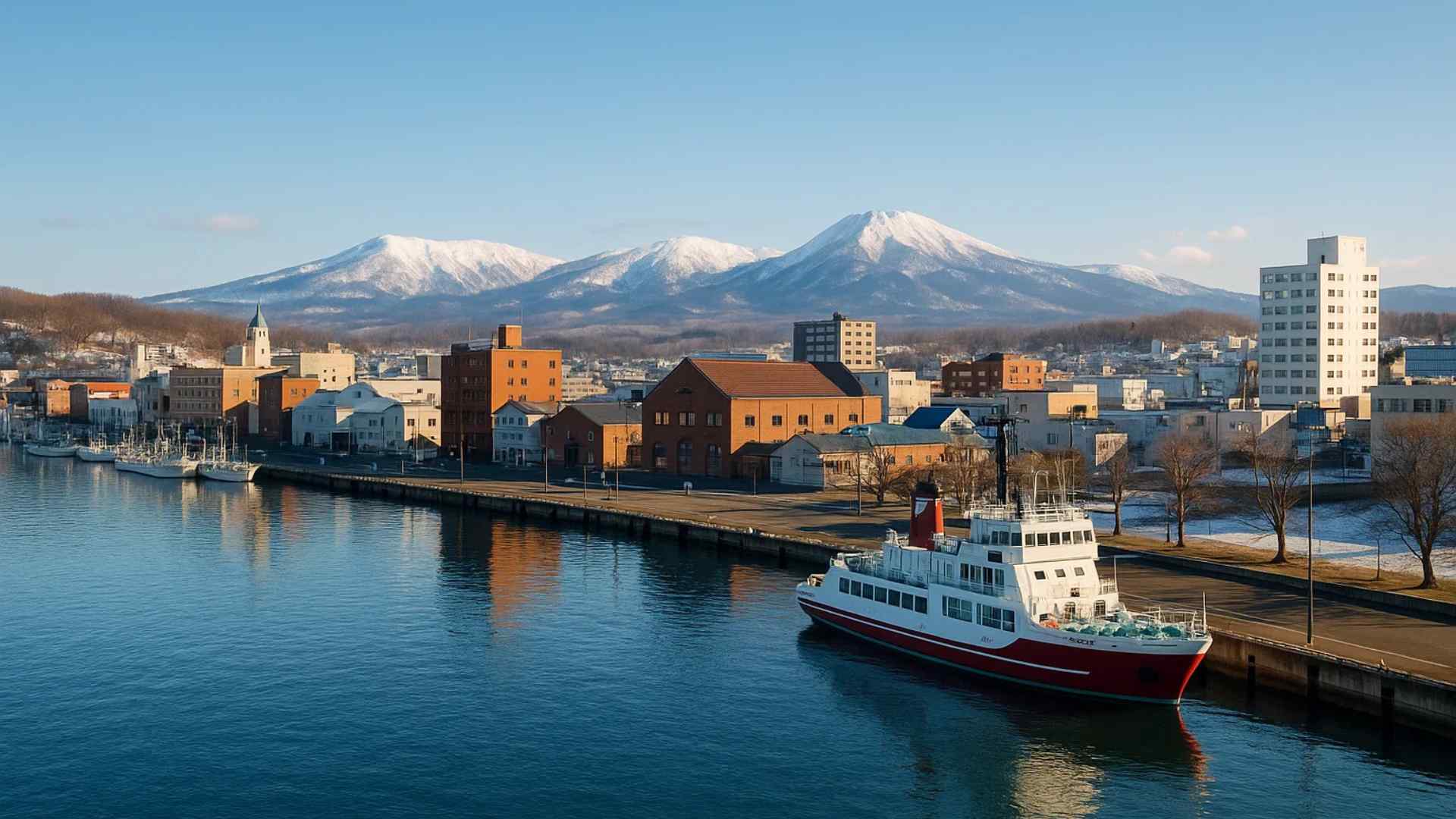
Cruise ships typically dock at Abashiri Port (working pier in the Minatomachi area).

It’s about 10 minutes by vehicle to Abashiri Station/Bus Terminal and central services. Tendering is uncommon.

Shuttle situation:
On many call days, cruise lines operate a shuttle to Abashiri Station/Bus Terminal and/or the waterfront Roadside Station (Ryuhyo Kaido Abashiri).

Expect 10–15 minutes each way and departures every 15–30 minutes during peaks. Vehicles are usually coach-style; accessible low-floor buses appear occasionally.

Vibe:
Quiet fishing city with wide skies, clean air, and big nature on the doorstep—drift-ice and eagles in winter; capes, lakes, and flower fields in summer.

Top headliners:
Icebreaker “Aurora” drift-ice cruise (winter) • Abashiri Prison Museum • Okhotsk Ryuhyo Museum & Mount Tento Observatory • Hokkaido Museum of Northern Peoples • Cape Notoro • Lake Notoro’s red glasswort flats (early autumn).

Abashiri cruise port

Port Logistics: Dock, Tender, and Shuttles

  • Berth & layout: You’ll step off at a commercial pier with bus/coach parking beside the ship. There’s no cruise terminal hall; expect a simple gangway area, temporary tents, and port security fencing.
  • Distance to town: ~3–4 km to Abashiri Station/Bus Terminal (about 10 minutes by shuttle/taxi in light traffic). Many services and onward transport radiate from the station area.
  • Tender notes: Rare. If tendering is announced due to weather/berth use, lines distribute timed tender tickets; ship tours board first, then independent guests.
  • Shuttle drop points (typical):
    • Abashiri Station/Bus Terminal: hub for local buses, taxis, coin lockers, convenience stores, and JR trains.
    • Roadside Station “Ryuhyo Kaido Abashiri” (Aurora Terminal in winter): waterfront visitor hub with tourist information, free Wi-Fi, coin lockers, souvenir shop, restrooms (including accessible stalls) and a café.
  • Facilities at/near the pier: Portable or basic restrooms may be set up on call days. For ATMs, Wi-Fi, lockers, and indoor seating, head to the Roadside Station or Abashiri Station.
  • Money & mobile: Cards are widely accepted at major museums and shops; cash is handy for city buses and small kiosks. 4G/5G is generally good in town; coverage can dip on exposed capes.
  • Language: Major museums have some English signage; bus stops and small shops may be Japanese-only. Staff are used to cruise days—pointing at a map works.

Getting Around Once Ashore

On foot

  • The waterfront promenade near the Roadside Station is flat and stroller-friendly.
  • The climb to Mount Tento is steep and not ideal on foot from town if you’re time-limited—use bus, taxi, or e-bike.

Local bus & sightseeing buses

  • Abashiri Bus runs town routes covering Mount Tento (for the Prison Museum, Ryuhyo Museum, and Northern Peoples Museum). A sightseeing loop sometimes operates in main seasons, linking hilltop attractions with the station.
  • On-demand “Doko Bus” may be available within zones inside the city, ordered via phone/app; it’s handy when headways on fixed routes are thin.
  • How to pay: Have small cash ready (coins/notes). Some vehicles accept QR mobile payments; IC transport cards are not consistently accepted—don’t rely on them.
  • Where to board: Abashiri Station/Bus Terminal is the simplest hub to start and ask for the correct stand.

Taxis / ride-hail

  • Taxis queue at Abashiri Station. For efficiency, ask for a 2–3-hour loop: Station → Northern Peoples Museum→ Prison Museum → Ryuhyo Museum & Mount Tento Observatory → Cape Notoro → return.
  • Drivers may not speak English; keep a list of place names (Japanese/English) ready on your phone.

Bikes & e-bikes

  • In late spring to early autumne-bikes and cross bikes are often available near the Roadside Station and some hotels. Helmets provided. E-assist is great for the steep hill to Mount Tento; always watch for wind gusts and local wildlife.

Rental car

  • Worth it if you want to mix capes and lakes on your own timetable. Roads are well-signed and traffic is light; keep an eye out for deer and foxes, especially near dawn/dusk. Parking is generally easy at major sights.
Abashiri cruise port

When to Visit: Weather, Daylight, Wildlife/Seasonality

  • Cruise window: Abashiri sees calls May–October for mild weather and January–March for drift-ice experiences.
  • Temperature feel: Cool summers (often high-teens °C with sea breezes; can be foggy) and cold winters (sub-zero temps, sharp windchill).
  • Daylight: Very long days around June (great for scenic loops) and short days in December–January (plan fewer stops and more indoor time).
  • Seasonal highlights:
    • Drift-ice (Jan–Mar): ice fields on the Sea of Okhotsk; boat decks can be bitterly cold.
    • Eagles & swans (winter): Steller’s and white-tailed eagles along the coast; whooper swans on nearby lakes.
    • Glasswort “sango-so” (mid-Sept–early Oct): Lake Notoro turns crimson red—surreal photo op.
    • Wildflowers & sunflowers (summer–early fall): dunes and lakeside parks bloom; Omagari Lakeside Parksees seasonal flower shows.
  • What to pack:
    • Winter: insulated parka, windproof shell, hat, scarf/neck warmer, touchscreen gloves, warm socks, microspikes or good grippy footwear, lens cloth, heat packs.
    • Summer: breathable layers, light wind shell, sun protection, insect repellent, light scarf for sea breezes.
    • Always: compact dry bag for boat spray, power bank, and cash for buses.

Respect & Etiquette

  • Tidy travel: Carry out your trash; public bins can be scarce.
  • Museums & shrines: Keep voices low; photography rules vary—check signs.
  • Wildlife: Do not feed birds or foxes; give eagles and swans generous distance; stay on boardwalks in wetlands.
  • Drift-ice safety: Never step onto ice floes unless you’re with a licensed guide in proper gear.

Abashiri cruise port

Abashiri: 60+ Best Things to Do

On-Water & Wildlife

  1. Sail the Icebreaker “Aurora” through drift-ice fields (winter). Dress for severe windchill; inside cabins are heated.
  2. Summer coastal cruise on the Sea of Okhotsk for cliffs, sea caves, and seabirds.
  3. Guided drift-ice kayaking (winter) in dry suits—lifetime bragging rights.
  4. Smelt fishing on Lake Abashiri (winter) in cozy tents; staff help beginners.
  5. Abashiri River kayaking (summer) for calm water and birdlife just minutes from town.
  6. Birding at Lake Tofutsu—look for whooper swans and winter raptors.
  7. Eagle spotting at Cape Notoro—bring binoculars and a windproof layer.
  8. Sunset shoreline watch along the Okhotsk coast—dramatic skies, fishing boats returning.
  9. Sea-angling charter for cod, flounder, or seasonal species (summer).
  10. Nature ferry hop (day-trip) toward the Shiretoko side if schedules align—coastal scenery and possible marine mammals.

Culture, History & Landmarks

  1. Abashiri Prison Museum—open-air complex with preserved Meiji-era buildings and powerful exhibits.
  2. Hokkaido Museum of Northern Peoples—Ainu and circumpolar cultures, beautifully curated.
  3. Okhotsk Ryuhyo Museum (Mount Tento)—touch real drift-ice, meet “sea angels,” then step onto the observatory deck.
  4. Mount Tento Observatory—sweeping panorama of city, lakes, and Okhotsk Sea.
  5. Moyoro Shell Mound Museum—archaeology of the ancient Okhotsk culture at the river mouth.
  6. Abashiri Municipal Folk Museum—compact local history and seasonal gardens.
  7. Kitahama Station—photogenic wooden JR station hugging the sea; a nostalgic stop.
  8. Roadside Station “Ryuhyo Kaido Abashiri”—visitor hub; if you’re short on time, at least browse the local crafts here.
  9. Local shrines & seaside memorials—quiet corners for reflection.
  10. Harborfront working wharf photo loop—nets, ropes, trawlers, and big-sky clouds.

Nature Walks & Hikes (easy → moderate)

  1. Waterfront promenade around the Roadside Station—flat, stroller-friendly, with indoor fallback nearby.
  2. Mount Tento woodland loop—short shaded paths linking parking areas and viewpoints.
  3. Yobito Peninsula walk—quiet lakeside trails; look for deer and waterfowl.
  4. Lake Abashiri sunset stroll—glass-calm water on windless evenings.
  5. Omagari Lakeside Park—flower lanes (sunflowers, cosmos) and easy loop paths.
  6. Lake Notoro shore path—best in the red-grass season for surreal color.
  7. Koshimizu Genseikaen (day-trip)—boardwalks through dunes and lagoons rich with wildflowers.
  8. Cape Notoro lighthouse path—short, breezy approach to postcard views.
  9. Kitahama coast ramble—listen for the ice grinding ashore in late winter.
  10. Guided snowshoe taster—gentle winter outing near town.

Beaches & Coastal Hangouts

  1. Okhotsk shoreline pull-offs—windswept beaches great for photography (not for casual swimming).
  2. Cape Notoro lighthouse lawn—picnic with vast horizons when winds are light.
  3. Lake Tofutsu Swan Park—easy access winter viewing and a peaceful waterside pause.
  4. Tokoro area beaches (nearby)—swimmable in summer when conditions allow; ask locally about currents and flags.

Scenic Drives & Viewpoints

  1. Cape Notoro circuit—the classic Abashiri loop in any season.
  2. Tentozan skyline—link hilltop museums and lookouts for layered lake-to-sea vistas.
  3. Kitahama Station overlook deck—elevated view of trains and surf.
  4. Lake Notoro rim drive—chase the crimson flats in September–early October.
  5. Memanbetsu backroads—rolling farm scenes between town and the airport.
  6. Koshimizu coastal road—ocean, dunes, and seasonal blooms.
  7. Golden-hour harbor—photograph working piers with low sun and long shadows.
  8. Senmo Line rail-fan stops—watch single-car trains knitting coast and marsh.

Food & Drink Highlights

  1. Abashiri Champon—local noodle soup loaded with seafood and vegetables.
  2. Cold-sea scallops and crab—signature Okhotsk sweetness.
  3. Robatayaki grills—char-kissed seafood, the rustic Hokkaido way.
  4. Okhotsk Blue “drift-ice” beer—a quirky bright-blue brew (fun photo).
  5. Hokkaido dairy soft-serve—try classic milk or seasonal flavors.
  6. Prison-museum snacks & curry—tongue-in-cheek themed treats to bring home.
  7. Hotate-don (scallop rice bowl)—simple, briny, delicious.
  8. Seasonal farm stands at Omagari—local produce when in season.

Markets, Makers & Souvenirs

  1. Roadside Station gift hall—one-stop for regional crafts, snacks, and drift-ice motifs.
  2. Museum shops (Prison, Ryuhyo, Northern Peoples)—curated, informative souvenirs.
  3. Kamaboko (fish-cake) specialties—vacuum-packed, travel-friendly.
  4. Ainu and circumpolar art reproductions—textiles, carvings, and books.
  5. Glass and woodcraft inspired by ice, sea, and forests—great lightweight gifts.

Unique & Immersive

  1. “Ryuhyo Monogatari” winter train—reserve seats on the scenic seasonal run along the drift-ice coast.
  2. Fat-bike snow ride—guided winter pedaling on groomed paths.
  3. Omagari harvest experiences—asparagus, tomatoes, and seasonal picking events.
  4. Hands-on food workshops—learn local seafood prep or pickle-making.
  5. Abashiri River paddle-and-picnic—easy outing for families in summer.
  6. Day-use onsen near Lake Abashiri—soak and warm up after winter exploring.
  7. JR hop to Shiretoko-Shari then bus to Utoro for a national-park taster (only if your call is long enough).
  8. Guided wildlife photography—local experts know winter perches and summer dens.
  9. Star-gazing pull-off near Lake Notoro—dark skies on clear nights.

Abashiri cruise port

Build-Your-Day Itineraries

3-Hour Express (walkable core + 1 headliner)

  • Shuttle/taxi to the Roadside Station for maps, lockers, and a snack.
  • Taxi up to Mount Tento for the Okhotsk Ryuhyo Museum and observatory views (about 60–75 minutes total on site).
  • Taxi back via a quick waterfront photo stop if time allows.

5-Hour First-Timer (one signature tour + top sights + lunch)

  • Winter: Board the Icebreaker “Aurora” first thing (90–120 minutes round-trip including check-in). Warm up with a quick seafood lunch near the waterfront. Taxi or bus to Abashiri Prison Museum (60–90 minutes), then finish at the Mount Tento observatory for a last panorama.
  • Summer: Start at the Hokkaido Museum of Northern Peoples (60 minutes), continue to the Prison Museum(60–90 minutes). Late lunch in town, then taxi to Cape Notoro for sea-breeze views and photos (45–60 minutes including return).

8-Hour Max-Out (wildlife/culture/scenery + buffer)

  • Morning museums: Northern Peoples → Prison (allow 2.5–3 hours total).
  • Afternoon loop: Cape Notoro (45 minutes) → Lake Notoro crimson flats if in season (30 minutes) → Kitahama Station coastal scene (45 minutes).
  • Add Mount Tento observatory if skies are clear.
  • Build a 45–60 minute buffer to be back near shuttle/taxis well before all-aboard.

Rainy-Day Plan (mostly indoors)

  • Northern Peoples Museum → Prison Museum → Ryuhyo Museum (interiors and covered viewpoints).
  • Coffee break at the Roadside Station; browse crafts under one roof.
  • If wind drops, sneak a Cape Notoro photo dash between showers.

Budget vs. Splurge

Free / low-cost

  • Waterfront promenade and Mount Tento outdoor observatory areas.
  • Cape Notoro photo stops, Lake Notoro shore, Kitahama Station platform views.
  • City buses for short hops if you’re patient; consider a day pass when offered.

Mid-range

  • Museum combo (Prison + Ryuhyo + Northern Peoples).
  • Taxi hour to string hilltop sights together without waiting for buses.
  • E-bike rental for an assisted climb to Mount Tento.

Splurge-worthy

  • Icebreaker “Aurora” in peak drift-ice weeks.
  • Private driver for a custom cape + lake + station loop with timed photo stops.
  • Guided drift-ice kayaking (winter) or a private onsen suite post-explore.
  • Special interest guide (birding/photography) to hit eagle perches or seasonal hot-spots efficiently.

Accessibility & Family Notes

  • Terrain: The town core is mostly flatMount Tento is steep and best reached by vehicle for low-mobility travelers.
  • Buses: A mix of step-entry and low-floor vehicles. Low-floor isn’t guaranteed; taxis are often easier and time-efficient.
  • Payments: Cash is the safest bet on local buses; IC cards are not consistently accepted.
  • Roadside Station (family HQ): Barrier-free restroomsdiaper-changing tablescoin lockersindoor seating, and snack options—ideal for regrouping.
  • Museums: Major museums offer ramps/elevators; exhibits have benches for rests. Ask at desks about wheelchair loans or priority routes.
  • With kids:
    • Winter drift-ice cruises are spectacular but very cold on deck—bring goggles/neck warmers and plan indoor thaw breaks.
    • The Ryuhyo Museum’s “sea angel” exhibit and Prison Museum’s outdoor buildings keep kids engaged.
    • Strollers roll well on the waterfront and museum paths; some boardwalks near lakes are narrow—a baby carrier can help.

Crowd-Dodging Strategies

  • Start early at the Prison Museum or Northern Peoples before buses arrive.
  • Visit Cape Notoro around lunch hour when many groups are eating.
  • On drift-ice days, try the first or last sailing of the day to avoid the biggest wave.
  • Use taxis or Doko Bus to skip bus-stop queues at the Station/Bus Terminal.
  • If several ships are in, reverse the classic order (cape first, museums second).

Photo Checklist

  • Icebreaker vs. floes—shoot from the bow for drama; protect lenses from spray and frost.
  • Mount Tento panorama—layered city–lakes–sea scene; golden hour makes silhouettes pop.
  • Cape Notoro lighthouse—minimalist composition with moody skies.
  • Lake Notoro crimson mats (mid-Sept–early Oct)—use leading lines along the boardwalk.
  • Kitahama Station—timber station + single-car train + surf; go wide for context.
  • Working harbor—nets, coils, and hull textures in soft evening light.

Safety & Common Sense

  • Weather swings: The Okhotsk coast changes fast. Pack an extra windproof layer even in summer; in winter, watch for frostbite on exposed skin.
  • Ice & surf: Never walk on drift-ice unless in guided gear; keep well back from slippery breakwaters.
  • Roads: Expect deer/fox crossings; drive defensively and belt up.
  • Time buffer: Aim to be back near the pier or shuttle stop 60–90 minutes before all-aboard, especially if you’ve gone to Cape Notoro or Kitahama.
  • Money & connectivity: Carry cash for buses and small vendors; mobile data can dip at capes—download maps for offline use.

FAQ

Walk-off or shuttle port?
Walk-off is possible to a very small waterfront area, but most visitors shuttle or taxi to the station/waterfront in ~10–15 minutes.

If I can do only one thing, what should it be?
Winter: the Icebreaker “Aurora.” Summer: Mount Tento for the Ryuhyo Museum and observatory, then a quick Cape Notoro photo run if time allows.

Wildlife without a boat?
Yes. Whooper swans on lake edges in winter, eagles from capes, and deer in meadows around town—especially early or late in the day.

Cable car or flightseeing?
No cable car. Mount Tento provides excellent roadside viewpoints; modest private scenic flights are sometimes offered seasonally if weather and time align.

Rain or snow day—worth going out?
Yes—lean on indoor museums and keep Cape Notoro as a quick weather-window dash. The Roadside Station is your warm, Wi-Fi-equipped base.

Quick hop to Shiretoko possible?
Only on long calls. It’s a train + bus combo to Utoro, then coastal viewpoints or a short nature cruise. Build abundant buffer time.


One-Look Planning Grid

  • Must-dos: Icebreaker Aurora (winter) • Prison Museum • Ryuhyo Museum + Mount Tento • Cape Notoro.
  • Easy/Accessible: Roadside Station hub (Wi-Fi, lockers) • Mount Tento by taxi • Waterfront promenade.
  • Active: E-bike up Mount Tento • Coastal walks • Drift-ice kayak (guided).
  • With Kids: Sea-angel exhibit • Prison Museum outdoor grounds • Flower lanes at Omagari (seasonal).
  • Rainy: Northern Peoples → Prison → Ryuhyo (mostly indoors) • Souvenir browsing at Roadside Station.
  • Photo Buffs: Kitahama Station • Lake Notoro red mats (Sept–Oct) • Cape Notoro at golden hour.

Final Tips

  • Match the season: Build either a drift-ice day (boat + hilltop museum) or a cape-and-lakes day (Cape Notoro + Lake Notoro + one museum).
  • Mind bus payments: Have coins/small bills or QR pay; don’t rely on IC cards.
  • Pack small essentials: Dry bag for boat spray, lens clothhand warmersspare gloves, and tissue packs for chilly noses.
  • Savor quiet moments: A minute watching gulls at the harbor or the sun slipping behind the Okhotsk may be the best memory of your day.

Enjoy Abashiri—where drift-ice, big skies, and friendly small-city vibes make even a short shore call feel like a real adventure.

Abashiri cruise port pin