Agios Nikolaos Cruise Port: Crete Lake & Spinalonga
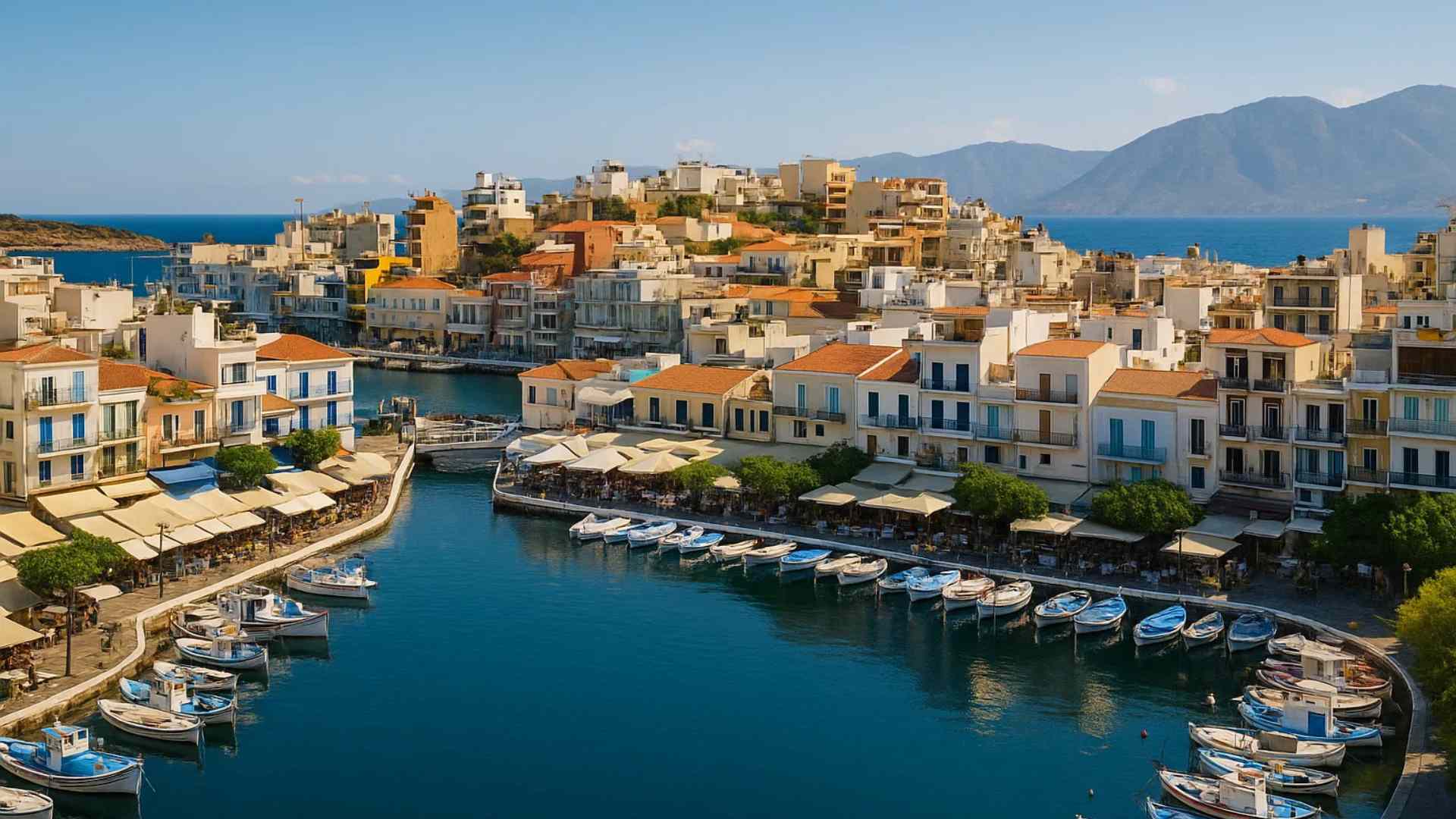
Agios Nikolaos is the kind of cruise port that can feel easy from the first minute ashore. The harbor sits beside a compact Cretan town, Lake Voulismeni is close enough for a relaxed walk, and the blue curve of Mirabello Bay keeps appearing between cafes and whitewashed buildings.
The complication is that not every ship arrives the same way. Some vessels berth while others anchor and tender, so your first planning step is to confirm the day’s landing point before committing to a boat for Spinalonga or a timed inland excursion.
Quick Facts
- Port type: Berth or tender call, depending on ship and daily port assignment
- Town access: Central Agios Nikolaos is generally walkable from the cruise landing area
- Signature sight: Lake Voulismeni and its surrounding waterfront
- Top excursion: Spinalonga, usually reached by an organized boat trip
- Nearby resort: Elounda on the Mirabello Bay coast
- Currency: Euro
- Language: Greek, with English widely used in tourism
- Planning priority: Match any independent boat or bus to the ship’s all-aboard time
Where Cruise Ships Arrive
Agios Nikolaos has a harbor close to the town center, but berthing capacity and ship size shape the actual arrival. Your vessel may secure alongside or anchor in Mirabello Bay and bring passengers ashore by tender.
If you tender, the transfer itself is usually scenic, but ticketing and queues can shorten your time ashore. Read the ship’s tender instructions the night before and do not promise an independent operator that you will be on the first boat unless your cruise line has confirmed priority.
Once you are outside the controlled landing area, the center is easy to explore on foot. This is a rare port where you can have a satisfying day without a bus, taxi, or paid excursion.
The ship’s daily program remains the authority on the gangway or tender location, shuttle details, and final return time. Online maps can show the marina, ferry harbor, and cruise facilities as if they were interchangeable, but your meeting point needs to be exact.
Lake Voulismeni
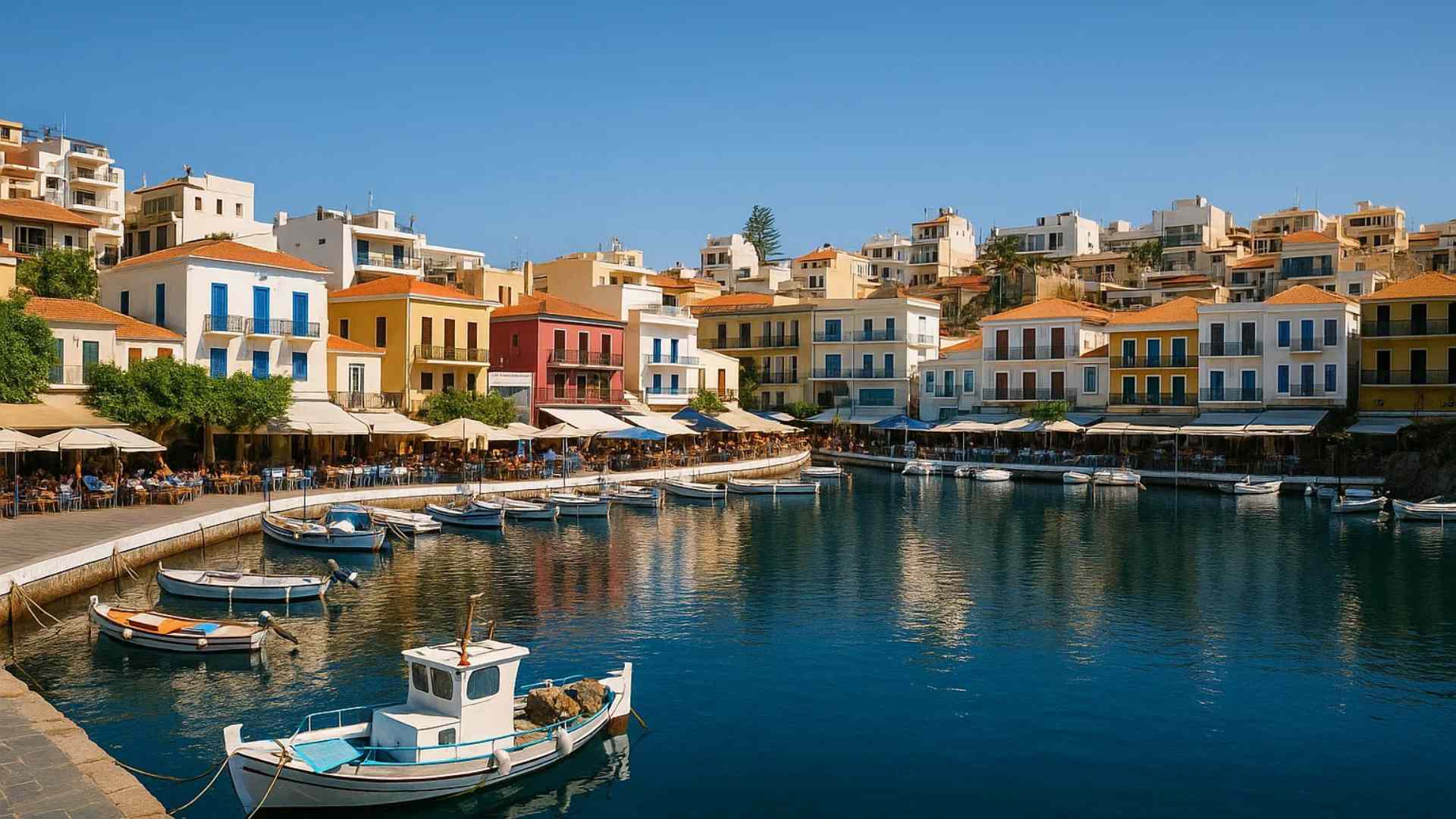
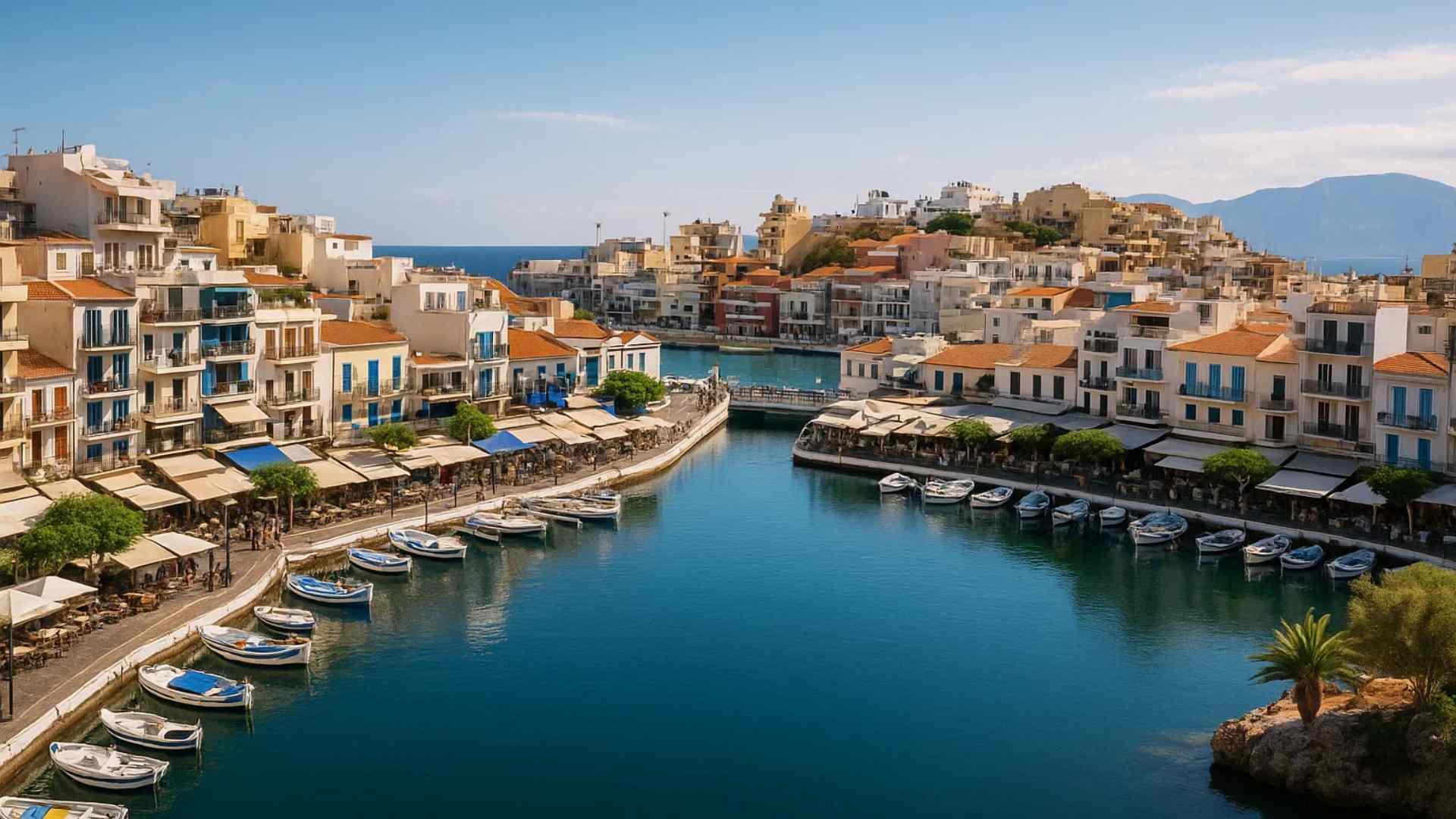
Lake Voulismeni is the town’s defining landmark, although it now functions as a small lagoon connected to the sea. The Greek National Tourism Organisation says the narrow channel was opened in 1870, and the unusually deep water helped inspire legends that the lake had no bottom.
The enjoyable part is not a single monument but the complete setting. Fishing boats, cafe terraces, reflections, and steep streets climbing above the water create a natural circuit for a slow morning.
Walk around the lower waterfront, then climb toward one of the higher viewpoints if your knees and the heat allow. The elevated angle explains how the lake, channel, harbor, and Mirabello Bay fit together.
I would give this area time rather than photographing it and leaving. Coffee beside the water, a wander through the nearby shopping streets, and lunch at a taverna can become the most genuinely Cretan part of the day.
Spinalonga From Agios Nikolaos
Spinalonga is the headline excursion, a small fortified island at the mouth of the Elounda lagoon with Venetian defenses and a later history as a leprosy settlement. It is both an archaeological site and a place tied to living family memory, so it deserves more than a dramatic label.
Boat trips can depart from Agios Nikolaos, Elounda, or Plaka, and those options are not equivalent. A departure from town minimizes road logistics, while Elounda and Plaka can offer a shorter boat crossing but require ground transportation first.
Schedules are seasonal and affected by wind, sea conditions, demand, and archaeological-site access. Verify the current boat, island admission, trip duration, and return point directly with the operator or through your cruise line before paying.
Many excursions combine the island with swimming, a coastal cruise, or time in Elounda. Read the details carefully because a longer leisure stop may leave less time inside the historic site than you expect.
On Spinalonga, paths include stone, slopes, thresholds, and exposed sections with limited shade. Wear shoes with grip, carry water, and listen to the historical explanation before wandering independently because the layered story is easy to flatten into scenery.
Elounda and Plaka
Elounda is a polished resort area north of Agios Nikolaos, set along a sheltered lagoon and known for views toward Spinalonga. It suits travelers who want waterfront dining and a gentler pace without committing to a long island tour.
Plaka is smaller and faces Spinalonga across the water. It can be an attractive lunch stop, but it is not close enough to treat casually when a cruise ship’s return time is fixed.
Public buses serve parts of eastern Crete, and KTEL Heraklion-Lasithi publishes the current routes and tickets. Seasonal schedules can change, so check both the outward and return service on the official KTEL site instead of building a plan around an old timetable.
A taxi is simpler but should still be planned in both directions. Agree on the destination, approximate fare method, pickup point, and return time before leaving, especially if several ships or large tour groups are in the area.
A Walkable Agios Nikolaos Day
If you prefer to stay local, begin with the harbor and Lake Voulismeni before the waterfront becomes busy. Continue through the pedestrian shopping streets, pause at a viewpoint, and choose lunch based on the menu and setting rather than the first person waving you toward a table.
The town developed over the remains of ancient Kamara, the port associated with inland Lato, but it feels more like a living modern resort than an open archaeological park. Small traces of the past sit within a working town of shops, homes, churches, galleries, and cafes.
The Archaeological Museum can add context if its galleries and hours fit your visit. Museum operations can change, so confirm current opening and ticket information through Greek cultural authorities before walking across town specifically for it.
Kitroplateia and other waterfront areas offer sea views and access to the town’s coastal side. Beach facilities, water quality notices, and lifeguard coverage vary by place and season, making local signs more useful than general online promises.
This flexible day is my recommendation for a short call or uncertain tender morning. Nothing depends on a distant connection, and you can adjust the route whenever heat, crowds, or appetite change the plan.
Beaches Near Town
A beach stop is possible without crossing Crete, but each beach has a different mix of sand, pebbles, shade, loungers, and services. Ask at the tourist information point or your ship about current access rather than assuming the nearest patch of water has full facilities.
Ammos Beach lies near the marina side of town, while Kitroplateia is close to the center and has a compact urban setting. Almyros, farther south, may require a taxi or bus depending on your mobility and the weather.
Bring water shoes if you are sensitive to pebbles, and keep valuables under control while swimming. Strong sun and reflected light can be deceptive when a breeze keeps the temperature feeling comfortable.
Excursions to Kritsa and Ancient Lato
Kritsa is a traditional village inland from Agios Nikolaos, known for narrow streets, textile traditions, and the nearby church of Panagia Kera. It offers a different side of eastern Crete, but its lanes, steps, and tour-bus arrivals can make timing and mobility important.
Ancient Lato occupies a hillside setting with wide views toward Mirabello Bay. The ruins reward travelers interested in archaeology, though the terrain and exposure make it a stronger choice in mild weather than at the hottest part of a summer day.
These sites pair naturally on an organized excursion or with a reserved driver. Confirm official opening hours before departure because archaeological sites and churches can adjust access for season, staffing, religious services, or conservation work.
Knossos and Heraklion are much farther west and turn the day into a substantial road trip. They can be worthwhile on a long port call, but I would use a ship excursion or a licensed private operator with explicit return planning.
Choosing the Best Plan
For a short call, stay in Agios Nikolaos and build the day around the lake, waterfront, lunch, and perhaps a nearby beach. You will see the town at its best without watching the clock from a bus.
For a medium call, add Elounda or a carefully timed Spinalonga trip. Choose the departure point only after comparing the full sequence from ship to boat and back again.
For a long call, Kritsa and Lato create a rewarding inland alternative, while Knossos is the ambitious option. Do not try to combine Spinalonga, Knossos, and a leisurely town visit unless a cruise line has designed the complete route and guarantees the ship connection.
Families may prefer the town and beach because the day can flex around energy and heat. History-focused adults may value Spinalonga more, but they should verify that the tour allows enough site time rather than mainly selling a boat ride.
Accessibility
If the ship tenders, the transfer is the first and most important accessibility question. Cruise staff decide whether boarding is safe in the day’s conditions and whether a wheelchair or mobility device can be carried.
Central Agios Nikolaos has relatively short distances, but slopes, curbs, polished paving, and busy waterfront paths still matter. The climb to upper lake viewpoints is optional, and the lower promenade gives a satisfying experience without it.
Spinalonga adds a boat transfer and uneven archaeological terrain. Ask the operator about gangways, steps, island paths, accessible toilets, seating, shade, and assistance using the exact vessel scheduled for your trip.
KTEL states that it offers support for disabled passengers, but practical arrangements should be confirmed ahead of time for a specific route. An accessible taxi or private vehicle may require advance reservation rather than a last-minute request at the harbor.
Weather and What to Pack
Summer is hot, bright, and dry, while spring and fall can be milder and better for ruins or hill towns. Wind can affect tendering and Spinalonga boats even when conditions beside Lake Voulismeni seem calm.
Carry sunscreen, sunglasses, a secure hat, water, and shoes with grip. A light layer helps on early boat rides, and a compact waterproof shell is useful outside the driest months.
Do not underestimate the combination of stone, sun, and limited shade at archaeological sites. Schedule water breaks before you feel tired and save a little energy for the walk and possible tender transfer back to the ship.
Money, Food, and Connectivity
Greece uses the euro, and cards are common in established restaurants and shops. Carry some cash for small purchases, tips, or a payment terminal that is temporarily offline, and use bank-affiliated ATMs when possible.
Cretan food is one of the strongest reasons not to overbook the day. Look for salads with local vegetables, olive oil, grilled seafood or meat, dakos, cheeses, and seasonal dishes, then ask for the price before ordering fish sold by weight.
Free Wi-Fi is common at cafes, but it may require a purchase and should not be your only navigation plan. Save the ship’s contact details, an offline map, and any independent boat voucher before going ashore.
Return-to-Ship Strategy
If you are walking in town, returning is simple once you know the exact cruise landing point. If you are on Spinalonga or inland, work backward from the ship’s all-aboard time and include the boat, road transfer, possible traffic, security, and tender queue.
The final public ferry or bus that appears convenient may leave no recovery option if it is late or full. I choose an earlier connection and keep the last part of the day near the harbor, where a delay becomes an inconvenience instead of an emergency.
Final Thoughts
Agios Nikolaos can be a memorable port with nothing more complicated than Lake Voulismeni, a waterfront walk, Cretan lunch, and time beside Mirabello Bay. Add Spinalonga, Elounda, or inland Crete only when the day’s arrival method and return schedule support it, and the port stays as relaxed as it looks.