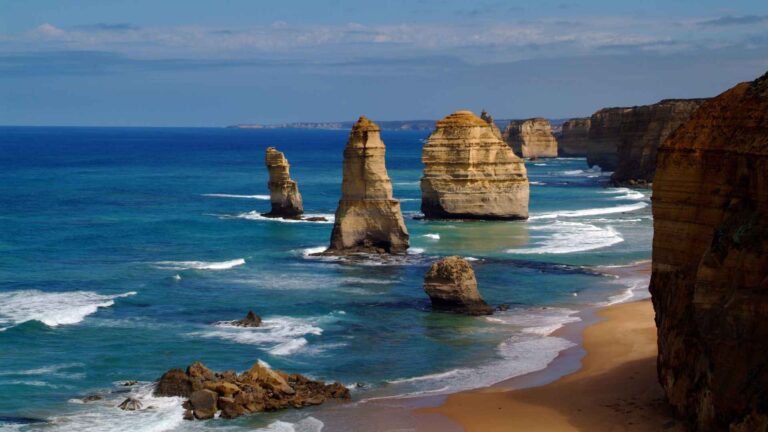
Dravuni Island Cruise Port Guide (Fiji)
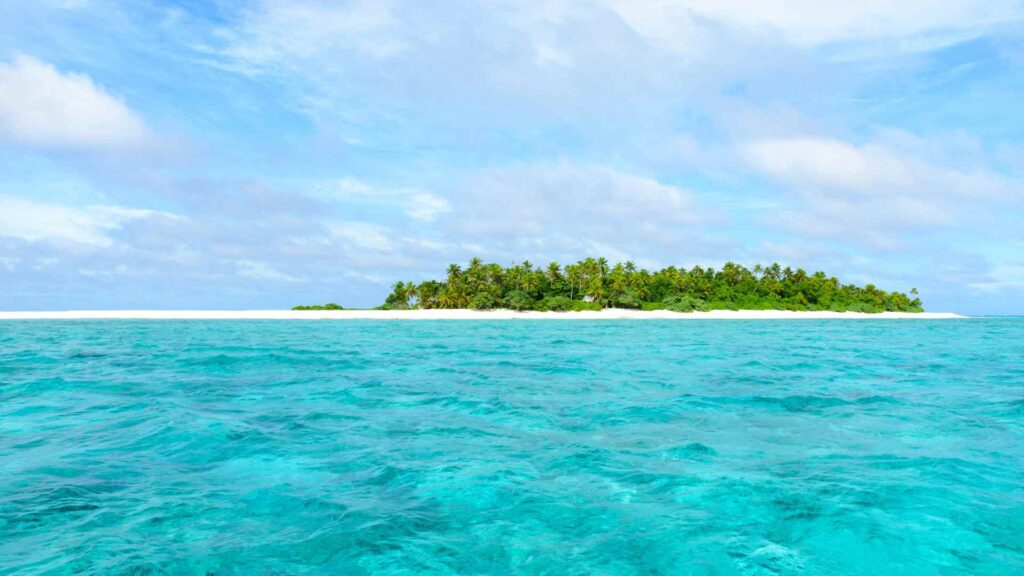
Dravuni Island is a tiny speck in Fiji‘s Kadavu group, and a cruise call here means one thing: a barefoot beach day at the top of the Great Astrolabe Reef. Here is how I would plan it.
This is one of the least developed stops on a South Pacific run, so set expectations before you tender in. Calm water is never guaranteed, and the captain can suspend landing when the sea state is unsafe.
Use the tender landing as your clock
The scheduled arrival is not your beach time because ship clearance, tender priority, and loading come first. Note the published last tender, then aim to join the return line 45 to 60 minutes earlier because there is no alternate route back to the ship.
A local reef boat adds another transfer and another weather decision, so book it only through the ship or an operator meeting the tender schedule. Families should confirm flotation gear, child sizing, shade, toilets, drinking water, and the boat ladder before committing.
- Best first visit: hill walk early, then snorkeling and the main beach near the landing.
- Best for weak swimmers: beach time and the village rather than an offshore reef trip, since currents and rescue support vary.
- Best for limited mobility: decide only after the ship explains the tender and landing setup; staying aboard may be the safest choice on a rough day.
The quick facts
- Where you land: there is no deep-water cruise berth or terminal. Ships anchor off the island and bring guests in by tender to the community landing or beach area assigned for that call. Dravuni sits at the north end of the Great Astrolabe Reef, in Fiji’s Kadavu group, and has one village of fewer than 200 residents, per Princess Cruises.
- Dock or tender: There is no big-ship berth, so the whole call rests on the tenders being able to run and land safely.
- Into town: There is no town.
- Currency and language: The Fijian dollar (FJD); Fijian is the everyday language and English is widely spoken.
- Time zone: Fiji Time (UTC+12).
- How often the call is missed: High (roughly 8 to 15%): tropical storms can make the approach unsafe.
What to expect ashore
Be clear with yourself before you go: this is a nature day, not a port. There is no pier, no shopping street, and shade is limited.
The whole appeal is the reef, the sand, and a warm local welcome. If you want that, Dravuni is a lovely, easy call.
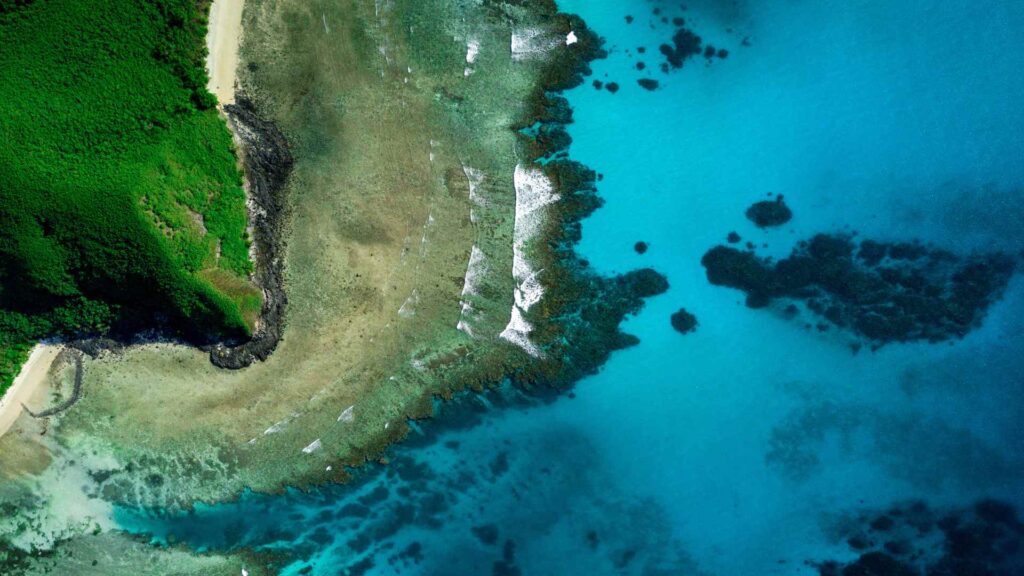
A fun fact to set the scene: the Great Astrolabe Reef that hugs Kadavu is one of the largest barrier reefs on the planet, with roughly 40 miles of reef to explore, according to Tourism Fiji.
The things I would actually spend time on
The list is short and honest. These are the experiences that are genuinely here, all confirmed by the cruise line or Fiji’s tourism board.
1. The ship-side beach
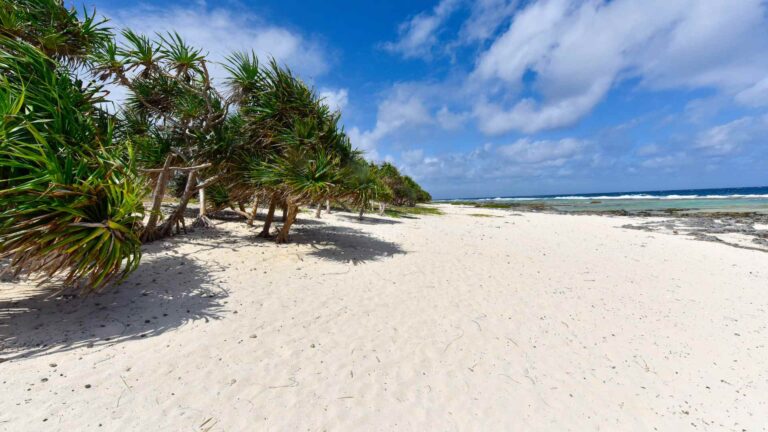
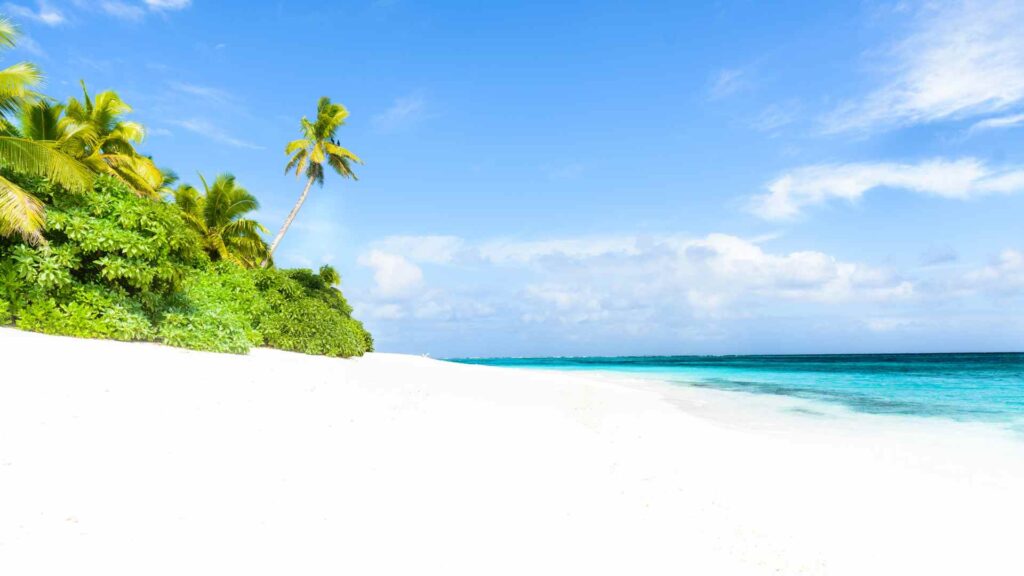
The tender drops you onto the main beach, a white-sand stretch with calm lagoon water. Princess lists beach relaxation and lagoon swimming as the headline activity here.
The catch: there are no loungers or umbrellas, so bring a towel and claim a patch of shade under the palms early.
2. The quieter far-side beach
Walk across the narrow neck of the island and you reach a second beach that most people never bother with. It is the move if you want space away from the tender crowd.
3. Snorkeling the Great Astrolabe Reef
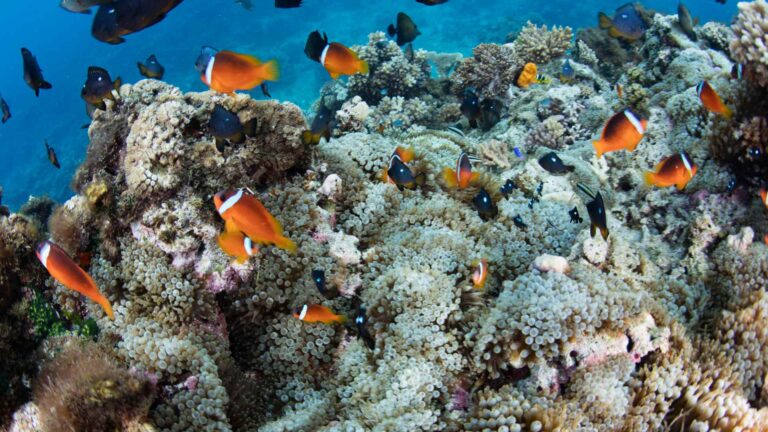
This is the real headliner. The reef fringing Dravuni is part of the Great Astrolabe Reef, and Tourism Fiji rates its visibility for snorkelers as excellent.
The catch: bring your own mask and fins. Rental is not guaranteed ashore, so pack gear from home or borrow from the ship.
4. The hilltop walk
The short climb to the island’s grassy high point is the best 20 to 30 minutes you will spend here. Princess flags hiking to the peak as a key experience.
From the top you look straight down the reef line with your ship at anchor below. Go early before the sun gets fierce, and wear real shoes.
5. The village and craft stalls
The single village hosts the call, and the welcome is genuinely warm. Locals set up stalls with handmade crafts, and Princess notes browsing handmade goods as part of the visit.
Dress modestly walking through the village, and carry small Fijian dollar bills if you want to buy anything.
6. A reef or glass-bottom excursion, if offered
On some calls the local community runs boat trips onto the wider reef. Check your ship’s Dravuni excursions list for what is actually running on your date.
Use a local guide and avoid standing on coral or feeding wildlife. Reef conditions, manta sightings, and excursion availability cannot be guaranteed on a short call.
How I would plan the day
Most cruisers get roughly a half day ashore before the last tender. Build in a comfortable buffer to get back to the ship.
- Short (about 3 hours): Beach time on the main beach, a swim, and a snorkel straight off the sand.
- Half day (about 4 to 5 hours): Add the hilltop walk early, then the far-side beach and the village stalls.
- Full time ashore: The above plus a reef excursion if one is running, ending with a lazy final swim.
There is no cafe or bar to fall back on, so head back to the tender line with time to spare rather than cutting it fine.
What to pack
Because facilities are minimal, a little packing goes a long way here.
- Your own snorkel gear, since rental cannot be relied on.
- Reef-safe sunscreen to protect the coral, plenty of drinking water, and a hat for the limited shade.
- Small Fijian dollar bills for the craft stalls, in a waterproof bag with your valuables.
- A beach towel and proper shoes for the hill.
A realistic word on accessibility
This is a tender port with a basic island landing, so mobility is the honest limitation. The transfer can involve steps, a moving platform, and soft or uneven ground depending on the setup.
Tender operations also depend on sea conditions and can be canceled outright. If mobility or the swell matters to you, confirm the plan with your cruise line on the day.
When to go, and the weather
Fiji’s dry season, roughly May to October, brings the most settled weather and the clearest water for snorkeling.
The wetter, more humid months run November to April. Either way, Fiji currently sits at the calmest tier of the U.S. State Department’s travel advisory, Level 1.
Quick answers
Is Dravuni Island a tender port?
Yes. There is no big-ship dock, so ships anchor offshore and bring guests ashore by tender to the assigned island landing.
Are there shops or restaurants?
No formal ones. There is one small village where locals may sell crafts, coconuts, or snacks, so bring cash and plan to eat back on the ship.
How long do cruisers spend ashore?
Usually a half day, which is enough to swim, snorkel, walk the hill, and see the village before the last tender.
For more Fiji planning, compare Dravuni with the bigger gateways at Suva, Lautoka, and Savusavu.
How this guide was researched: Unless a first-hand visit is explicitly identified above, this guide is based on independent research using official port, tourism, transit, government, and attraction sources where available. Logistics and time-sensitive details were reviewed in September 2026; see our Editorial Policy.