Busan Cruise Port: Gamcheon Village, Jagalchi & Beaches
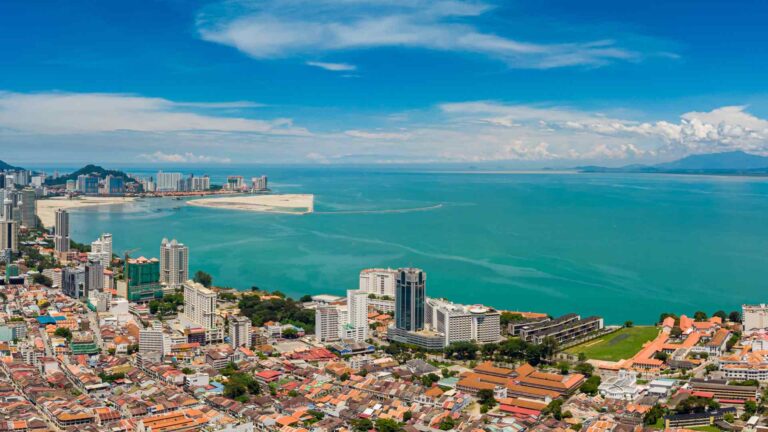
Busan is Korea’s second city, its biggest port, and the only place where you can watch your lunch being scooped out of a tank in the morning and be on a proper beach by two. It is also enormous, which is the thing to plan around.
Your ship parks inside a working commercial port, and the good stuff is scattered across a city of millions. The subway, thankfully, is excellent.
My quick take
Busan does not do a neat old town you can stroll off the gangway into. The sights are strung along a coastline that runs for miles, and moving between them is the day’s actual work.
The good news is that the subway is fast, cheap, signed in English, and goes nearly everywhere you want. Learn two lines and the city opens right up.
My default is a west-side day: Gamcheon Culture Village in the morning, Jagalchi and Nampo-dong for lunch, back aboard in the afternoon. That gets you the photogenic bit and the food bit without crossing the entire city twice.
Gamcheon does get very busy, and it is a residential neighborhood rather than a theme park. My roundup of crowded cruise ports covers the general trick, which here is simply going early.
Quick Facts
- Where you land: Busan Port Authority can assign international cruise calls to the North Port passenger-terminal area, Yeongdo International Cruise Terminal, or another operational berth. The terminal name or berth code in the ship’s program controls your transport plan.
- Dock or tender: Cruise ships normally berth alongside at Busan, although the daily program remains the authority for any unusual operational change.
- Into town: The first connection depends on the assigned berth. Use the announced shuttle, signed pedestrian route, or taxi to reach the subway and city districts.
- Currency and language: The Korean won (KRW) and Korean, with English signage on the subway and in tourist areas but not much spoken English among taxi drivers.
- Time zone: Korea Standard Time (KST, UTC+9).
- Operational caution: Tropical systems, wind, marine conditions, traffic, and berth assignments can change a call, so follow the current ship and port notices.
Terminals, shuttles, and getting to a subway station
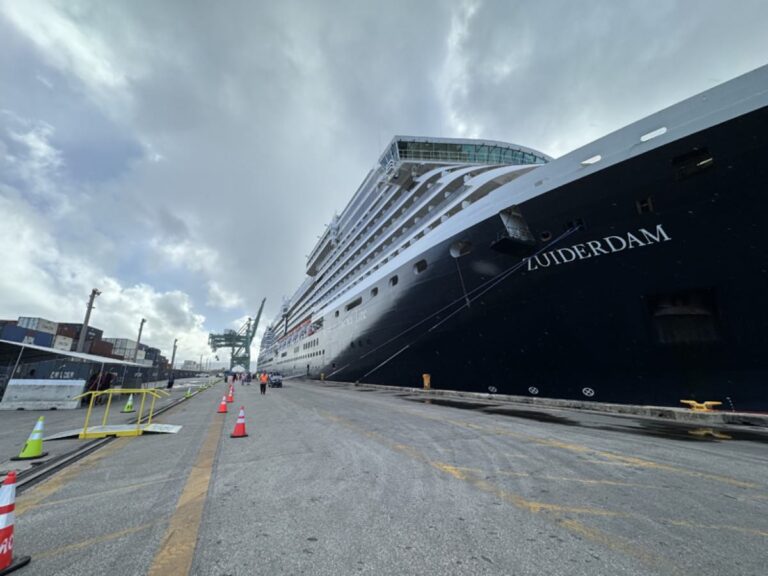
Busan Port is one of the busiest container ports on the planet, and the cruise terminals sit inside that machine rather than beside a promenade. Do not expect to step off into a postcard.
Busan has more than one passenger and cruise facility, and the same city name can produce a different first connection. Use the Busan Port Authority schedule and the ship’s berth code to distinguish the North Port passenger-terminal area from Yeongdo or another assigned quay.
Yeongdo International Cruise Terminal sits on Yeongdo Island and is less convenient for the subway than the North Port area. Confirm the shuttle destination and last return before using it as the first leg of an independent day.
A ship or port shuttle may connect the assigned berth with a central drop-off, but it is not safe to assume one universal route. Follow the signed pedestrian exit only where the terminal permits it, and use the announced shuttle or a taxi at restricted working-port berths.
Taxis wait at the terminal and are cheap by European or American standards. Have your destination saved in Korean or pinned on a map app, because English is not universal among drivers.
Getting around
The subway is the answer to almost every question in Busan. It is clean, frequent, air-conditioned, and every station is numbered as well as named, which removes most of the guesswork.
Fares are distance-based and modest, and you can pay with a rechargeable transit card such as T-money or Cashbee. Both are sold at convenience stores, work on the buses too, and spare you a ticket machine at every station.
Line 1 runs north to south through the old center and out to Beomeosa, while Line 2 runs east along the coast to Haeundae. Between them they cover most of what you came for, and the operator’s English site has the maps and fare details.
Buses fill the gaps, most notably the last leg up to Gamcheon, which no train reaches. That hop is short, cheap, and vastly better than the walk uphill.
Taxis are plentiful and reasonable, and well worth it in a group or in August heat. Coastal traffic can be grim at rush hour, so the subway usually still wins on time.
The stops I would actually spend time on
Busan is a long, thin city, and the temptation is to tick off both ends of it in one day. Resist that and pick a side of town.
Gamcheon Culture Village: This hillside neighborhood in Saha-gu is known for stacked, brightly painted houses and sea views. Go early, keep your voice down, and remember that residents live behind the doors.
The Little Prince viewpoint: The sculpture of the Little Prince and fox is a popular Gamcheon photo stop. Expect a queue at busy times and do not block residential lanes.
Jagalchi Fish Market: Busan’s famous seafood market combines working stalls with places that prepare seafood for visitors. Ask the price and preparation details before ordering.
Nampo-dong and BIFF Square: The shopping and street-food district sits beside Jagalchi and connects easily with the old downtown sights.
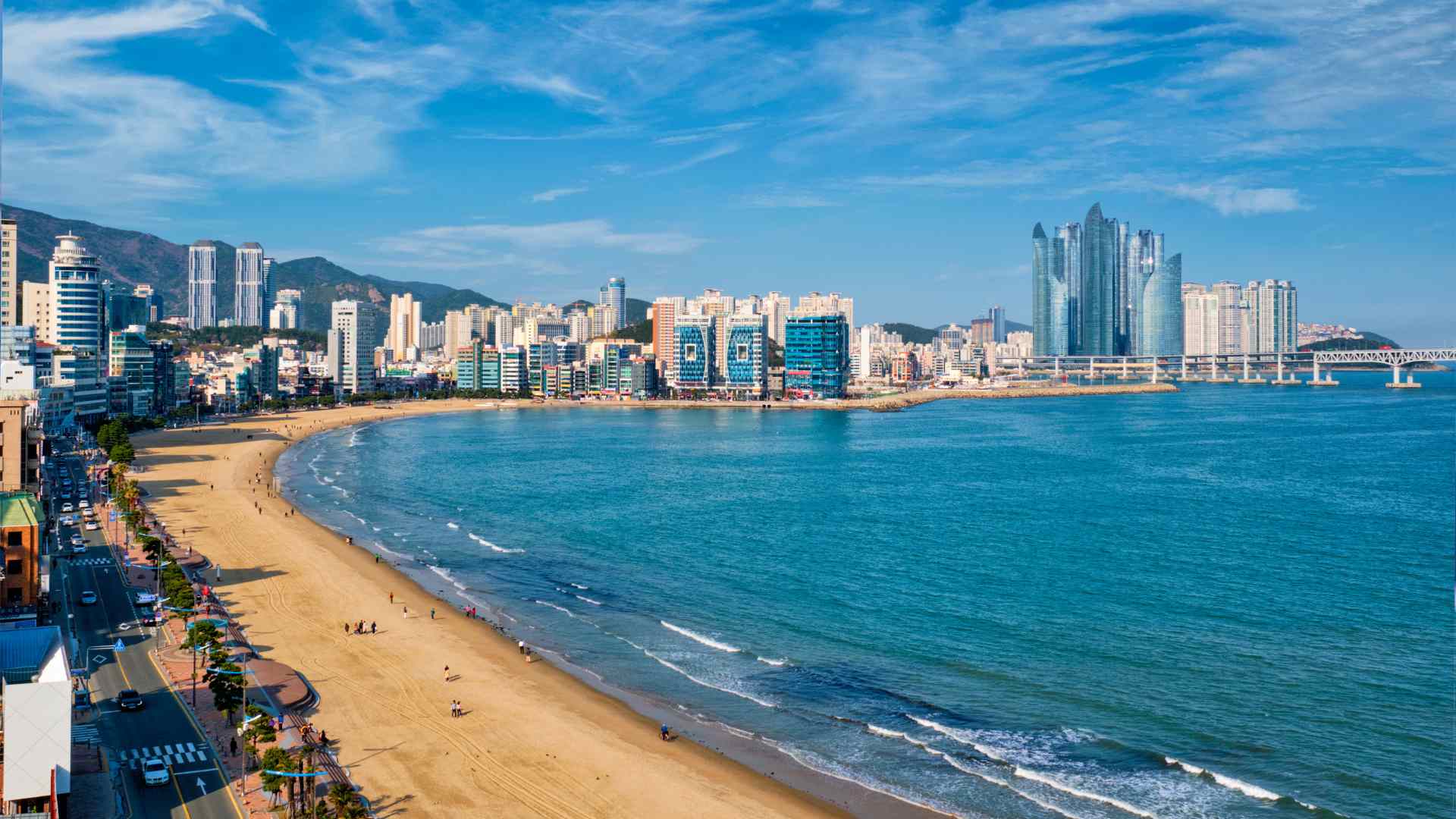
Haeundae Beach: This major city beach lies east on subway Line 2, backed by towers and cafes. It becomes exceptionally busy during summer holidays.
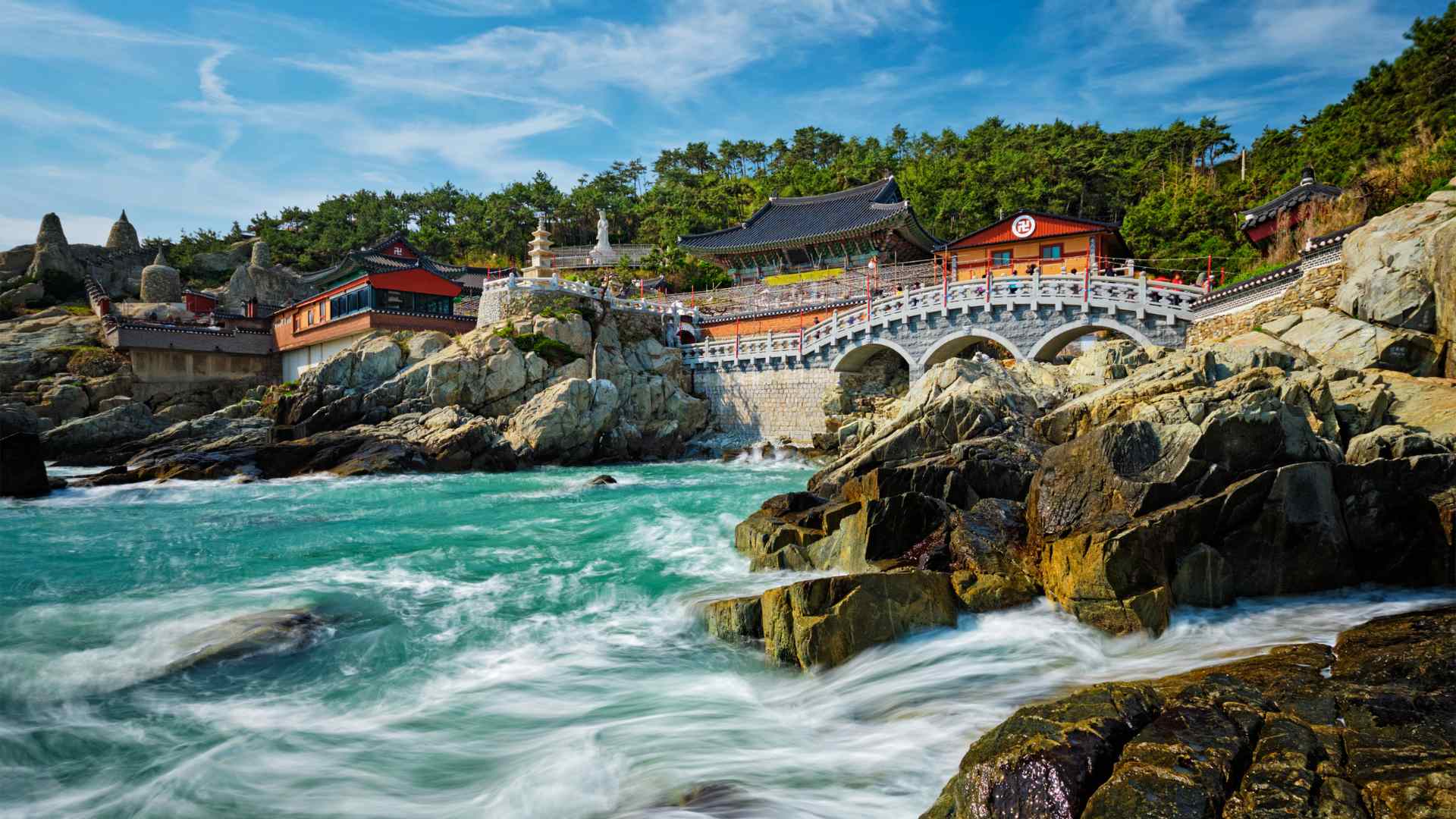
Beomeosa Temple: This working Buddhist temple stands on the slopes of Geumjeongsan near the northern end of Line 1. Allow time for the final connection and uphill walking.
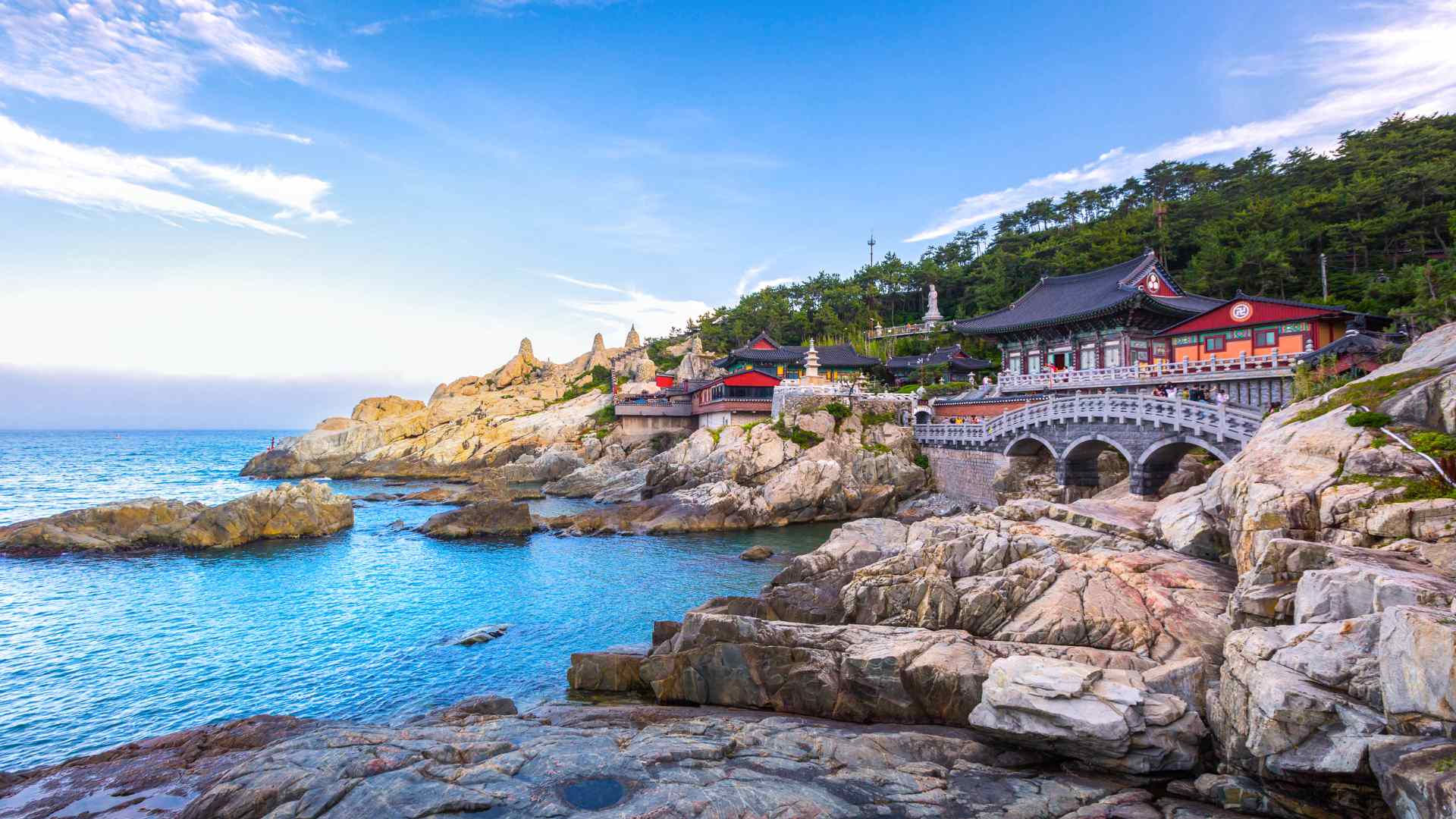
Choryang Ibagu-gil: The hillside story trail above Busan Station reflects Korean War refugee history and includes the steep 168 Steps. The former monorail has been removed, so verify current access rather than treating it as a mobility shortcut.
Chungmu-dong Coastal Market: This working market lies between Jagalchi and the South Port and is known for its eel alley. It is an easy addition to an old-downtown route.
Taejongdae: The cliff park at the southern tip of Yeongdo offers sea views, a lighthouse, and an internal road-train service when operating. It is especially practical from the Yeongdo terminal.
Fun fact: The 168 Steps on Choryang Ibagu-gil recall the daily climb made by Korean War refugees who settled above the port. Visit Busan explains that ibagu is local dialect for story, while current access information should be checked because the old monorail no longer runs.
How I would plan the day
On a standard call I do the west side and nothing else. Gamcheon early, Jagalchi and Nampo-dong for lunch and a wander, back aboard with time in hand.
If you have a long day and want the postcard beach, swap in Haeundae and accept the ride. It is roughly as far east as Gamcheon is west, so doing both is a great deal of tunnel.
Beomeosa is my pick if you want quiet rather than color. It sits at the far north end of Line 1 and it feels like a different country from the fish market.
Crowds at Gamcheon build through the morning and peak in the middle of the day. Being there when it opens is the single biggest improvement you can make to your visit.
If ordinary rain arrives, covered markets, underground shopping streets, and museums keep the day workable. A tropical-storm warning can disrupt port, beach, and transit operations, so follow official alerts and the ship’s revised instructions.
Reach the terminal or final shuttle 60 minutes before all-aboard after a west-side plan, and 90 minutes early after Haeundae, Beomeosa, or another cross-city outing. Leave earlier during rush hour or a weather alert because Busan’s east-west distances are real even when the subway is running normally.
A realistic word on accessibility
Busan is a modern city and the subway is largely step-free, with elevators at most stations and signage in English. Moving around is not the hard part here.
Gamcheon is the hard part, being a village stacked on a steep hillside with stairs, slopes, and narrow lanes. There is a road to the upper viewpoint, but the village itself is not a level stroll by any stretch.
Jagalchi, Nampo-dong, and Haeundae are all flat and manageable, while Beomeosa has the steps and slopes you would expect of a mountain temple. For a broader comparison, see my roundup of wheelchair-friendly cruise ports.
When to go, and the weather
Busan’s cruise season leans heavily on spring and fall, and there is a very good reason for that. Summer here is hot, humid, and prone to typhoons.
Spring and fall sit comfortably in the 60s and low 70s°F. Those are the months I would pick without a second thought.
July and August can push into the 90s°F, with humidity that turns a hillside village into a workout. The beaches are packed and the shade is scarce.
Winter is dry, bright, and chilly rather than brutal, and the crowds have gone home. Pack layers, comfortable shoes, and a folding umbrella, because rain here arrives in short violent bursts.
There is a full rundown of where to stay in our hotels near Busan cruise port guide.
Quick answers
Do you tender in Busan?
Cruise ships normally dock, but the assigned terminal or berth can vary; use the daily program rather than assuming every call starts at the Dong-gu passenger terminal.
Can I get around Busan on my own?
Yes, easily, and I would; the subway is signed in English, stations are numbered, and one transit card covers both trains and buses.
Is Gamcheon Culture Village worth it?
Yes, if you go early and treat it as a neighborhood rather than an attraction; by the middle of the day it is very busy and considerably less charming.
Do I need cash in Korea?
Cards are widely accepted, but foreign cards can fail and some markets, transit-card purchases, or reloads may require won; carry a modest cash backup rather than assuming every taxi, kiosk, or vending machine accepts the same payment method.
The last word
Busan rewards people who pick a side of the city and go deep instead of sprinting across it. The distances are real, and the subway, good as it is, still eats your hours.
If your itinerary carries on to Korea’s holiday island, my Jeju Island cruise port guide covers an entirely different kind of Korean day. It is volcanic, green, and a great deal slower.
Most Busan calls sit inside a Japan loop, so my Nagasaki guide and my roundup of Japan cruise ports are the natural companions. They show how differently the two countries handle a cruise day.
How this guide was researched: Unless a first-hand visit is explicitly identified above, this guide is based on independent research using official port, tourism, transit, government, and attraction sources where available. Logistics and time-sensitive details were reviewed in September 2026; see our Editorial Policy.