Komodo Island Cruise Port Guide for 2026
Komodo is one of those cruise calls that feels genuinely wild from the moment the ship drops anchor. Rust colored hills rise from intensely blue water, and the day revolves around a protected landscape where the famous dragons are only one part of an extraordinary ecosystem.
It is also a port where careful planning matters more than spontaneity. Your ship, park authorities, local boat crews, weather, and conservation rules all shape the day, so the smartest approach is to understand the process and then follow the confirmed plan for your sailing.
Quick Facts
- Country: Indonesia
- Port style: Anchorage with tender or local boat transfer
- Main experience: Guided access within Komodo National Park
- Currency: Indonesian rupiah
- Language: Indonesian, with English often used by cruise guides
- Access: Assigned landing and route, not a conventional walk off port
- Best planning rule: Use the ship’s confirmed park arrangements and return schedule
- Key gear: Closed shoes, sun protection, water, and a securely closed bag
- Accessibility: Challenging because of boats, jetties, sand, heat, and uneven trails
Komodo is a protected area, not a normal cruise port
A Komodo Island call is different from arriving beside a city center with taxis waiting outside a terminal. Large ships normally remain at anchor, while guests transfer ashore by ship tender or an approved local boat to the landing allocated for that visit.
The national park includes Komodo, Rinca, Padar, smaller islands, and surrounding marine waters. UNESCO recognizes the area for both its Komodo dragon habitat and its exceptional land and sea biodiversity, which is why access is managed rather than completely free form.
Where your tender may take you
Many travelers associate a Komodo cruise day with Loh Liang on Komodo Island, but that landing should never be treated as guaranteed. Depending on park planning and the approved itinerary, a visit may use Komodo Island, Rinca Island, or another authorized route.
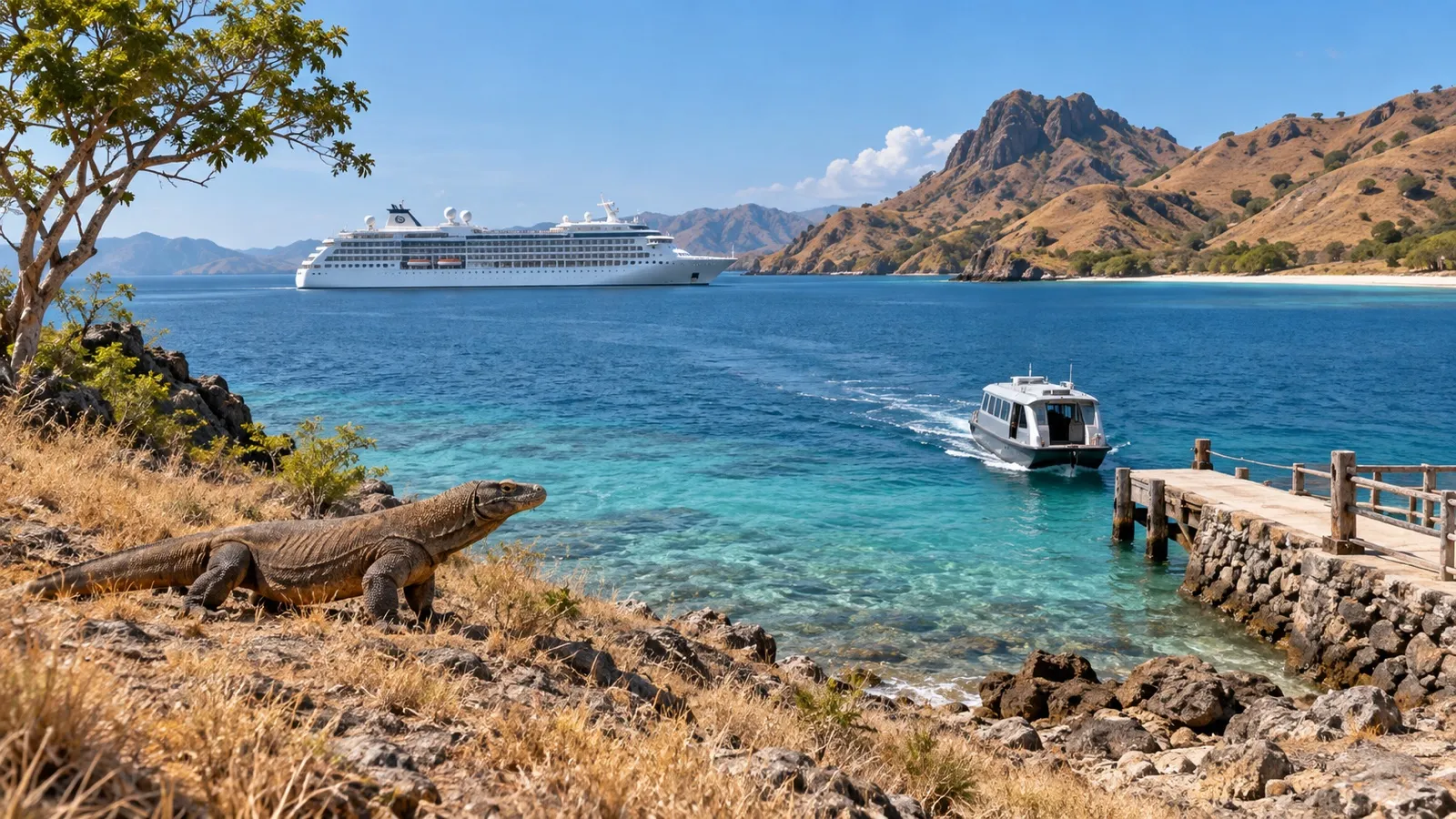
That distinction matters because walking conditions, transfer time, wildlife possibilities, and available facilities can differ. Read the destination notice delivered by your cruise line, and listen closely to the onboard briefing even if you have visited the park before.
How arrival day usually works
The ship generally anchors offshore, confirms operating conditions, and starts transfers in groups. Guests may be assigned a tender ticket, excursion departure time, or meeting point, and independent access can be restricted by the park permit and boat arrangements.
Tender operations are sensitive to wind, swell, currents, and visibility. A sunny view from your balcony does not automatically mean the landing is safe, so delays or itinerary changes are normal risk management rather than poor organization.
Park entry and allocated access
Entry is organized through authorized arrangements that may combine park admission, conservation charges, local boat transport, ranger services, and activity fees. Inclusions can change, so compare the current cruise line description with your booking confirmation instead of relying on an old online price.
Do not assume that buying a basic ticket creates permission to wander anywhere in the park. Routes, visitor numbers, landing times, and activity zones may be allocated to reduce pressure on wildlife and keep groups manageable.
Why the ranger is essential
Visitors enter dragon habitat with a ranger or authorized naturalist, and that guide sets the pace, route, and safe viewing position. Stay with the group even when a photo opportunity looks tempting a few steps away.
Rangers understand current animal behavior, trail conditions, and places where dragons have recently been seen. Their instructions override advice from social media, old guidebooks, or a previous visit because conditions can change within a day.
Komodo dragon safety
Komodo dragons are powerful wild predators, not slow moving attractions. Keep the distance set by your ranger, never touch or feed one, do not crouch close for a dramatic photograph, and keep children beside a responsible adult.
If a dragon changes direction, remain calm and follow the ranger immediately. Do not run, surround the animal, block its path, or separate from the group to get a clearer view.
Food, scent, and personal circumstances
Carry snacks only if your operator permits them, keep all food sealed, and never leave scraps behind. Secure anything that could swing or drop, because loose bags and dangling items can complicate an already controlled encounter.
If you have a medical condition or any personal circumstance that may affect the guide’s safety assessment, speak privately with the ranger before the walk. Menstruation is often discussed in exaggerated online warnings, so skip the myths and follow the ranger’s current professional instructions.
Will you definitely see a dragon?
No wildlife sighting is guaranteed, even in the species’ best known habitat. Dragons choose shade, water, resting places, and hunting areas according to heat, food, and disturbance, and a responsible guide will not manufacture an encounter.
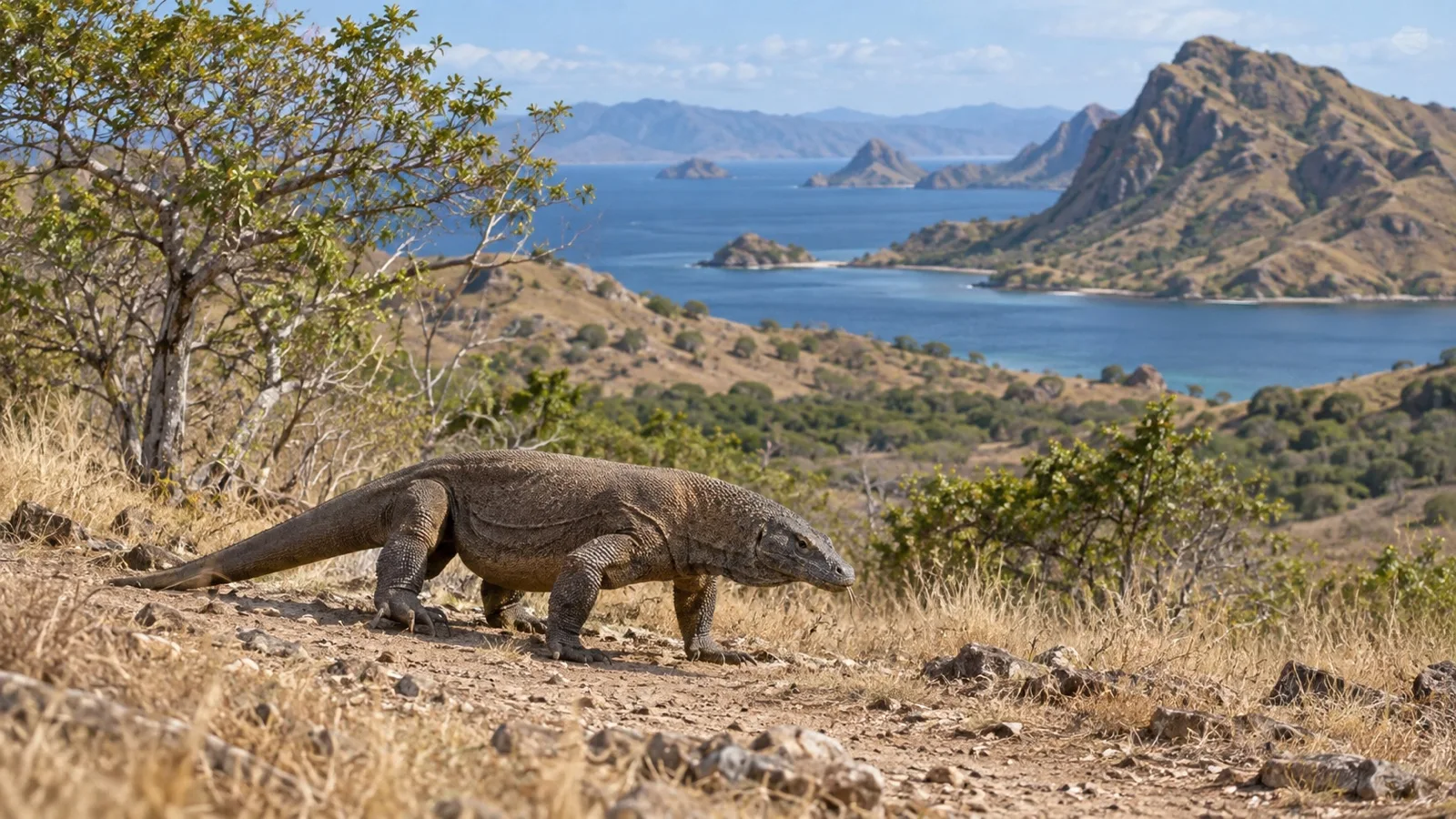
Some visits produce an excellent view near a ranger station or along the trail, while others require patient scanning. Treat every sighting as a privilege and resist pressuring a guide to move closer.
Walking routes and trail reality
Park walks can include compacted earth, stones, roots, dry leaves, slopes, and exposed sections with little shade. The route offered on your call depends on the assigned site, conditions, time ashore, and the park plan for that group.
Closed walking shoes with reliable grip are the sensible choice. Sandals may feel comfortable on the boat, but they offer less protection on rough ground and around vegetation.
Pace and heat
The climate can feel punishing once you leave the water, especially in direct sun with little breeze. Drink before you feel thirsty, use a hat and high protection sunscreen, and tell the guide early if you become dizzy or unwell.
A short trail on a map can take longer when a group stops for wildlife or when the surface is uneven. Save enough energy for the return walk and the step back into the boat.
Pink Beach
Pink Beach is one of the park’s most photographed places, where pale sand can take on a rosy tint from tiny red coral fragments mixed with lighter material. The strength of the color changes with light, tide, moisture, and camera settings, so expect a natural beach rather than an edited postcard.
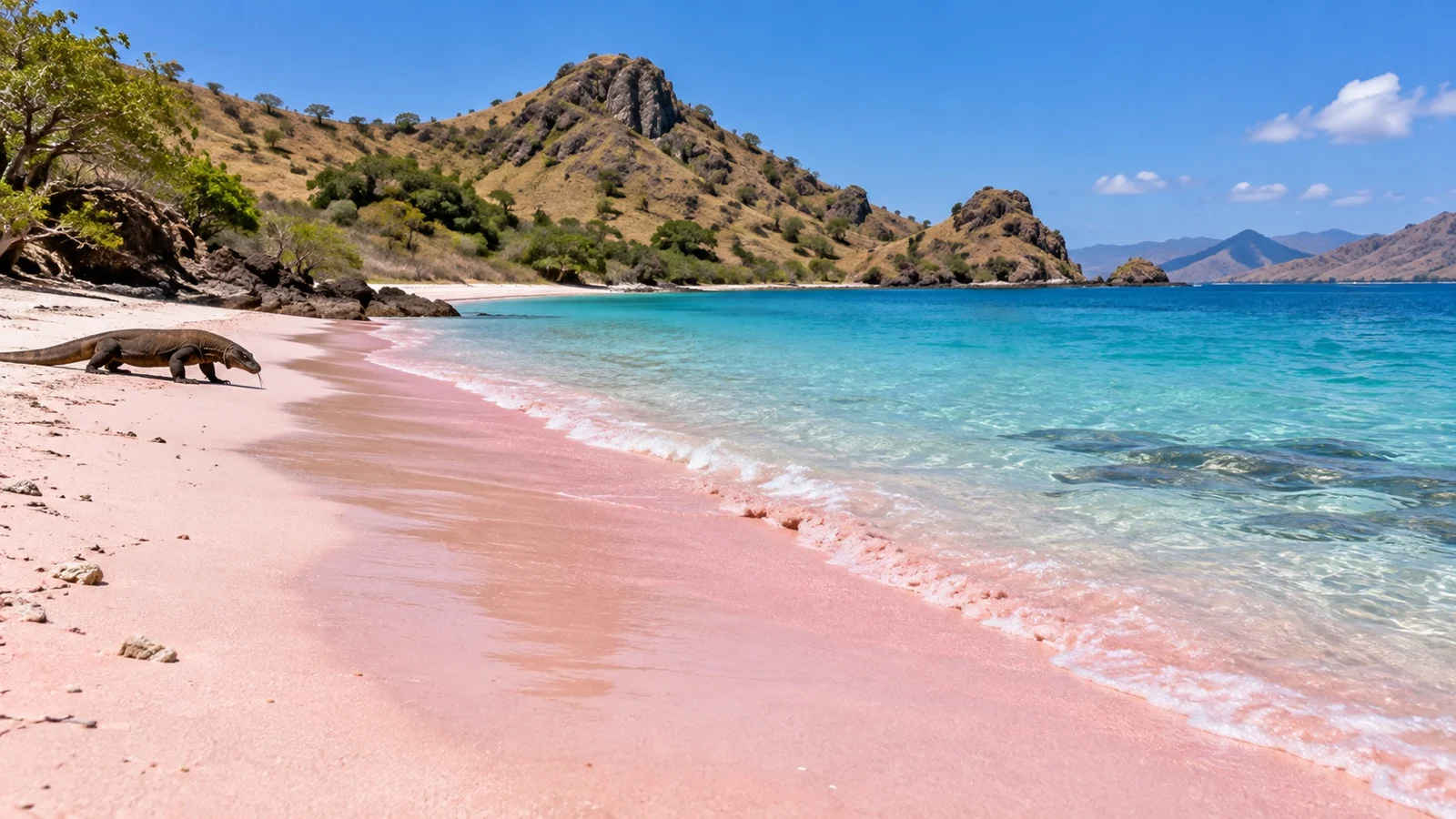
A stop is possible only when it appears in the authorized itinerary and boat conditions allow it. Never remove sand, shells, coral, or any natural material, since the appeal of the place depends on every visitor leaving it intact.
Snorkeling and the marine park
The surrounding waters can hold coral gardens, reef fish, turtles, and rays, but they can also carry strong currents. Join a qualified operator that matches the site to current conditions, and use a flotation aid if you are not a confident open water swimmer.

Do not stand on coral, chase wildlife, or touch marine animals. Manta rays are a wonderful possibility in parts of the region, but no ethical operator can promise a sighting on a specific day.
What to bring for the water
A fitted swimsuit, rash guard, reef conscious sun protection, towel, and dry bag make boat days easier. Prescription mask users should arrange suitable equipment before the cruise because rental choices may be limited.
Ask whether snorkel equipment, drinking water, towels, and life jackets are included. The answer varies by cruise line and local operator, and this is not a place to discover a missing essential after departure.
Padar Island is not automatically included
The celebrated Padar viewpoint appears in many Komodo region itineraries, but a ship call at Komodo Island does not automatically include it. Reaching Padar requires a separate boat movement, enough operating time, suitable weather, and specific approval within the day’s plan.
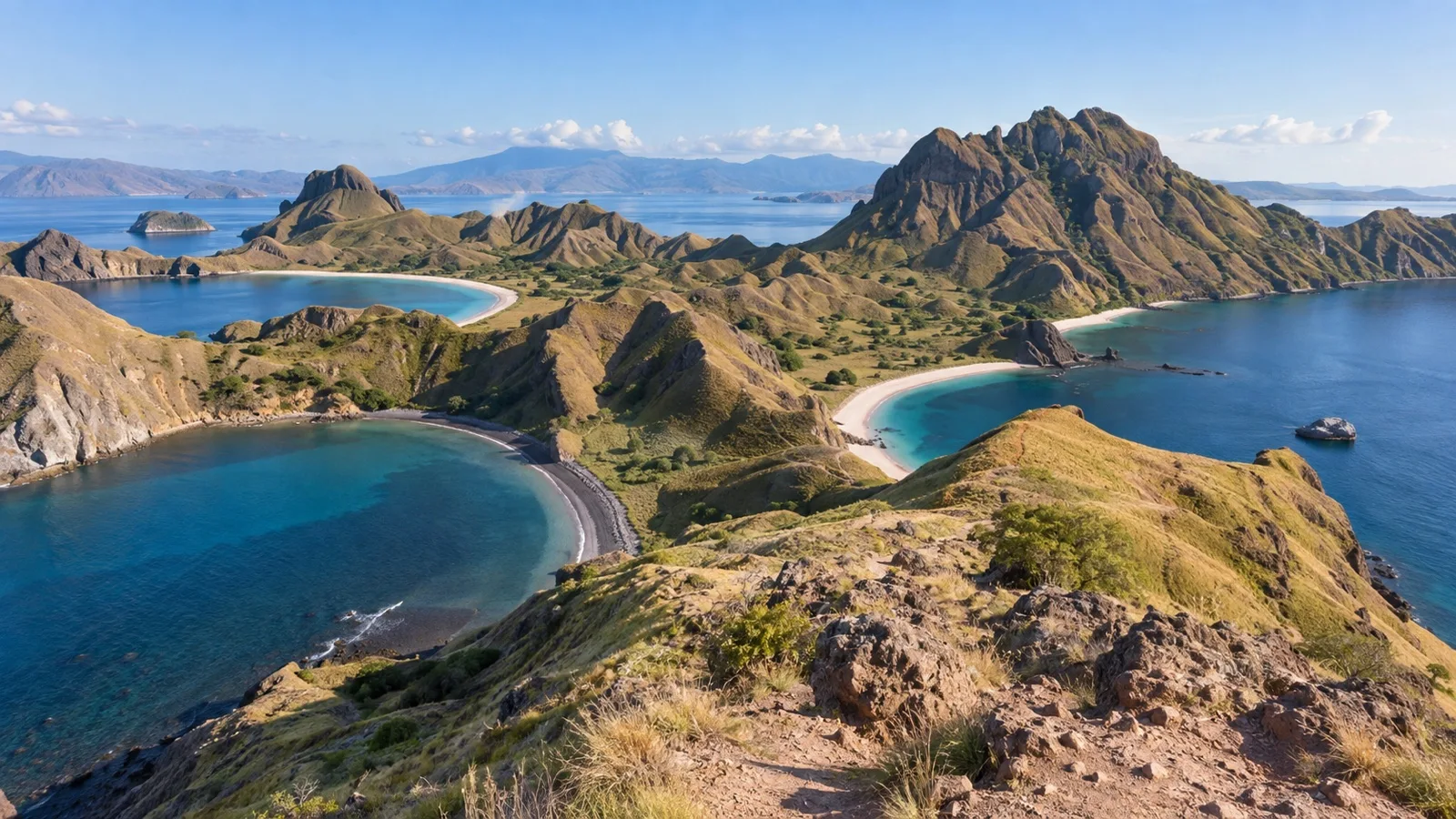
The climb is exposed and strenuous, with many steps and intense heat. If it is offered, assess your fitness honestly and confirm the last boat time before committing.
Villages and local culture
Some itineraries include a permitted village visit or locally hosted encounter. Dress respectfully, ask before photographing people, and buy directly from community sellers when the schedule allows.
A village is a living community rather than a themed attraction. Follow local guidance around homes, places of worship, children, and any restricted area.
Weather and the best season
Komodo has a generally dry, hot landscape, yet seasonal rain, wind, and sea state still affect every cruise call. Conditions can be different around headlands and narrow channels even when the anchorage looks calm.
Check the latest forecast and marine information from Indonesia’s meteorology agency, then follow the captain’s operational decision. Tender and small boat safety always comes before a planned beach or wildlife stop.
Accessibility and mobility
This is a challenging destination for travelers with limited mobility. The day can involve tender steps, a moving boat, simple jetties, sand, uneven paths, heat, and limited places to sit.
Ask the cruise line’s access team about the exact landing, transfer method, ranger route, and minimum walking requirement before booking. A wheelchair accessible ship does not mean the park landing or local boat is accessible.
Planning an adapted visit
Travelers who cannot manage the trail may still enjoy dramatic scenery from the ship or an approved boat outing if one is offered. Confirm whether remaining aboard a local boat is permitted, what shade and restroom access exist, and whether assistance can safely be provided.
Crew members may be unable to lift guests or mobility devices into a tender when conditions are unstable. That limitation protects both the traveler and the staff handling the transfer.
Visiting with children
Families should consider whether every child can follow ranger directions instantly, walk quietly with the group, and tolerate the heat. A dragon encounter is not suitable for a child who is likely to run ahead or break away.
Keep young travelers within arm’s reach and assign one adult to watch them rather than a camera. Pack water, sun protection, and a calm activity for transfer delays, but avoid carrying loose food on the trail.
Facilities, food, and shopping
Facilities in the park are limited compared with a city cruise terminal. Restrooms, shade, refreshments, and small stalls may exist near certain landings, but availability and standards vary.
Eat a proper meal on the ship before departure if your excursion does not clearly include food. Bring only the water and sealed items permitted by your operator, then carry every piece of waste back out.
Money
The local currency is the Indonesian rupiah, and small local purchases may require cash. Card terminals and reliable connectivity should not be assumed in a protected island setting.
Confirm all mandatory charges before leaving the ship, including any park, ranger, activity, or boat component. Avoid exchanging a large amount solely for a brief visit when most of the day is prepaid.
Photography without disrupting wildlife
A moderate zoom lens is far more useful than trying to move closer. Turn off flash around animals, keep equipment attached to you, and make space for other guests to see from the ranger’s chosen line.
Drones are subject to park rules, aviation requirements, wildlife protection, and local permission. Do not launch one unless you hold every current approval and your cruise line explicitly allows its transport and use.
Timing your return to the ship
Return timing deserves the same attention as dragon safety. Local boats, tender queues, changing sea conditions, and group movements can all consume more time than a map suggests.
Use ship time, not an unverified phone setting, and aim for the official transfer assigned to your group. If you are on an authorized independent arrangement, build a generous buffer and make the operator repeat the final all aboard requirement.
Komodo compared with Labuan Bajo
Labuan Bajo on Flores is the main urban gateway for many land based park trips, with an airport, hotels, restaurants, and a marina. A cruise itinerary labeled Komodo Island may not call at Labuan Bajo at all.
Do not plan shopping, dining, or a hotel day in Labuan Bajo unless your cruise documents specifically name it and provide transport. The distance and boat logistics make it a separate destination rather than a casual add on.
Independent tour or ship excursion?
A ship excursion usually offers the clearest integration with tender groups, park authorization, and the vessel’s return schedule. It can cost more, but the coordination is valuable in a remote place where access is regulated.
An independent operator should hold current permission, use a suitable vessel and safety equipment, explain every fee, and provide a realistic return plan. Never book solely on a low price or a guaranteed wildlife claim.
A practical packing plan
Wear breathable clothing, closed shoes, a hat, and sun protection, then carry water in a compact secure bag. Add insect repellent, any essential medication, a light rain layer in the wetter season, and a dry pouch for electronics.
Keep your passport on the ship unless the cruise line instructs otherwise, and take the identification or excursion ticket it requests. Download key instructions before leaving because mobile service may be weak or absent.
Frequently asked questions
Can I walk ashore independently?
Usually no. Protected area access is tied to approved landing, ranger, permit, and boat arrangements, and visitors should not separate from their group.
Can I see dragons from the tender?
A chance shoreline sighting is possible but should never be expected. The structured ranger walk provides the responsible way to look for dragons while managing distance and group behavior.
Is Pink Beach beside the dragon trail?
Not necessarily. Beach and wildlife activities may require different landings and boat movements, so only the confirmed itinerary tells you what is included.
Are park fees included in my cruise fare?
Sometimes they are included in an excursion price, and sometimes components are listed separately. Read the current booking terms and ask for a written breakdown because fee structures can change.
What happens if the weather turns?
The captain, boat crews, and local authorities may delay, shorten, move, or cancel operations. Remote island conditions leave little room for forcing a schedule safely.
Is a dragon encounter dangerous?
There is real risk because these are wild predators, but disciplined ranger led visits are designed to manage it. The essential behavior is simple: stay together, keep the instructed distance, and obey immediately.
My take on a Komodo cruise day
Komodo is unforgettable precisely because it has not been turned into an ordinary port stop. The raw landscape, cautious silence of a ranger walk, and possibility of seeing a dragon in its own habitat make the day feel larger than a checklist excursion.
Come prepared to accept allocation, weather, and wildlife uncertainty, and the experience becomes much more rewarding. The best souvenir is not a risky close photograph but the knowledge that your visit respected a place found nowhere else.
Before sailing, confirm access and conservation information with UNESCO, Indonesia Travel, the relevant national park authority, and your cruise line’s current destination notice. Check Indonesia’s BMKG forecast and marine guidance close to arrival, since routes, fees, landings, and tender operations can change.