Maré Cruise Port: Conditional Calls, Culture and Beaches
Maré is the New Caledonia cruise call that rewards careful reading before cheerful packing. This raised coral island offers Kanak culture, limestone cliffs, forest, caves, and luminous water, but its cruise operation is limited and far less predictable than a routine day in Nouméa.
Current official tourism material describes Maré as a conditional cruise destination assessed call by call, with access oriented toward smaller-capacity ships. That means an itinerary listing is not a promise of a standard tender pier, fixed landing point, or full program ashore.
If the call operates, the island can be unforgettable. The best days are locally organized, culturally respectful, and simple enough to survive a changed landing time or an early return to the ship.
Quick Facts
- Territory: New Caledonia, a French special collectivity in the South Pacific
- Province: Loyalty Islands Province
- Cruise status: Conditional and assessed for each call, with current tourism material emphasizing smaller-capacity ships
- Arrival: Anchorage and small-boat landing rather than a large cruise berth
- Historic landing area: Tadine on the west coast, though the approved point is sailing-specific
- Currency: CFP franc, also shown as XPF
- Languages: French is official, and Nengone is widely spoken locally
- Top beach choice: Yedjele when current access and conditions allow
- Getting around: Prearranged local transport or a ship excursion
- Planning priority: Follow the ship’s current landing, local authorization, and return instructions
First Confirm That the Maré Call Is Operating
Do not treat Maré like a permanent large-ship port. New Caledonia Tourism’s cruise information uses cautious reopening language, with smaller vessel capacity and case-by-case evaluation shaping whether a call can proceed.
Permission, community readiness, weather, swell, landing safety, and the ship’s own operational limits can all change the day. Read the daily program the evening before arrival and listen for the captain’s announcement in the morning.
Even an expedition operator that regularly lists Maré cannot guarantee the same anchorage or landing method on every visit. A route used by one ship last season is not proof that your vessel will use it this season.
Keep any independent arrangement flexible and refundable. If the island or ship changes the plan, accept the decision without pressuring crew or local hosts to improvise access.
How Passengers Reach Shore
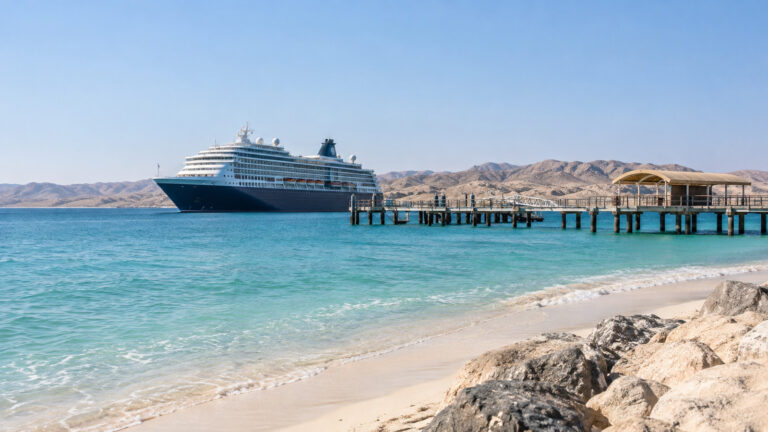
Maré does not have a conventional cruise terminal designed for large vessels. Ships that call anchor offshore and use tenders, rigid inflatable craft, or another approved small boat to reach the designated landing.
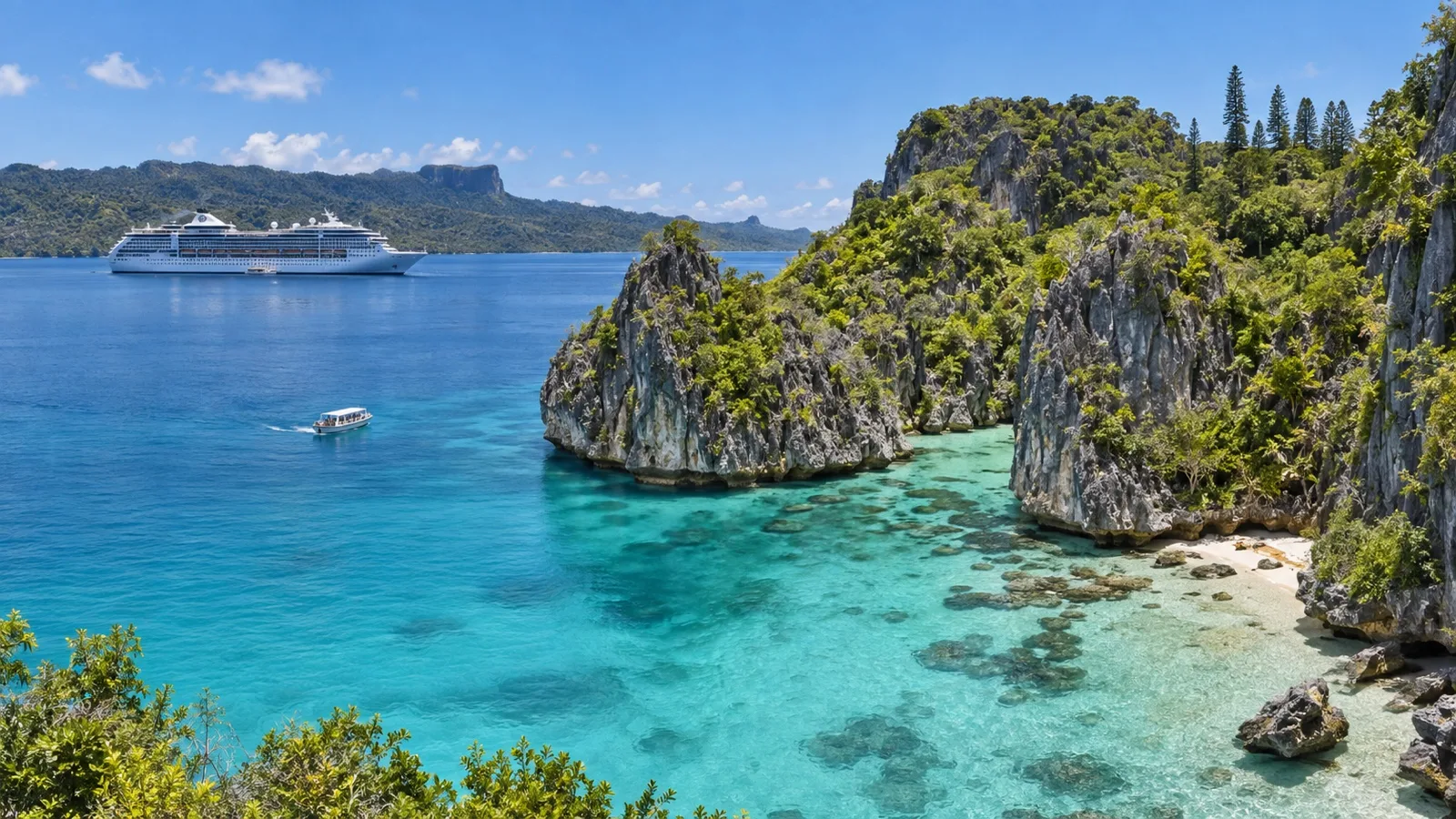
Tadine is the island’s active inter-island ferry port, and the official tourism listing for Betico places its Maré agency there. That makes Tadine an important transport point, but it does not guarantee that every cruise ship lands passengers inside the same facility.
The transfer may involve movement, spray, steps, crew assistance, and a wet or uneven landing. Your ship decides whether conditions are safe and whether an individual passenger can board the craft.
Tender tickets or excursion groups may determine landing order. Never promise a private operator an exact meeting time until the cruise line explains how passengers will go ashore.
Maré Is Much Larger Than a Beach Stop
Maré is a substantial raised coral island with villages, fields, forest, cliffs, caves, and beaches connected by a limited road network. Its best-known sights do not sit in one walkable cluster beside the landing.
There is no dependable fleet of app-based cars waiting for a sudden cruise call. Transport should be arranged through the ship, a recognized local host, or an operator working with the community.
Travel times are easy to underestimate because stops may be spread across different customary districts. A short distance can become a longer transfer when roads, group loading, permissions, or local events affect the route.
Choose two or three compatible stops rather than attempting an island circuit. Maré feels more meaningful when you have time to listen, look, and swim instead of treating each village as a photo checkpoint.
Kanak Culture and Respectful Visiting
Maré is part of the Loyalty Islands and is deeply shaped by Kanak community life, customary authority, family relationships, and the Nengone language. Visitors enter lived cultural spaces, not an outdoor museum.
Local hosts may explain a welcome, customary gesture, or protocol sometimes referred to as coutume. Follow their lead rather than performing something learned from an old travel post, because the appropriate action depends on the place, host, and purpose of the visit.
Ask before photographing people, ceremonies, private homes, churches, burial places, or culturally significant sites. A landscape that looks public to a visitor may be connected to customary land and require permission.
Dress modestly in villages and churches, speak quietly when a host is explaining tradition, and do not wander away from the approved route. Purchasing crafts or food directly from local families can support the community when it is offered as part of the visit.
Tadine and an Easy Local Plan
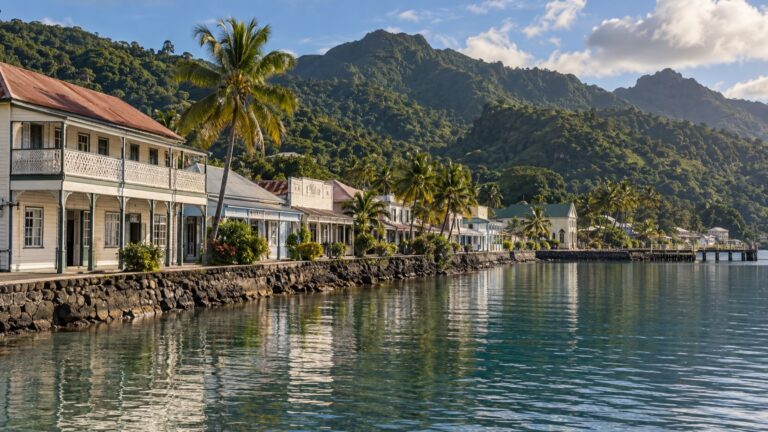
Tadine is the administrative and transport center most closely associated with cruise arrivals. It is small, and the appeal comes from meeting local hosts, seeing everyday island life, and understanding the ferry and harbor setting.
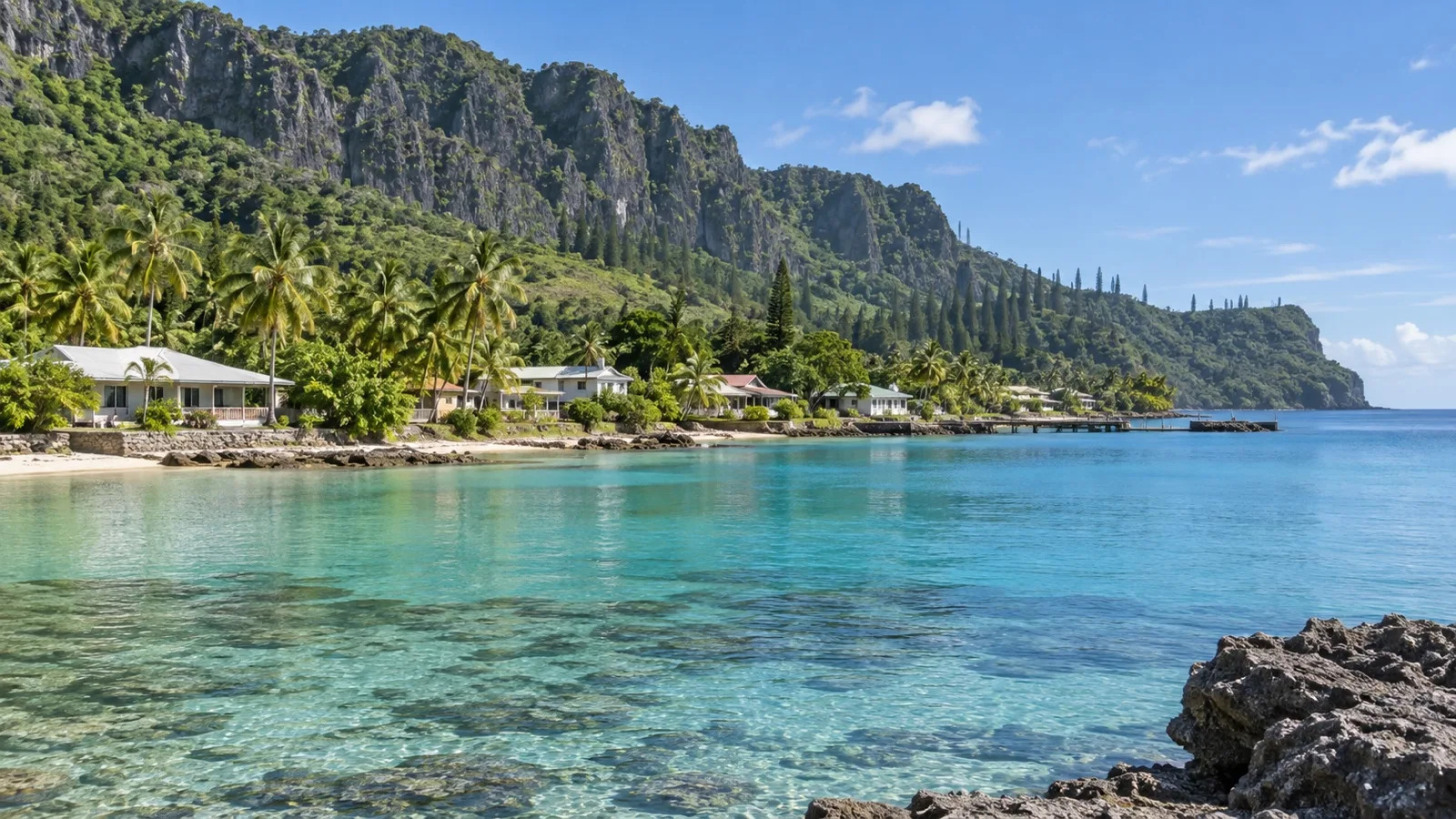
Do not expect a dense shopping district or a row of international restaurants. Services may be basic, opening can depend on local schedules, and card acceptance should never be assumed.
A short Tadine visit is a good fallback when the landing is late or the ship brings passengers ashore for only a few hours. Confirm the boundary of the visitor area and the exact location of the return queue before exploring.
The inter-island ferry agency at Tadine does not turn the port into a cruise terminal. Operational areas remain controlled, and visitors should use the route identified by the ship and local organizers.
Yedjele Beach
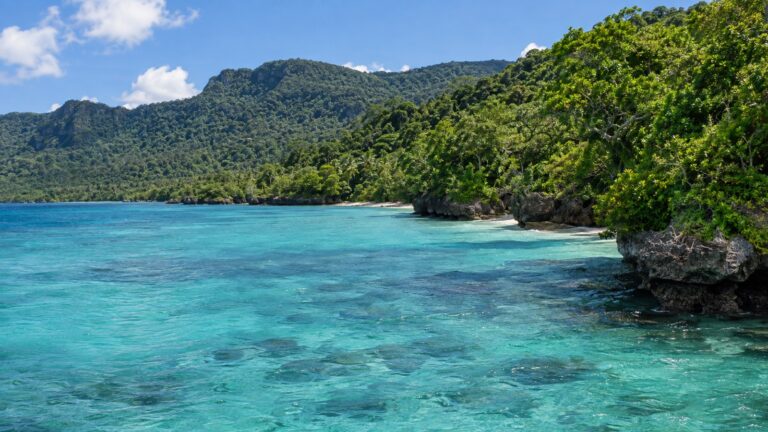
Yedjele is Maré’s best-known beach, with pale sand, clear water, and a graceful South Pacific setting. On a properly organized cruise day, it can provide the relaxed swimming and snorkeling experience many travelers imagine.
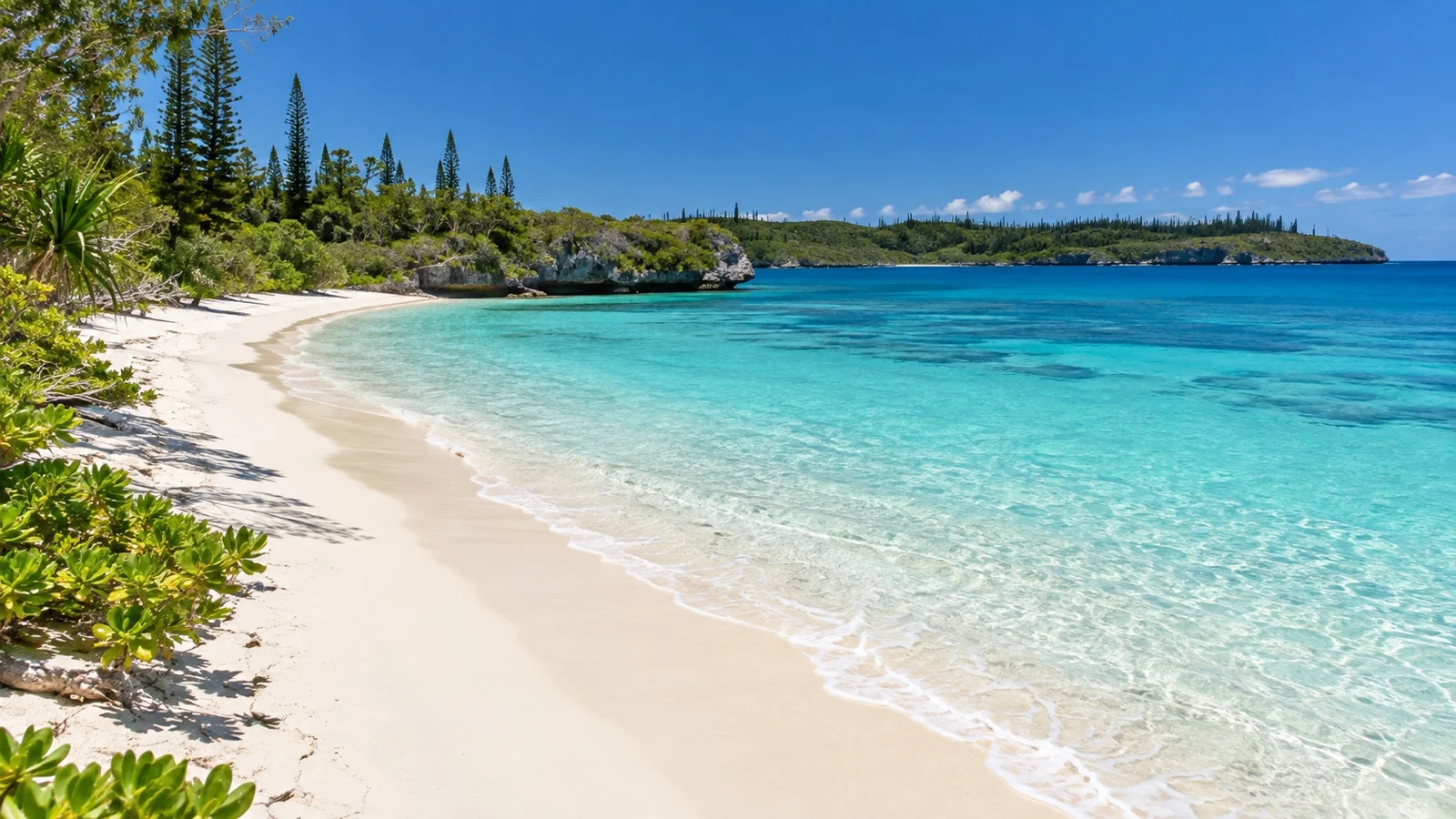
Access, facilities, food stalls, shade, and supervision depend on the current local arrangement. Do not rely on photographs from a previous cruise season to predict what will be available.
Water clarity and swimming conditions change with wind, tide, rain, and swell. Enter only where local hosts approve, stay within designated areas, and avoid standing on coral or touching marine life.
Bring reef-conscious sun protection, water, a cover-up, and footwear that can handle hot sand or rough ground. Carry out waste and use refillable containers where practical, because small islands have limited disposal capacity.
The Natural Aquarium and Other Swimming Holes
Maré is known for natural pools and protected-looking water, but access is not automatically open to every visitor. Some places have customary significance, environmental sensitivity, changing safety conditions, or local rules that require a guide.
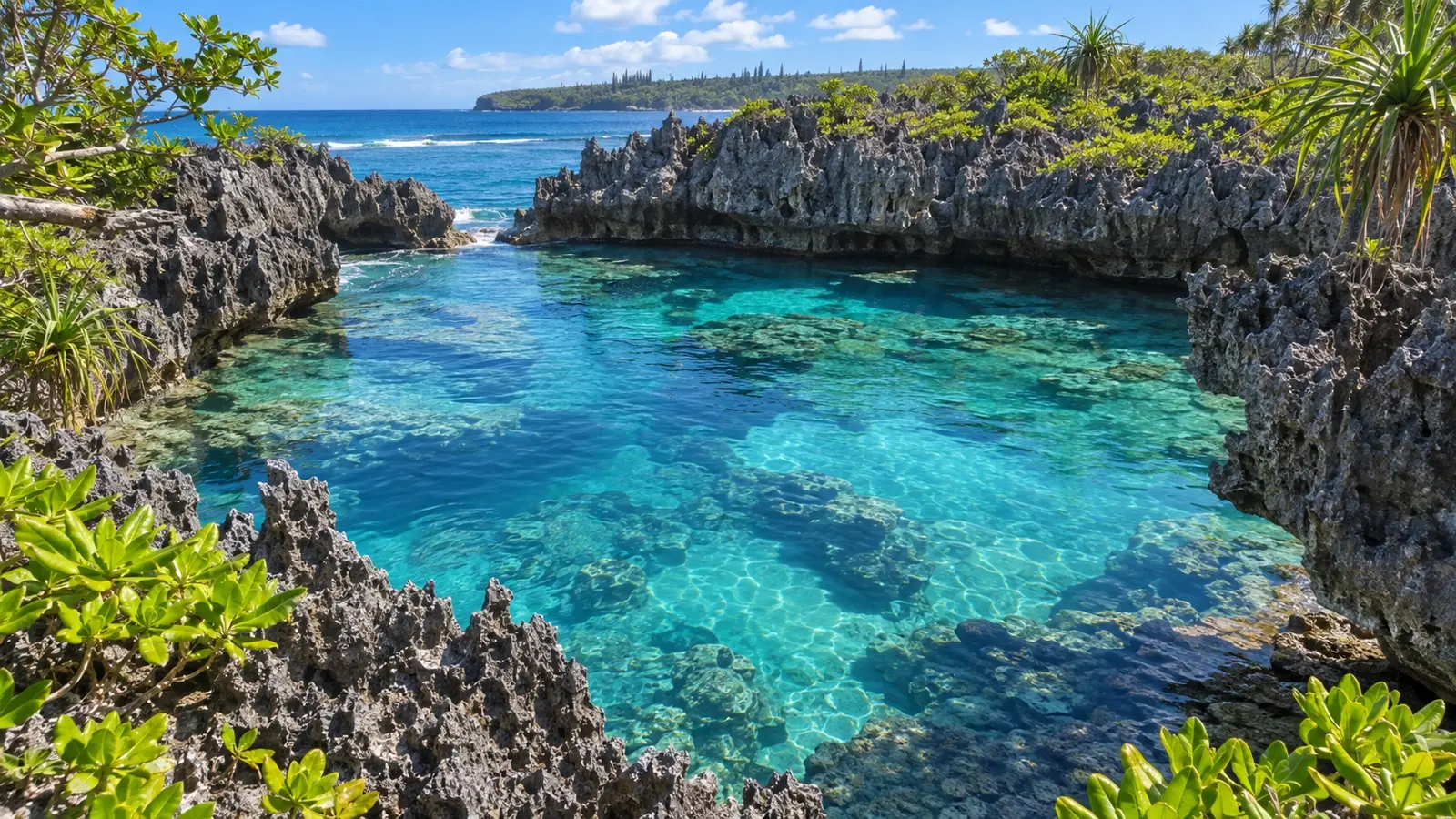
A site commonly described as a natural aquarium may offer strikingly clear water under the right conditions. Follow current instructions on whether swimming is allowed, because a beautiful pool is not an invitation to enter without permission.
Do not use sunscreen, feed fish, or step on fragile habitat where local conservation rules prohibit those actions. The best guide is the person responsible for the site that day, not a caption attached to an old image.
If the itinerary includes a cave pool or sinkhole, ask about steps, water depth, slippery rock, lighting, and emergency access. Travelers who are not confident swimmers should say so before the group leaves the vehicle.
Warrior’s Leap and Limestone Scenery
The coastal feature often called Warrior’s Leap at Wakone is associated with a powerful local story and dramatic limestone cliffs. It should be visited with a guide who can explain the place respectfully and identify the safe viewing area.
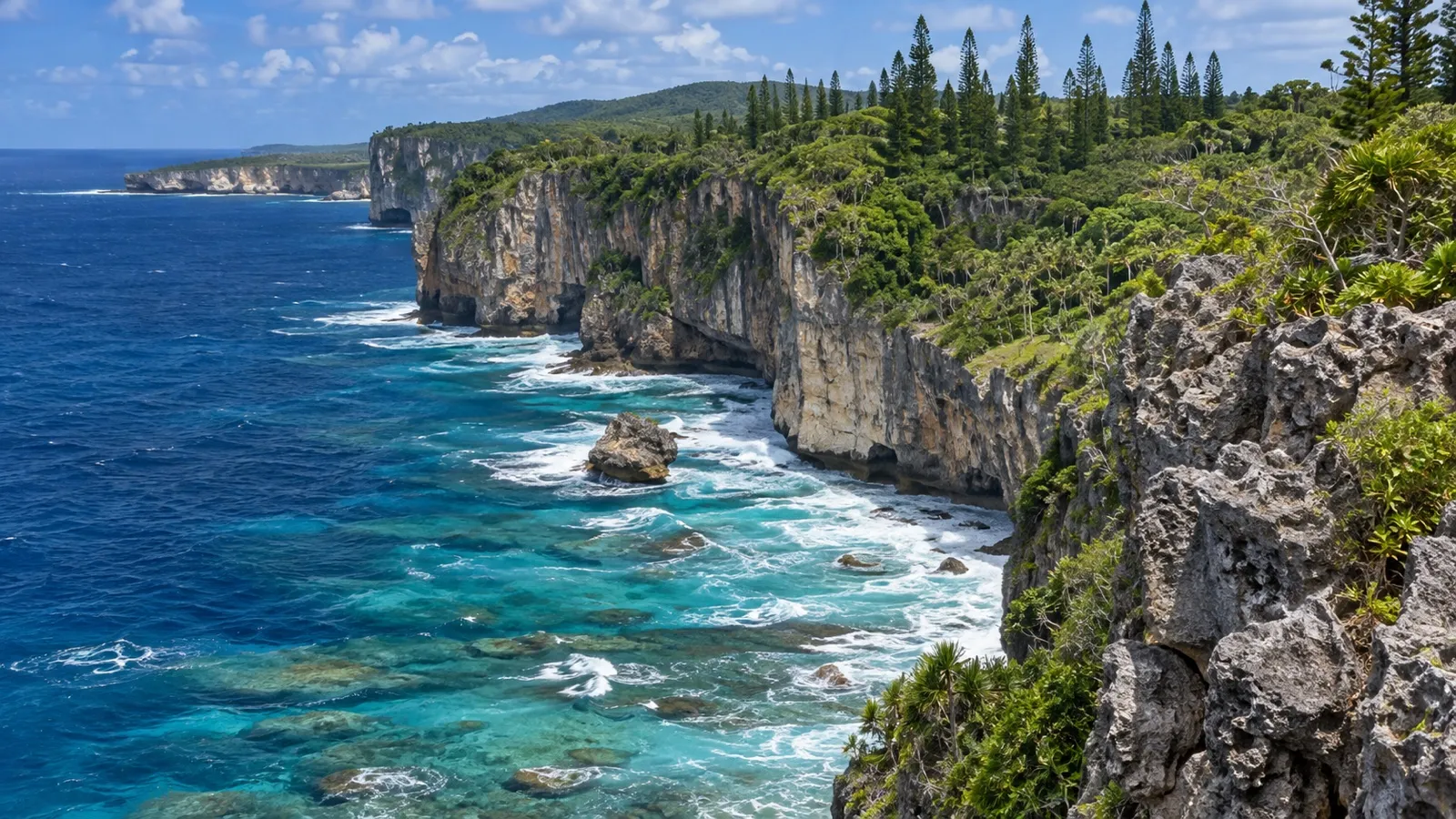
Cliff edges can be unstable, wet, windy, or poorly protected. Stay behind any barrier, keep children close, and never move toward the edge for a better photograph.
The journey matters as much as the viewpoint because the drive reveals forest, fields, villages, and the island’s raised-coral geology. Give the guide time to interpret what you are seeing instead of asking only how soon the group can reach the next stop.
This is a viewing experience, not an adventure stunt. If wind or local authorization changes access, accept an alternative rather than attempting to approach independently.
Bone Hole, Caves, and Forest Stops
The Trou de Bone, often translated as Bone Hole, is a vast limestone cavity surrounded by lush vegetation. Its scale is impressive from the approved viewpoint, though conditions and local access should be checked for the actual day.
Cave and sinkhole sites can involve roots, steep ground, mud, loose rock, and limited barriers. Wear secure footwear and remain with the guide.
Never climb down, swim, fly a drone, or enter a restricted area without explicit authorization. Rescue access can be difficult, and culturally important places deserve more than a quick risk for a photograph.
A forest stop can be one of the island’s quiet highlights. Listen for birds, notice the way vegetation grows across coral limestone, and let the guide explain how people use and protect the landscape.
Shabadran and Ambitious Hikes
The Shabadran terraces and remote coastal landscapes are often mentioned among Maré’s most spectacular experiences. Reaching them can require local permission, a guide, a long walk, difficult terrain, and more time than a cruise call provides.
Do not treat Shabadran as an independent beach transfer. The outing may involve heat, rough paths, limited shade, uncertain communications, and a return schedule that cannot be compressed if the ship changes its tender operation.
Only consider it when the cruise line or an authorized local program offers a complete plan designed for the call. Ask about fitness level, footwear, water, toilets, emergency arrangements, and the exact turnaround time.
Most cruise passengers will get a better day from Yedjele, one cultural stop, and one limestone sight. Save the remote hike for a land stay when weather and community scheduling have room to change.
Tender Weather and Cancellation Risk
Maré is exposed to Pacific weather, and the ship must evaluate conditions at the anchorage and landing. A sunny beach does not prove that swell, wind, current, or boat movement is safe enough for passenger transfers.
The captain may delay, shorten, relocate, or cancel the call. That is a normal consequence of expedition-style island operations, not evidence that the destination or crew has failed.
Cyclone season in New Caledonia generally overlaps the warmer, wetter part of the year, but disruptive weather can occur outside a neat calendar window. Use official forecasts and the ship’s announcements instead of a generic climate average.
If the call is shortened, prioritize the locally organized activity that can return you on time. Do not hire an unplanned vehicle and race across the island simply because the original excursion no longer fits.
Money, Language, and Connectivity
The CFP franc is the local currency and is pegged to the euro through a fixed institutional arrangement. Carry useful small denominations because informal stalls, community activities, and local transport may not accept cards.
French is the official language, while Nengone is central to local identity and daily life. A few respectful French phrases help, but your guide should handle detailed transport and customary communication.
Mobile coverage and data can be inconsistent away from villages. Download the ship’s instructions, maps, and contact numbers before going ashore and carry a portable battery.
Do not depend on finding an automated teller machine during a short call. Obtain local currency before the tender day or confirm exactly what your organized program accepts.
Entry Rules for New Caledonia
New Caledonia has its own entry framework within the French system, and travelers should not assume that rules for mainland France or the Schengen Area automatically apply in the same way. Requirements depend on nationality, itinerary, passport, and the current territorial rules.
Use the French High Commission in New Caledonia, the appropriate French consular service, and your cruise line as final authorities. A ship-issued landing card or organized excursion does not cancel a traveler’s responsibility to meet entry requirements.
Carry the identification specified by the ship and protect it from spray. Keep a separate copy of essential details and the local port contact without displaying sensitive information.
Health, Sun, and Water Safety
The tropical climate makes heat, sun, dehydration, and mosquito protection practical concerns. Consult current official health guidance before sailing and bring any personal medication you may need ashore.
Use repellent as directed, wear light protective clothing, and drink water regularly. Tropical rain can arrive quickly, so a light waterproof layer and dry pouch are useful even under a clear morning sky.
At beaches and natural pools, follow local advice about currents, depth, marine life, and permitted swimming zones. Never assume that transparent water is shallow or harmless.
Medical resources on a small island are limited compared with Nouméa. Travelers with serious conditions should discuss the call with the cruise medical team and avoid an outing that places them far from road access.
Accessibility and Tender Mobility
Maré can be challenging for travelers who use wheelchairs or have limited mobility because the call begins with a small-boat transfer. Boat design, platform movement, steps, landing surfaces, and sea conditions determine whether going ashore is safe.
Ask the cruise line for the exact tender policy before sailing, including whether crew can handle your mobility device. The final decision may be made on the day after officers assess conditions.
Island vehicles may not have lifts, paved access, or standardized steps. Ask specific questions about transfers, seating, toilets, sand, uneven ground, and how far the group walks at each stop.
A limited Tadine visit may be possible even when a full tour is not, but never assume it. The operator and local hosts must confirm the route that can be used safely.
How to Choose a Maré Excursion
A ship excursion or locally coordinated island program is usually the best choice because transport and customary access are intertwined. The value lies in authorization, timing, interpretation, and community relationships as much as in the vehicle itself.
Ask for the actual stops instead of accepting a generic island tour label. Confirm swimming time, walking surfaces, food, restrooms, vehicle type, language, and the return plan.
Avoid any operator who dismisses local permission or promises access regardless of conditions. Flexibility and respect are signs of a stronger Maré excursion, not weaknesses.
Do not stack a private beach visit after an organized tour unless the ship and local host explicitly allow it. The final tender time is absolute, and transport cannot always be summoned on demand.
My Ideal Maré Cruise Day
On a first call, I would choose one community-hosted island loop that combines a cultural welcome, Yedjele Beach, and one limestone viewpoint. That mix reveals Maré without turning the visit into a rushed drive.
If the landing is late, I would accept a shorter Tadine-centered program rather than trying to recreate the original itinerary independently. A calm, respectful visit is better than an anxious race toward a distant beach.
I would carry local cash, water, sun protection, modest clothing, and shoes that can handle both sand and rough ground. I would also return early because tender conditions can change faster than a road itinerary.
Final Thoughts
Maré is not valuable despite its conditional cruise operation, but partly because it remains a place where local permission and island capacity matter. The experience asks travelers to adapt to community rhythm rather than expecting the island to operate like a permanent resort terminal.
Confirm the call, follow your hosts, choose a focused route, and leave a generous return margin. If Maré opens its shore to your ship, meet that opportunity with patience and respect.
Cruise permissions, landing points, tender operations, entry rules, customary access, attraction availability, and weather can change, so verify current details with your cruise line and the relevant official New Caledonian authorities before sailing. This guide is for general planning and does not replace current immigration, cultural, health, safety, accessibility, marine, or transport advice.