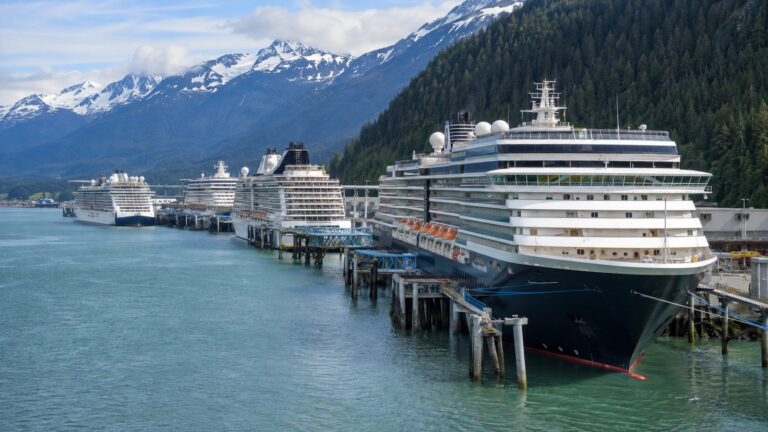
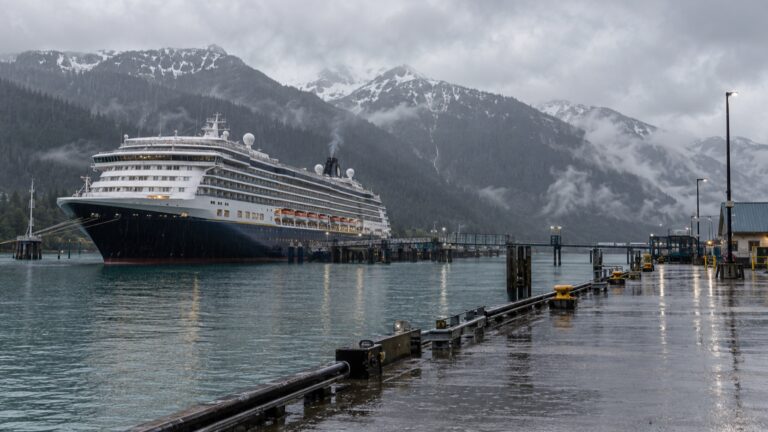
Turnaround Day Crowds: How the Weekday Changes Your Port
A port can feel completely different from one day to the next, and turnaround schedules help explain why. The weekday is a handy first clue, but the ship lineup for your exact date is the number that deserves the starring role.
Here is how to use both without turning your vacation into a spreadsheet: check the weekday for the repeating pattern, then check the port’s official calendar for the ships, times, and berths that will actually be there.
My quick take
A weekday can reveal a repeating seven-night loop, but it cannot tell you by itself whether a port will be crowded. Two large ships arriving together can matter more than four smaller ships spread across the day, and a holiday, weather change, or late schedule revision can scramble the pattern.
For a homeport, plan around your cruise line’s assigned arrival time and the morning flow of departing guests. For a visiting port, compare the official ship schedule with your time ashore, then reserve only the experiences that would be painful to miss.
The quick facts
- What turnaround means: one cruise ends and the next begins at the same port. Guests disembark with luggage in the morning while supplies, crew, and the next group of guests move through the terminal later.
- What the weekday tells you: a seven-night itinerary usually repeats on the same weekday. Shorter sailings, alternating routes, repositioning cruises, and changed calls do not follow one neat weekly rule.
- What matters more: check the number and capacity of ships, their arrival and departure times, and whether your ship docks or tenders. Counting ships without checking their size can be very misleading.
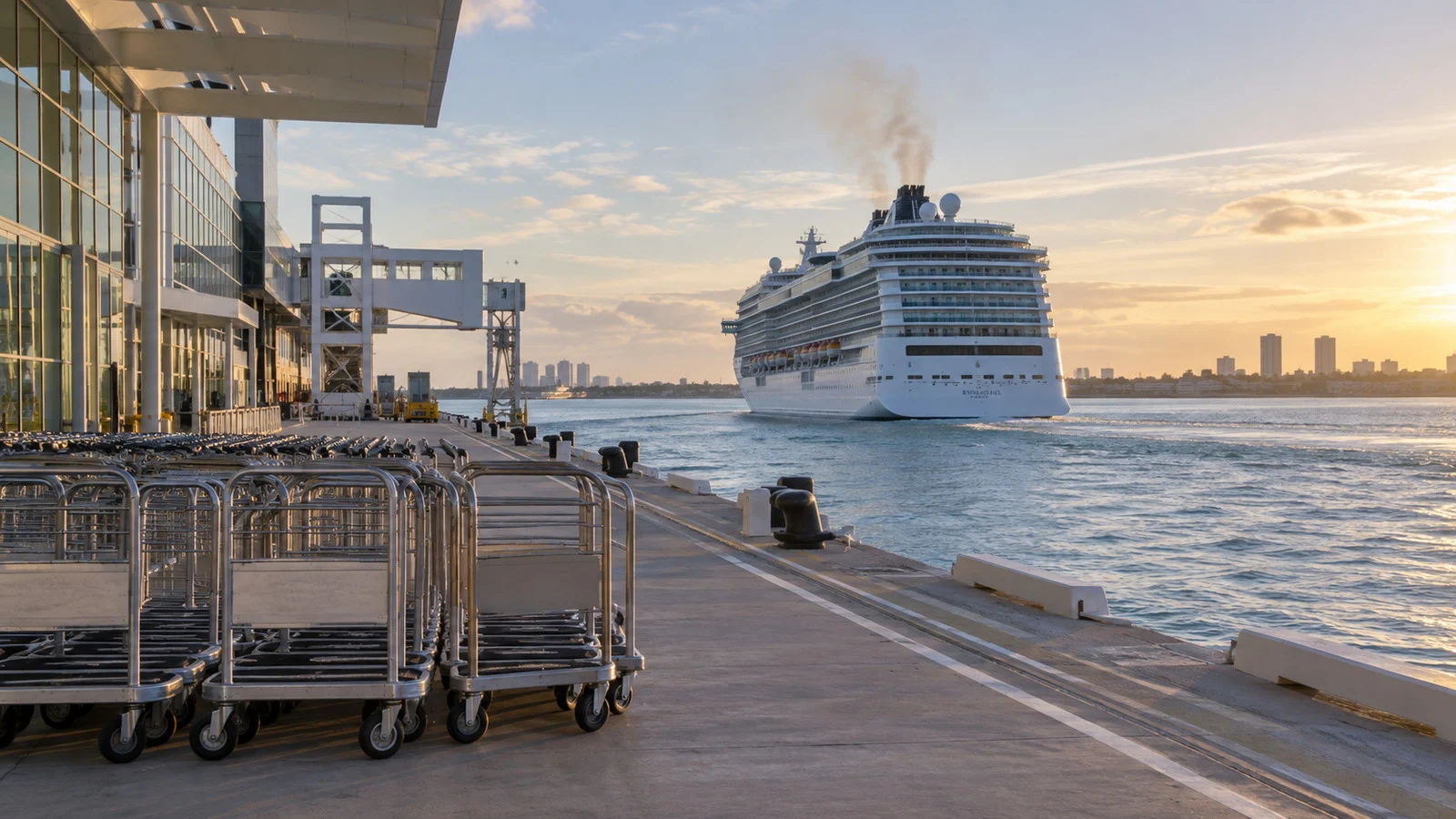
- The morning flow: Port Everglades says guests typically disembark between 7 and 9 a.m. That is useful context, not a promise that every terminal road or taxi line will peak at exactly the same time.
- The boarding rule: follow the arrival window issued by your cruise line. Port Everglades specifically asks departing guests not to arrive before their assigned check-in time.
- The best source: use the port authority’s schedule for your exact date, then recheck close to sailing because assignments and times can change. Seattle labels its schedule subject to change, while Barcelona says its seven-day forecast is the most accurate near-term view.
- The practical goal: you are not trying to find a magically empty weekday. You are deciding when to leave extra transit time, which timed attraction to reserve, and when a flexible backup plan is smarter.
Why a homeport day creates two different crowds
A visiting ship sends guests ashore and brings most of them back that evening. A turnaround ship instead moves one group out with luggage and another group in with luggage, plus vehicles, porters, security screening, and ground transportation.
That does not automatically mean twice the street crowd of an ordinary call. Departing and arriving guests move through different processes and may head straight to airports, hotels, cars, or the ship rather than into the same attractions.
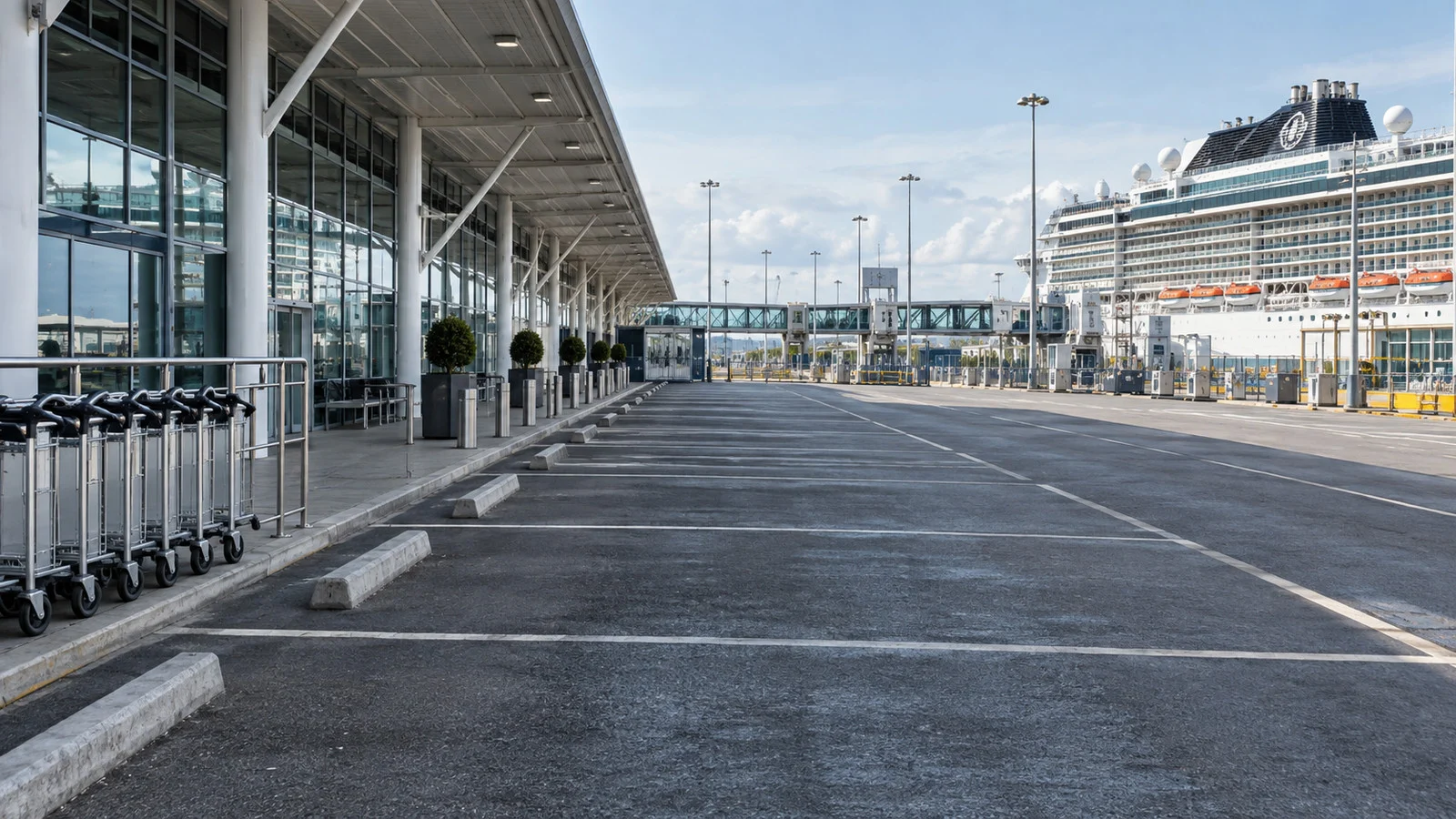
The pressure is usually most relevant around the terminal curb, parking, and approach roads. Port Everglades lists more than 5,500 parking spaces and free cell-phone waiting lots, which is a good reminder that pickup timing and vehicle flow are a big part of the day.
If you are staying aboard for a back-to-back cruise, follow the ship’s instructions instead of assuming you can walk off and back on whenever you like. Immigration, customs, terminal, and account procedures vary by port and cruise line.
How weekly loops affect ports down the route
Seven-night sailings that leave together often reach later ports on the same weekday, so a recurring pattern can form. That is the useful part of the weekday trick, especially when several ships share similar Caribbean or Alaska routes.
It is still only a pattern. Three- and four-night cruises, alternating itineraries, seasonal deployment changes, skipped calls, and ships with different speeds can change who arrives together.
Nassau shows why capacity matters more than the weekday label. Nassau Cruise Port lists six operational berths, says it can welcome three Oasis-class ships simultaneously, and can also accommodate Icon-class ships.
On a date like that, downtown paths, tours, and taxi demand can be busy even if the calendar calls it a normally quieter weekday. Use the port’s daily schedule and the ships’ approximate passenger capacities to judge the day, then read what changes when several ships share a port.
Alaska: read the season schedule, not a weekend rule
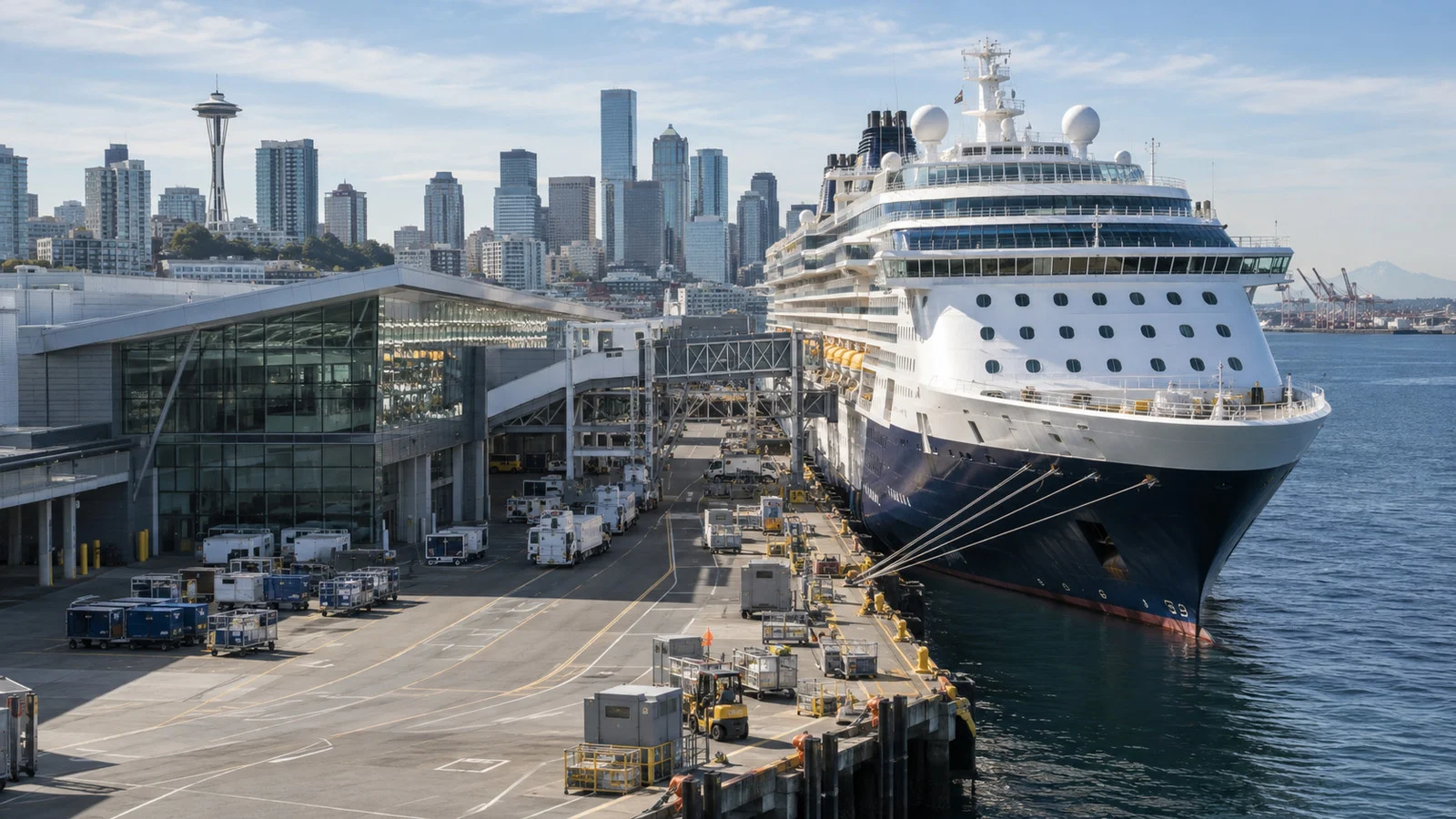
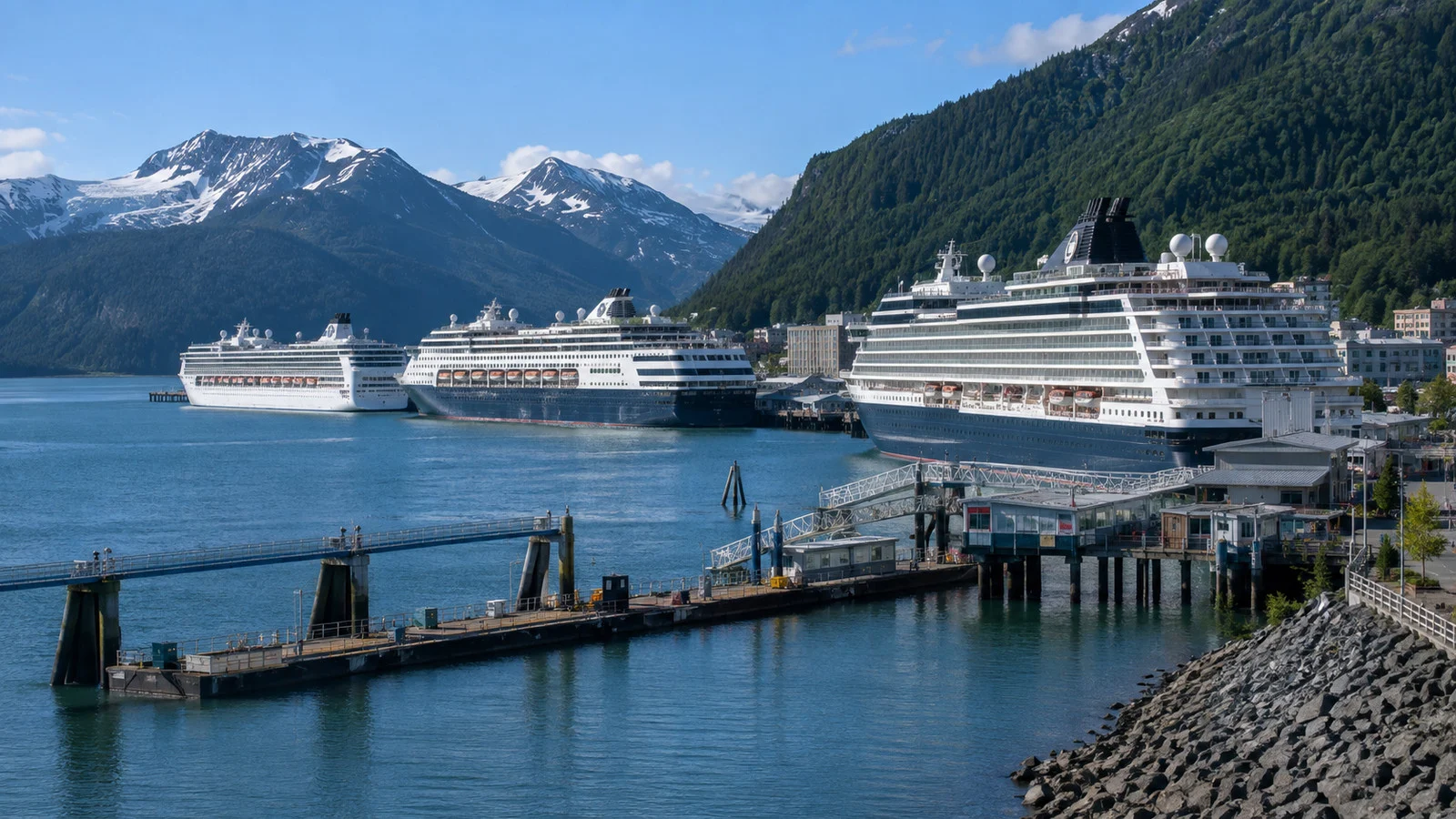
Alaska itineraries often repeat during a concentrated cruise season, so weekday patterns can be easy to spot. The Port of Seattle’s official schedule lists the current season and provides a separate tool for finding a ship and terminal.
Seattle also warns that its schedule can change throughout the season. Check the exact date rather than assuming every weekend is heavy or every midweek call is light.
For Juneau, Skagway, or Ketchikan, look at the destination port’s own calendar too. A ship’s departure weekday does not tell you whether other vessels joined from Vancouver, whether arrival windows overlap, or whether your berth adds a shuttle or longer walk.
Europe: turnaround days vary by port and season
Southampton, Barcelona, and Civitavecchia all handle turnaround traffic, but none should be reduced to one permanently busy weekday. Cruise lines change deployments, ports host both transit and turnaround calls, and schedules can shift for operational or weather reasons.
Southampton VTS publishes a provisional cruise schedule and points travelers to planned movements for the latest short-range information. That wording matters: provisional is not the same as guaranteed.
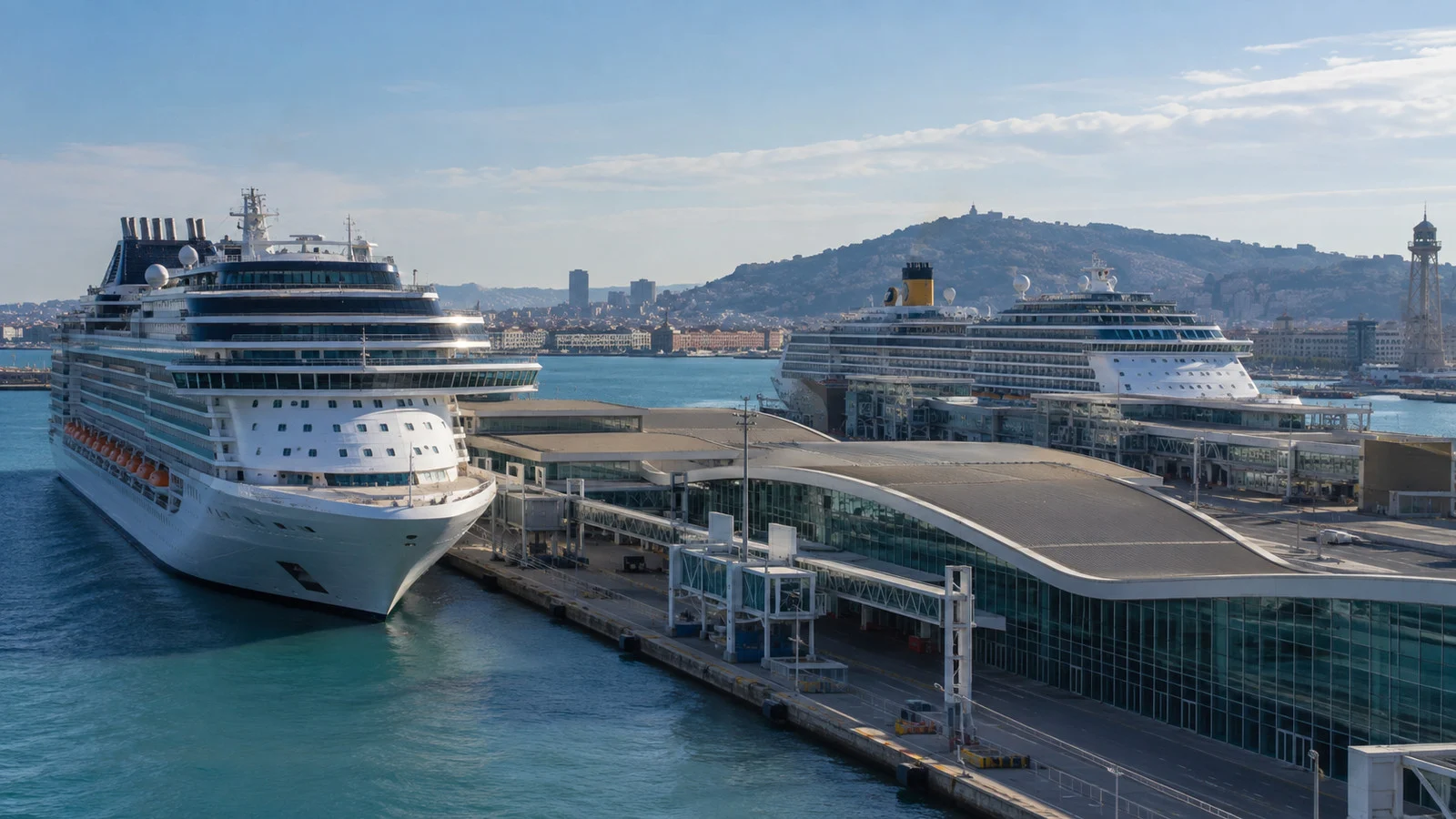
The Port of Barcelona offers annual, monthly, and rolling seven-day cruise forecasts. It says the seven-day version is the most accurate and notes that all data can vary for operational or weather reasons.
For Civitavecchia, use Port Mobility’s arrivals and departures rather than assuming Rome-bound trains will be quiet on a particular weekday. Also compare ship times with your train or tour plan, since simultaneous departures can matter more than the daily ship count.
The things I would actually do
- Start with your exact date: open the official port calendar and note every cruise ship, its arrival and departure times, and its berth or tender status. Recheck about a week before the call and again within 24 to 72 hours if the port publishes live updates.
- Weight ships by size: compare approximate lower-berth capacity instead of treating every hull equally. Then look for overlapping arrival windows, because five ships spread across a day may be easier than two very large ships releasing guests together.
- Protect the must-do: reserve a timed attraction or limited-capacity tour on a heavy day, preferably with enough transfer margin to absorb queues. Keep a walkable, low-cost alternative for anything you would not mind skipping, especially if you are also planning around a child’s nap.
- Follow homeport instructions: use your assigned terminal and check-in window, tag checked bags, and keep identification, cruise documents, valuables, and medication in your carry-on. Add a transportation buffer based on current traffic guidance instead of a fixed extra 30 minutes.
- Plan for your own needs: if long queues, heat, or walking distance are concerns, ask about assistance, shuttles, tendering, and the route from berth to transportation before sailing. My guide to planning a port day when you cannot walk far covers that layer in more detail.
The official calendar is your best starting point, but it is not a crowd guarantee. Local holidays, festivals, school breaks, weather, ferry traffic, and a major event can make the city busier than the cruise schedule suggests.
How I would choose between two sailings
If two itineraries are otherwise equal, I would compare their exact port dates and ship lineups before choosing by departure weekday. I would favor the sailing that gives the most important port fewer total berths in use, lower combined capacity, or less overlap around my planned excursion.
If the schedule is already fixed, I would spend money where capacity is genuinely scarce and leave the rest flexible. An early start often helps at marquee sights, but opening hours, tender operations, and local rush hour can make another time smarter.
Staying aboard can be lovely, but it is not the only answer to a busy date. A neighborhood beyond the main shuttle drop, a small-group outing away from the pier, or a self-guided route with an easy escape hatch can work just as well.
Accessibility and sensory planning
Turnaround can concentrate luggage, security, and vehicle activity around the terminal, but the difficulty varies by port, terminal, and assistance plan. Request mobility assistance through the cruise line by its deadline and confirm the ship’s disembarkation or boarding instructions.
For a visiting call, ask whether the ship is docked or tendered, how far the berth is from the port exit, and whether an accessible shuttle is required. On a high-capacity day, build in more recovery time and choose a meeting point away from the busiest curb if the operator allows it.
Crowd-sensitive travelers may also want a quieter waiting place and a backup route that avoids the main tour dispatch. The broader guides to crowded cruise ports and planning when you dislike crowds can help.
Season, weather, and schedule changes
Season changes which ships are deployed and how many calls appear on the calendar, but there is no universal quiet month. Caribbean, Alaska, and Mediterranean patterns differ, and school breaks or holidays can change demand even when the ship count stays the same.
Weather can delay arrivals, move a ship to another berth, cancel a tender call, or compress excursion departures. Check the cruise line’s notices and the port’s near-term schedule before committing to a tight independent connection.
Quick answers
What is a cruise turnaround day?
It is the day one cruise ends and the next begins at the same port. The terminal handles disembarking guests and their luggage, prepares the ship, and then checks in the next group.
Does the weekday really change port crowds?
It can reveal a repeating itinerary pattern, especially on seven-night routes. Your exact date’s ship capacities, timing, berths, tenders, and local events are better predictors than the weekday alone.
Are weekends always busiest at Florida homeports?
No. Weekend schedules can be heavy, but you should check the official daily lineup and your terminal assignment rather than treating Saturday or Sunday as an automatic warning.
How do I find how many ships share my port day?
Start with the port authority’s cruise calendar and follow my guide to reading a berth schedule. Check ship size, times, and berth or tender details instead of stopping at the ship count.
When should I arrive at the homeport?
Use the arrival window and terminal provided by your cruise line. Check current road or transit conditions, allow a sensible buffer, and do not arrive early when the port or line tells you not to.
The last word
The weekday is a clue, not a crystal ball. Use it to spot repeating loops, then let the official schedule for your date decide how much buffer, booking, and flexibility your port day needs.
If you want the port-by-port version, start with which attractions get difficult on busy port days. The winning plan is usually simple: protect one priority, avoid a tight transfer, and keep one pleasant backup in your pocket.
How this guide was researched: Unless a first-hand visit is explicitly identified above, this guide is based on independent research using official port, tourism, transit, government, and attraction sources where available.
Turnaround guidance was checked against Port Everglades, berth capacity against Nassau Cruise Port, and schedule practices against the ports of Seattle and Barcelona, Southampton VTS, and Port Mobility Civitavecchia. See our Editorial Policy.
More on this topic: browse every guide on weather, crowds and conditions.