Port Denarau Cruise Port (Nadi, Fiji): A Planner’s Guide
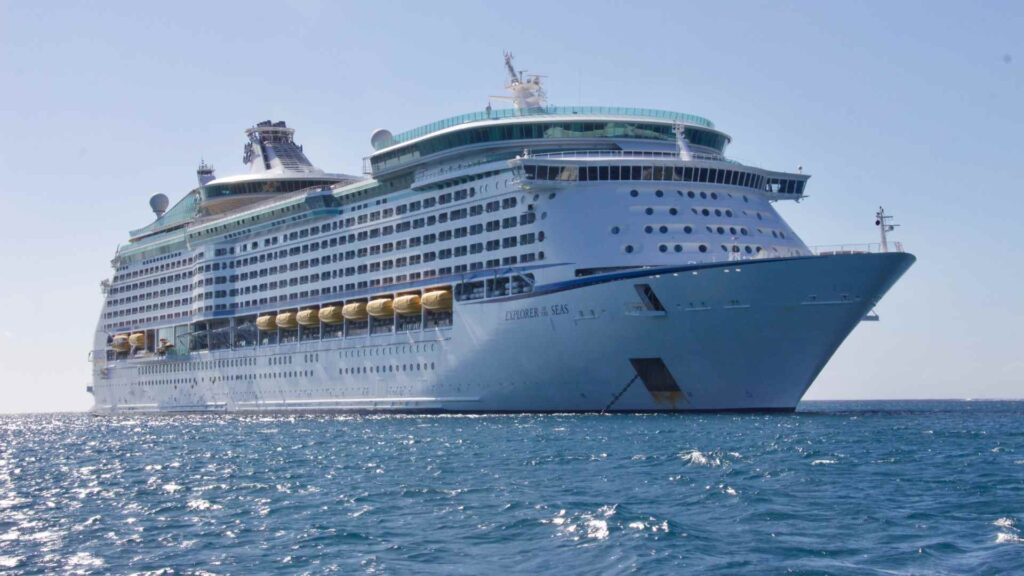
Port Denarau is a marina gateway near Nadi, not a deep-water ocean-cruise terminal. If your itinerary names it, expect a tender or another line-specific transfer and confirm whether an island boat can wait for your actual arrival.
The marina is excellent for prebooked Mamanuca trips, while Nadi, Sabeto, and Denarau resorts make safer land alternatives. Choose one chain and protect the tender return.
My quick take
Treat Port Denarau as a marina hub, not a big-ship terminal. Its real magic is the fleet of day cruises heading out to the Mamanuca and Yasawa Islands.
If a boat trip is not your plan, Nadi’s temple, gardens, and hot springs make an easy half day ashore.
What “Port Denarau” really means for a cruiser
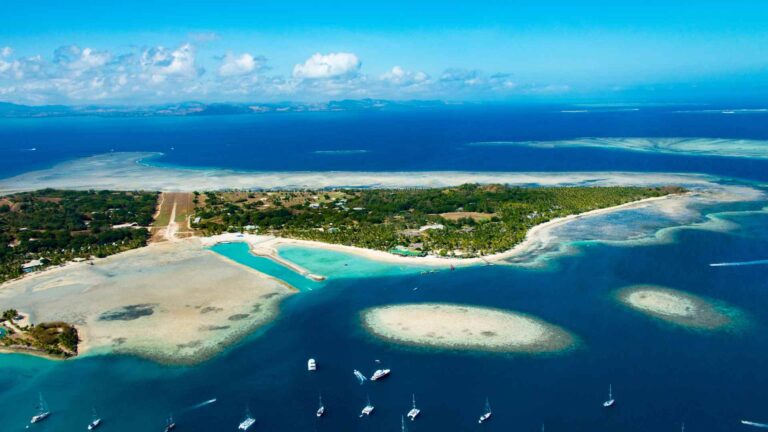
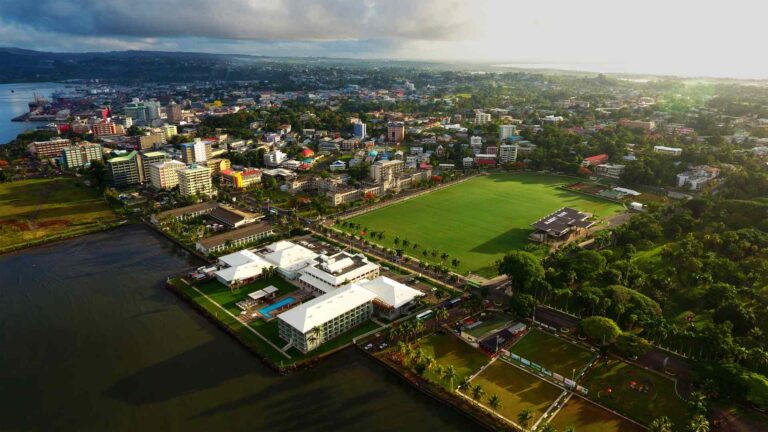
Port Denarau Marina handles ferries, yachts, and day boats but not large ocean ships alongside. Cruise passengers may tender to the marina or receive a different nearby arrangement, so the ship’s final notice is the controlling source.
Do not infer the landing from a broad itinerary label such as Nadi or Port Denarau. Lautoka is a separate port roughly 20 miles away by road, and a call there requires a completely different transfer to this marina.
Small vessels may use marina facilities that cannot take a large cruise ship. Give any tour operator the ship name, landing point, first-tender estimate, and all-aboard time before accepting the booking.
The quick facts
- Where you land: a line-assigned tender landing at Port Denarau Marina or another announced Nadi-area point. Lautoka is a separate commercial port about 20 miles away by road, so confirm the exact call location.
- Dock or tender: Large ocean ships cannot berth inside Port Denarau Marina and normally use tenders or another announced arrangement. Small vessels may use marina berths.
- Into town: The marina’s own shops, cafes, and tour desks are right where you land and take about 2 minutes on foot.
- Currency and language: The Fijian dollar (FJD); English is an official language and universally used in tourism, alongside iTaukei Fijian and Fiji Hindi.
- Time zone: Fiji Time (UTC+12).
- How often the call is missed: Medium (roughly 3 to 7%): tropical storms can make the approach unsafe.
Getting around
The marina itself is compact and easy on foot, with shops, cafes, and tour desks clustered together.
For Nadi or the Sabeto valley, use a registered taxi or prebooked driver and confirm whether the meter or an agreed total fare will apply. Traffic around Nadi and Denarau can slow at busy times, so keep the same driver for a multi-stop loop when possible.
Island boats leave on fixed schedules, often before late tender groups reach the marina. A ship excursion provides the strongest timing protection, while an independent operator should confirm how it handles a delayed ship tender.
The stops I’d actually spend time on
These are the named, verifiable places worth your limited hours ashore. I have leaned toward what is genuinely close and doable on a port day.
Port Denarau Marina shops and restaurants
The marina boardwalk is the social heart of Denarau, lined with restaurants, cafes, and shops around the boat berths.
It is the natural place to grab a coffee, book a tour, or wait for a boat without straying far from the ship.
Day cruise to the Mamanuca Islands
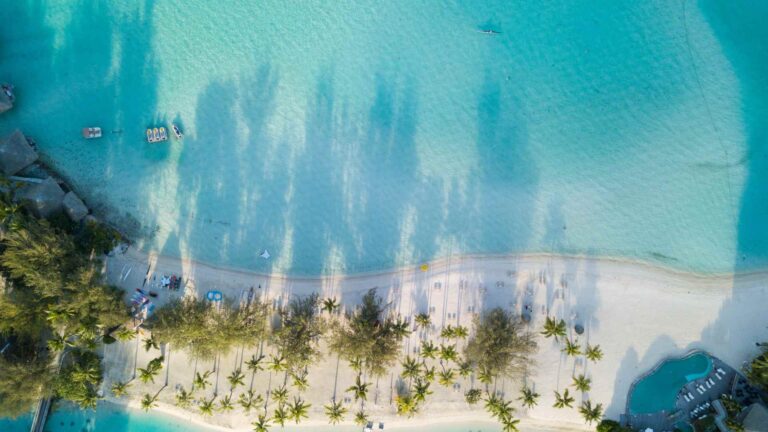
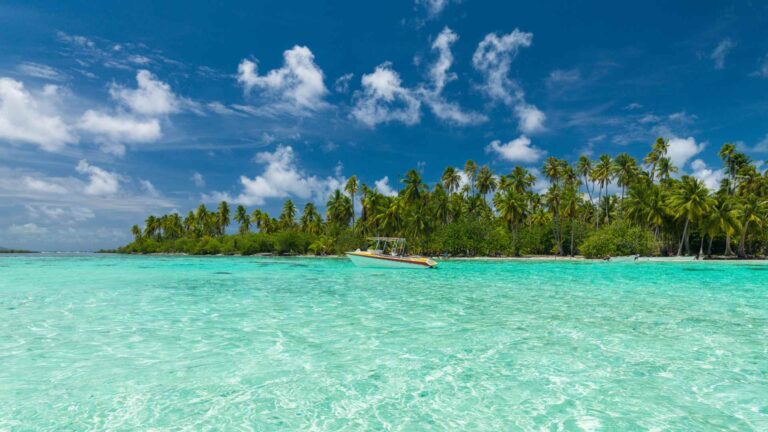
The classic Denarau day out is a boat to the nearby Mamanucas for snorkeling, soft white sand, and clear water. South Sea Cruises runs regular half- and full-day trips from the marina.
South Sea Island and Malamala Beach Club are among the closer Mamanuca options, but published journey times do not include check-in or tender delay. Confirm the exact vessel, departure, return, and final walk or tender connection.
Cloud 9 floating bar
Cloud 9 is Fiji’s original two-level floating bar and day club, anchored out on Ro Ro Reef with a wood-fired pizzeria and sun decks.
The transfer boat leaves Port Denarau Marina and takes about 60 minutes, so it suits a longer port day rather than a quick one.
Yasawa Flyer to the Yasawa Islands
The Yasawa Flyer is primarily a scheduled island-transfer service with a long route, not an easy cruise-day sightseeing loop. Choose a purpose-built Mamanuca day cruise unless the operator confirms a short excursion that fits the ship.
The Yasawas are further out, so they work best when your ship stays late; otherwise stick to the closer Mamanucas.
Sri Siva Subramaniya Swami Temple, Nadi
At the south end of Nadi town, this brilliantly colored Hindu temple is one of Fiji’s most striking landmarks. Its pyramid-shaped Dravidian towers are covered in carvings of warriors, kings, and gods.
Fun fact: the ornate ceilings were hand-painted by artisans in a traditional South Indian style rarely seen this far south. Dress modestly, remove your shoes, and note photography is limited to the exterior.
Garden of the Sleeping Giant
On the foothills below the Sabeto mountains, the Garden of the Sleeping Giant holds more than 2,000 orchids among rainforest boardwalks.
It is calm, shaded, and easy to combine with the nearby mud pools on one short excursion.
Sabeto Hot Springs and Mud Pool
The Sabeto mud pools are a happily messy natural spa: coat yourself in warm mineral mud, let it dry, then rinse in a series of thermal pools.
It sits in the same Sabeto valley as the orchid garden, which is why the two so often pair up.
Denarau Golf and Racquet Club
Denarau Island has a championship 18-hole golf course wrapped in palms, plus tennis courts for a quicker hit.
It is an easy option if you would rather stay on the island than take a boat.
Denarau Island resorts and day passes
Some Denarau resorts sell day access when occupancy and events allow, but policies, inclusions, and beach or pool access change. Book directly, confirm towel and facility access, and do not assume a walk-in pass will be available.
A pass buys you pools, beach, and dining a few minutes from the marina, which is handy if the sea is too rough for island boats.
Nadi town and market
Nadi town, a short drive inland, is the place for the produce market, spice stalls, and craft shops.
It pairs naturally with the temple, since both sit at the same end of town.
How I’d plan the day
Short call (about 4 hours ashore): stay on land with the marina plus Nadi temple and market, or reserve a nearby resort pass. Return to the tender area about 90 minutes before all-aboard.
Half day (5 to 6 hours ashore): pair the Garden of the Sleeping Giant with the Sabeto mud pools using one driver. Skip Nadi if the outbound tender or traffic puts the loop behind schedule.
Full day (8 hours or more): choose one ship-timed Mamanuca cruise with a scheduled marina return at least two hours before all-aboard. Cloud 9 works only when its transfer times and sea conditions fit that margin.
A realistic word on accessibility
The cruise line decides whether a mobility device and passenger can transfer safely in the day’s conditions. Ask about steps, device limits, assistance, and the landing surface before booking an island or vehicle tour.
The marina has many level routes, but island boats, resort docks, beaches, gardens, and mud pools have separate access barriers. Get exact ramp, step, toilet, and transfer information from the operator.
When to go, and the weather
Fiji is tropical and warm year-round. The drier, cooler season runs roughly May to October and is the most reliable for island cruising.
The wetter season, around November to April, brings heavier showers and the occasional cyclone risk. Pack sun protection and a light rain layer whenever you sail.
Entry, health, and weather checks
Follow the ship’s Fiji clearance instructions and carry only the identification it requests ashore. Fiji has strict biosecurity controls, so declare restricted food, plant, animal, or outdoor items when directed.
Use sun protection, insect repellent, and safe drinking water, and check with a travel-health professional for your wider itinerary. Mud pools, reef trips, and beaches can be unsuitable with open wounds or poor weather, so ask the operator about current conditions.
The wetter cyclone season runs mainly November through April, while May through October is generally drier. Wind and swell can cancel both the ship’s tender and an island boat, making a confirmed land fallback especially valuable.
Quick answers
Does my cruise ship dock at Port Denarau?
Often not directly. The marina is a day-cruise hub, so many larger ships tender near Nadi or dock at Lautoka or Suva instead.
Confirm your exact arrangement with your cruise line.
What is the best short excursion?
For a short call, the Sri Siva Subramaniya temple and Nadi market are close and quick. For anything on the water, allow a full day and watch your return time.
Do I need a visa for Fiji?
Fiji maintains a visa-exempt-country list and requires visas in advance for other passports, so this is not a universal visa-on-arrival system. Check Fiji Immigration and the cruise line for your nationality and route.
Denarau is a base, not a checklist. Pick one boat trip or one Nadi loop, do it well, and let Fiji’s easy pace do the rest.
For more, see the wider best tender ports roundup.
How this guide was researched: Unless a first-hand visit is explicitly identified above, this guide is based on independent research using official port, tourism, transit, government, and attraction sources where available. Logistics and time-sensitive details were reviewed in September 2026; see our Editorial Policy.