Doha Cruise Port: Berths, Metro and Souq Waqif
Doha gives cruise passengers something increasingly rare: a modern terminal in a genuinely central waterfront neighborhood. Step outside and the pastel Mina District, Box Park, the Corniche, and major museums are already within the same broad part of the city.
The city is easy to navigate once you separate what is walkable from what is merely close by car. Build the day around one museum, Souq Waqif, and the waterfront, then add the desert or farther districts only when the call is long enough.
Doha cruise port quick facts
- Country: Qatar
- Port: Doha Port on the Corniche, not Hamad Port
- Passenger facility: Grand Cruise Terminal in the Mina District
- Berths: Qatar Tourism describes dual terminals serving two cruise berths
- Dock or tender: Cruise ships normally berth alongside, subject to the day’s port plan
- Closest attractions: Mina District, Box Park, Flag Plaza, Museum of Islamic Art, and the Corniche
- Closest metro stations: National Museum and Souq Waqif, neither directly inside the terminal
- Currency: Qatari riyal
- Time zone: Arabia Standard Time, UTC plus 3, with no seasonal clock change
- Best first visit: One museum followed by Souq Waqif and a waterfront walk
A practical quick take
Doha is a forgiving port if you keep the plan compact. Take a taxi or official shuttle to one museum, continue to Souq Waqif for lunch, and finish near the Corniche or Mina District.
A desert safari can be memorable, but it consumes a large block of time and depends on road travel outside the city. On a short call, Doha’s architecture, collections, food, and harbor tell a richer story than a hurried run to the dunes.
Where cruise ships dock
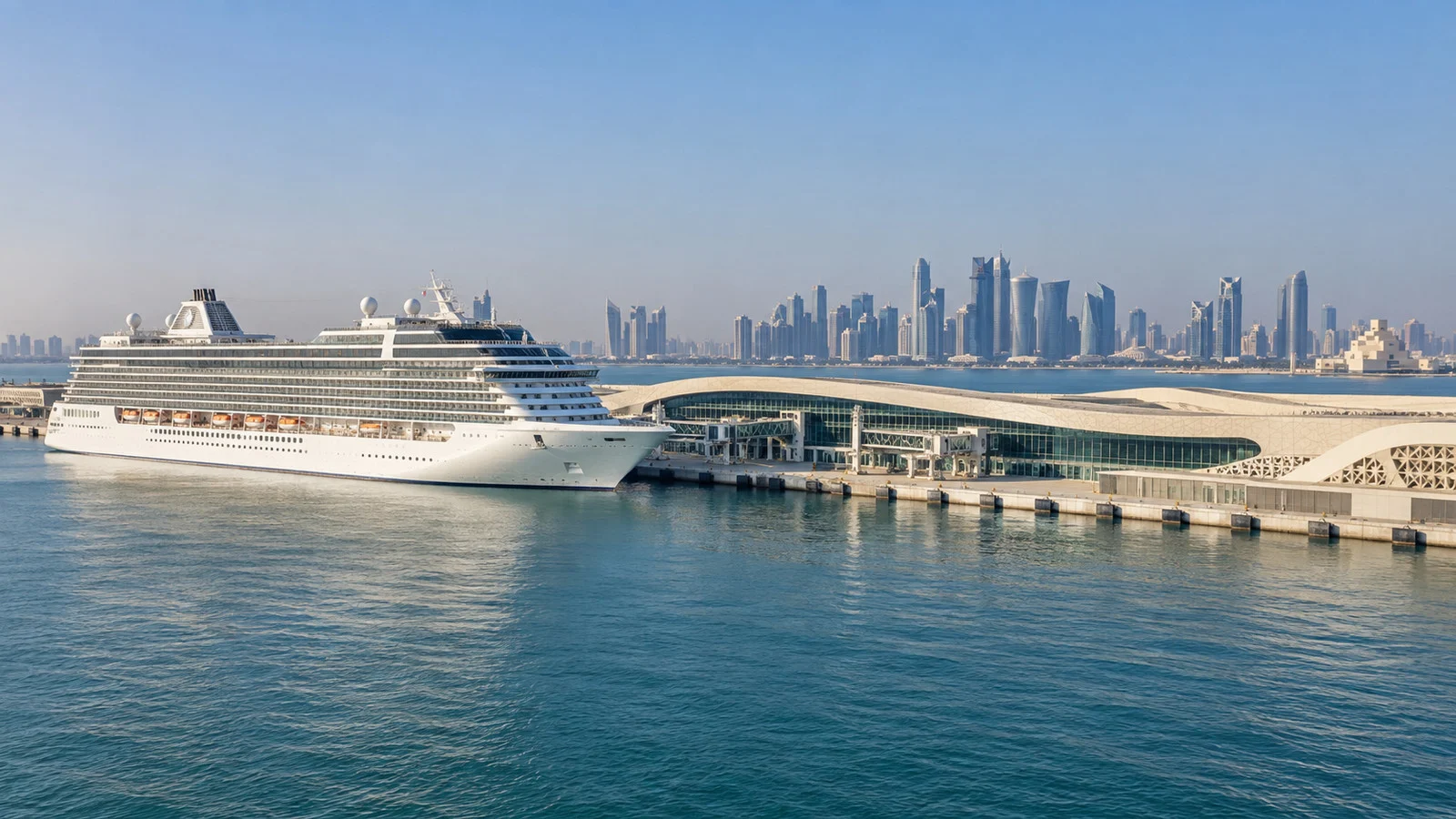
The Grand Cruise Terminal is at Doha Port on Corniche Road in the Mina District. Qatar Tourism describes two berths, facilities for as many as 12,000 passengers in a day, and a terminal facade formed by 1,174 stacked arches.
This is Doha’s passenger port, not Hamad Port, which is the country’s main commercial seaport south of the city. Use the exact terminal name when booking a taxi or meeting a guide.
Ships normally berth alongside, although every call remains subject to operational decisions. Check the assigned gangway, terminal exit, and all-aboard time in the ship’s daily program.
Inside the Grand Cruise Terminal
The terminal is more than a customs hall, with an arrival aquarium, lounges, prayer rooms, an art gallery, a rooftop terrace, ATMs, currency exchange, Wi-Fi, toilets, a café, and shopping listed by Qatar Tourism. Not every space or service will necessarily be open throughout your visit.
Immigration processing can be quick, but timing depends on ship size, nationality checks, and whether another vessel is arriving. Do not book a private guide so tightly that a border queue immediately puts the day behind schedule.
Visa and entry checks
Qatar’s entry rules depend on nationality, passport validity, residency, and other individual circumstances. Cruise passengers should follow their cruise line’s instructions and verify requirements through Qatar’s official visa checker before sailing.
Visit Qatar currently distinguishes between visa-free entry and Hayya e-visa routes, with additional conditions for some travelers. Use the official visa page rather than copying a generic list from a port guide.
Carry the documents requested by the cruise line even if passports are being handled onboard. Rules can change, and an old claim about the number of eligible nationalities is not a substitute for checking your own passport.
Getting from the cruise terminal into Doha
Walking
The Mina District and Box Park are the easiest places to reach on foot. The Corniche and Museum of Islamic Art are in the wider waterfront area, but heat, road crossings, construction, and the terminal’s controlled route can make the walk feel longer.
Use marked crossings and pedestrian paths rather than following the shoreline blindly. In warm weather, a short taxi ride can preserve your energy for the museum and souq.
Taxis
Karwa is the official turquoise taxi service and the simplest option for most cruise passengers. Confirm the destination, check that the meter is operating, and use the official pickup arrangement outside the terminal.
Ride-hailing availability and access points can change around secured port areas. If your app assigns a driver, verify the permitted meeting point before walking away from the terminal.
Shuttles and tour buses
Qatar Tourism lists shuttle buses among the Grand Terminal’s services, but the route and frequency can vary by cruise call. Ask onboard whether the shuttle is complimentary, where it stops, and when the final return leaves.
A hop-on sightseeing bus may suit travelers who want narration and limited walking. Check the day’s operating route because events and road closures can alter stops along the Corniche.
Doha Metro
The Doha Metro is clean, efficient, and useful once you reach it, but there is no station inside the cruise terminal. Qatar Tourism identifies National Museum and Souq Waqif as the closest stations.
Use the Qatar Rail journey information for current hours, fares, cards, and service notices. A taxi to the first attraction is often more efficient than walking to a station merely to take one short ride.
Museum of Islamic Art
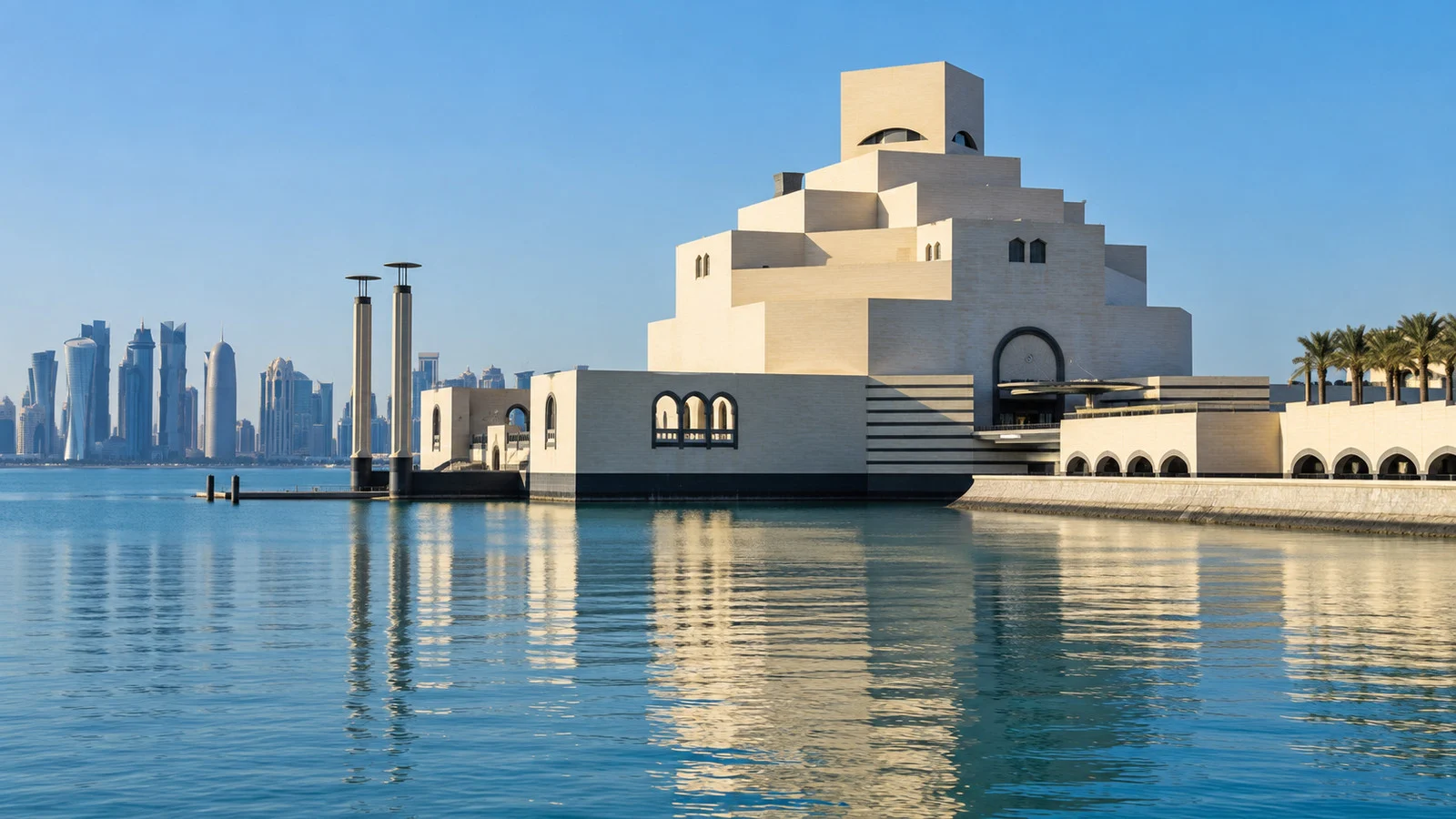
The Museum of Islamic Art is Doha’s essential first-time museum, both for its collection and its setting on the bay. Four floors explore Islamic art across regions, materials, and centuries, with the skyline visible beyond the building and park.
The official MIA visitor page currently shows the museum closed on Wednesday and opening later on Friday. Hours, tickets, gallery access, and special exhibitions can change, so check again for your exact date.
MIA Park remains valuable even when the museum is closed, offering waterfront views and public space beside the harbor. Major events can affect access and parking, another reason to rely on the official page.
Choose this museum if art, calligraphy, textiles, ceramics, metalwork, or architecture appeals to you. Give it enough time to look closely rather than racing through four floors before a second large museum.
National Museum of Qatar
The National Museum of Qatar tells the country’s story through natural history, archaeology, pearl diving, family life, energy, nation-building, and contemporary identity. Jean Nouvel’s desert-rose-inspired building is part of the experience.
The official museum page currently lists Tuesday as its closed day and a later opening on Friday. It also warns that some galleries may close temporarily for enhancement, so verify the current notice before departure.
This is the better choice if you want a broad introduction to Qatar rather than a collection organized around Islamic art. The scale can absorb several hours, making it sensible to choose between NMoQ and MIA on a shorter call.
Souq Waqif
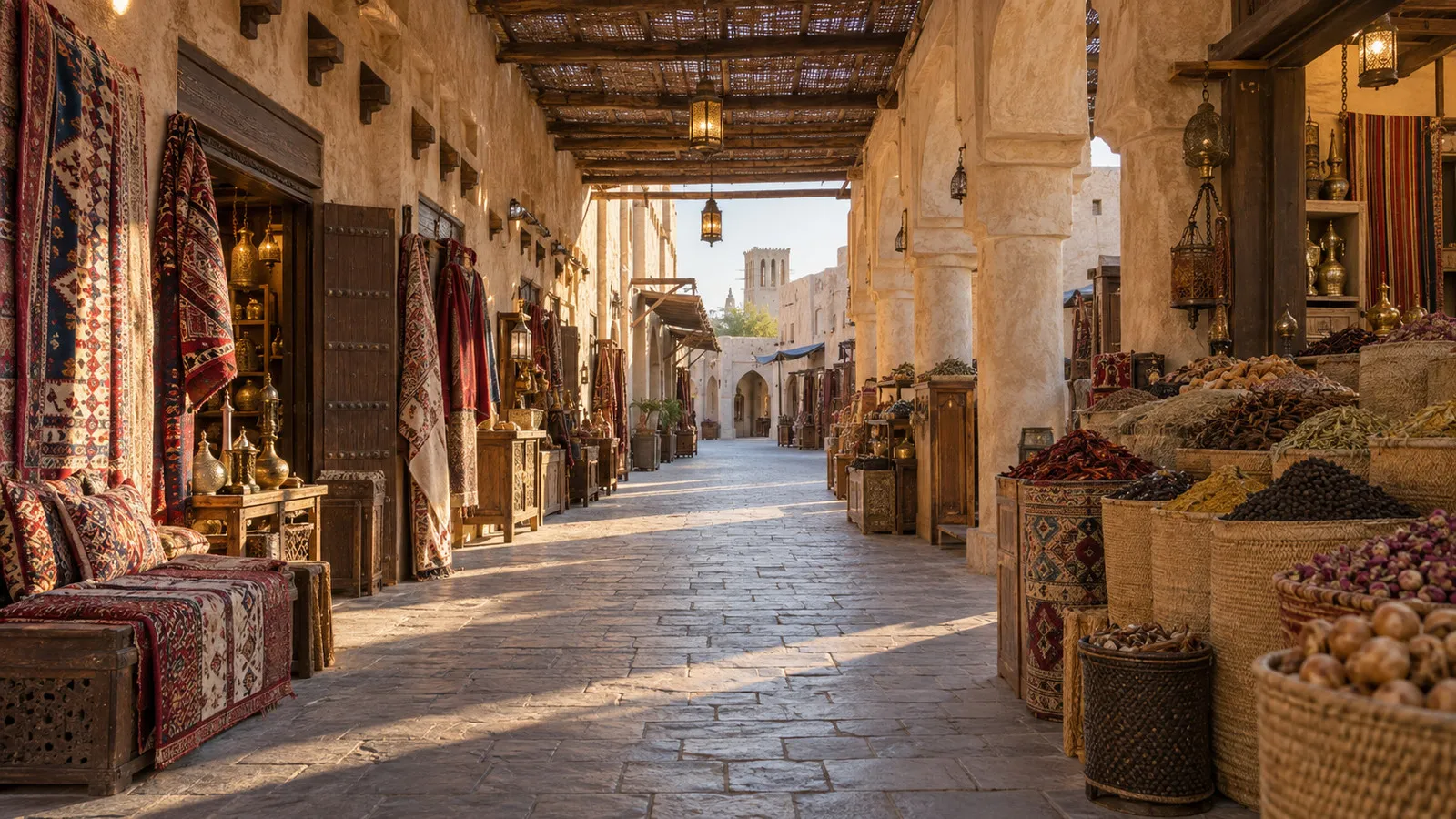
Souq Waqif is Doha’s most enjoyable place to wander without a fixed route. Its lanes hold spices, textiles, perfumes, handicrafts, restaurants, cafés, and specialist market areas, with the strongest atmosphere later in the day.
A morning visit can be quieter, and individual shops may open on their own schedule or pause around prayer times. Come for the architecture, food, and street life rather than one guaranteed stall.
Restaurants make the souq useful even when some retail lanes are sleepy. Try machboos, grilled meats, mezze, regag bread, sweets, dates, or Arabic coffee, and ask about portion size before ordering several sharing dishes.
Bargaining may be appropriate for some goods but not in every store or restaurant. Keep it friendly, know what you are willing to pay, and do not photograph people without permission.
Mina District, Box Park, and the Corniche
Mina District
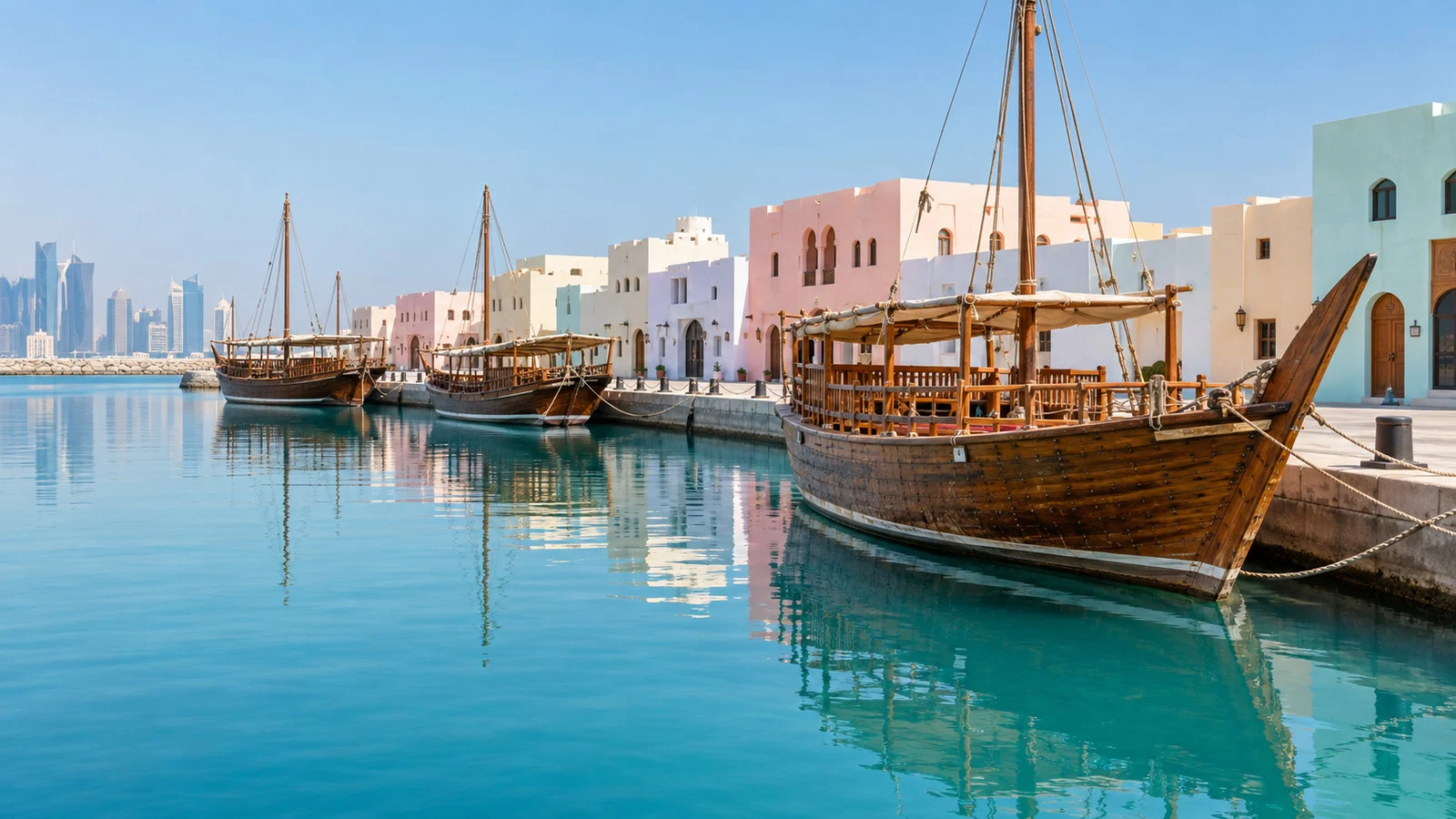
The Mina District surrounds the renovated Old Doha Port with pastel facades, marina views, cafés, restaurants, shops, and photogenic lanes. It is the easiest fallback when a tour is canceled or the ship clears later than expected.
Because it sits beside the terminal, you can leave it for the end of the day without adding meaningful transport risk. Check the gate route, since the nearest-looking building may not connect directly through secure port space.
Box Park
Box Park uses colorful shipping containers and harbor views to create a casual waterfront stop. It works well for photos, a snack, or a short stroll rather than as the single centerpiece of the day.
The area is exposed to sun and wind, with limited shade along some routes. Combine it with Mina or the Museum of Islamic Art only if the weather is comfortable.
The Corniche
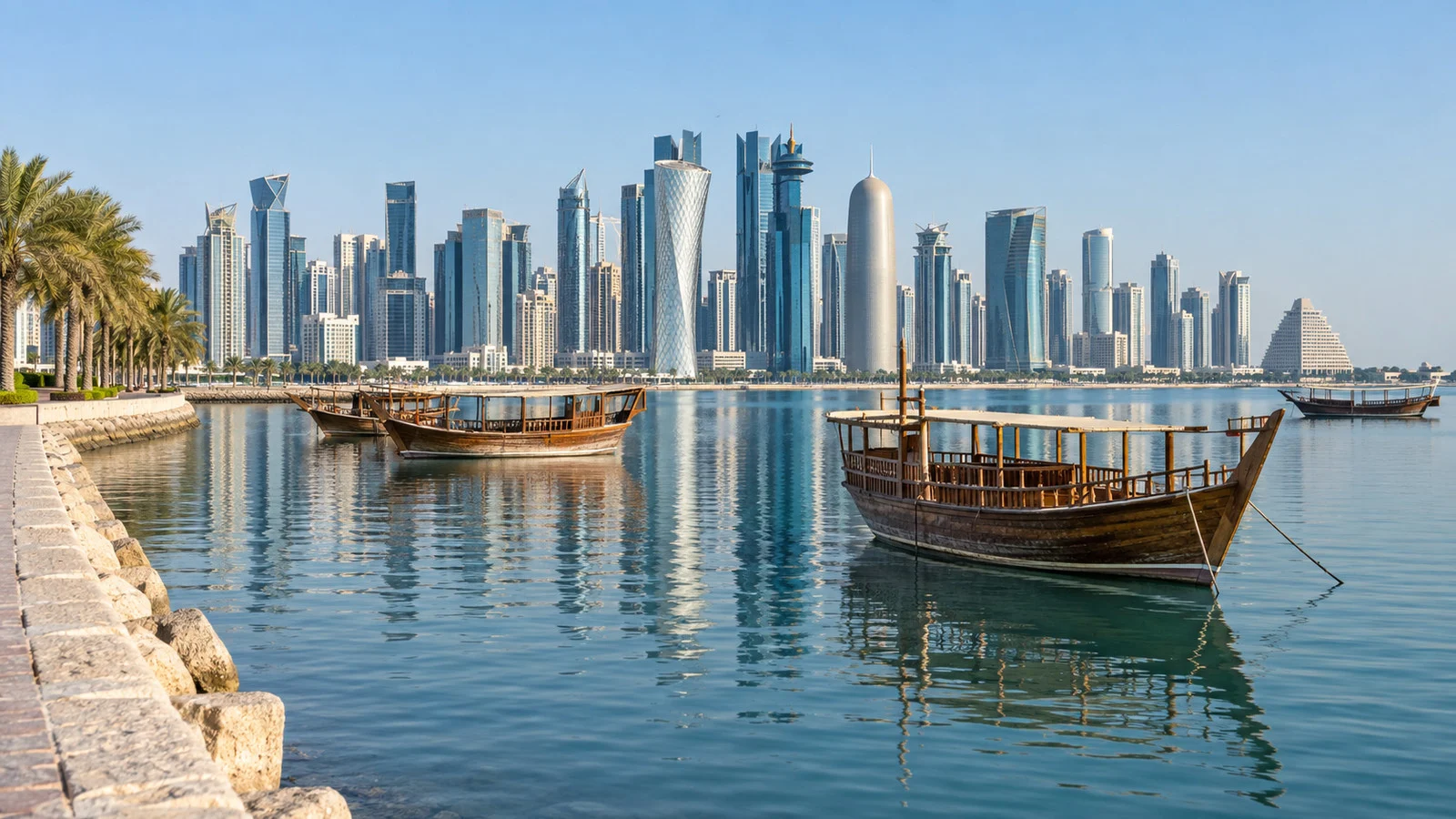
Doha’s Corniche curves around the bay, framing dhows and the West Bay skyline. It looks close and continuous from the ship, but the full waterfront is too long to treat as one casual port walk.
Choose a manageable section around MIA Park, the dhow harbor, or the central skyline viewpoints. A taxi can connect the ends efficiently and spare you a long exposed walk.
Katara, The Pearl, and farther Doha
Katara Cultural Village combines galleries, performance spaces, a mosque, public art, restaurants, and a beach north of central Doha. The Pearl adds marinas, polished promenades, shops, and dining in a very different, contemporary setting.
These districts fit best on a longer call or a focused city tour. Trying to add both after two museums and Souq Waqif produces a windshield-heavy day.
Lusail lies farther north again and should be chosen for a specific reason, not simply to say you covered more ground. Doha traffic is modern and often smooth, but events and peak periods can still slow the return.
Desert excursions
A desert safari usually combines a drive south of Doha with dunes, viewpoints, or the Inland Sea area. The experience can be thrilling, but it requires a licensed operator, an appropriate vehicle, and enough time for the round trip.
Book through the cruise line or a reputable operator that understands port schedules. Ask about driving intensity, seat belts, age or medical restrictions, bathroom stops, and what happens if the ship changes its hours.
Travelers with back, neck, pregnancy, or motion concerns should avoid dune bashing unless medically appropriate. A gentler desert visit or city tour can deliver scenery without the hard jolts.
Dress, customs, and Friday timing
Qatar is welcoming and cosmopolitan, but modest clothing shows respect in public spaces. Cover shoulders and knees for museums, souqs, and cultural sites, and bring an extra layer for strong indoor air conditioning.
Friday midday prayers affect the rhythm of the city, and museums currently open later that day. Ramadan can also change business hours, dining patterns, and the timing of attractions, so check local guidance for your date.
Public displays of affection should remain restrained, and alcohol is limited to licensed venues. Never photograph security facilities, military sites, or people who have not agreed.
Weather and heat
Doha’s cruise season is concentrated in the cooler months, with Qatar Tourism describing November through April as the active period. Even then, sun and daytime warmth can be strong, while evenings or air-conditioned interiors may feel cool.
Carry water, use high-protection sunscreen, and wear a hat that stays secure in coastal wind. Move outdoor walking to the cooler part of the call and save museums for the hotter hours.
Check the Qatar Meteorology Department for current weather, dust, wind, and visibility information. Dust or haze may reduce skyline views without preventing a rewarding indoor day.
Accessibility
The Grand Cruise Terminal and Doha’s modern museums are designed with accessibility in mind, but individual transfers still depend on the gangway and transport. Request port assistance through the cruise line before arrival.
Qatar Museums publishes accessibility information for its venues, and both major museums provide elevators and accessible public spaces. Confirm wheelchair availability, quiet-space needs, or sensory support directly if it is essential.
Heat can be the biggest access barrier outdoors. A taxi-based plan linking one museum, Souq Waqif, and Mina District minimizes exposure without sacrificing the city’s character.
Three practical Doha plans
A short call
Explore Mina District first, then take a taxi to the Museum of Islamic Art or Souq Waqif. Return along a short Corniche section and leave time for the terminal aquarium and formalities.
This plan remains flexible if the ship clears late. It also avoids depending on a metro connection or a distant tour.
A culture-focused day
Choose either MIA or the National Museum for a substantial morning, then continue to Souq Waqif for lunch. Add the Corniche or Mina District only after the main visits are complete.
Check the museum’s closed day before choosing. On Friday, reverse the order because the museums currently open later.
A longer city circuit
Combine one museum, Souq Waqif, Katara, and a skyline drive with a private guide or ship excursion. Keep The Pearl or Lusail optional rather than turning every district into a required stop.
Set a return target earlier than the absolute deadline. Port security, traffic, and another ship’s passenger flow can all lengthen the final approach.
Common Doha cruise questions
Can I walk from the ship into Doha?
You can walk into Mina District and the immediate waterfront area after exiting the terminal. For Souq Waqif, the National Museum, or farther districts, a taxi or shuttle is usually more comfortable.
Is the metro at the cruise terminal?
No, there is no station inside the terminal. National Museum and Souq Waqif are the closest stations identified by Qatar Tourism.
Which museum should I choose?
Choose MIA for an outstanding art collection and bay setting, or NMoQ for the story of Qatar and dramatic contemporary architecture. On a short call, one done well is better than both at speed.
Do I need cash?
Cards are widely accepted in museums, taxis, malls, and many restaurants, but some cash is useful in the souq. Use an official ATM or exchange counter and confirm the currency before paying.
Can weather cancel the call?
Ships normally berth in a protected port, but no call is immune to marine, visibility, operational, or regional conditions. Ignore unsupported missed-call percentages and follow the cruise line’s live information.
What should I check that morning?
Confirm immigration instructions, all-aboard time, shuttle details, museum hours, prayer or Ramadan timing, and the forecast. If the call changes, Mina District and the nearby waterfront provide an easy backup.
The last word
Doha works because its most rewarding contrasts sit close together: old trading lanes and new museums, wooden dhows and a glass skyline, desert traditions and a meticulously rebuilt port. You do not need an exhausting circuit to understand that energy.
Choose one museum, make room for Souq Waqif, and end where the harbor meets the Corniche. That measured plan leaves time to notice Doha instead of simply crossing it.
About the author: Ellie writes practical cruise port guides for travelers who want clear choices, realistic timing, and room to enjoy the place.
No firsthand visit is claimed. This guide was independently checked September 12, 2026, against current information from Qatar Tourism, Qatar Rail, the Museum of Islamic Art, the National Museum of Qatar, and Qatar Meteorology.
Entry rules, port details, and operating conditions can change, so confirm current requirements and all-aboard time with your cruise line.