New Caledonia Cruise Ports: A Planner’s Guide to Every Stop
New Caledonia is the kind of cruise destination that makes the water itself feel like the main attraction. Nouméa brings French Pacific city life, while Lifou, Isle of Pines, and Maré trade urban energy for Kanak culture, pale beaches, limestone landscapes, and an astonishing lagoon.
The four ports are not interchangeable, and that is exactly why the itinerary works. One is a practical docked gateway, while the island calls are tender-dependent experiences where sea conditions, local transport, and customary access can reshape the day.
Quick Facts
- Best first port: Nouméa offers the greatest flexibility, with city sights, beaches, museums, markets, and lagoon excursions.
- Best postcard beach: Isle of Pines pairs Kuto and Kanumera bays with tall araucaria pines and exceptionally clear water.
- Best cultural island call: Lifou combines Kanak communities, churches, cliffs, beaches, and locally managed natural sites.
- Quietest call: Maré has fewer visitor services and a less commercial feel, which is part of its appeal.
- Arrival pattern: Nouméa usually docks, while Lifou, Isle of Pines, and Maré commonly use tenders.
- Essential rule: Respect customary restrictions, protect the reef, and return to the landing before the final tender cutoff.
Why the itinerary mix matters
Most New Caledonia cruise itineraries combine Nouméa with one or more island calls. The contrast is wonderful, but it means each day needs a different planning style.
Nouméa can support an independent city route, a beach transfer, or a full lagoon excursion. The islands call for more flexibility because tender schedules, local vehicles, visitor capacity, and community access rules can limit how much is practical.
The official New Caledonia Tourism site is a useful starting point for destinations and current visitor information. The cruise line’s final notice still controls the actual berth, tender operation, clearance process, and all-aboard time for your sailing.
Nouméa
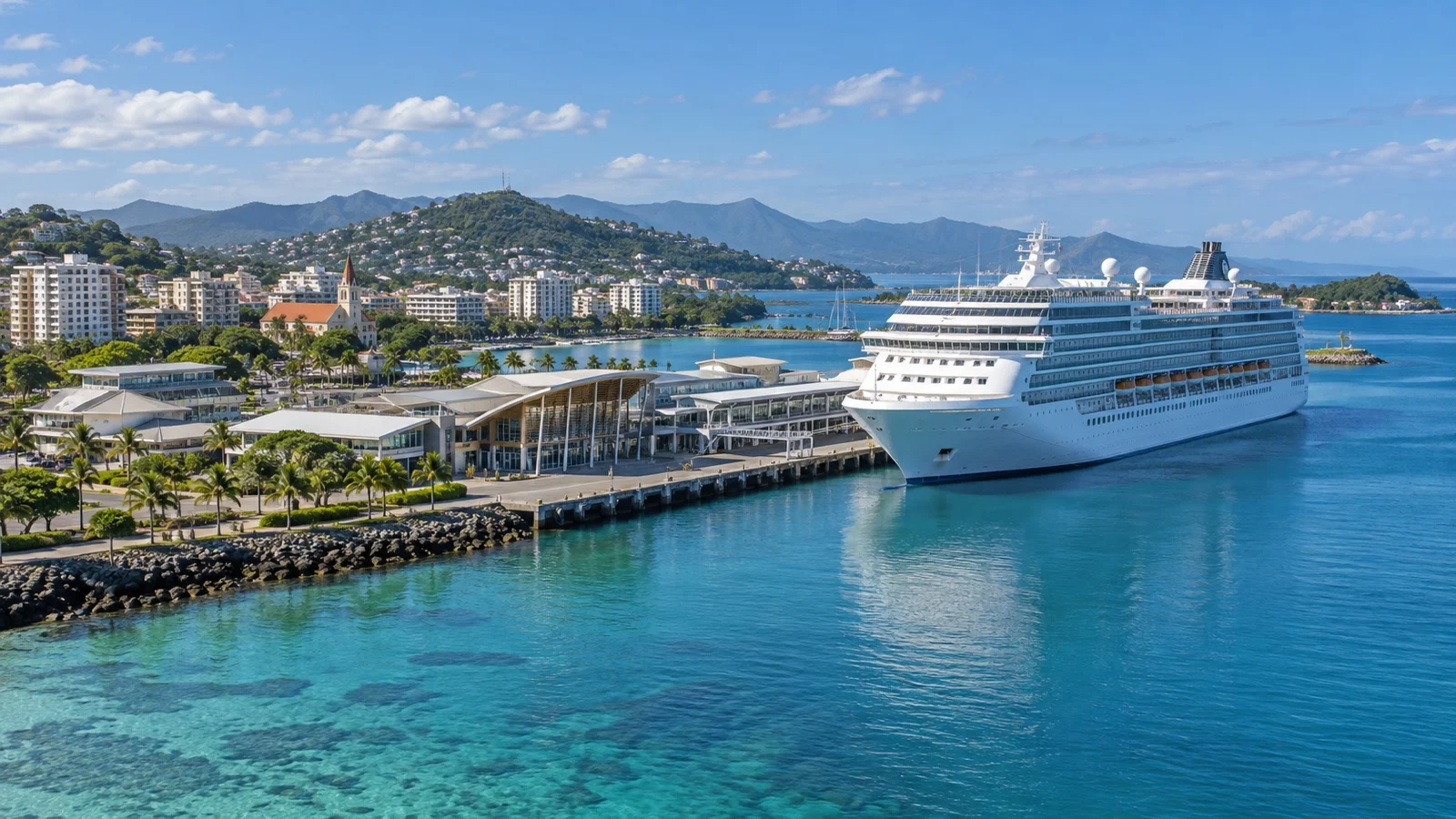
Nouméa is New Caledonia’s capital and the easiest port for travelers who like options. Markets, museums, waterfront dining, Anse Vata, Baie des Citrons, and marine excursions can all fit into a well-planned day.
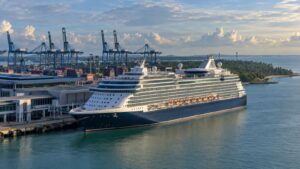
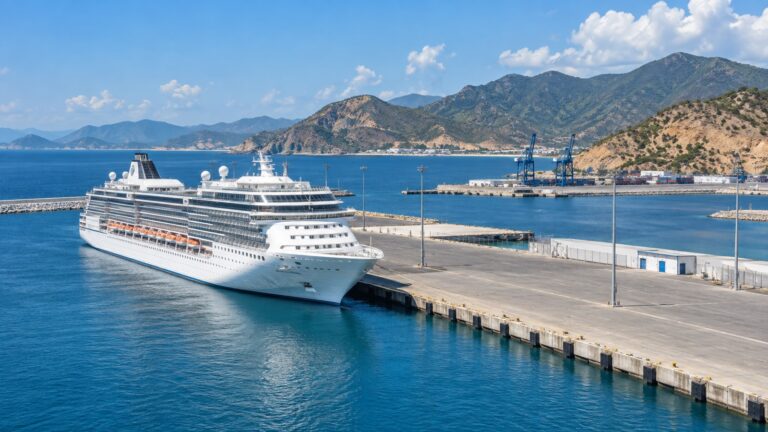
Large ships may use a commercial berth where walking is controlled, with shuttle arrangements connecting passengers to a visitor facility or central pickup point. Follow the ship’s instructions instead of assuming the gangway opens directly onto a public street.
For an easy independent day, I would choose either the city center and market area or the beach districts around Anse Vata and Baie des Citrons. Combining both is possible with reliable transport, but a relaxed lunch and one waterfront area usually feel better than constant backtracking.
The Tjibaou Cultural Centre is a meaningful choice for learning about Kanak identity, art, and the wider Pacific. It sits away from the central cruise area, so arrange transportation and check current opening details before committing.
Longer excursions can reach Amédée Lighthouse, small lagoon islets, or the landscapes south of the city. These trips are most comfortable when booked with an operator who understands ship time and builds in a conservative return.
Lifou
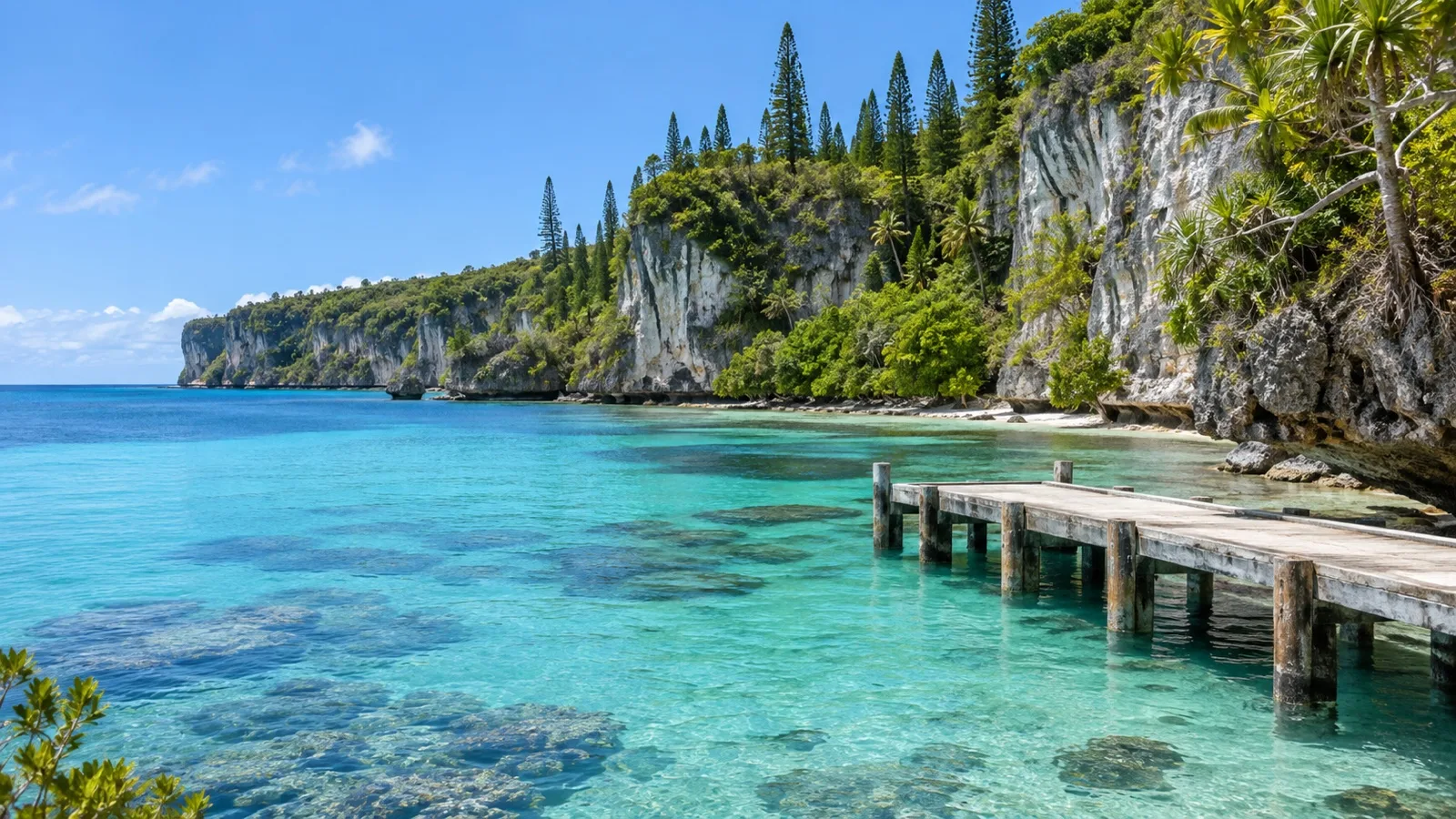
Lifou is a Loyalty Island call where the day begins by tender near Easo. Clear water, limestone cliffs, churches, beaches, caves, and Kanak culture make it much more than a quick swim stop.
The landing area is manageable, but the island’s attractions are spread out and transport capacity is limited. Choose one principal beach, snorkeling site, cultural visit, or island route rather than assuming taxis will appear whenever you need one.
Jinek Bay is known for marine life, yet access, visitor numbers, equipment rules, and opening conditions can change. Use current local or cruise-line guidance, pay any stated fee, and never treat an old review as permanent permission.
Local authority matters throughout Lifou. Ask before entering land, photographing people or ceremonies, and using paths that pass through customary areas.
Tendering can be the hardest part for travelers with limited mobility because the boat moves against the platform. The captain and crew decide whether conditions are safe, and a call can be shortened or canceled even when the island looks close.
Isle of Pines
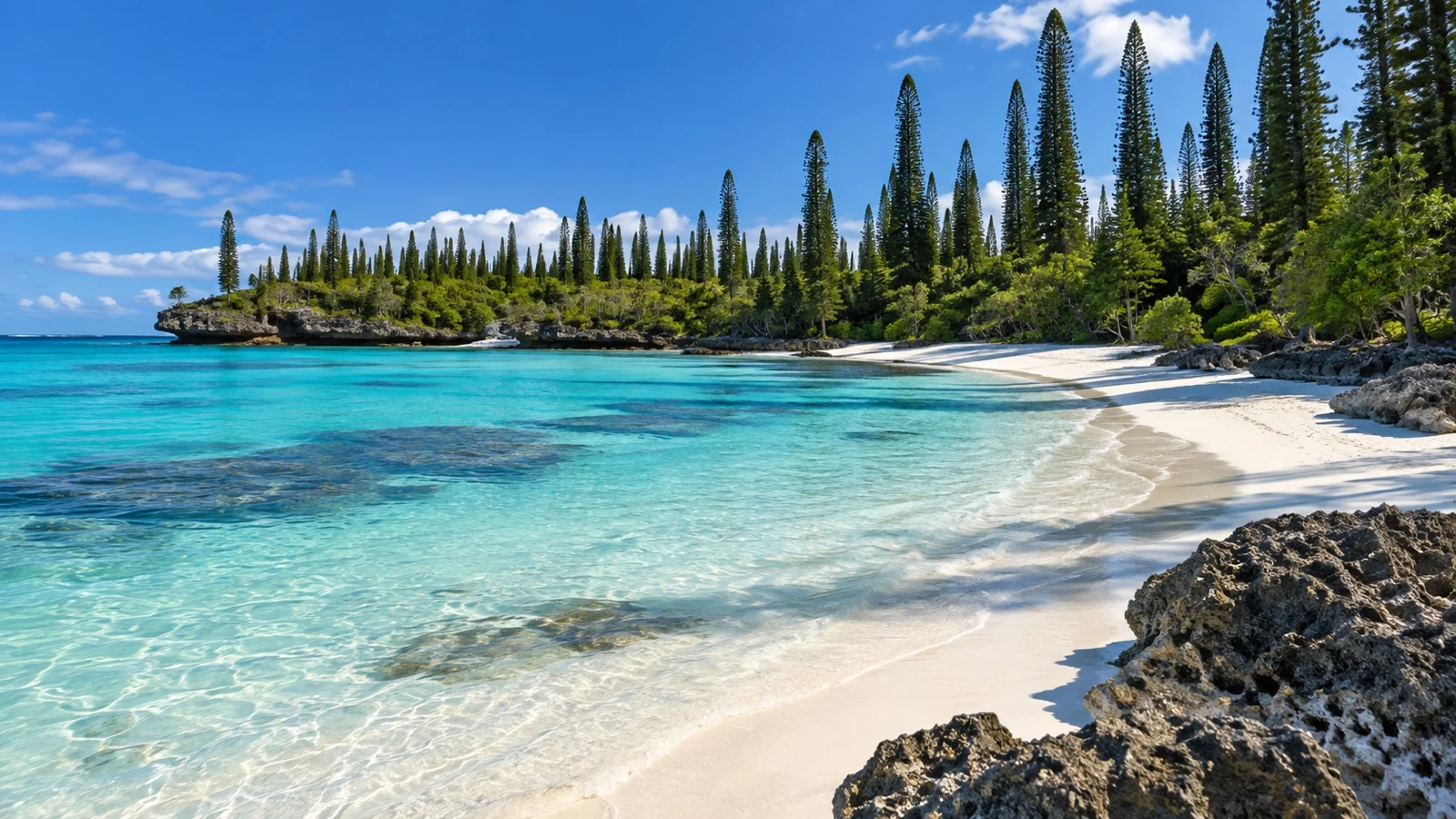
Isle of Pines is the visual showstopper, and the tender landing near Kuto makes a simple beach day genuinely rewarding. Kuto Bay offers a long curve of pale sand, while neighboring Kanumera Bay feels smaller and more sheltered.
The island’s tall araucaria pines create the distinctive skyline behind the turquoise water. I would happily spend most of the call between the bays instead of treating the nearby beach as something to rush through on the way to a checklist.
Kanumera’s offshore rock is sacred, and visitors should not climb it or cross areas restricted by local authorities. Signs and community guidance take priority over social-media photos showing people where they should not be.
The Natural Pool at Oro Bay is farther from the tender landing and requires organized transportation plus a walk. Access can change, so confirm the route, footwear needs, local fee, and current permission before the day.
Reef shoes can help on rough entries, but they are not permission to stand on coral. Float calmly, keep fins away from living reef, and leave shells and marine life exactly where you find them.
Maré
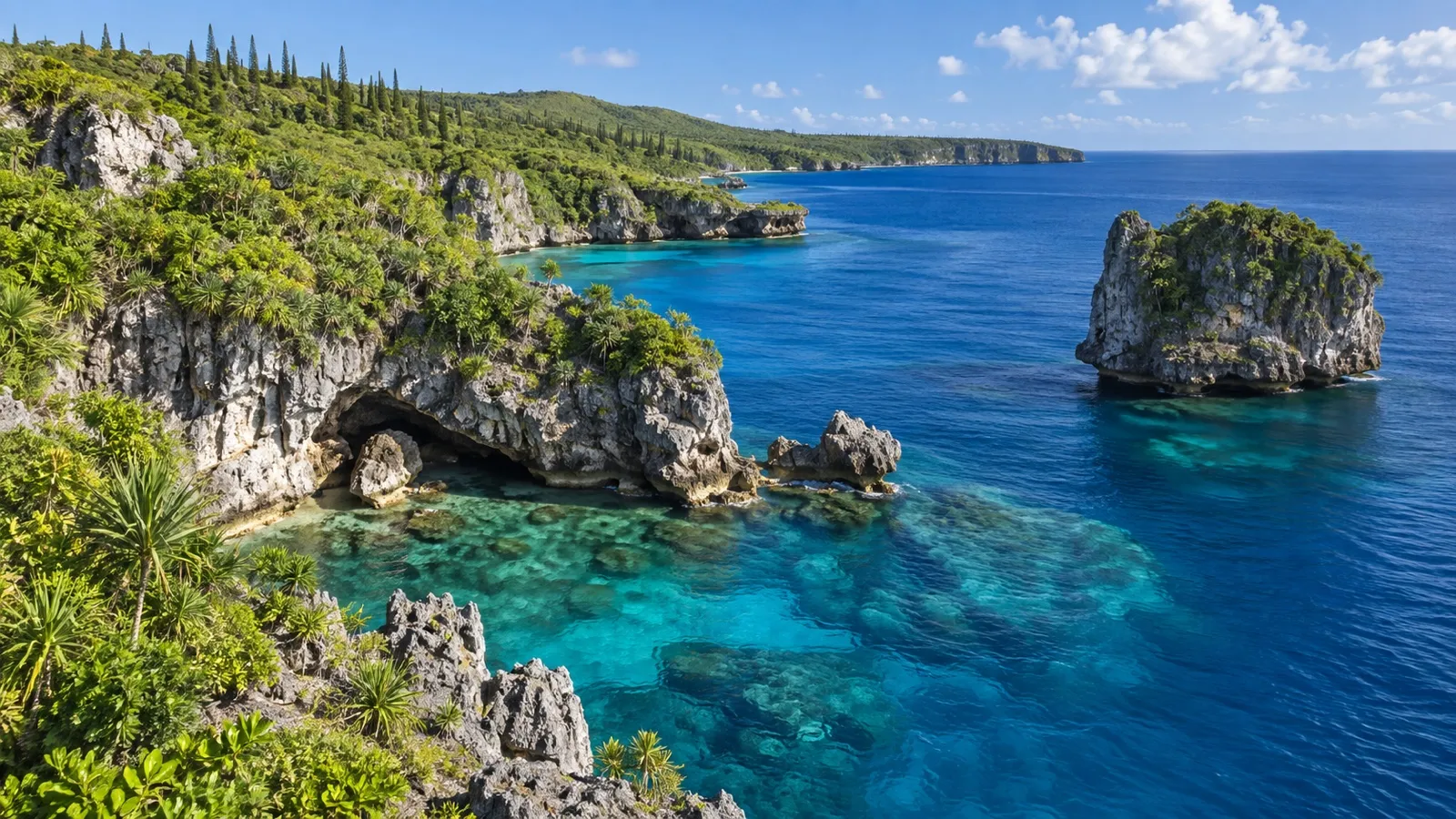
Maré is quieter and less developed for tourism than Nouméa. Limestone cliffs, deep natural pools, beaches, forest, and local villages give the island a strong sense of place.
The smaller visitor infrastructure is part of Maré’s charm, but it makes improvisation less reliable. Ship excursions or prearranged local transport are sensible when a desired beach or natural site is well beyond the landing.
Carry water, sun protection, and an accepted form of local payment because services can be limited. Keep the plan simple enough that a delayed tender or transport change does not unravel the whole day.
As on Lifou, customary ownership and community rules shape access. A road on a map does not automatically make the beach, cave, pool, or trail beyond it open to uninvited visitors.
Docking, tenders, and return timing
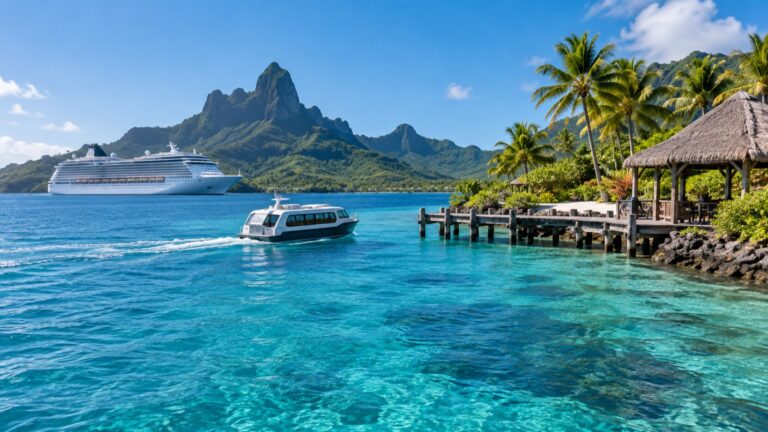
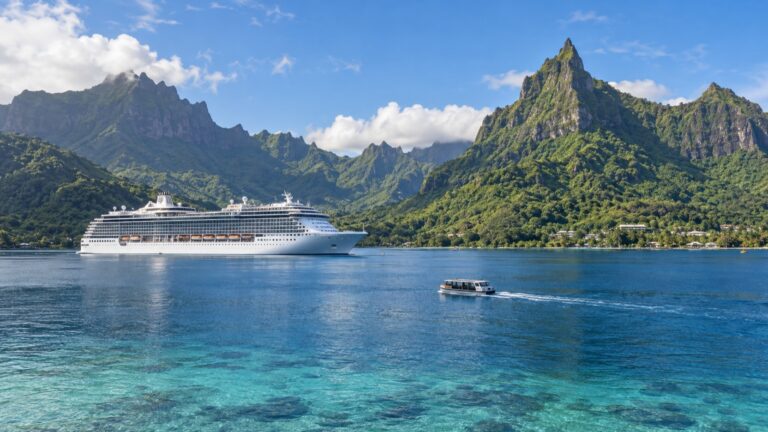
Nouméa is the primary docked call, though the exact berth and shuttle pattern can vary. Lifou, Isle of Pines, and Maré commonly use ship tenders, making wind and swell operational factors rather than minor weather details.
A tender port has two deadlines: the published all-aboard time and the earlier final boat from shore. I aim to be at the landing at least one full tender cycle before the cutoff, with extra margin if weather or crowds are building.
Do not confuse a short distance across the water with a quick return. Loading passengers, mobility assistance, marine traffic, and rough conditions can slow each boat.
The cruise line makes the final safety decision for its tender operation. A canceled island call is disappointing, but no private booking or confident weather app can override the captain’s judgment.
The lagoon deserves thoughtful travel
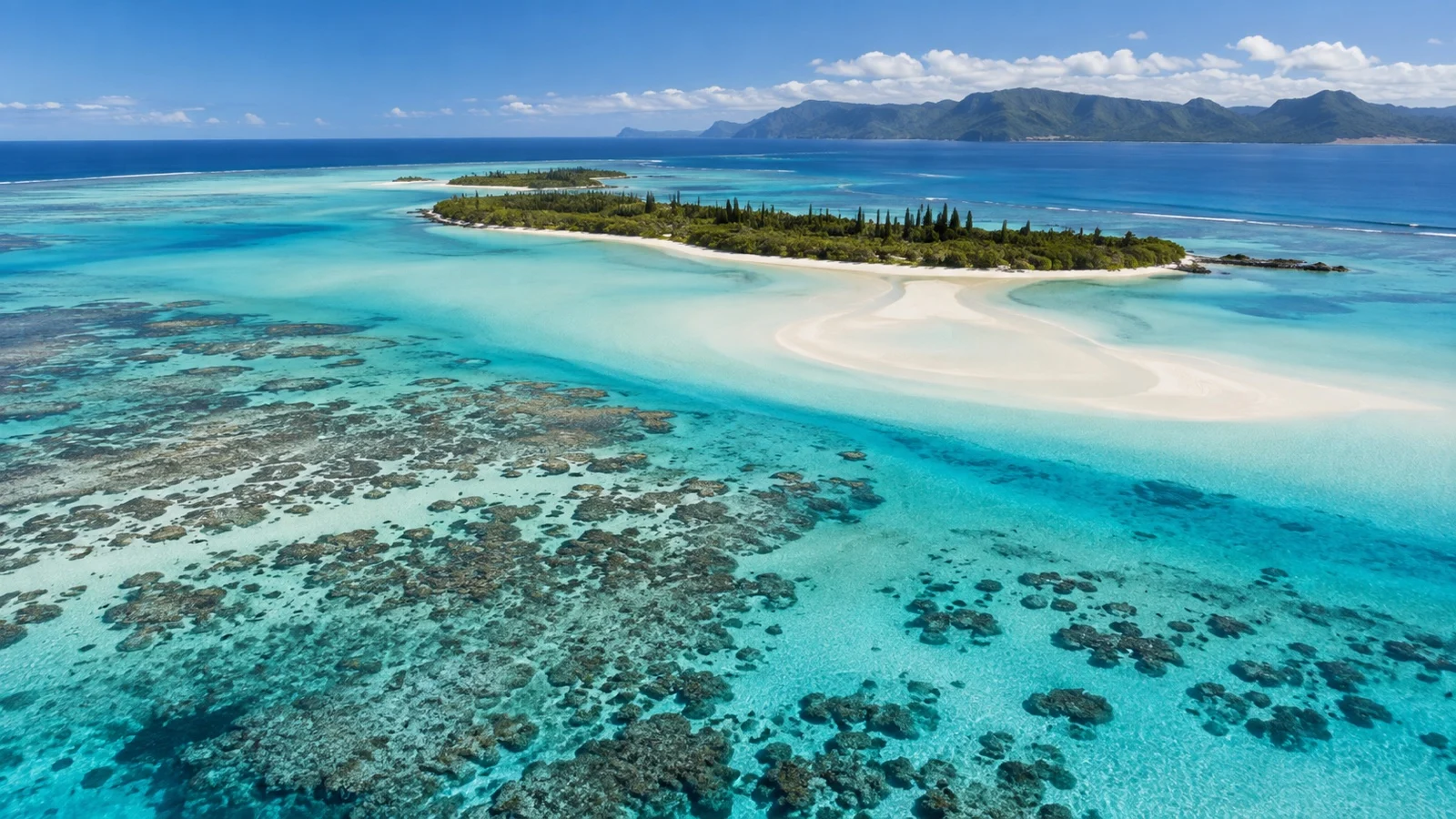
The Lagoons of New Caledonia form a UNESCO World Heritage property made up of six marine clusters. UNESCO highlights the reef system’s scale, exceptional biodiversity, varied habitats, and importance for species including turtles, whales, and dugongs.
That recognition should change how we behave in the water. Never stand on coral, touch wildlife, collect shells, feed fish, or leave anything behind.
Use reef-conscious sun protection, but remember that shade, clothing, and careful timing reduce sunscreen use most effectively. Follow local protected-zone rules and choose operators who explain how they manage wildlife encounters.
Drones need more than a pretty launch spot. Aviation restrictions, protected areas, port rules, and landowner permission may all apply, so leave the drone aboard unless every current requirement is confirmed.
Entry documents and biosecurity
New Caledonia is a French collectivity with its own entry framework, and travelers should not assume a rule for metropolitan France or the Schengen Area applies in exactly the same way. Use the official France-Visas wizard for your nationality and circumstances, then follow the cruise line’s passport instructions.
A Schengen visa is not automatically proof of permission for New Caledonia. Passport validity, exemptions, residence status, and a cruise ship’s immigration process can differ, so check again shortly before departure.
Island biosecurity protects agriculture and ecosystems. Leave ship food aboard, clean dirt from footwear, and declare plants, seeds, animal products, wood, shells, or other natural material when required.
Getting around without stress
Nouméa has the broadest transport choices, including taxis, organized shuttles, private tours, and local services. On the islands, vehicle supply is thinner and advance arrangements carry more value.
Ship excursions cost more, but they are useful for distant sights, complex marine trips, and calls where local capacity is tight. Independent touring works best for compact areas and reputable operators who explicitly plan around the ship’s deadline.
Download maps, confirmations, the ship contact, and the landing name before leaving reliable service. Photograph the pier sign after arrival because it gives a driver something concrete to recognize on the return.
French is widely useful, alongside local Kanak languages, and English support varies. A few polite French phrases and a written destination can turn an awkward transport moment into a much easier one.
Weather and the best season
New Caledonia has a warm subtropical climate, with a warmer and generally wetter period and a cooler, drier stretch. Conditions vary by island, and the breeze on an exposed tender platform can feel different from the sheltered beach forecast.
Tropical systems, strong wind, rain, and swell can affect routes during the warmer months. Check Météo-France New Caledonia for official forecasts and alerts, while remembering that the ship controls its own operation.
Pack sun protection, water, a light waterproof layer, and shoes that can handle wet tenders or uneven paths. A dry bag or sealed pouch is a small luxury when spray reaches the tender seats.
Keep one low-friction alternative for every call. A windy snorkel day can become a beach walk, local market, museum, church, or long lunch without feeling like a failure.
Accessibility and multigenerational planning
Accessibility depends on the entire route, not one building. Ask about the gangway or tender, pier surface, vehicle steps, equipment storage, restroom access, sand, trails, and the final distance back.
Wheelchair and scooter users should give exact equipment dimensions and battery details to the cruise line early. Tender transfers and limited island vehicles may be more restrictive than the attraction itself.
Groups with children, grandparents, or mixed stamina do best with one anchor experience and a clear meeting point. Nouméa supports split plans more easily, while island groups should stay closer because transport and connectivity can be inconsistent.
How I would choose an itinerary
For a first visit, I would pair Nouméa with Isle of Pines. That combination gives you the easiest city logistics and the classic beach landscape most travelers imagine.
Add Lifou when culture, snorkeling, and a more locally managed island experience matter most. Choose Maré when you value a quieter atmosphere and are comfortable with fewer services.
Port order matters too. A flexible Nouméa day between two tender islands gives the itinerary breathing room, especially if wind or swell changes one call.
Before booking, compare the actual hours in port, the arrival method, and the distance to your must-do sight. Those three facts reveal more than a glossy string of island names.
Common planning mistakes
The biggest mistake is treating every island beach as public and permanently open. Customary authority, conservation rules, weather, and community decisions can change access, and visitors should accept a closure without searching for a shortcut.
Another mistake is overplanning a tender call. One excellent beach, cultural route, or snorkeling area leaves room for boat queues and is far more relaxing than three attractions connected by uncertain transport.
Finally, never target the last possible ride or tender back. The most beautiful lagoon in the Pacific is difficult to appreciate when every passing minute feels like a missed ship.
Frequently asked questions
Which New Caledonia cruise port is best for a first visit?
Nouméa is the easiest logistically and offers the widest choice of activities. Isle of Pines is the strongest addition for a classic beach and lagoon experience.
Do cruise ships dock or tender?
Ships generally dock in Nouméa, though shuttle arrangements vary by berth. Lifou, Isle of Pines, and Maré are commonly tender calls subject to sea conditions.
Should I book an excursion through the ship?
A ship excursion makes sense for distant attractions, limited island transport, complicated marine outings, or any day when return protection matters most. Independent plans are attractive near the landing when access and timing are clear.
What can disrupt an island call?
Wind and swell are the largest operational variables because they affect tender safety. Local access decisions, transport capacity, heavy rain, and marine conditions can also change the day’s options.
My final advice
New Caledonia is not a destination to conquer in a day. Choose one experience that fits the port, listen to local guidance, and leave enough time to notice the color of the water instead of only checking the clock.
I would plan Nouméa with practical detail and plan the islands with practical humility. The best days here balance curiosity with respect for the sea, the reef, and the communities that welcome the ship.
How this guide was researched: This guide was independently checked on September 11, 2026, against New Caledonia Tourism, France-Visas, Météo-France New Caledonia, UNESCO World Heritage Centre, and current cruise-line operating guidance.
Reconfirm the berth or tender landing, entry documents, customary access, weather, protected-area rules, transportation, and final return time before sailing because conditions can change.